Dublin
Dublin, Ireland
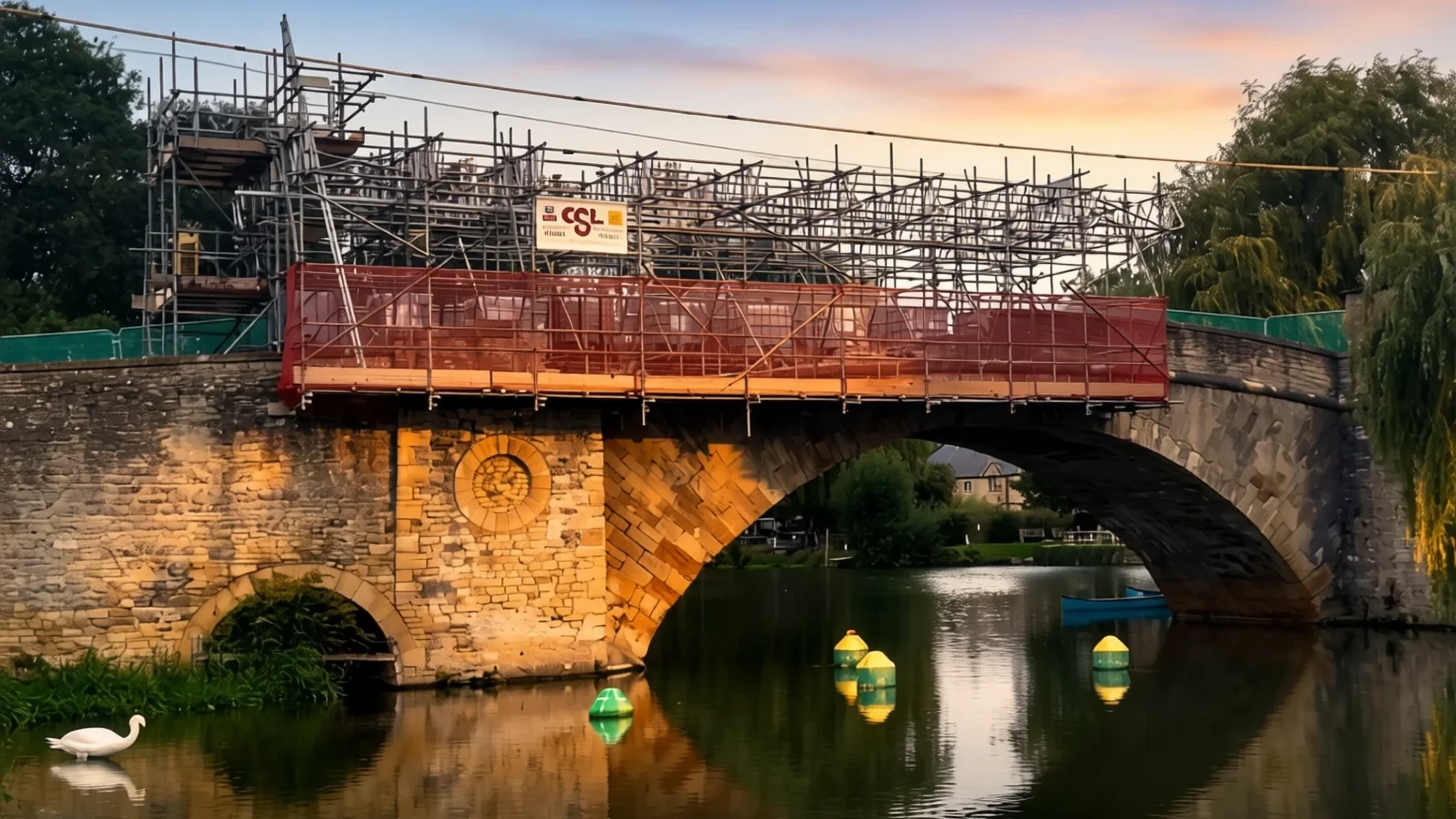
A characterful capital framed by coastal hills and literary history, where historic quays and welcoming pubs line the River Liffey.
The place
Dublin sits where the River Liffey meets Dublin Bay along Ireland's eastern coast, backed to the south by the rising slopes of the Dublin Mountains. Sitting at an elevation of twenty metres, the capital spreads across a flat coastal plain. Broad Georgian thoroughfares and red-brick terraces define much of the city centre, punctuated by granite bridges, stately public edifices, and expansive green parks. The Liffey divides the territory into traditional northside and southside districts, carrying ocean breezes straight into the heart of town.
The city retains a distinctly human scale. Compact central quarters make walking between historical precincts straightforward, connecting historic university courts, riverside quays, and market streets. North of the river, wide avenues lead toward major civic landmarks and cultural institutions. South of the water, narrower lanes wind past historic churches, quiet residential squares, and vibrant commercial lanes filled with traditional public houses.
Beyond the urban core, Dublin stretches toward picturesque coastal hamlets and wooded hills. Sheltered waters in the bay support active harbour life, while nearby mountain paths look back across the urban skyline. The capital balances its administrative role with an easygoing rhythm, where centuries of architectural heritage sit comfortably alongside modern daily routines.
Its story
Dublin grew from early settlements along the banks of the River Liffey, where ancient fishing traps beneath the modern quays mark thousands of years of continuous coastal activity. Early Gaelic communities established monastic sites near the tidal black pool that later gave the location its modern name. In the ninth century, Norse seafarers established a fortified settlement at the mouth of the Poddle tributary, turning the harbour into a major trading hub for their maritime network.
The arrival of Anglo-Norman forces transformed the settlement into Ireland's principal stronghold and civic seat. Massive defensive walls went up around the medieval borough, anchored by a formidable royal castle. Over subsequent centuries, the town expanded far beyond its original medieval ramparts. The eighteenth century brought a major architectural golden age, giving rise to grand Georgian avenues, elegant public buildings, and spacious residential squares that still line the city today.
Political changes in the early twentieth century ushered in a new era as Dublin became the capital of an independent Irish nation. Civic reconstruction repaired war-damaged streets and restored landmark public halls along main thoroughfares. Today, layers of Viking foundations, medieval church vaults, Georgian townhouses, and modern architecture remain visible side by side, telling the complex story of a city shaped by ocean trade and political transformation.
What to see
- GPO Museum — O'Connell Street
The General Post Office stands as a majestic neoclassic landmark on Dublin's main thoroughfare. Built from Greek-style granite columns, the building served as a central stronghold during historic twentieth-century independence events. Interactive exhibits inside examine national history, letters, and the social stories behind Ireland's postal headquarters.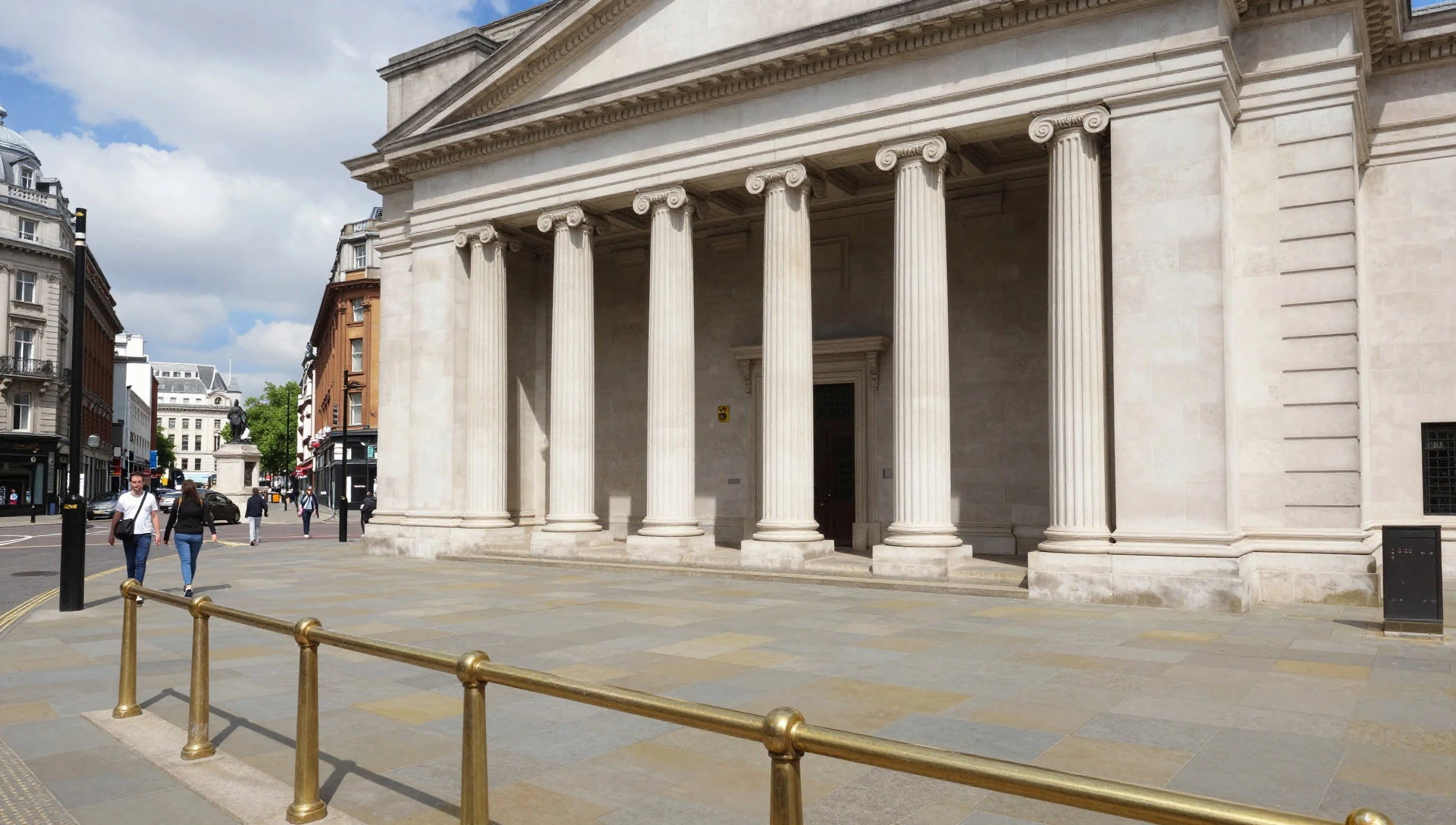
- St Mary's Pro-Cathedral — Marlborough Street
Constructed in the early nineteenth century, this elegant classical building serves as the principal Catholic place of worship in Dublin. Its understated exterior opens into a serene interior featuring grand fluted columns and a magnificent domed sanctuary, reflecting an important era of religious heritage.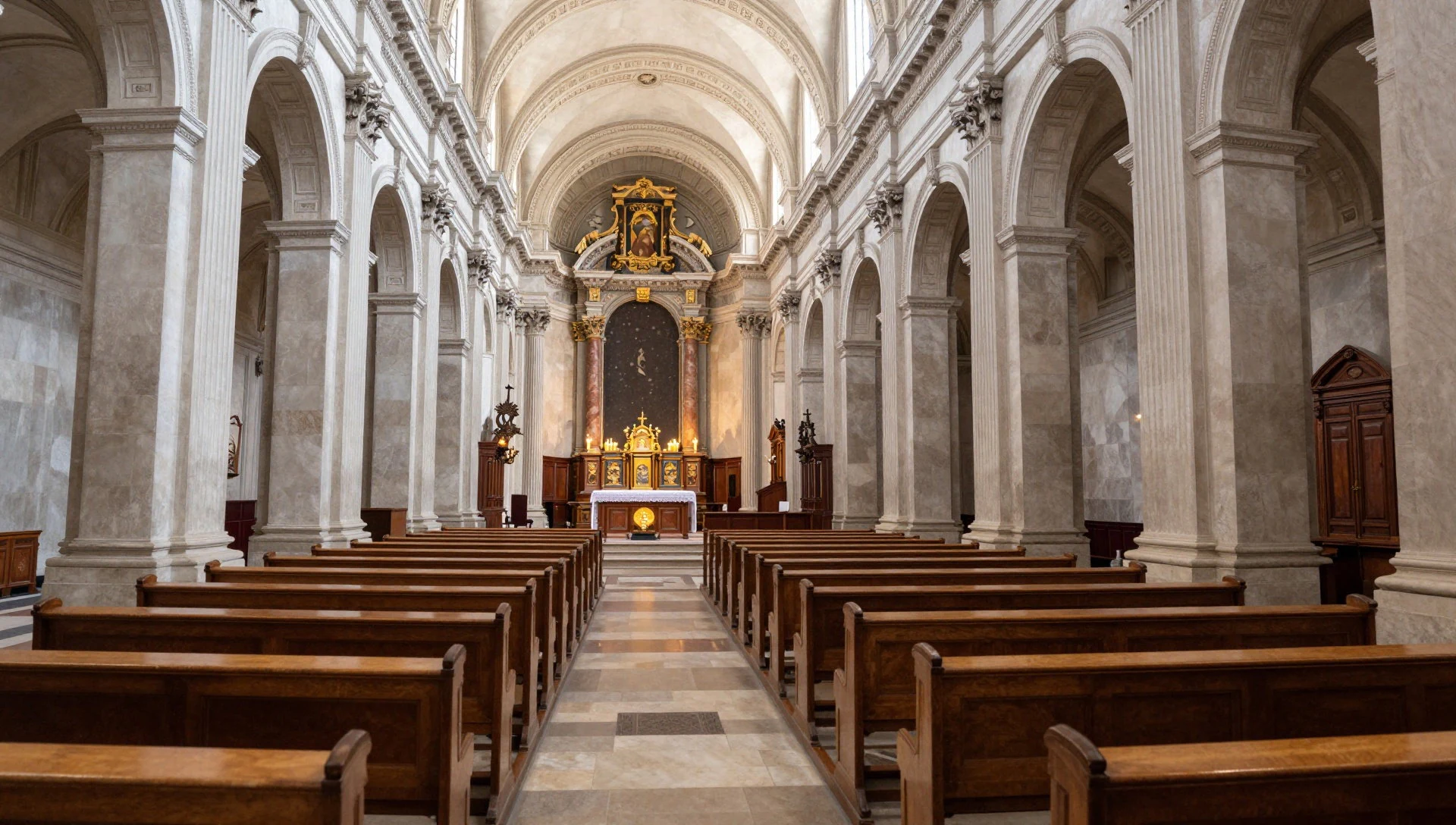
- Hugh Lane Gallery — Parnell Square
Housed in a refined Georgian mansion on the north side of the city, this public gallery displays an exceptional collection of modern and contemporary art. Highlights include impressionist paintings alongside the painstakingly preserved, chaotic studio of painter Francis Bacon, moved piece by piece from London.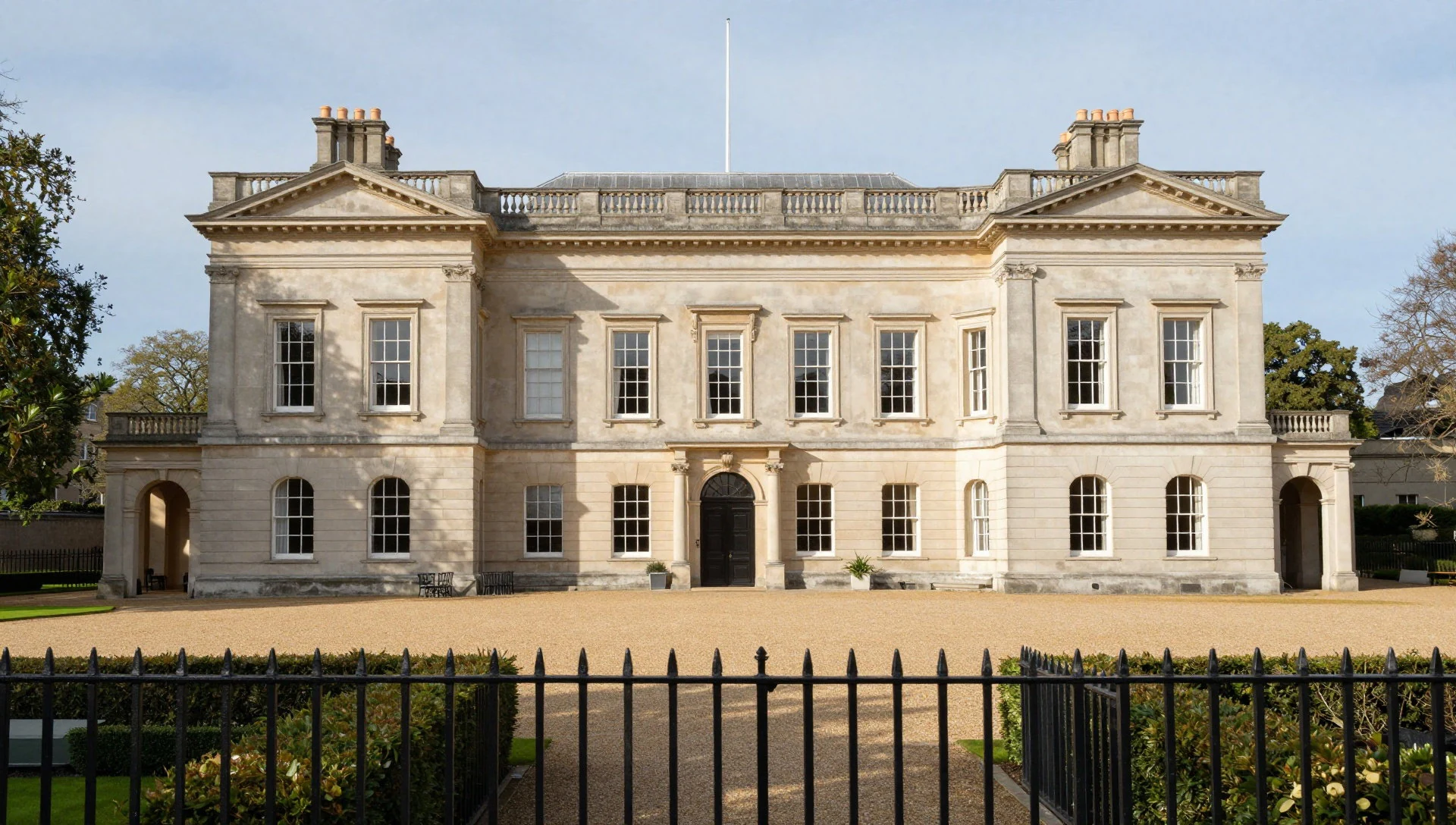
- James Joyce Centre — North Great George's Street
Located within a beautifully restored eighteenth-century Georgian townhouse, this literary centre explores the life and writings of James Joyce. Visitors can inspect detailed historical exhibits, original doorframes from notable city addresses, and archival materials that inspired famous works about Dublin.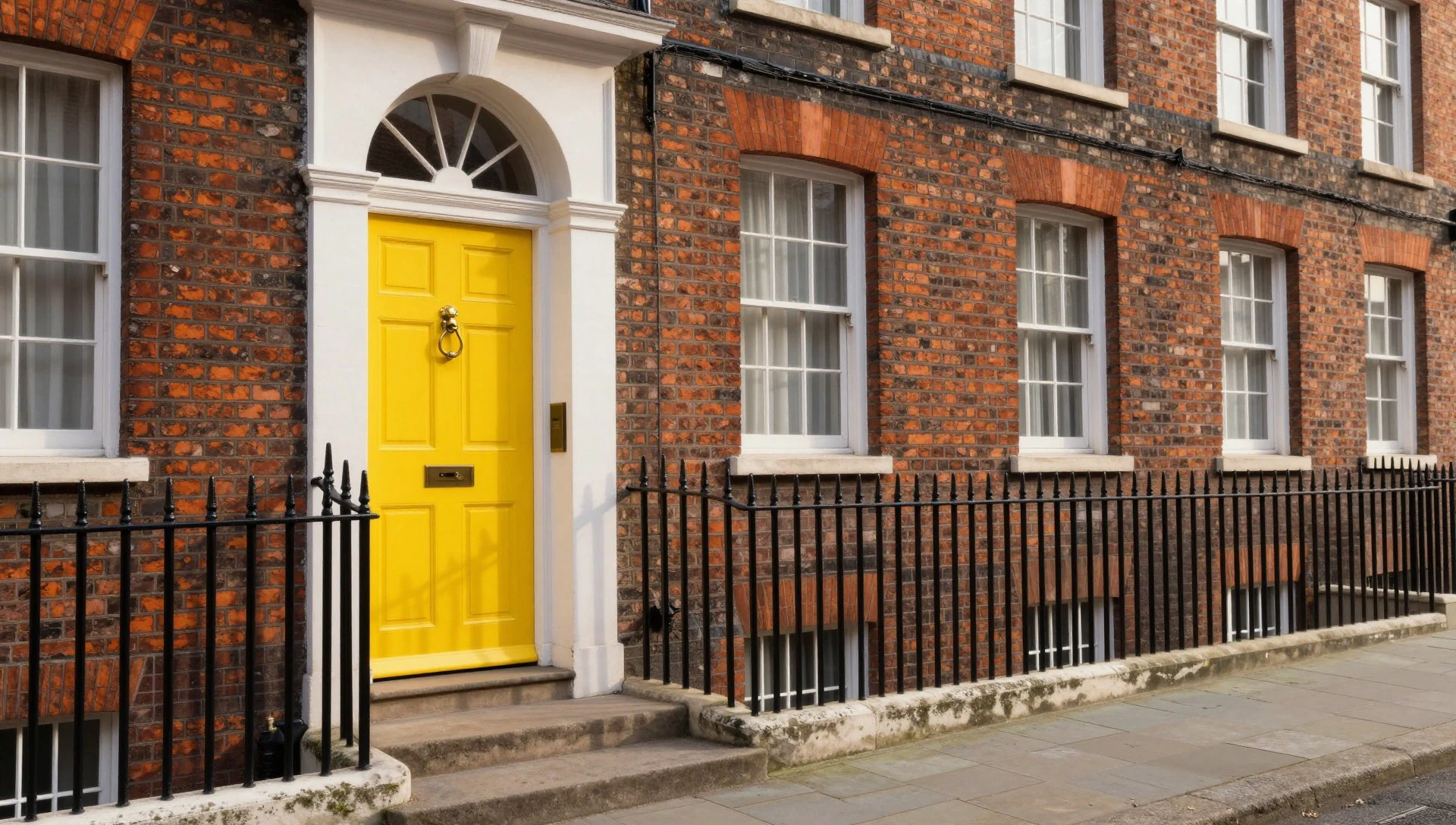
- National Leprechaun Museum — Jervis Street
Dedicated to Irish folklore and storytelling, this immersive space guides visitors through shadowy rooms designed to evoke traditional tales of mythology and the fair folk. Interactive set pieces and spoken folklore performances explore how narrative traditions developed across centuries of rural Irish history.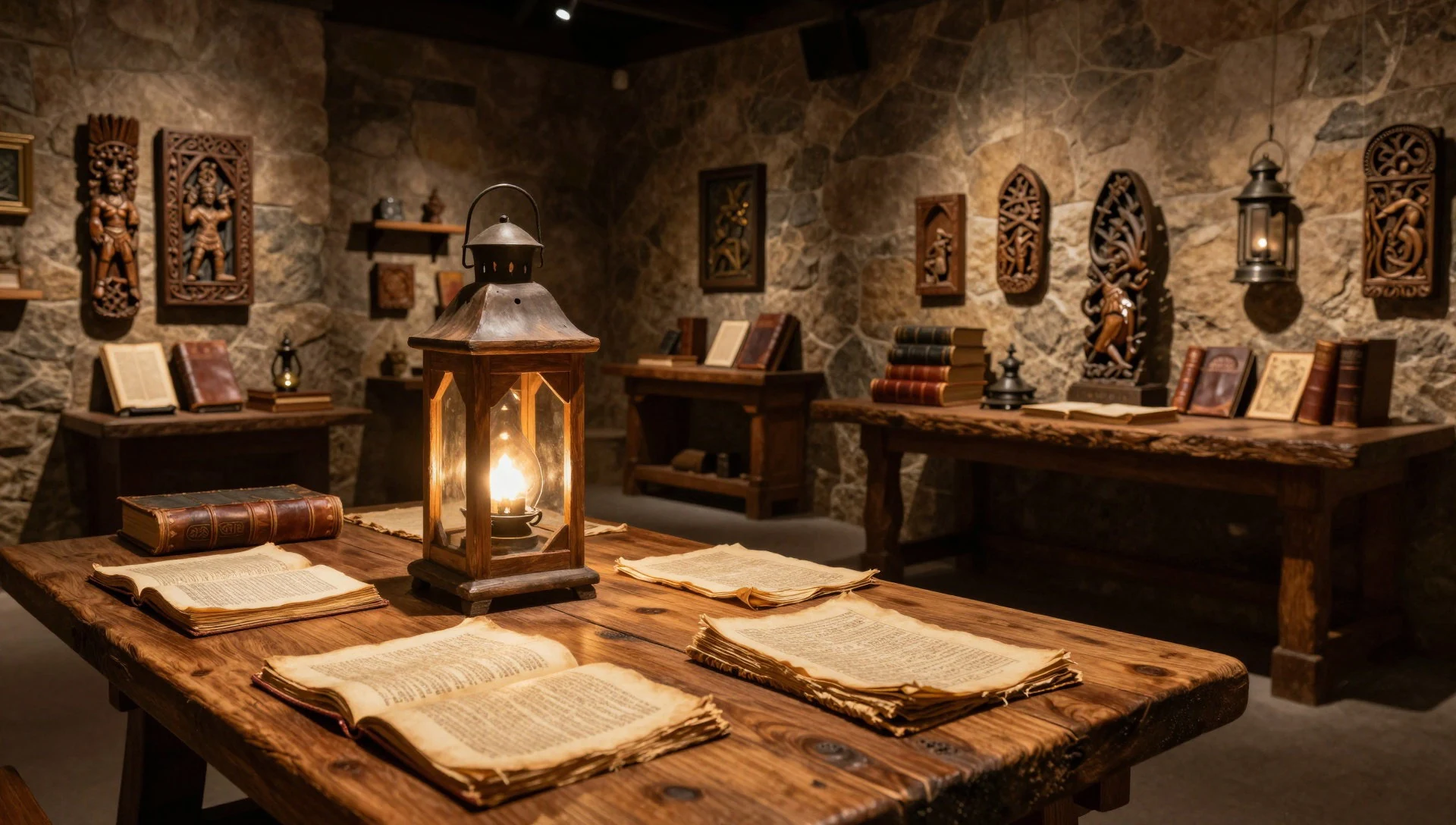
Culture
Dublin possesses a deep literary and performance tradition that permeates daily social life across every quarter. The city has nurtured generations of iconic writers, dramatists, and poets, from traditional ballad singers to world-renowned Nobel laureates. Historic playhouses, independent bookshops, and grand public libraries remain vital to local civic identity, while living literature echoes in everyday conversations across market halls and neighbourhood squares.
Social life frequently revolves around the traditional public house, which serves as a communal lounge for warm conversation, live acoustic music sessions, and informal neighbourhood gatherings. Storytelling, quick humour, and relaxed banter are valued highly in local interaction. Whether meeting over morning tea in classical cafes or listening to traditional fiddle tunes in a cozy tavern, residents maintain an unpretentious and welcoming atmosphere.
When drinking in a group at a local pub, follow the customary tradition of taking turns to buy rounds of drinks for the table.
What to wear
Dublin clothing choices are shaped by a mild, fairly sheltered climate and enduring textile traditions. Historically, Irish dress relied heavily on hard-wearing natural fibres crafted to withstand damp Atlantic winds. Heavyweight woven tweeds from Donegal and thick, water-resistant Aran woollen knits featuring intricate cable patterns were standard working garments across rural regions. Fine Irish linen was also prized for summer wear and formal shirts.
Today, residents dress in a relaxed yet stylish urban aesthetic that prioritises practical layering. Street style across the capital combines modern European fashion with classic heritage elements like tailored wool coats, leather boots, and knitted scarves. Darker tones and understated casual clothing predominate in everyday settings, though nights out in city venues call for slightly smarter attire.
Visitors should prepare for changing weather by packing adaptable layers, including a light, quality rain jacket. Sturdy, comfortable walking shoes are essential for navigating cobbles, wet pavements, and steps across historic quarters. Carrying a warm compact sweater and a light umbrella ensures comfort throughout full days spent exploring outdoors.
What to eat
- Bewley's Café — Grafton Street
A historic Grafton Street coffee institution famous for its stained-glass windows, baked scones, and rich tea blends. It offers a classic spot to observe central city life while enjoying traditional cakes and morning breakfast items in a grand setting.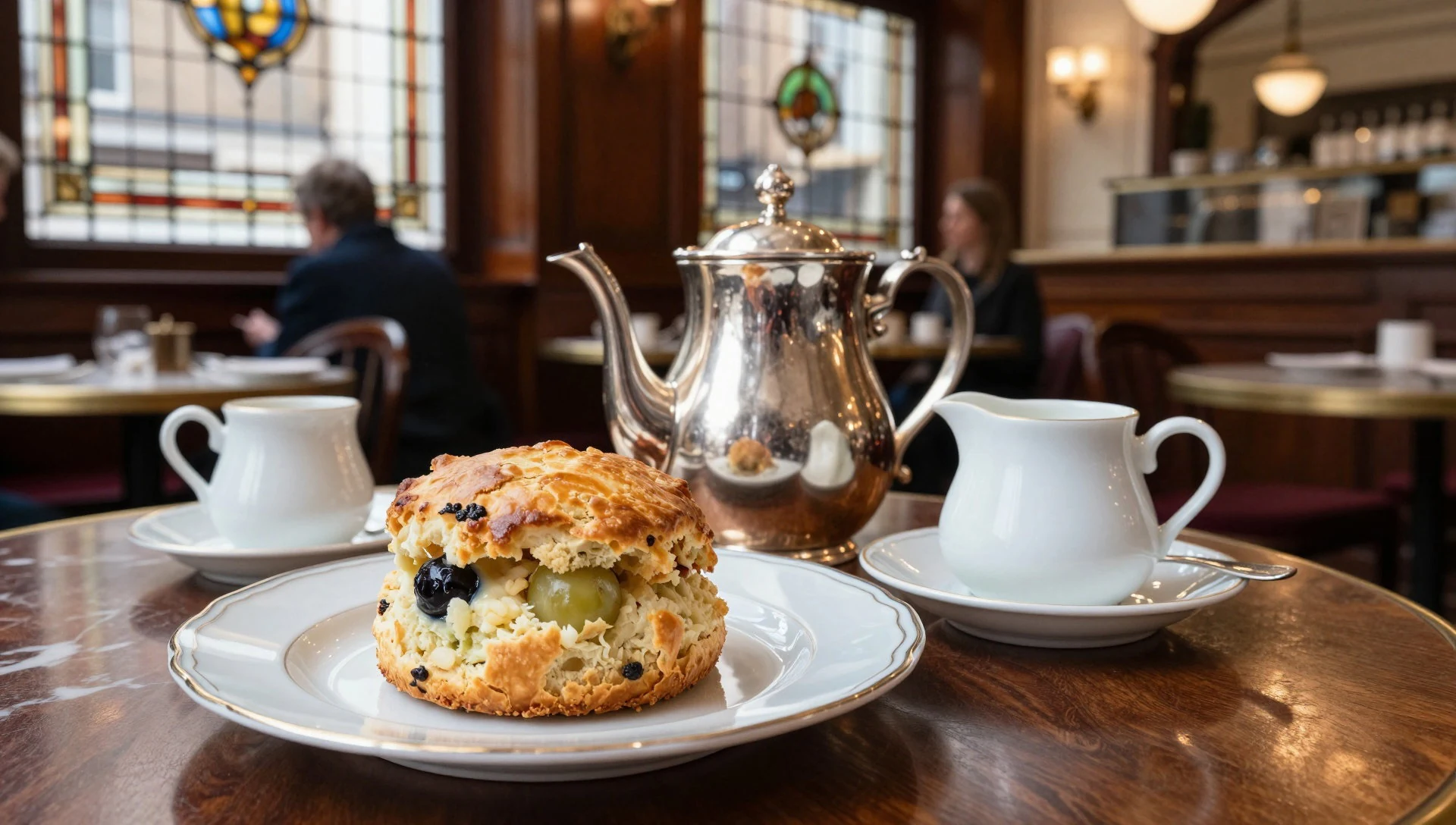
- Butlers Chocolate Café — Wicklow Street
This local specialty chain, rooted on Wicklow Street, serves rich hot chocolate beverages alongside handcrafted pralines and truffles. Every hot drink comes accompanied by a complimentary gourmet chocolate of your choice, making it a favourite afternoon pause.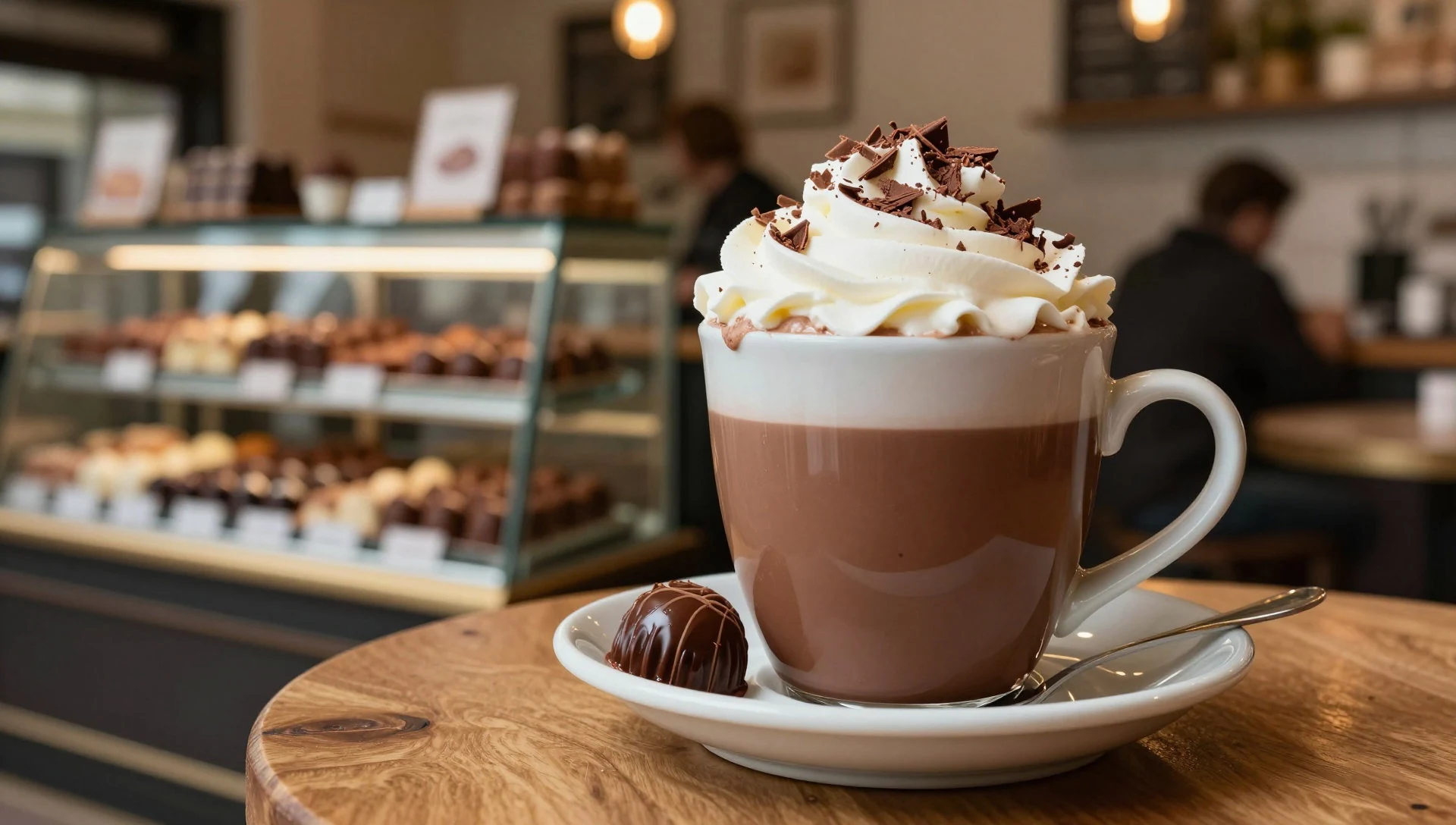
- Lemon Crèpe & Coffee Company — South William Street
A relaxed eatery specializing in made-to-order sweet and savoury crèpes alongside freshly brewed espresso drinks. Visitors can choose fillings ranging from melted chocolate to ham and cheese, enjoyed inside or wrapped for walking through nearby shopping lanes. - Govinda's — Aungier Street
Run by the Hare Krishna community, this welcoming spot serves generous portions of vegetarian and vegan comfort dishes. Expect hearty lentil dahl, vegetable curries, brown rice, and fresh salads served in a straightforward, self-service dining environment. - Zaytoon — Parliament Street
A popular casual Persian restaurant known for fresh flatbreads baked right before your eyes in traditional clay ovens. The menu features flame-grilled kebabs, aromatic rice dishes, falafel, and colourful dips, serving late into the evening.
Plan it
Best time. May to September brings longer daylight and the warmest temperatures, with July and August the hottest months; rainfall is spread across the year, with November the wettest, so a light rain layer is useful in any season.
How long. 2–3
Getting there. Fly into Dublin Airport, then take the Dublin Express bus or local bus routes 16 or 41 directly into O'Connell Street and central transit hubs.
Budget. mid
Tips
- Buy a Leap Card at the airport for discounted fares across city buses and tram networks.
- Book tickets for popular museum collections online in advance to secure entry slots.
- Keep exact euro coins ready if paying cash on local city bus routes.
- Pack sturdy waterproof shoes and a compact umbrella for sudden rain showers.
Etiquette
- Stand on the right side of escalators on public transport concourses so others can pass on the left.
- Queue in an orderly single-file line at bus stops and ticket desks.
- Offer your seat on public transit to elderly commuters, pregnant women, or passengers with limited mobility.
Nearby
Sources
- Wikidata Q1761 (CC0)
- Wikipedia (rev 1382588353) (CC BY-SA 4.0)
- Wikivoyage (rev 5401304) (CC BY-SA 4.0)
- Photo photos/01-dublin-aerial-2025-07-07-01.jpg (CC BY-SA 4.0)
- Photo photos/02-convention-centre-dublin-epp-2014.jpg (CC BY 2.5)
- Photo photos/03-dublin-s-trinity-college-66055983.jpg (CC BY 3.0)
- Photo photos/04-o-connell-bridge-25748548914.jpg (CC BY 2.5)
- Photo photos/05-dublin-the-custom-house.jpg (CC BY-SA 4.0)
- Photo photos/06-ireland-dublin-castle-up-yard.jpg (CC BY 3.0)
- Photo photos/07-coat-of-arms-of-dublin-ireland.png (CC BY-SA 4.0)
- Photo photos/08-dublin-dublinia-20190809102938.jpg (CC BY-SA 4.0)


