Galway
Galway, Ireland
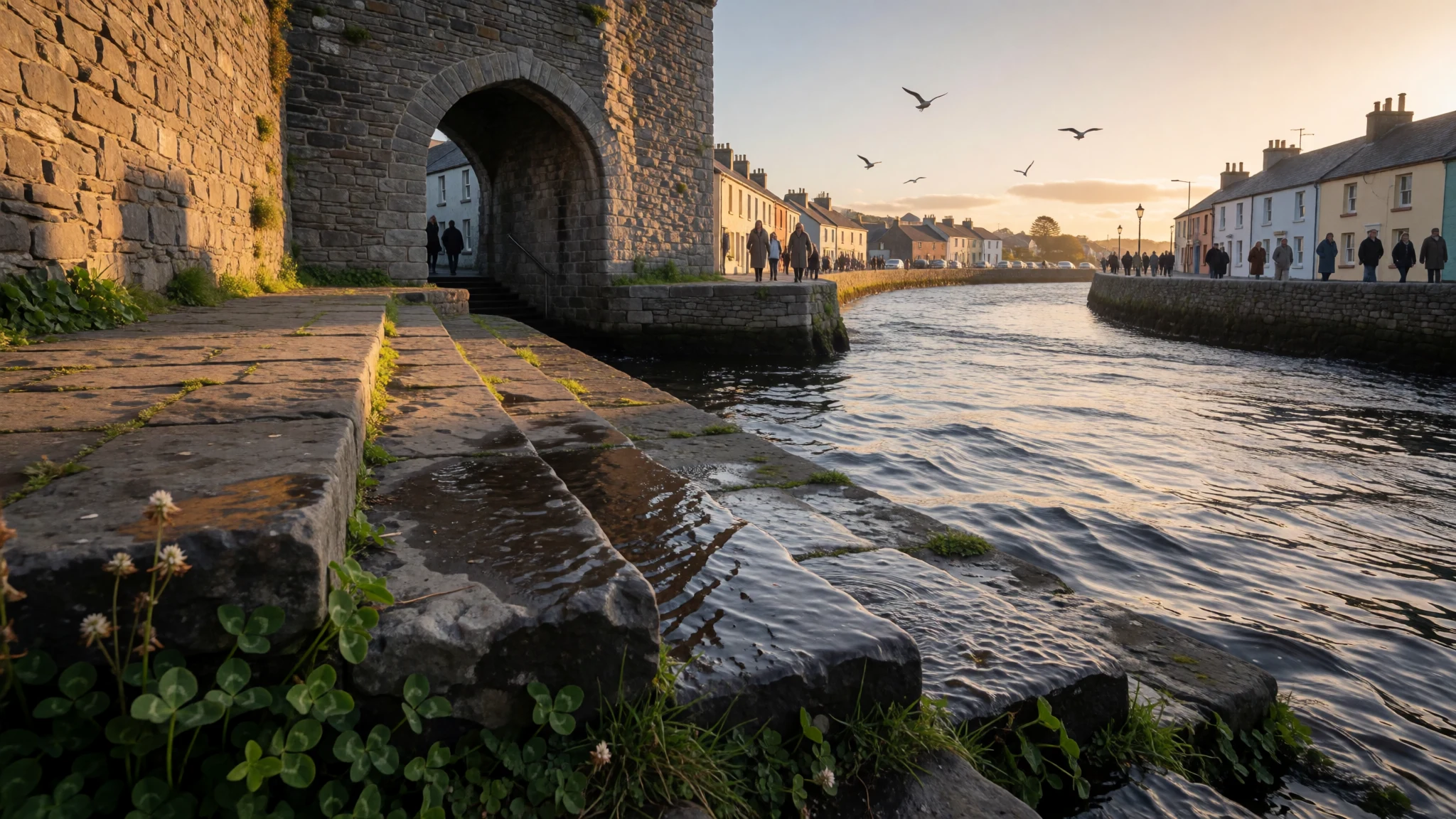
Galway puts a working harbour, a medieval street grid and a packed festival calendar on the edge of Galway Bay.
The place
Galway stands on the River Corrib in County Galway, Ireland, between Lough Corrib and Galway Bay, and serves as the county town. The population is 85,910, and the elevation is 25 metres. It is a port city, and the harbour is still part of the skyline: stone quays, small boats and a low waterfront sit in front of a centre that has long since turned towards visitors, students and the arts.
The site is low and exposed to Atlantic weather. June is the hottest month, November the wettest and September the most comfortable, and hard frost is common in winter. Rain is frequent in every season, and wind off the bay can make a mild day feel raw. The city itself is compact. Eyre Square anchors the inland side of the centre, the river marks the western edge of the old streets, and the Claddagh, a former fishing settlement, occupies the shore just beyond the river mouth.
The Irish name is Gaillimh, and Irish appears on street signs, in cultural life and at the university. In 2018 Galway was named European Region of Gastronomy, and for 2020 it was European Capital of Culture together with Rijeka. Those designations match a city that treats festivals as part of the civic calendar. Outside festival weeks the same short streets fill with people going to work, to lectures and to the shops.
Its story
Galway's recorded town begins in 1124, when Tairrdelbach Ua Conchobair, King of Connacht, finished a fort on ground that people had already occupied. He called it Dún Gaillimhe, marking a stronghold where the Gaillimh meets the bay. Ships of his fleet used the castle, and houses spread around the defences until a town existed. Norman forces reached Connacht in the 1230s, and Richard Mor de Burgh took the fort. Later generations of the de Burgh line adopted Gaelic habits, while merchants living inside the walls wanted the city in their own hands.
Those merchants became the Tribes of Galway: fourteen families, most asserting Norman ancestry, a few of Irish stock, who ran the town as an oligarchy. The English crown gave this walled port a mayor in 1484. Relations with Gaelic lords outside were tense. A civic by-law restricted the freedom of Irish neighbours to come and go, and the west gate carried a plea for protection from the O'Flahertys. Power sat with the council and the quays.
Commerce eventually faded and the walls ceased to matter as defences. Public memory kept the tribes. At Eyre Square the fourteen names and coats of arms are still set out, a civic roll-call of merchant rule. Along the shore, Claddagh fishing families lived a different life from the traders who managed the harbour. That contrast, between the oligarchs of the town and the people of the bay, is the history Galway still puts on display.
What to see
- Galway City Museum — Beside the Spanish Arch
Galway City Museum stands beside the river and devotes its galleries to archaeology, the city's later history and its links with the sea. Changing exhibitions share the building with the long-term displays, so a second visit meets different rooms. It is the straightforward indoor account of how this walled port became a festival city, and the Spanish Arch is a short walk away.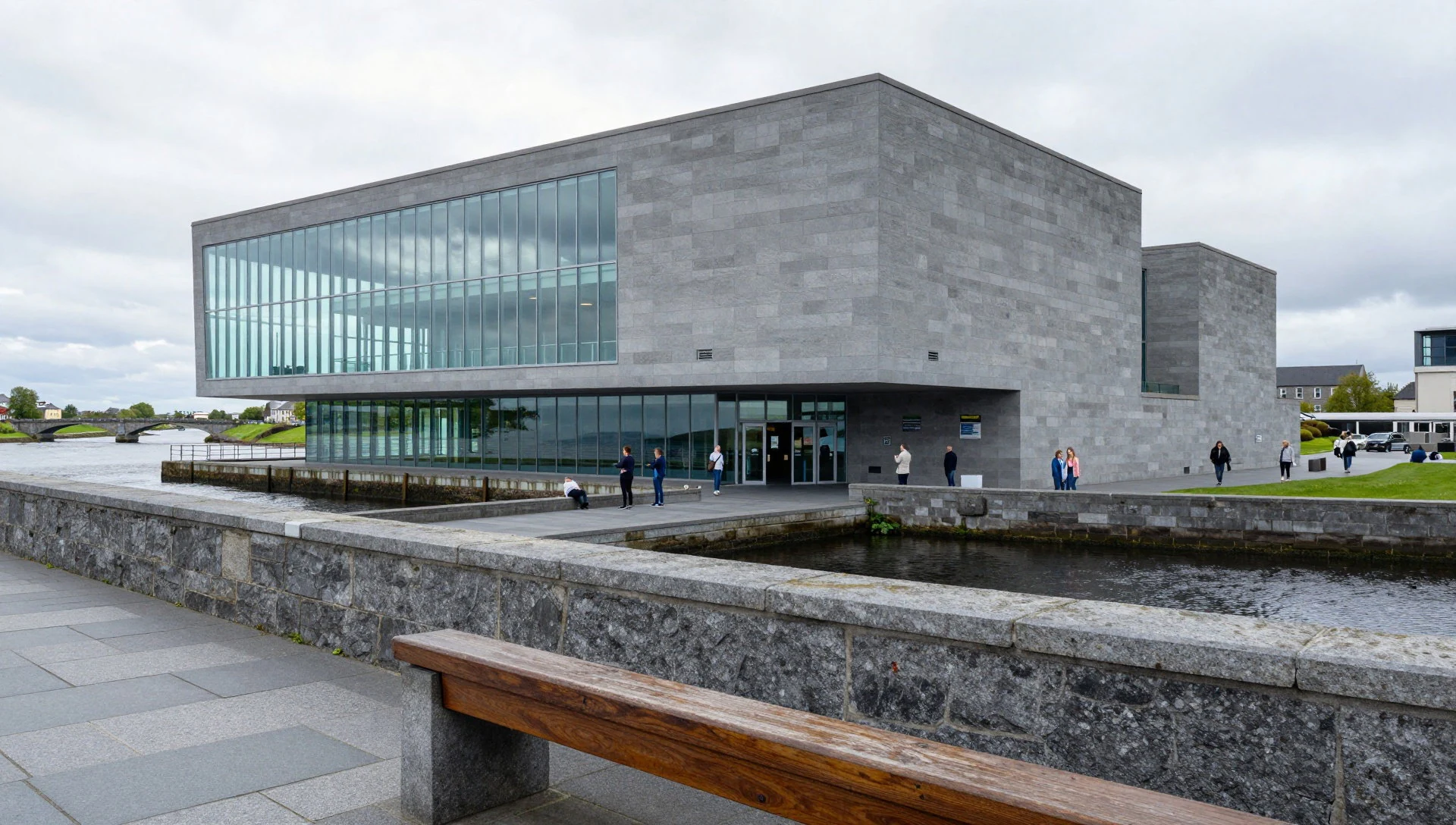
- Galway Atlantaquaria — Salthill shore
Galway Atlantaquaria is a large aquarium on the bay shore, built around marine life from Irish waters rather than a world tour of tropical tanks. Sharks on show are local species, and staff bring out creatures such as crabs for a closer look. It suits a wet afternoon when the promenade is too windy for a long walk, and it makes the harbour's working past feel concrete.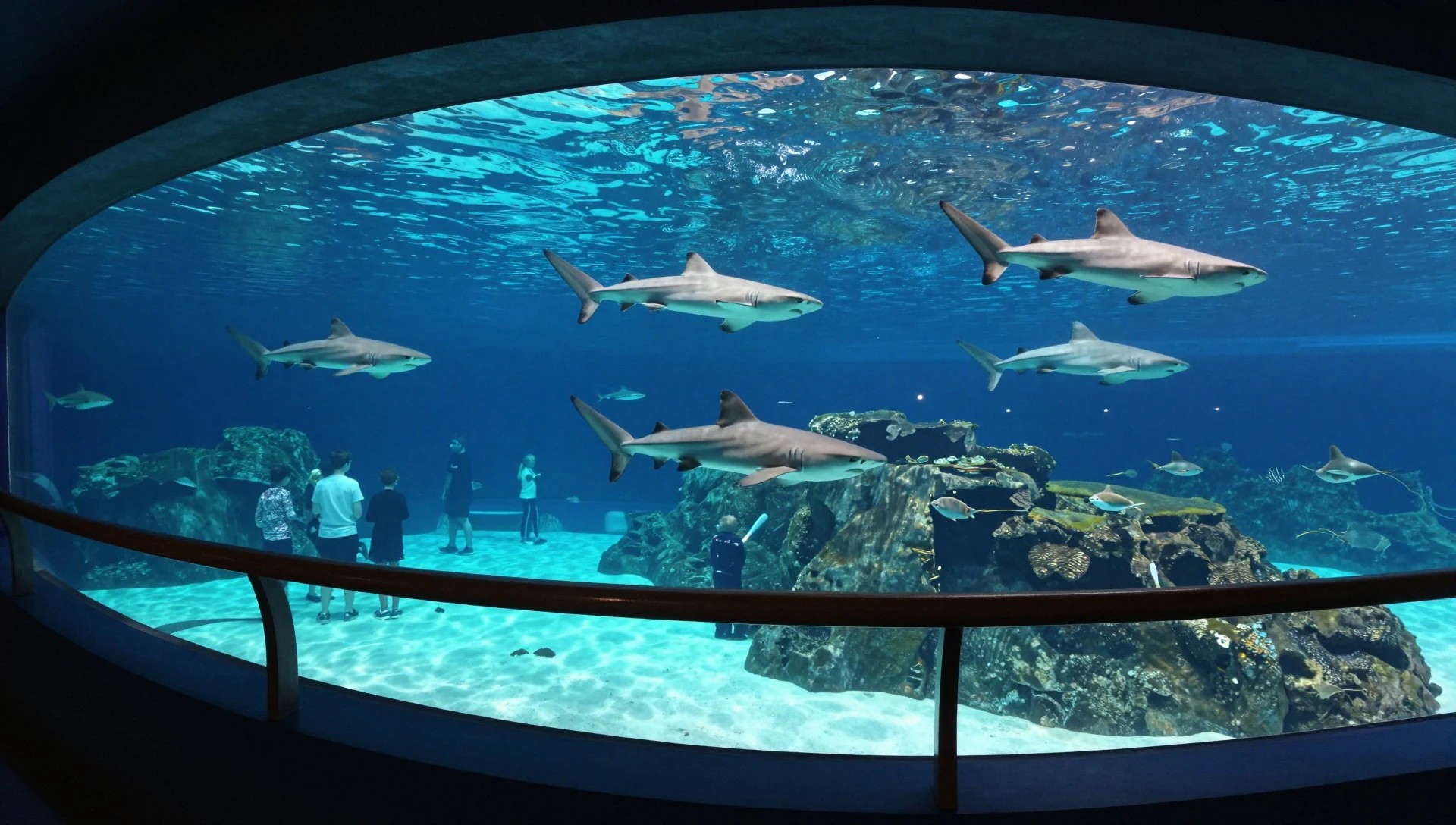
- Legend of the Claddagh Ring — The Claddagh
The Legend of the Claddagh Ring in Galway presents the Claddagh ring, a finger ring in which two hands clasp a heart, and ties the motif to the old fishing village of the Claddagh. The place calls itself a museum, though much of the floor sells the design. Visitors get a short introduction beside the quay, with a shop wrapped around the story.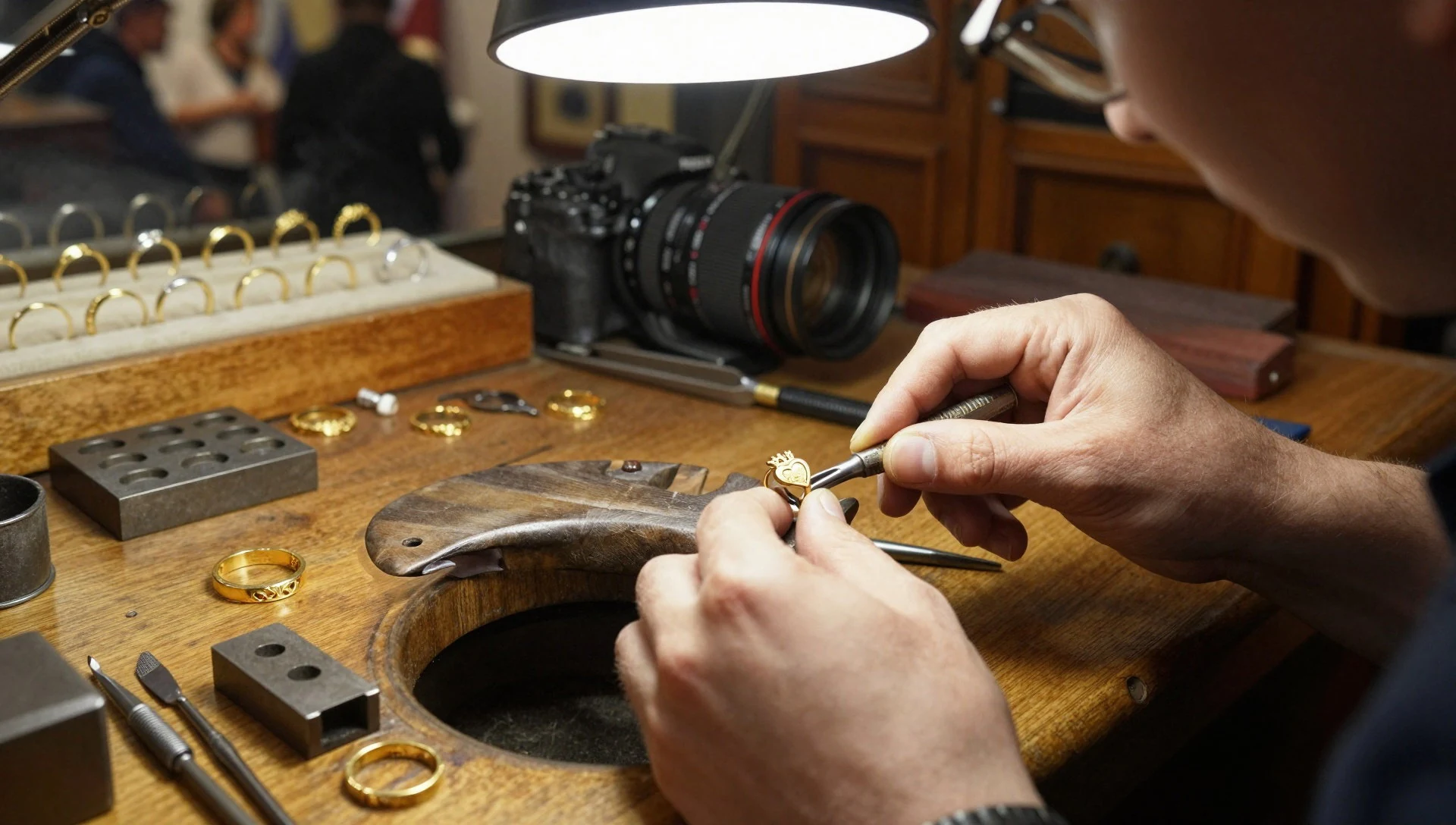
- University Quad — University grounds, north of the river
The University Quad in Galway is the original courtyard of the college opened in 1849, later linked with the colleges at Belfast and Cork as Queen's University of Ireland. Limestone ranges still frame a stone court a short walk north of the river. Students use it every day, so the quadrangle stays a working campus space, and it pairs easily with a walk back into the older streets.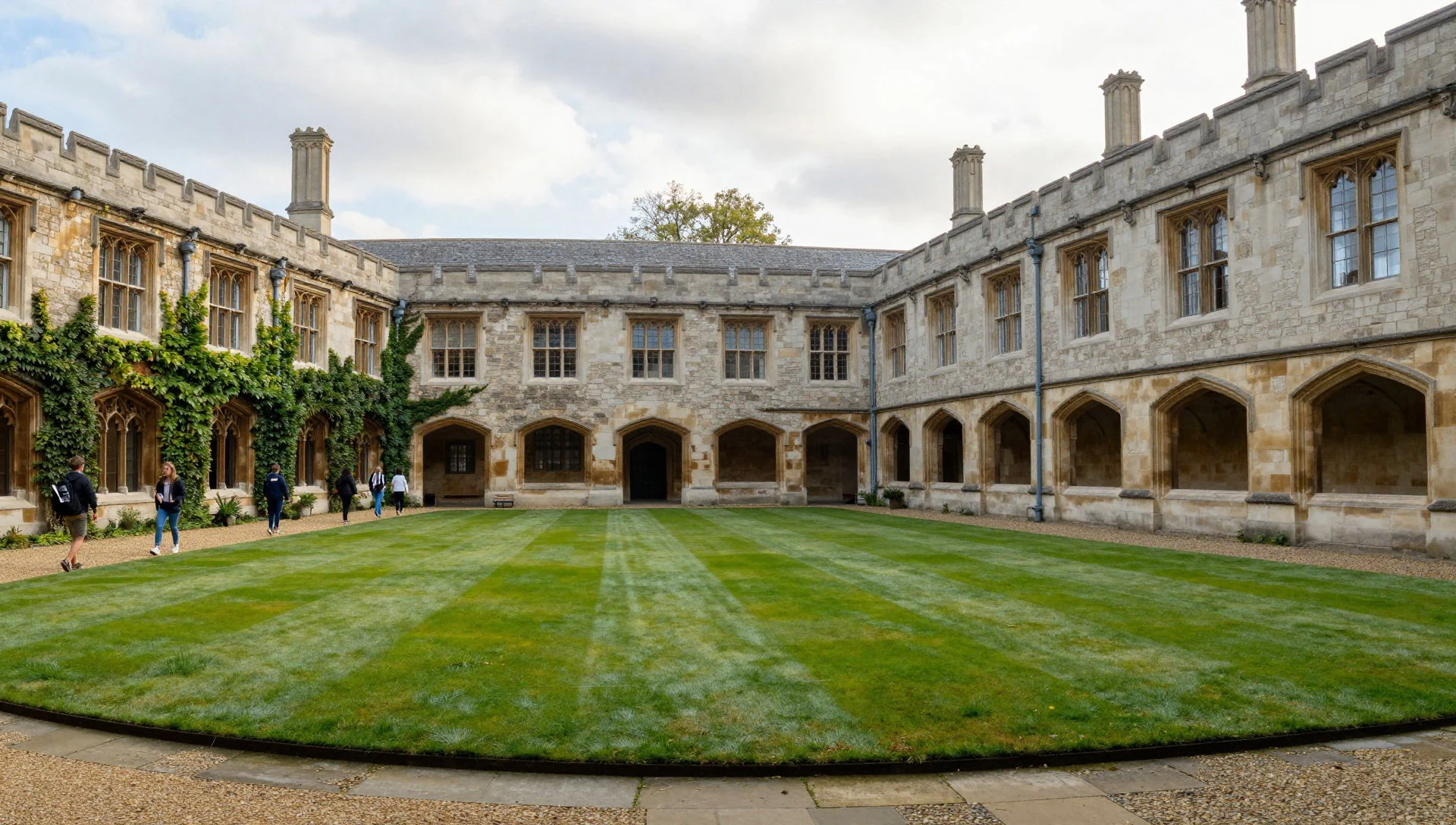
- Hall of the Red Earl — Within the old city walls
The Hall of the Red Earl in Galway is the medieval hall still visible inside the line of the old walls, older than the streetscape around it. What remains is archaeological: foundations and interpreted remains under the modern centre. It shows the city before the merchant tribes took full control, and it rewards a slow look more than a quick photograph from the doorway.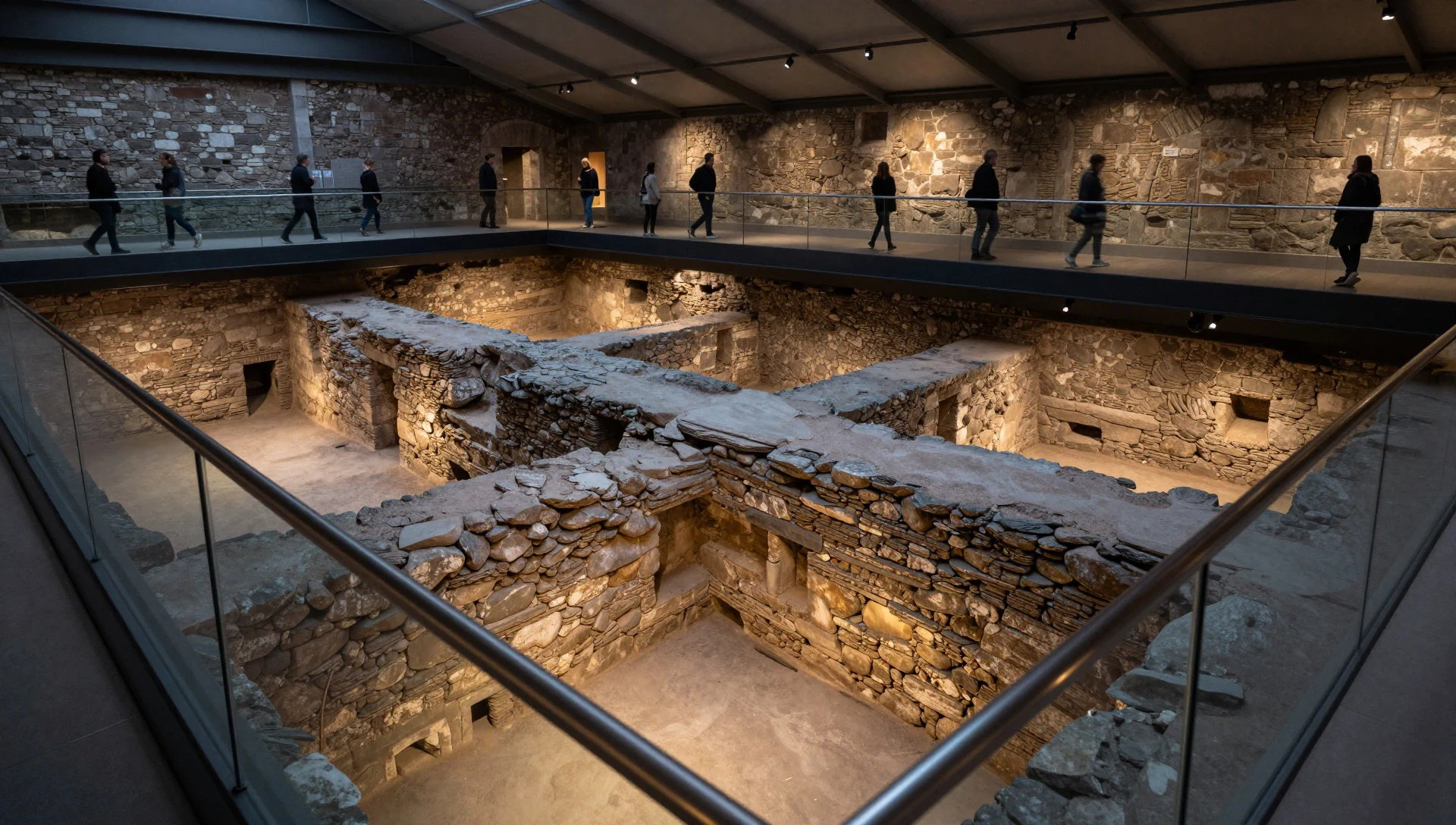
Culture
Galway is known as Ireland's Cultural Heart, in Irish Croí Cultúrtha na hÉireann, and the city keeps a thick calendar of festivals, performances and visual-arts events to match the name. November brings the Tulca Festival of Visual Arts, and the Galway International Arts Festival takes over venues and streets when it is on. In December 2014 UNESCO designated Galway a City of Film, which sits alongside a long local habit of theatre, music and writing.
The scale is civic. Companies and venues for music, theatre, dance, film and literature cluster in a small centre, and many rooms host more than one kind of work. Irish-language organisations belong in that mix, so the cultural life runs in Irish as well as in English. Eyre Square and the lanes off the main shopping street carry much of the outdoor life: buskers, parades and temporary stages. Sessions of traditional music in pubs are ordinary nightlife.
During a session in a Galway pub, keep quiet while the musicians play and ask before you film them or join in.
What to wear
Galway dress, old and new, is wool and weather. The garment most tied to the county is the Aran jumper, a heavy woollen sweater knitted in raised cables and once working clothes for fishermen on the Aran Islands in Galway Bay. Women in the west wore the Galway shawl, a thick woven wool wrap with a deep fringe, for church, market and cold evenings; both pieces are now worn at festivals, graduations and tourist photographs as much as in daily labour.
On the streets today the city looks like any Irish university town. Students and office workers wear dark coats, jeans and trainers, with a waterproof shell over the top for much of the year. During festival weeks people dress for a long day outdoors: layers they can take off indoors, and shoes that can cope with wet pavement. Traditional knitwear appears, though usually as a chosen style rather than as uniform.
A visitor to Galway should pack a waterproof jacket, a warm mid-layer and shoes with grip for damp stone and cobbles. The wind off the bay makes a mild temperature feel colder, so a jumper earns its place even in summer. Dress in the cathedral and in pubs is informal; beachwear stays on the shore, and a dry change of socks is worth more than smart clothes.
What to eat
- Fresh seafood — Eateries by the harbour and the Spanish Arch
Galway's harbour still supplies the local table. Plates to look for are fish or shellfish from the bay, simply cooked, at eateries near the docks and the Spanish Arch. Hake, mussels and crab turn up often. Quality follows the boats and the weather.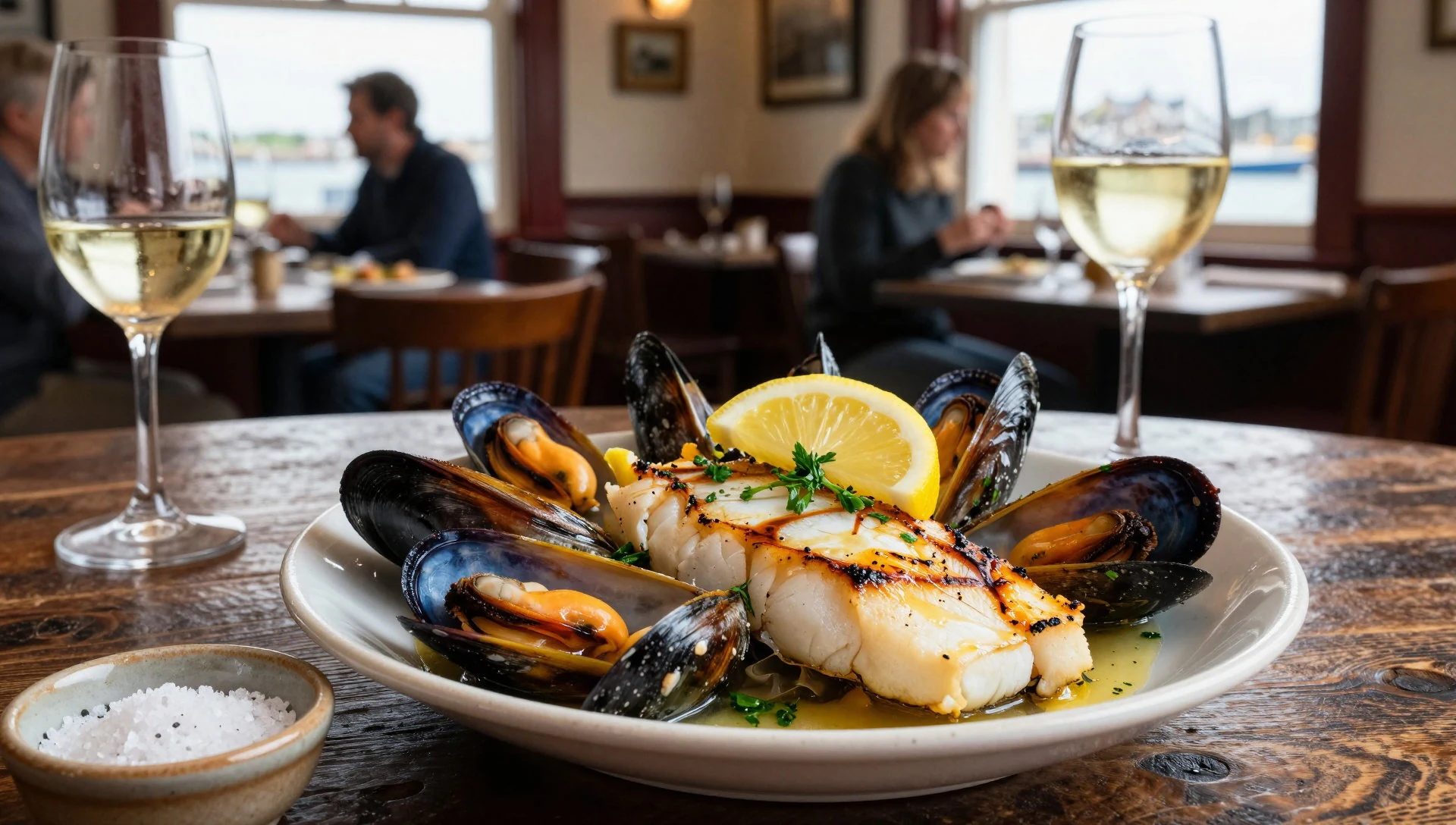
- Fish and chips — Chip shops along the quay and in the old centre
Fish and chips are Galway's everyday seafood meal: batter, a fillet and potatoes, eaten inside or carried down to the quay. Chip shops near the river do the steady trade. A takeaway makes sense when the centre is packed, and a queue at peak times is normal.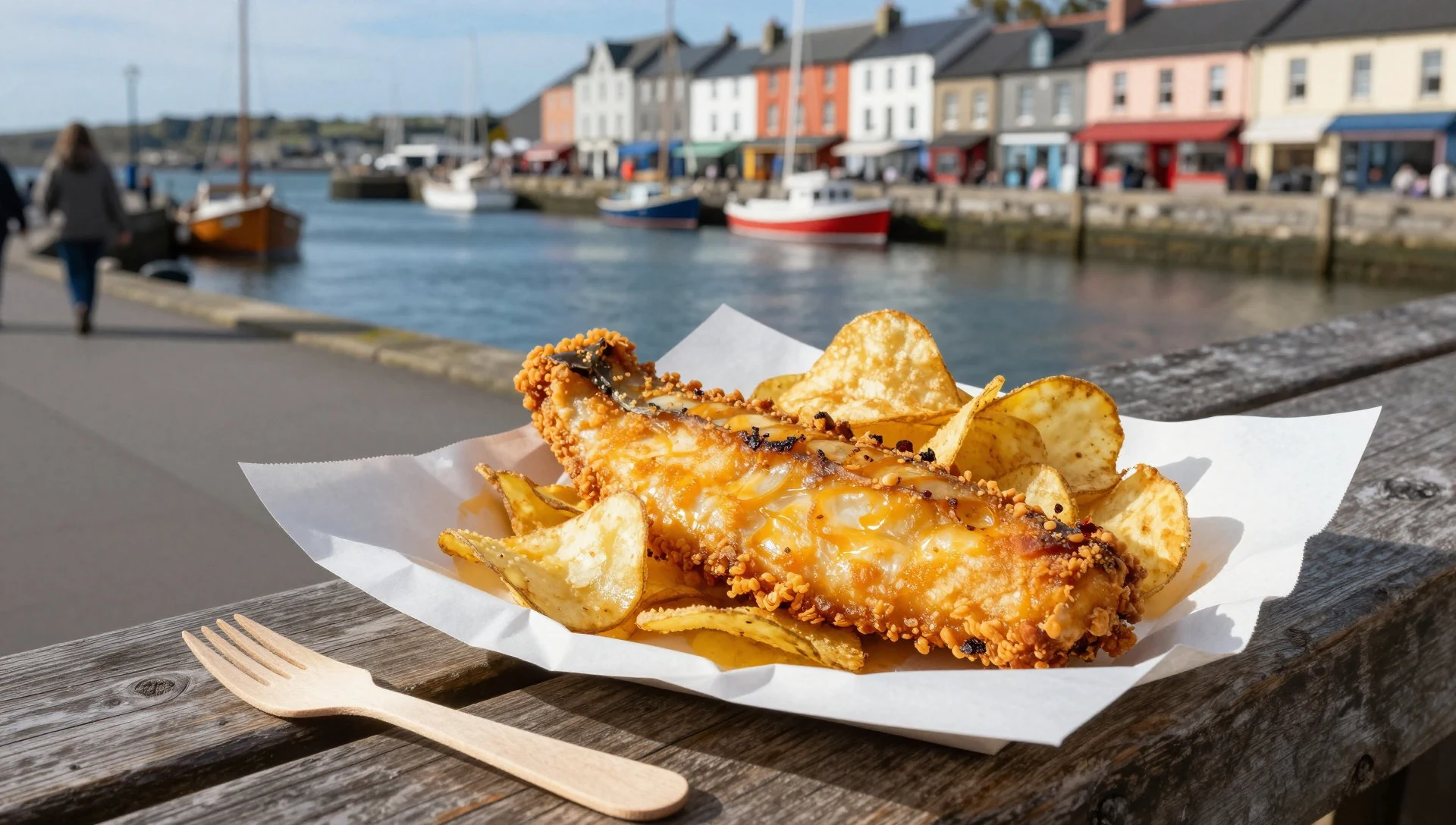
- Traditional pub fare — Pubs and gastropubs in the city centre
Galway pubs plate the hearty food of the west: seafood chowder, lamb stew and bacon with cabbage, plus ordinary bar meals. Centre gastropubs, often upstairs from the bar, are the places for a full sitting. Rooms fill on festival nights, and an earlier hour is the easier one. - Deli sandwiches — Food halls and cafés in the city centre
Galway's deli counters sell sandwiches, salads and picnic food for a day on foot. Food halls near the main shopping streets are the usual stop, with a café room for when the rain starts. This is the practical midday meal between the museum and the quay. - Pizza and Italian plates — Casual Italian eateries in the city centre
Galway also eats food from elsewhere, and pizza with other Italian plates is the reliable lower-cost option in the centre. Casual Italian rooms sit in the lanes off the main streets. They suit a late meal when seafood places are full.
Plan it
Best time. May and June bring longer days before Galway's main festival weeks; September brings the Galway International Oyster Festival and is still mild. July and August draw the festival crowds and remain showery. Winter is wet, windy and dark, with little lasting snow, so pack for rain in every month.
How long. 2–3
Getting there. Fly into Dublin for the widest choice of flights, then continue to Galway by train from Heuston via Athlone or by road. Shannon has fewer European services and some United States links; Knock suits a wider trip through Connacht and the northwest. Galway's own airport ended commercial flights in 2011. Trains also run from Limerick Colbert via Ennis. Check current times before travelling, and use https://www.galwaycity.ie/ for city information.
Budget. mid
Tips
- Book a room well ahead for the Galway International Arts Festival and other summer events.
- Carry a waterproof layer even when the morning looks fine.
- Walk the centre; a car is awkward in the old streets and parking is limited.
- Reserve a hire car before you land if you are driving on from Dublin, Shannon or Knock.
- Keep a little cash for smaller pubs and chip shops, though cards are widely accepted.
Etiquette
- During a traditional music session, stay quiet while the players are going and ask before you film or sing along.
- Leave space on narrow pavements when a busker draws a crowd, and pay if you stop to listen.
- A few words of Irish are welcome; treat the language as living speech.
- Ask before you photograph performers or people posing with a Claddagh ring.
Nearby
Sources
- Wikidata Q129610 (CC0)
- Wikipedia (rev 1383915392) (CC BY-SA 4.0)
- Wikivoyage (rev 5402579) (CC BY-SA 4.0)
- Photo: Galway city collage (CC BY-SA 4.0)
- Photo: Galway Cathedral (CC BY 3.0)
- Photo: National University of Ireland, Galway (CC BY-SA 4.0)
- Photo: The Tribes of Galway, Eyre Square (CC BY 2.5)
- Photo: Galway harbour during the Volvo Ocean Race stopover (CC BY 2.5)
- Photo: Galway, Claddagh Quay (CC BY 2.5)
- Photo: Old Galway (Public domain)
- Photo: Map of Galway (CC BY-SA 4.0)


