Hill of Tara
Hill of Tara, Ireland
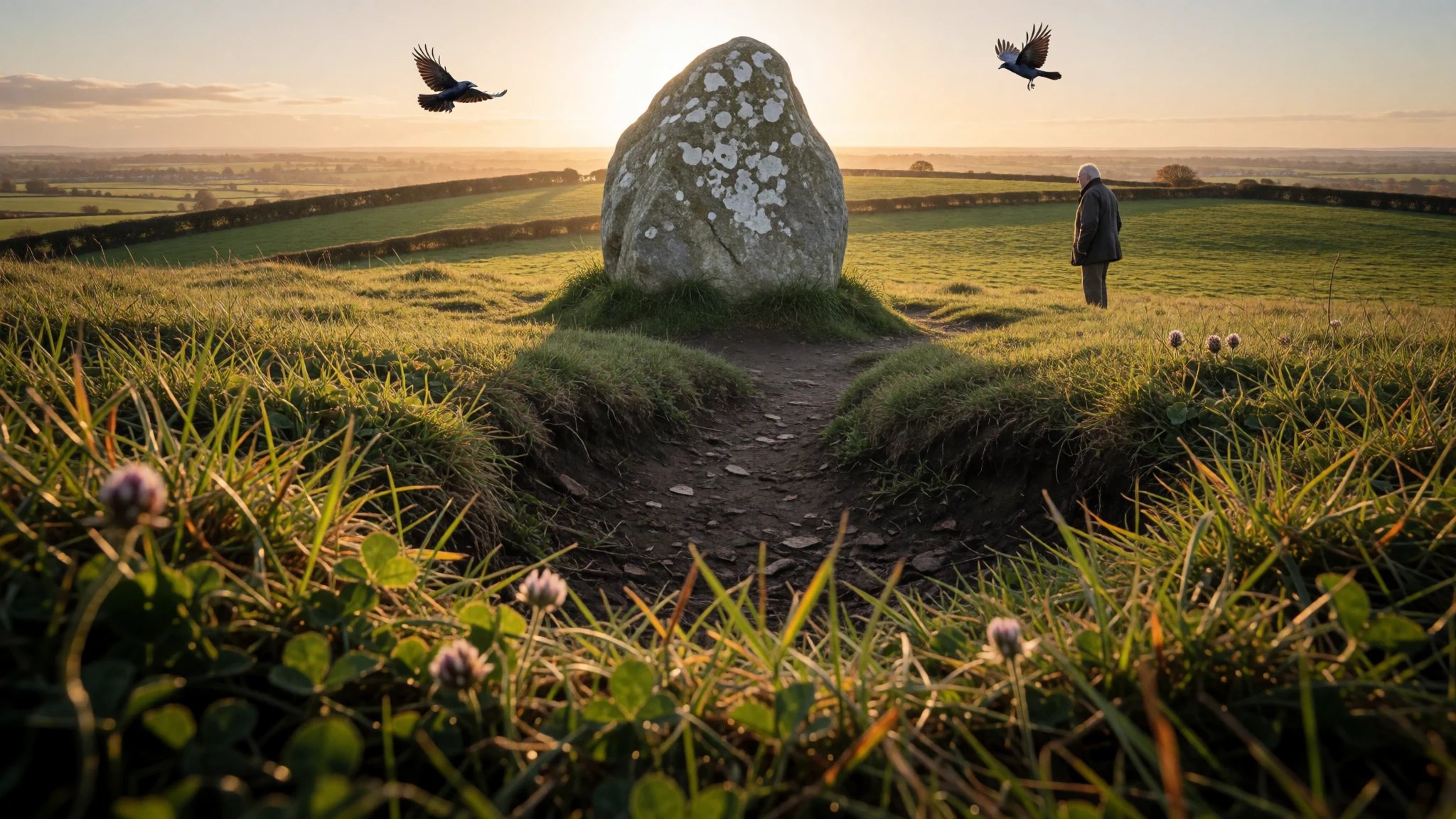
Hill of Tara is a quiet grass-covered ridge in County Meath where Ireland's mythic kings were said to be crowned, with views across the midlands.
The place
Hill of Tara sits in County Meath, between Navan and Dunshaughlin, rising to 197 metres above sea level. That is modest by any mountain standard, yet on this low, fertile limestone plain it is enough to command a wide horizon. On a clear day the fields roll out in every direction, and it is easy to see why people chose the spot over thousands of years.
What survives is mostly shapes in the grass. Low banks and ditches form rings of different sizes, a long avenue-like hollow runs along the ridge, and a few mounds swell out of the turf. Among them is a passage tomb known as the Mound of the Hostages, built in the Neolithic period, and later enclosures that belong to the Iron Age. A single upright stone is traditionally taken to be the Lia Fáil, the Stone of Destiny. A small church and graveyard also stand on the hill, still in use.
The site is a national monument looked after by the Office of Public Works, the Irish state agency. Nothing is rebuilt or dressed up, so the experience is a walk over sheep-cropped ground with signs and a guide, rather than a visit to ruins with walls. The Irish name is Teamhair, or Cnoc na Teamhrach. Tara belongs to a wider ritual landscape in the Boyne valley, and is best read as one chapter of it.
Its story
Hill of Tara carries two stories that overlap and sometimes disagree. The archaeological one begins with a passage tomb of the Neolithic, when communities in the Boyne valley were raising monumental burial places. Over the centuries that followed, later peoples added earthworks, burials and enclosures, so the hilltop became a layered record rather than a single build.
The traditional story is about kingship. Irish tradition names Tara as the seat where the High Kings of Ireland were inaugurated, and it features in the myths too. Historians tend to be cautious here. The idea of one king ruling the whole island was partly a claim, polished by bards and scribes who worked for the rulers of Meath. Kings in Connacht, Tyrone or Munster would have disputed it, and the title was never held with complete authority, even by famous names such as Brian Boru and Rory O'Connor.
That gap between history and legend is part of the appeal. The Lia Fáil, the standing stone on the ridge, is only believed to be the legendary stone, and the label sits more in tradition than in proof. Later centuries brought the Normans from the 12th century, and the hill settled into a quieter life as pasture, church ground and a place of memory. Today it works as a symbol of Irish identity as much as an excavation site, which is why people argue about it with such feeling.
What to see
- The Lia Fáil (Stone of Destiny) — Top of the hill, Tara, County Meath
A single upright stone on the ridge, traditionally identified as the coronation stone of Irish kings. It is smaller than people expect and stands plainly in the grass. Visit for the legend and for the long view across the fields, not for scale.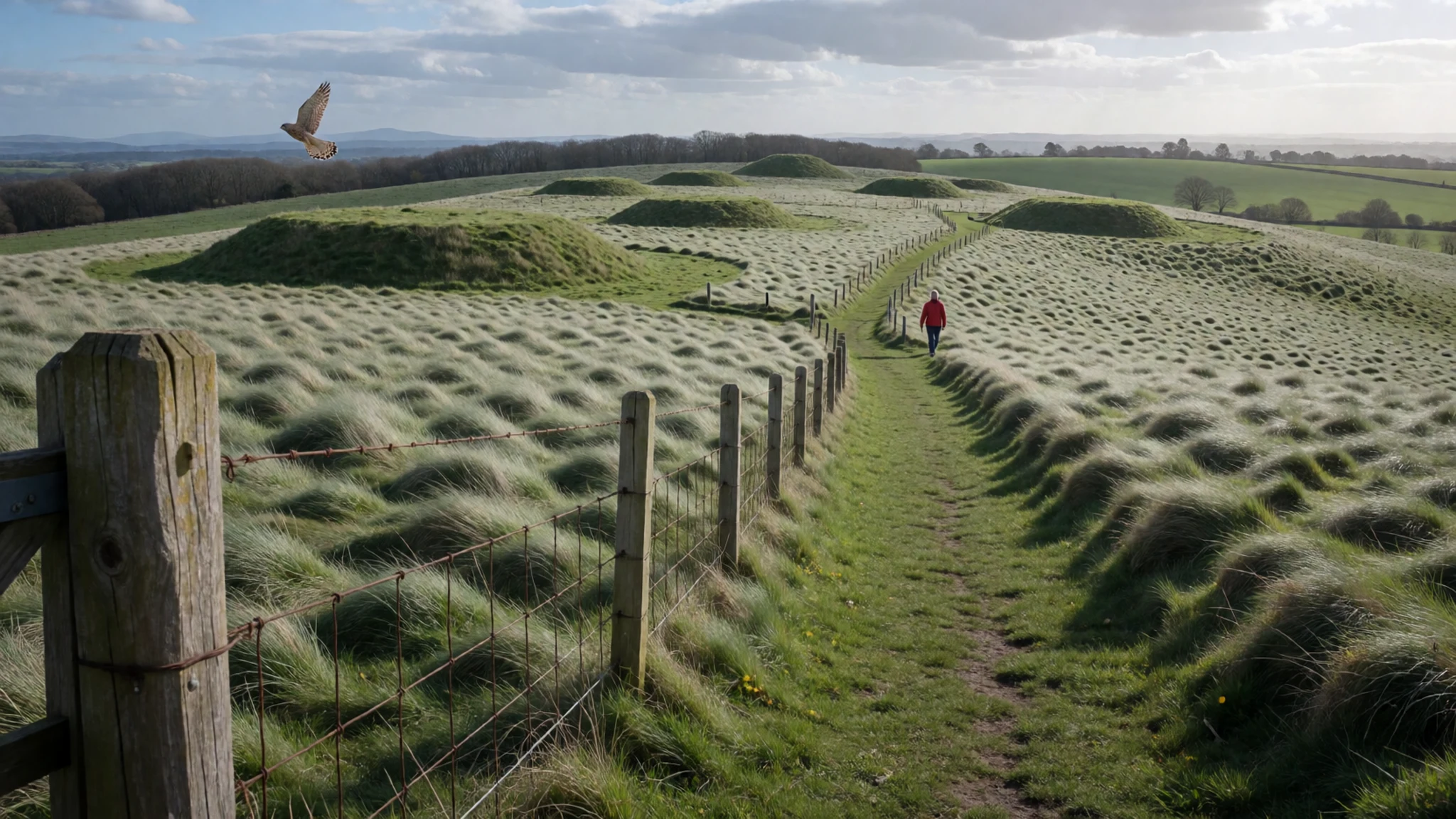
- Mound of the Hostages — Tara, County Meath
A Neolithic passage tomb, the oldest-looking feature on the hill and a grassy dome with a low entrance. Access to the inside depends on the day and on site staff, so check the official heritage pages before travelling and do not count on going in.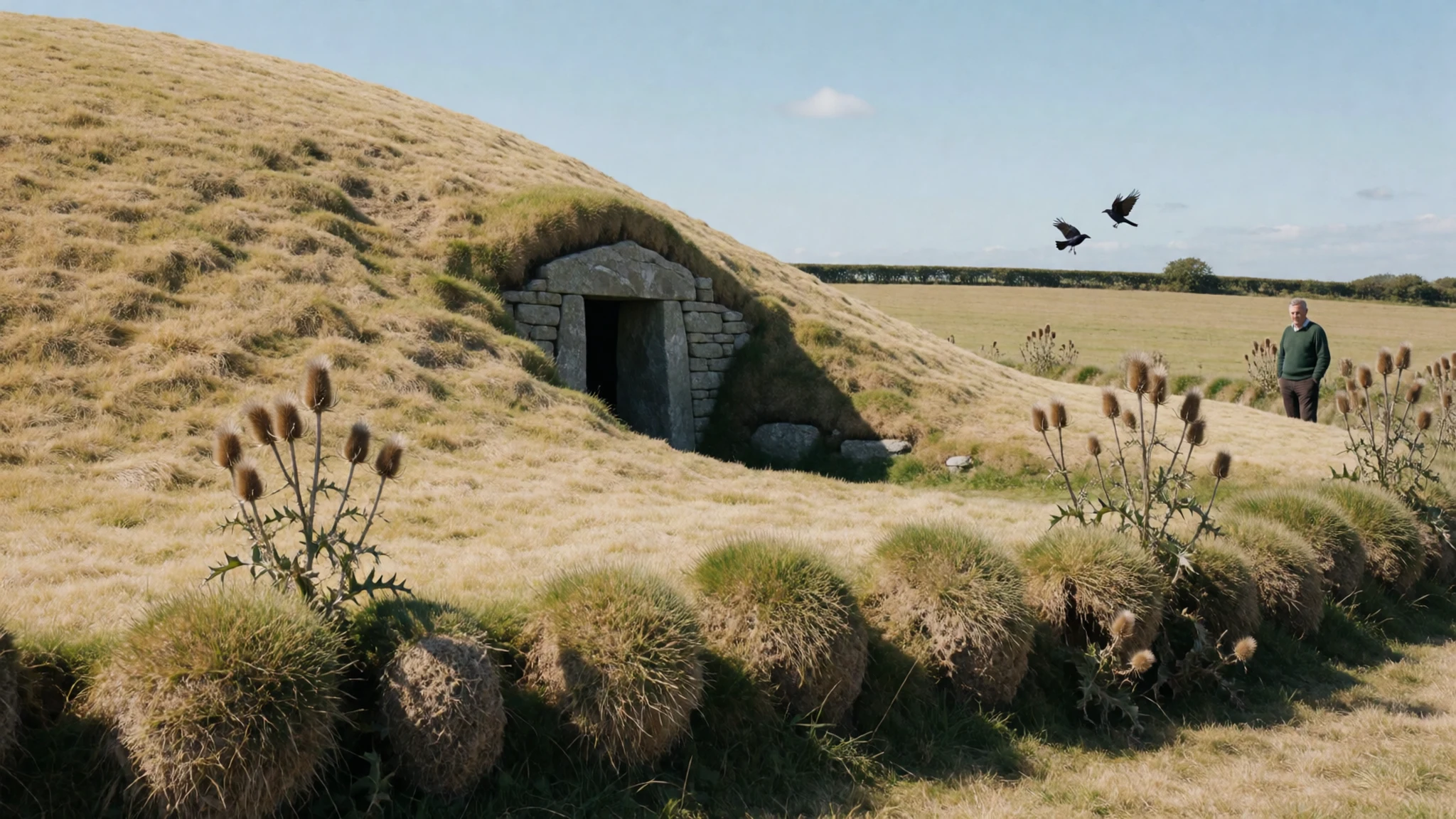
- Earthwork rings and the ceremonial avenue — Along the ridge, Hill of Tara
The banks and ditches are easiest to read from a little height or with a guide. Walk the long hollow along the ridge, then step back and look for circles in the grass. Low sun in the morning or evening makes them stand out clearly.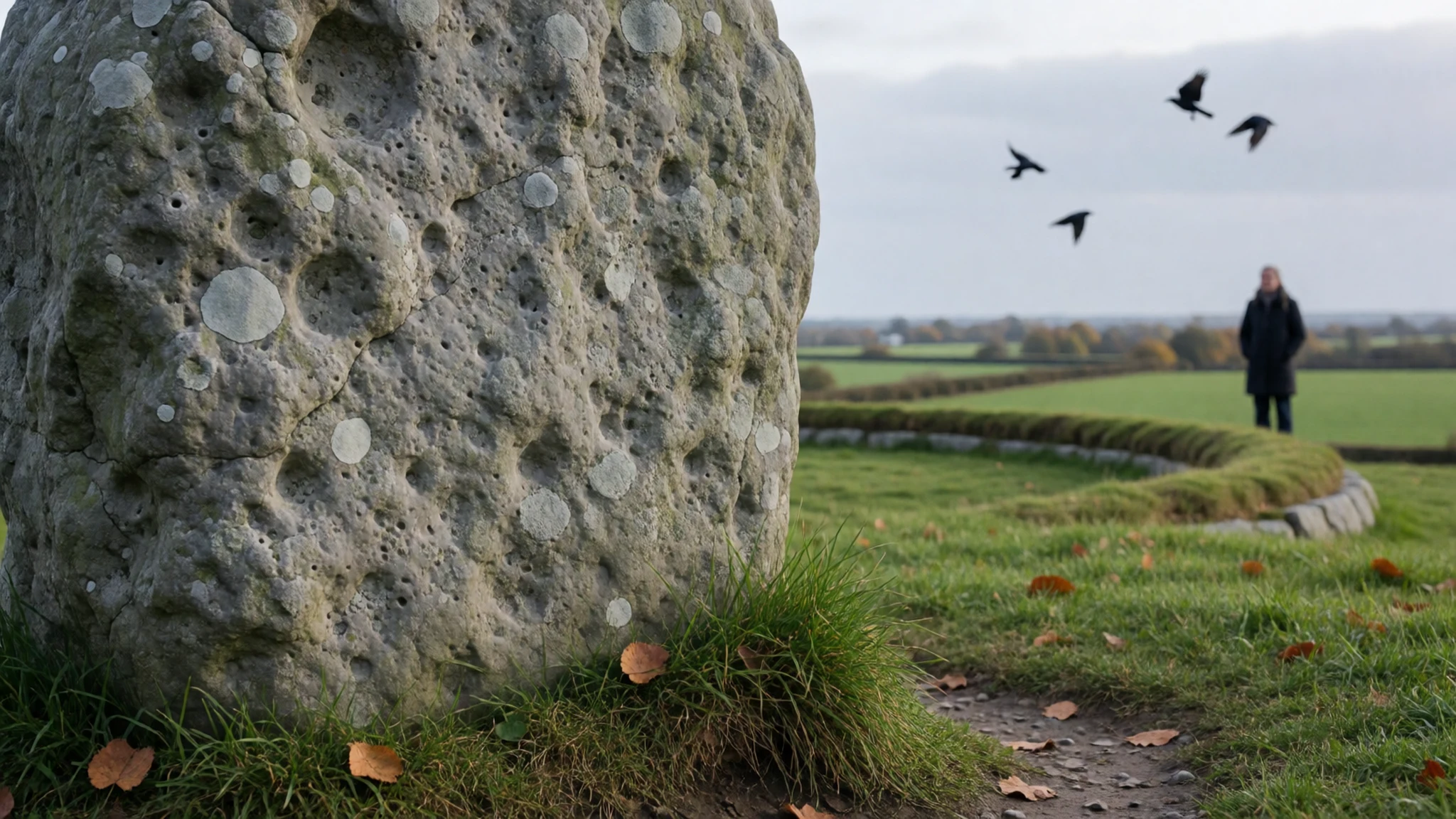
- Church and graveyard — Hill of Tara, County Meath
A small church with a graveyard stands among the monuments, a reminder that the hill has stayed a place of gathering for centuries. It is quiet and photogenic, with trees around it. Respect the graves and keep to the paths when walking through.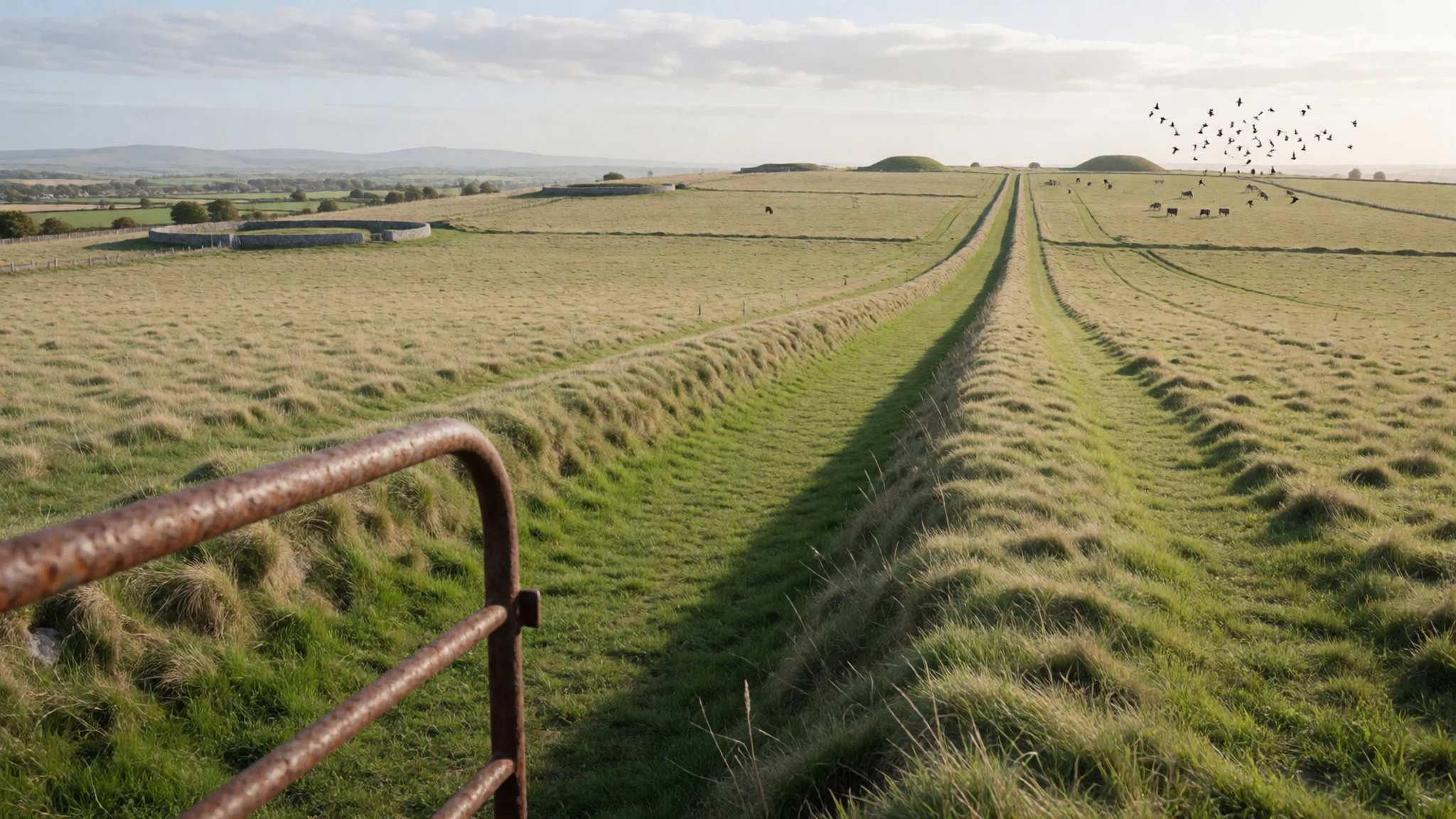
- Panorama over the Meath plain — Summit of Hill of Tara
The best single sight is the horizon. From the ridge the fertile farmland spreads out in every direction, and on a clear day the view explains why the hill mattered. Bring a windproof layer, as the top is exposed, and give it time.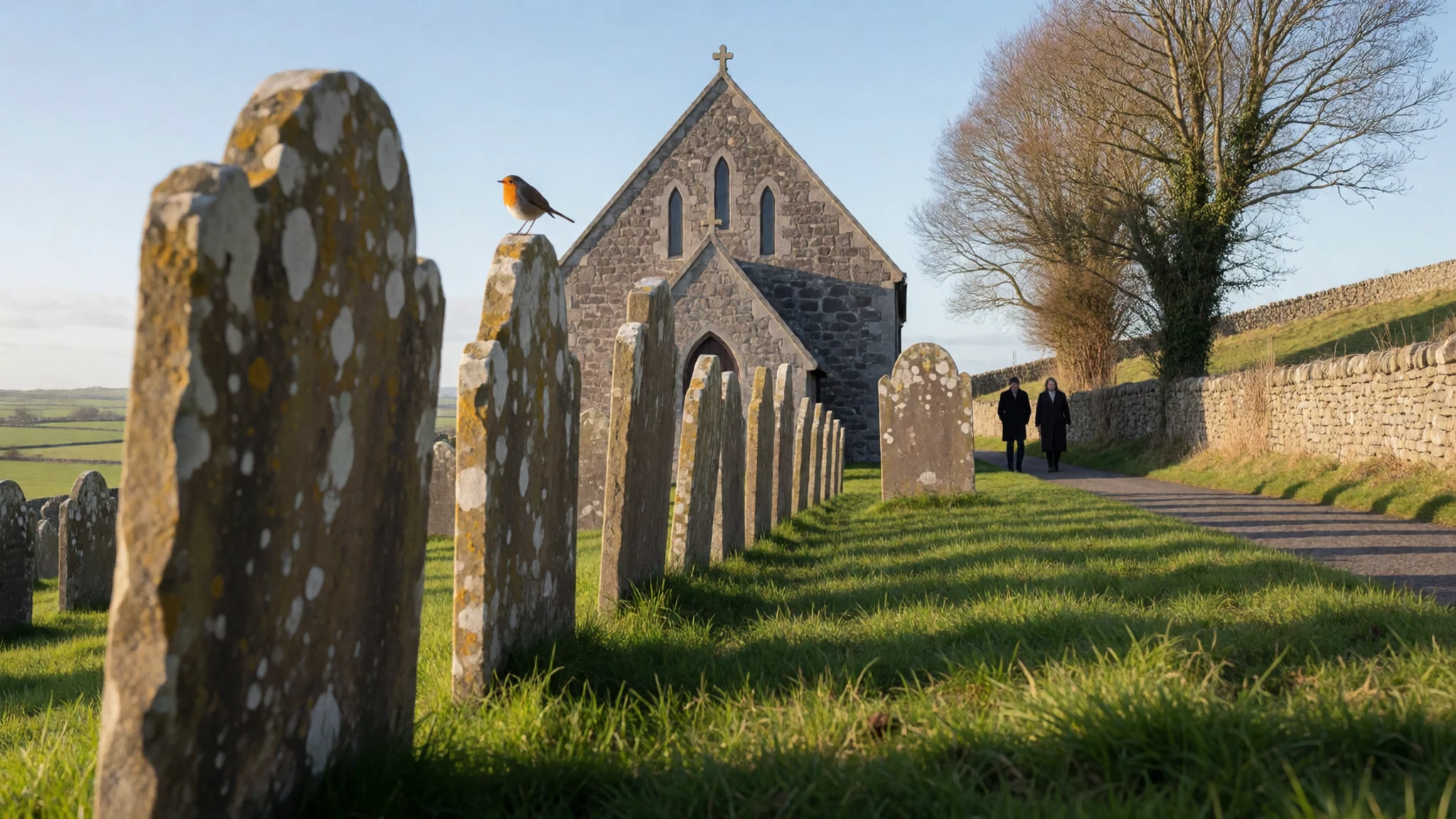
- Brú na Bóinne and Trim Castle — Boyne valley and Trim, County Meath
Two other Meath sights pair well with Tara on a day out. Brú na Bóinne holds older Neolithic tombs, including Newgrange, where interior places are very limited. Trim has a large castle and religious ruins. Both need their own planning and booking.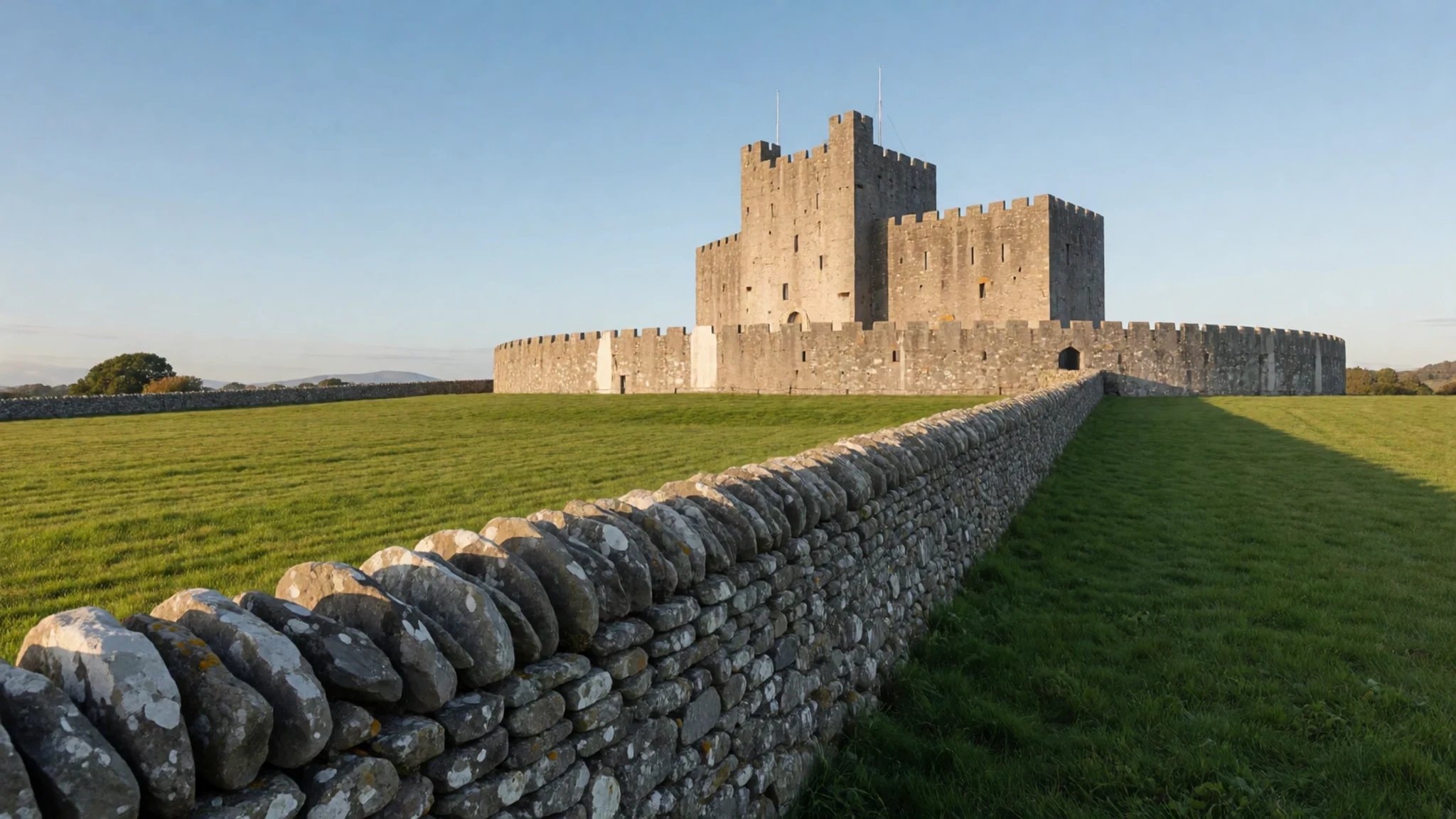
Culture
Hill of Tara matters in Irish culture far beyond its size on the ground. For many people it stands for a shared past of kings, bards and ancient ritual, and it appears in songs, poems and school history. The stories attached to it were shaped by court poets and scribes, who had good reason to flatter their patrons, so locals often treat them as a mix of memory and myth, and enjoy both.
The hill is also a living place. The church and graveyard on the ridge are still used, and people from the surrounding parishes come for walks, family outings and quiet reflection. Irish mythology links Tara with gods, heroes and the idea of sacred kingship, while the Neolithic tomb shows that people were burying their dead here long before any kings. Visitors are walking over a burial landscape, which shapes how many local people feel about it.
The site is protected as a national monument, and local feeling about its care runs strong, so a respectful tone goes down well. Guides on site are usually glad to be asked questions and often tell the legends with a smile and a caveat. Expect a grass walk and a lot of imagination rather than carved stone or interpretive displays at every turn.
Stay on the marked paths, keep off the banks and mounds, and do not climb on or lean on the Lia Fáil or the tomb, since these are fragile monuments and graves.
What to wear
Hill of Tara has no dress tradition of its own, but Ireland's historic clothing has deep roots in wool and linen. Traditional garments include the Aran-style knitted jumper, made of thick undyed wool, and tweed woven in cloth for coats and caps, both associated with farming and fishing families. Heavy woollen cloaks were once everyday wear in the countryside. Today these are mostly seen at festivals, in craft shops, and on people who simply like them for warmth.
What people wear now is practical. In County Meath that means waterproof jackets, jeans or walking trousers, fleeces, wellies or boots, and flat caps or woolly hats against the wind. Smart casual is the norm for towns and pubs, and nobody dresses up for a hill walk. On Sundays at the church, locals tend to wear neat everyday clothes.
For a visitor, dress for weather, not for the occasion. The ridge is open and exposed, and showers can arrive from a clear sky, so bring a light waterproof, a warm layer even in summer, and sturdy shoes with a grip, because the grass can be wet, uneven and muddy after rain. Trainers are fine in dry weather, but boots are better in other seasons. A hat and sun cream help on bright days. There are no special modesty rules, though covered shoulders are polite if you step into the church.
What to eat
- Bar meals — Pubs in Navan, Trim, Slane and nearby villages
The pub is the default place to eat in rural Meath. Expect hearty plates such as stews, fish and chips, soup with brown bread, and roasts. Portions are generous and prices modest. Every town and village has at least one pub serving food.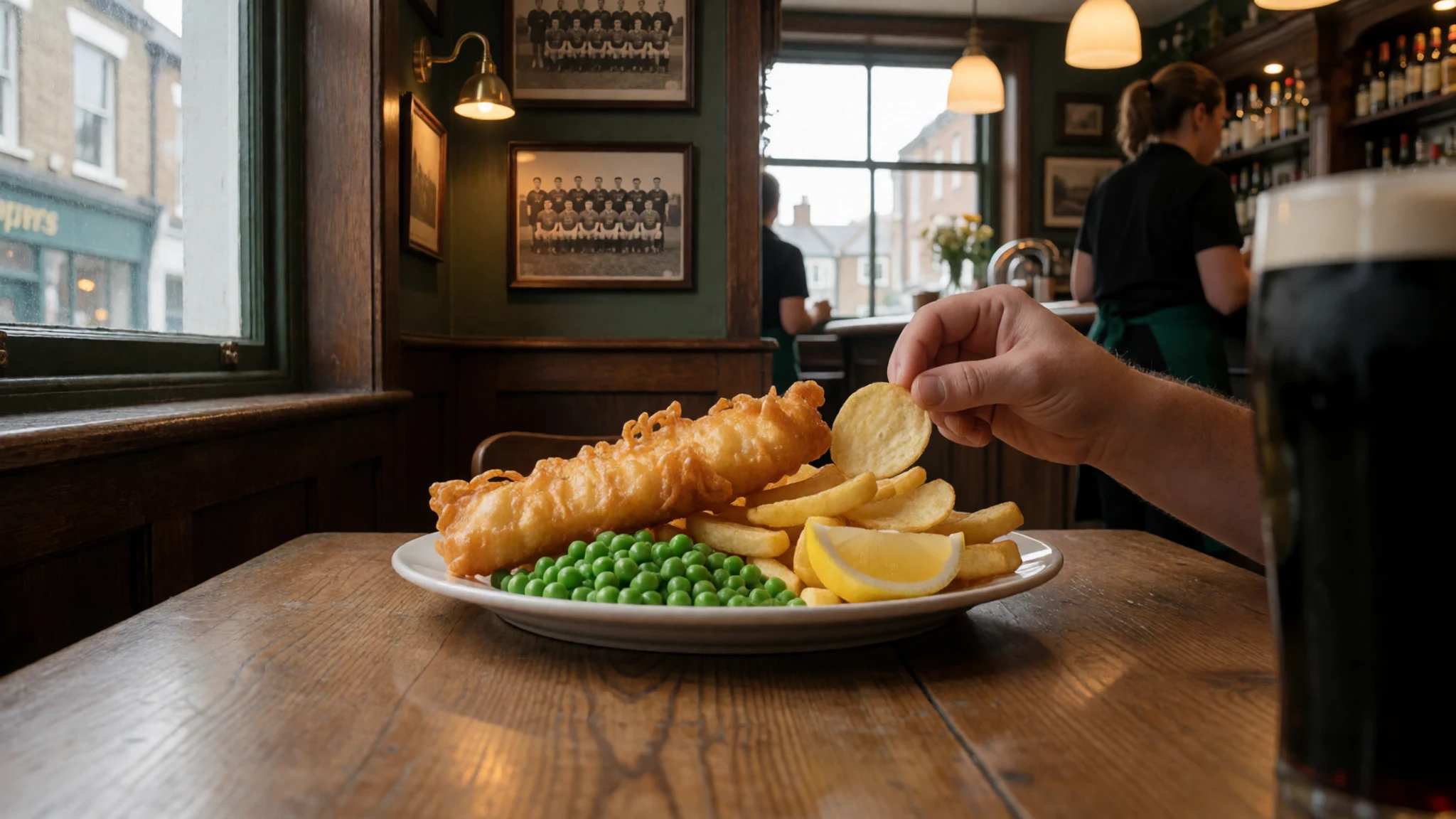
- Irish stew — Traditional pubs and family-run eateries in Meath towns
A slow-cooked dish of lamb or mutton with potatoes, onions and carrots, simple and filling after a windy walk. Cooks argue about the exact recipe, and each pub has its own version, so it is worth comparing a couple if you are staying nearby.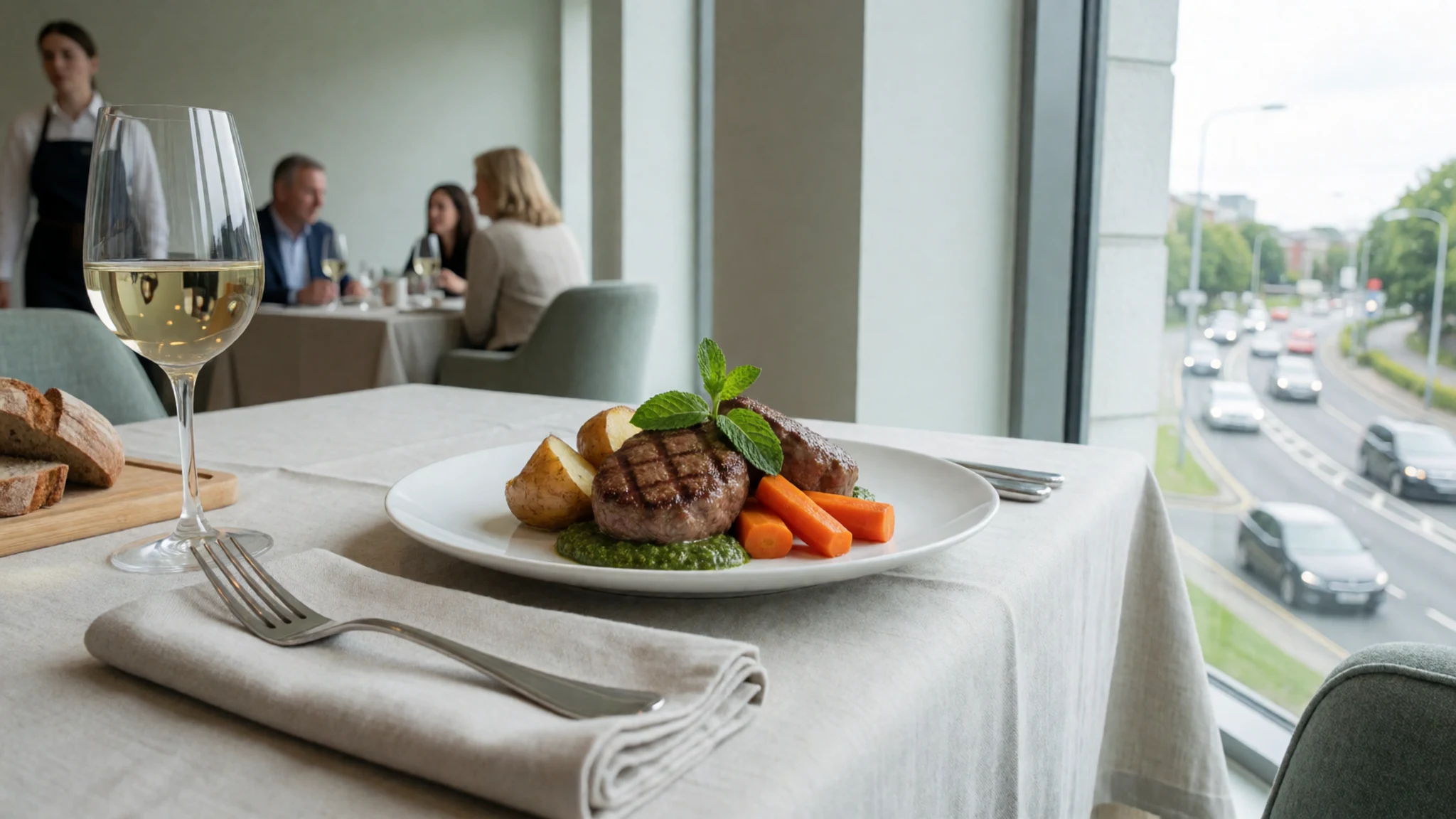
- Soda bread and brown bread — Village bakeries and cafés around Trim and Navan
Dense, slightly sour bread raised with bicarbonate of soda and buttermilk rather than yeast. It comes with soup, with smoked fish, or simply with butter and a pot of tea. Look for it fresh in local bakeries and cafés.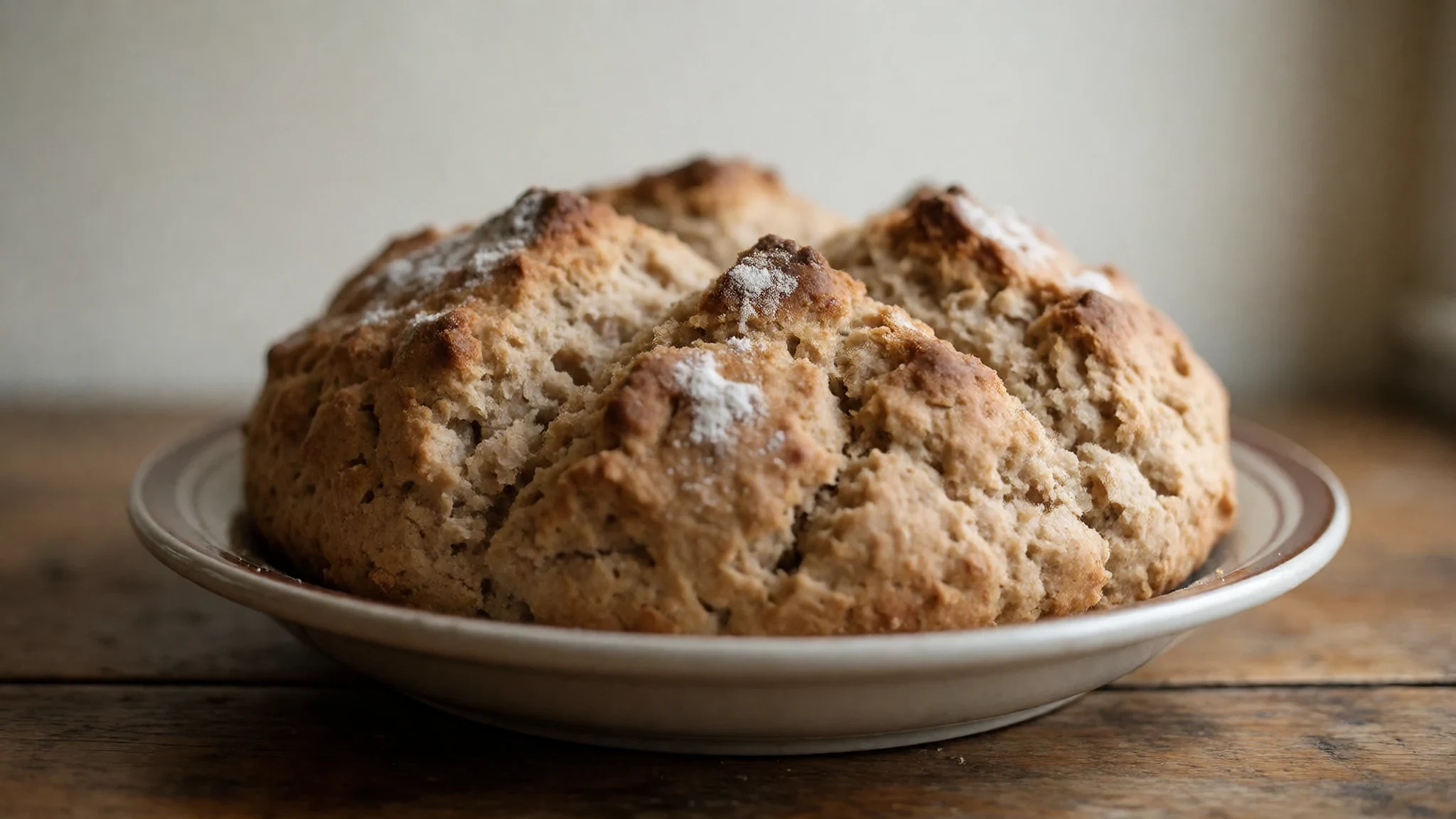
- Irish whiskey — Slane Distillery, Slane
Slane Distillery makes whiskey in the Boyne valley and offers tours, so it suits a day of sightseeing nearby. Book ahead through its official site if you want a tour, and plan transport sensibly if you are driving afterwards.
- Craft beer — Pubs and shops in and around Trim
Brú Brewery in Trim makes local beer without offering tours, so the best way to try it is through pubs and shops. Ask for local pours when you stop in town, and check what is on tap that week.
- Meals at roadside restaurants — Eateries along the main roads towards Dublin
The main roads leading towards Dublin hold a number of reputable restaurants and eateries serving full Irish menus. They are handy for a proper meal on the way back, and generally busier at weekends, so book ahead if you are in a group.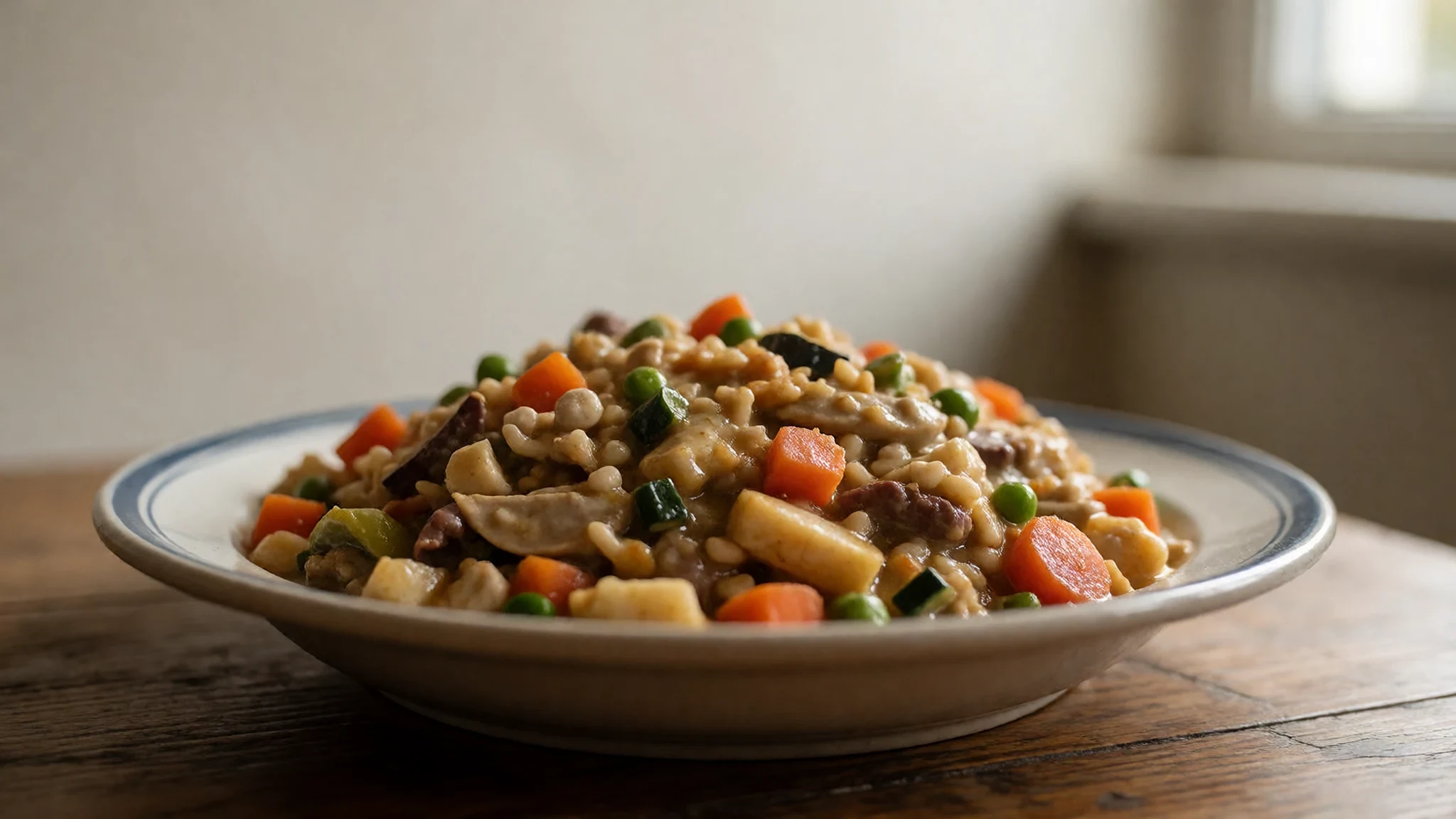
Plan it
Best time. May to September for the longest days, the driest ground and the best views, though showers can come at any time. Spring and autumn are quieter and green. Winter is cold, wet and windy, and the ridge is exposed, so it suits only well-dressed walkers.
How long. 1 (half a day at the hill; 2–3 days if combining Meath's Boyne valley and Trim)
Getting there. Fly into Dublin Airport, north of the city, then take the M3 by car towards Navan. Public transport to the hill is limited, so many visitors join a day excursion from Dublin that also covers Brú na Bóinne and Trim Castle. Bus Éireann is one reliable operator. County Meath has no railway; Drogheda is the nearest rail station.
Budget. mid
Tips
- Go early in the day or late afternoon for fewer visitors and softer light on the earthworks
- Check the official Office of Public Works pages for opening arrangements, guided tours and access before you travel
- Bring a waterproof and a warm layer, since the top of the ridge is open to the wind
- Consider a guided excursion from Dublin if you do not have a car, as bus links to the hill are poor
- Combine with Brú na Bóinne or Trim, but book Newgrange interior visits well ahead because places are very limited
Etiquette
- Keep to the paths and off the banks and mounds
- Do not touch, climb or lean on the Lia Fáil or the tomb
- Respect the graves around the church and keep voices low there
Nearby
Sources
- Wikidata Q543155 (CC0)
- Wikipedia: Hill of Tara (rev 1377631814) (CC BY-SA 4.0)
- Wikivoyage: County Meath (rev 5336992) (CC BY-SA 4.0)
- Photo 01, Paulzygmunt (CC BY-SA 4.0)
- Photo 02, W. F. Wakeman (Public domain)
- Photo 03, CooKeeN (CC BY-SA 4.0)
- Photo 04, Germán Póo-Caamaño (CC BY 2.5)
- Photo 05, James Allan (CC BY-SA 2.0)
- Photo 06, Ianfhunter (CC BY 4.0)
- Photo 07, Uberhonken (CC BY-SA 4.0)
- Photo 08, Philipp Reichmuth (CC BY-SA 4.0)


