Glenveagh National Park
Glenveagh National Park, Ireland
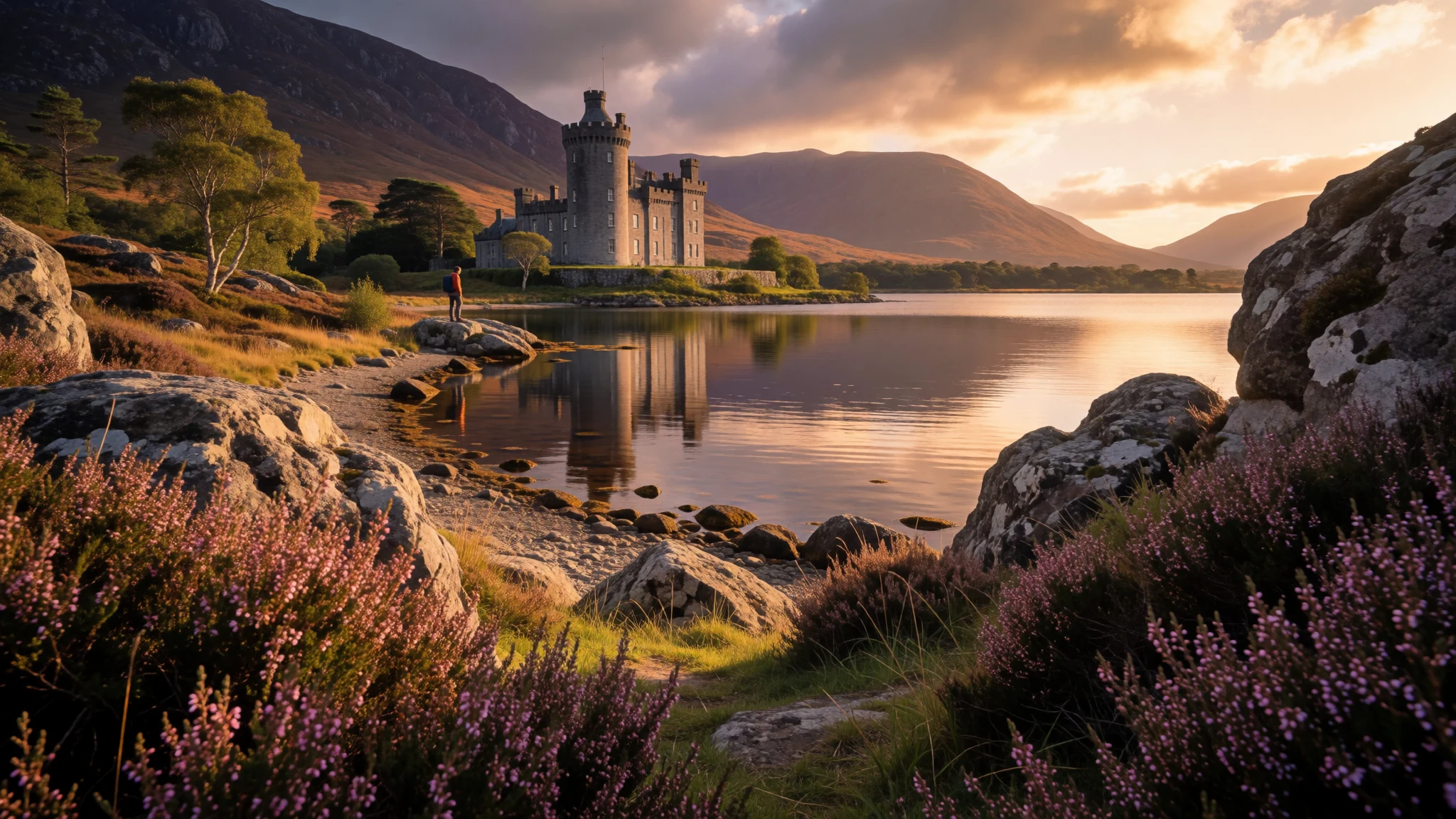
Glenveagh National Park offers granite mountains, a long lough and a castle garden in Donegal, with waymarked walks and plenty of room.
The place
Glenveagh National Park fills a wide, empty corner of County Donegal in the far north-west of Ireland. The name comes from Gleann Bheatha, the glen of the birches, and it is pronounced roughly glen-VAY. The park covers about 170 square kilometres and gathers three things together: the Derryveagh Mountains, a long ribbon of water called Lough Veagh, and a nineteenth-century castle on the lough's shore with gardens around it. As things stand, it is the only national park in the province of Ulster. The landscape is mostly bare granite, bog and heather, with oak and birch woodland in sheltered pockets and a few exotic plantings near the castle. Ice shaped much of it. A geological fault runs through these mountains, and glaciers ground along that weak seam to carve the deep, U-shaped valley that gives the place its character. Waymarked trails of different lengths start near the visitor centre, and quiet is the main attraction. There is no accommodation inside the boundary and camping is not allowed, so most people stay in Letterkenny or around Gweedore to the west and come in for the day. Entry, car parking and the gardens carry no charge. Weather is the thing to plan around: it is Atlantic, changeable and often wet, and a clear morning can turn grey and misty within the hour.
Its story
Glenveagh National Park as it stands today was assembled by a handful of wealthy owners, and the first of them left a bitter memory. John George Adair, a businessman of Anglo-Irish background, put the estate together and built the castle. His rule over the land was harsh. Quarrels with local farming families about sheep, grazing and access grew heated, and in 1861, a famine-era year, he cleared 44 families, 224 people in all, from their homes. Locals gave him the name 'Black Jack' Adair, and it has outlived him. The estate passed to his widow Cornelia, then to Arthur Kingsley Porter in 1929 and to Henry Plumer McIlhenny in 1937. Each owner added to the gardens. McIlhenny eventually gave the whole estate to the Irish state, though he kept using the castle as a part-time home until 1982, and the national park was established in 1984. Wildlife has its own story here. Golden eagles were hunted out of Ireland early in the twentieth century and were brought back to these mountains around the start of this century; it took several years before a chick hatched and flew in the wild. A herd of red deer lives on the hills. More recently, work to clear non-native trees and plants has gone on alongside repairs to the park's water systems. Underneath all of it lies the older story of fault line and glacier.
What to see
- Glenveagh Castle — Lough Veagh shore
Glenveagh National Park's castle is a baronial mock-castle from the nineteenth century, set on the shore of Lough Veagh with mountains rising behind. It is more a romantic country house than a fortress. Guided visits and the shuttle from the visitor centre run seasonally, so check the official site before travelling.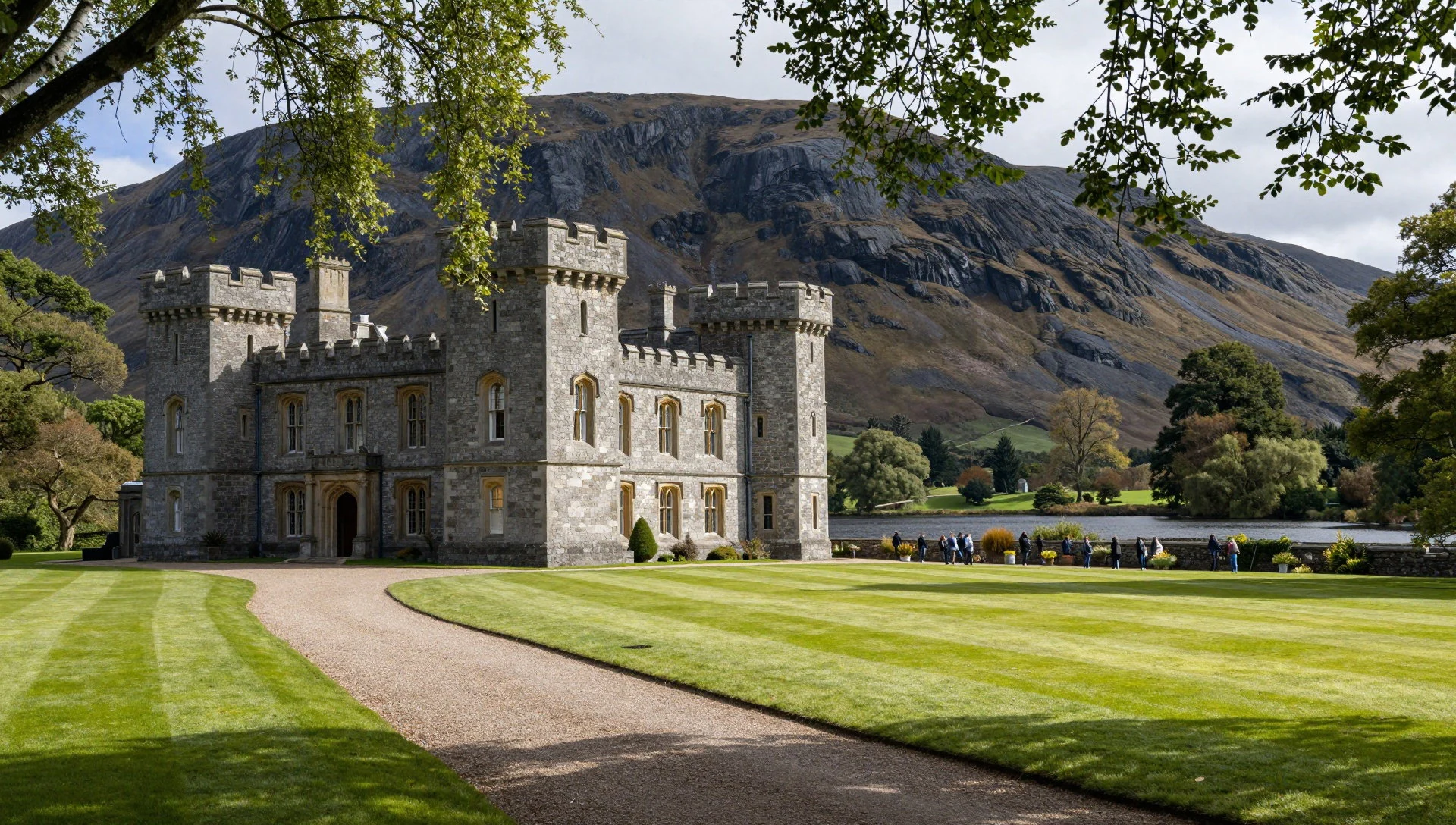
- The castle gardens — Beside the castle
Glenveagh National Park's gardens spread over more than 11 hectares of informal themed plantings, including a pleasure garden and a walled garden laid out in the later nineteenth century. Rhododendrons peak in May and June, the walled garden in August, and the cold nights of autumn bring strong colour.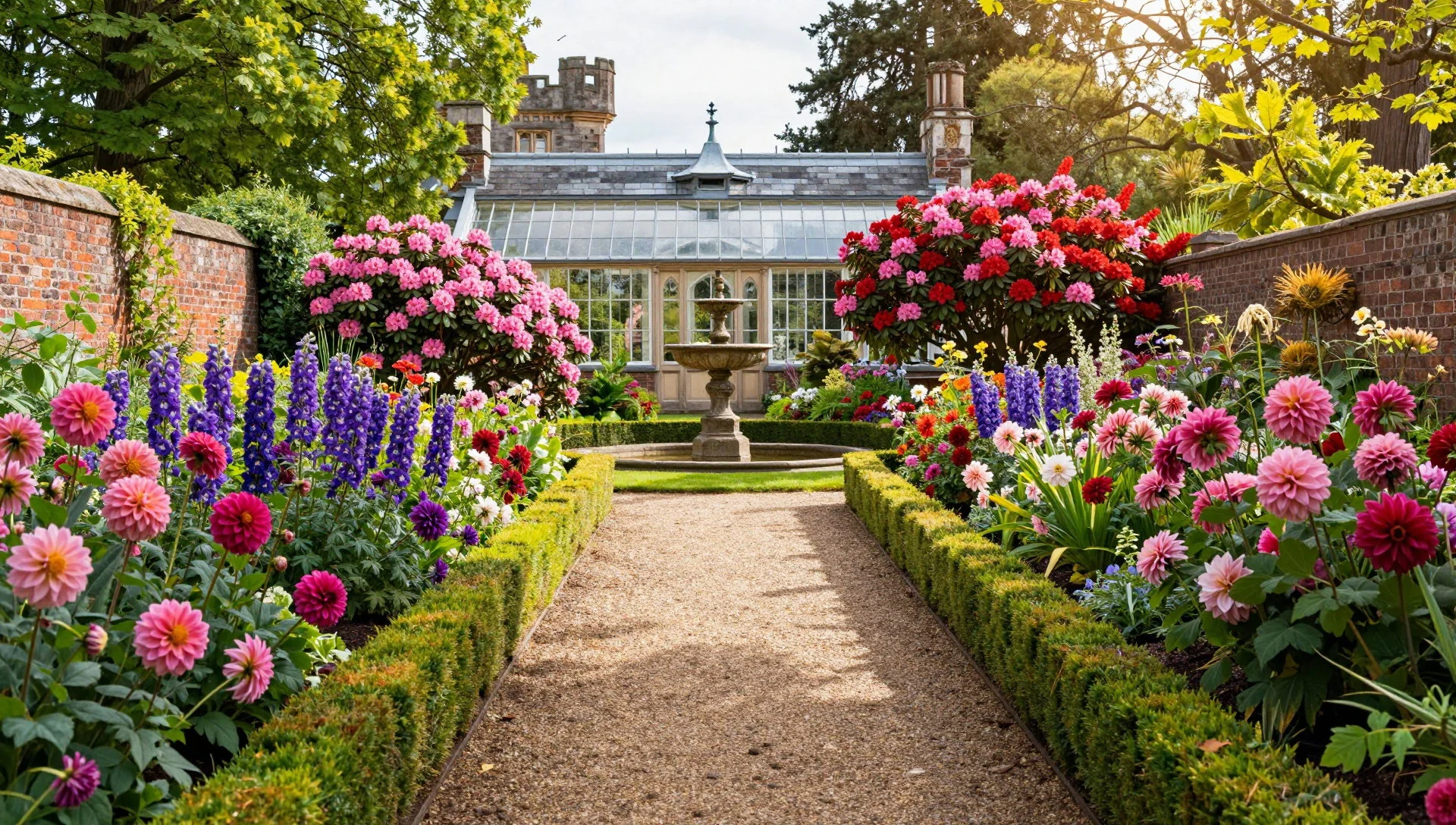
- The viewpoint walk — Hillside above the castle
A path begins a short way before the castle and zigzags up the hillside before following a ridge. At the top, Glenveagh National Park lies spread out: lough, castle roof and the long glaciated valley. Bring a waterproof, because the wind on the ridge is stronger than at the shore.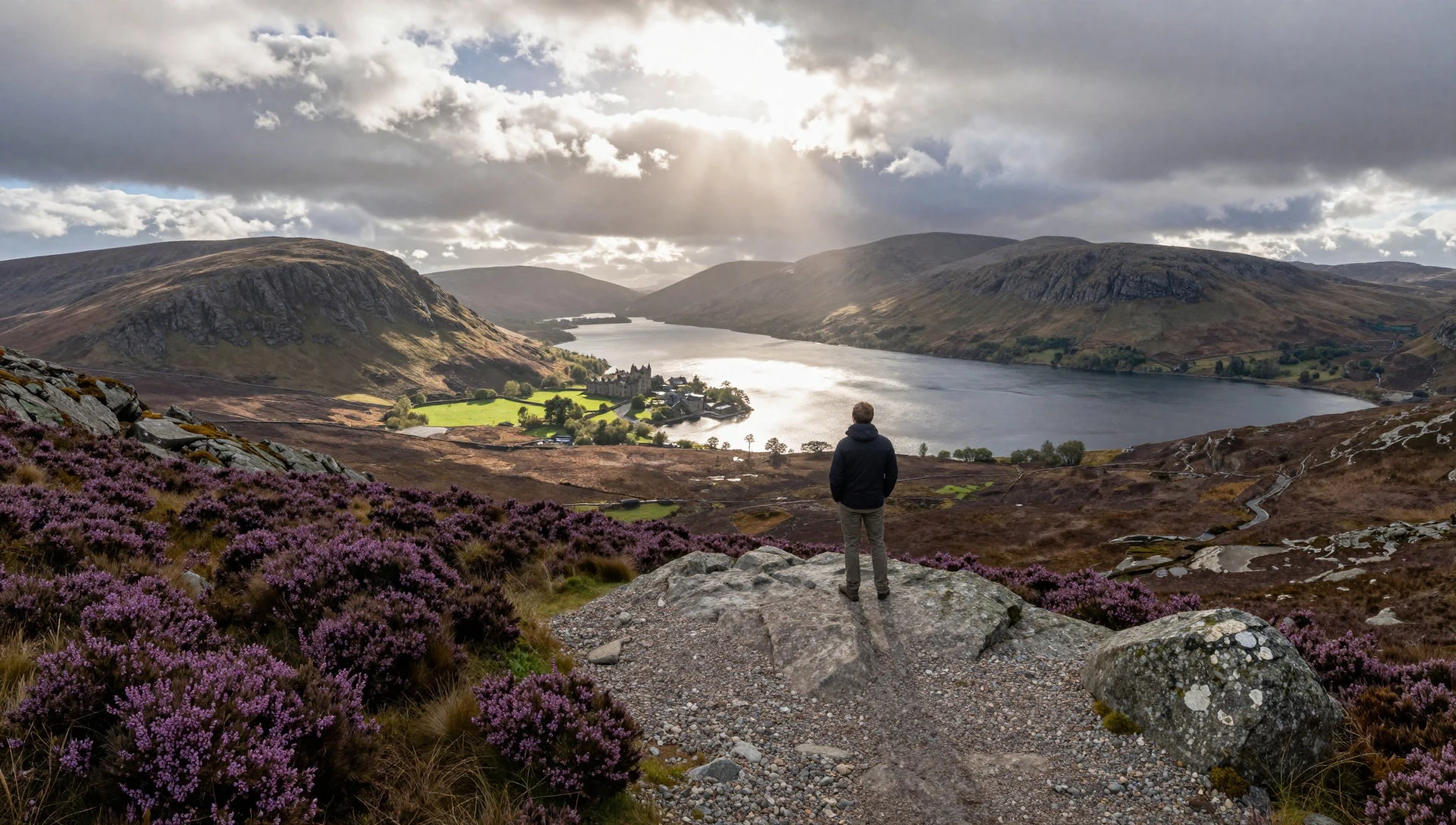
- Lough Veagh — Centre of the park
Lough Veagh is the long lake that anchors Glenveagh National Park, and its shoreline of birch, oak and granite is best seen early on a still morning. Fishing is by boat only, in a short summer season, and needs a permit. There are no watersports here.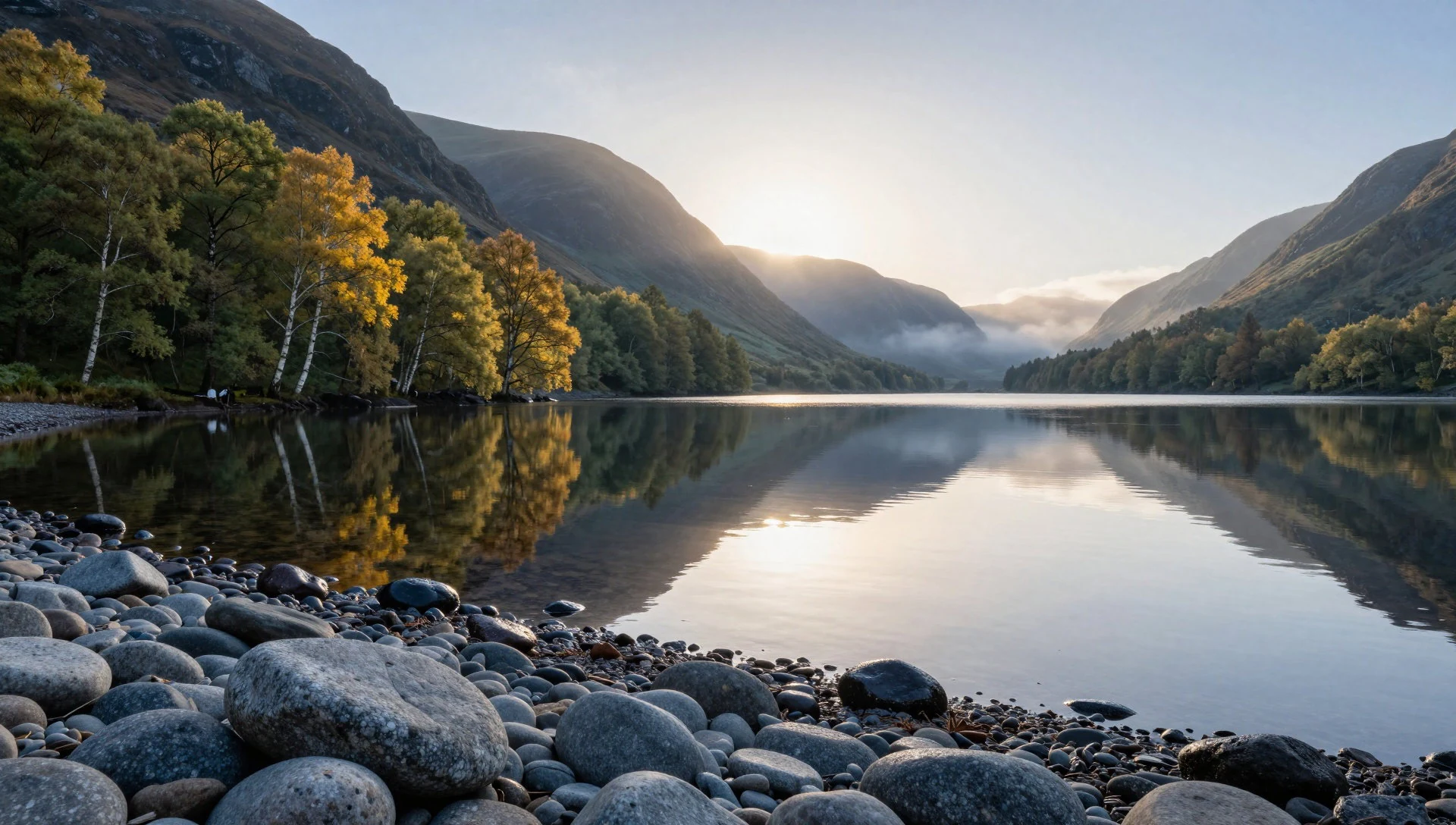
- Golden eagles — High ground across the park
Glenveagh National Park is the place where golden eagles were returned to Ireland. The population is still tiny and vulnerable, and sightings are a matter of luck. Look for a large, dark bird with a paler nape, soaring silently over the high ground, and carry binoculars.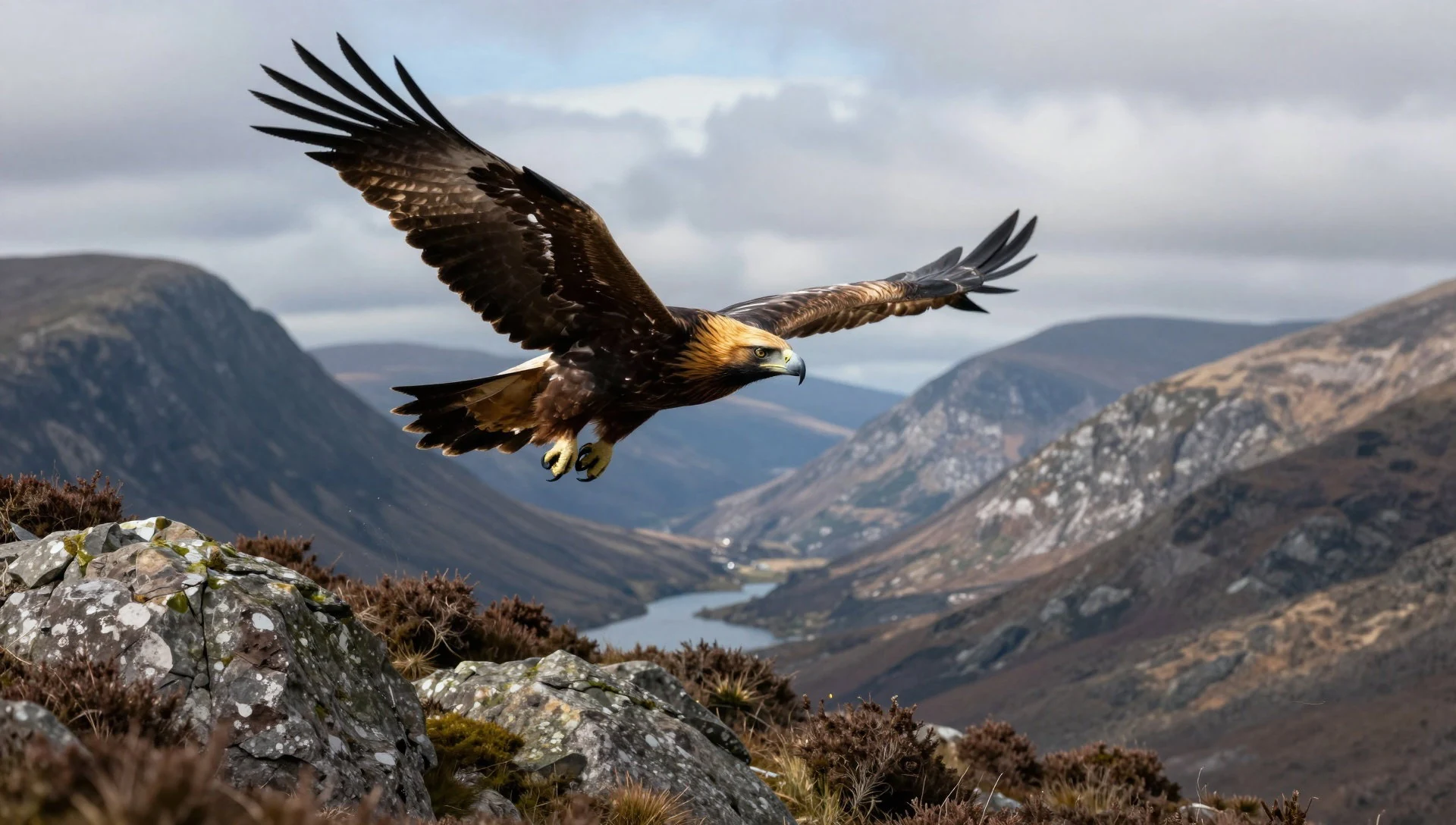
- Astelleen Burn waterfall — Among the Derryveagh slopes
A small stream drops over rock inside Glenveagh National Park, most impressive after rain, which is common. It is a good reminder of how much water the Derryveagh Mountains shed. Wear boots with a decent grip, as the ground around the burn is soft and slippery.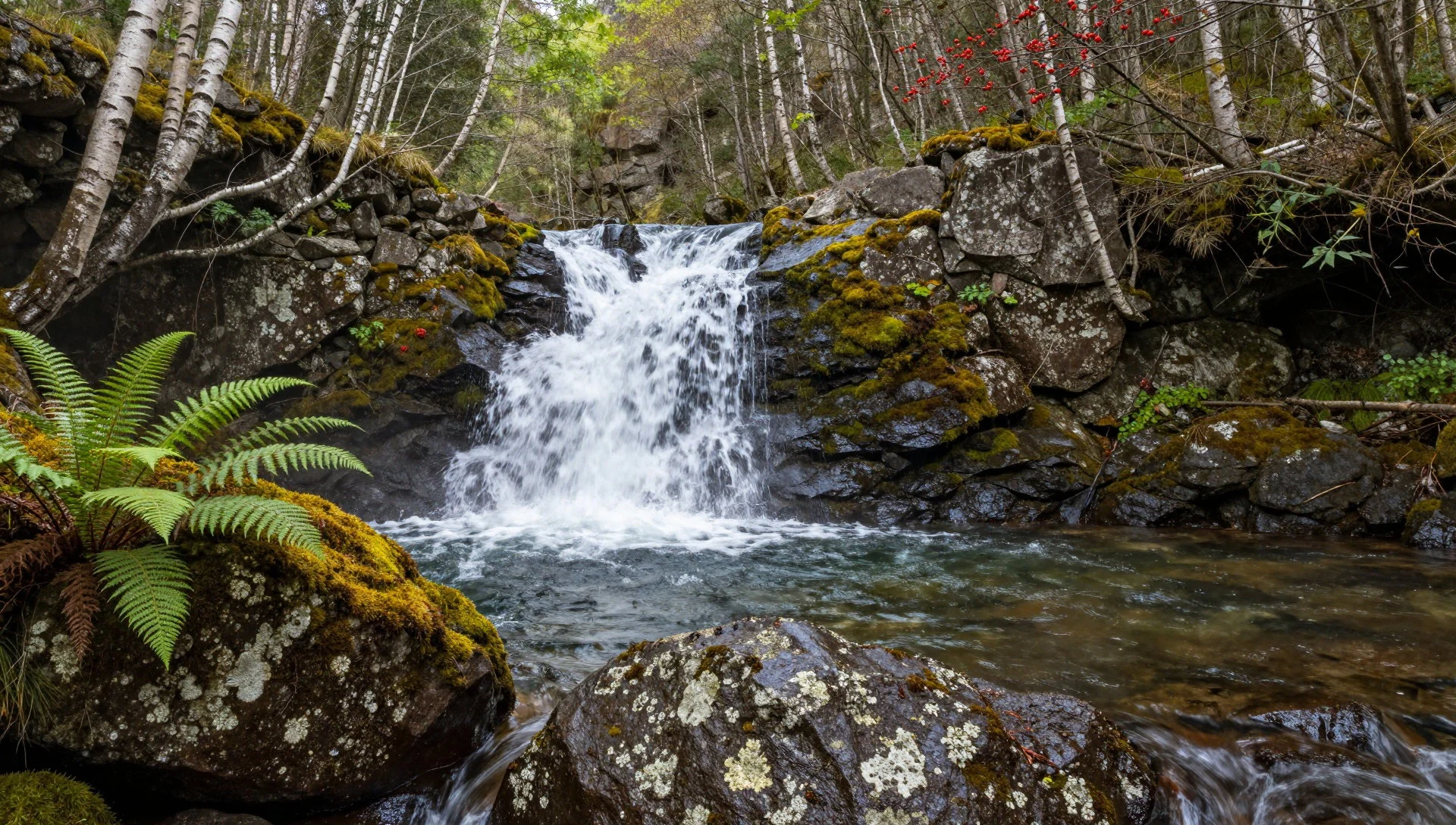
Culture
Glenveagh National Park sits on the edge of one of Ireland's Irish-speaking regions, and the language is part of the landscape. Road signs in the west of Donegal are often in Irish only, and the park's own name, Gleann Bheatha, is a description of what the first people saw: a glen of birches. The area's memory of land and ownership runs deep. The park's story begins with an estate carved out by a landlord who cleared local families, and many people nearby still speak of that history plainly. Today the same ground is public and free to enter, which feels like a quiet reversal. Beyond the park, the culture of this part of Donegal is one of music, small farms, hill sheep, turf fires and long conversations in pubs. Fiddle and accordion sessions are common in the villages around Gweedore and Dunlewey, and they tend to start late and run on. Hospitality is warm but unshowy; people are happy to give directions, and they will tell you the weather will change, because it will. Visitors who walk here are sharing working land and wild habitat, with sheep, deer and nesting birds. Stay on the waymarked paths, take all litter home, and keep well back from the deer and any nesting birds.
What to wear
Glenveagh National Park lies in a county famous for Donegal tweed, a woven wool cloth with small flecks of colour caught in the yarn, traditionally made on handlooms in cottages and now in small mills too. Farmers and country gentry wore it as caps, jackets and trousers, and it was joined by heavy knitted jumpers and wool shawls against the damp. Nothing is worn as costume in daily life; tweed appears at weddings, fairs and on older men at the mart. What people actually wear now is practical: waterproof jackets, fleeces, jeans, wellingtons and walking boots, with a good wool jumper for the evening. Dress in the pub or tearoom is relaxed, and nobody will look twice at muddy boots. A visitor should dress for four seasons in a day. Pack a proper waterproof jacket and over-trousers, layers that can be added or removed, a warm hat even in summer, and boots or sturdy shoes with grip, because paths turn boggy and rocky. Cotton jeans soak through and dry slowly, so lightweight walking trousers are better. There is no dress code at the castle or gardens, and modesty norms are not a concern, though sun cream and sunglasses are worth packing for the clear days.
What to eat
- Seafood chowder — Pubs and cafés in Letterkenny and the west-coast villages
A creamy soup of white fish, shellfish and sometimes salmon, thickened with potato and served with brown bread. It is a staple of the Donegal coast. Look for it in pubs and cafés in Letterkenny and the villages towards the west coast.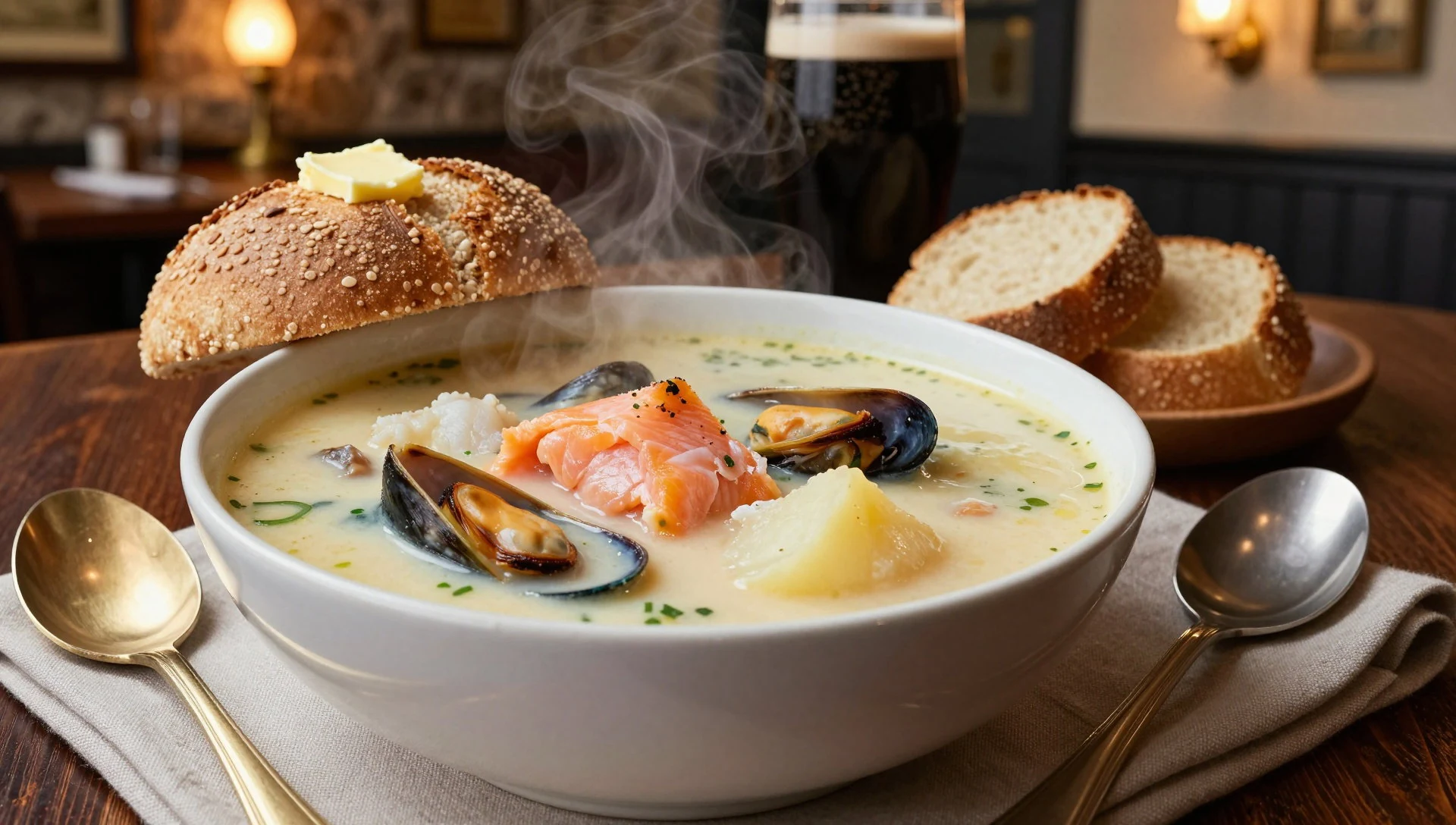
- Brown soda bread — Tearooms, bakeries and the park's cafés
A dense, nutty loaf raised with bicarbonate of soda and buttermilk rather than yeast, eaten with butter, smoked salmon or soup. Tearooms and bakeries in the area sell it fresh, and it goes well with a flask of tea on a hill walk.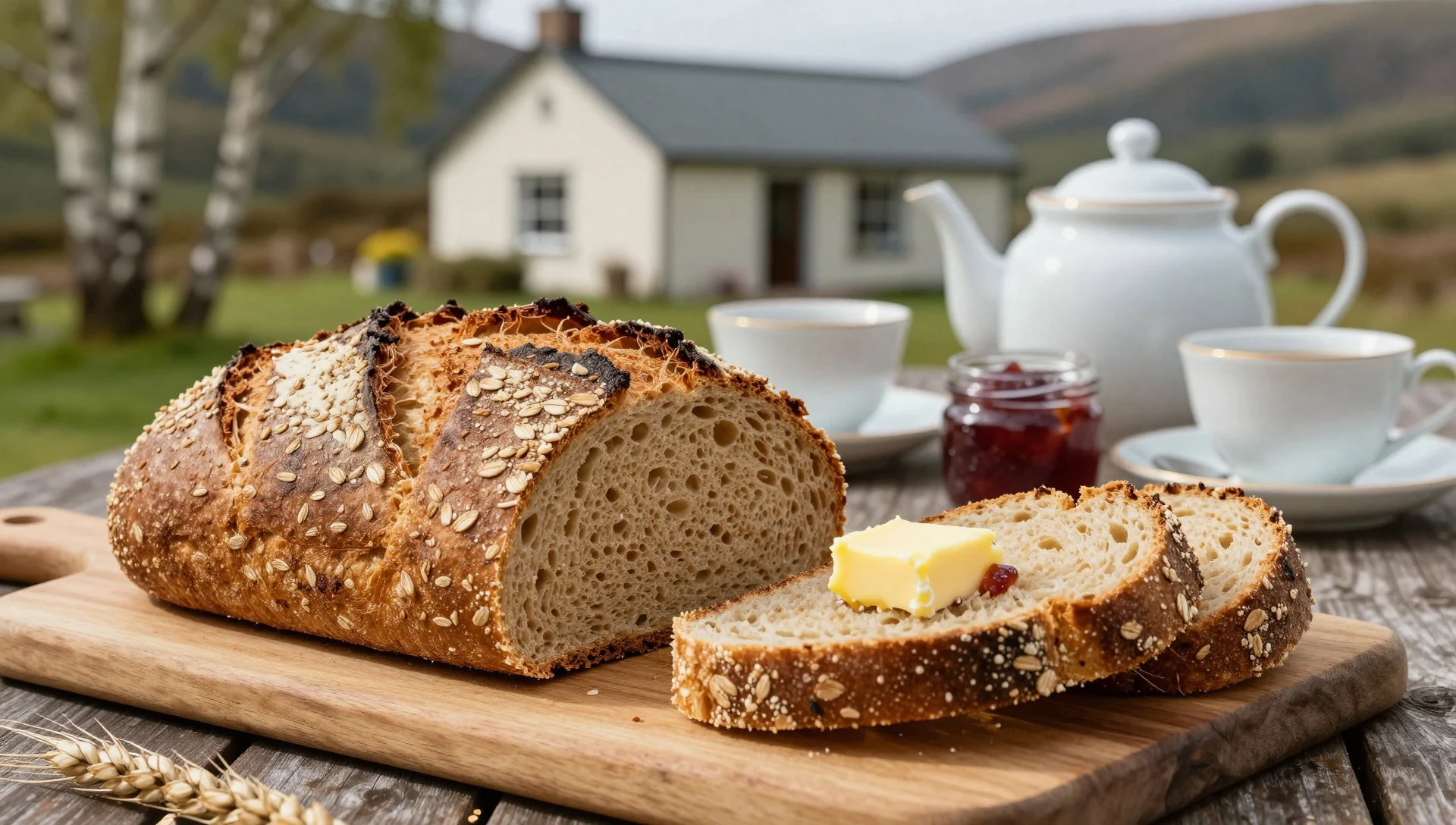
- Scone with jam and cream — Castle tearooms and the visitor centre café
A warm fruit or plain scone split and filled with jam and whipped cream, usually with a pot of tea. It is the standard reward after a walk, and the castle tearooms and visitor centre café are the natural places to try one. - Irish stew — Traditional pubs in Letterkenny and Gweedore
Slow-cooked lamb or mutton with potato, carrot and onion in a simple broth. It suits the climate and the hills, and many pubs in Letterkenny and the Gweedore area keep a version on the menu through the colder months. - Full Irish breakfast — Guesthouses and bed-and-breakfasts around Letterkenny
Fried eggs, rashers, sausages, black and white pudding, tomato and toast, with plenty of tea. It is served at most guesthouses and bed-and-breakfasts, and sets a walker up for the whole morning on the mountains.
Plan it
Best time. May and June for rhododendrons and long light, September and October for autumn colour and fewer people. Summer can be mild but wet, and winter is short on daylight, with colder, windier days; the castle tearooms keep seasonal opening, so check before relying on them.
How long. 1–2
Getting there. Fly into one of the north-west airports (Derry or Donegal) or into Dublin and drive or take a coach to Letterkenny, the nearest sizeable town, about 24 km from the park. A local bus runs from Letterkenny to the visitor centre on the R251; check the current Local Link Donegal timetable before planning around it. Driving from Letterkenny, follow the N56 north to Termon, then the R255 west and the signs for the park.
Budget. low
Tips
- Arrive early on a fine day; the visitor centre car park and the castle shuttle fill up in summer.
- Carry a waterproof and a warm layer whatever the forecast, because the weather turns quickly in the mountains.
- There is no accommodation or camping in the park, so book a base in Letterkenny or Gweedore ahead, especially in summer.
- Bring a card and a little cash for cafés and roadside stops, and fill a water bottle before setting out on longer trails.
- Check the official site, https://www.nationalparks.ie/ga/glenveagh/, for the castle, shuttle and tearoom times.
Etiquette
- Stay on waymarked paths and leave gates as you find them, because sheep graze on neighbouring land.
- Keep your distance from deer and nesting birds, and never feed wildlife.
- Take all litter home; there are few bins on the trails.
Nearby
Sources
- Wikidata Q140033 (CC0)
- Wikipedia: Glenveagh (rev 1339914448) (CC BY-SA 4.0)
- Wikivoyage: Glenveagh National Park (rev 5351238) (CC BY-SA 4.0)
- Photo: Glenveagh National Park - Lough Gleann, Patrice78500 (Public domain)
- Photo: Glenveagh National Park, Michal Osmenda (CC BY-SA 2.0)
- Photo: Glenveagh castle and gardens, Technische Fred (CC BY 3.0)
- Photo: Astelleen Burn waterfall, Rod Grealish (CC BY-SA 2.0)
- Photo: Lough Veagh, KensingtonC9 (CC0 1.0)
- Photo: Boat House, Glenveagh Forest Park, Dehendo (CC BY-SA 4.0)
- Photo: Glenveagh Forest Park, Dehendo (CC BY-SA 4.0)
- Photo: Glenveagh Bridge, Ben Brooksbank (CC BY-SA 2.0)


