Killarney National Park
Killarney National Park, Ireland
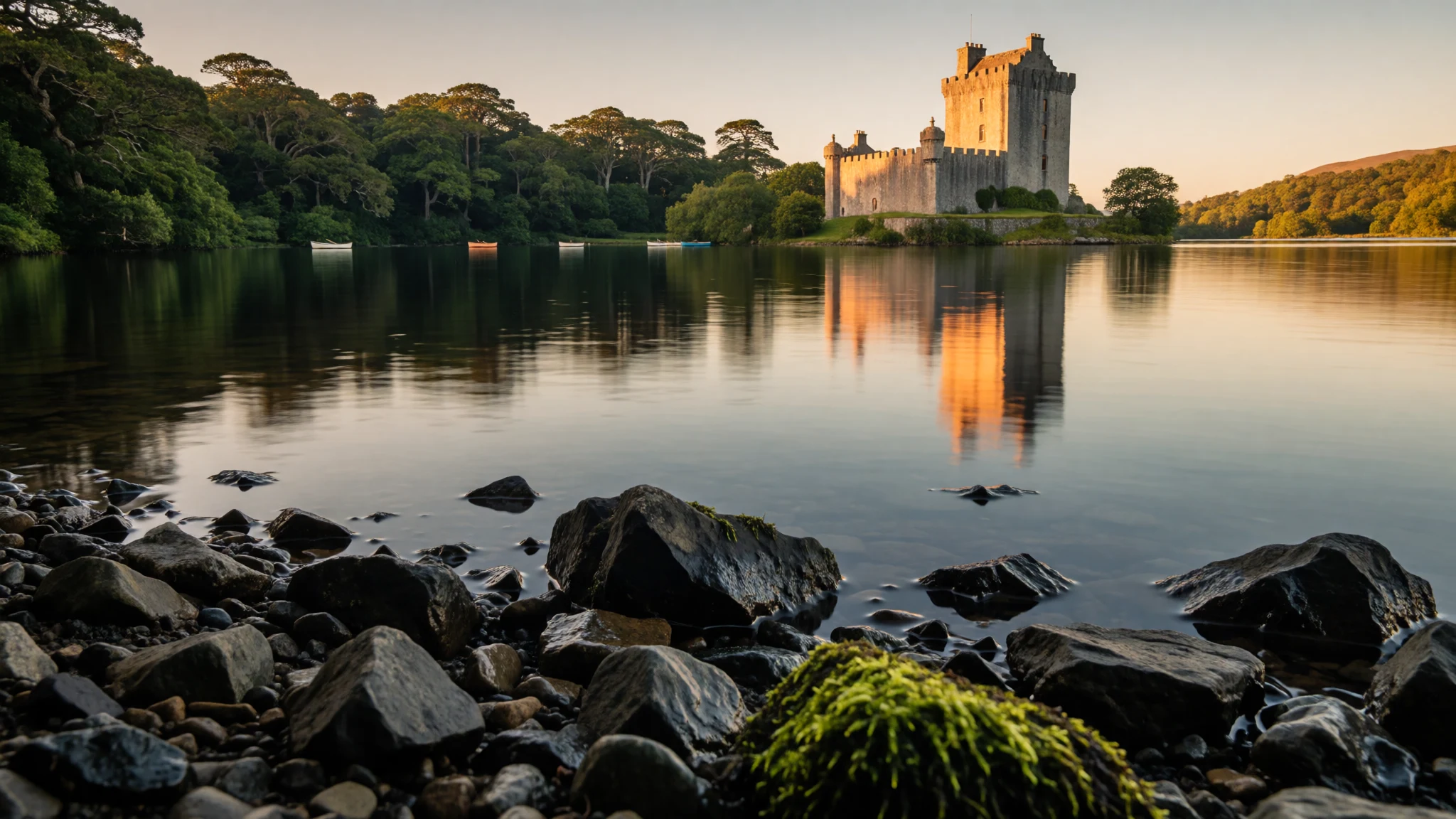
Killarney National Park blends lakes, woodland and mountains into a compact Irish escape where wildlife often steals the show.
The place
Killarney National Park sits close to the town of Killarney in County Kerry, Ireland, and it feels surprisingly varied for one protected area: lakes that invite slow boat rides, wooded slopes that turn green in almost any weather, and mountain scenery that brings in cooler air and big cloud cover. The park was created after the Muckross Estate was donated in 1932, and it remains organised around the landscape—especially the Lakes of Killarney.
This is a destination that rewards gentler pacing. Good paths connect viewpoints, shoreline stretches and forest trails, and the scenery changes as the light shifts. On clearer days, the hills look crisp; on showery days, the same ridges turn softer and misty, which can be better for photos and more comfortable for walking.
Crowds tend to cluster around the easiest lake viewpoints and the classic scenic routes from town. If the car park looks busy, it usually pays to move a bit off the main loop and start walking. Wildlife sightings are a real possibility, particularly in quieter woodland areas—people often arrive with hiking boots and end up watching deer and listening for birds.
Facilities and visitor infrastructure exist because tourism is part of the local rhythm, but the park is still first and foremost about conservation. The result is a place that mixes recreation with a sense of habitat—wet weather gear and flexible plans make the trip smoother.
Its story
Killarney National Park’s story starts much earlier than the park itself. The region has had woodland cover for a long time, so the landscape carries a layered feel: you walk through forests while the ground underneath holds evidence of very different lives. Bronze Age activity is associated with the Ross Island area, and in the wider park you can find archaeological traces that hint at how important this corner of Kerry has been.
Early Christian sites add another chapter. Inisfallen Abbey stands as ruins on Inisfallen Island in Lough Leane, linked with monastic life and the kind of record-keeping that shaped how early Ireland was remembered. Nearby, Muckross Abbey tells a more turbulent story of communities that were damaged and rebuilt over time.
In the background, the geology helps explain the park’s character. The land is shaped by a mix of sandstone-dominated ground and limestone influence closer to the lower eastern shore of Lough Leane, which affects how slopes drain and where rock appears. Those differences feed into habitat variety: woodlands, lake margins and mountain terrain don’t just look distinct, they behave differently in rain and wind.
Even the more modern tourism story has a tempo: Kerry built a reputation for welcoming visitors, and rail connections later made trips easier. Today that history shows up in the way people move—slow by lake, steadier on trails, and always ready to pause for a view when the weather clears.
What to see
- Lakes of Killarney viewpoints — Lakes of Killarney / lakeshore routes
Go for calm water views, shoreline walks and the classic lake perspectives that make the whole area feel close to the mountains. Clouds can roll in fast, so keep an eye on the sky and plan for short bursts of sun between showers.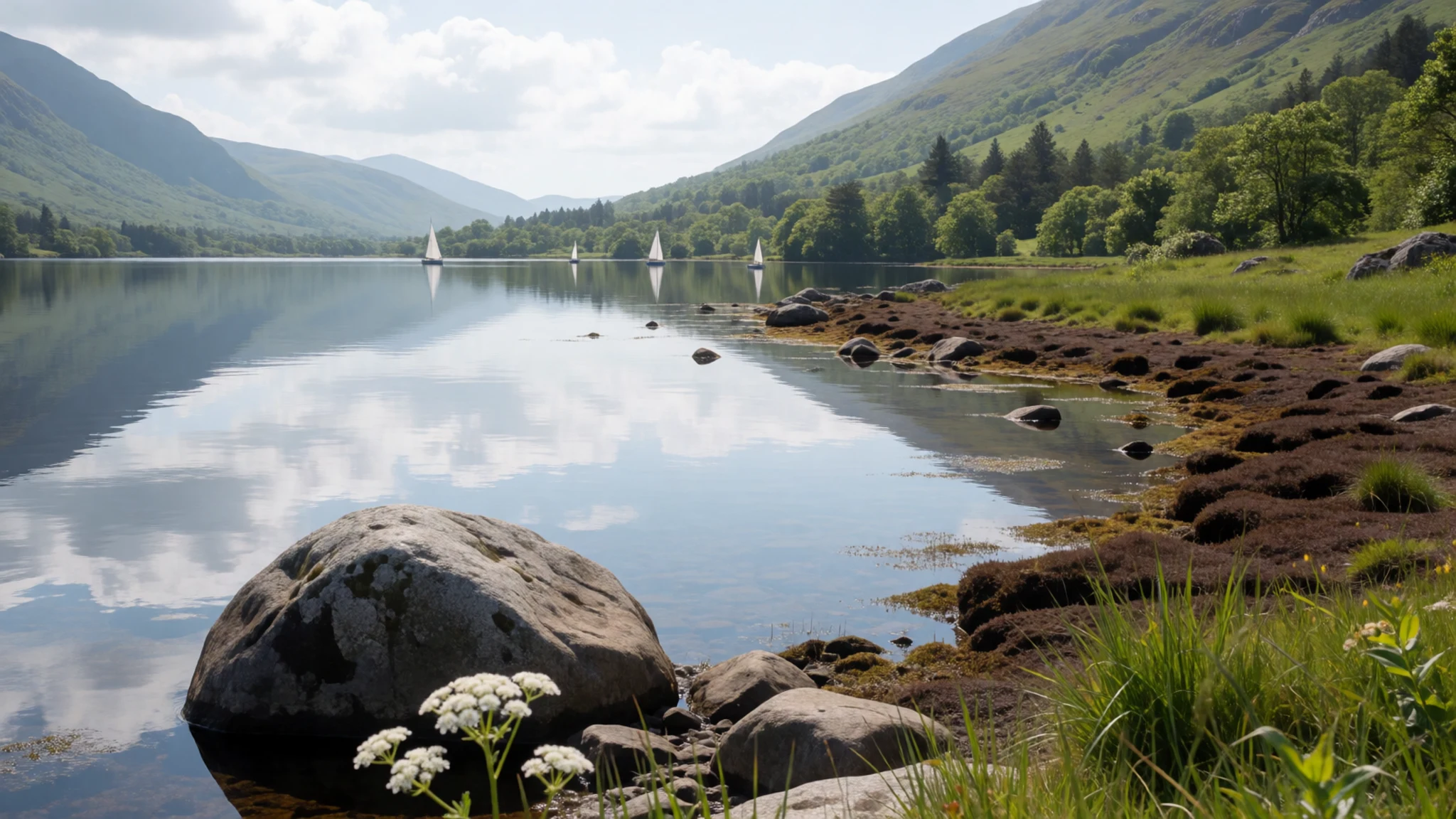
- Ladies View — Killarney area viewpoints
A straightforward stop with an outlook across the lake landscape and surrounding hills. It’s a good place to reset after wetter weather and decide on a walking route—arrive earlier if you want quieter photos.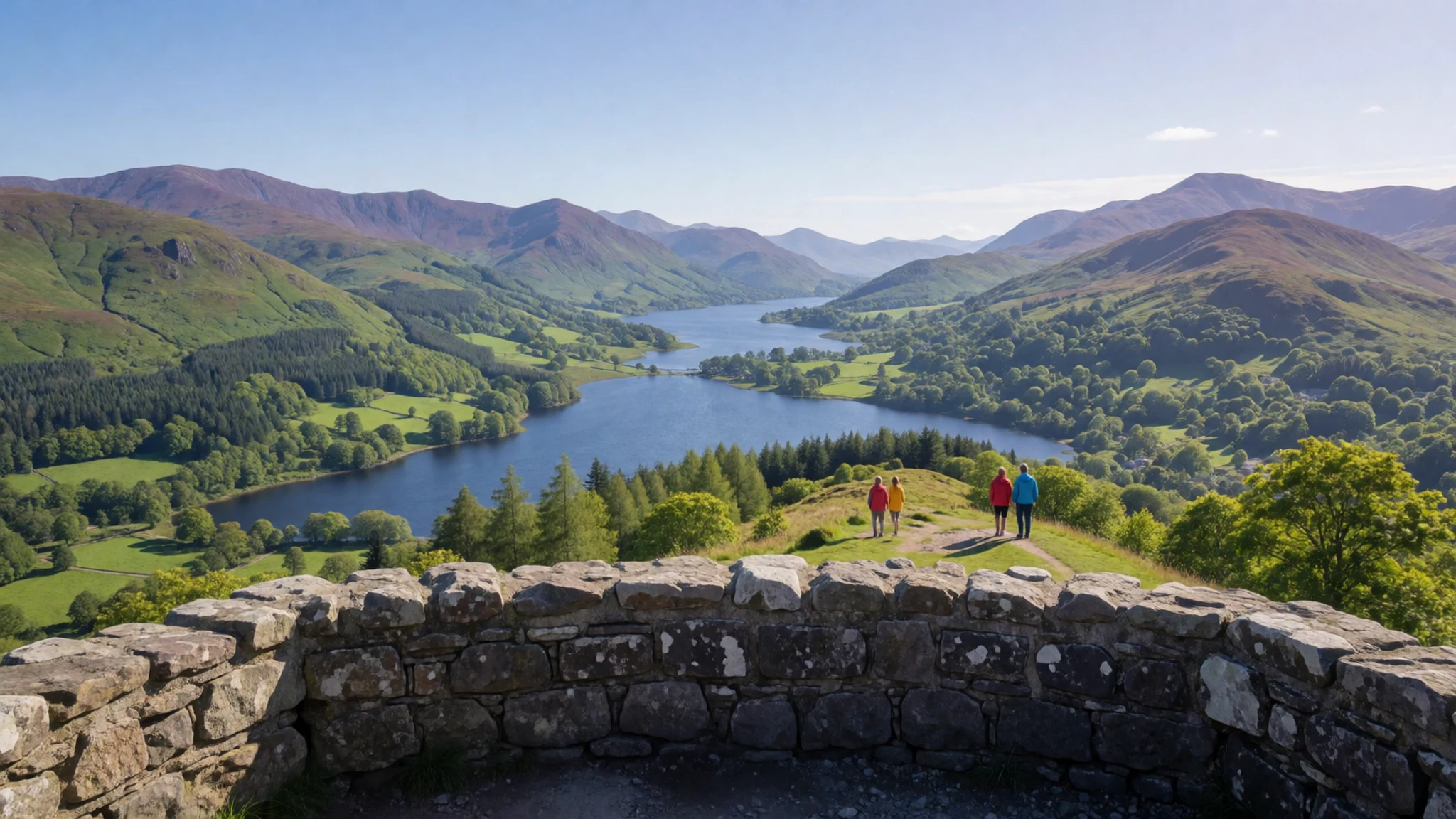
- Ross Castle area — Lough Leane / Ross Castle lakeside
The Ross Castle landscape is all about reading the lakes—water, trees and built form—so you can understand how the park’s attractions fit together. It’s also a strong option in shoulder seasons when light turns more dramatic.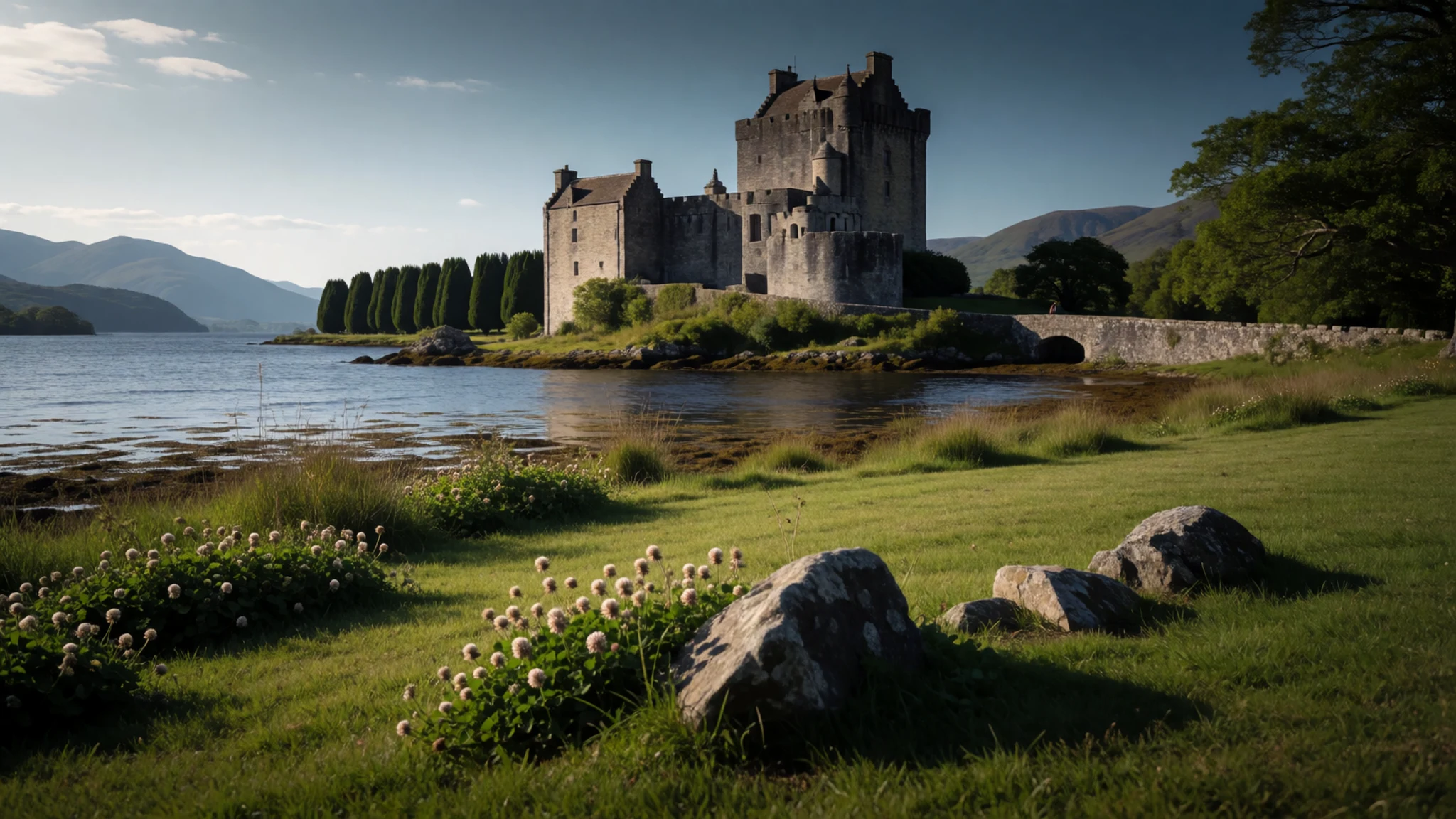
- Torc & Muckross House view from the top — Torc / higher routes near Muckross
If the weather holds, the Torc area gives a higher-angle view that makes the park feel bigger. The walk up is the point—forests, viewpoints and frequent changes in visibility, especially when mist sits in the valleys.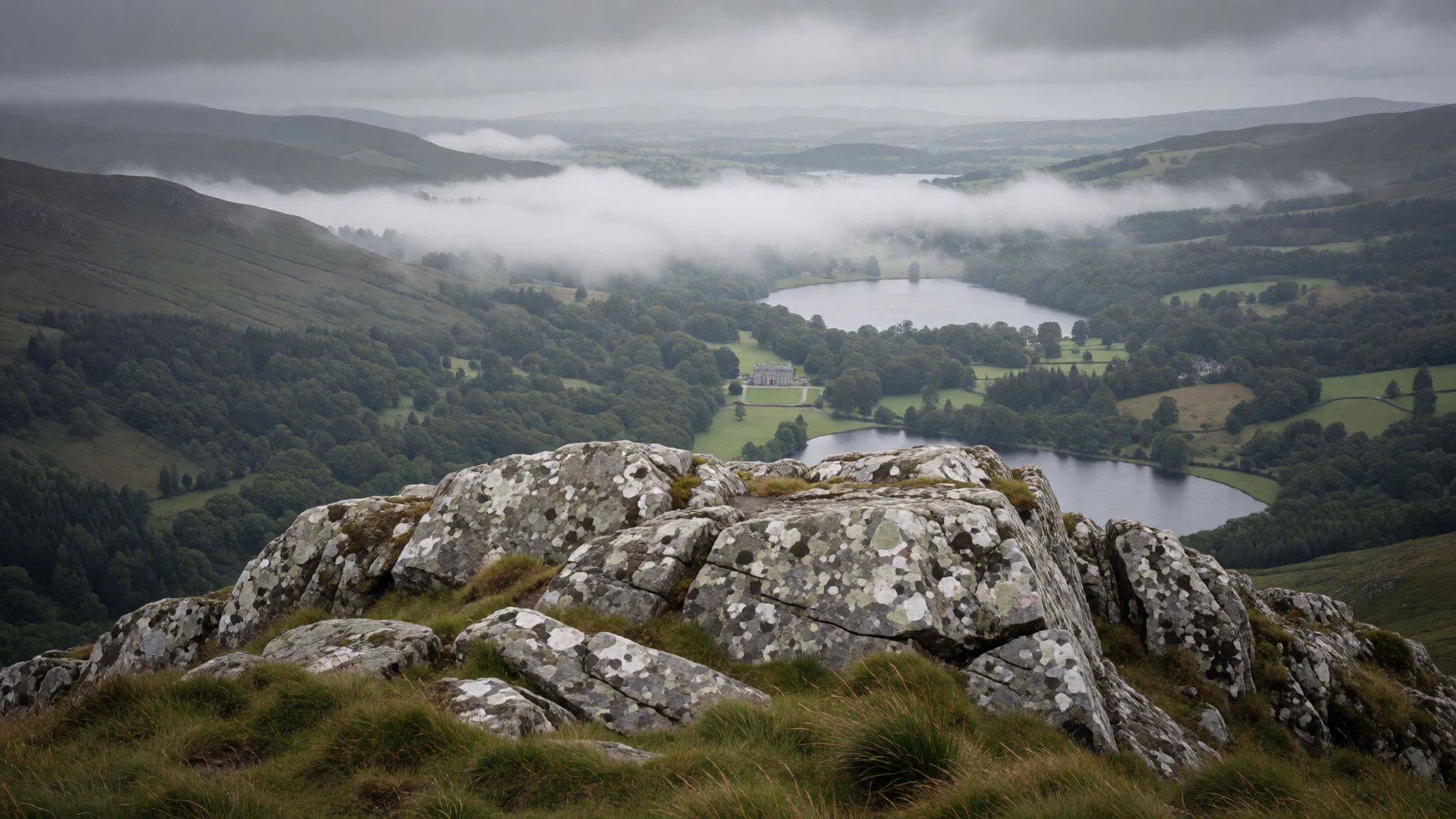
- Upper Lake & Purple Mountain angle — Upper Lake / mountain-facing viewpoints
A viewpoint that’s particularly satisfying when morning light sits low and the edges of hills soften. Even on dull days, the colour contrast between water and slopes helps keep photos interesting.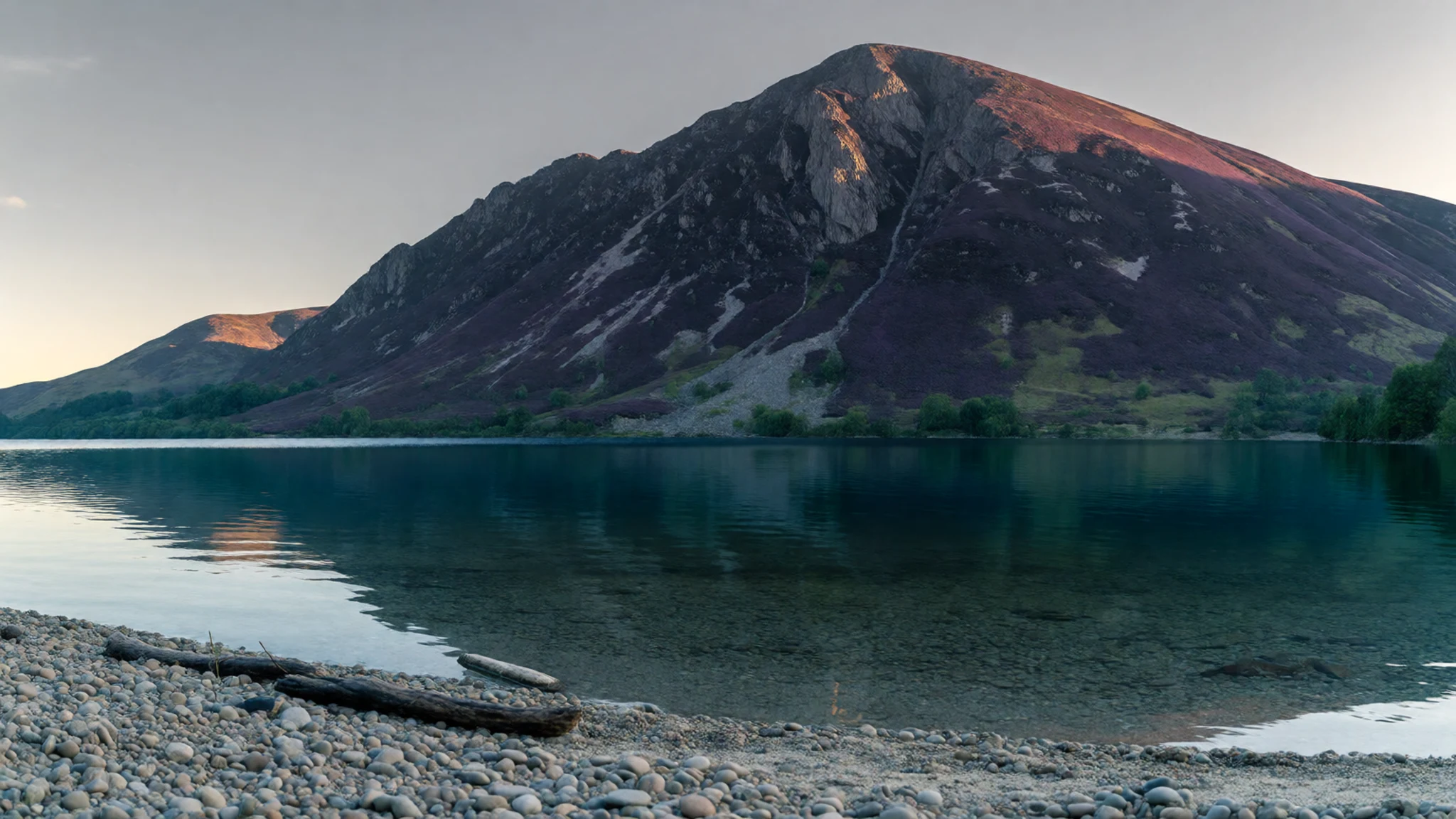
- Red deer in woodland — Oak and yew woodland areas
One of the best experiences is simply being in the right habitat at the right moment. Keep distances, move slowly, and avoid sudden noise—woodland sightings are easier when the weather isn’t too bright or the footfall is lower.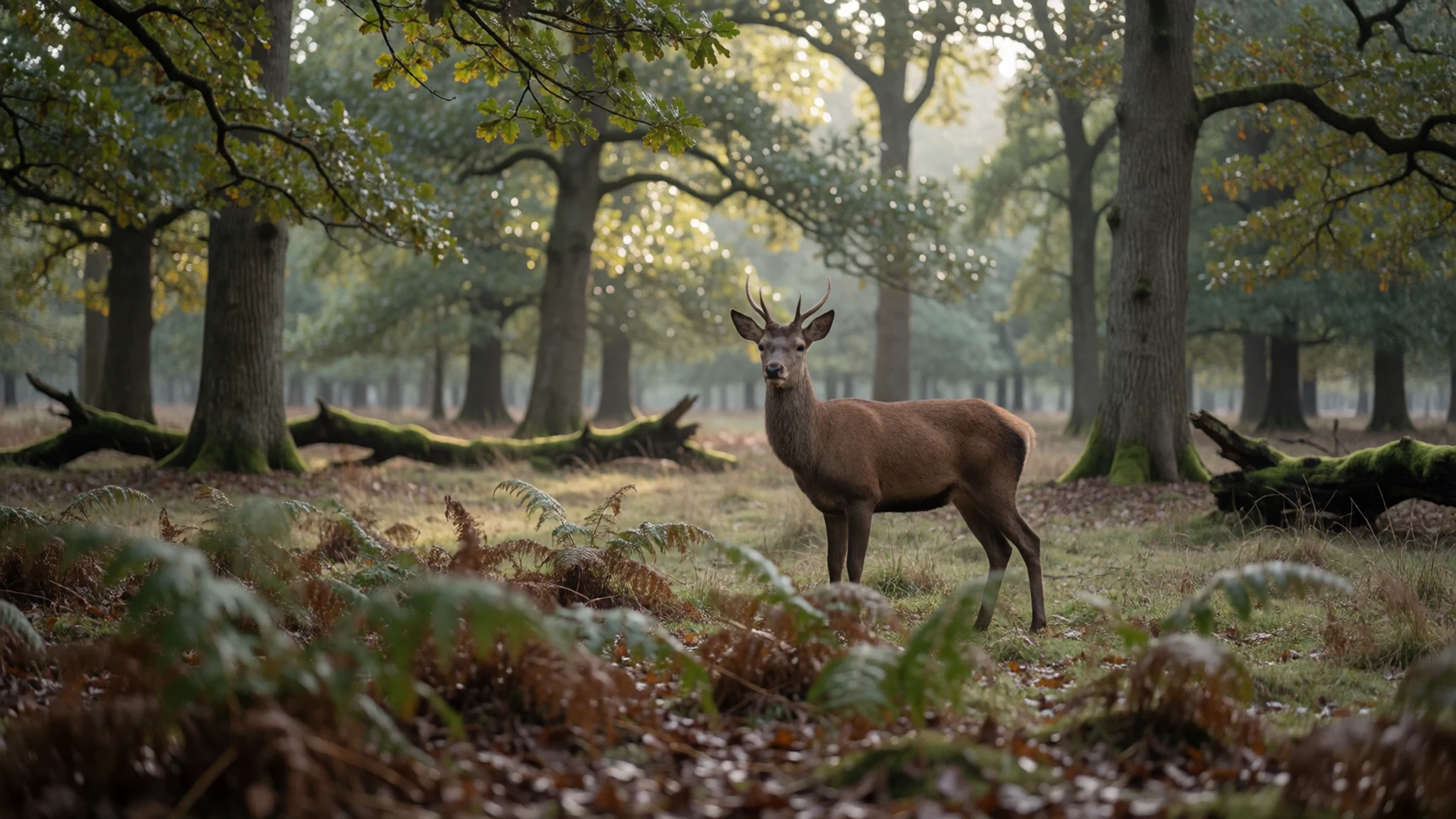
Culture
Killarney National Park is managed for nature conservation, so it’s less about ticking off buildings and more about spending time in functioning habitats. That shows up in how the landscape is used: people gather around the lake scenery and viewpoint roads, but the most rewarding atmosphere comes from walking trails that lead into woodland and out towards mountain views.
The park also carries cultural weight through the early Christian sites linked with monastic life on Lough Leane. Even without entering ruins, the sense of place is tangible—quiet water, trees that frame the horizon, and paths that make the area feel lived-in across centuries.
Because tourism has a long history in Kerry, you’ll notice how visitors and locals share the rhythms of the day: coffee, short drives to viewpoints, then longer walking loops when the weather improves. Rain is common, and it’s normal to dress for it rather than fight it.
If the park’s rules feel strict anywhere, it’s usually for practical reasons—protecting sensitive habitat, keeping walkers safe on wetter ground, and respecting archaeological remains.
Visitor etiquette: stay on marked paths, keep noise down near wildlife, and don’t approach ruins or vegetation beyond designated viewing areas.
What to wear
In and around Killarney National Park, the “right outfit” is mostly about weather and terrain rather than traditional dress. Ireland’s everyday fashion is practical here: rain jackets, layered jumpers, and quick-drying trousers are common, because the park sits under a changeable, ocean-influenced climate. Visitors tend to wear sturdy walking shoes or waterproof boots with good grip for paths that can get muddy.
Traditional Irish dress does exist in the region, but in the park itself you’ll rarely see it worn for hiking. Where traditional clothing shows up is usually at local cultural events, with textiles like wool and other warm fabrics chosen for comfort and warmth rather than light summer walking.
For a visitor, pack for cool temperatures and frequent drizzle: a waterproof outer layer, warm mid-layer, and a hat or cap that can handle wind. If boots feel too heavy, consider water-resistant trainers with a proper tread, but expect wet ground. At lake viewpoints and higher routes, conditions can feel colder and cloudier than in town, so bring an extra layer even on bright mornings.
If a day includes visiting historic sites near the park, modest clothing helps—shoulders and legs covered comfortably—so there’s no last-minute outfit change mid-trip.
What to eat
- Fish & chips from local kiosks — Killarney town centre and waterfront kiosks
Killarney has plenty of fish-and-chip takeaways and casual kiosks, which work well after a wet walk. Grab it to take away, then eat somewhere with a view when the weather allows.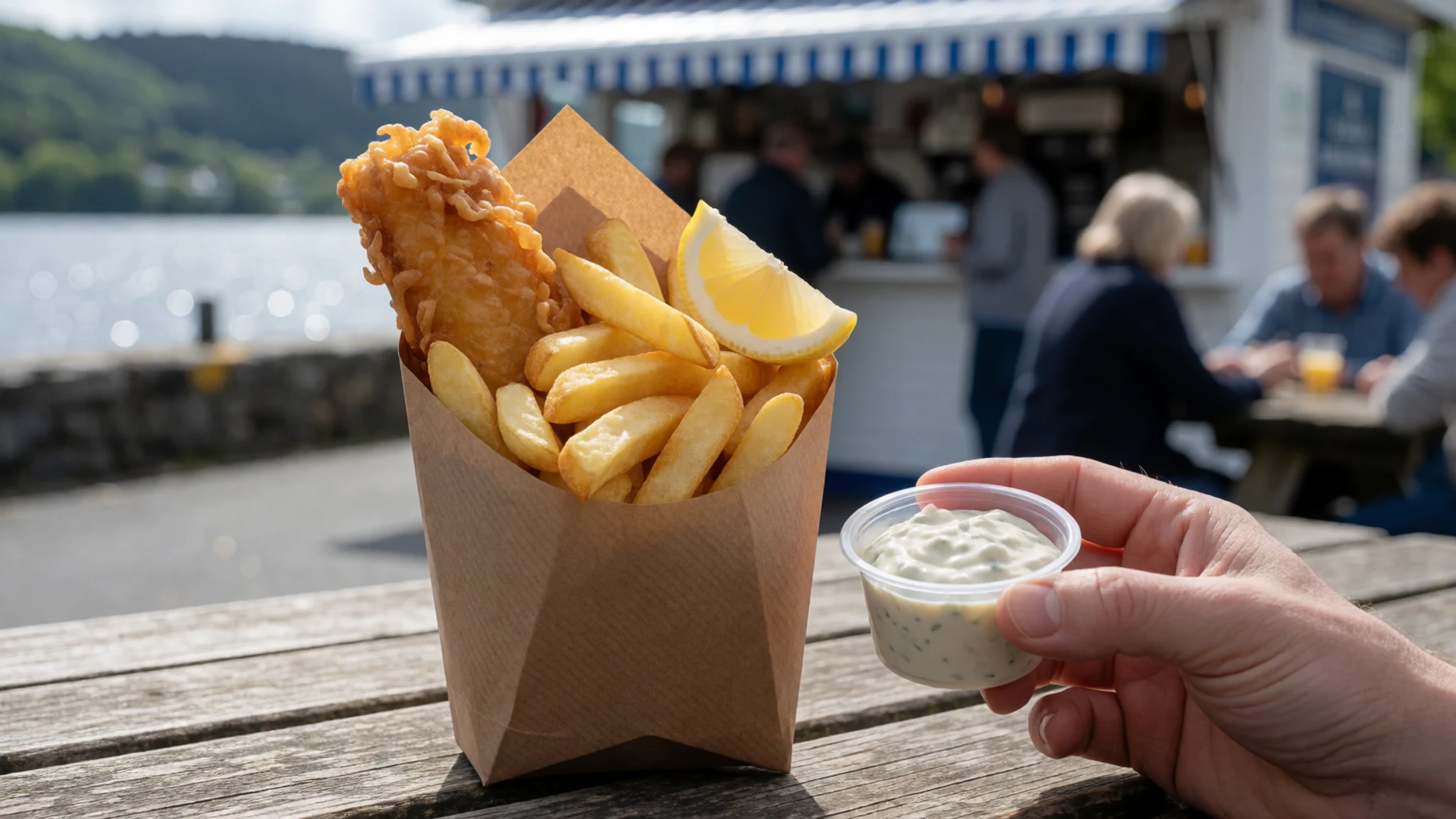
- Black pudding from Sneem — Across Kerry’s pubs and food counters (try it around Kenmare/Killarney menus)
Sneem Black Pudding is a protected-origin speciality from near Kenmare, popular in pubs and hearty meals. It’s a good “Kerry comfort” option when the day turns cold or rainy.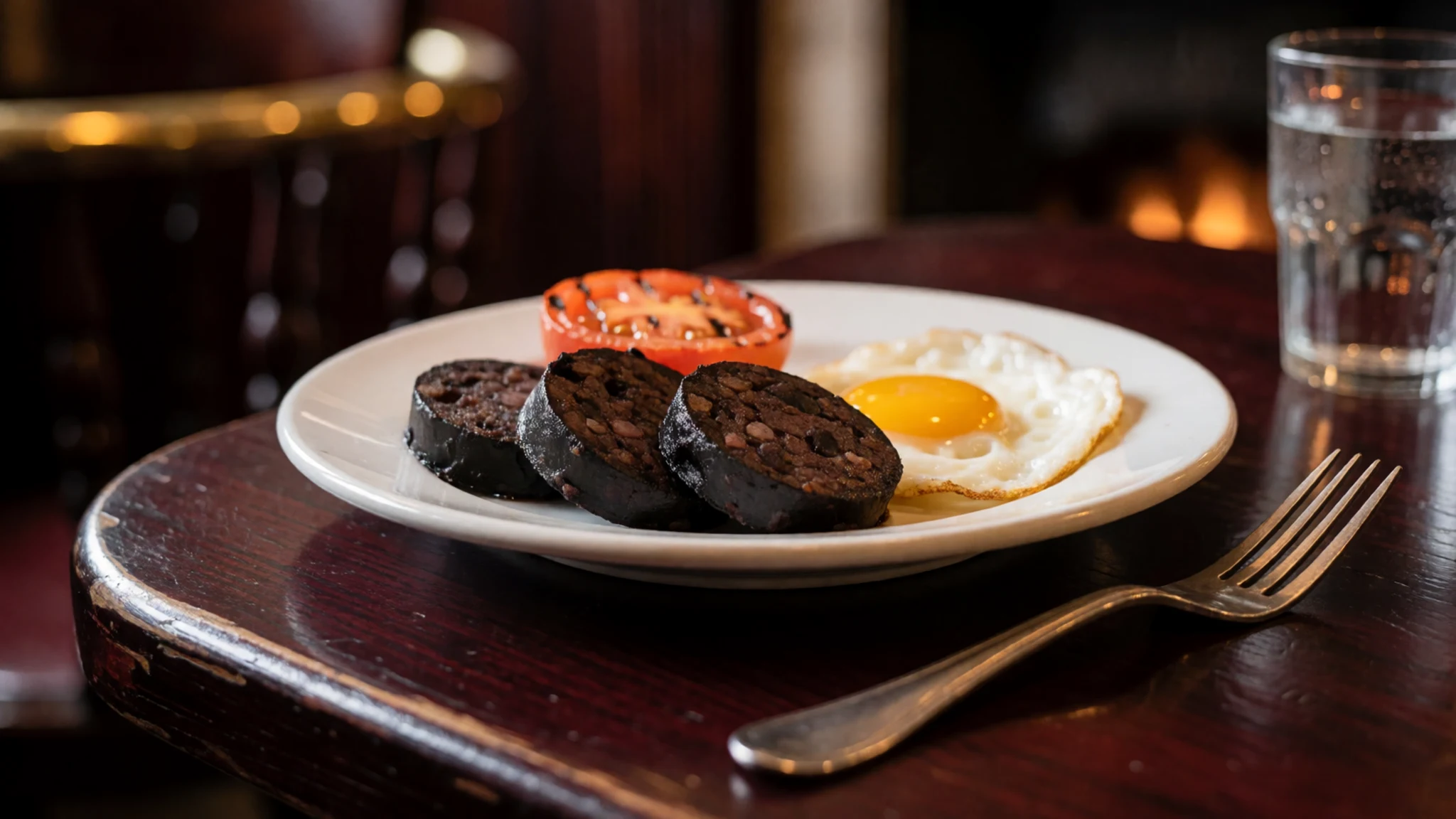
- Pub meals in the settlements — Pubs in Killarney and neighbouring settlements
In and around Killarney and nearby towns, pubs often serve full meals, not just drinks. It’s one of the easiest ways to eat without hunting, especially when the park weather makes plans flexible. - Local brewery pours in Killarney and Kerry towns — Killarney, Kenmare, Portmagee and Ballyferriter
Killarney and nearby towns have breweries where you can taste locally made beers. For a park day, this is an easy post-walk stop—order something you can share and move on without a big commitment. - Distillery tours and tastings — Dingle, Caherciveen and Portmagee (local distilleries)
Kerry has distilleries in places like Dingle and Caherciveen, with an additional distillery operating in Portmagee. Check what tours or tastings are running before you go and slot them around transport.
Plan it
Best time. March–April for mild spring weather and late October–November for autumn colour; the year stays changeable, with frequent light showery rain and cool summers.
How long. 3–4
Getting there. Fly into Shannon Airport (SNN), Kerry Airport (KIR) or Dublin Airport (DUB), then drive to Killarney. By train, services run from Mallow to Killarney and Tralee about every couple of hours.
Budget. mid
Tips
- Start scenic walks early to avoid the busiest lake viewpoints
- Expect showery weather and carry a proper waterproof layer even when skies look clear
- Build in buffer time for mist around higher viewpoints
- Use Killarney as the base so you can change plans without long drives
- Keep an eye out for wildlife in quieter woodland stretches and slow right down when you spot movement
Etiquette
- Stay on marked paths, especially on wet ground and near sensitive habitats
- Keep distances from deer and other wildlife; don’t block trails for photos
- Be considerate around historic ruins and don’t climb or handle fragile features
Nearby
Sources
- Wikidata Q1573866 (CC0)
- Wikipedia (rev 1379535178) (CC BY-SA 4.0)
- Wikivoyage (rev 5315570) (CC BY-SA 4.0)
- Photo photos/01-lakes-of-killarney.jpg (Public domain)
- Photo photos/02-ladies-view.jpg (CC BY 3.0)
- Photo photos/03-dv405-no-243-map-of-the-lakes-of-killarney.png (CC0 1.0)
- Photo photos/04-ross-castle.jpg (CC BY 3.0)
- Photo photos/05-vista-a-rea-de-muckross-house.jpg (Public domain)
- Photo photos/06-killarney-lake-adrianstanica-ro.jpg (CC BY-SA 4.0)
- Photo photos/07-purple-mountain-view-killarney.jpg (CC BY 2.5)
- Photo photos/08-young-buck-killarney-national-park.jpg (CC BY 2.5)


