Wando Island County
Wando Island County, South Korea
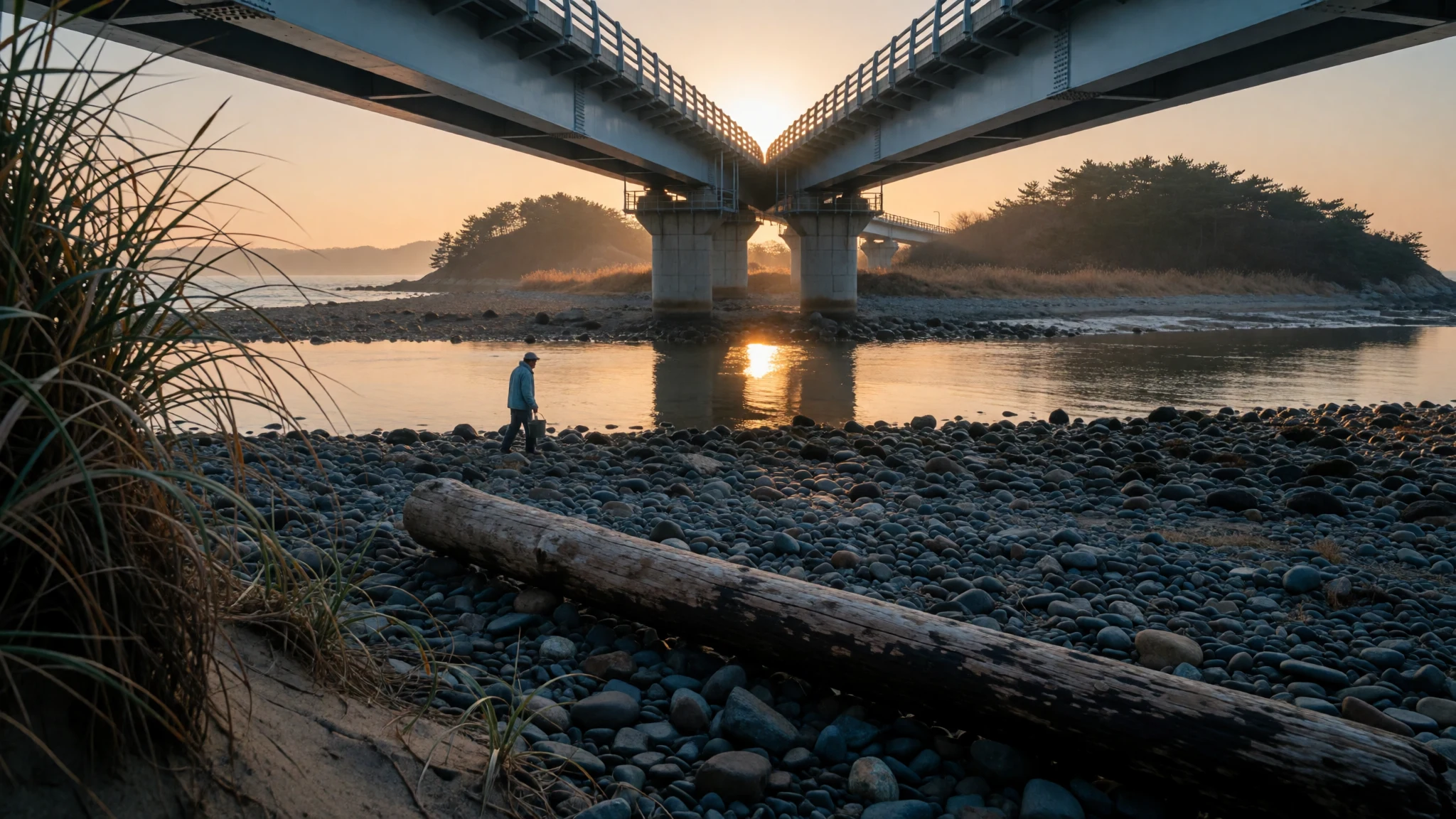
Wando Island County is a quiet South Korean archipelago of working harbours, seaweed farms, ferry hops and a medieval maritime story.
The place
Wando Island County sits at the south-western tip of the Korean peninsula, in South Jeolla Province, and is a scatter of islands rather than a single piece of land. The island of Wando itself is the largest and holds the county seat, a working harbour town where fish merchants, ferry terminals and seaweed processors share the waterfront. Bridges now join Wando to neighbouring islands such as Sinji and Gogeum, so a good part of the county can be seen by car or bus, but the outer islands still depend on boats. The wider province has a reputation for mild weather by Korean standards, wet enough to feed rice fields and warm enough that winters are gentler than in the north. Around Wando that means green hillsides, evergreen woods and a sea that is farmed almost everywhere: floating lines of seaweed and shellfish mark the shallows, and satellite images show them as neat patterns off the coast. The feel is local and unhurried. Visitors are mostly Korean families, anglers, hikers and cyclists, and English signs thin out quickly beyond the main town. Crowds stay modest outside summer weekends, when the beaches fill and ferry queues lengthen. Winter is cold and windy on the water, and sailings are cancelled when the sea is rough. The county's official site, http://www.wando.go.kr/eng/index.php, is the place to check current ferry and event information.
Its story
Wando Island County enters recorded history in 828, when General Chang Pogo founded Cheonghaejin here as a military headquarters and trading hub. The location made sense. These islands overlook the sea lanes between the Korean peninsula, China and Japan, and a fleet based here could discourage pirates while carrying cargo between three countries. Chang Pogo is remembered as a commander who combined soldiering with commerce, and Koreans still treat him as a founding figure of maritime trade. His base did not outlast him, but his name did: Cheonghae turns up on bridges, festivals and public buildings across the county. Later centuries brought a different sort of arrival. Scholar-officials of the Joseon era were sometimes exiled to, or withdrew to, the southern islands, and neighbouring Bogildo is associated with the poet and official Yun Seon-do, who laid out a garden retreat there and wrote verses about the sea and hills. In recent decades the story has been about the water as a farm. Seaweed and shellfish cultivation turned the shoreline into a patchwork of lines and racks, and bridge-building tied scattered island communities to the mainland. Wando today is a place where a trading base from the Silla period, a poet's retreat and a modern aquaculture industry all sit within the same small archipelago, and the layers are easy to see in a single day on the road and ferries.
What to see
- Cheonghaejin site on Jangdo — Jangdo, off Wando town
The Cheonghaejin site on Jangdo islet is where Chang Pogo's old base stood. Little remains above ground, so this is a place for imagination and for the view: a narrow channel, a low shoreline and the logic of why a fleet would anchor here. Expect a quiet walk. - Sinji Myeongsasimni beach — Sinji island
Sinji island is reached by road across the bridge from Wando, and its long sandy beach is the county's best-known summer spot. Families come for swimming and picnics, and weekends in high summer are busy. Outside the season it becomes a calm, open shoreline for a long walk.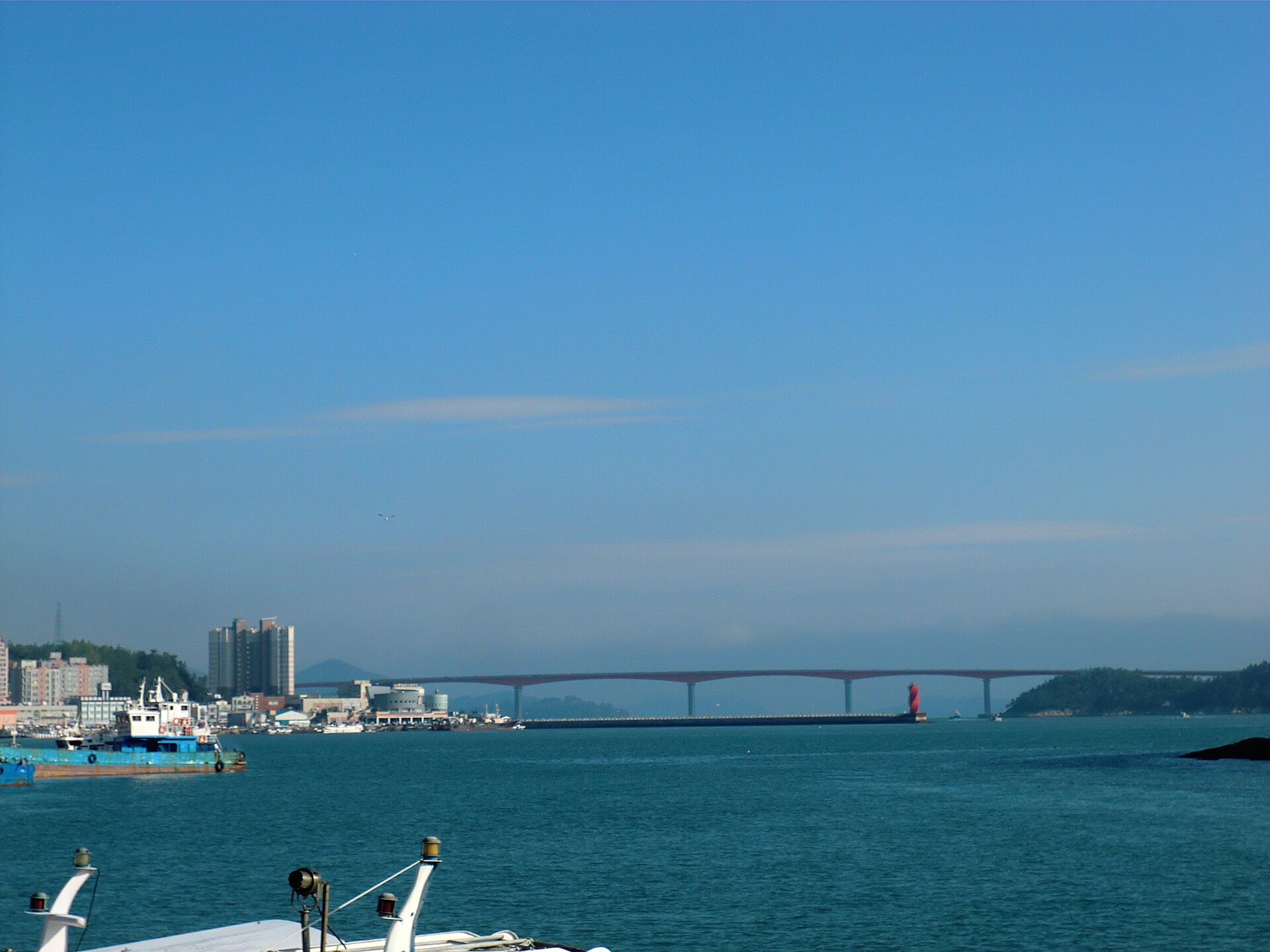
- Bogildo and the Yun Seon-do garden — Bogildo, reached by ferry
Bogildo is a ferry ride from the mainland coast and has a different mood from Wando town, with wooded hills, stony beaches and the garden associated with the poet Yun Seon-do. Allow a full day, check return sailings before heading out, and plan for weather changes.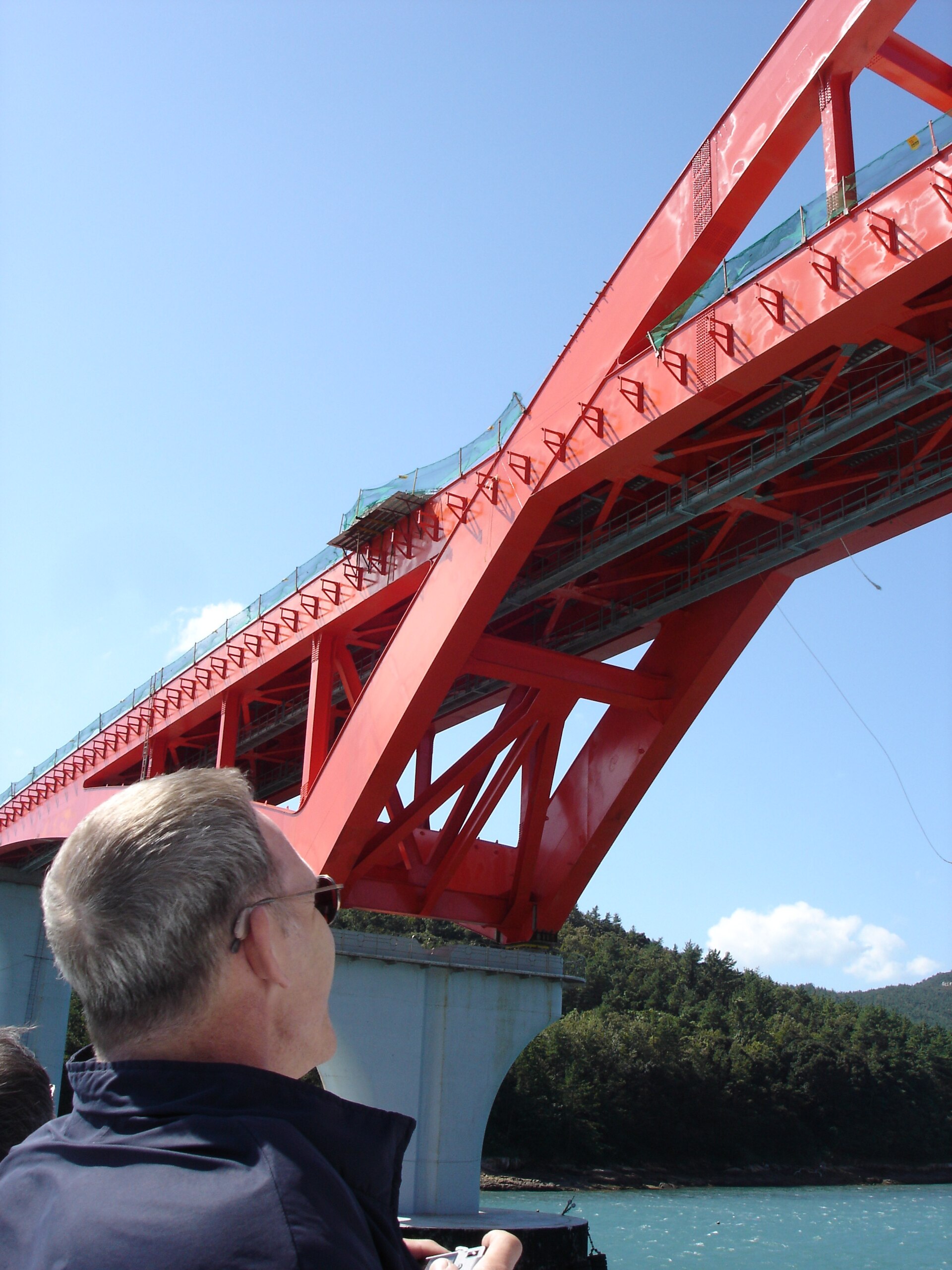
- Cheongsando — Cheongsando, outer island by ferry
Cheongsando is a smaller, slower island off Wando, known for walking routes, terraced stone-walled fields and a strong sense of being far from the mainland. Visitors usually stay a night or two. Ferries can be disrupted by wind, so keep some flexibility in the schedule. - Wando town harbour — Wando town
Wando town harbour is where the county's working life is easiest to watch: ferries loading, fishing boats tied up and seafood being sorted. It is the practical base for onward trips and a good place for an early walk before the day's sailings begin.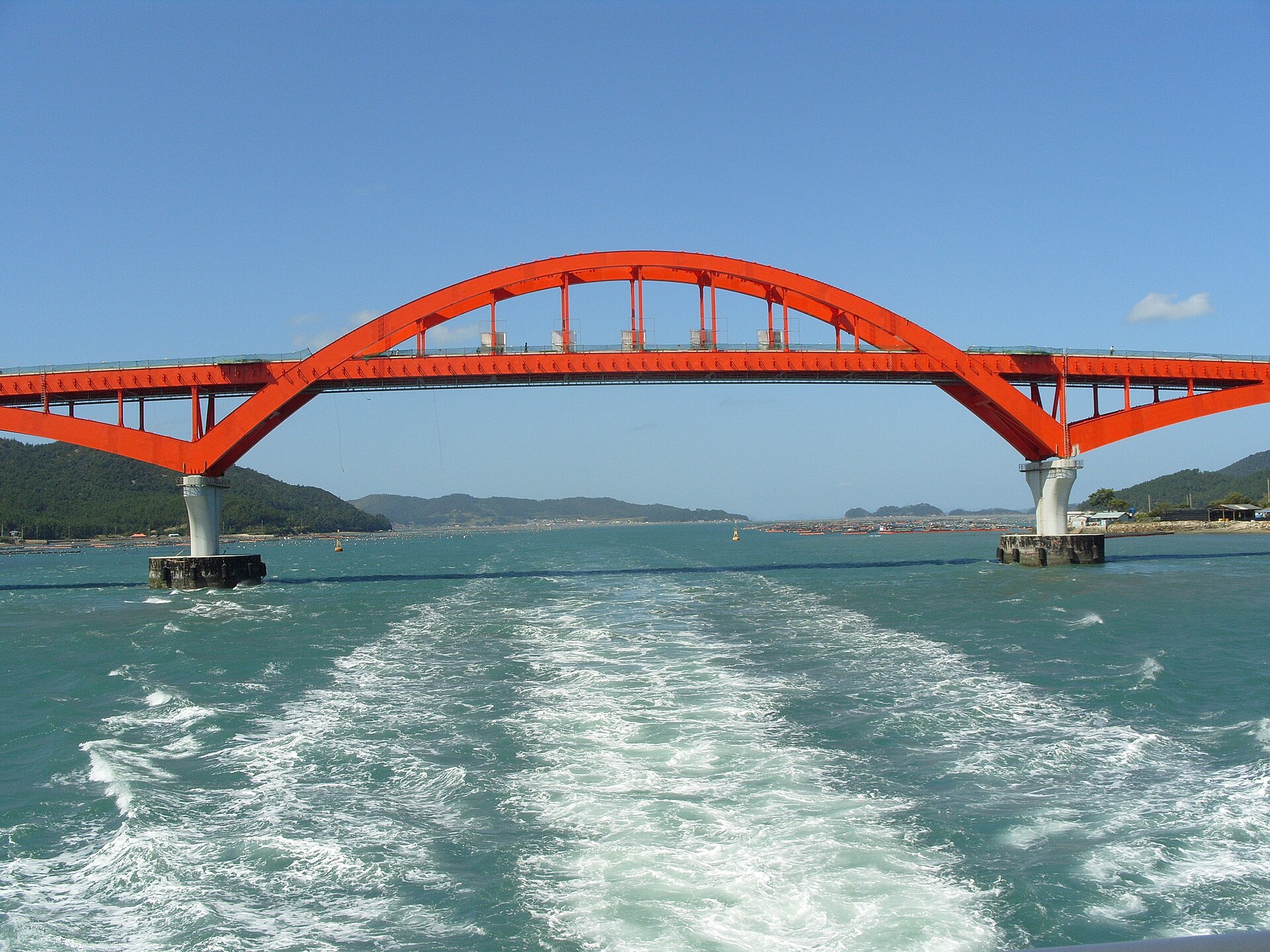
Culture
Wando Island County is a fishing and seaweed-farming society, and island life here runs on tides, weather and the harvest calendar. Households often work together on the water, and seaweed, abalone and other shellfish are not just local produce but part of how families earn a living and mark occasions. Seaweed soup, for instance, is a Korean tradition for birthdays and for mothers after childbirth, so a bowl of it here carries real meaning. Festivals in the county look back to Chang Pogo and the old maritime trading base, and community events around the new year and the autumn harvest holiday, Chuseok, bring families home from the cities. Hospitality is generous but informal; shared dishes, side plates and small talk over a seafood meal are the norm, and elders are served first. Island communities are small, so quiet voices and tidy behaviour on harbours and beaches are appreciated, especially early in the morning when boats are going out. Religious life is mixed, with Buddhist temples, Christian churches and household ancestral rites all present, and visitors will find little pressure either way. Ask before photographing people at work on the shore, and leave seaweed, shellfish and fishing gear untouched, since all of it belongs to someone.
What to wear
Wando Island County shares the Korean national dress, the hanbok, whose short jacket (jeogori) and wrap skirt (chima) for women, and jacket and trousers (baji) for men, are traditionally made from silk, cotton, hemp or ramie, the last two favoured in warm weather. On the islands it is worn mostly at weddings, at Lunar New Year and at Chuseok, and sometimes at local festivals honouring Chang Pogo. Everyday working clothes were once plain cotton and hemp, built for sea air and heavy labour. Today, island residents wear practical modern clothing: waterproof trousers or aprons, rubber boots and wide-brimmed hats or visors for work on the shore and boats, and ordinary casual wear in town. Older women in particular often favour bright patterned tops and sun protection even in cool weather. Visitors should dress for the sea rather than the city. Layers and a windproof jacket matter in spring, autumn and winter, when the wind off the water is sharp, while summer calls for light cotton, a hat and sunscreen. Shoes with a good grip help on wet harbour stones, rocky shores and ferry decks, and sandals suit the beaches. Temples and village shrines expect covered shoulders and knees and shoes removed at hall doors, but no special clothing is needed elsewhere.
What to eat
- Abalone porridge (jeonbok-juk) — Eateries around Wando town harbour
Abalone from local farms is a signature of the county, and it appears here as a soft rice porridge with the shellfish chopped fine. It is gentle, savoury and filling, a good first meal after an early ferry. Abalone is also served sliced and grilled. - Seaweed soup (miyeok-guk) — Home-style eateries across the county
A clear, lightly savoury soup of brown seaweed, sometimes with beef or clams. In Korea it is eaten at birthdays and after childbirth, so it feels ceremonial as well as comforting. Island versions tend to taste cleaner and more of the sea. - Seasoned laver (gim) — Shops and stalls near the harbour
Thin sheets of dried laver, toasted and lightly salted or oiled, are made throughout the region's coastal waters. They are eaten with rice or as a snack, and packs are an easy, light gift to carry home. - Raw fish (hoe) — Seafood restaurants and the fish market area in Wando town
Freshly caught fish is sliced and served with leaf wraps, garlic, chilli paste and side dishes. What is on offer depends on the season and the day's catch, so ask what is local. A spicy fish stew often follows, made with the leftover bones. - Seaweed and shellfish side dishes (banchan) — Any local set-meal eatery
Meals on Wando come with small dishes that show off the farmed sea: seasoned kelp, dressed seaweed, pickled shellfish and fermented fish sauces. They arrive in sets and are refilled on request, which makes even a simple lunch varied.
Plan it
Best time. April–May and September–October. Spring and autumn bring mild, clear weather for walking and island hopping, while summer is hot, humid and crowded at the beaches and brings the risk of typhoons. Winter is cold and windy, and sailings may be cancelled.
How long. 2–3
Getting there. Fly to Gwangju (KWJ) or Yeosu (RSU) airport, both with domestic flights from Seoul Gimpo, or take the KTX Honam Line from Seoul to Mokpo (about 3 hours). From there, continue by bus or car to Wando town, then use local ferries for the outer islands. Check the county site for current services.
Budget. mid
Tips
- Check ferry timetables and weather the day before, as rough seas cancel sailings at short notice
- Book accommodation early for summer weekends and for stays on Cheongsando
- Carry some cash for small island shops and harbour stalls, since cards are not always accepted
- Bring a windproof layer in every season except high summer
- Start island days early so there is slack for a delayed return ferry
Etiquette
- Greet people at harbours and shops with a polite nod or a short hello
- Do not take shellfish or seaweed from the shore, as it is farmed
- Keep noise down in small villages, especially early morning
Nearby
Sources
- Wikidata Q50311 (CC0)
- Wikipedia: Wando County (rev 1385658074) (CC BY-SA 4.0)
- Wikivoyage: South Jeolla (rev 5386870) (CC BY-SA 4.0)
- Photo: wandogun overview (정동완) (CC BY-SA 4.0)
- Photo: Cheonghae Bridge (hyolee2) (CC BY 3.0)
- Photo: Korean Peninsula imagery, South Korea aquaculture (NASA Scientific Visualization Studio) (Public domain)
- Photo: Map Wando-gun (CC BY 3.0)
- Photo: On a ferry, Korea (Matt and Nayoung Wilson) (CC BY 2.5)
- Photo: Bogildo, ferry view (Matt and Nayoung Wilson) (CC BY 2.5)
- Photo: Sinji Bridge (hyolee2) (CC BY 3.0)
- Photo: Wando sunrise (완도군청) (CC BY-SA 2.0 kr)


