Viqueque
Viqueque, Timor-Leste
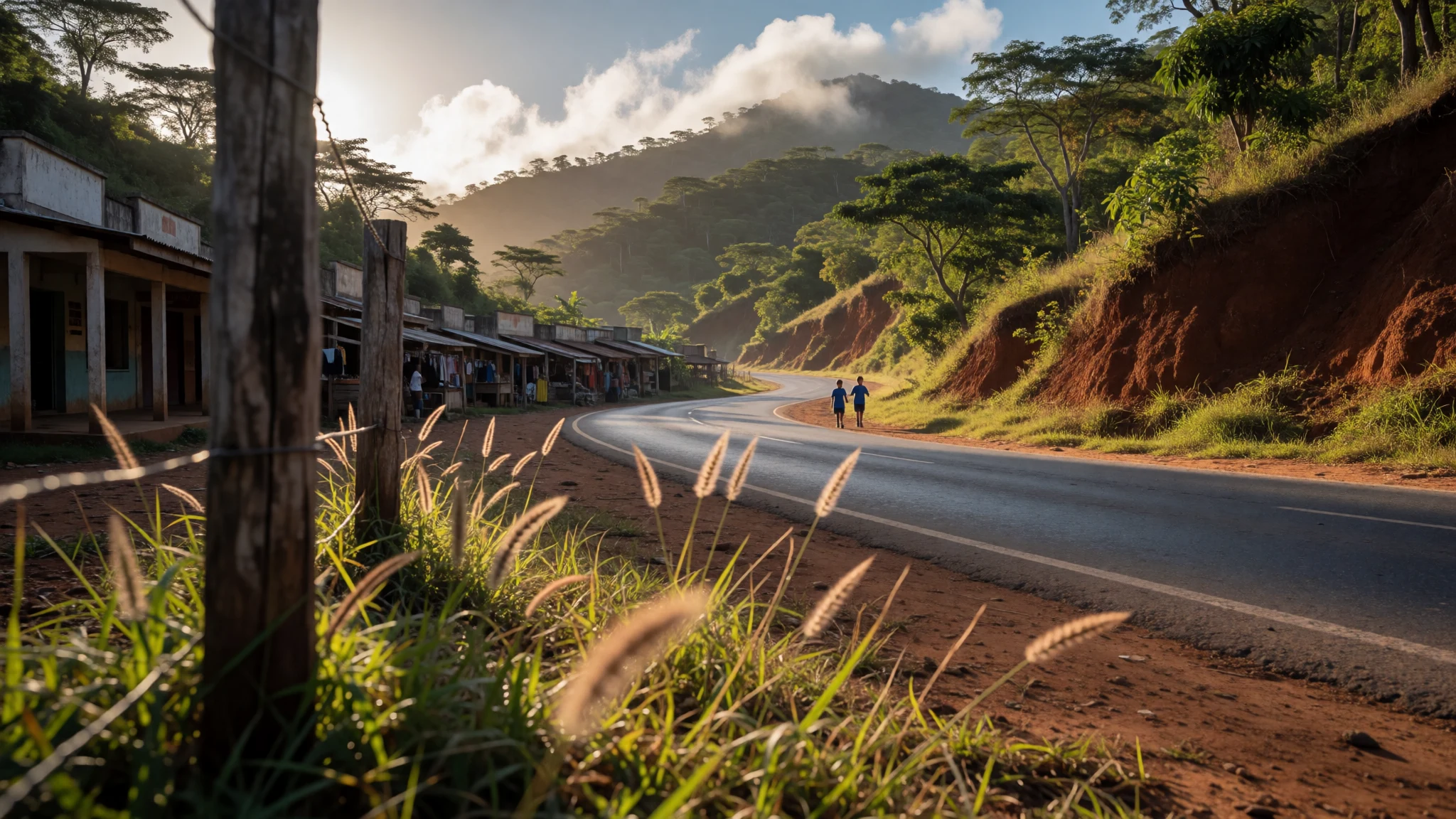
Viqueque is a small, quiet town in south-eastern Timor-Leste where rural life, weaving and the memory of resistance matter more than any list of sights.
The place
Viqueque is a small town in the south-east of Timor-Leste, about 183 km from the capital, Dili, and the seat of the municipality that carries its name. With a population of 6078, it feels more like a market and administrative village than a city, whatever the official label says. The town sits at 140 m above sea level, high enough to soften the coastal heat but still firmly tropical. The municipality is split into five administrative posts: Viqueque itself, Ossu, Uato-Lari, Uatu-Carbau and Lacluta, and the town is where their paperwork, schools and clinics are gathered. The road from Dili crosses mountainous country, so a journey here is a plan in its own right and conditions should be checked locally before setting out. Daily life revolves around farming. Rice is the staple across the country, alongside maize, cassava, taro and sweet potato, and households commonly keep chickens, goats and pigs. Language is layered: Tetun, in which the town is written Vikeke, is the everyday tongue, Portuguese is the other official language, and local languages vary from one post to the next. Visitors should not expect a sightseeing circuit or a long list of services. Beds, meals and transport are limited, and trips work best when arranged through a guesthouse owner or a local contact. What Viqueque offers instead is an unhurried look at rural Timor-Leste away from Dili, at a pace set by weather, harvests and market days.
Its story
Viqueque's written history, as far as this reading's sources go, begins with unrest: in 1959 a rebellion against the Portuguese administration broke out in the district. That episode belongs to a longer colonial story, in which the eastern half of Timor was first a Portuguese trading sphere and later a formal colony. Portugal's own revolution in 1974 set off decolonisation across its empire, and in 1975 Timor-Leste declared independence. Within days Indonesian forces invaded, and the territory was annexed the following year as a province. The occupation lasted for about two decades. It brought a campaign of violence against civilians, and Timorese families in every district, Viqueque's included, carry that memory. In 1999 the United Nations ran a referendum in which people voted for independence. Gangs opposed to the result, backed by the Indonesian military, then terrorised communities and wrecked much of the country's infrastructure before an Australian-led United Nations force arrived to restore order and help rebuild. Timor-Leste was recognised internationally as an independent state in 2002. For a small town like Viqueque, this history is not a museum subject. It is recent, personal and sometimes painful, and it shapes how people talk about politics, outsiders and the future. Visitors learn most by listening, asking gently and accepting that some stories are not offered.
What to see
- Viqueque town centre — Viqueque town
Viqueque's centre is modest: a market area, government buildings, schools and a church within walking distance of each other. The interest lies in ordinary routine, such as traders setting up, children in uniform and motorbikes on the main road. Walk slowly, greet people, and let conversations decide what comes next.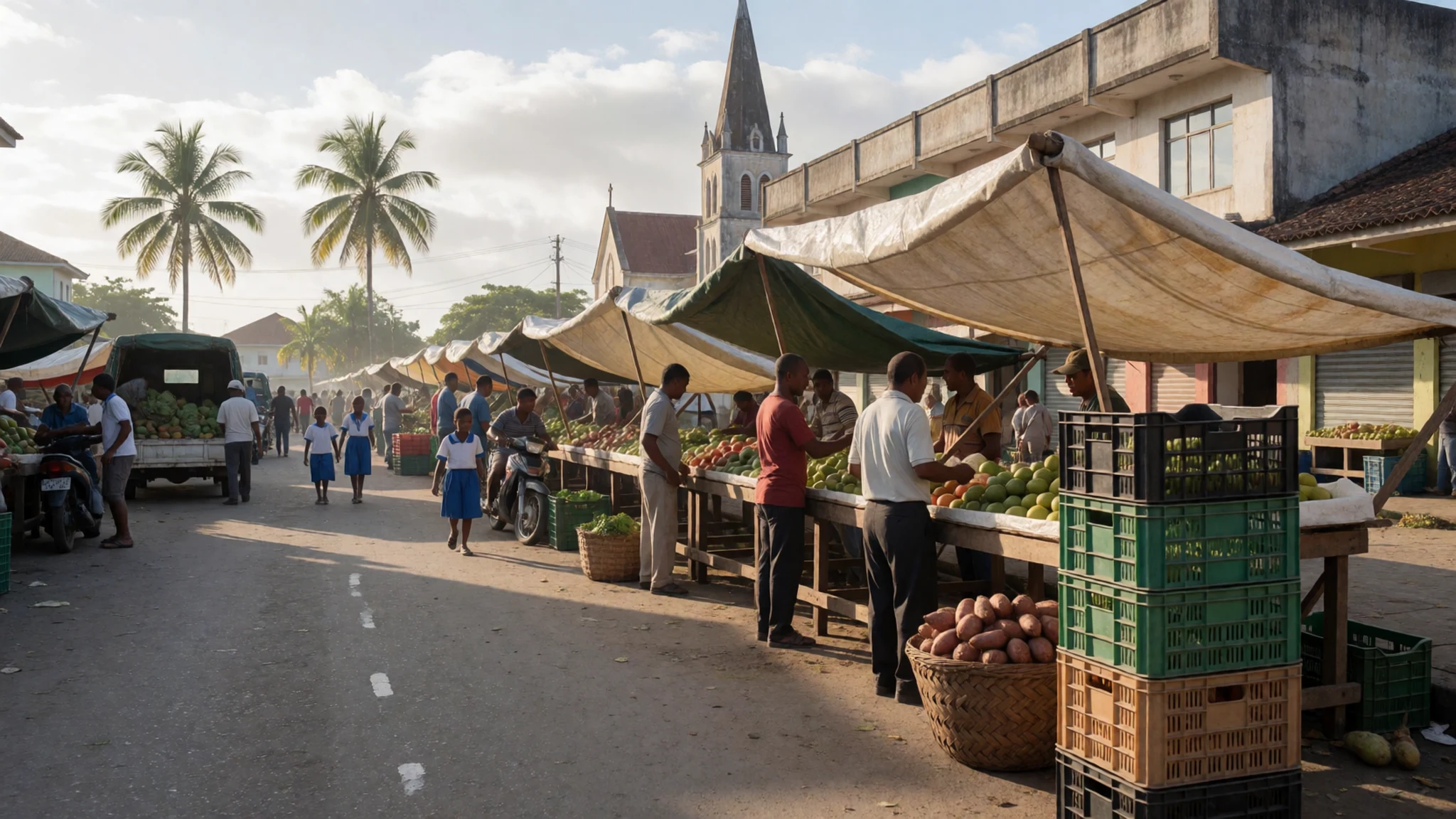
- Ossu — Ossu administrative post
Ossu is one of the five administrative posts of the municipality and gives a sense of how the district looks beyond the town. Expect farmland, small settlements and rural roads rather than set attractions. Ask at a guesthouse in Viqueque about current road conditions and whether a local guide or driver is advisable.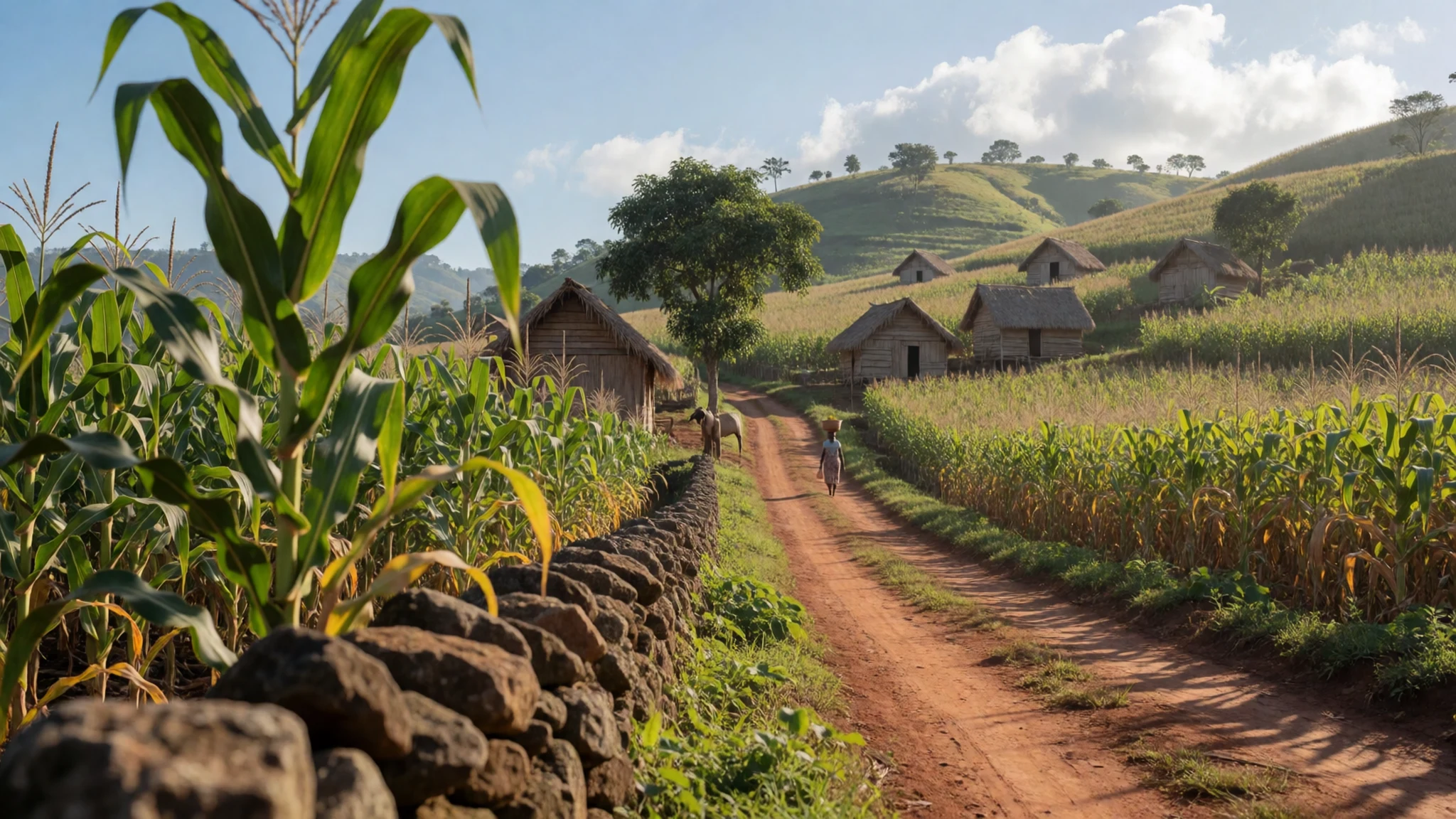
- Uato-Lari and Uatu-Carbau — Uato-Lari and Uatu-Carbau posts
These two administrative posts make a natural day of rural driving from the town, passing villages, fields and river valleys. Facilities are thin, so carry water, snacks and cash. The rewards are conversations, scenery and a feel for daily life in the south-east, not a checklist of monuments.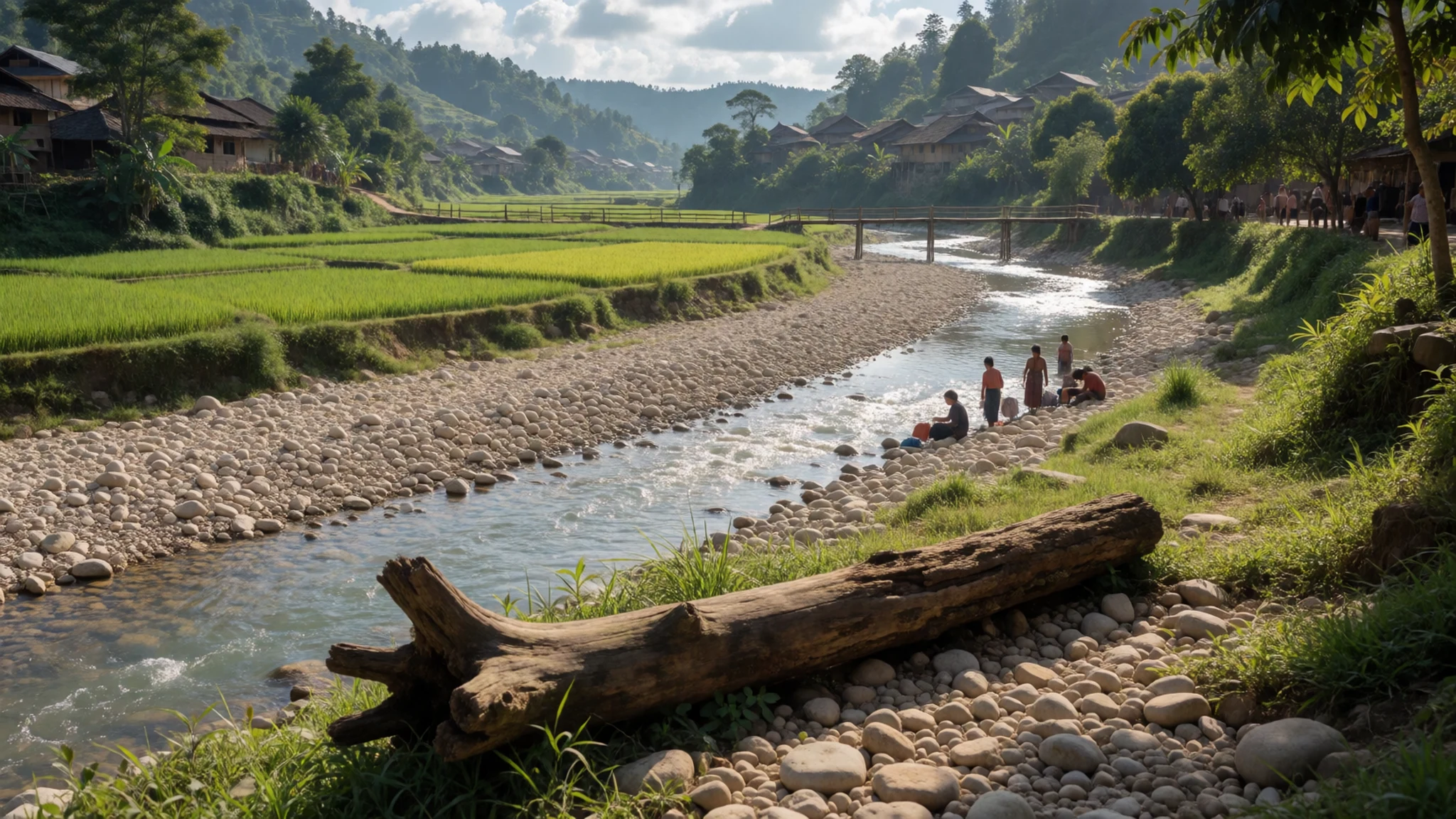
- Lacluta — Lacluta administrative post
Lacluta, another administrative post of the municipality, is worth including for travellers who want to see more of the district. Its history is tied to the wider struggle for independence, so questions are best asked respectfully and left unpushed. Arrange transport in advance and agree on a return plan before leaving Viqueque.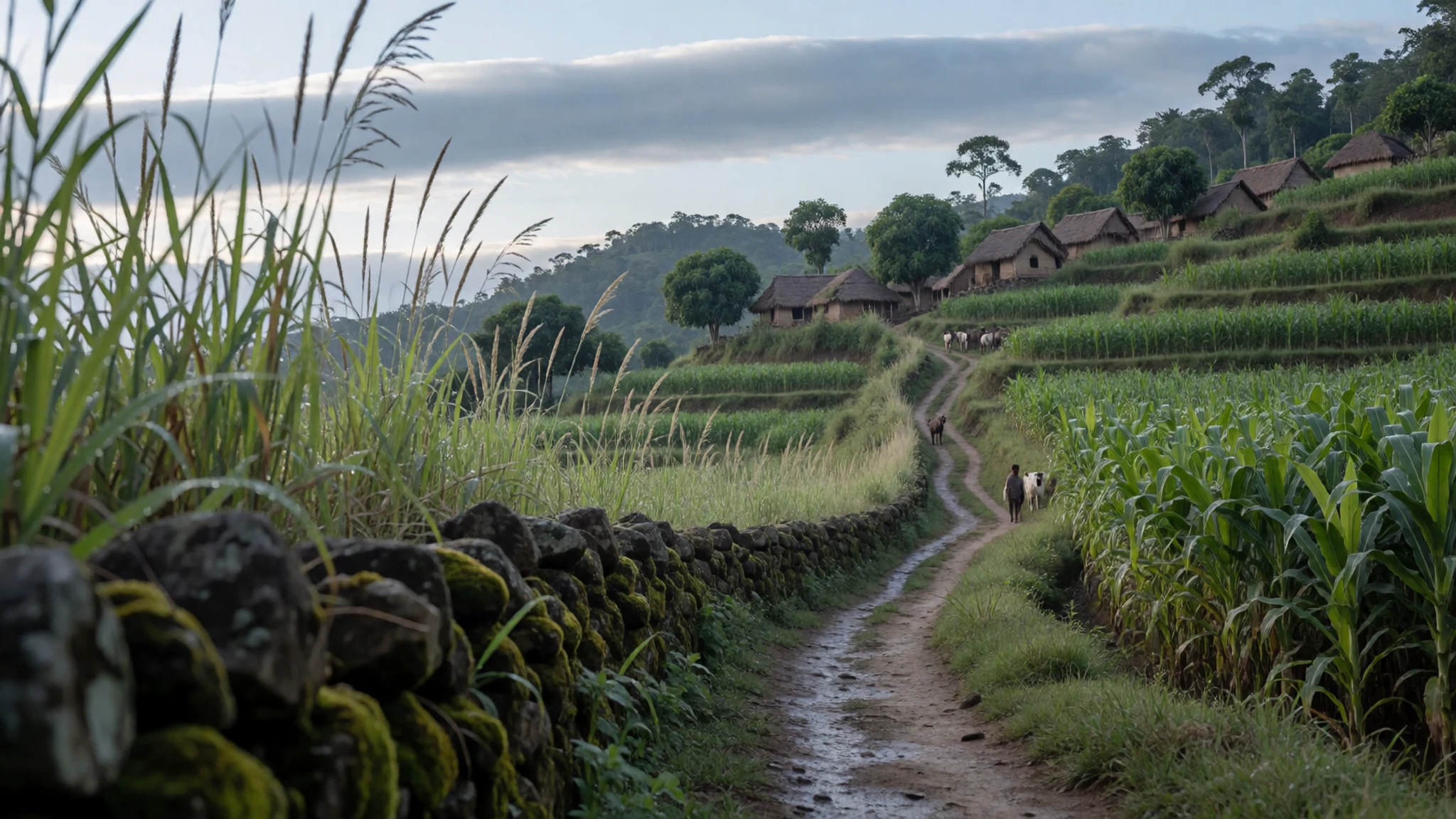
- Resistance sites elsewhere in Timor-Leste — Dili and Balibo, elsewhere in Timor-Leste
Viqueque works well as one stop in a wider journey that includes the country's resistance history. Santa Cruz in Dili and Balibo near the western border are the best-known places linked to the Indonesian period. Visit them with a local guide where possible, and treat them as memorials rather than backdrops.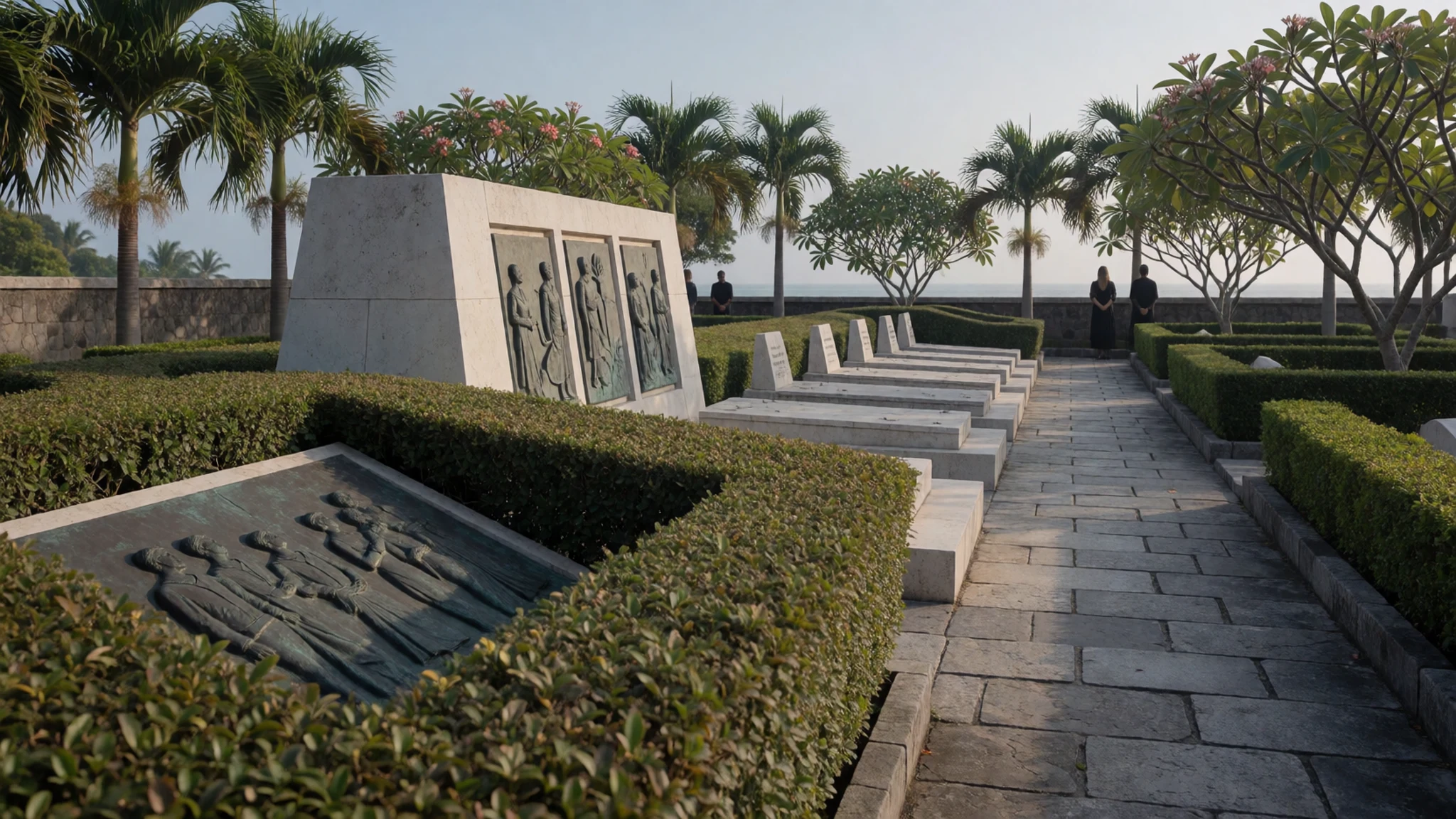
Culture
Viqueque shares the culture of rural Timor-Leste: family and village ties come first, hospitality is offered readily, and the Catholic Church is a central part of community life, from Sunday services to festivals. Tetun is the common language, and Portuguese appears in official settings and in the names of places and people. The recent past sits close to the surface. The Indonesian occupation killed a very large number of Timorese, and people have not forgotten it. Speaking warmly of the former Indonesian regime, or of the idea of Timor-Leste belonging to Indonesia, will not go down well, although the two countries now have a good relationship. Some Timorese speak with a degree of fondness about Portuguese rule, when communities were largely left alone, so opinions about the colonial era are mixed. A sensible approach is to let local people lead on politics and history rather than raising sensitive subjects first. Weaving, farming and shared meals carry as much of the culture as any monument, and a visitor who spends time at a market or in a village will learn more than one who rushes between viewpoints. Greet people before asking for anything, accept offered coffee where you can, and always ask permission before photographing individuals, funerals, church services or anyone's home.
What to wear
Viqueque, like the rest of Timor-Leste, is closely associated with tais, the hand-woven cloth made across the country. Tais is usually woven on simple looms in cotton, with patterns that differ by region and community, and it is worn as wraps and sashes or presented as a gift at ceremonies, weddings and funerals. Specific motifs and colours carry local meaning, so the best way to learn them is to ask the weaver. In everyday life most people in town wear practical modern clothes: T-shirts, shirts, trousers, skirts and sandals or flip-flops, with school uniforms a common sight on weekdays. Tais appears most often on formal and festive occasions, and church on Sundays brings out neat, smarter dress. Visitors should pack lightweight, breathable cotton clothing that covers shoulders and knees, which suits both the tropical heat and local modesty norms. Add a hat, sun protection and a thin rain layer. Sturdy closed shoes or trail sandals help on rough village roads and uneven paths, particularly after rain. For visits to churches or ceremonies, carry a light shirt or scarf for cover. Buying tais directly from weavers is a good way to support local income, and buyers should expect to take time over the choice.
What to eat
- Rice with fried fish — small eateries near Viqueque market
Rice is the staple across Timor-Leste, and fried fish is a favourite way to eat it. Expect a simple plate with fish, a little sauce or chilli and perhaps greens. Look for it at small family-run eateries and the stalls near the market in town.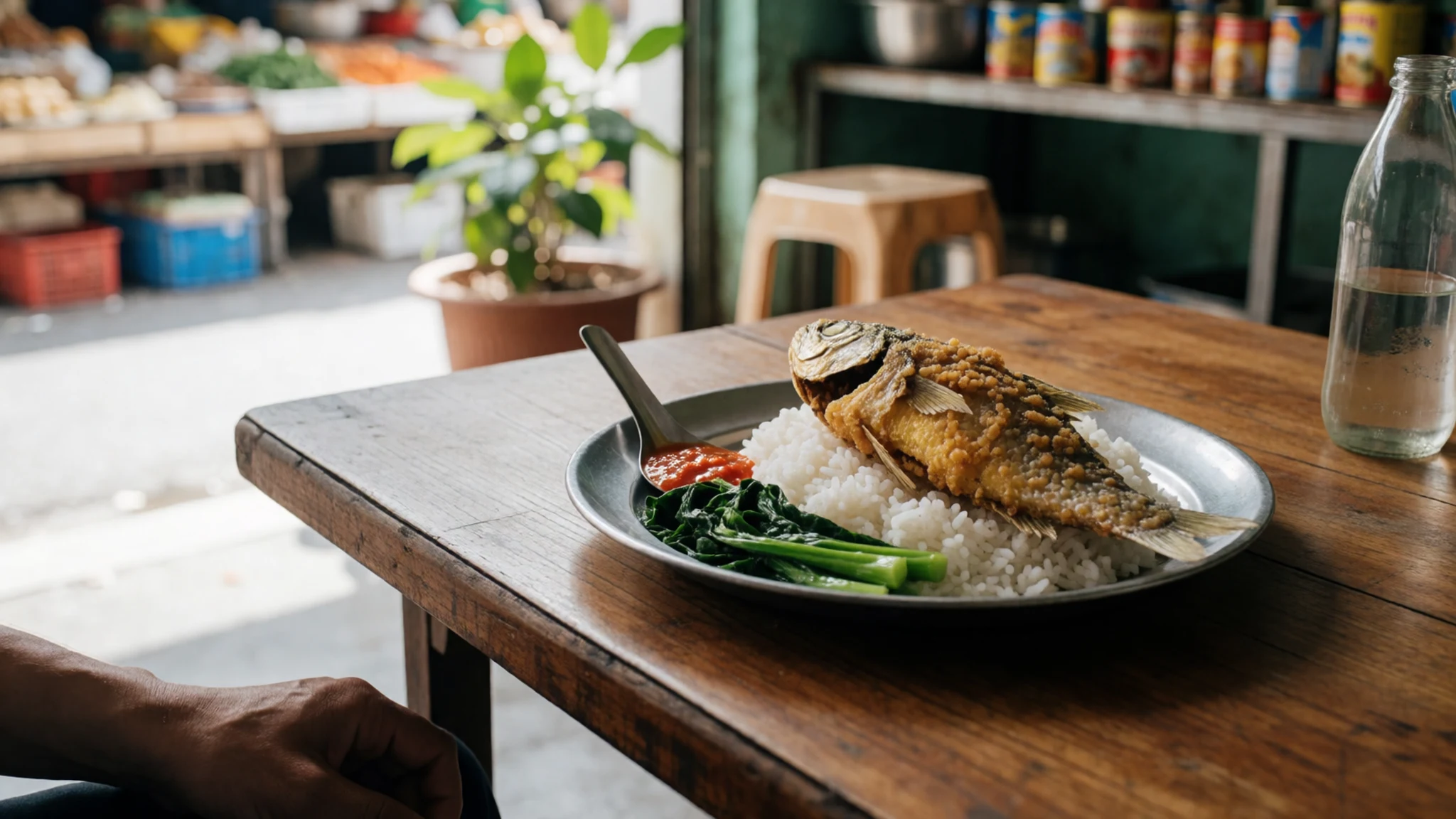
- Chicken curry — guesthouses and local eateries
Curries are a standard dish in Timor-Leste, and chicken curry is among the most popular. It is typically eaten with rice and tends to be well spiced. Try it where locals eat lunch, or ask a guesthouse host whether a home-cooked version can be arranged.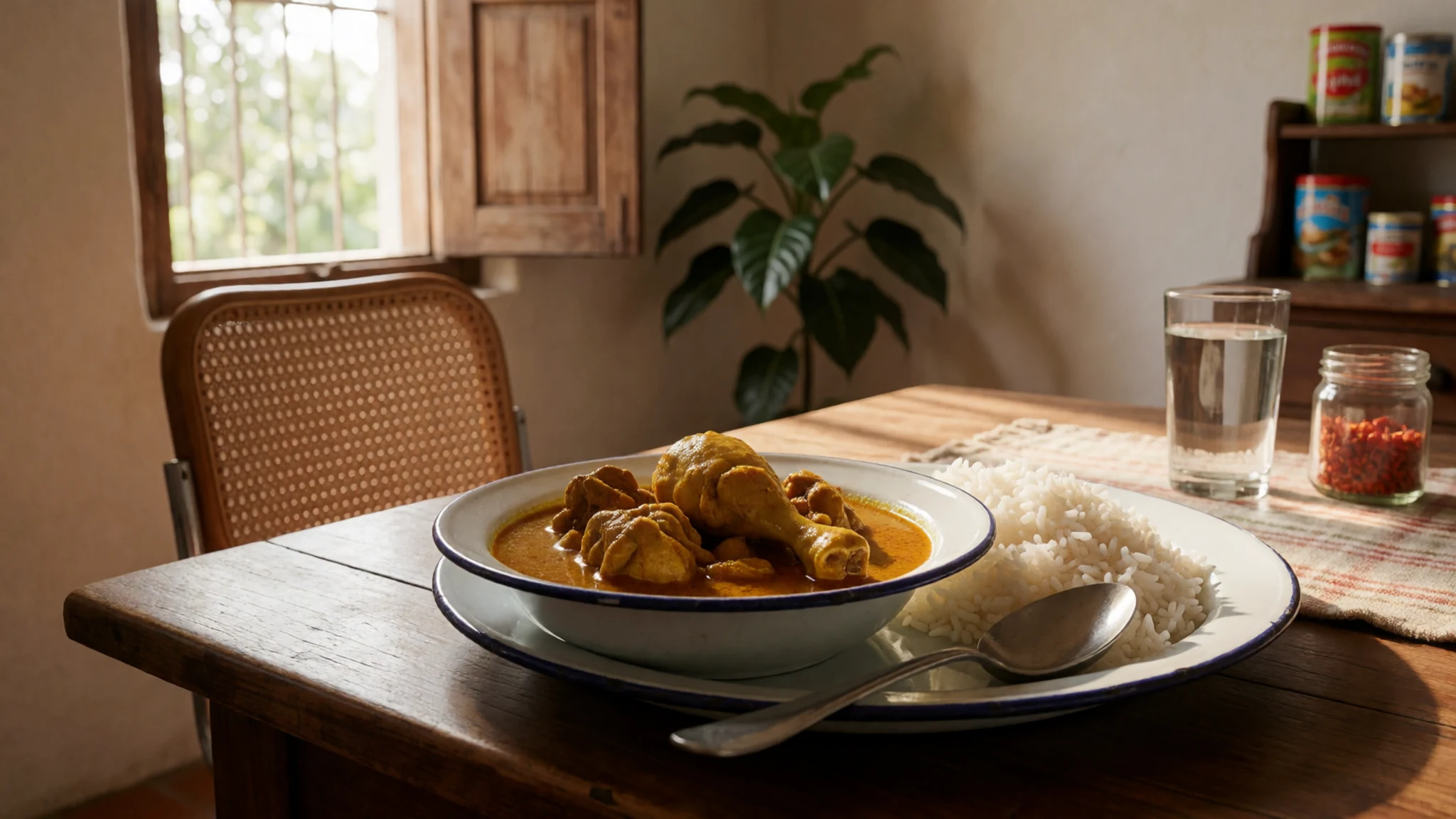
- Taro, cassava and sweet potato — the town market and village homes
Root crops sit alongside rice on many Timorese tables, boiled, steamed or fried. Taro, cassava and sweet potato are filling and cheap, and they show how food in the countryside depends on what the land grows. Find them at the market and in family meals. - Tropical fruit — the morning market and roadside stalls
Mangoes, papayas, bananas, watermelons and coconuts are widely grown in Timor-Leste, and their availability follows the seasons. Buying fruit from market sellers is an easy, inexpensive way to eat well on long days of travel and to chat with the people growing it. - Timorese coffee — cafés, guesthouses and village homes
Coffee is grown across Timor-Leste, and a small glass or cup is offered to guests in homes and cafés. It is typically strong and often sweet. Try it with a simple snack in the town or in a village household if invited.
Plan it
Best time. Roughly May to October, when the weather is generally drier and rural roads are easier; the wet season can make mountain roads slow, so check conditions locally whatever the month.
How long. 2–3
Getting there. Fly to Dili, the capital, then continue by road to Viqueque, about 183 km away. Check the official Timor-Leste immigration site for visa rules before travelling, and ask a guesthouse about shared transport, a hired driver and current road conditions for the last leg.
Budget. low
Tips
- Carry enough cash from Dili, as cards and cash machines are scarce outside the capital
- Start journeys early so mountain roads are covered in daylight
- Book a guesthouse ahead and ask the host to advise on transport
- Bring drinking water, a hat and a rain layer, and check weather before heading out
Etiquette
- Ask before photographing people, funerals or church services
- Greet people politely and let locals raise politics and history first
- Dress modestly, covering shoulders and knees, in town and at church
Nearby
Sources
- Wikidata Q1011863 (CC0)
- Wikipedia: Viqueque (rev 1378258250) (CC BY-SA 4.0)
- Wikivoyage: Timor-Leste (rev 5406324) (CC BY-SA 4.0)
- Cities and rivers of district of Viqueque, J. Patrick Fischer (CC BY 3.0)
