Vilsandi
Vilsandi, Estonia
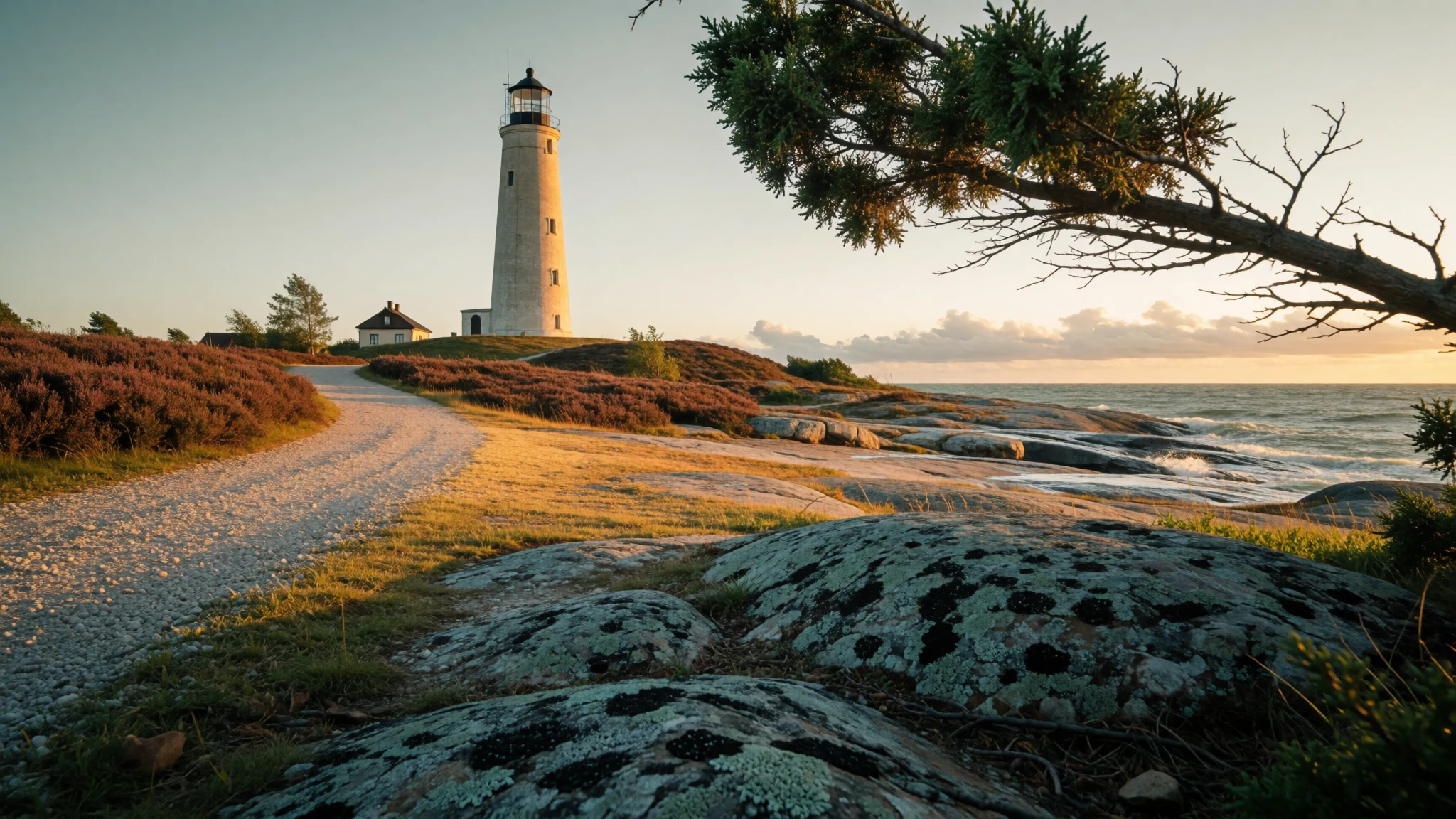
Vilsandi is Estonia's westernmost inhabited island: a bird-rich, windswept scrap of land with a lighthouse, a lifesaving station and sea light.
The place
Vilsandi lies off the west coast of Saaremaa in the Baltic Sea, and it is the westernmost inhabited island in Estonia. Its official population in the facts is just 6, so the feeling is of space, wind and sky rather than of villages. The island covers roughly 9 square kilometres, flat and low, with grazing land, juniper, reedy shores and long views over water that is shallow and scattered with rocks.
Much of the island belongs to Vilsandi National Park, which grew out of a bird reserve set up in 1910. That origin matters to a visitor, because the park is still mainly about birds. Migrating flocks stop here, and many species breed and nest along the coast, so the ecosystem is delicate. Hunting is banned outright, and the rules about where to walk, especially in nesting season, are there to be followed.
Getting onto the island is part of the character. Boats run across the strait, and in suitable conditions people also cross by vehicle with enough ground clearance, or on foot by wading from Saaremaa. Tides and wind change the crossing, so local advice is worth having before setting out.
The climate is notably maritime: summers are cooler and winters milder than elsewhere in Estonia, and the weather station here is statistically the sunniest in the country. Expect breezes in any season, little shade, and a quiet that the Finns and Estonians who come here clearly value. It is a place for walking, watching and doing very little else.
Its story
Vilsandi takes its name from a shipwreck. In 1703 a vessel owned by a Dutchman, Johann Doll, ran aground in these waters. Doll reached a nearby island, called it Felsland, meaning rocky island, and settled there. His farm became known in Estonian as Tolli talu, and over time Felsland softened into Vilsandi.
The wreck was no freak. The seas around the island are shallow and rocky, and the island sits beside a busy Baltic trade route, so many ships were lost nearby. That made the island valuable to seafaring states, above all to the Russian Tsar, who wanted somewhere for survivors to shelter. A first shelter was built in 1806, followed by a lighthouse of 37 metres in 1809. A lifesaving station came to stand beside the lighthouse in 1859, and in 1883 a telegraph line was laid, chiefly so that news of groundings could be sent quickly.
People settled too. The earliest known family arrived in 1826 and later took the surname Mänder. Sailors from other countries struggled with the letter ä, so some relatives wrote it as Mender instead, a small trace of how many languages passed through. Islanders lived from fishing, with flounder, cod and salmon, and from the sea more widely. The surrounding water is shallow, reaching depths of about 22 metres (72 feet) in places. The bird reserve of 1910 later turned the island towards conservation.
What to see
- Vilsandi lighthouse — Vilsandi island
The lighthouse dates from 1809 and stands 37 metres high, a white marker over a low, open island. It once guided ships through dangerous shallows. The surrounding grass and shoreline make a good first walk, and on clear days the horizon feels very wide. Check access with the park before climbing.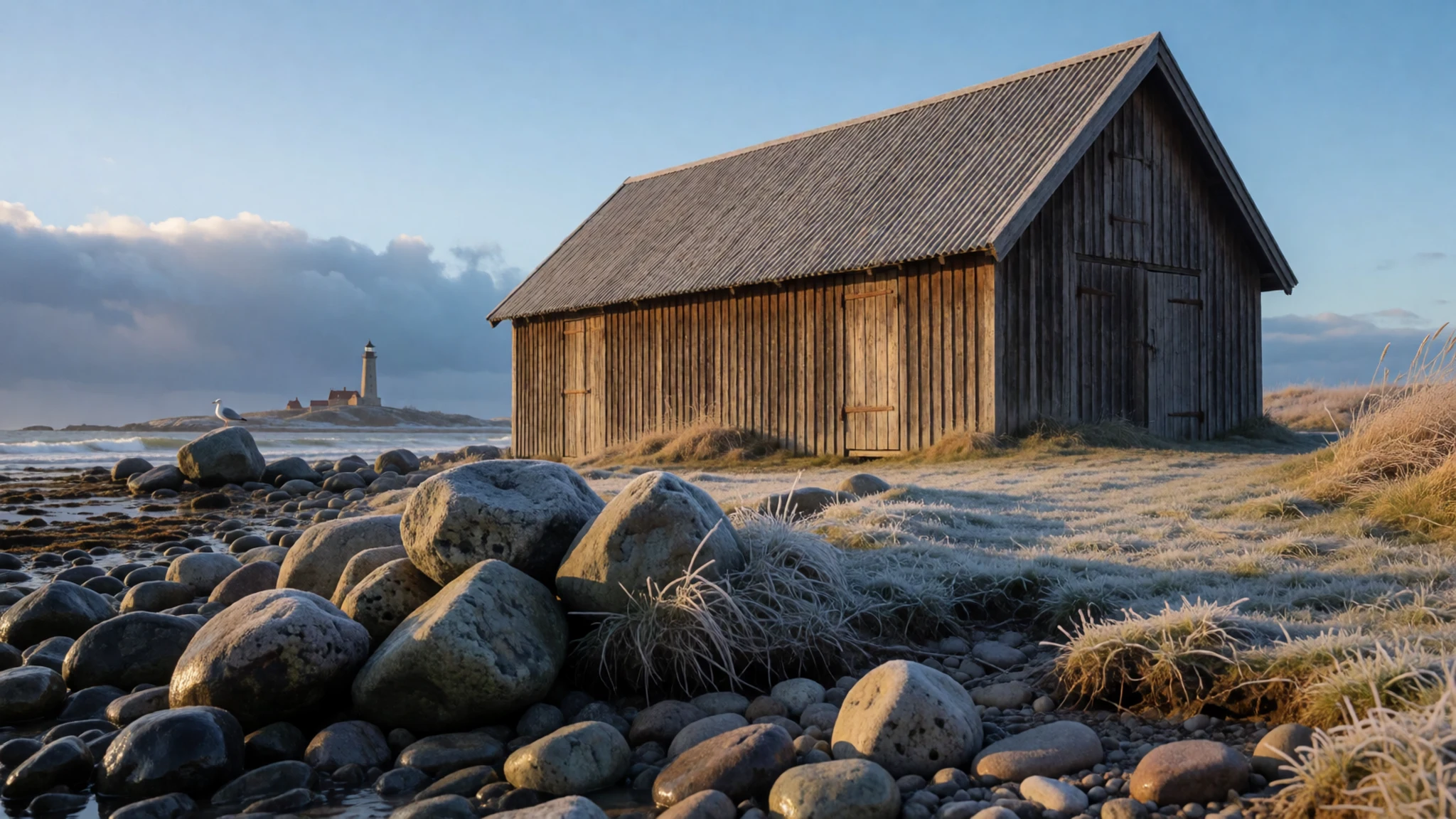
- Lifesaving station and boat shed — Next to the lighthouse
Beside the lighthouse stands the old lifesaving station, begun in 1859, with a wooden boat shed that still looks the part. Rescue crews launched from here when ships struck the rocks. The old crew photographs and the shed give the clearest picture of what working life on this exposed coast demanded.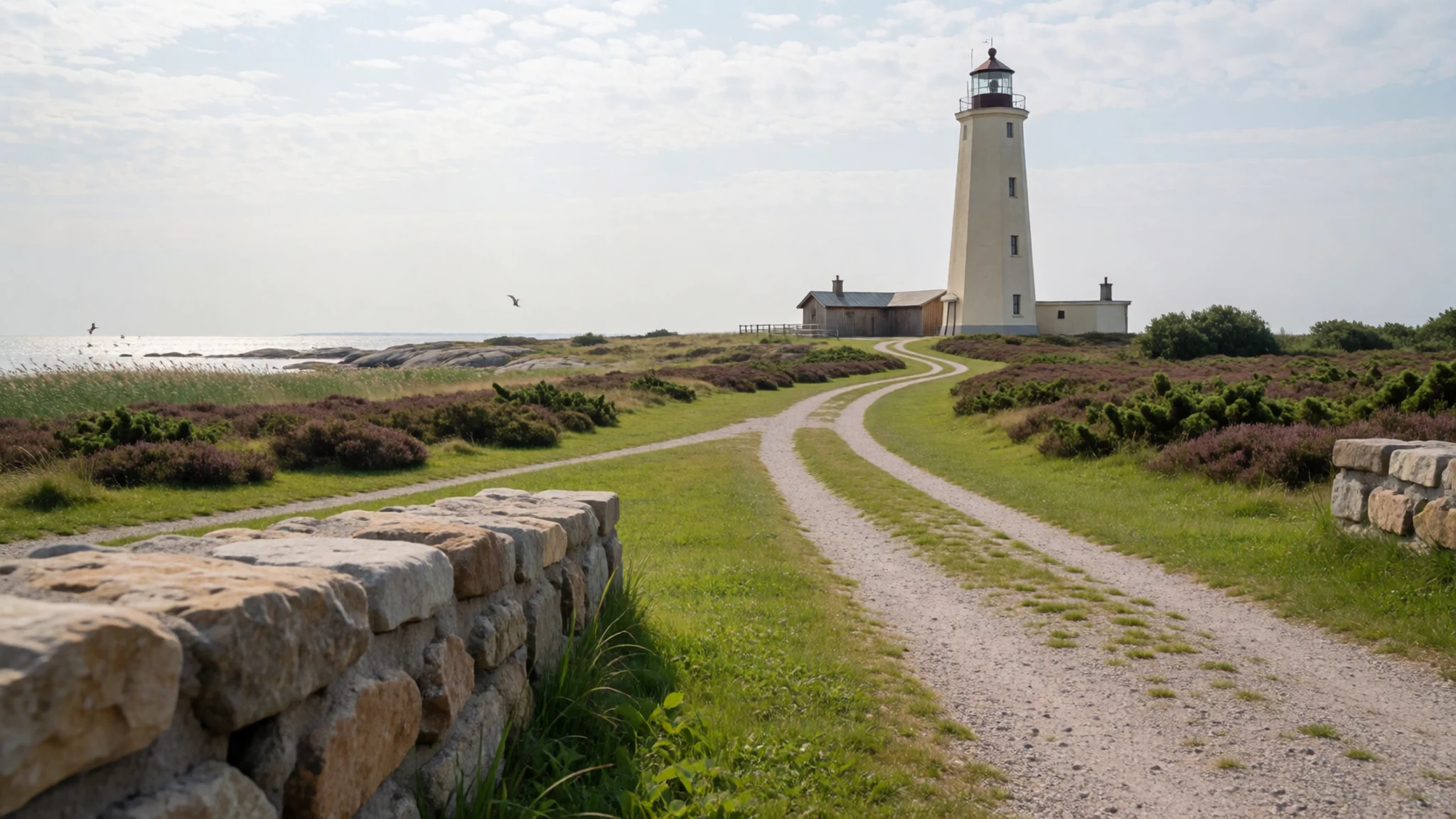
- Vilsandi National Park shoreline — Around the island
The coast is the real attraction: reedy inlets, stony beaches, juniper and meadow, all shared with nesting and migrating birds. Bring binoculars and keep to marked routes. In breeding season some areas may be restricted, so look at park notices and ask staff what is open.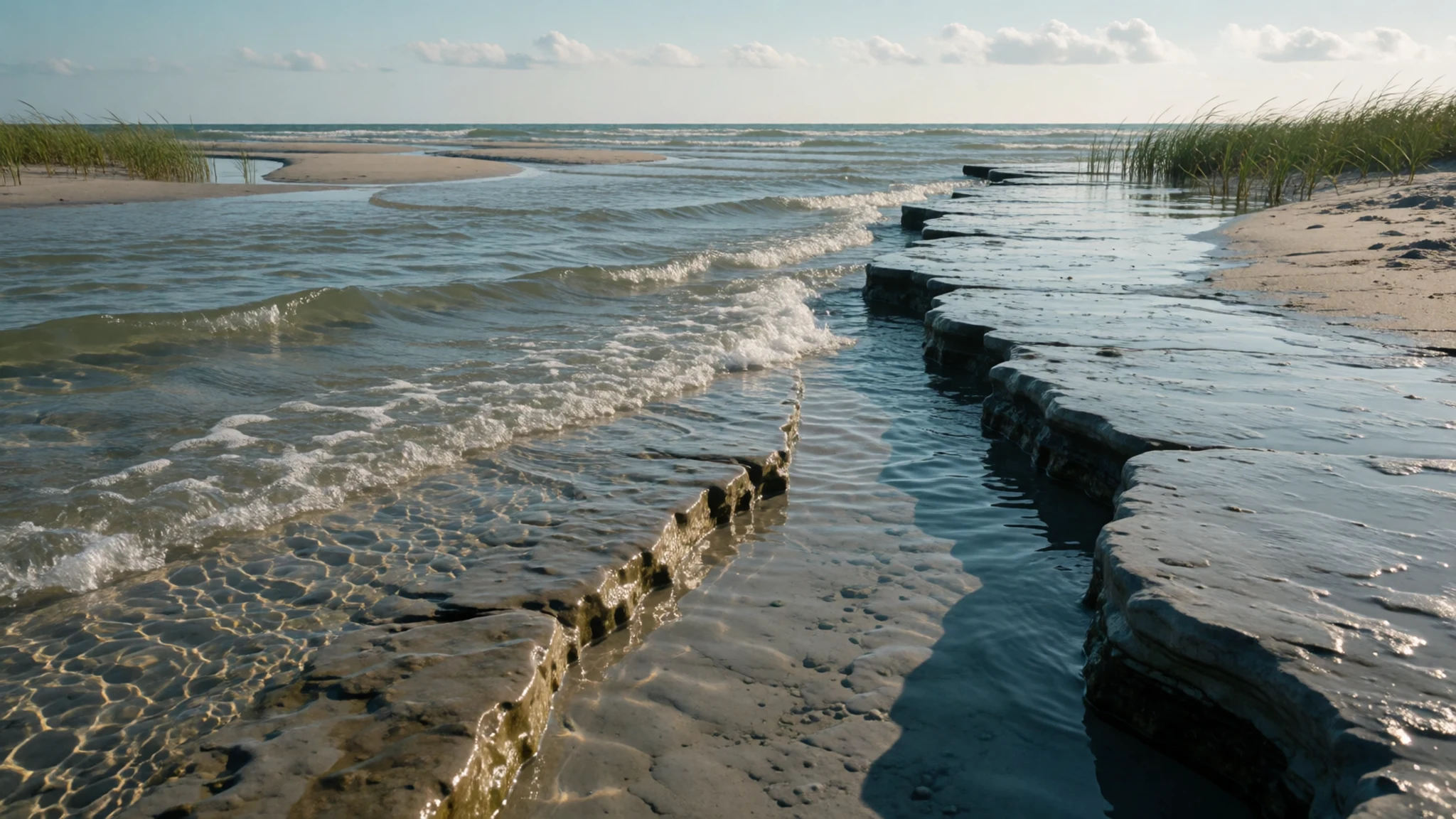
- Grazing meadows and sheep — Island tracks
Sheep graze the open ground and watch walkers from the roadside, a gentle sign that the island is still a working landscape. Coastal grassland like this is kept open by grazing. Leave gates as found, keep dogs under control, and give the animals and ground-nesting birds room.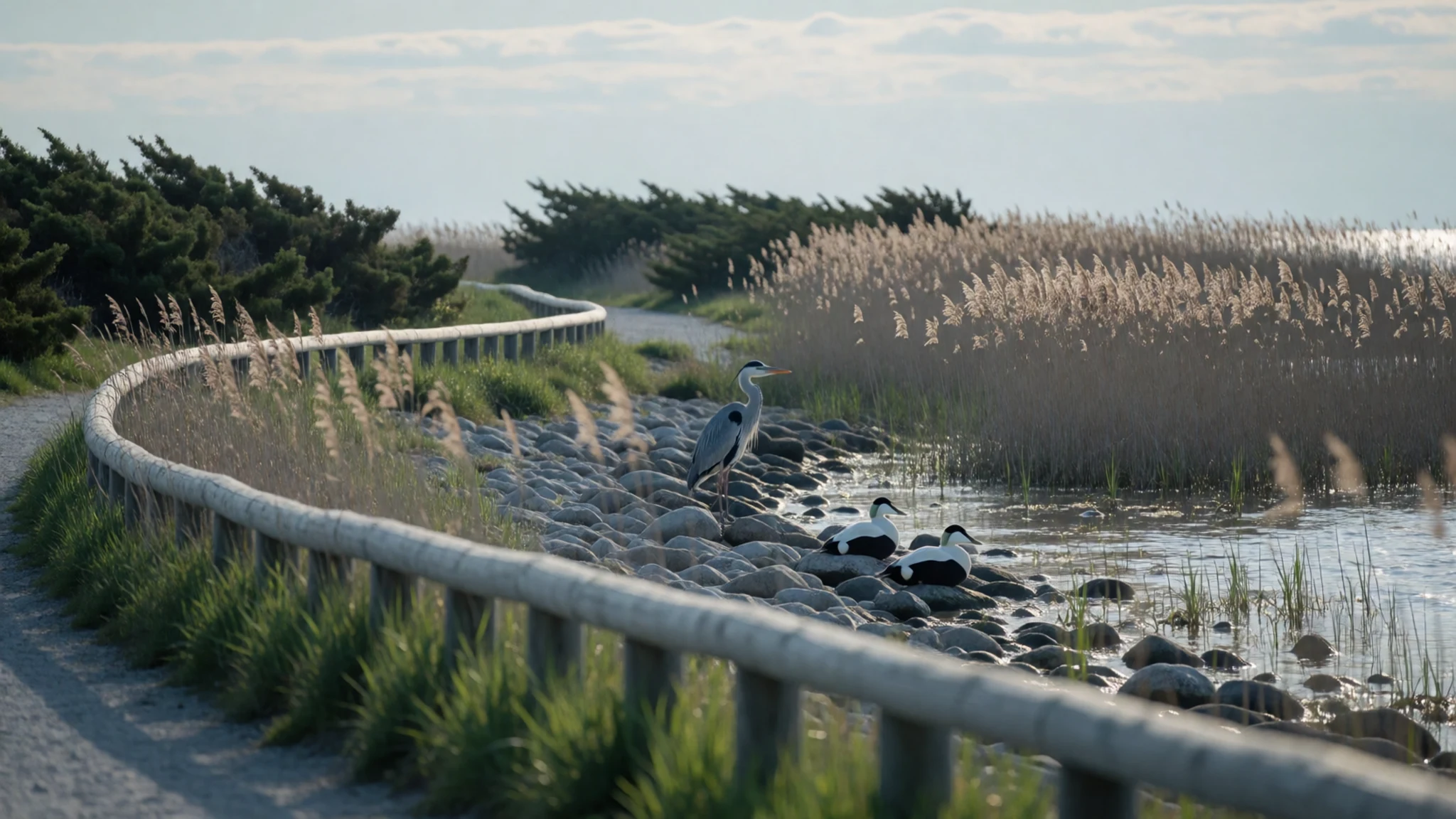
- Konrad Mägi's Vilsandi — Tartu Art Museum (painting)
The Estonian painter Konrad Mägi painted a landscape of Vilsandi in the early twentieth century, now held by the Tartu Art Museum. It is a reminder that the island's light and colour drew artists as well as sailors. Viewing the painting is a good way to compare his vision with the real place.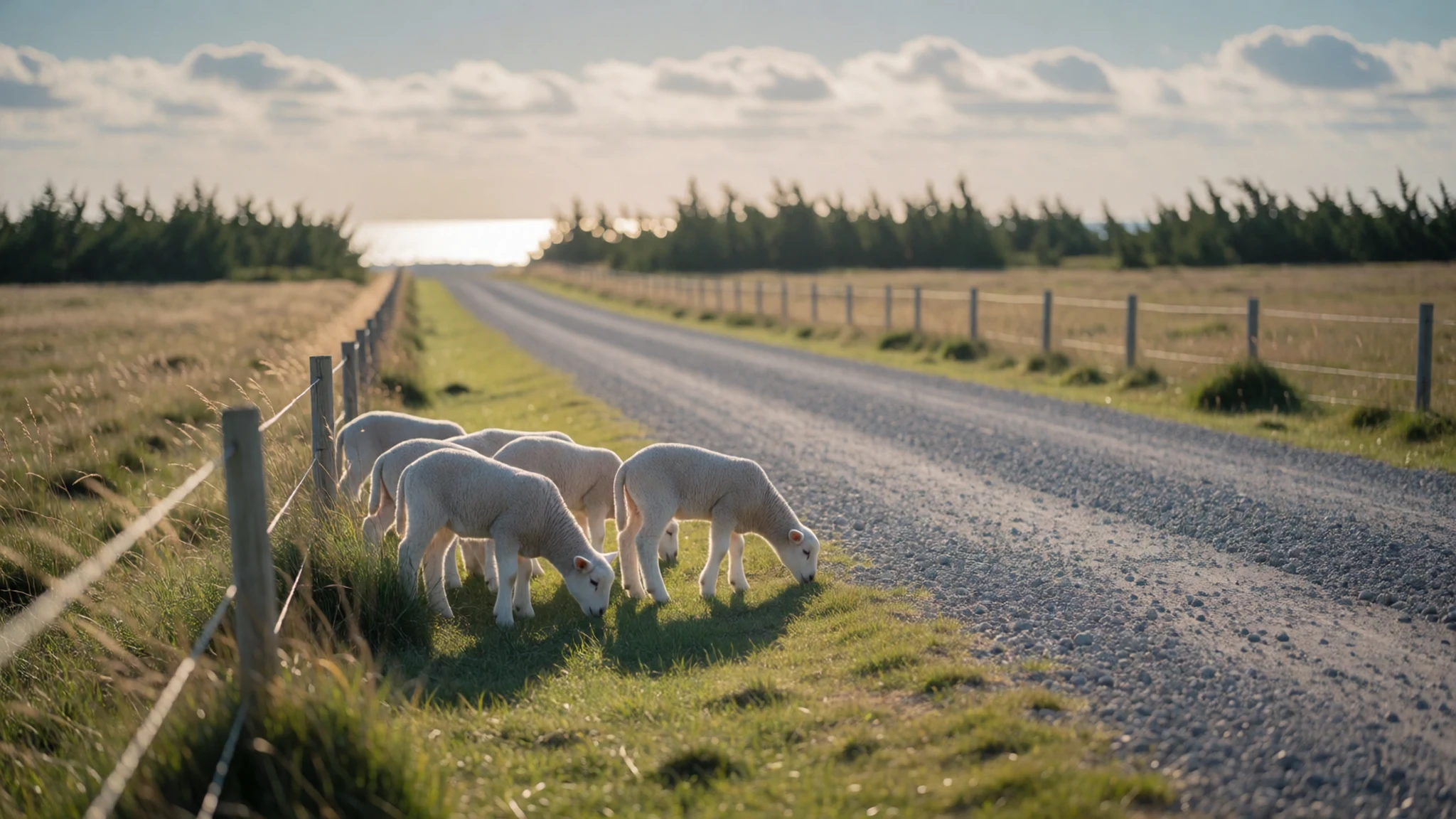
Culture
Vilsandi is a tiny community, so Estonian manners here are felt at close quarters. Estonians can seem reserved at first, and that is a matter of custom rather than coldness. They tend not to open up to people they do not know well, and a quiet, thoughtful exchange is preferred to a loud one.
Smiling at strangers is not the automatic gesture it is in many Western countries. It is kept more for friends, and a constant broad smile can come across as insincere. Estonians also keep a comfortable physical distance, so standing close or reaching for a hug on first meeting can feel awkward. A pause before someone answers usually means they are thinking, not that they are unfriendly; they expect the same care from others.
Here the other strong cultural thread is the sea. The island's story is one of rescue, fishing and shipwreck, and of a conservation ethic that began with a bird reserve more than a century ago. Locals value authenticity, honesty and responsibility, and a visitor who is plain, calm and respectful of the land will be well received. The wider Estonian outlook is largely secular, so there is little ritual to learn, but the habit of protecting the landscape is taken seriously.
Keep your voice low, stay on marked paths in the national park, and never disturb nesting birds or leave litter on the shore.
What to wear
Vilsandi has no distinct dress of its own, but Saaremaa and the wider Estonian islands have a strong folk-costume tradition. Traditional dress is built on wool and linen, with striped skirts, woven belts, knitted mittens and socks in patterned colour. Such costume is worn mostly for festivals, song celebrations and folk events, not for everyday life on the island.
What people actually wear now is practical. On a windy island with small settlements, residents and day-trippers dress for the weather: waterproof jackets, woollen jumpers, sturdy boots or rubber boots, hats and sometimes a scarf even in summer. Nothing here is formal or fashionable in a city sense, and nobody will mind plain outdoor clothing.
For a visitor, layers matter most. Summers are cooler than on the Estonian mainland, and the breeze off the Baltic is constant, so bring a windproof, waterproof outer layer, a warm mid-layer and a hat. Footwear should grip on wet grass, stones and sometimes mud; if you plan to wade across from Saaremaa, ask locally first, and carry spare dry socks in a bag. Sunglasses and sun cream help, since this is statistically the sunniest spot in Estonia. There are no dress codes at religious sites to worry about, though modest, tidy clothing is sensible in villages. Insect repellent is useful in summer.
What to eat
- Verivorst — Traditional restaurants and eateries on Saaremaa, especially in winter
Blood sausage and the closest thing Estonia has to a national dish. It is a winter and Christmas favourite, served with lingonberry jam. Look for it on traditional menus and at seasonal fairs on Saaremaa.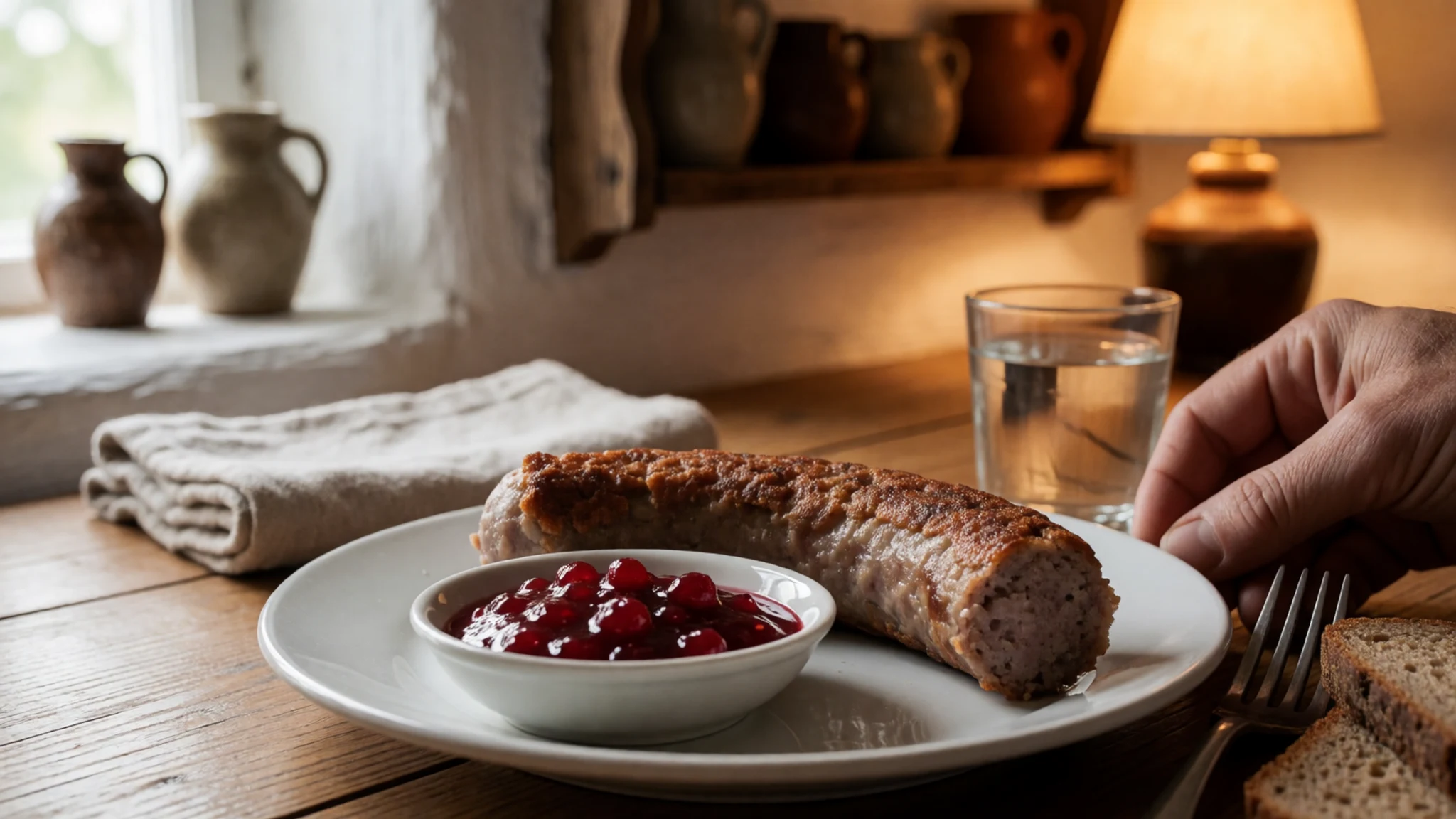
- Mulgikapsad — Country-style eateries on Saaremaa
A sauerkraut stew, often paired with verivorst. It is hearty, sour and warming, a good dish after a blustery day outdoors. Expect it in country-style eateries and at festive tables.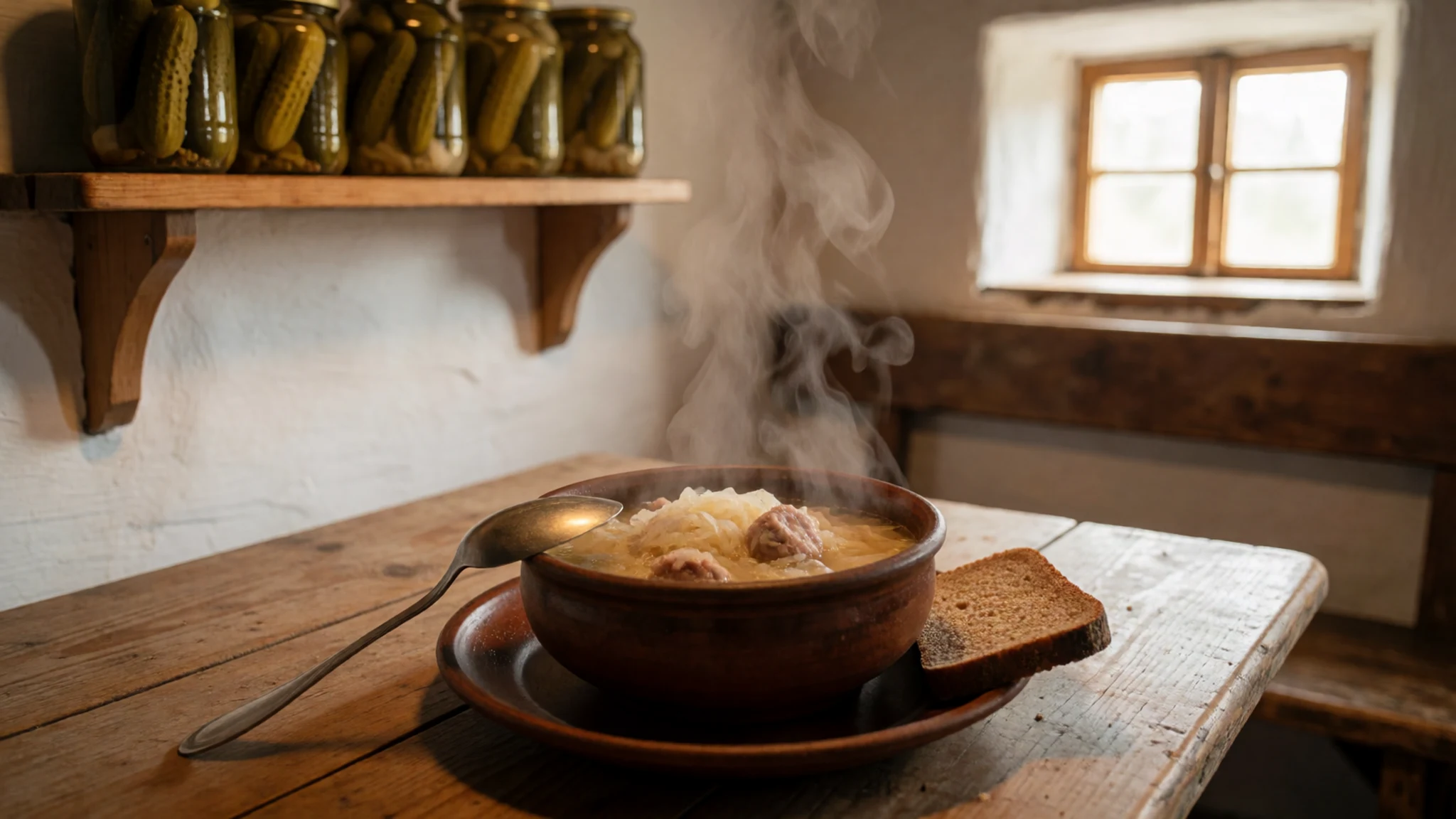
- Fresh Baltic fish — Harbour cafés and small eateries around Saaremaa
Flounder, cod and salmon sustained islanders for generations. Fish may be fried, smoked or baked, depending on the cook. Ask what has come in locally and what the season brings. - Kartulisalat — Cafés and family-run eateries across Estonia
Potato salad dressed with hapukoor, a tangy sour cream. It is a staple side dish across Estonia and shows the Russian influence on the cuisine. Simple, cool and filling. - Rye bread with dairy — Village shops and bakeries on Saaremaa
Dark rye bread, butter, cheese and sour cream form much of the everyday Estonian table, reflecting the Nordic and German side of its cooking. Good for a picnic on the shore.
Plan it
Best time. May to September, when the weather is mildest and the island is most accessible; summer is cooler here than on the mainland and often sunny, and spring and autumn suit birdwatching during migration. Winter is quiet, cold and windy.
How long. 1–2
Getting there. Fly to Tallinn, then travel to Saaremaa by road and ferry from the mainland; Kuressaare also has a small airport. From Saaremaa, reach Vilsandi by boat, by a high-clearance vehicle or by wading, depending on conditions. Ask locally before crossing.
Budget. mid
Tips
- Check boat times and crossing conditions locally, as tides and wind change them
- Bring binoculars, water and food, as facilities on the island are very limited
- Wear windproof layers even in summer
- Look at park notices and ask staff about nesting-season restrictions
- Carry cash and a charged phone, as card and signal coverage may be patchy
Etiquette
- Stay on marked paths and keep clear of nesting birds
- Take all litter away with you
- Keep voices low and give locals space
Nearby
Sources
- Wikidata Q1330853 (CC0)
- Wikipedia: Vilsandi (rev 1364342392) (CC BY-SA 4.0)
- Wikivoyage: Estonia (rev 5425489) (CC BY-SA 4.0)
- Photo: Paadikuur Vilsandil, Ivo Kruusamägi (CC BY 3.0)
- Photo: Vilsandi-pos, varp (CC BY 3.0)
- Photo: Konrad Mägi, Landscape of Vilsandi (Public domain)
- Photo: Vilsandi päästemeeskond (Public domain)
- Photo: Vilsandi National Park in summer, Zapxpxau (Public domain)
- Photo: Vilsandi lighthouse, KalervoK (CC BY 3.0)
- Photo: Vilsandi lambad, Piret Alvre (CC BY 3.0)
- Photo: Vilsandi merepäästejaama paadikuur, Tuderna (CC BY 3.0)


