Kihnu
Kihnu, Estonia
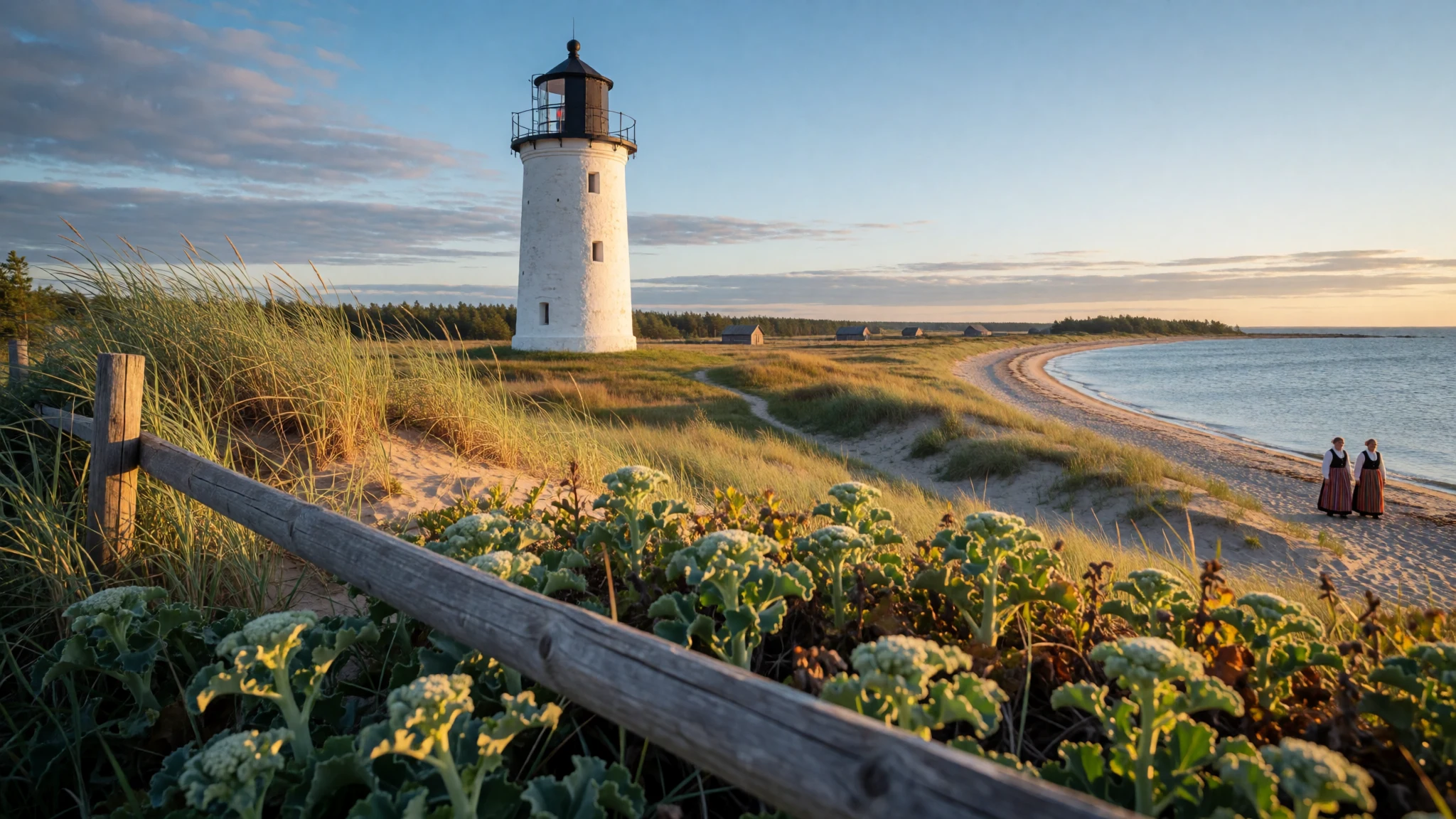
Visit Kihnu to experience a remote Baltic island community where women fiercely preserve ancient songs, bright traditional handicrafts, and matriarchal island customs.
The place
Kihnu lies in the blue waters of the Gulf of Riga as an Estonian island of quiet shores, pine-fringed tracks, and scattered settlements. Home to a small population of about 686 residents distributed across four distinct villages known as Lemsi, Linaküla, Rootsiküla, and Sääre, the land rises gently from sandy beaches to low interior ridges. More than fifty smaller islets and rocky reefs fringe the main coastline, creating sheltered shallow waters and peaceful nesting grounds for migratory birds across the surrounding sea. The terrain invites slow exploration by bicycle along quiet sand roads flanked by wooden homesteads, weathered stone fences, and low coastal scrub. Visitors arrive by ferry from the mainland or small aircraft from Pärnu, stepping into an isolated insular world shaped entirely by wind, sea, and enduring local traditions. Life here moves to the rhythm of the weather and seasonal ferry timetables rather than modern haste, offering travellers a rare glimpse into a vanishing way of European island existence where neighbours still greet one another by name along every sandy lane.
Its story
For generations, the heartbeat of Kihnu has been defined by the absence of its men. While local husbands, fathers, and sons spent months away working as fishermen and merchant sailors across distant northern seas, the women remained behind to govern the domestic sphere, cultivate the sandy soil, and tend to every aspect of island administration. This prolonged absence forged an extraordinary matriarchal society in which mothers and grandmothers assumed the role of absolute cultural custodians, passing down ancient runo-styled songs, complex ritual dances, and intricate textile patterns from one generation to the next. The community's unique social fabric achieved international recognition when UNESCO proclaimed the island's cultural space a Masterpiece of the Oral and Intangible Heritage of Humanity. Among the most legendary figures born from this maritime heritage was the self-taught nineteenth-century captain Enn Uuetoa, universally remembered as Kihnu Jõnn, whose colourful exploits and fierce independence became central pillars of local folklore. Today, the islanders continue to honour this deep-rooted legacy through seasonal calendar celebrations, weddings, and daily attire, ensuring that their ancestral heritage remains a living, breathing reality rather than a museum exhibit.
What to see
- Kihnu Museum — Linaküla village
Housed in a former village schoolhouse, this cultural archive displays historical artifacts, traditional textiles, and archival paintings by artist Jaan Oad. Visitors can examine intricate striped skirts, learn about local seafaring history, and explore the extraordinary life and exploits of the island's legendary captain, Kihnu Jõnn.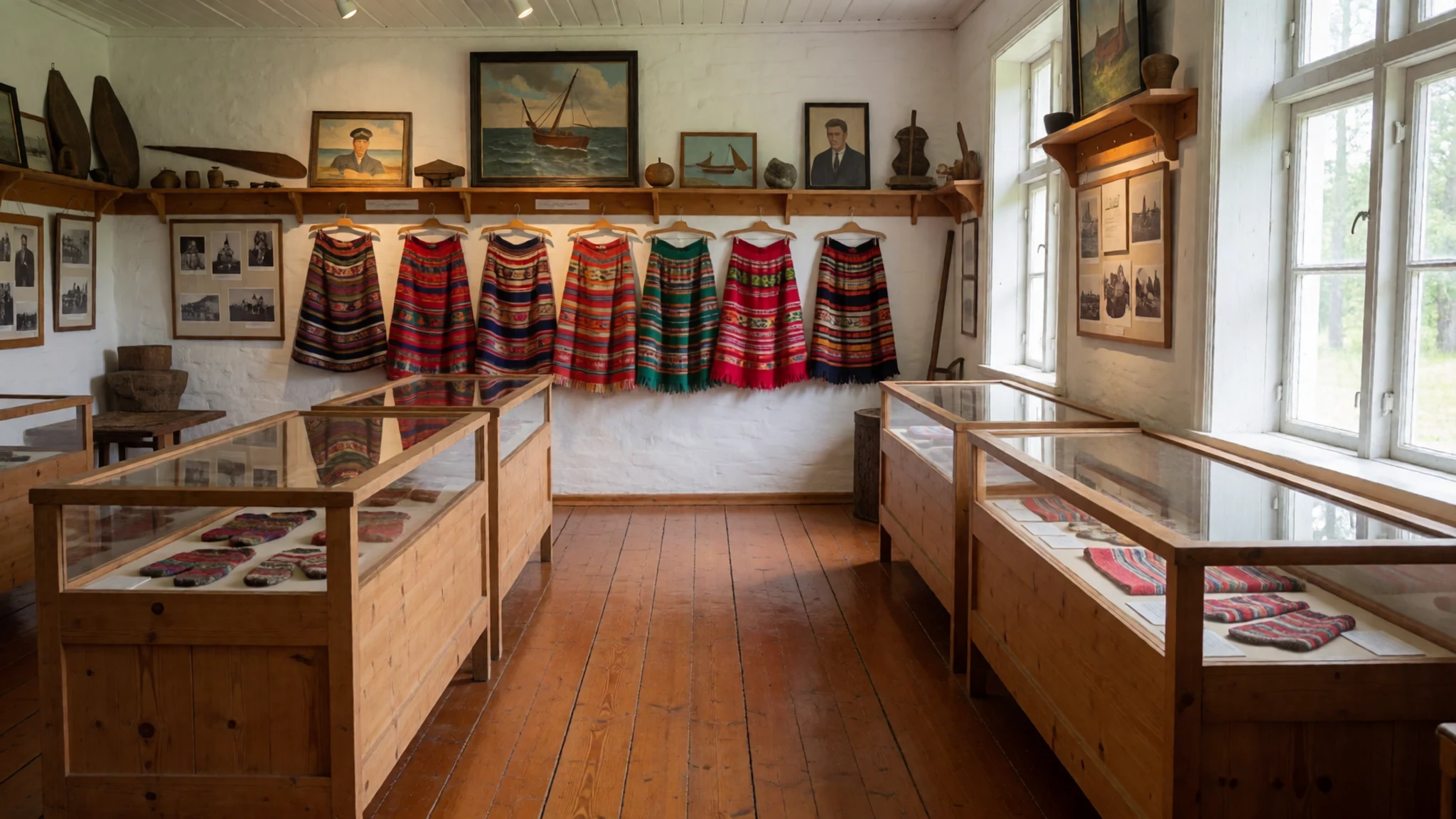
- Kihnu Lighthouse — Sääre village
Standing proudly on the southernmost headland of Sääre, this historic navigational landmark was prefabricated in England before being shipped across the sea and assembled on the rocky shore in eighteen sixty-five. It offers sweeping panoramic views across the open waters of the Gulf of Riga and the surrounding cluster of small islets.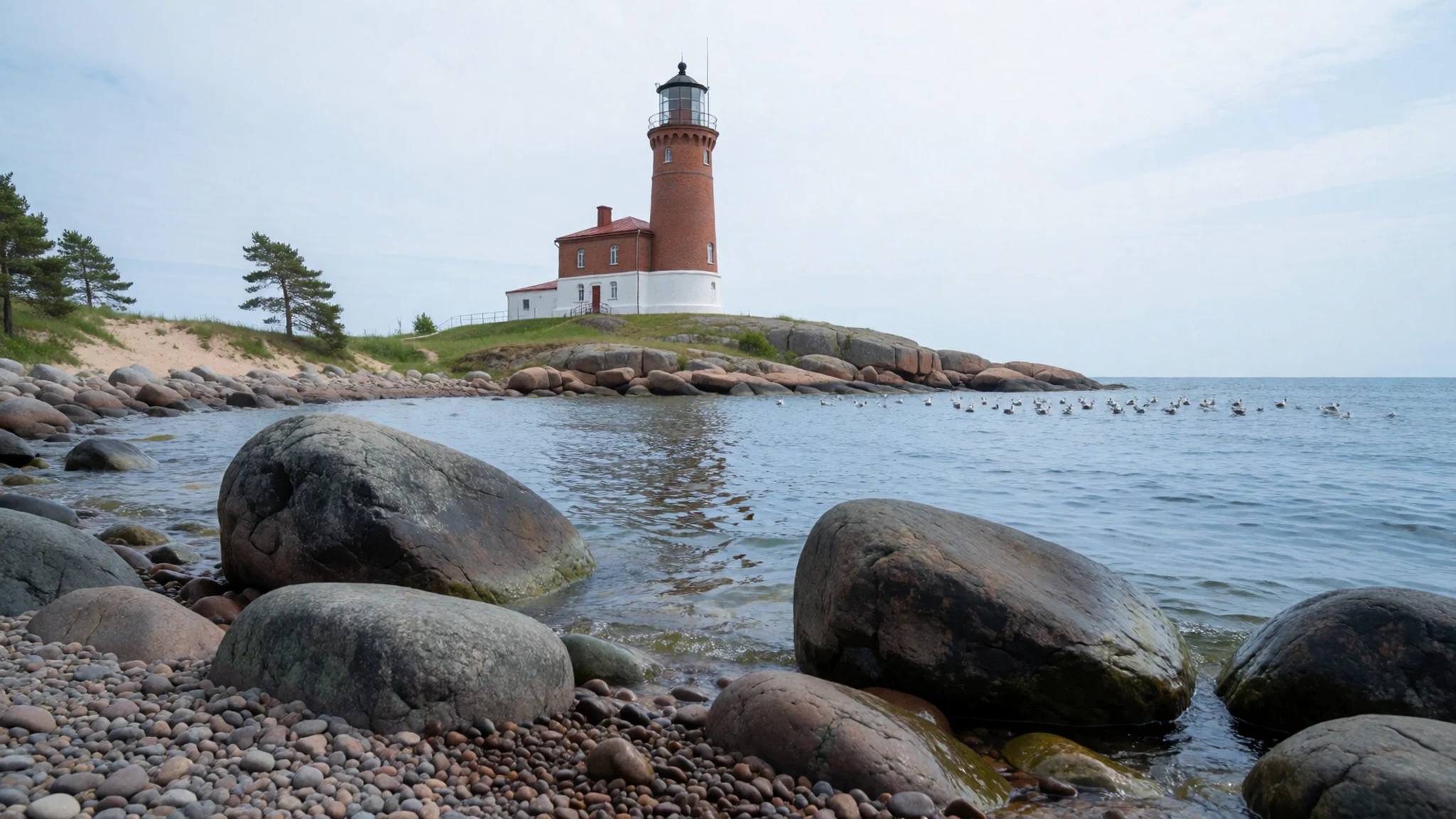
- Kihnu Church — Central Kihnu
Located near the centre of the island, this whitewashed sanctuary serves as the spiritual heart for the local Orthodox Christian community, whose ancestors converted during the nineteenth century. The building reflects the quiet religious devotion of the residents, who gather here for seasonal calendar holidays, baptisms, and traditional community choral services throughout the year.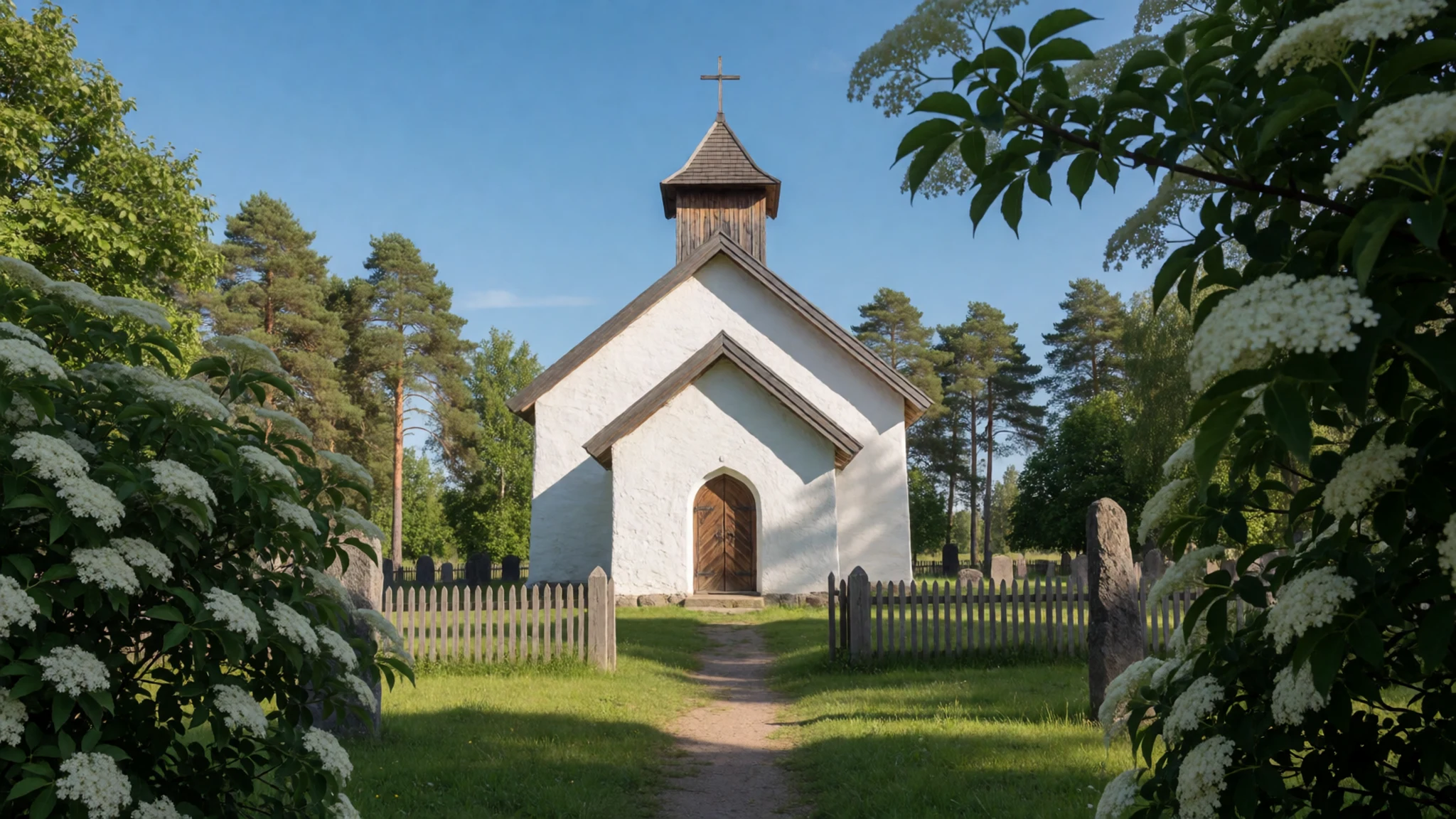
- The Village Stores and Coastal Paths — Throughout the island
Wandering through the small local shops and cycling along sandy cart tracks reveals the everyday rhythm of island life. The surrounding shoreline is framed by more than fifty tiny islets and quiet dunes, offering exceptional opportunities for birdwatching, peaceful coastal walks, and discovering secluded swimming spots away from any crowds.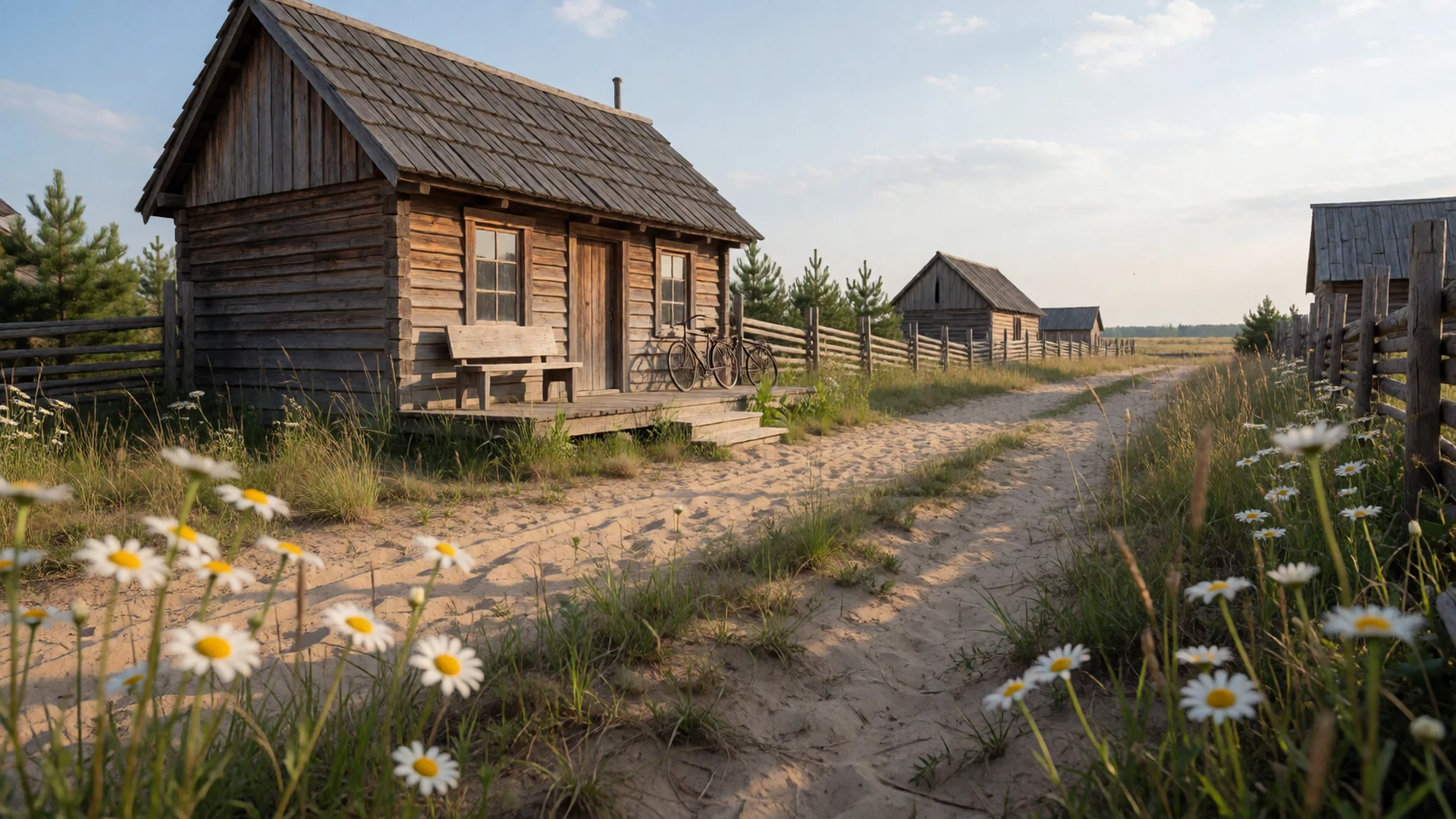
- The Islets and Bird Nesting Grounds — Coastal waters and surrounding islets
The rocky reefs and fifty-plus small islets surrounding the main coast serve as vital protected sanctuaries for nesting seabirds and migratory waterfowl. Exploring these wild fringes by boat or viewing them from the shoreline reveals an untouched maritime habitat where nature remains entirely undisturbed by modern development or heavy tourist traffic.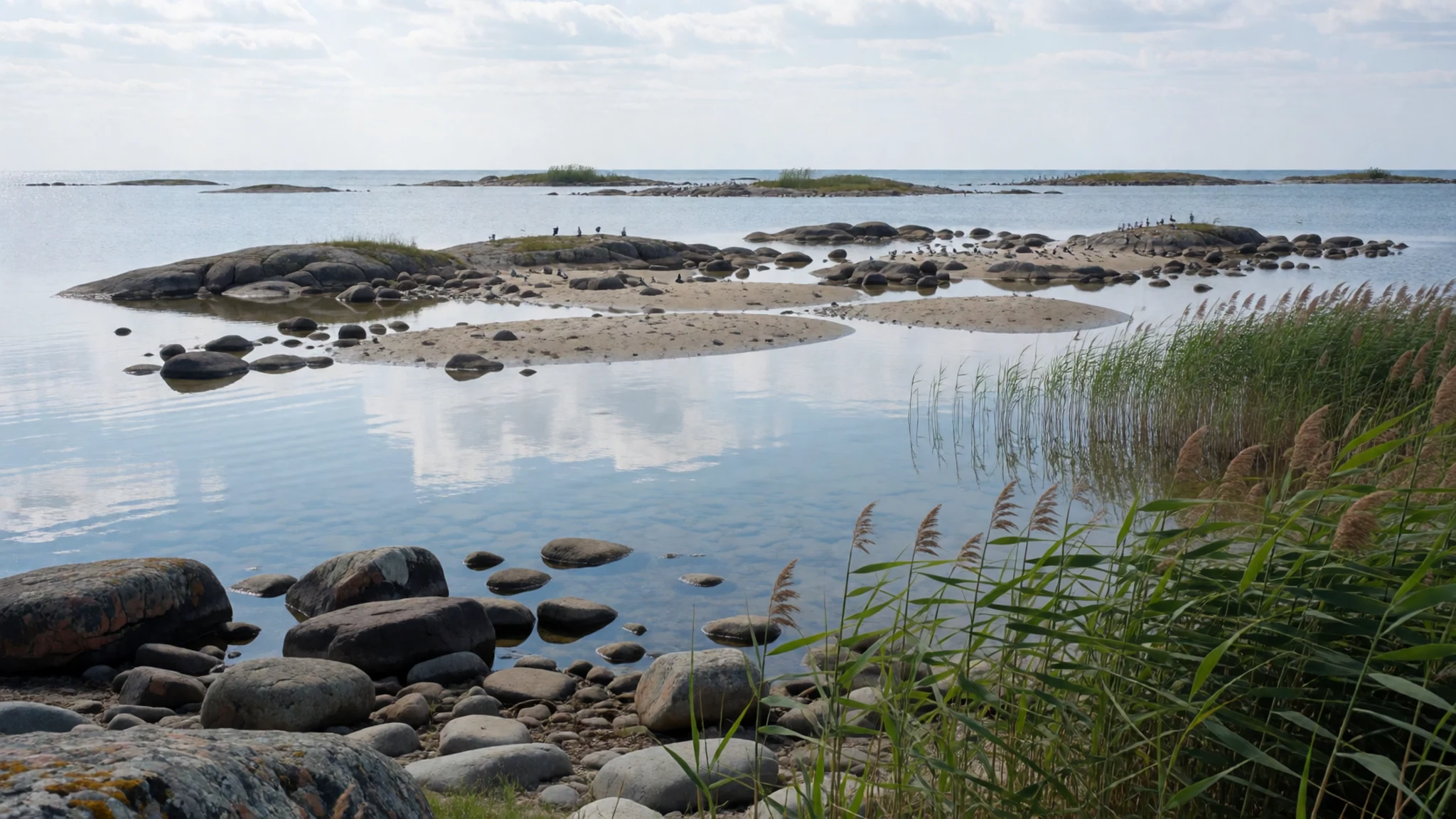
Culture
Kihnu culture is an astonishing survival of ancient Baltic traditions where music, handicrafts, and community rituals form an unbroken chain from the past. Most residents belong to the Orthodox Christian faith, descending from nineteenth-century converts who blended orthodox practices with older animist and agrarian rhythms. Music is integral to daily existence, accompanying everything from casual evening gatherings to elaborate multi-day wedding ceremonies defined by ancient runo songs and spirited circle dances. Young women traditionally organised evening get-togethers known as ülalistmine to knit mittens and embroider garments together, sharing songs and stories late into the night. Seal hunting has historically played a vital role in local subsistence and craftsmanship, with specialized skills passed down from fathers to sons. Visitors are warmly welcomed into this tight-knit society during traditional calendar celebrations such as Midsummer, St. Catherine's Day, and Orthodox Christmas, when old rituals are performed with genuine devotion. Always ask for permission before photographing local residents in their traditional attire, and respect private homestead boundaries across the villages.
What to wear
The textile traditions of Kihnu represent one of Europe's most vibrant living folk costumes, worn proudly in daily life rather than reserved merely for stage performances. The traditional women's outfit features a brilliantly hued horizontally striped woollen skirt known as a kört, usually dyed in vivid reds, oranges, and dark tones that signify the wearer's age and marital status. Men wear patterned knitted sweaters called troi alongside dark trousers and woollen caps, complemented by intricately patterned mittens featuring ancient protective geometric motifs. Younger women continue the centuries-old craft of spinning, dyeing, and knitting these woolen garments during winter evenings and community workshops. For everyday modern wear around the island, residents dress in practical, weather-resistant clothing suited for cycling and coastal winds, including windbreakers, sturdy trousers, and comfortable walking shoes. Travellers visiting the island should pack layers, windproof jackets, and durable footwear suitable for sandy tracks and uneven terrain, while dressing modestly and respectfully when attending church services or local cultural events.
What to eat
- Rye Bread with Potatoes and Herring — Local village stores and home-cafes
A traditional hearth-baked bread incorporating chunks of cooked potato and salted Baltic herring directly into the dark rye dough, creating a hearty and sustaining loaf that once sustained fishermen during long weeks at sea.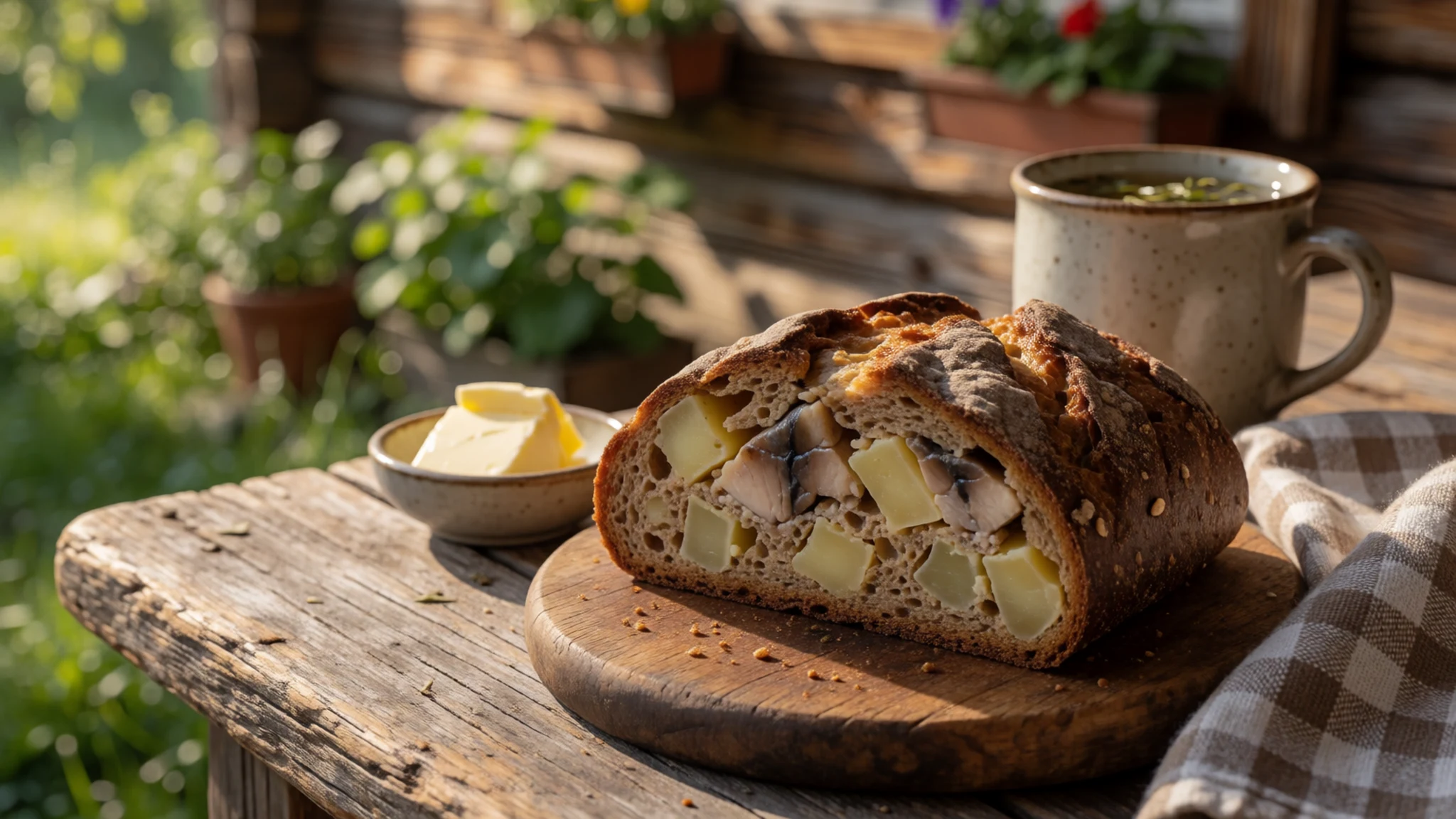
- Eel Soup — Island home-restaurants and summer eateries
A rich, flavorful broth traditionally prepared by local fishermen using fresh catch from the surrounding gulf waters, simmered gently with simple root vegetables and fragrant garden herbs.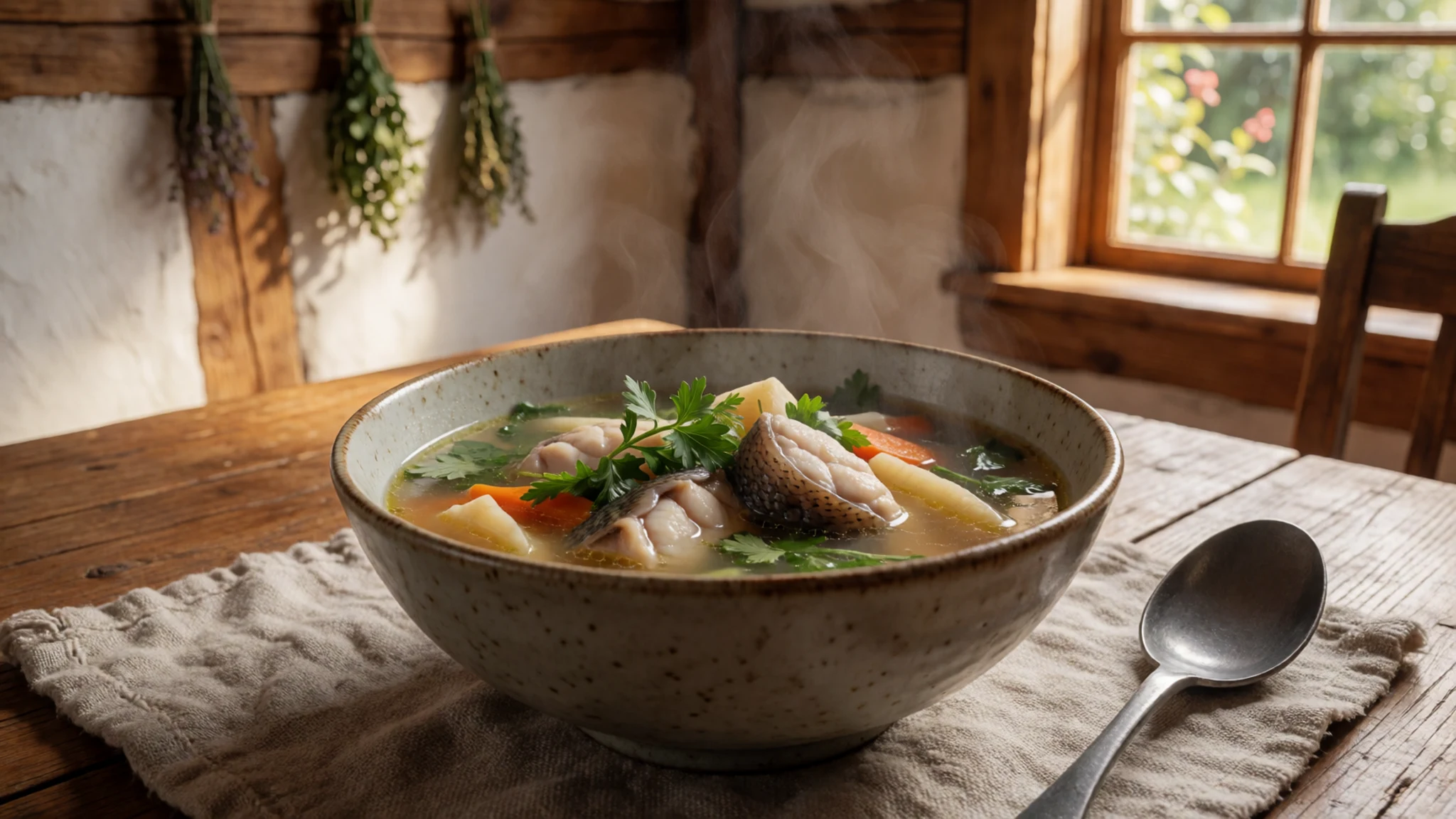
- Sweet Milk Soup — Traditional wedding feasts and pre-booked home-dining
A comforting traditional dairy dish historically served as an important celebratory course during weddings and major family gatherings across the island's village homesteads. - Merganser Egg Pastries — Local home-kitchens and seasonal eateries
A distinctive local delicacy utilizing the eggs of semi-domesticated waterbirds gathered from coastal nesting grounds, used locally in traditional baking and festive cakes. - Seelocal Delicacies — Specialist festive meals on request
Historically hunted in the icy winter waters around the archipelago, seal meat is considered a rare local delicacy prepared in traditional stews and roasted dishes during festive winter occasions.
Plan it
Best time. June through August offers the warmest weather, long daylight hours, and open summer cafes, while late autumn and winter bring authentic quiet and icy isolation.
How long. 2–3
Getting there. Take a ferry from Munalaid or Pärnu on the Estonian mainland, or catch a small seasonal flight from Pärnu.
Budget. mid
Tips
- Book ferry tickets and bicycles in advance during the peak summer months
- Bring bank cards as most shops accept them, but carry some cash for smaller transactions
- Rent a bicycle upon arrival as it is the best way to explore the sandy tracks
- Arrange catering in advance outside of the main summer season when restaurants close
- Respect private property and local homestead gardens while cycling through villages
Etiquette
- Always ask permission before photographing local residents in their traditional attire
- Remove your shoes if entering traditional homes or local cultural spaces where requested
- Respect the privacy of islanders and keep noise levels low in residential village areas
Nearby
Sources
- Wikidata Q1741199 (CC0)
- Wikipedia (rev 1379265937) (CC BY-SA 4.0)
- Wikivoyage (rev 5407161) (CC BY-SA 4.0)
- Photo 01-seashore-of-kihnu.jpg (CC BY 3.0)
- Photo 02-kihnu-church.jpg (CC BY 3.0)
- Photo 03-kihnu-lighthouse2.jpg (CC BY 3.0)
- Photo 04-kihnu-kyl-kauppa.jpg (CC BY 3.0)
- Photo 05-kihnu-muuseum.jpg (CC BY 3.0)
- Photo 06-kihnu-villageroad.jpg (CC BY 3.0)
- Photo 07-garden-in-kihnu.jpg (CC BY 3.0)
- Photo 08-kihnu-rannik-1.jpg (CC BY 3.0)


