Vormsi
Vormsi, Estonia
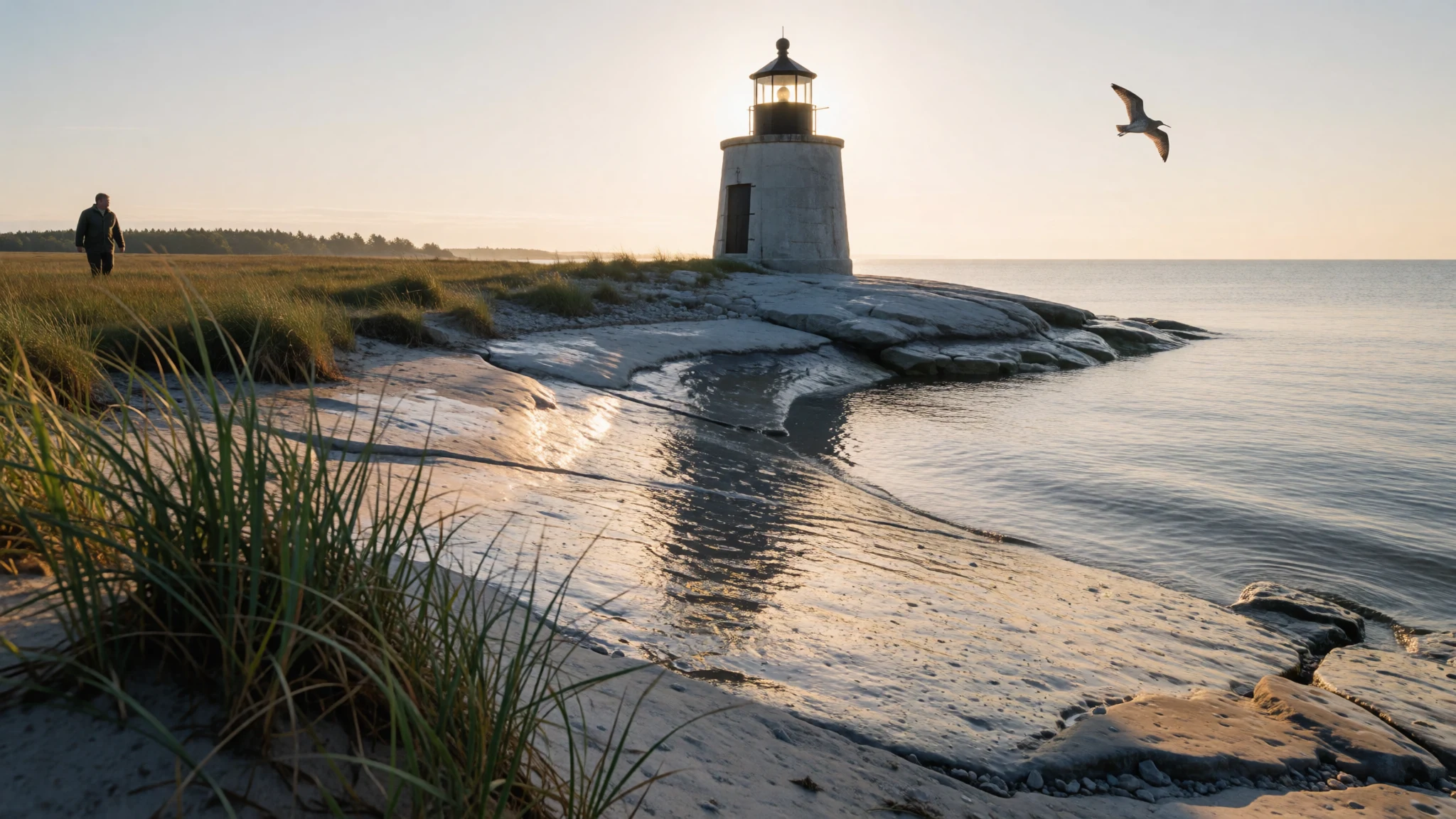
Vormsi is a quiet Baltic island of shore meadows, wooden farms and Swedish-speaking history, best explored slowly by bicycle.
The place
Vormsi lies in the Baltic Sea off Estonia's north-west coast, east of Hiiumaa and part of the West Estonian archipelago. It is a low island, rising only about 12 m above sea level, so the view is mostly sky, treeline and water. The registered population is 411, though that count includes owners of summer houses, and outside the warm months the island feels emptier than the figure suggests. Roads are quiet, villages are loose clusters of farms, and there is no significant industry, so the soundtrack is wind, birds and bicycle tyres. Much of the land is protected as a nature reserve. Meadows by the shore, reed beds, alvar (thin soil over limestone), woodland, sheltered bays and lagoons sit side by side, and the scenery changes noticeably within a short ride. The island is its own parish, and many summer-house owners register as residents, which keeps the local budget healthier than the winter population would suggest. Services are thin, though. Anyone coming should plan for food, cash and fuel rather than expect them on every corner. Ferries from the mainland dock at Sviby, where a harbour and a bicycle and boat rental point form the island's front door. The names tell their own story: Årmse and Ormsö in Swedish, Worms in German, Vormsi in Estonian. Most people come for a day or a few nights, pedalling between a graveyard, a windmill, a farm museum and empty stretches of shore.
Its story
Vormsi's recorded history reaches back to the Middle Ages, and for most of that time the island was home to coastal Swedes, a Swedish-speaking farming and fishing community on the Estonian shore. Their name for the place, Ormsö, can be read as the island of a man called Orm or as a snake island, and both the German Worms and the Estonian Vormsi grew out of it. Life revolved around small farms, boats, grazing on the shore meadows and the parish church. Then the twentieth century cut the community short. During the Second World War, nearly all the Swedes of Vormsi and the wider Estonian coast were evacuated or fled to Sweden, and the island lost most of its people almost at once. Soviet rule followed, and Vormsi became a closed border zone, so visitors needed official permission to arrive and the shoreline was watched rather than enjoyed. Farms emptied, fields reverted to scrub and the population kept falling. When the border opened, newcomers, returning families and summer residents slowly brought the island back to life, and a heritage movement began to preserve what remained. Today the old stone crosses in the graveyard, the farm buildings in the museum and the Swedish place names on signs and maps are the clearest reminders of a community that is now mostly remembered rather than living here.
What to see
- Vormsi cemetery — Central Vormsi
The graveyard on Vormsi holds old stone crosses of Celtic-style form, along with later Swedish and Estonian markers. It is a quiet place to read the island's layers of settlement in the lettering and names. Go slowly, stay on the paths, and treat it as a working burial ground rather than a monument.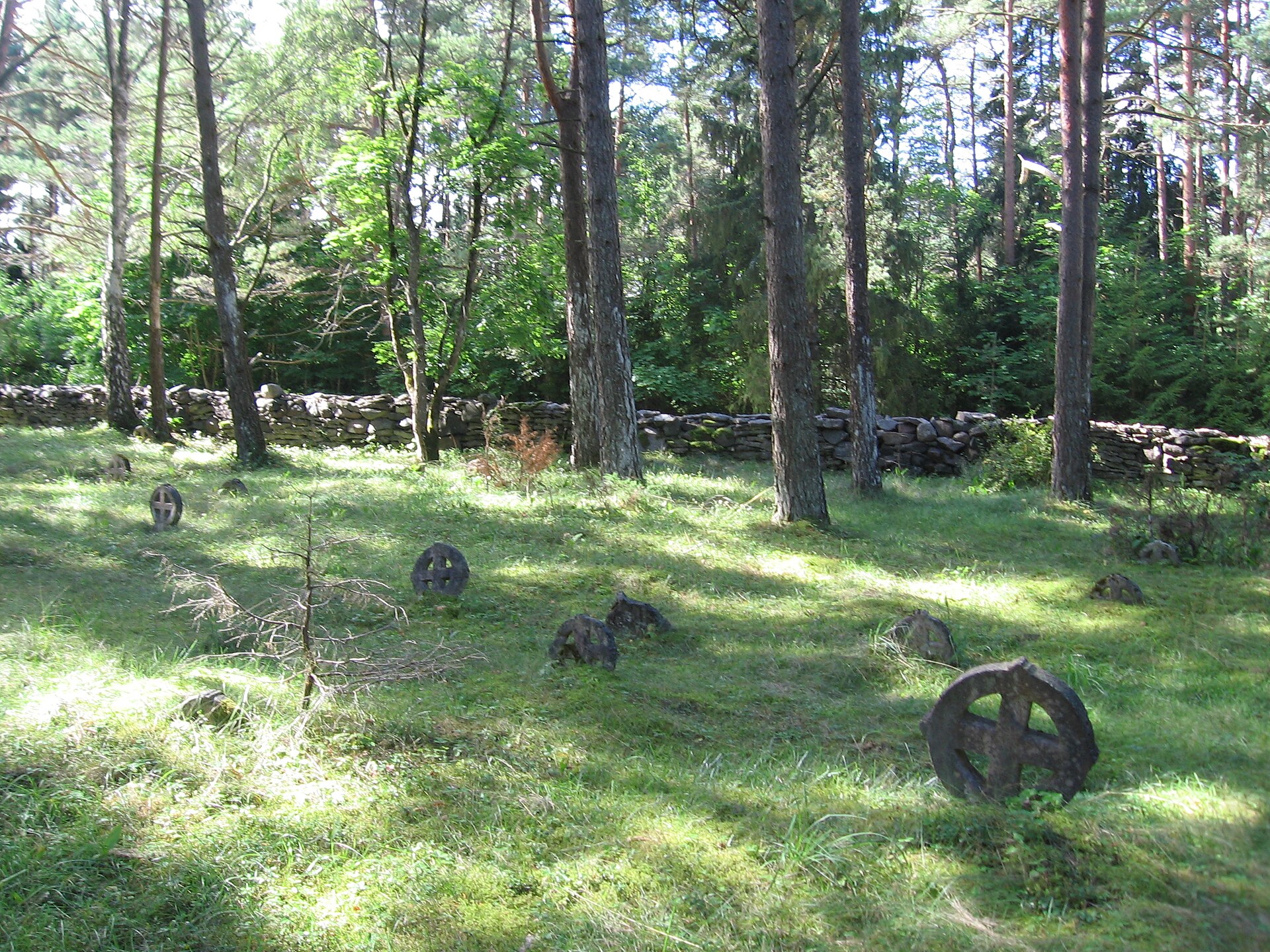
- Rälby windmill and village — Rälby village
Rälby is a small village on Vormsi where a wooden windmill and a fenced paddock show the farming landscape at its simplest. It is an easy cycling stop and a good place to understand how scattered the settlements are. Photograph from the road and respect private yards.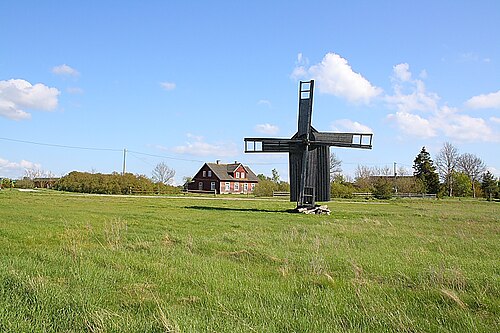
- Sviby harbour and Rumpo — Sviby, east coast
Sviby is where ferries from the mainland arrive on Vormsi, and the Rumpo peninsula beside it gives a calm view back over the harbour. It makes a sensible first or last stop, with bicycles and boats for rent nearby. Check the rental operator's own channels for current terms.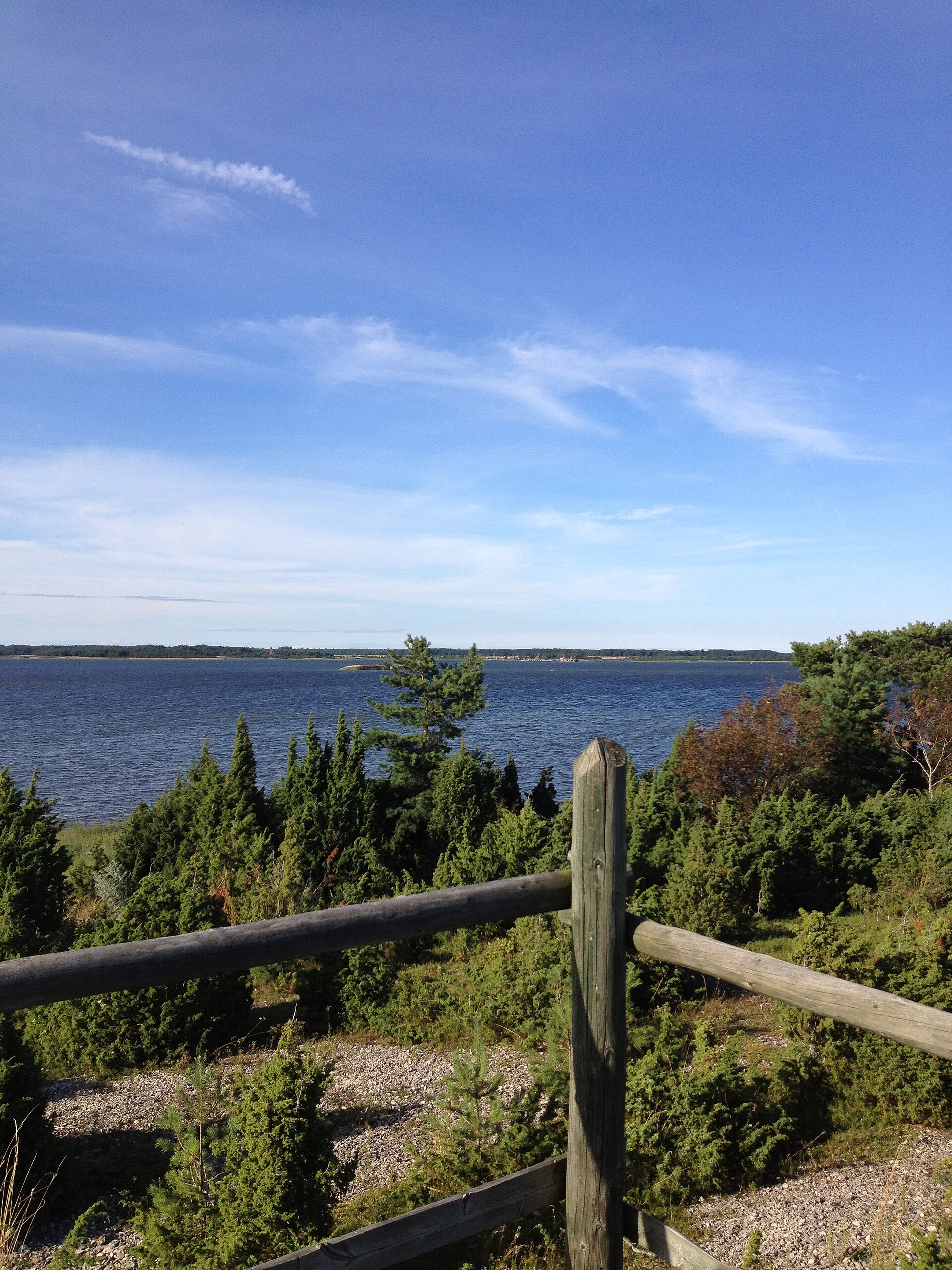
- Norby rear light — North-east coast
The Norby rear light stands on Vormsi's north-eastern coast, one of the navigation lights that guide boats through shallow Baltic water. The ride there crosses open, wind-blown country, so it suits a clear day. The lighthouse is best appreciated from outside, with the coast stretching away on either side. - Vormsi Farm Museum — Inland Vormsi
This museum gathers historic farm buildings, tools and household objects from the Swedish community that lived on Vormsi until the war. It is the clearest single introduction to daily life here before evacuation. Opening times vary by season, so check the official site or ask locally before cycling out.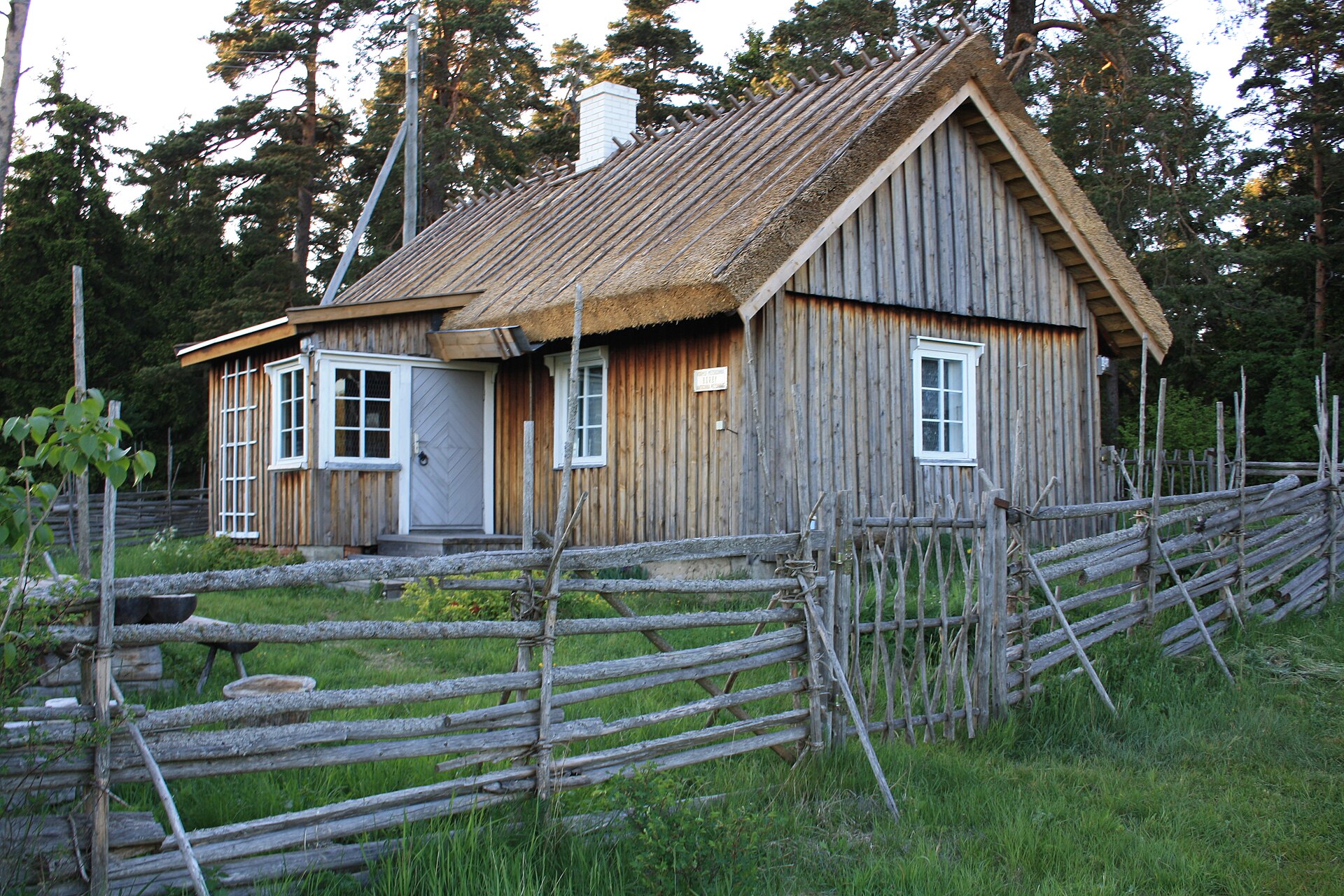
- Vormsi Landscape Reserve — Across the island
The reserve covers much of the island and protects shore meadows, reed beds, alvar, woodland, bays and lagoons that shelter many plant and bird species. Walks and rides here reward patience, especially in spring and early summer. Stay on marked routes, keep dogs under control and avoid disturbing nesting birds.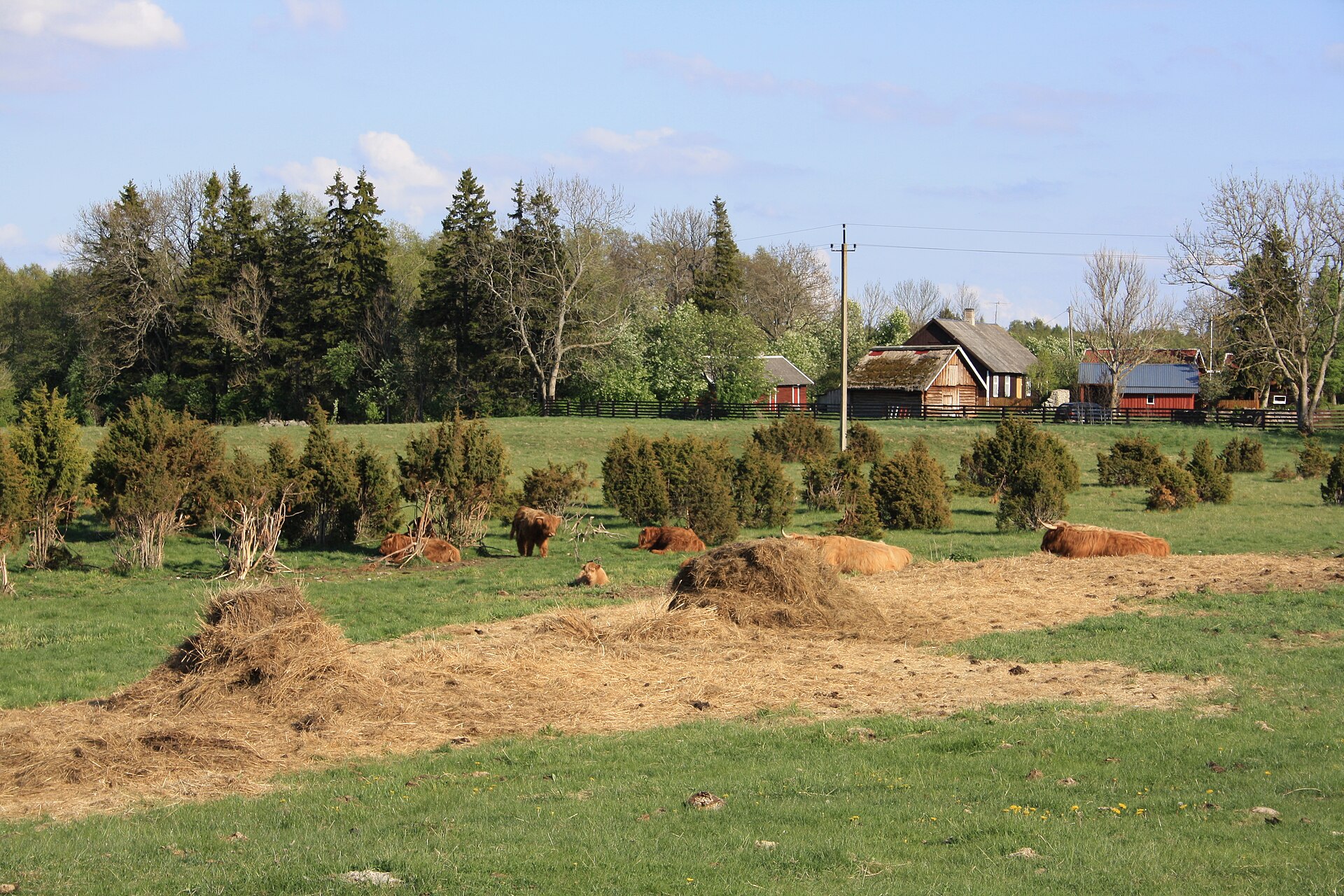
Culture
Vormsi's culture is still shaped by the coastal Swedes who farmed and fished here for centuries, even though most of them left during the Second World War. Their legacy shows in Swedish place names, in the stone crosses of the graveyard, in the wooden farm buildings and in the habit of keeping farmland tidy and hedged. The Lutheran church remains the centre of village life, and small heritage groups and the farm museum work to keep songs, crafts and farm skills in memory. Newer layers sit on top: Estonian families, summer-house owners from Tallinn and elsewhere, and a trickle of artists and cyclists. As in the rest of Estonia, the sauna is a normal part of home life, and midsummer is marked with bonfires and gatherings. The pace is unhurried, conversation tends to be quiet and understated, and people value privacy and tidy surroundings. Because the population is so small, visitors are noticed, and a friendly greeting on the road is normal. Shops and eateries keep seasonal rhythms, so expect fewer choices outside summer. The heritage here is delicate, based on a handful of buildings, a graveyard and the memories of families who left. Keep to the paths in the cemetery and the reserve, lower your voice near farms and churches, and ask before photographing residents or their yards.
What to wear
Vormsi's traditional dress belongs to the coastal Swedes, whose festive clothing, like much Baltic folk costume, was built from wool, linen and sheepskin. Women's outfits typically combined a bodice or jacket with a striped or patterned wool skirt, an apron, a shawl and a cap, while men wore waistcoats, breeches and sturdy boots. Today such costume appears mainly at heritage events, festivals and in museum displays, and it is worn as a mark of identity rather than daily clothing. In everyday life, islanders dress for weather and work: waterproof jackets, wool jumpers, rubber boots in wet seasons, and simple cotton or linen in the short summer. There is little formal dressing, and nobody expects fashion on the roads. A visitor should pack for wind and changing skies. Layers work best: a windproof, showerproof jacket, a warm jumper even in summer, and long trousers for evenings and for protection from insects and ticks in long grass. Comfortable closed shoes or trainers suit cycling and sandy or muddy paths, and boots help after rain. Bring a swimsuit and quick-drying towel for the shore, sun protection for open meadows and a hat for breezy rides. Churches and the cemetery do not need special dress, but covered shoulders and tidy clothing show respect.
What to eat
- Smoked fish — Harbour areas and guesthouse kitchens
Smoked Baltic fish is the island's most natural meal, salty, oily and eaten with rye bread. Availability depends on the season and on who is smoking that week, so ask at the harbour or at a guesthouse kitchen rather than expect a fixed stall. - Baltic herring — Seasonal summer eateries near Sviby
Baltic herring, fried, pickled or baked, is a staple across the coast. On Vormsi it tends to appear as a simple plate with potatoes, herbs and sour cream or butter. Look for it on the daily menu at the island's seasonal eateries. - Dark rye bread — Village shops and guesthouse breakfasts
Dense, slightly sour rye bread is the base of many Estonian meals here, topped with butter, cheese, fish or cured meat. It keeps well on a bike ride and is easy to buy at village shops. Pair it with soup for a sturdy lunch. - Fish soup — The island's summer-season krog and guesthouses
A bowl of fish soup, usually clear and herb-scented with potato and local catch, suits cool Baltic days. Recipes vary from kitchen to kitchen, and the best guide is to ask what was caught recently. - Wild berries and forest mushrooms — Farm gates, small stalls and guesthouse tables
In summer and early autumn, locals pick berries and mushrooms in the woods and meadows. They end up in jams, pies, sauces and pickles sold informally or served at guesthouses. Availability depends entirely on season and weather, so treat them as a bonus.
Plan it
Best time. June to August is the most practical time: the days are long, the ferries and seasonal eateries are running, and the shore is pleasant for swimming and cycling. May and September are quieter and cooler, with fewer services. Winter is very quiet and dark, though clear nights can bring northern lights over the Baltic.
How long. 2–3
Getting there. Fly into Tallinn, then travel by road or coach to Rohuküla port near Haapsalu, and take the car or foot ferry across to Sviby on Vormsi. Book the crossing ahead in summer through the ferry operator's official site. There are no petrol stations on the island, so refuel before boarding. Bicycles can be rented at Sviby.
Budget. mid
Tips
- Book the ferry and any accommodation well ahead for July and early August
- Refuel before crossing, since the island has no petrol stations
- Carry cash and food, because shops and eateries are few and seasonal
- Pack a windproof layer and insect repellent, as ticks and mosquitoes are common in long grass
- Check opening times for the farm museum and any krog before cycling out
Etiquette
- Keep to marked paths in the nature reserve and do not disturb nesting birds
- Ask before photographing residents, farms or private yards
- Take rubbish with you and leave gates as you found them
Nearby
Sources
- Wikidata Q630156 (CC0)
- Wikipedia: Vormsi (CC BY-SA 4.0)
- Wikivoyage: Vormsi (CC BY-SA 4.0)
- Vormsi sadam 2015 — Hiiumaamudeliklubi (CC BY-SA 4.0)
- Klagomännen från Ormsö 1861 — User Västgöten on sv.wikipedia (Public domain)
- Paddoc in Rälby village — KalervoK (CC BY 3.0)
- Windmill in Rälby village — KalervoK (Public domain)
- The woodman's cottage on Vormsi — KalervoK (Public domain)
- View from Rumpo peninsula towards Sviby harbor — Jan Sonberg (CC BY 3.0)
- Vormsi graveyard — Juks (CC BY-SA 3.0 ee)
- Aurora Borealis in Vormsi, Estonia — Kristoffer Vaikla (CC BY-SA 4.0)


