Hiiumaa
Hiiumaa, Estonia
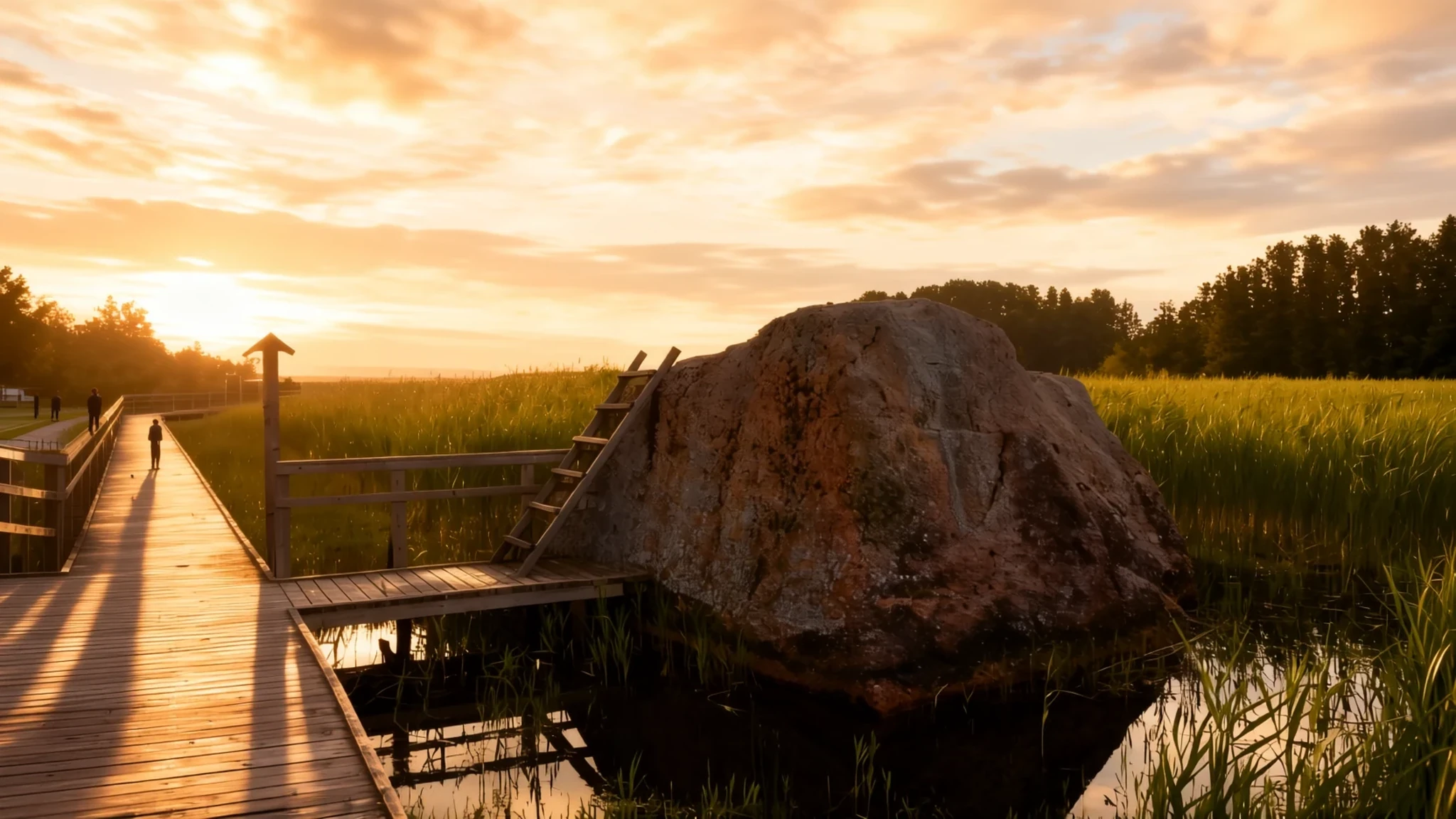
Hiiumaa is a quiet Baltic island of lighthouses, pine forest and empty shingle shores, where the pace slows and the wind does the talking.
The place
Hiiumaa is the second largest island in Estonia, lying in the Baltic Sea just north of Saaremaa and west of the mainland. About 22 km of water separates it from the mainland coast, and it covers 989 km in all. The population is 8995, which tells you most of what you need to know about the pace of life. Kärdla is the main town and the place where the tourist information office sits, but much of the island is forest, juniper heath, farmland and long, shallow shoreline.
The islanders have a reputation for being calm, tolerant and fond of a joke, often at the expense of their neighbours on Saaremaa. They have their own local speech, Hiiu, though everyone also speaks Estonian, and many speak English, Russian, German or Finnish.
The sea shapes the weather. The island sees more sunny days and fewer rainy ones than the mainland, but the coast can be properly windy even in summer, so a warm layer is never wasted. May to September is the sensible window, with July and August best for swimming and sunbathing, though the Baltic stays cool.
Distances are small, but public transport is thin. Most visitors hire a car or a bicycle and spend their days drifting between lighthouses, beaches, farm museums and small chapels, with long gaps of nothing in between. That emptiness is the appeal.
Its story
Hiiumaa is young land in geological terms. It rose out of the Baltic about 8500 years ago, lifted by isostatic rebound once the ice cap retreated, and it is still rising. In the earliest days sea level stood around 20 metres higher than now, which is why the oldest settlements, linked to seal hunting and dated from about 5500 BC on the Kõpu Peninsula, now sit well inland. Stone-cist graves show people stayed on the island from the Late Bronze Age through to the Late Iron Age.
The first written mention comes in 1228, when the island appears as Dageida just as Germanic crusaders were conquering Estonia. In 1254 it was divided between the Bishopric of Ösel-Wiek and the Livonian branch of the Teutonic Order, which acted partly for the Hanseatic League. The Hansa had a keen interest in these waters, since the passage past the island was dangerous and the trade routes mattered.
Later the island was known as Dagö and belonged to Sweden from 1563 to 1721, then passed to the Russian Empire as part of the Governorate of Estonia. The island's Swedish population kept most of its privileges under the new rulers. Layers of that past, from Hanseatic navigation to imperial coastal defence, still show in the lighthouses and old military sites scattered along the shore.
What to see
- Kõpu Lighthouse — Kõpu Peninsula
Kõpu Lighthouse stands on Tornimägi, the highest hill on Hiiumaa at 68 m, on the Kõpu Peninsula. It was built to guide ships through a dangerous shipping lane that mattered greatly to Hanseatic merchants. Go for the old tower and the walk through the surrounding forest.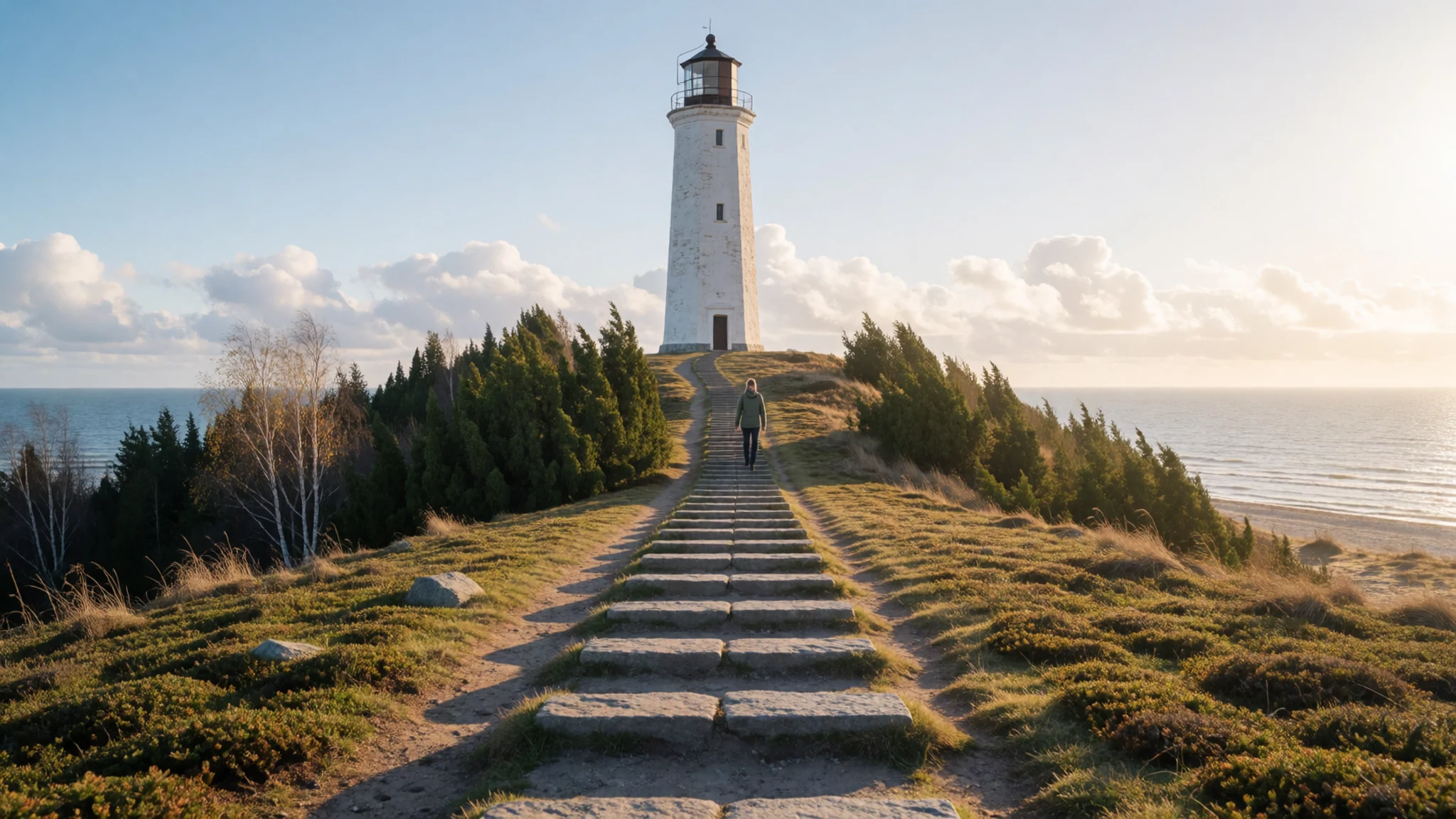
- Tahkuna Lighthouse — Tahkuna, north coast
Tahkuna Lighthouse is a cast-iron tower begun in 1873, made in Paris and shipped to the island in parts. A twin was ordered for Ristna. It stands on the northern tip, with forest and nature reserve around it, and is lovely in low evening light.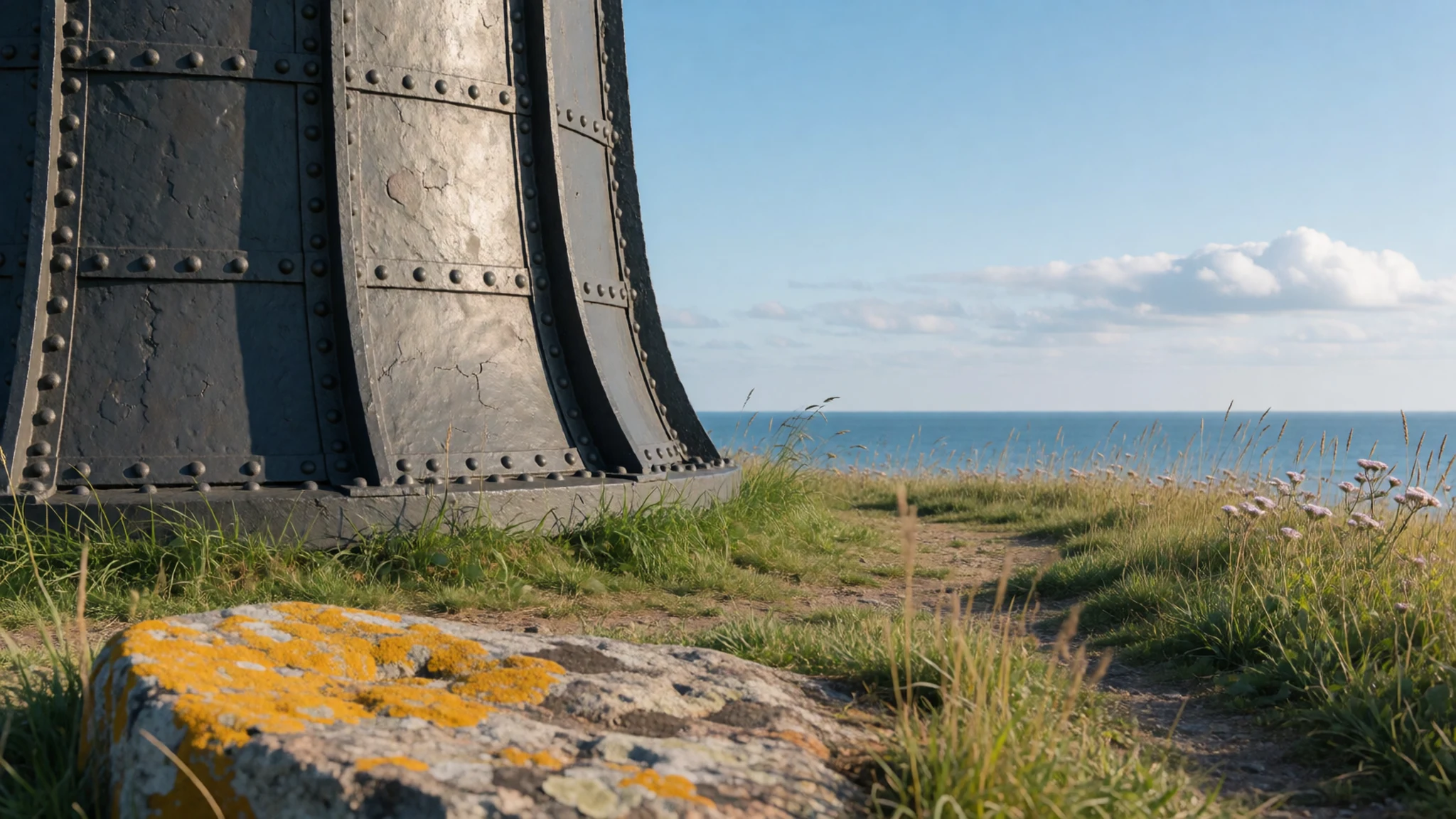
- Ristna Lighthouse — Western Kõpu Peninsula
Ristna Lighthouse is smaller and less imposing than its neighbours, but architecturally interesting. It marks the westernmost point of the Kõpu peninsula, where the land runs out into open sea. It suits a late-afternoon stop, with a long walk on the shore nearby.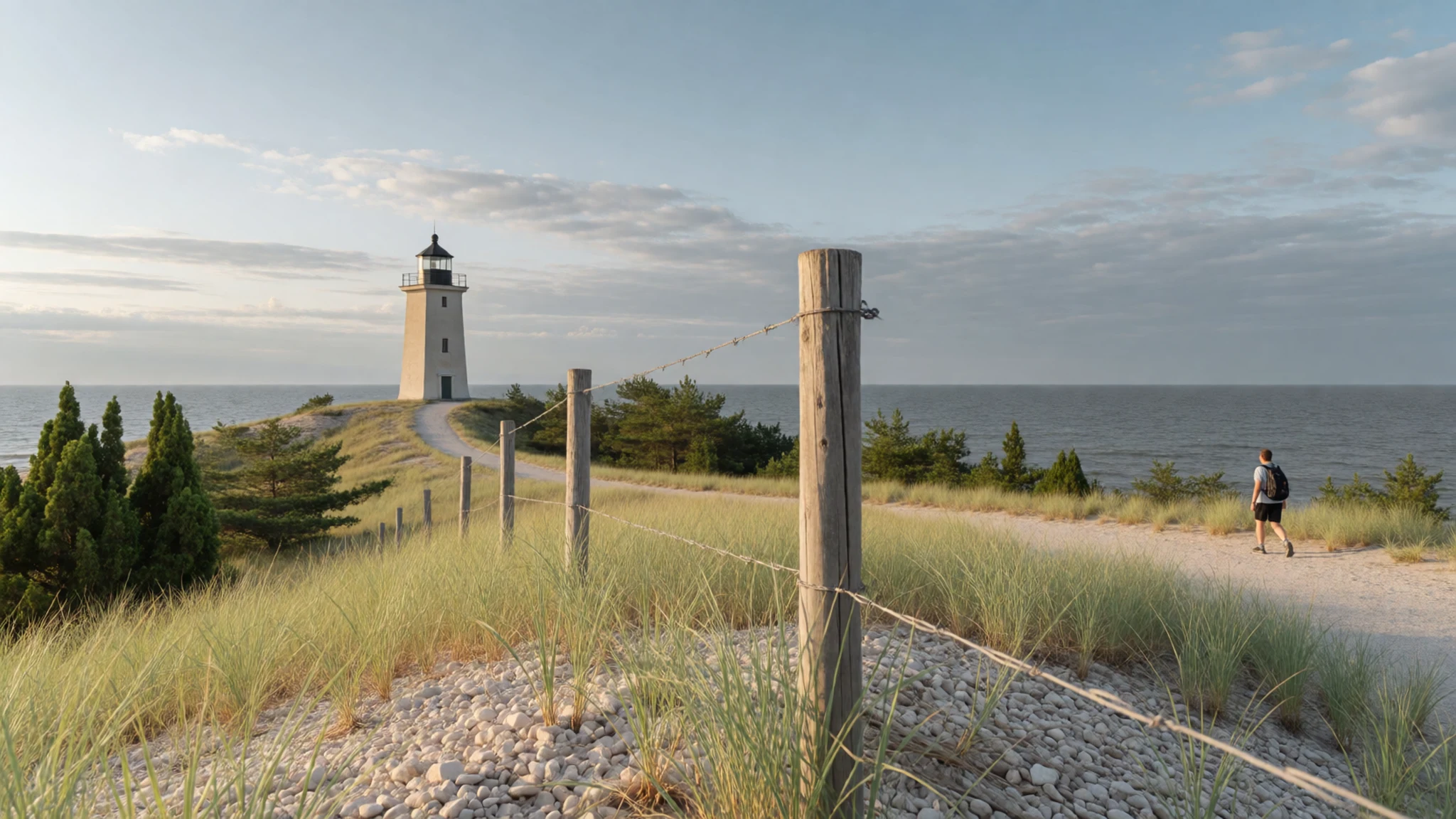
- Hiiumaa Military Museum — Tahkuna area
This museum covers the island's coastal defences, armaments and ammunition. Its showpiece is a huge cannon barrel from the Tahkuna Kukeraba battery. It is a useful stop for understanding why such a quiet island was fortified, and works well on a grey or windy day.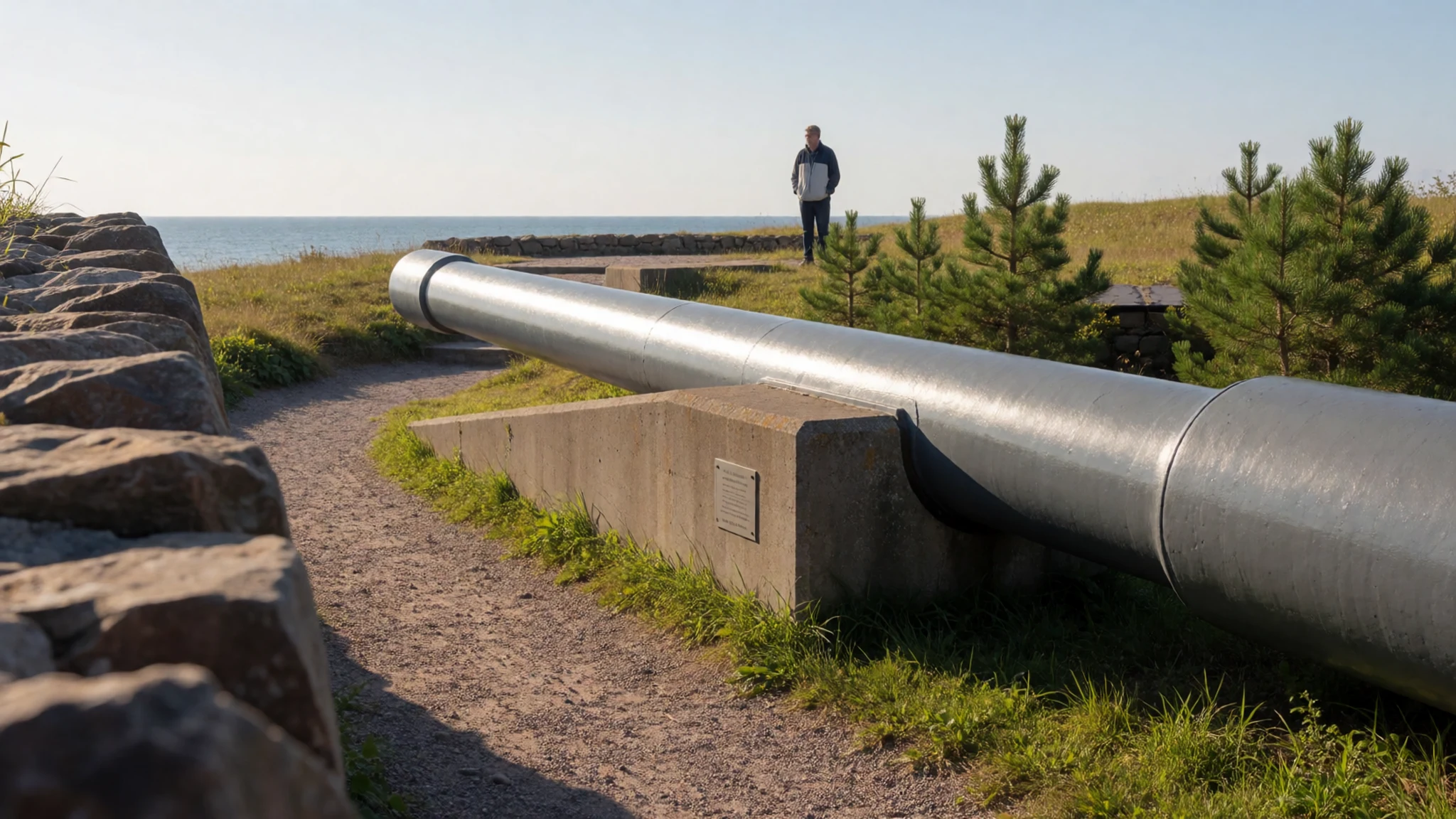
- Mihkli Farm Museum — Central-north Hiiumaa
Mihkli Farm Museum is the island's open-air museum, showing local building styles and everyday objects from the nineteenth century. Low farm buildings, thatch and timber give a clear picture of how islanders lived, farmed and made do with what the land and sea provided.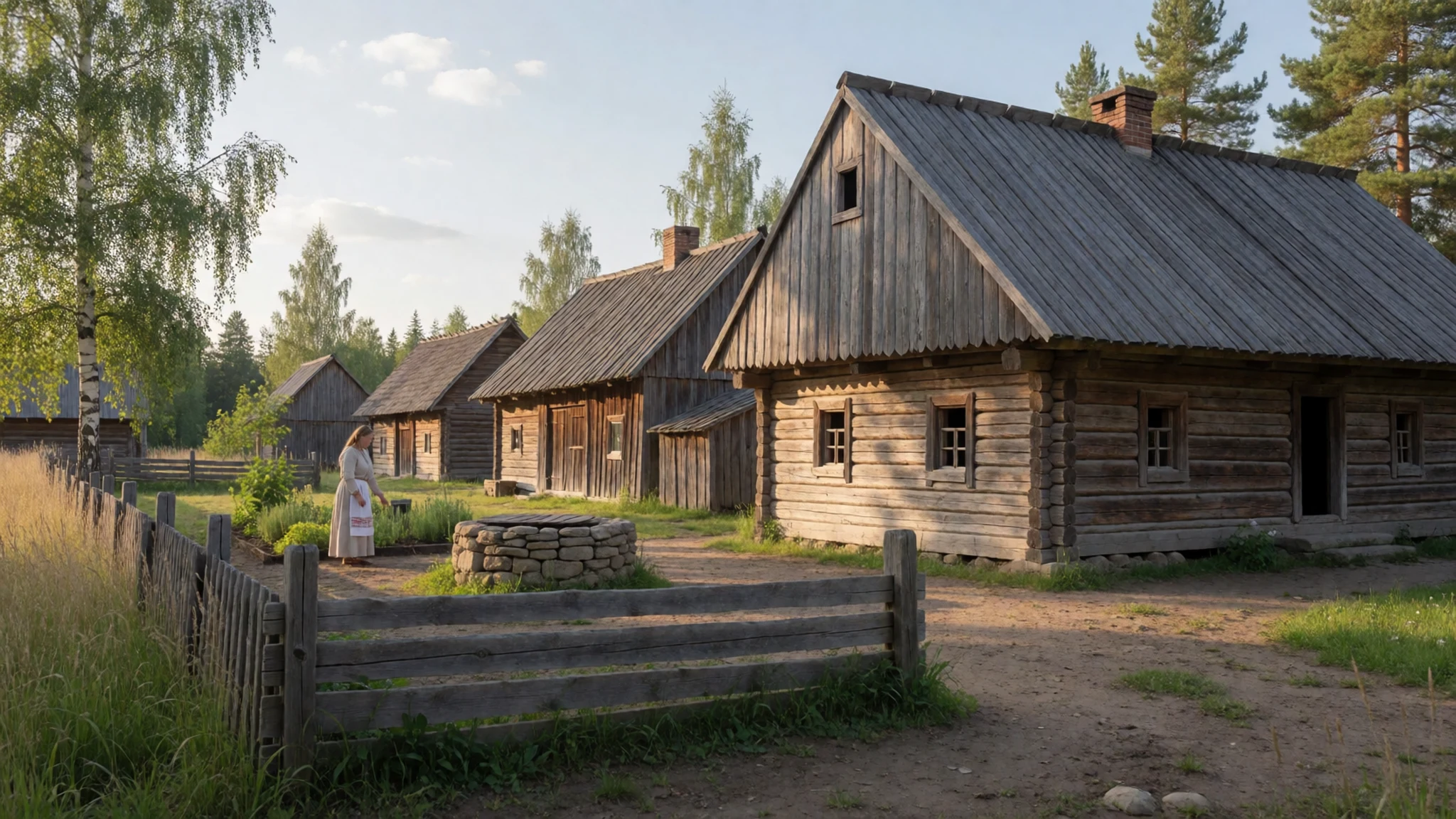
Culture
Hiiumaa has a culture shaped by isolation, the sea and a dry sense of humour. Islanders like to laugh at themselves, and the friendly rivalry with Saaremaa gives them endless material. The island belongs to the B7 Network, a loose grouping of the major Baltic islands, and it keeps a local identity, including its own speech, Hiiu, alongside standard Estonian.
Music runs deep. Juhan Maaker and Aleksander Maaker, both from Muda, played the torupill, the Estonian bagpipe, and Aleksander is remembered as the last traditional player. The composer and organist Rudolf Tobias was born in Selja. Such figures show a place small in numbers but strong in tradition.
Summer food culture centres on smoked, cooked plaice, a seasonal treat. Life outdoors matters too: the state forest company has set up free camping places with designated fire spots around the island, and many visitors treat the forests as a shared resource.
Hospitality is relaxed rather than formal. Expect quiet conversation, little hurry and a dislike of showiness. Locals are tolerant and easy to talk to, and a bit of self-mockery from a visitor goes down well.
Only light fires in the designated fireplaces at the free forest camping sites, and take all your rubbish away with you.
What to wear
Hiiumaa has no single costume that visitors will meet in daily life, but the island belongs to the Estonian folk-dress tradition, where wool, linen and hand-knitted work were the practical answer to a cold, windy coast. Striped skirts, woollen shawls, knitted mittens and socks are typical of the wider region, and are now mostly seen at festivals, folk music events and in museums such as the farm museum.
Everyday dress now is plain and practical: fleeces, windproof jackets, jeans, walking boots or trainers, and sunhats in summer. Islanders dress for the weather rather than for show, and nobody will look twice at outdoor gear in a restaurant or eatery.
For a visitor, the main issue is wind. Even in July and August the shore can feel cold, so bring a warm layer, a windproof shell and something for the head. A light waterproof helps on changeable days. Swimwear is fine on beaches, but carry a towel and a jumper for afterwards.
Footwear matters more than style. Lighthouse paths, forest tracks and shingle shores are best in sturdy shoes, and sandals are fine only for the sand. If you cycle, wear closed shoes and bring long sleeves for the evenings. Small chapels and churches, such as the one at Kassari, are informal, but modest, neat clothing is a courteous choice when you step inside.
What to eat
- Smoked plaice — Smokehouses and fish stalls near harbours in summer
Smoked, cooked plaice is a traditional summer delicacy on the island. The fish is soft, smoky and eaten fresh, usually with bread or potatoes. It tastes best in summer, when it is at its most traditional.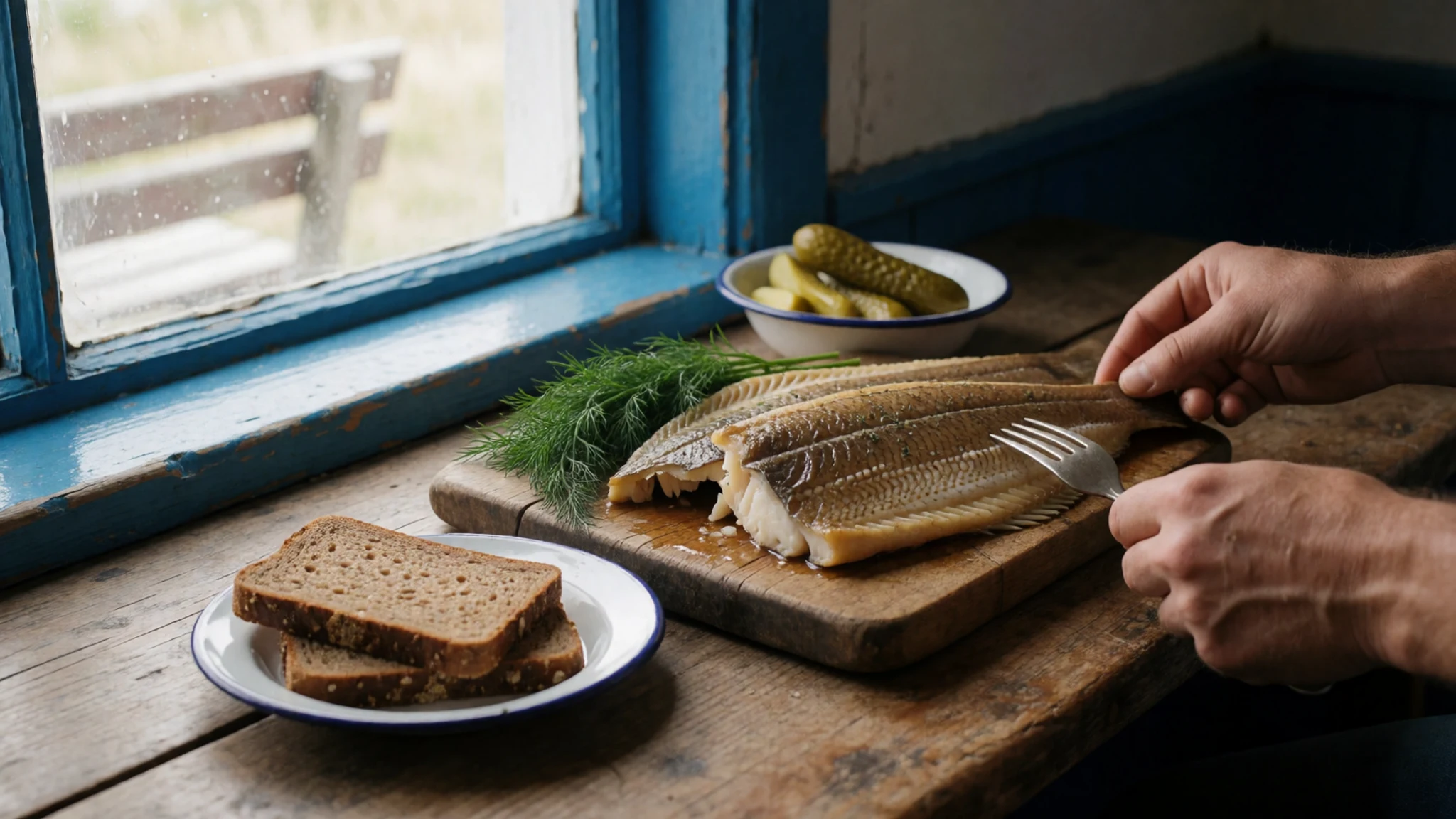
- Fresh island fish — Harbour pubs and small eateries
Fish is a staple on island menus, from pub kitchens to small harbour eateries. Expect local catch grilled, fried or smoked, usually with potatoes and a simple salad. Ask what came in that day.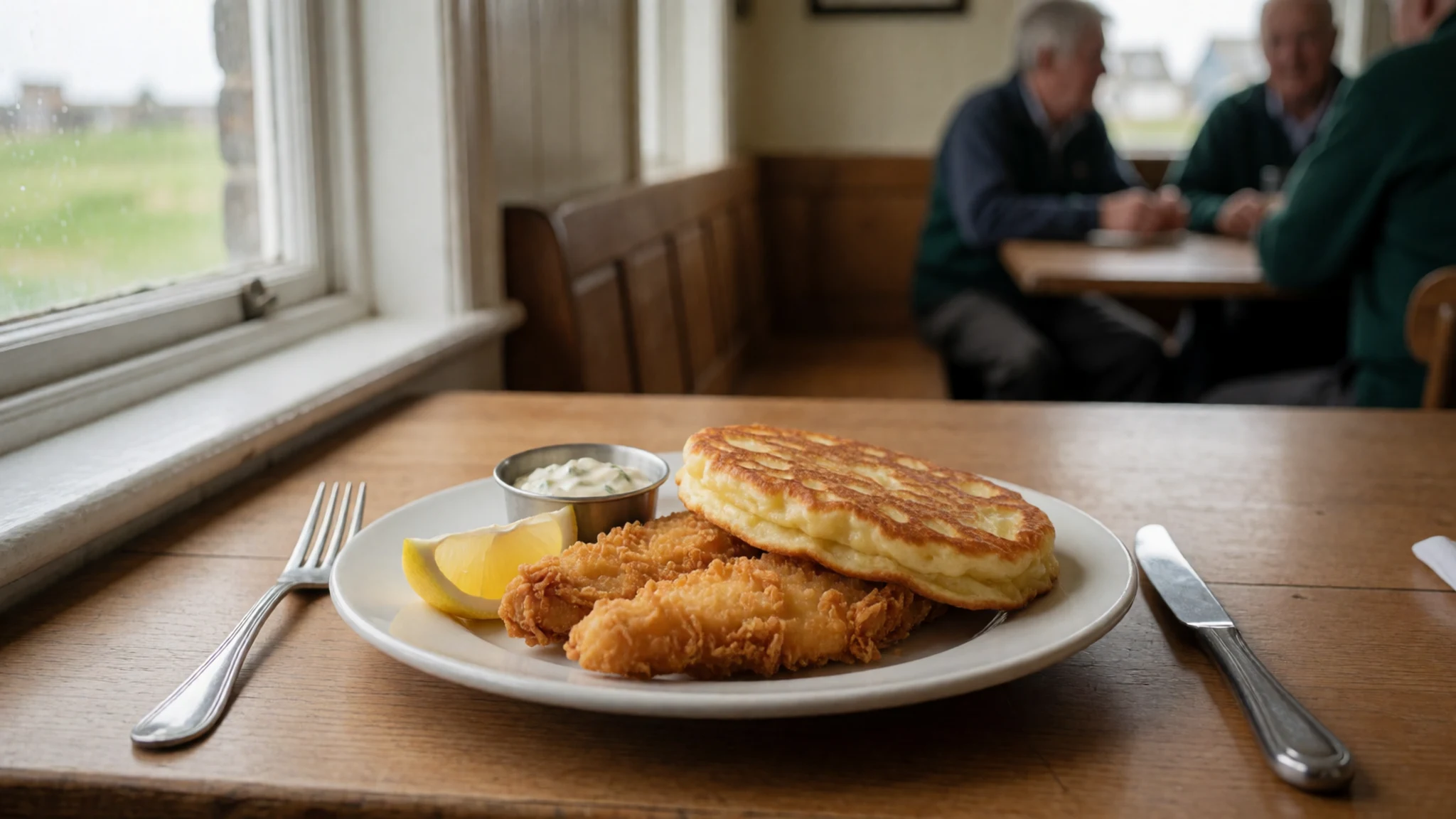
- Pancakes — The pub at Orjaku Port
Pancakes are a cheerful local favourite at port pubs, where they are served as a hearty, inexpensive finish to a meal. Fillings vary, so ask what is on offer. A good pick after a windy day outdoors. - Rye bread and farm food — Village cafés and farm museum areas
Dark rye bread, potatoes, dairy and preserved produce reflect a farming tradition. Simple plates built around these basics are common in village cafés and farm-style settings, and suit a cold coast.
Plan it
Best time. May to September, with July and August best for sunbathing. The sea moderates the climate, giving more sun and less rain than the mainland, but the coast stays windy.
How long. 3–4
Getting there. Fly from Tallinn to Kärdla in about 35 minutes, with daily flights year-round. Alternatively take a ferry from Rohuküla on the mainland to Heltermaa, about an hour, or from Triigi on Saaremaa to Sõru. A few buses run from Tallinn.
Budget. mid
Tips
- Hire a car or bicycle, since island buses are sparse
- Book ferries in advance and arrive early, especially in summer
- Pack a windproof layer even in July
- Check the official sites for ferry and flight timetables
- Use the free state forest campsites if camping, and keep to marked fire places
Etiquette
- Light fires only in designated places
- Take your rubbish with you
- Keep to fairways if boating, as the shallow sea has many rocks
Nearby
Sources
- Wikidata Q146530 (CC0)
- Wikipedia: Hiiumaa (CC BY-SA 4.0)
- Wikivoyage: Hiiumaa (CC BY-SA 4.0)
- Photo: Vaade Tahkuna tuletornist (Blizzard1) (CC BY 3.0)
- Photo: Kõpu Lighthouse (MasDom) (CC BY-SA 2.0)
- Photo: Tahkuna looduskaitseala (Margus6) (CC BY 3.0)
- Photo: Sääretirbi rannataimestik (Amadvr) (CC BY-SA 4.0)
- Photo: Estonia 2007 by municipality (Public domain)
- Photo: Tahkuna tuletorn, sunset (MinuHiiumaal) (CC BY-SA 3.0 ee)
- Photo: Kassari chapel (KalervoK) (Public domain)
- Photo: Tammela village farmhouse (KalervoK) (Public domain)


