Tallinn
Tallinn, Estonia
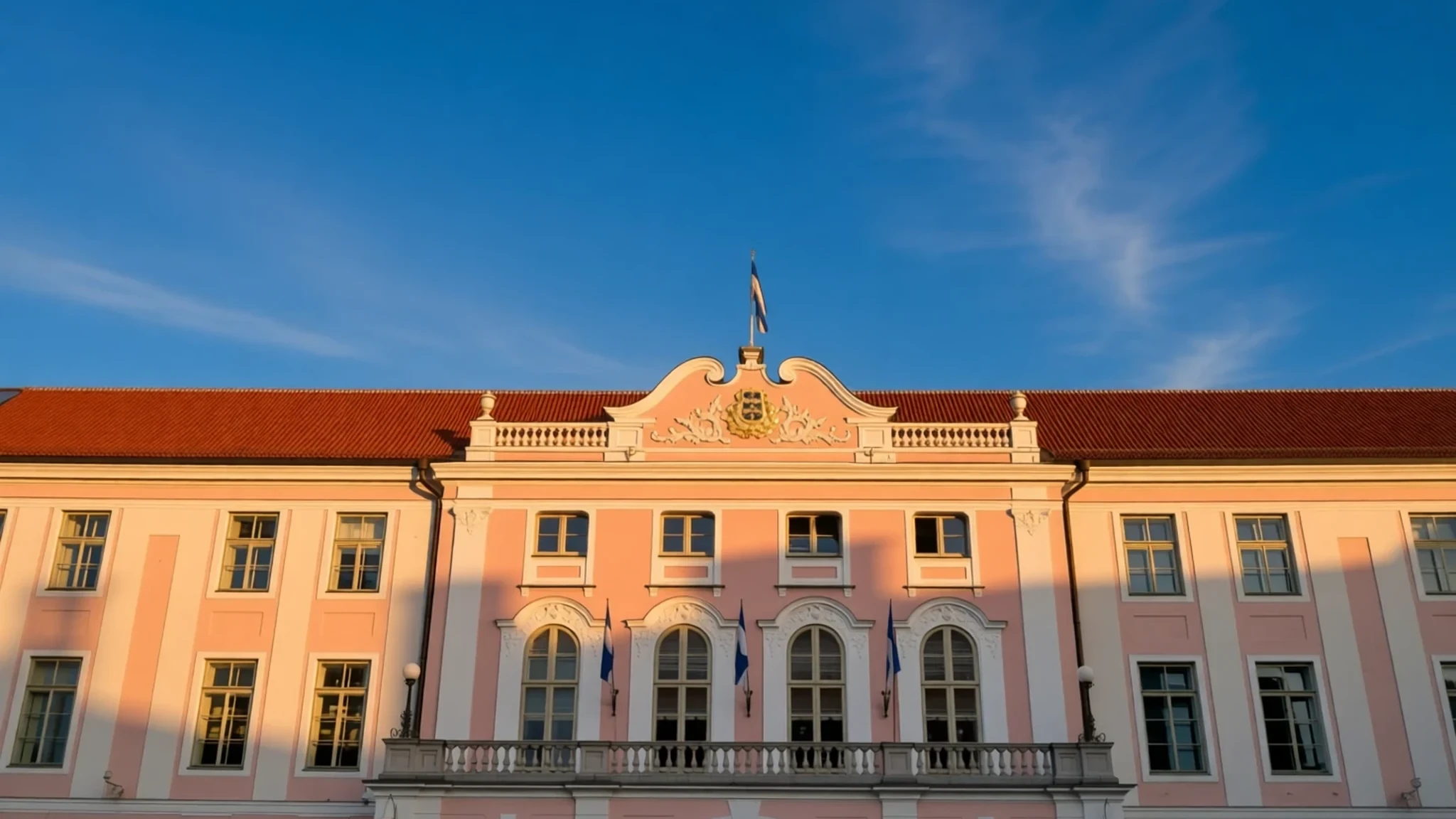
Tallinn blends a remarkably preserved medieval core with a forward-thinking digital spirit on the Baltic coast.
The place
Tallinn serves as the primary hub for Estonia, acting as its financial and cultural heart. Positioned on the southern coast along the Gulf of Finland, it is a compact city where history feels tangible. The landscape is defined by a stark contrast between the limestone walls of the upper town and the modern skyline that now punctuates the horizon. For a long time, much of the world knew the city as Reval, a name that recalls its days as a vital maritime gateway.
Walking through the centre, you will find a layout that has remained largely unchanged for centuries. The city is split between the Toompea hill, where the administration sits, and the lower town, where merchants once traded their wares. It is a walkable destination, though the uneven cobblestones can be taxing on the feet. While it is the largest city in the country, it retains a quiet, atmospheric quality, especially in the narrow alleys away from the main squares. The air is often salty and cool, reflecting its proximity to the Baltic Sea. It is a place where the digital age—Estonia is famous for its e-governance—meets a world of iron gates and torch-lit cellars, creating a unique rhythm of life that feels both ancient and immediate.
Its story
The story of Tallinn begins long before the formal city rights were granted. Evidence of early human settlement, including distinctive pottery, suggests that hunter-fishers lived here thousands of years ago. By around 1050, a fortress was established on Toompea hill, marking the spot as a strategic point of control. Because it sat on a primary trade route connecting western Europe to Novgorod, the site became a prize for competing powers. During the Northern Crusades, the Kingdom of Denmark and the Teutonic Order vied for influence, eventually bringing Roman Catholicism to the region through force.
Under Danish rule, the settlement grew into a proper town and later joined the Hanseatic League. This mercantile alliance transformed the city into a powerhouse of trade, making it a critical port for the Gulf of Finland. The city's architecture still reflects this era of German-dominated commerce and Baltic trade. Over the following centuries, the city changed hands multiple times, passing through Swedish and Russian control. Each era left its mark, from the imposing Orthodox cathedrals of the Imperial Russian period to the austere administrative buildings of the late eighteenth century. The city's identity has always been a dialogue between its local Estonian roots and the foreign powers that sought to control its lucrative harbour.
What to see
- Toompea Castle — Toompea
The seat of the Estonian Parliament, this complex is a mix of different eras. It features several towers built during the Danish period and serves as the administrative heart of the nation, offering commanding views over the lower town from its high walls.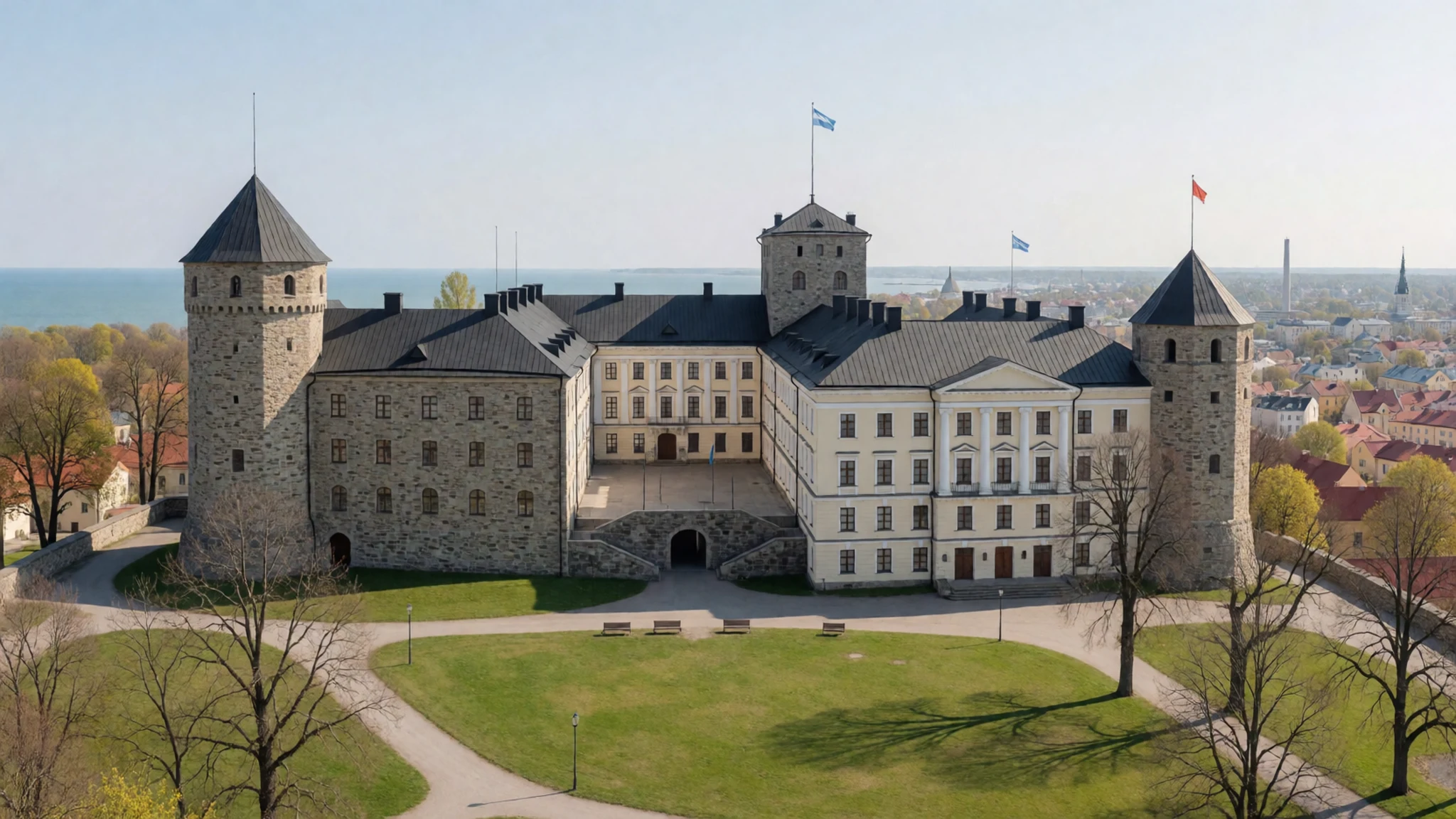
- Alexander Nevsky Cathedral — Toompea
This Russian Orthodox church is famous for its striking onion domes. It was constructed during a period of intense Russification when the city was part of the Russian Empire, and it remains a vivid symbol of that historical era.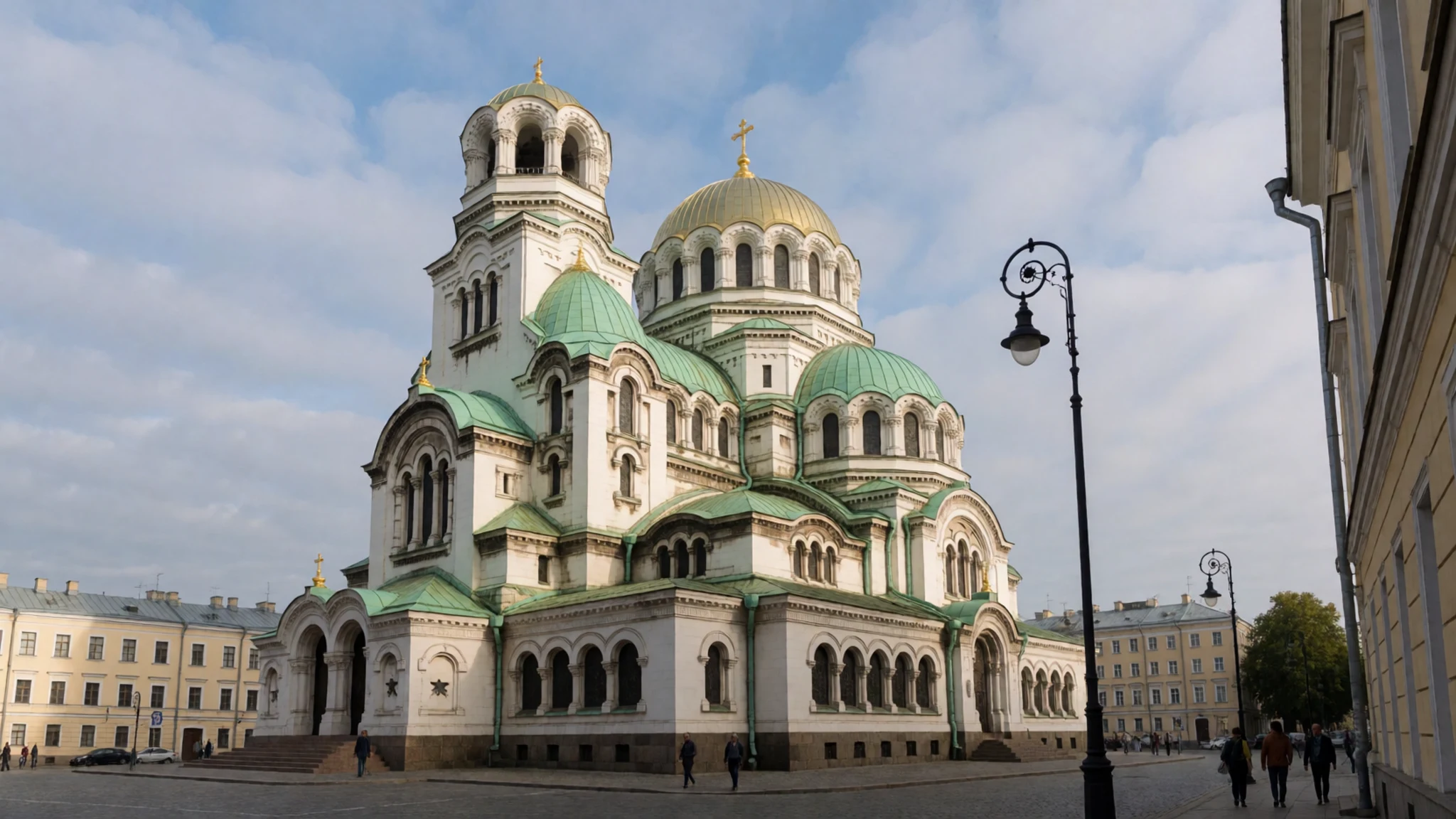
- St. Mary's Cathedral — Toompea
As the oldest church in the city, this building has seen many transformations. Originally built for Catholic worship, it later became a Lutheran church, and its interior reflects centuries of renovations and expansions to accommodate its congregation.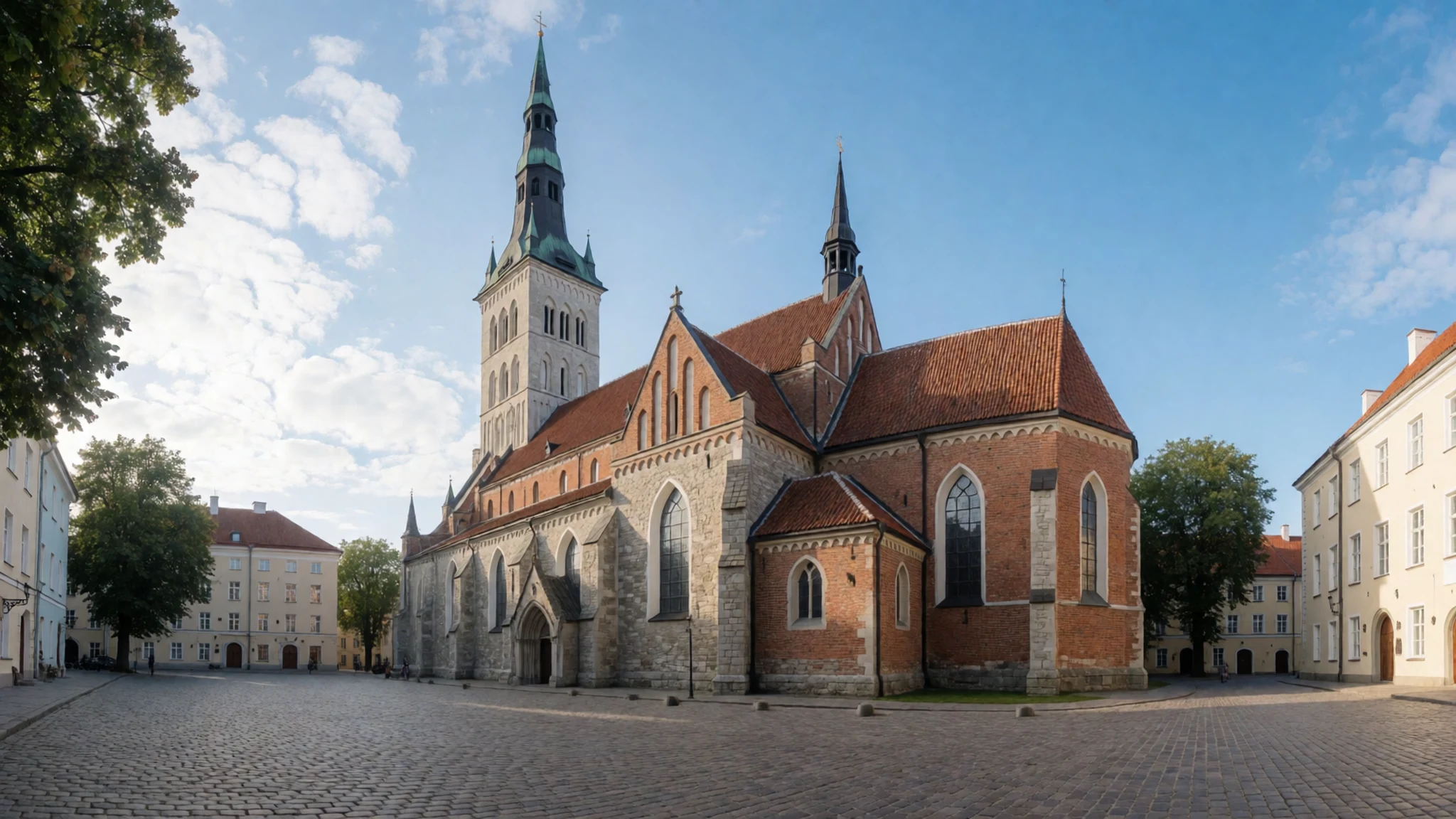
- Stenbock House — Toompea
Now the home of the Estonian government, this elegant building was originally designed as a courthouse. Its classical architecture stands as a reminder of the Russian authorities who commissioned its construction in the late eighteenth century.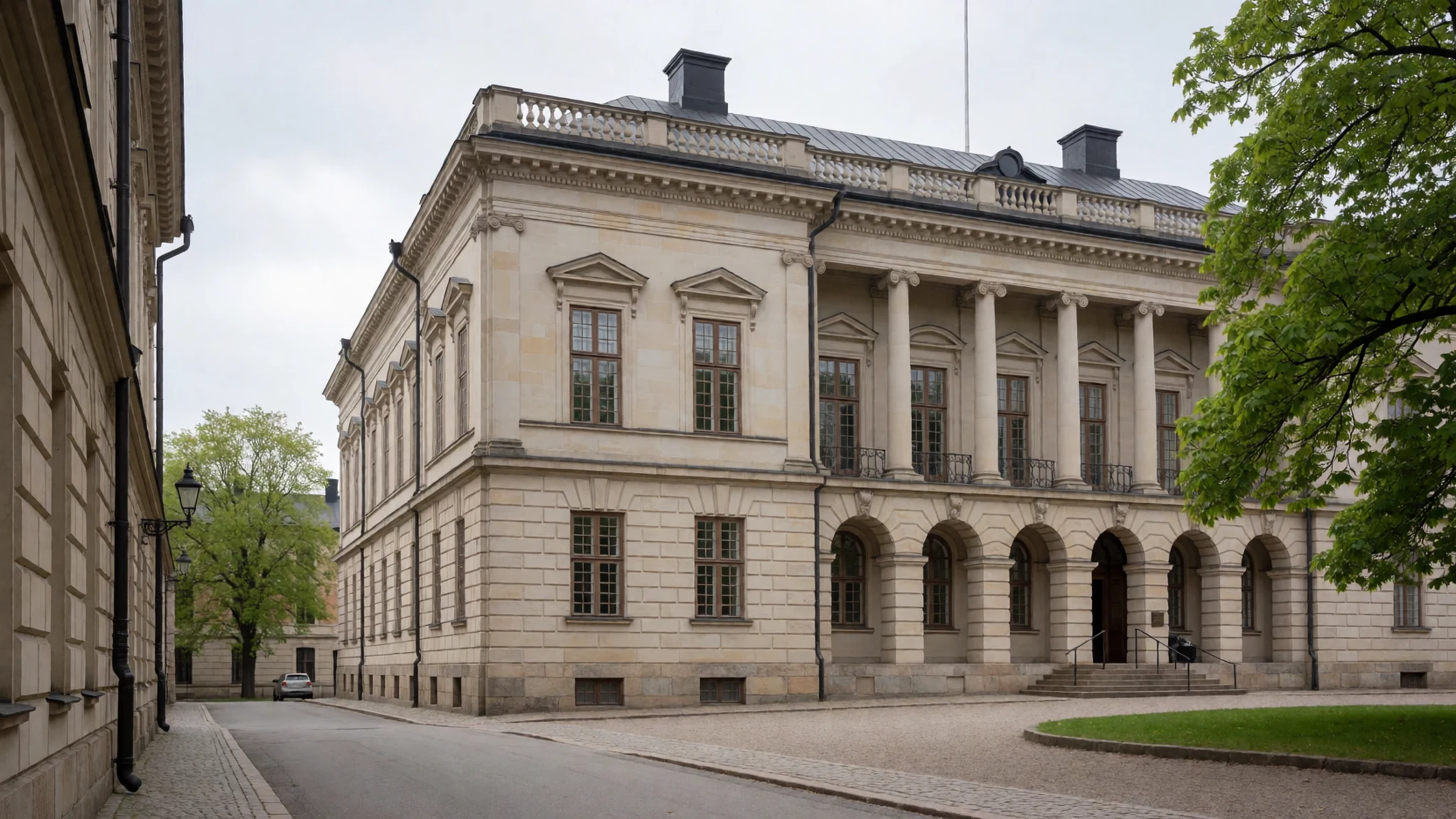
- Raekoja plats — Old Town
The Town Hall Square is the social centre of the lower town. It is surrounded by medieval buildings and is the primary spot for festivals, Christmas markets, and the city's most traditional outdoor cafes and eateries.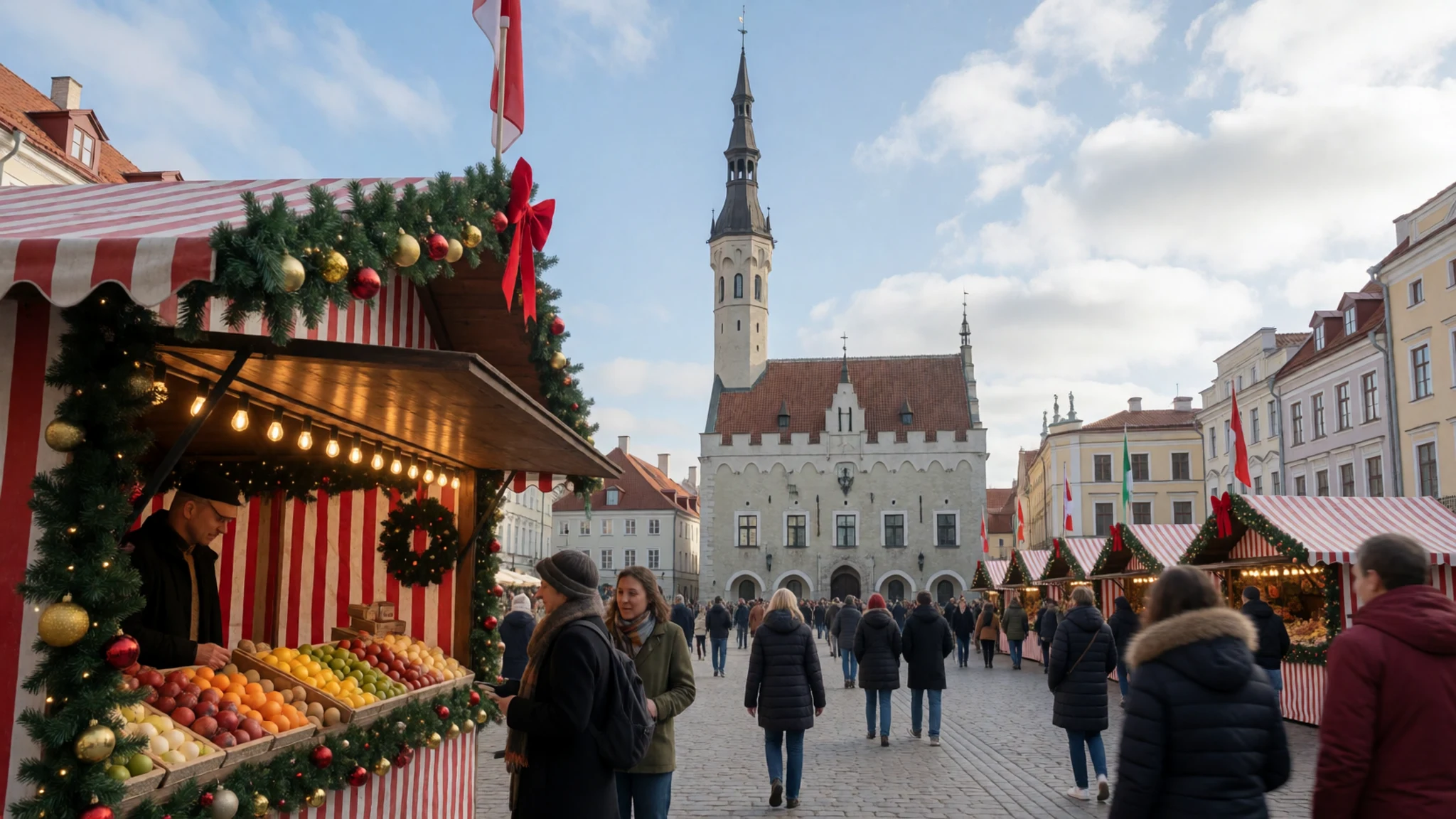
Culture
Tallinn is a city of subtle contrasts, where a reserved Northern European temperament meets a fierce pride in national identity. The people are generally polite but value their personal space and privacy, mirroring the quiet efficiency of their digital society. While the city has a deep history of being ruled by foreign powers, there is a strong, contemporary emphasis on the Estonian language and heritage. This is particularly evident in the arts and the preservation of the Old Town. Religion is present but often takes a backseat to a more secular, pragmatic worldview. In recent decades, the city has rebranded itself as a global tech hub, meaning you will find a high concentration of startups and digital nomads alongside the traditional craftsmen of the medieval streets. This blend makes the city feel accessible yet mysterious. When referring to the city, always use the spelling 'Tallinn' rather than the Russian-influenced 'Tallin'.
Maintain a quiet tone when visiting residential areas or churches to respect the local preference for tranquility.
What to wear
Tallinn's traditional dress is rooted in agricultural life, featuring heavy woollen textiles and linen. Traditional Estonian costumes often include intricate embroidery and woven belts, worn primarily during folk festivals or national holidays to celebrate ethnic heritage. In the modern day, the city's style is understated and functional. Residents favour a neutral palette—blacks, greys, and navy—with a strong emphasis on high-quality outerwear to combat the Baltic wind. Minimalist Scandinavian influences are dominant, and 'smart casual' is the standard for most urban environments.
Visitors should dress in layers regardless of the season. In summer, light fabrics are fine, but a windbreaker is essential. In winter, heavy thermal wear, woollen socks, and waterproof boots are mandatory for navigating the frozen streets. For the Old Town, sturdy walking shoes with good grip are non-negotiable, as the medieval cobblestones are uneven and can be slippery when damp. Modest dress is appreciated in churches, though there are no strict requirements for general sightseeing.
What to eat
- Pastries and Coffee — Old Town
Sweet and savoury baked goods served in a historic setting. You can find these at the oldest operating café in the city, where the atmosphere evokes a bygone era of European coffee culture.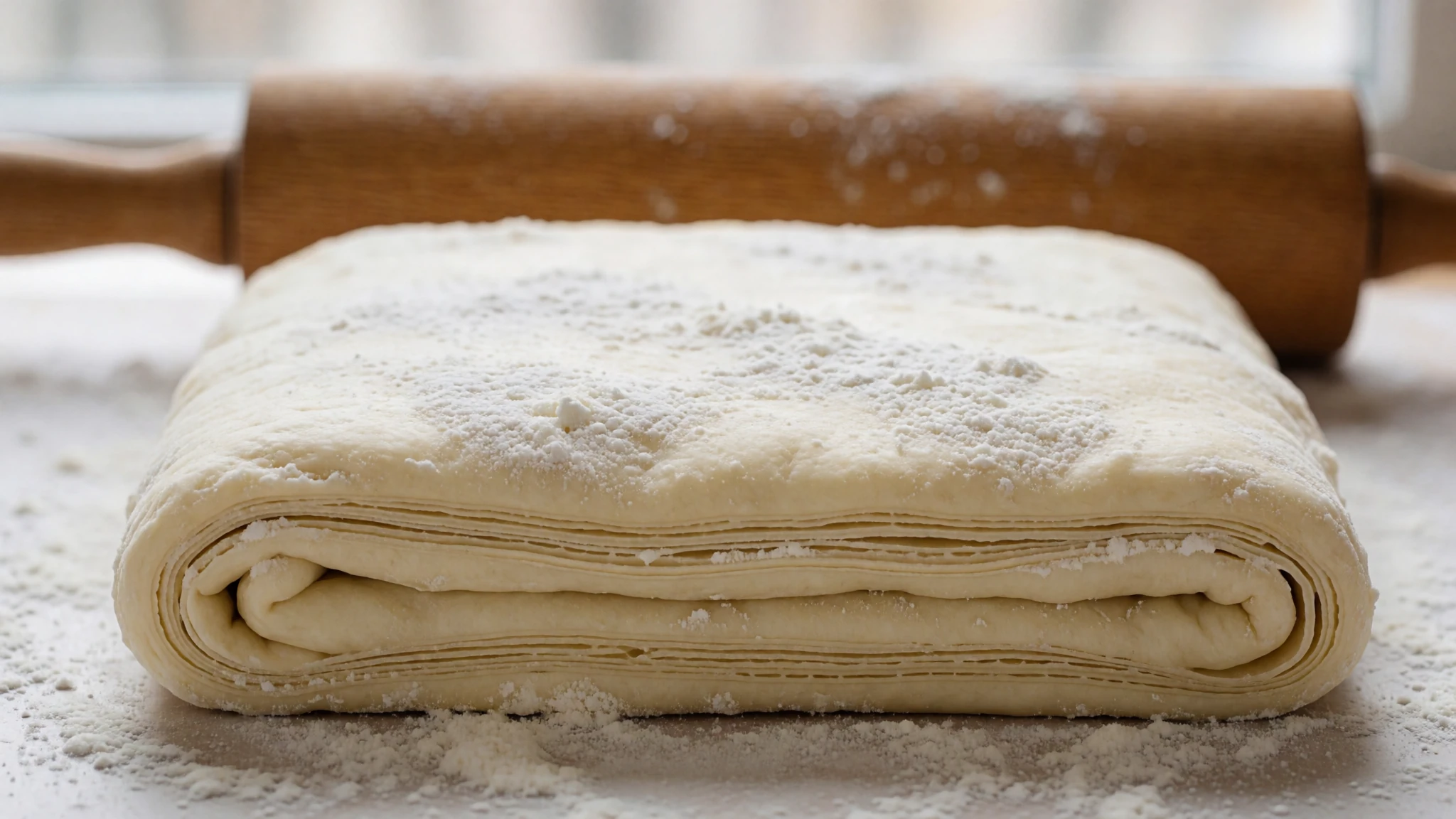
- Savoury Pancakes — Old Town
Hearty pancakes paired with local drinks like kvass. These are best found in the traditional pubs of the lower town, providing a filling meal that suits the colder climate.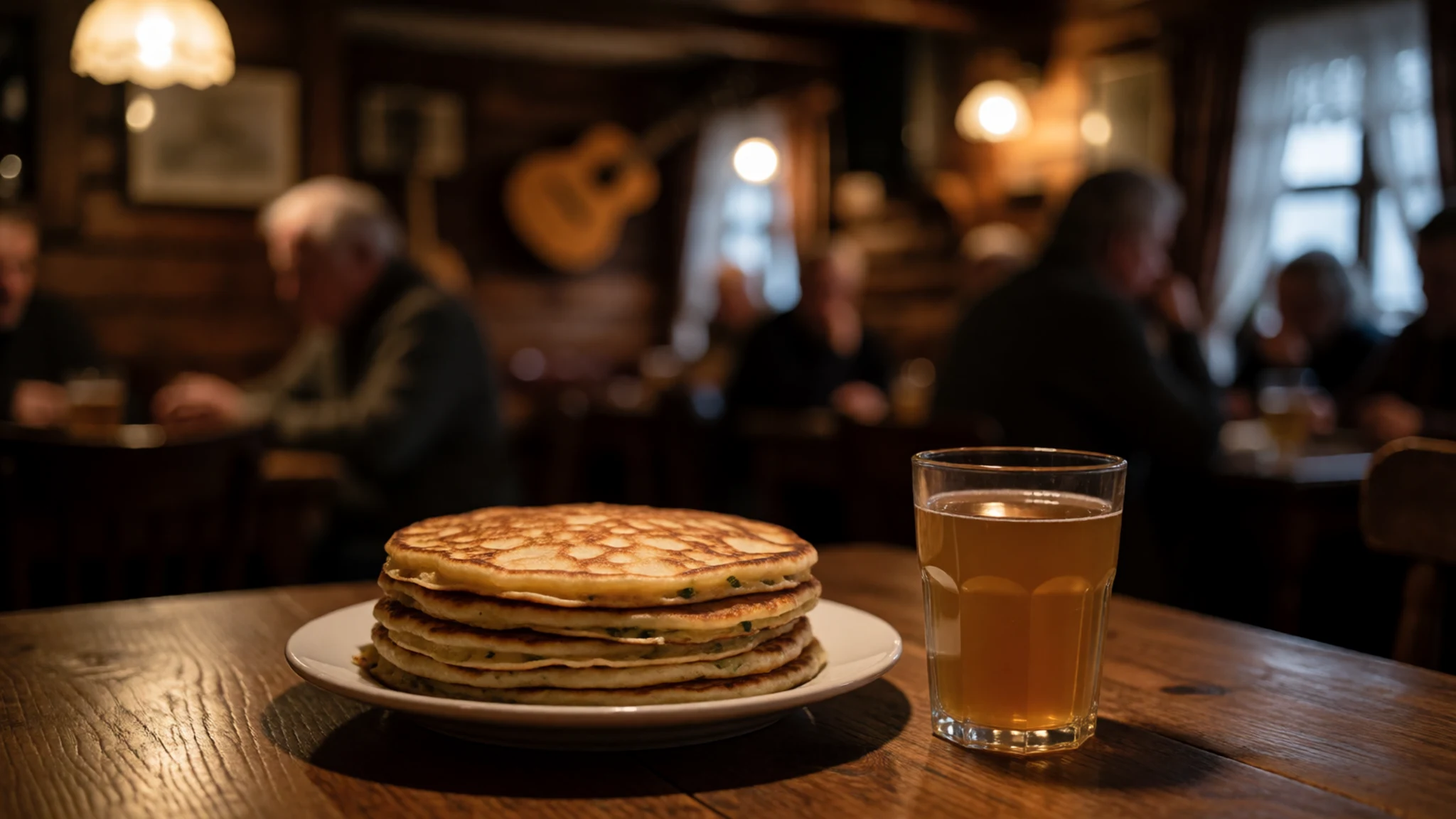
- Medieval-style Fare — Raekoja plats area
Rustic, historic dishes served in an atmospheric environment. These typically include game meats and hearty stews, found in themed eateries near the main square. - Ukrainian Borsch and Varenyky — Lower Town
Home-style Ukrainian beet soup and dumplings. These comfort foods are available at specialised eateries that bring a taste of Eastern European home-cooking to the city. - Modern Bistro Fare — Rotermann Quarter
Contemporary interpretations of local and international dishes. These are typically served in repurposed industrial spaces that have been turned into chic, high-ceilinged dining halls.
Plan it
Best time. May to June for pleasant temperatures and long days, or September for the autumn colours; winter is for those who enjoy Christmas markets and snow.
How long. 2–3
Getting there. Fly into Tallinn Airport or take a ferry from Helsinki, which arrives at the Reisisadam port. From the port, you can walk to the centre or take a tram.
Budget. mid
Tips
- Wear comfortable, thick-soled shoes for the cobblestones
- Use the ferry from Helsinki for a quick Baltic crossing
- Explore the Old Town early in the morning to avoid cruise ship crowds
- Cards are accepted almost everywhere, but keep some small change for markets
Etiquette
- Avoid using the spelling 'Tallin' in writing
- Keep noise levels low in residential courtyards
- Respect the queues at popular ferry terminals
Nearby
Sources
- Wikidata Q1770 (CC0)
- Wikipedia (CC BY-SA 4.0)
- Wikivoyage (CC BY-SA 4.0)