Haapsalu Castle
Haapsalu Castle, Estonia
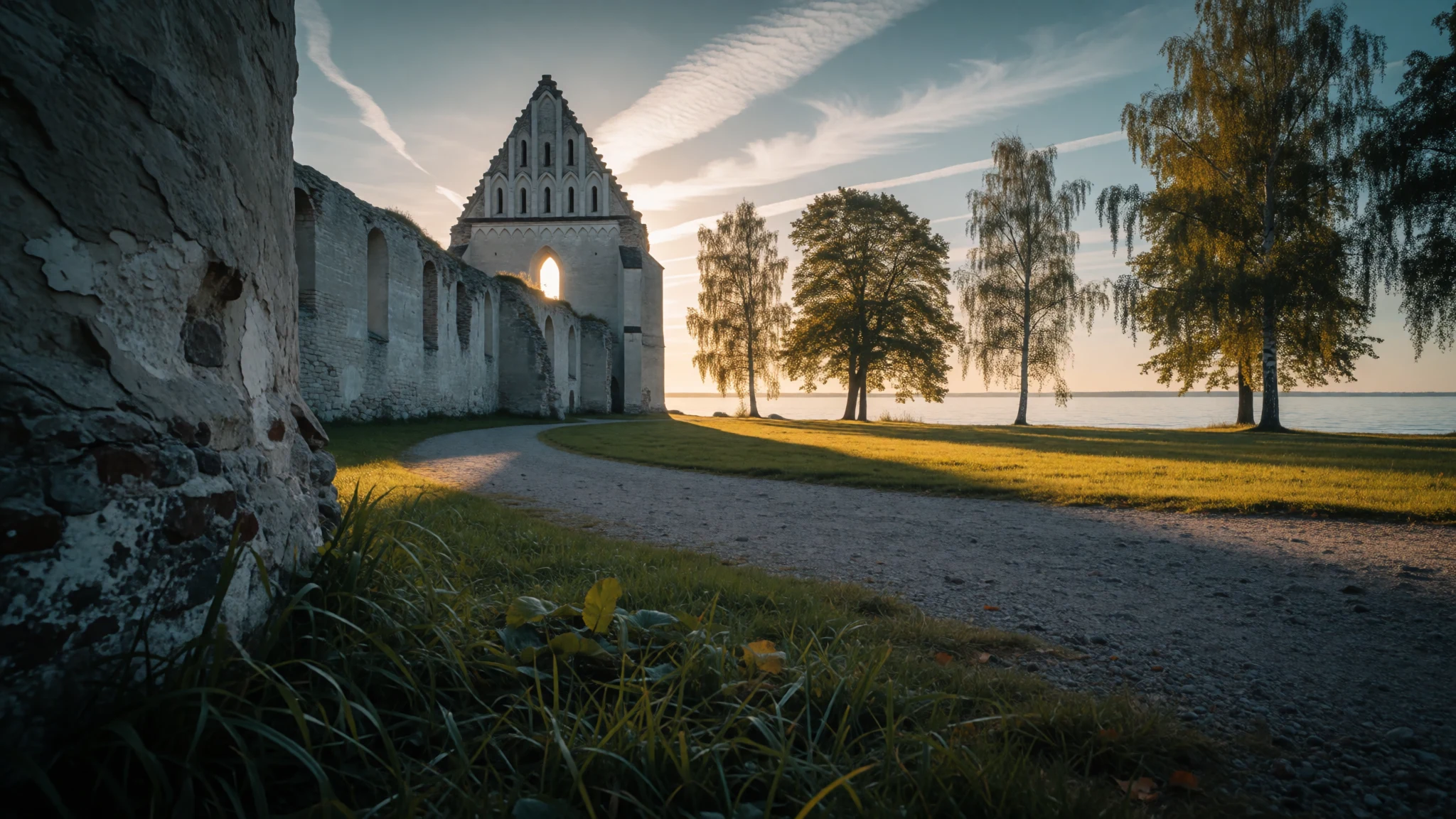
A bishop's thirteenth-century castle and cathedral, now atmospheric ruins on Estonia's western coast, with a ghost story reserved for August full moons.
The place
Haapsalu Castle sits at the edge of the small seaside town of Haapsalu in western Estonia, and it is part fortress, part cathedral and part open-air ruin. Wikidata dates its founding to about 1201, and it served as the seat of the Bishopric of Ösel-Wiek, so the walls once held both a church and the household of a bishop. Today the ruined stonework, the thick outer walls and the cathedral interior make a compact site that can be covered slowly in a couple of hours. Grass and gravel fill the spaces where floors and halls once stood, and the pale stone changes with the light: grey on overcast days, warmer near sunset. The grounds are also used for events. Photographs show an exhibition of American cars parked among the ruins one July, so a visit can be quiet or busy depending on the date. Crowds are usually lighter than in Tallinn, though summer weekends bring more people, and the wind off the Baltic can make an exposed wall feel cold even in midsummer. The legend of the White Lady, said to appear on the chapel's inner wall during August full moons, draws a following of its own. Haapsalu itself is small and walkable, so the castle is easy to combine with a stroll beside the sea.
Its story
Haapsalu Castle exists because a bishop needed a safe home. In 1228 Albert of Riga, the archbishop, carved out a new diocese covering Läänemaa, Saaremaa and Hiiumaa and put Gottfried, an abbot from the Cistercian house at Dünamünde, in charge. The bishopric was recognised as a state of the Holy Roman Empire that same year, and the legate Wilhelm of Modena settled its borders in 1234. The first seat was Lihula, where a stone stronghold went up with help from the Livonian Brothers of the Sword. Living beside such a powerful order proved awkward, so the bishop moved to Perona, which Lithuanian raiders later burned. Haapsalu was then chosen as the permanent centre, and work began on a fortified residence with a cathedral at its heart. Building was slow: the castle kept growing for about three centuries, which is why it reads as a layered site rather than the product of one plan. Its history belongs to Baltic politics, with church power, rival orders and neighbouring rulers all pressing on a small coastal town. The White Lady legend, a maiden's image said to show on the chapel wall under an August full moon, grew up around those stones and gives the ruins a ghost story to match their history.
What to see
- The cathedral interior — Inside the castle walls
The cathedral interior is the core of the visit. Walls rise around an open floor, and the proportions of the church are easy to read even where fittings are missing. Light falls across the stone and changes the mood between midday and evening. It is worth standing still here for a few minutes rather than rushing on to the next corner.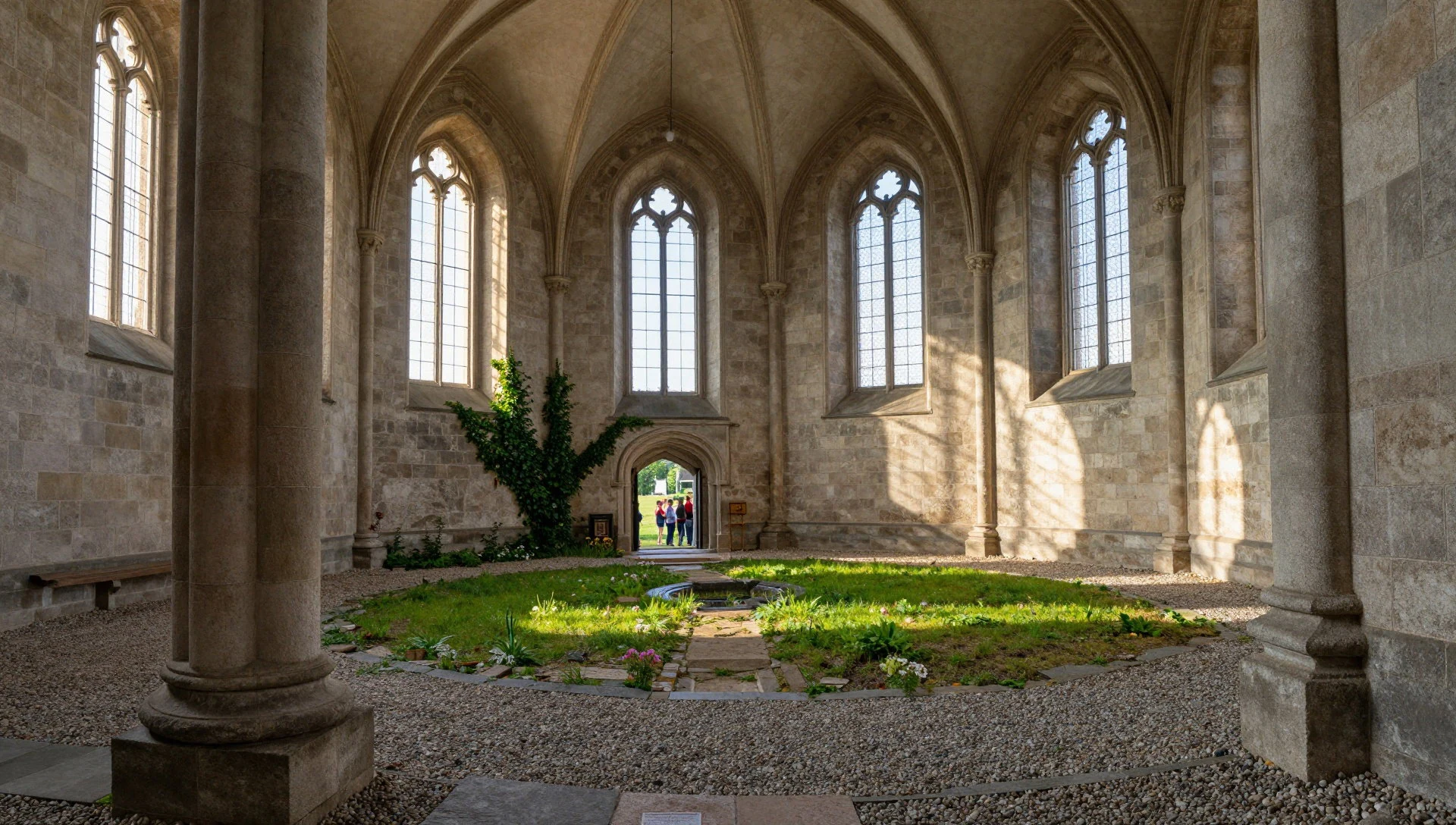
- The Mother's altar — Inside the castle walls
Reference photographs record a Mother's altar inside the castle, a modest stone feature rather than a grand monument. It repays a pause because it reminds visitors that this was a working religious centre as well as a defended compound. Site signs or staff can point out where it is.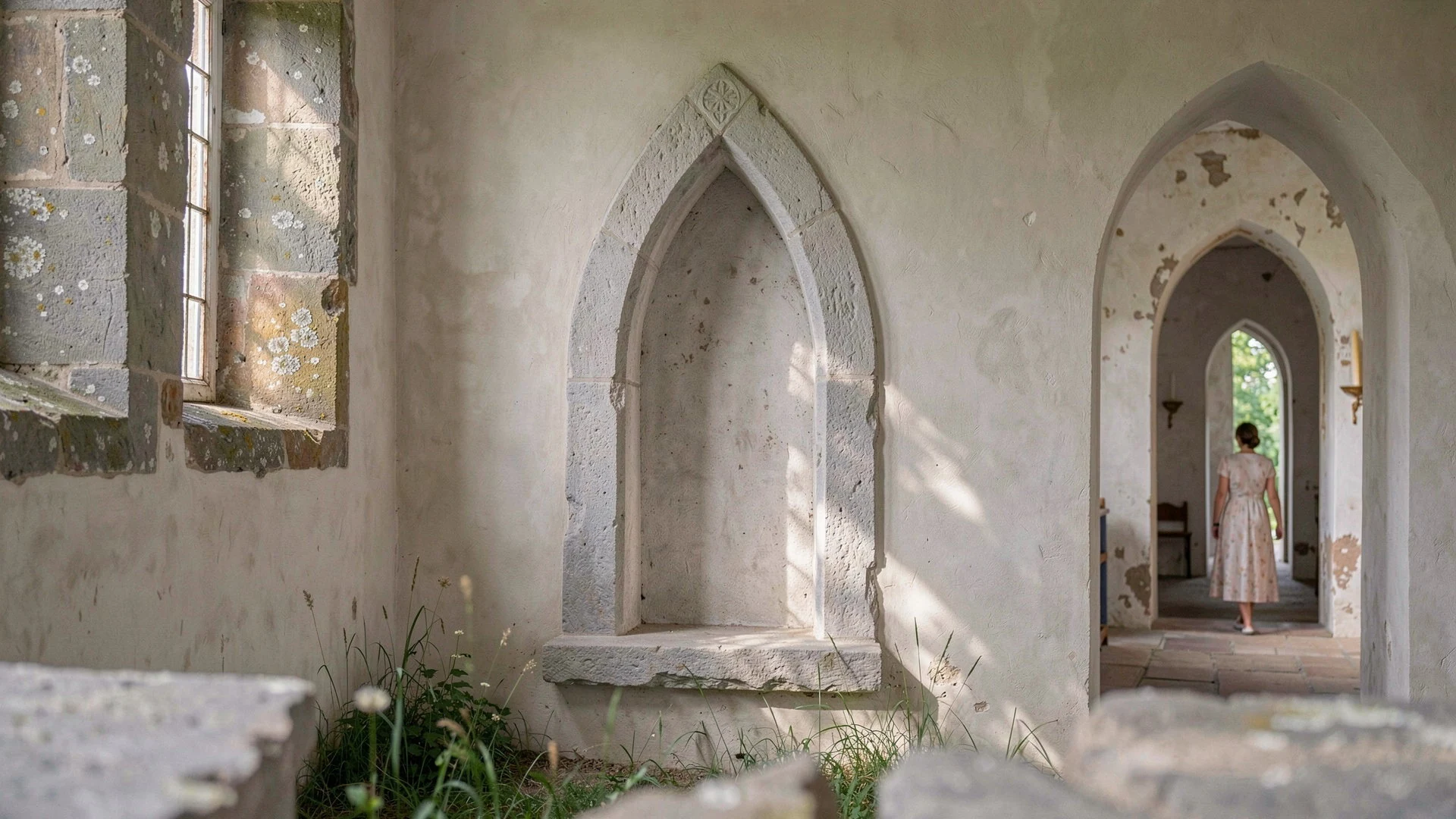
- The chapel wall and the White Lady — The chapel
The chapel's inner wall is the setting for the White Lady legend. According to the story, a maiden's image appears there during August full moons. Nothing is guaranteed, and the wall is worth a look in daylight regardless, but the tale explains why some visitors time a trip for the end of summer.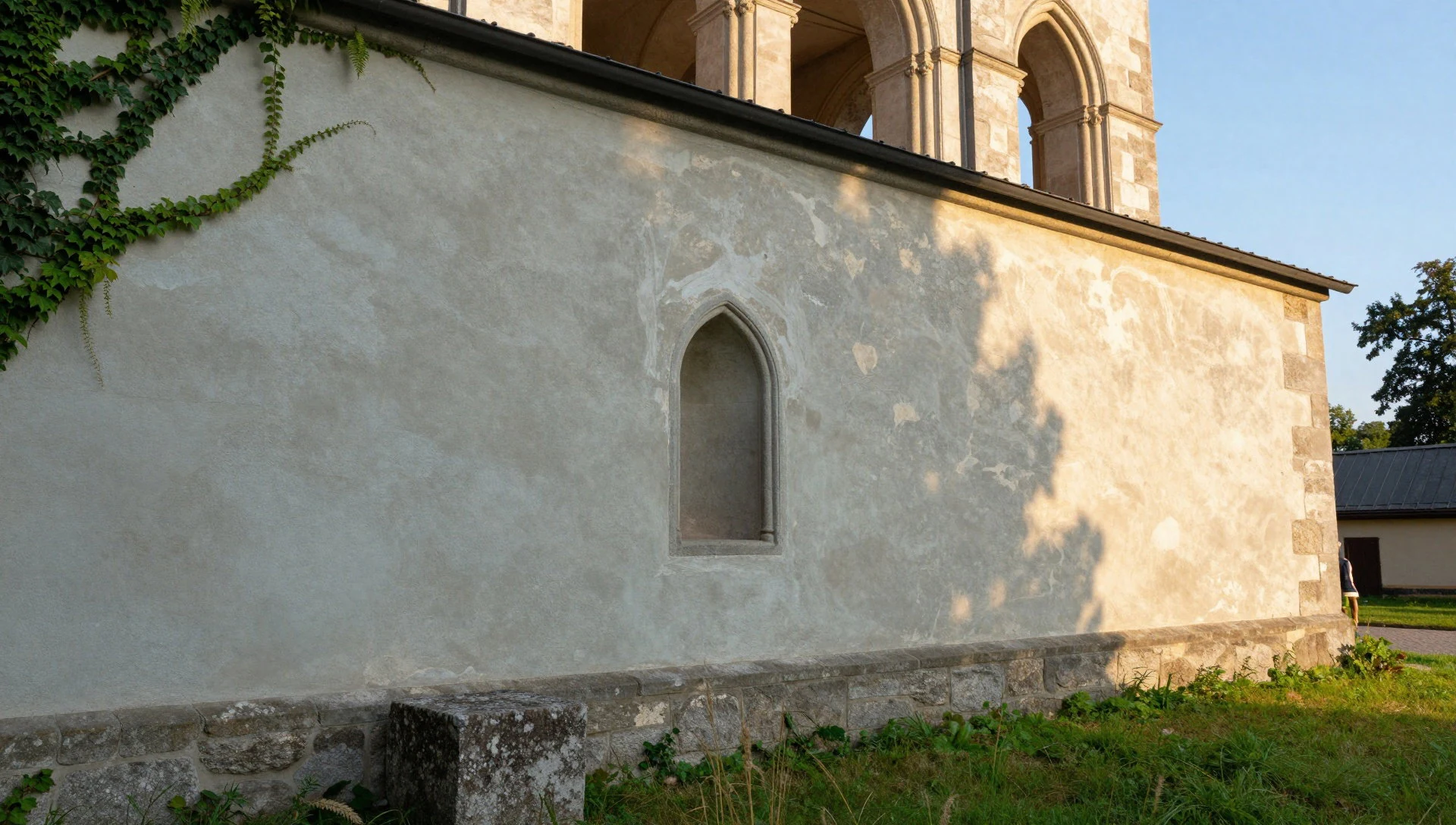
- The outer walls from the north — North side of the castle
The outer walls, seen from the north side, show the castle as a defended compound. Stretches of masonry survive at different heights, with gaps where sections have fallen. A walk around the outside gives context the interior does not: how the walls meet the grass and how the whole complex sits within the town.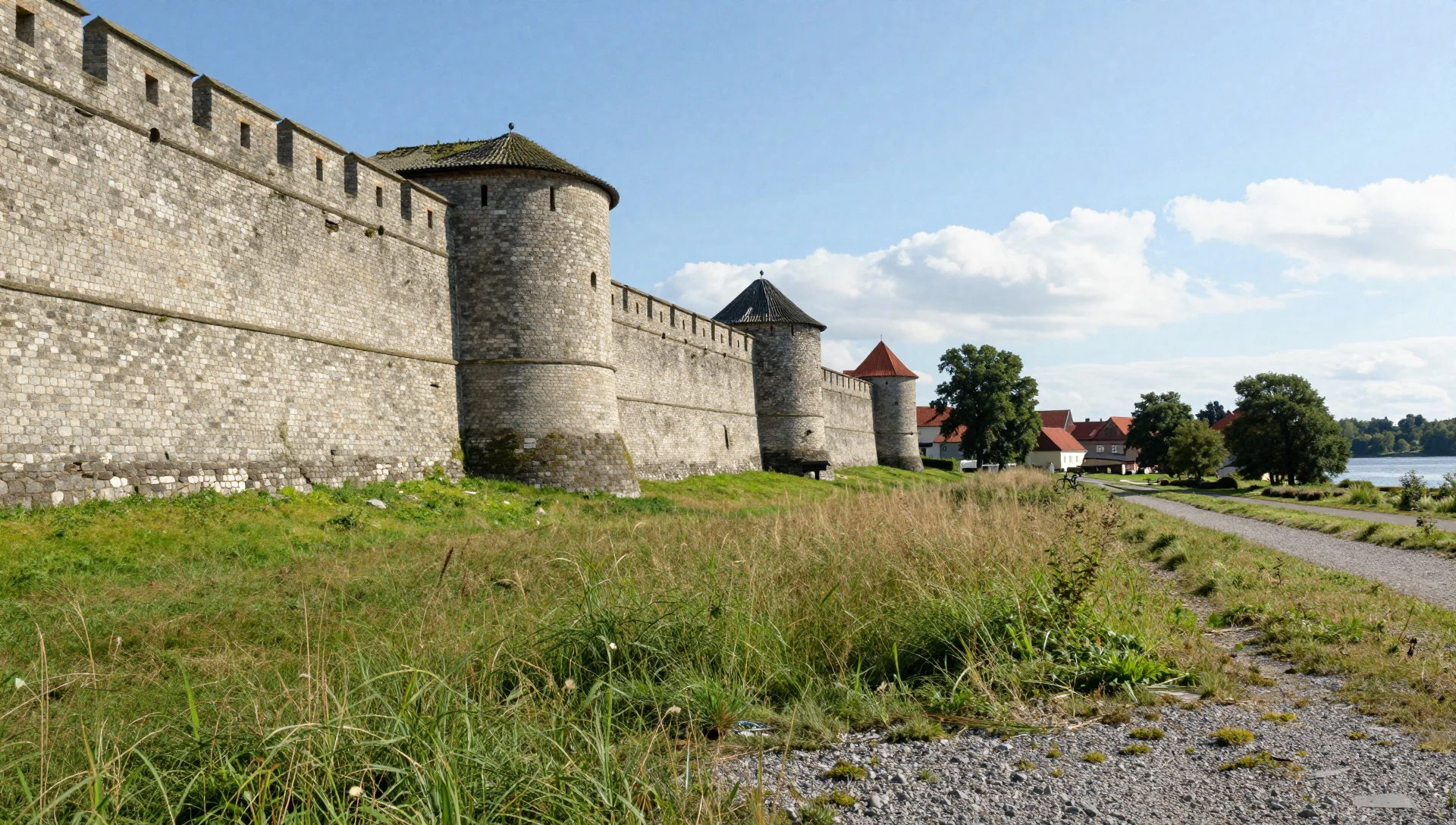
- The open grounds — Castle grounds
The open grounds inside the ruins work as an outdoor venue. Photographs of a July car show among the stones show how easily the space takes a crowd, and the setting suits open-air events generally. Dates change from year to year, so check local event listings before travelling if an event matters.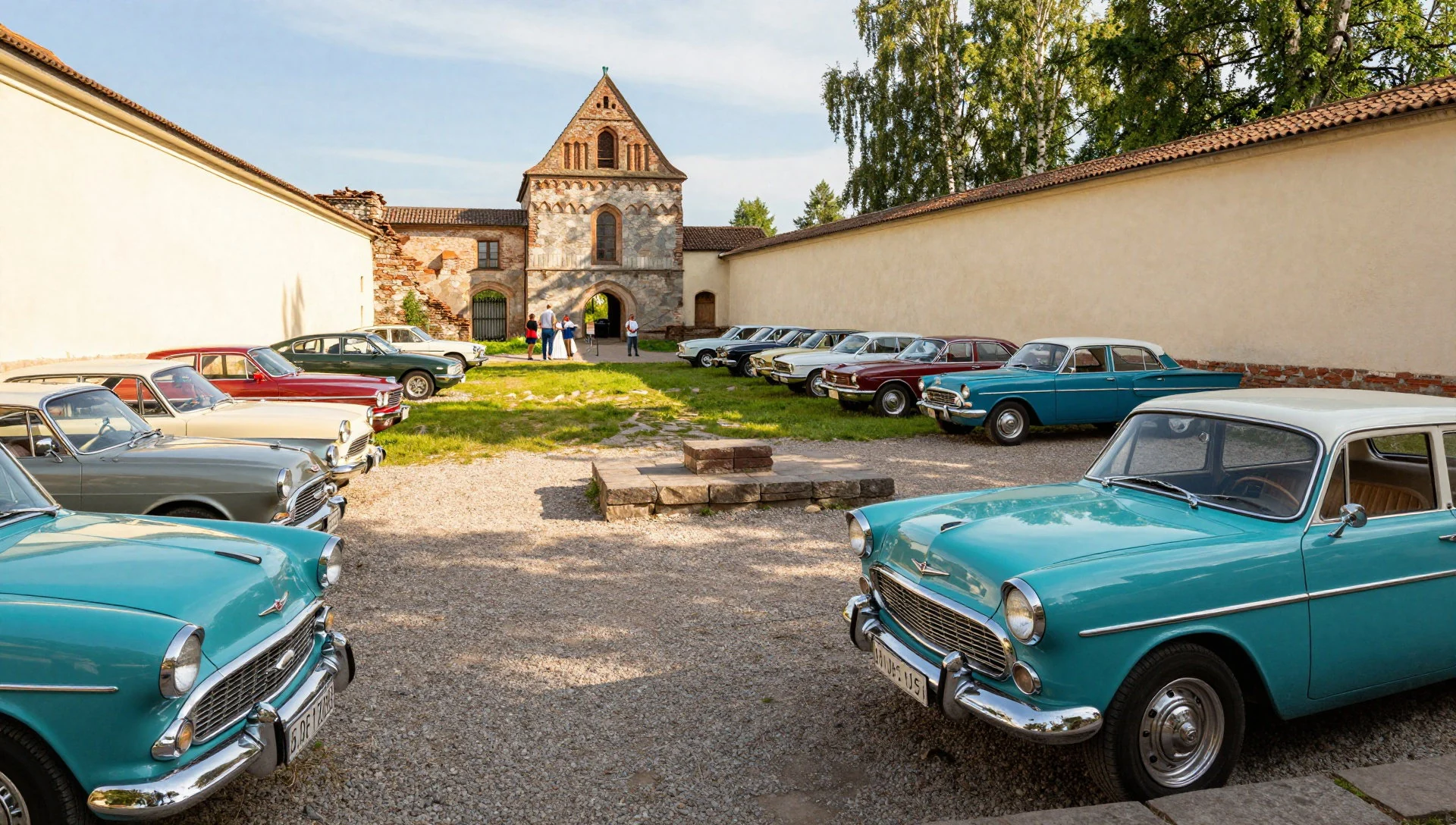
Culture
Haapsalu Castle sits in a country where reserve is read as respect rather than coldness. Estonians usually take time to warm to strangers, and a friendly but quiet manner goes down better than effusive chat. A broad smile aimed at someone unfamiliar can seem odd or even insincere, so a nod and a calm greeting work well. Personal space matters too: people stand further apart than in many busy Indian or British settings, and crowding someone at a ticket desk or viewpoint will be noticed. Everyday talk tends to be low-voiced, and shouting across a space is unwelcome. The castle's religious past also sets the tone. This was the seat of a bishop, and although Estonians are described as largely irreligious today, the cathedral ruins still carry a solemnity that most locals respect. The White Lady legend is treated as local colour, told with a straight face and a half-smile, and visitors who show curiosity rather than scepticism usually hear the best stories. Keep your voice low among the ruins, stay behind any barriers, and do not climb the old walls for a photograph.
What to wear
Haapsalu Castle stands in western Estonia, and the climate shapes both what locals wear and what suits a visit. Traditional dress here belongs to Estonian folk costume: wool and linen are the core materials, with striped or checked skirts, white linen blouses, woollen jackets and aprons, and regional differences in colour, pattern and embroidery. It comes out mainly for festivals, weddings and choir events such as the Song Celebration, not for daily wear. Haapsalu is also associated with fine knitted lace shawls, made from soft wool and valued for their delicacy. Everyday clothing now is practical and understated: dark or neutral layers, waterproof jackets, trainers or boots, and little flashy styling, in keeping with a local taste for restraint. Visitors should dress for the weather first. Summer days can be mild, but wind from the Baltic and rain are possible, so pack a light waterproof and a warm layer even in July. Shoes need grip, as the ground inside the ruins is uneven stone, gravel and grass. In winter, add a hat, gloves and insulated boots. No special dress is needed for the ruins, though modest everyday clothes are sensible if an event or service is under way.
What to eat
- Verivorst — Christmas markets and traditional Estonian eateries
A blood sausage often named as a signature winter dish, especially around Christmas. It comes with lingonberry jam, which cuts through the richness, and frequently sits beside a stew of soured cabbage. Look for it at Christmas markets and in traditional Estonian eateries.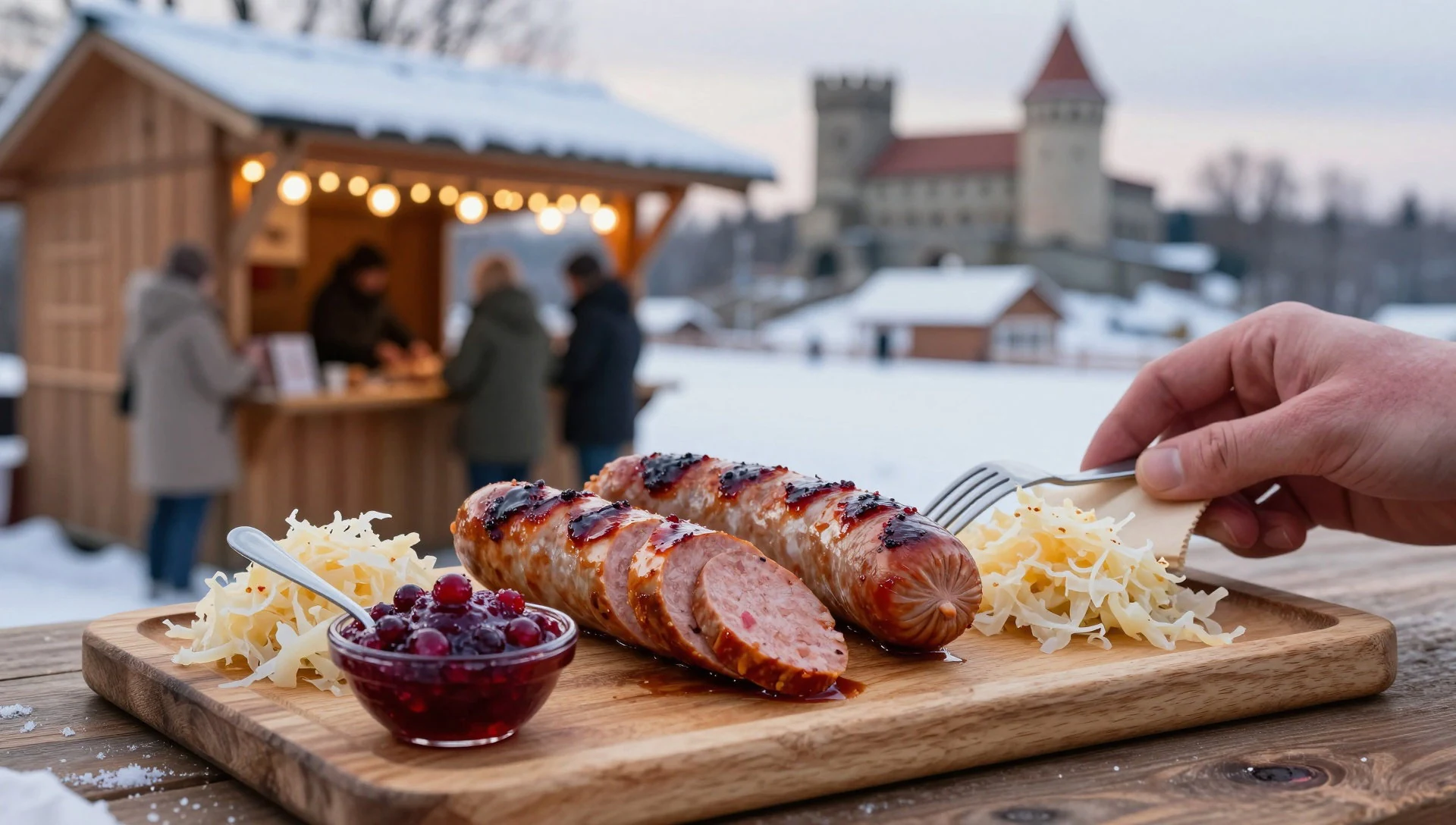
- Mulgikapsad — Traditional Estonian eateries, lunch menus
Mulgikapsad is a slow-cooked stew built on sauerkraut, usually with pork or barley and plenty of seasoning. It is hearty cold-weather food, often served beside verivorst. Look for it on lunch menus in traditional Estonian eateries, particularly in the colder months.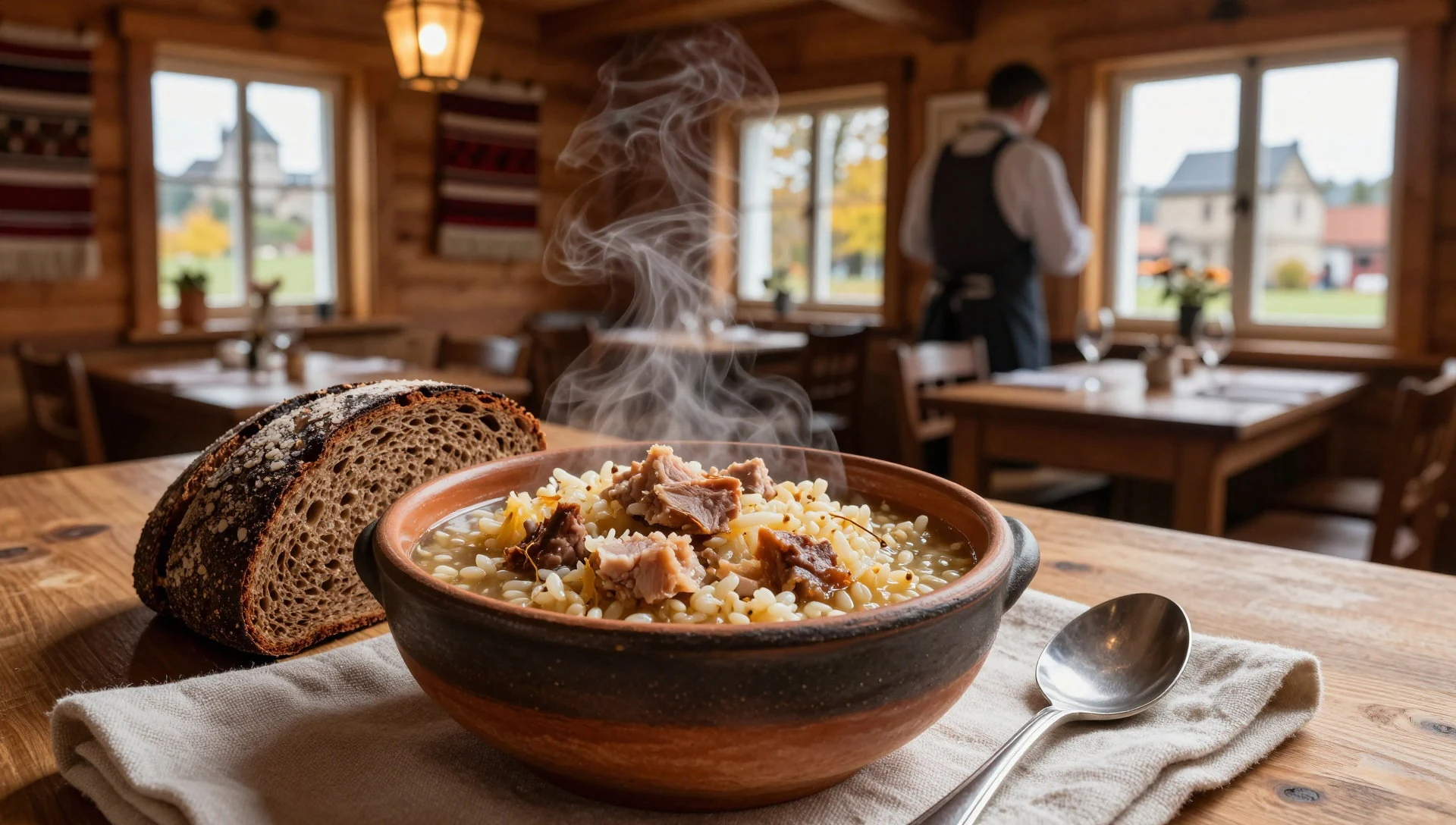
- Kartulisalat with hapukoor — Casual cafés and market food stalls
Potato salad dressed with hapukoor, a tangy soured cream that Estonian cooking shares with Russian tables. It often appears as a side dish at family meals and buffets. Mild, creamy and filling, it is a sensible order alongside fish or sausage. - Baltic fish — Harbour-side stalls and seafront cafés in Haapsalu
Fish from the Baltic is part of coastal cooking, and smoked or marinated small herring is a common choice. Served with dark bread and sometimes boiled potatoes, it makes a lighter meal than the meat dishes. Look for it near the harbour and along the seafront. - Rye bread — Town bakeries and supermarkets
Dark rye bread is a staple of the Estonian table: dense, slightly sour and eaten with butter, cheese, fish or soup. Bakeries and supermarkets in town sell loaves and slices, and it makes an inexpensive picnic base for a walk around the castle.
Plan it
Best time. June to September for long light evenings and dry-footed walking among the ruins; August if the White Lady legend and a full moon appeal. Winter is dark and cold, with the exposed stone feeling bleak.
How long. 1–2
Getting there. Fly to Tallinn (TLL), Estonia's main international gateway, then take a coach or bus west to Haapsalu; check current operators and timetables before travelling. The castle is a short walk from the town centre. Estonia is in the Schengen area, so check visa rules for your nationality.
Budget. mid
Tips
- Check the official site or the local tourist office for opening hours, ticket prices and event dates before going
- Carry a windproof layer, as the ruins are exposed to the Baltic breeze even in summer
- Wear shoes with grip for uneven stone, gravel and wet grass
- Visit early or on a weekday in summer for a quieter walk round the walls
- Check local listings if an event or concert in the grounds matters to your plans
Etiquette
- Keep voices low inside the cathedral ruins
- Stay off fenced-off or unstable masonry
- Give strangers a little personal space in queues and at viewpoints
Nearby
Sources
- Wikidata Q866154 (CC0)
- Wikipedia: Haapsalu Castle (rev 1358413792) (CC BY-SA 4.0)
- Wikivoyage: Estonia (rev 5425489) (CC BY-SA 4.0)
- Haapsalu Castle, Sander Säde (CC BY 3.0)
- Haapsalu linnuse varemed2, Ivar Leidus (CC BY-SA 3.0 ee)
- Haapsalu piiskopilinnuse varemed, Amadvr (CC BY-SA 3.0 ee)
- Haapsalu Castle inside, Sander Säde (CC BY 3.0)
- Haapsalu Castle altar of Mother, Sander Säde (CC BY 3.0)
- Haapsalu linnuse varemed1, Ivar Leidus (CC BY-SA 3.0 ee)
- Ameerika autod Haapsalu linnuse varemetes, Ireen Trummer (CC BY-SA 4.0)
- Ameerika autode näitus Haapsalu linnuse varemetes, Ireen Trummer (CC BY-SA 4.0)


