Ruhnu
Ruhnu, Estonia
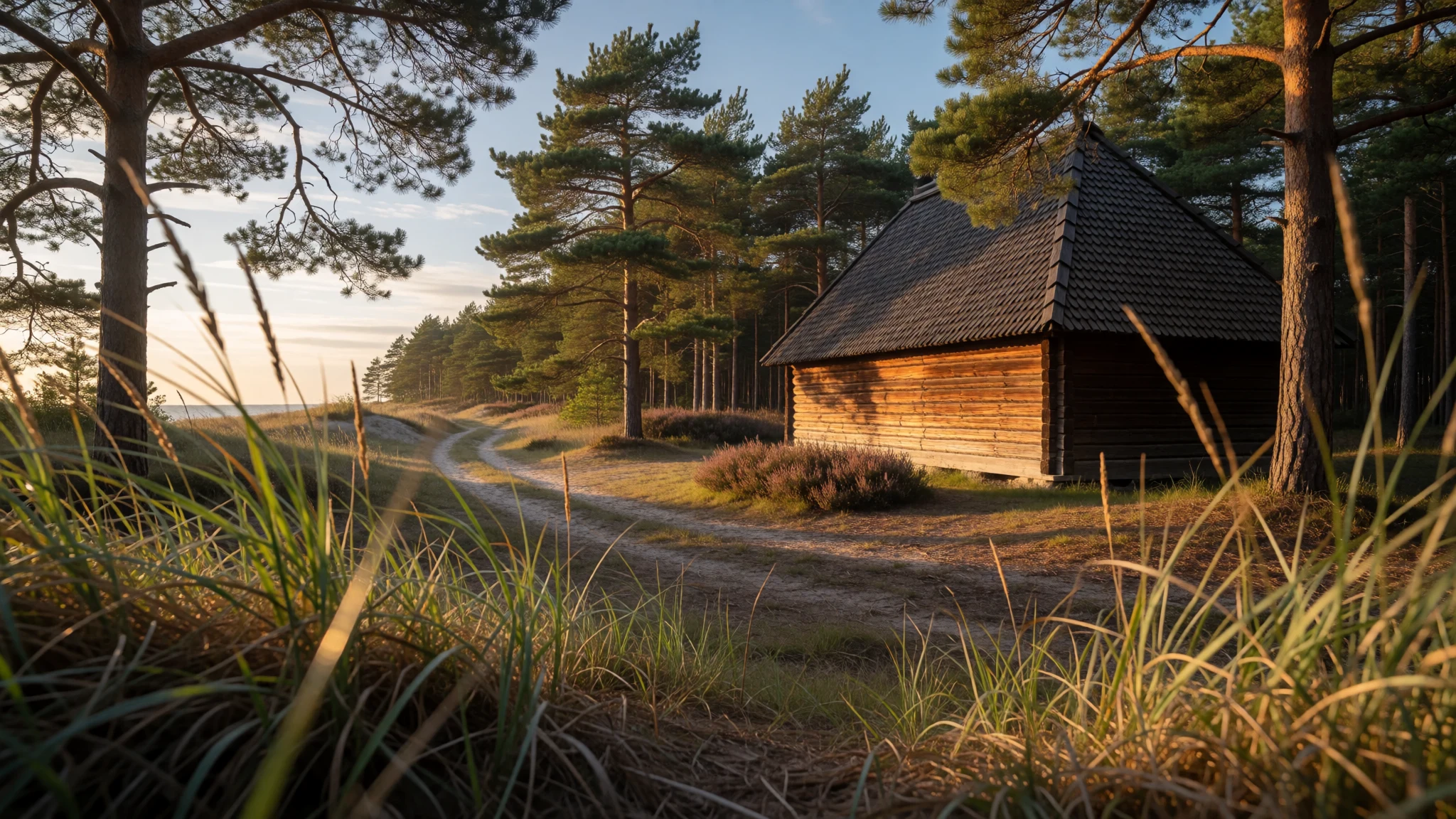
Ruhnu offers an isolated Baltic sanctuary of singing sands, ancient wooden architecture, and deep maritime quiet in the Gulf of Riga.
The place
Ruhnu is an isolated island tucked into the Gulf of Riga within the Baltic Sea. Spreading across its territory, the landscape combines quiet pine forests, open meadows, and sweeping coastal shores. Geographically, the island sits closer to the mainland coast of Latvia than to the rest of Estonia, yet it remains firmly part of Estonian administration. Life here moves at a notably unhurried pace, shaped by the rhythms of the sea and the changing seasons. With only a tiny permanent population, the community is intimate and self-contained, giving travellers the rare sensation of stepping entirely away from the frantic rush of modern European capitals. Visitors come for the pristine silence, the bracing sea air, and the chance to explore a secluded landscape on foot or by bicycle. Unpaved sandy tracks wind through the trees, leading from the small inland settlement down to wide, empty beaches where the sand famously squeaks beneath your feet. Weather conditions change quickly over the open water, turning calm sunny mornings into brisk, windy afternoons. Whether you are watching the seabirds wheeling overhead or walking along the quiet shoreline as the sun dips below the horizon, Ruhnu rewards those who appreciate raw, untouched island geography and deep solitude.
Its story
Human footprints on Ruhnu stretch back thousands of years to ancient seasonal seal hunters who made use of the island's strategic maritime position. For centuries, the island was home to a distinct community of ethnic Swedes who lived according to traditional Swedish law and customs, isolated from the mainland political shifts. Documented history notes ecclesiastical recognition of the islanders' rights as early as the fourteenth century. Over the generations, control shifted through various regional powers, including Swedish rule and the Russian Empire, though the local inhabitants maintained a high degree of autonomy in their daily affairs. Following the upheavals of the early twentieth century and the First World War, the islanders chose to become part of newly independent Estonia. The Second World War brought profound disruption to this remote community. As conflict engulfed the region, almost the entire population of ethnic Swedes made the difficult decision to abandon their ancestral homes and flee across the sea to Sweden by boat, leaving behind empty farmsteads and a silent village. In the decades that followed, new families settled on the island, slowly rebuilding a modest year-round community that continues to honour the layered, multicultural history of this lonely Baltic outpost.
What to see
- St. Madeline's Church — Central Ruhnu
This remarkable sanctuary stands as a masterpiece of early carpentry, constructed entirely from timber with dark pitched roofs. It remains a deeply atmospheric space, holding centuries of prayers and maritime history within its weathered wooden walls.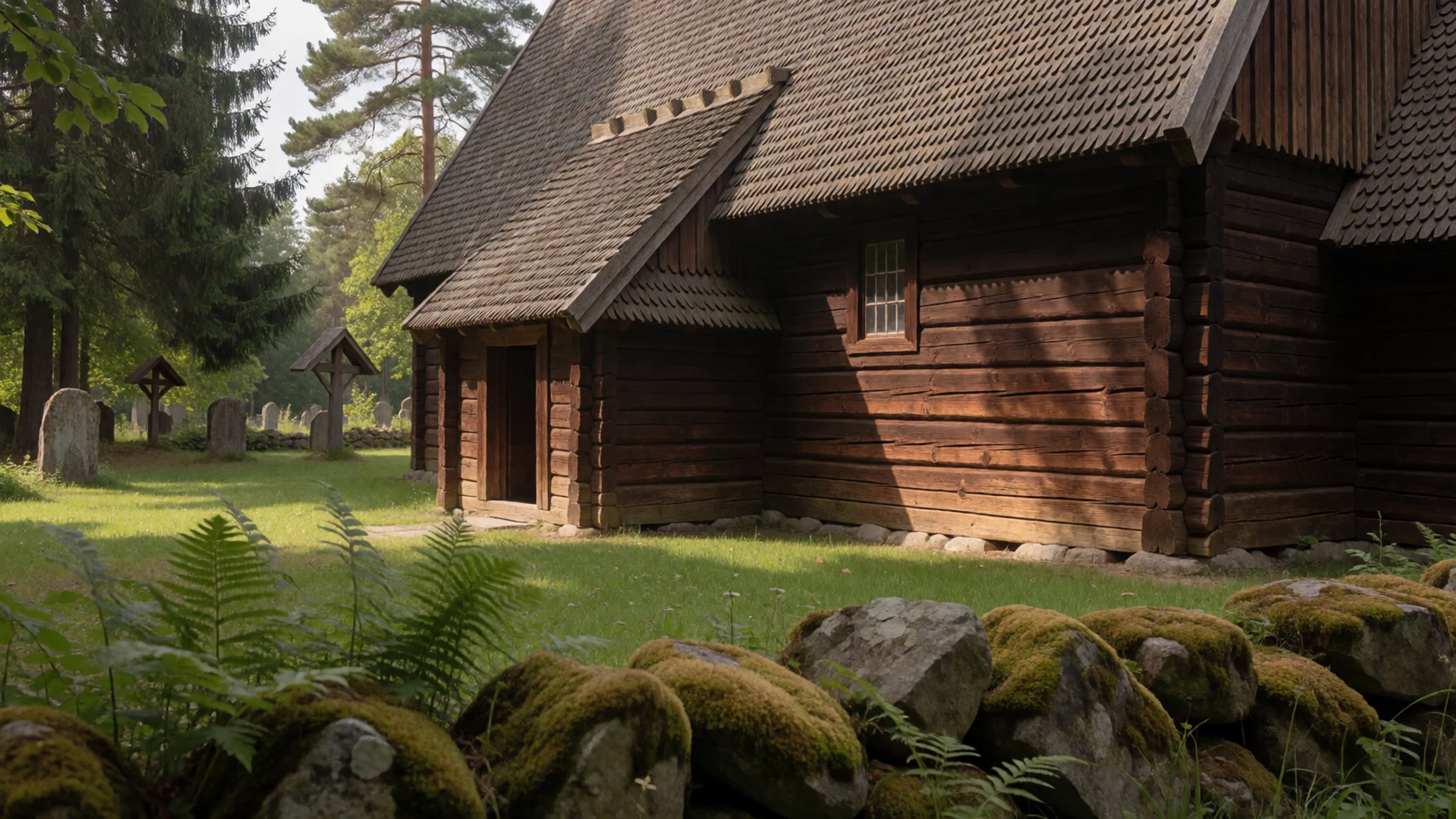
- Ruhnu's New Church — Central Ruhnu
Positioned just a few paces from the ancient wooden chapel, this sturdy nineteenth-century building contrasts stone walls with a wooden tower. Inside, you will find one of the oldest church bells in the country, cast to summon the faithful across the windy plains.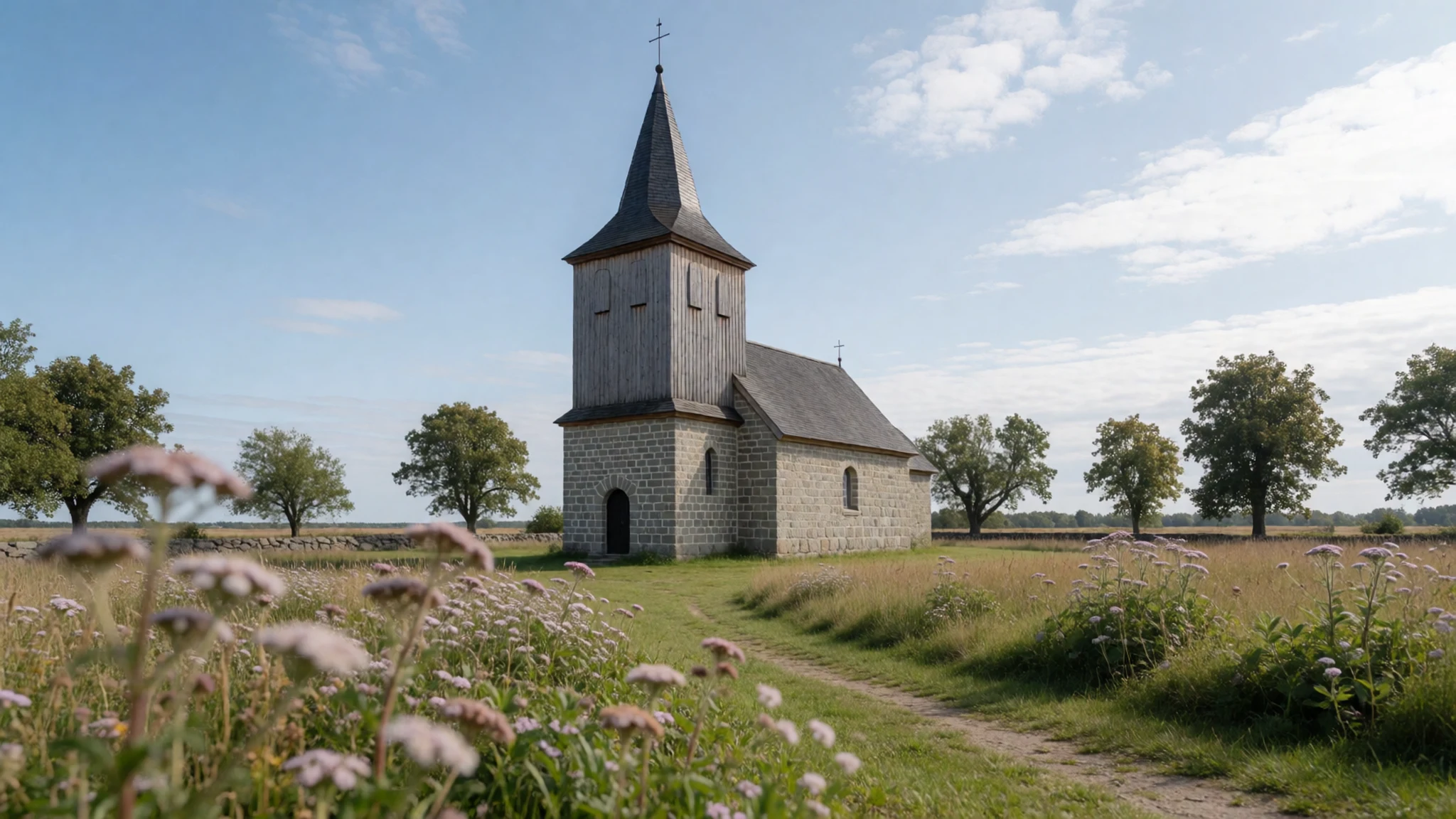
- Ruhnu Lighthouse — Pakkulaid
Perched on the highest point of the island, this striking metal structure was manufactured in France before being erected on the coast. Its distinct industrial silhouette has guided sailors safely through the dark waters of the Gulf of Riga for generations.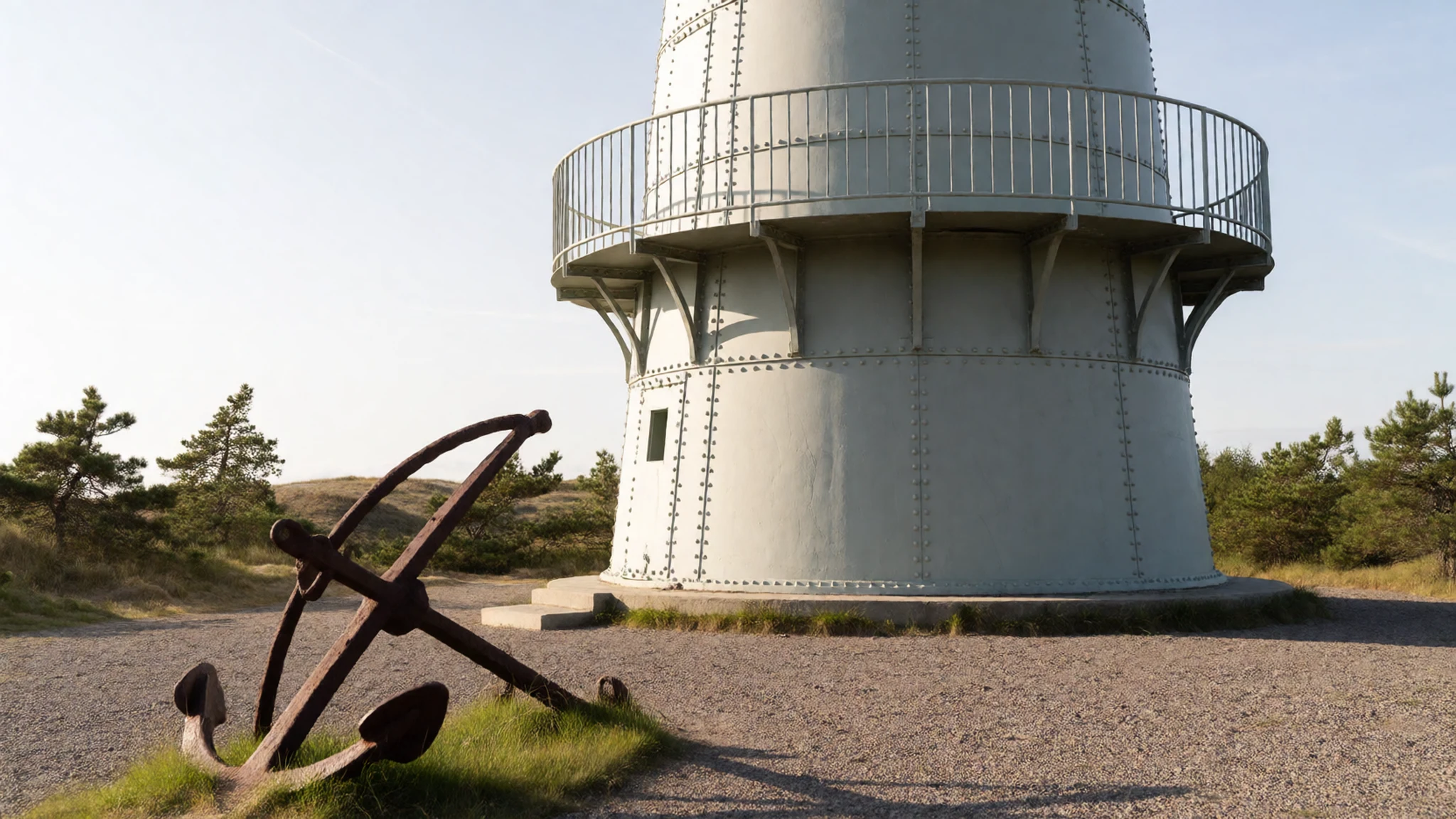
- Limo Beach — Southern coast
Widely regarded as the finest stretch of coastline on the island, this pristine beach features unique singing sands that produce a musical tone as you walk. Surrounded by pine woods, it is the ultimate spot for a bracing Baltic swim during long summer days.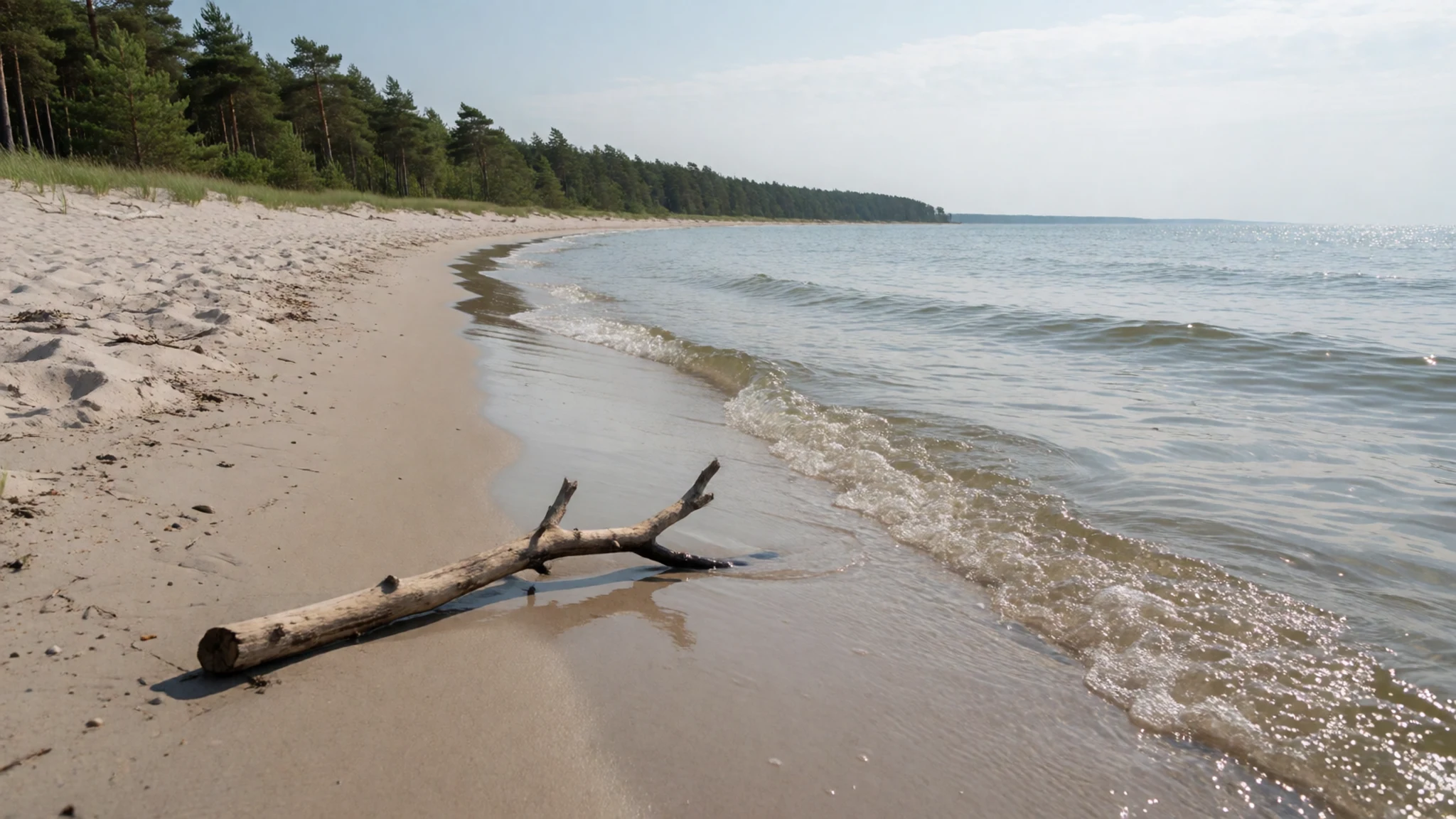
Culture
The cultural fabric of Ruhnu is woven from maritime isolation, resilient seafaring traditions, and a quiet respect for nature. Because the island community is so small, daily interactions are personal, neighbourly, and unpretentious. Traditional Swedish heritage, which defined the island for centuries before the wartime exodus, still lingers in local place names, architectural details, and community memory, now blended seamlessly with Estonian island traditions. Music, storytelling, and local crafts have long served as vital comforts during long, dark winters when the sea freezes over and connections to the mainland become sparse. Islanders value their peace and privacy, and visitors are expected to match this gentle, respectful demeanor. When exploring rural paths or visiting historic religious sites, keep noise levels low and treat the fragile coastal environment with care. Always respect private property boundaries and local homesteads when wandering through the villages. Please take all your rubbish away with you when visiting remote beaches and nature spots to help preserve the pristine island ecosystem.
What to wear
Traditional dress on Ruhnu historically reflected practical maritime needs combined with the distinctive folk aesthetics of the island's historic Swedish population. Heavy wools, durable linens, and practical leather footwear were essential for surviving the damp, windy Baltic climate and the demanding physical labour of farming and fishing. Historical garments often featured subtle embroidered details and muted natural dyes that mirrored the surrounding sea, earth, and pine forests. Modern residents and visitors dress entirely for comfort and utility. Contemporary island wear relies heavily on layers: windproof jackets, sturdy walking boots or rubber boots for muddy tracks, and warm woollen jumpers are year-round necessities, even in summer. If you are travelling to the island, pack practical outdoor clothing capable of handling sudden rain showers and brisk sea breezes. Bring sturdy footwear suitable for walking long distances on sandy paths and uneven terrain, along with swimwear for the pristine beaches. Leave formal wear behind, as the island lifestyle is resolutely casual and unpretentious.
What to eat
- Smoked Baltic Fish — Local coastal smokehouses
Freshly caught fish from the surrounding sea, traditionally smoked over alder wood to produce a rich, savoury flavour that forms a staple of local island eating.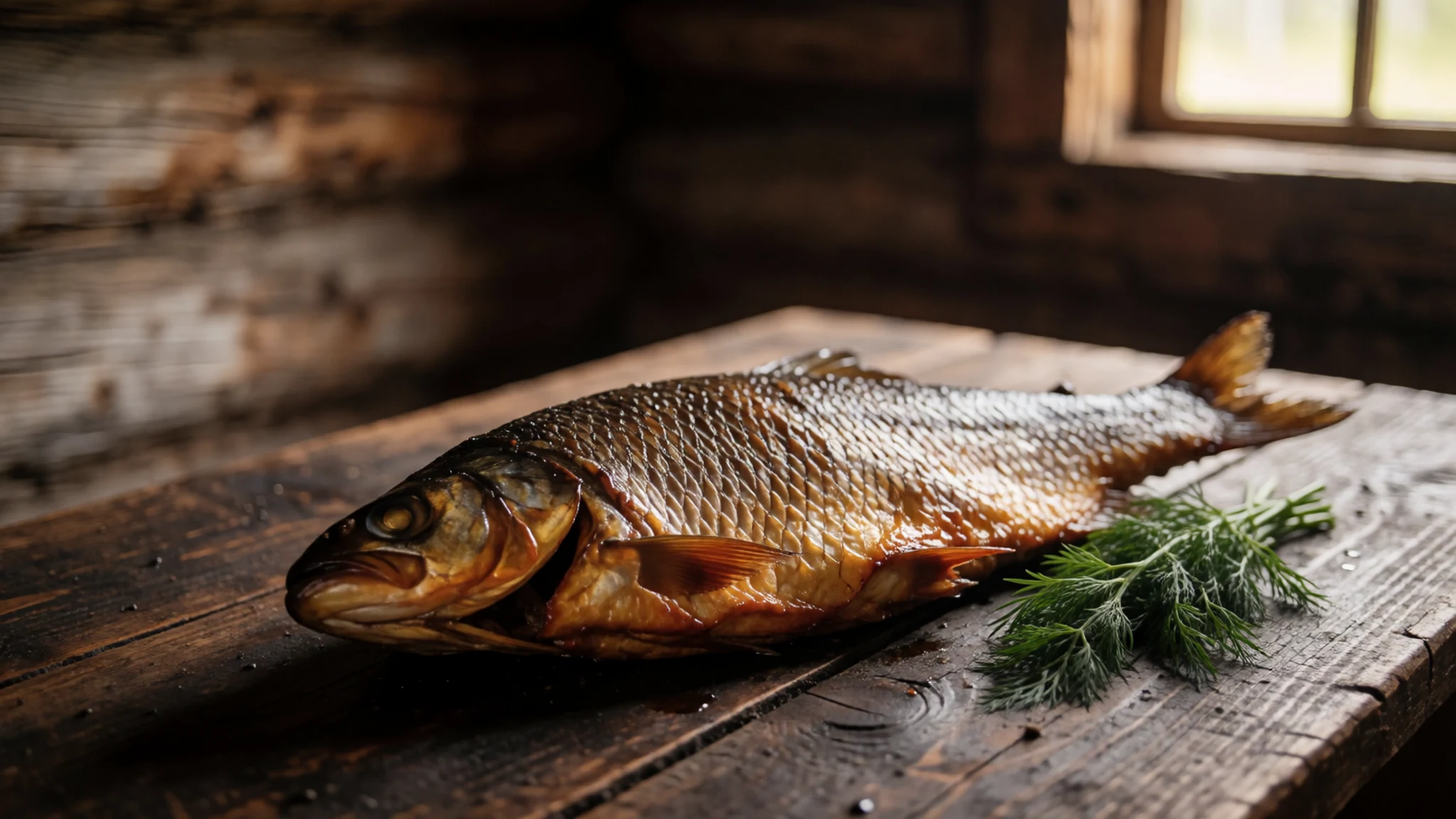
- Rye Bread — Local village bakery
Dense, dark, and deeply nourishing, traditional Estonian black bread baked to withstand long storage and pair perfectly with butter or salted fish.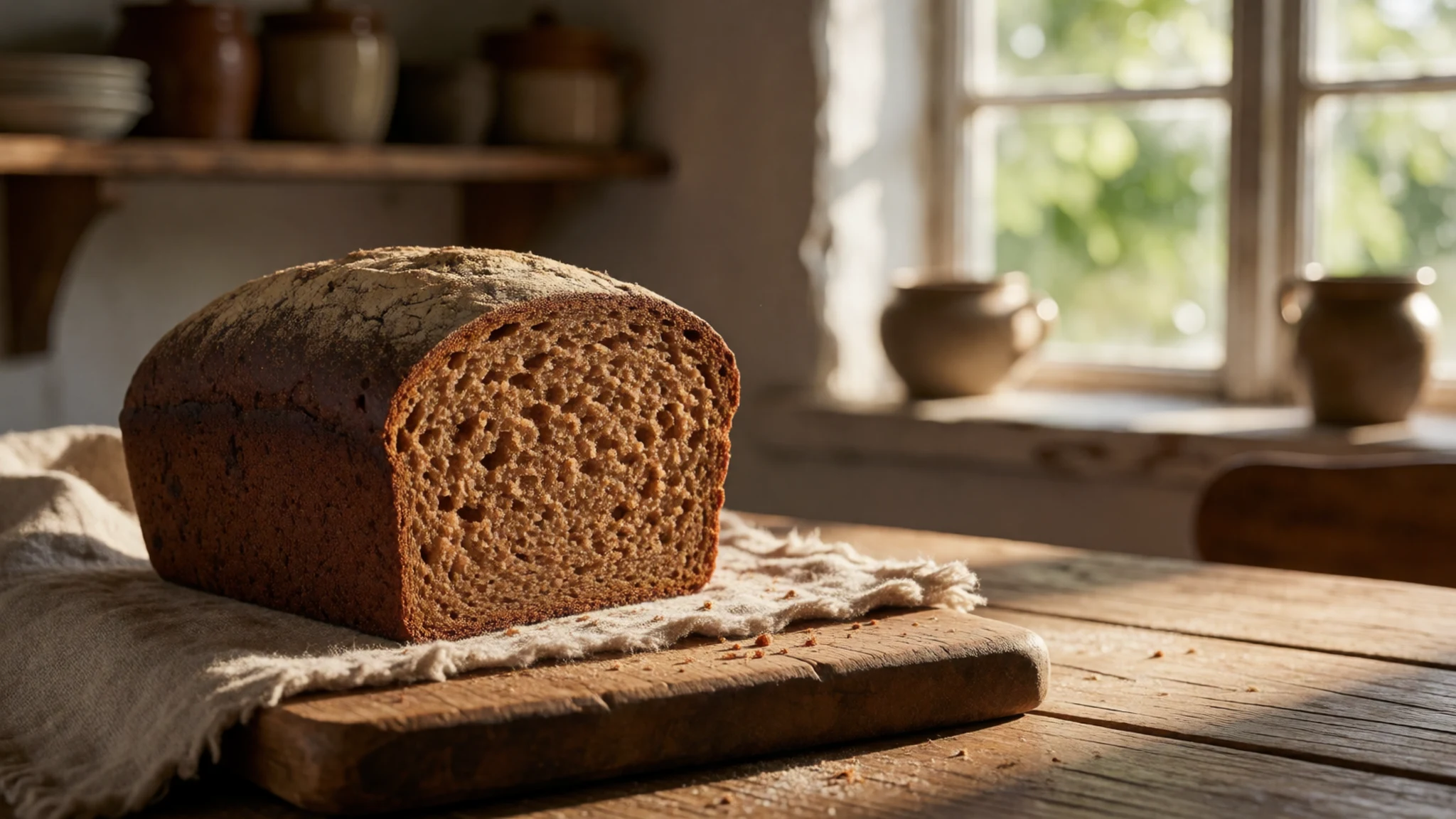
- Foraged Berry Jams — Local roadside stalls
Sweet preserves crafted from wild lingonberries, blueberries, and cloudberries gathered from the island's bogs and pine forests during the harvest season. - Café Runö Fare — Cafe Runö
Simple, comforting home-cooked meals, warm soups, and freshly baked pastries served in a relaxed, welcoming environment for travellers exploring the settlement.
Plan it
Best time. June to August offers the warmest weather for swimming, hiking, and exploring the island under long daylight hours.
How long. 2–3
Getting there. Take a ferry from Munalaid on the mainland or check regional flight connections to the island's small airfield.
Budget. mid
Tips
- Book ferry transport well in advance, especially during peak summer weekends
- Bring plenty of cash, as card payment options on the island can be limited
- Pack insect repellent for woodland walks during the warmer months
- Check weather forecasts carefully before travelling, as high winds can disrupt boat and flight schedules
Etiquette
- Respect local privacy and keep noise levels low in residential areas
- Take all rubbish with you when leaving beaches and natural areas
Nearby
Sources
- Wikidata Q1240598 (CC0)
- Wikipedia (CC BY-SA 4.0)
- Wikivoyage (CC BY-SA 4.0)