Saaremaa
Saaremaa, Estonia
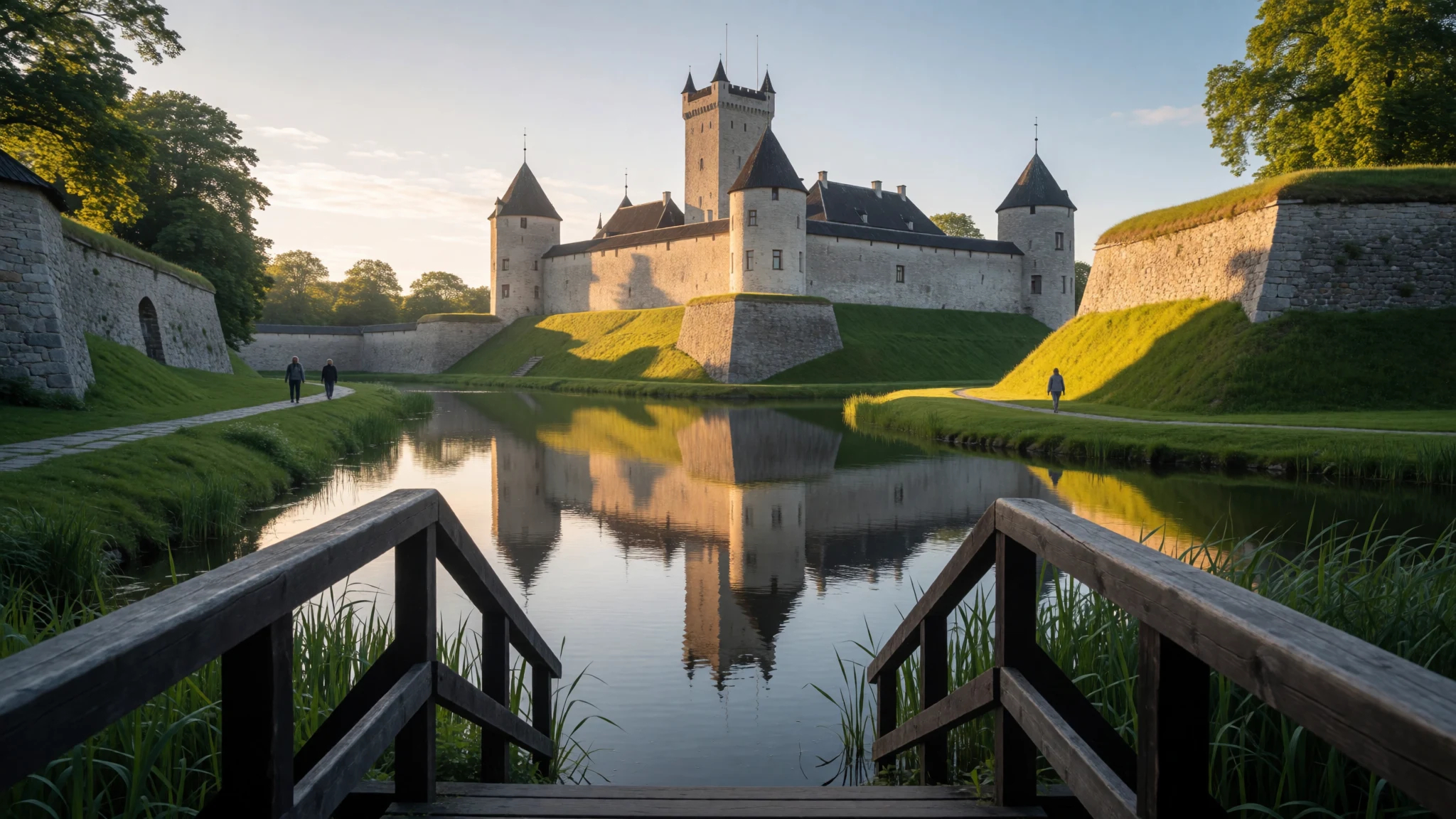
Saaremaa offers deep pine forests, medieval castles, and windswept Baltic shores far from the rush of mainland Europe.
The place
Saaremaa stands as Estonia's biggest and most inhabited island, resting peacefully in the Baltic Sea to divide the Gulf of Riga from the open northern waters. The island forms the primary part of the West Estonian archipelago, positioned south of its neighbour Hiiumaa and northwest of the gulf entrance. Across its forested terrain and flat limestone meadows, life moves at a deliberate, maritime pace. The administrative heart of the island and its surrounding county is the quiet town of Kuressaare, where stone ramparts meet a gentle harbour. Historically known to the wider world for centuries as Ösel, the island has long looked to the sea for its sustenance and identity. Its terrain rises gradually from sandy coves and pebble beaches into dense woods where juniper trees grow wild and low. Ancient geological forces shaped this landscape, leaving behind raised shorelines where the earth continues to lift fractionally from the water with every passing decade. Visitors exploring the interior find quiet country roads winding between mossy stone walls, thatched-roof farmsteads, and marshy wetlands untouched by heavy industrial development. Whether arriving for the long hours of summer daylight or the stark, freezing quiet of winter, travellers discover an island deeply shaped by wind, water, and centuries of isolation from the European mainland.
Its story
Saaremaa holds a storied past stretching back deep into antiquity, with archaeological evidence showing human settlement on the island from at least five millennia before the common era. Throughout the Nordic Iron Age, local chieftains and seafaring warriors built a formidable reputation across the Baltic region. Medieval chronicles and Norse sagas tell of islanders launching rapid fleets across the sea, gaining a fierce reputation as ancient Estonia's richest county and a base for bold pirates often called Eastern Vikings. The Chronicle of Henry of Livonia preserves accounts of large war fleets crossing the water to raid distant shores, while Icelandic sagas tell of visiting adventurers trading blows and acquiring prized weapons on the island's rocky headstones. As medieval Christianity spread through the Baltic, the sword followed the cross; foreign crusading orders established control, building stone fortresses like the great episcopal stronghold at Kuressaare to pacify the defiant local population. Over subsequent centuries, sovereignty shifted between Danish, Swedish, and Russian rulers, each leaving architectural and cultural traces across the countryside. Through every foreign occupation, the rural inhabitants maintained their distinct dialect, maritime traditions, and stubborn attachment to the land, weathering wars and plagues to preserve an unbroken cultural thread that defines the island to this day.
What to see
- Kuressaare Bishop's Castle — Kuressaare
Kuressaare Bishop's Castle stands as one of the finest medieval fortifications in the Baltic region, surrounded by wide water-filled moats and geometric earthwork bastions. Inside its thick stone walls, vaulted chambers house regional historical exhibits detailing centuries of feudal rule, maritime trade, and local defensive struggles across the island.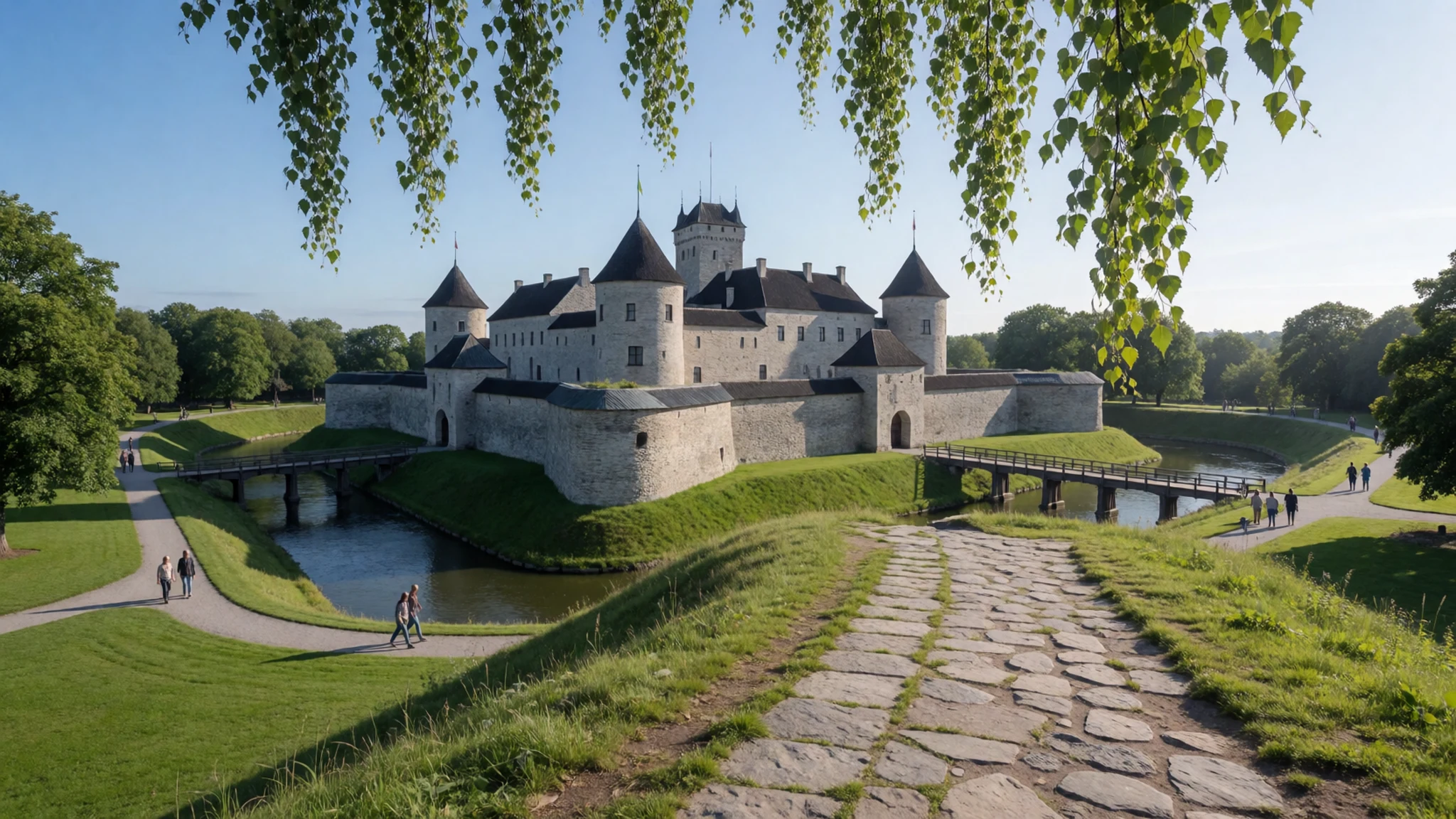
- Angla Windmills — Angla village
Angla Windmills preserves a rare cluster of traditional wooden grain mills standing together on an open ridge. These weathered structures demonstrate the classic craftsmanship once common across the agricultural landscape, offering visitors a tactile link to rural grain-processing customs before the era of modern mechanical mills.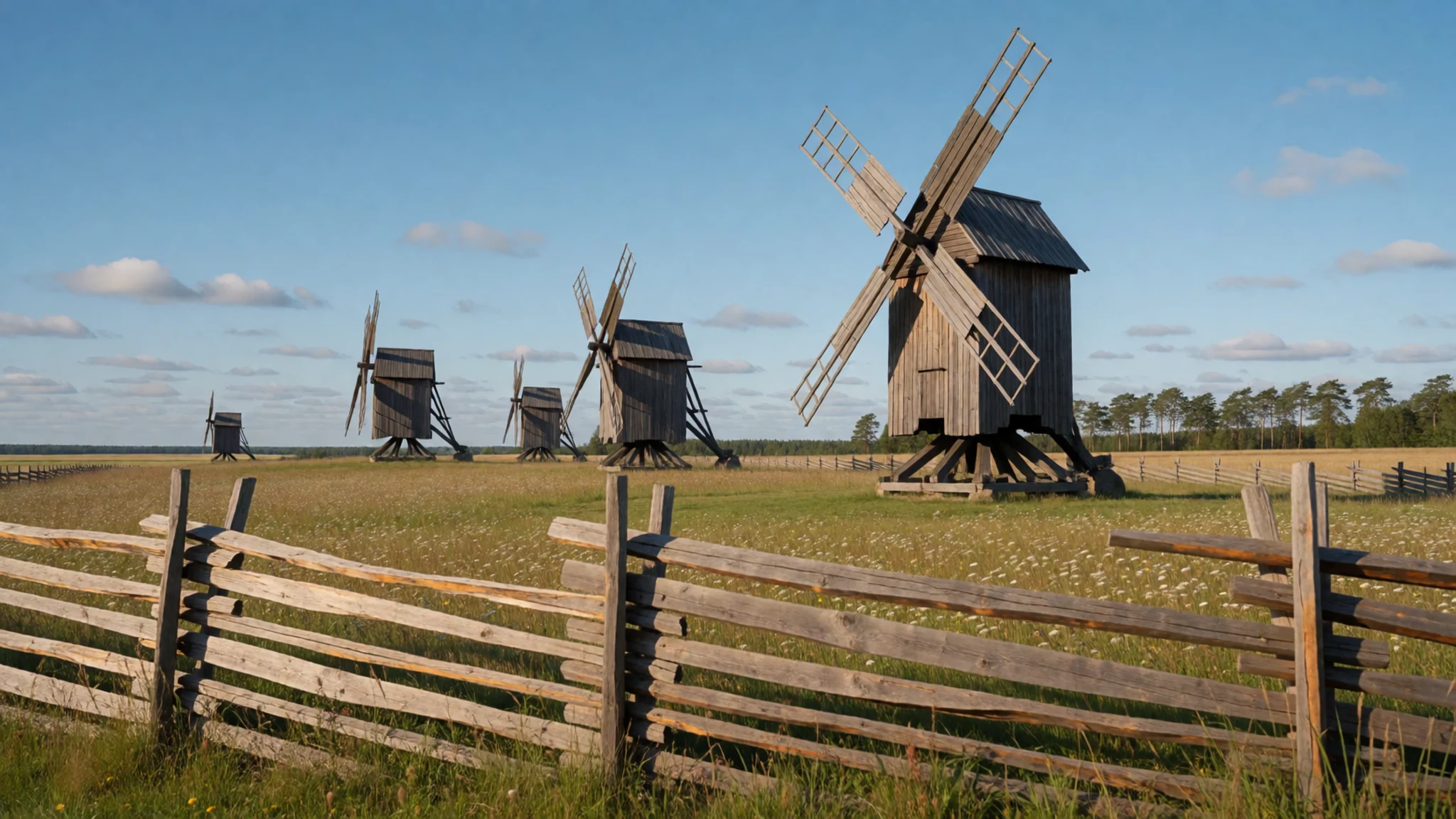
- Kaali Meteorite Craters — Kaali village
Kaali Meteorite Craters comprise a striking cluster of prehistoric impact depressions set within a forested hollow. The main pool forms a clear round lake steeped in ancient folklore and local mythology, representing a rare geological event where a shower of iron meteorites struck populated European territory thousands of years ago.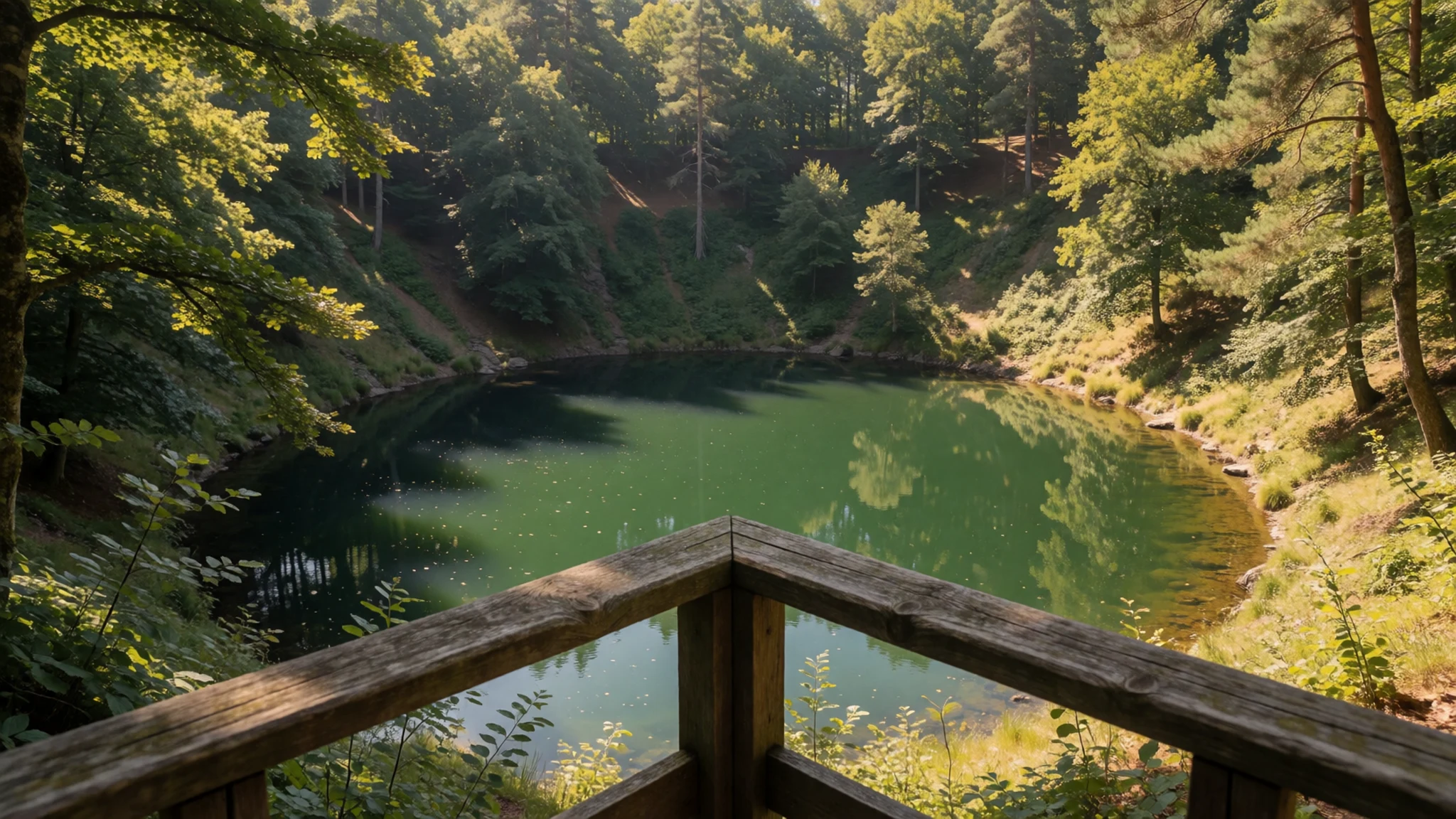
- Panga Cliff — Northern Saaremaa
Panga Cliff rises sharply along the northern coast as the highest bedrock outcrop on the island's shores. Waves break against the grey limestone face far below, while the windy clifftop provides sweeping panoramic views across the open sea towards neighbouring islands during the long twilight hours of northern summer.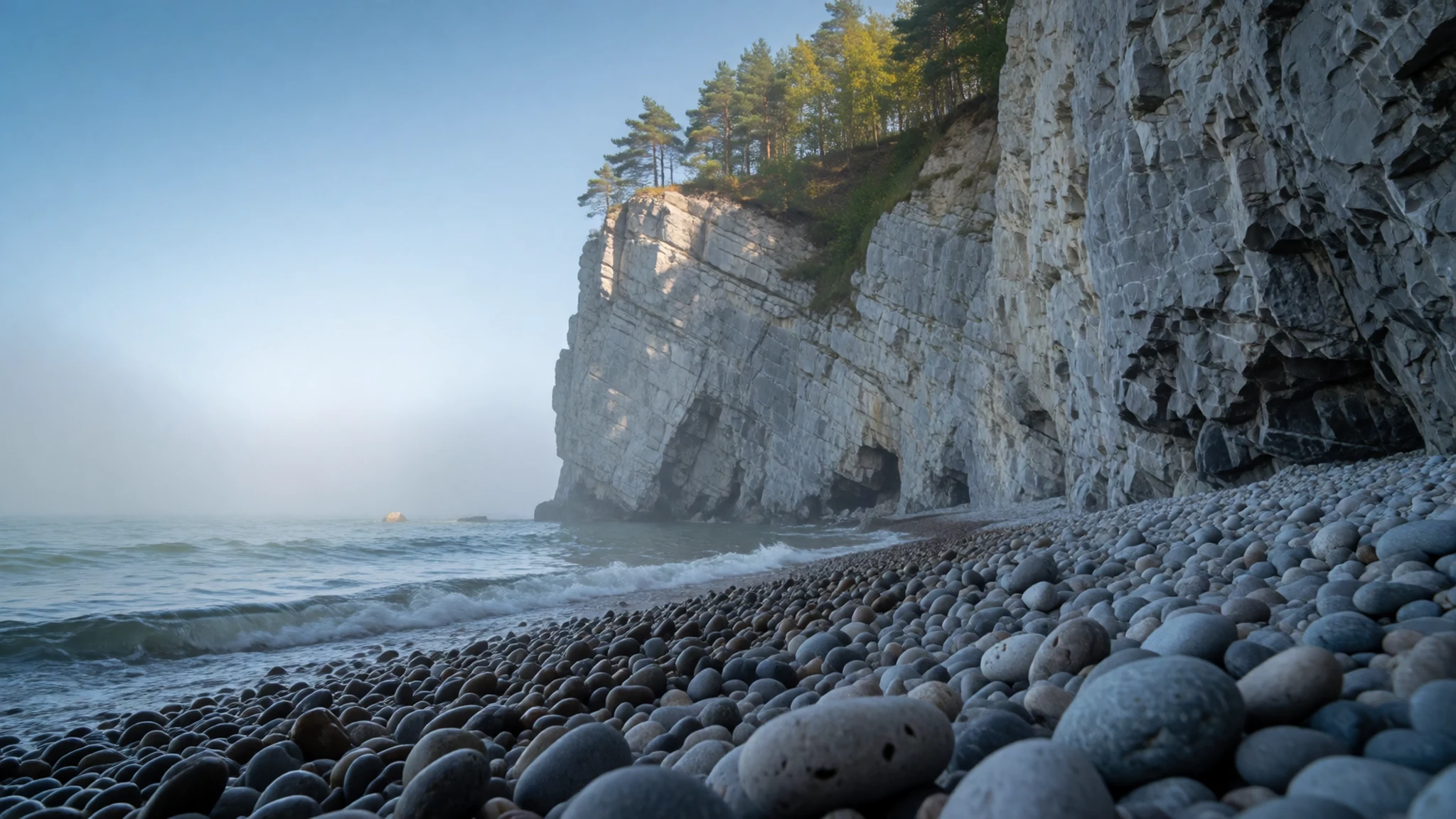
- Karja Church of Saint Catherine — Karja village
Karja Church of Saint Catherine is the smallest yet most intricately carved medieval house of worship on the island. Constructed during the thirteenth and fourteenth centuries, its interior stonework displays unique pagan-influenced symbols and detailed religious reliefs untouched by later major renovations.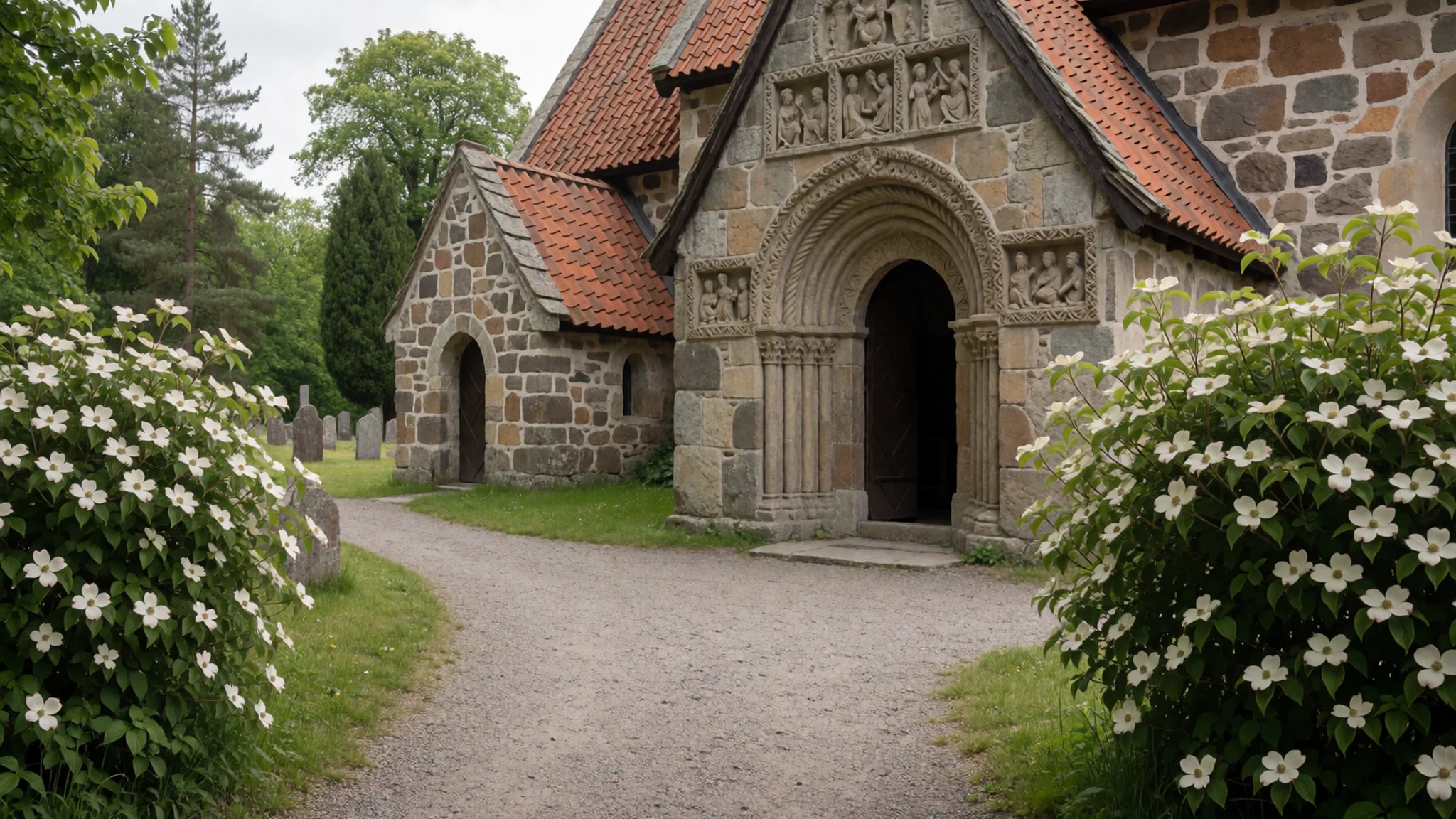
Culture
Saaremaa maintains a distinct cultural identity rooted in its insular geography, maritime heritage, and centuries of relative isolation from the mainland. The local population speaks a recognizable regional dialect characterized by softened vowels and unique vocabulary shaped by historical contacts with Swedish, German, and Finnish seafarers. Traditional crafts such as limestone carving, juniper woodworking, and complex woollen knitting continue to be practiced by village artisans who pass techniques down through generations. Folk dancing and choral singing remain central pillars of community life, particularly during summer festival gatherings where participants don colourful regional costumes featuring intricate geometric embroidery and striped skirts. The islanders are known for a dry, understated sense of humour and a profound self-reliance born from weathering harsh Baltic winters and maritime distances. Nature holds a sacred place in daily consciousness, with deep respect afforded to ancient sacred groves, erratic boulders, and coastal bird nesting grounds. Visitors are welcomed with quiet hospitality in country guesthouses and roadside markets. Always close pasture gates behind you when walking through rural fields and farmland.
What to wear
Traditional dress on Saaremaa reflects the practical demands of a cold maritime climate combined with centuries of local textile artistry. Historical regional attire features heavy woollen skirts woven in dark red and green stripes, linen blouses with delicate white embroidery, and ornate silver brooch clasps pinned at the collar. Today, daily dress across the island is modern, casual, and highly functional, mirroring standard European styles with an emphasis on weather-resistant materials. Because the Baltic weather can shift quickly from warm sunshine to chilly coastal gales, locals and visitors alike dress in practical layers. For exploring the island's nature reserves, rocky shores, and forested bog trails, sturdy walking boots and a windproof, waterproof jacket are essential wardrobe items. When visiting historic churches or rural community events, neat casual clothing is entirely appropriate, though modesty is appreciated in sacred spaces.
What to eat
- Smoked Flounder — Coastal fishing harbours and local markets
Smoked flounder is a beloved island staple prepared by curing fresh catches from the Baltic Sea over local hardwood embers. It is typically purchased directly from harbourside smokehouses or small coastal stalls and eaten fresh with dark rye bread.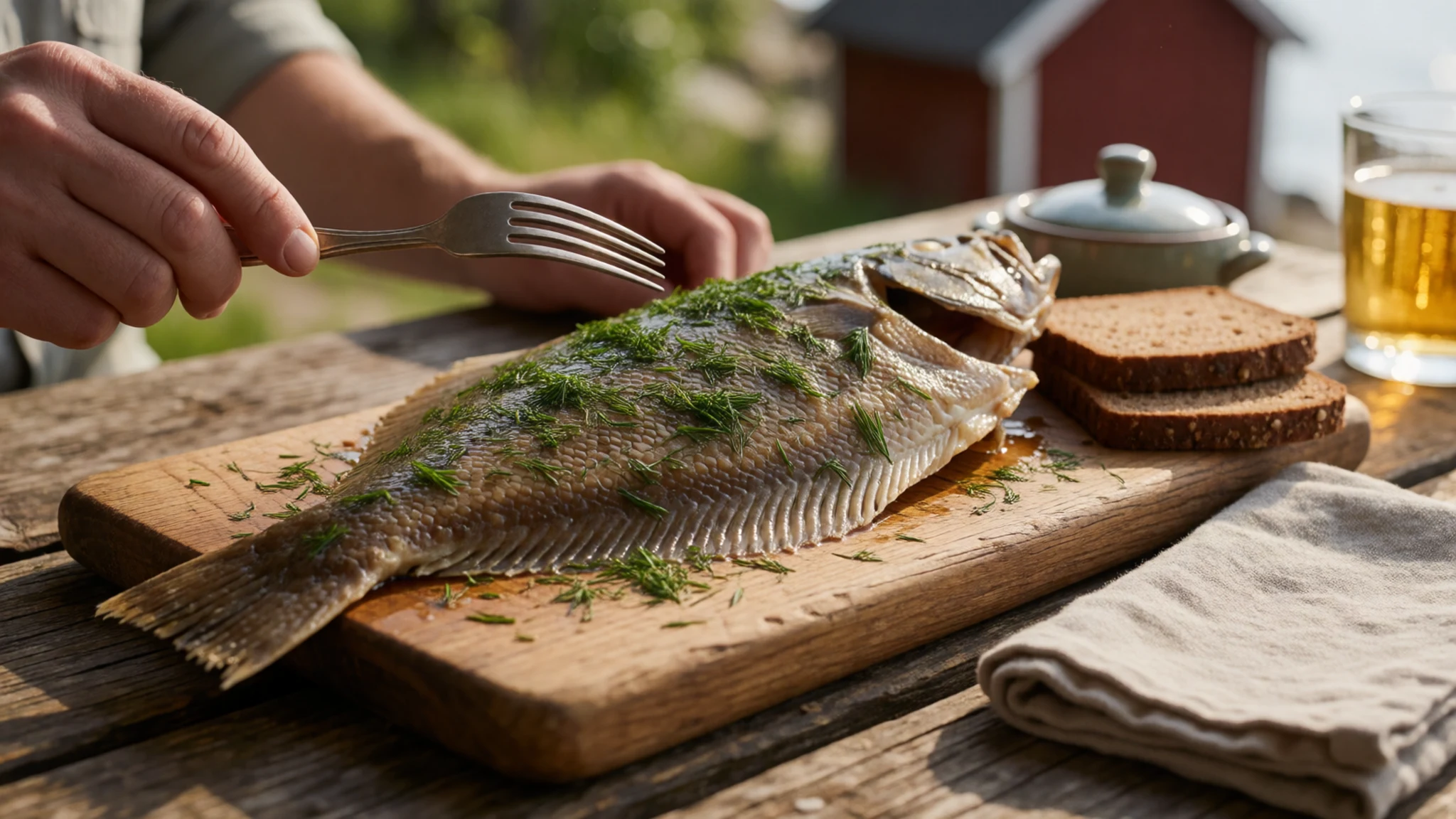
- Dense Dark Rye Bread — Village bakeries and baker's stalls across Kuressaare
Dense dark rye bread forms the foundation of traditional island baking, fermented slowly using natural sourdough starters and baked into heavy, nourishing loaves. It accompanies nearly every meal, often paired with salted butter or local cheese.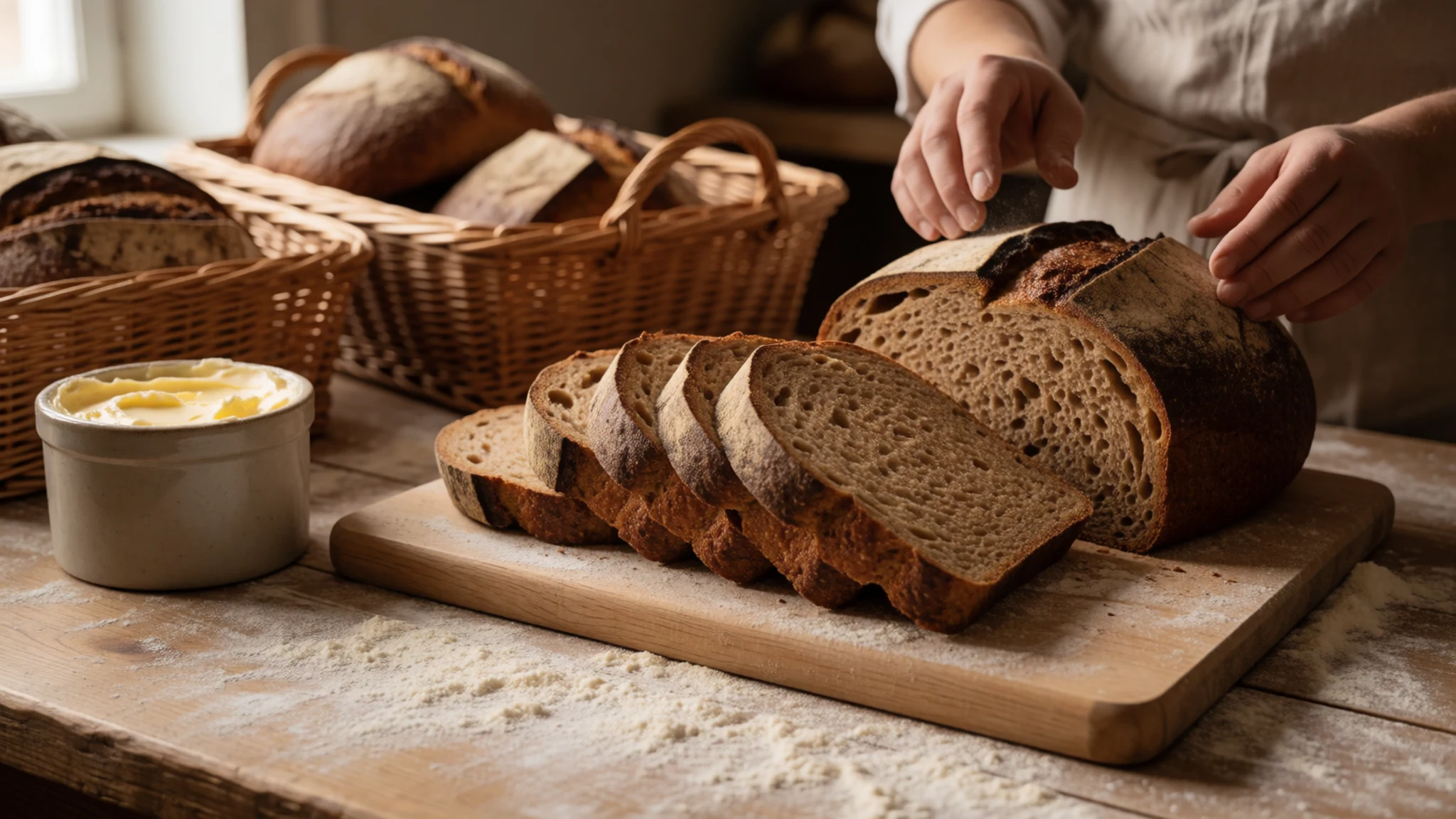
- Juniper-infused Craft Beer — Island pubs, seasonal summer cafés, and local craft breweries
Juniper-infused craft beer showcases the aromatic wood and berries of the island's ubiquitous juniper trees, brewed in small batches by regional farmhouse makers. It offers a resinous, earthy flavour unique to the local brewing tradition. - Potato and Garden Herb Soup — Country roadside eateries and traditional guesthouses
Potato and garden herb soup is a comforting seasonal dish prepared with freshly harvested root vegetables, wild chives, and dill grown in island gardens. It is commonly served in rustic country taverns during the cooler shoulder months.
Plan it
Best time. May to August offers long daylight hours, warm coastal swimming temperatures, and open seasonal cafés; winter months bring freezing winds and quiet, snow-covered roads.
How long. 3–4
Getting there. Take a bus or drive from Tallinn to the mainland port of Virtsu, board the regular vehicle ferry to Kuivastu on Muhu island, and cross the causeway directly onto Saaremaa; domestic flights also operate to Kuressaare Airport.
Budget. mid
Tips
- Rent a car or bicycle to explore remote coastal villages and nature trails beyond the main town
- Book accommodation well in advance if visiting during the peak summer festival weeks
- Carry cash for small farm stands and craft markets in rural areas
- Check weather conditions carefully before heading out onto exposed coastal cliffs or ice tracks
Etiquette
- Stay strictly on designated boardwalks when walking through fragile bog ecosystems
- Ask permission before photographing people at local cultural events or private farmsteads
Nearby
Sources
- Wikidata Q951302 (CC0)
- Wikipedia (rev 1379148608) (CC BY-SA 4.0)
- Wikivoyage (rev 5416452) (CC BY-SA 4.0)