Vale dos Vinhedos
Vale dos Vinhedos, Brazil
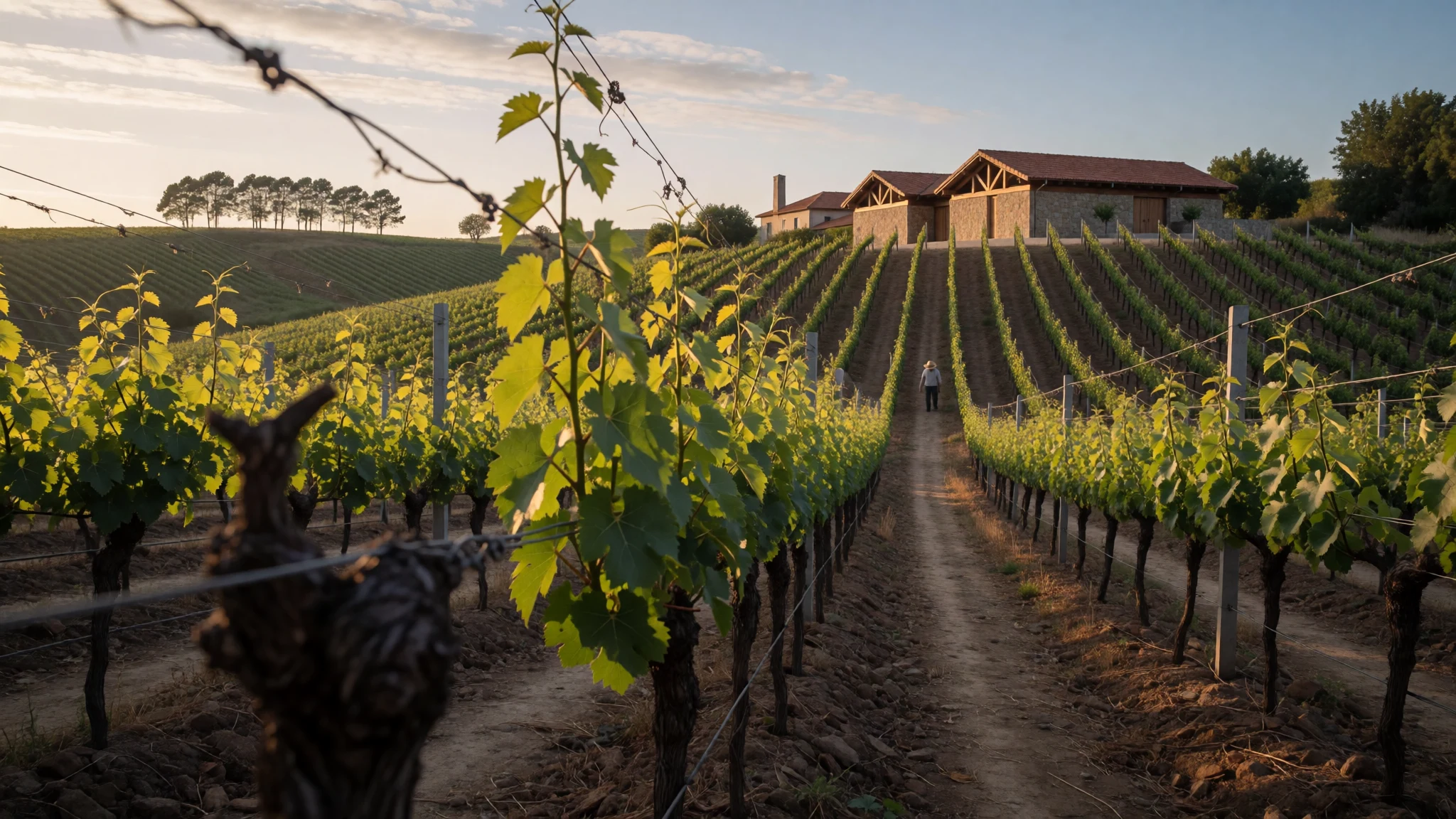
Vale dos Vinhedos is southern Brazil's wine country: vine-covered hills, family cellars and long Italian-style lunches, all within an easy drive of each other.
The place
Vale dos Vinhedos is a wine district in the hills of Rio Grande do Sul, in southern Brazil, shared mainly between the municipalities of Bento Gonçalves, Garibaldi and Monte Belo do Sul. It is not a single town but a patchwork of slopes, small roads and family estates, with vines trained over wires and pergolas on almost every hillside. The landscape feels unlike the Brazil of beaches and rainforest postcards: it is rolling, green and cultivated, and the architecture leans towards the Italian farmhouse, with stone and timber buildings, small chapels and long tables set for lunch. Wineries range from large cellars with guided tours to modest family operations that pour a few bottles at a counter. Sparkling wine is a speciality alongside reds and whites, and grape juice, jams and cured meats sit on the shelves next to the bottles. The valley is compact enough to explore by car, taxi, bicycle or organised tour, but the roads wind and the distances between estates add up, so a day usually covers only a handful of stops. Weekends and holidays bring Brazilian visitors in numbers, while weekdays are calmer. Summer heat can be heavy, and winter mornings are properly cold. The valley's official site, valedosvinhedos.com.br, is the place to check which estates are open and how to book visits.
Its story
Vale dos Vinhedos owes its character to settlers from northern Italy, who came to the hills of Rio Grande do Sul generations ago and found land on offer. They cleared forest, built houses of stone and timber, planted vines they had known at home and made wine for their own tables. For a long time this was farming life rather than tourism: small plots, family labour, wine sold locally or drunk at the long Sunday meal. Much of the early wine came from hardy American-type grapes that grew easily in the humid climate, and that heritage still shows in the everyday table wines and grape juices of the region. Later, growers and cellars began planting European varieties and refining their methods, and the valley gradually built a reputation beyond its home state. Producers organised themselves, agreed rules for wines labelled as coming from the valley, and opened their estates to visitors. Today the old houses, chapels and cellars are part of the appeal, and many now serve as restaurants, shops or small museums. Wine tourism sits beside farming rather than replacing it, which means a working harvest, tractor traffic and spraying can all be part of the scene. Seen against Europe's old wine regions, the valley is young and still working out what it does best, and that unfinished quality is part of what makes a visit interesting.
What to see
- Vineyard rows around Bento Gonçalves — Around Bento Gonçalves
Vale dos Vinhedos is best understood from among the vines, and the lanes around Bento Gonçalves pass rows trained over wires and pergolas on gentle slopes. Some estates let visitors walk a short stretch between the rows, especially near harvest. Ask at the tasting room first, keep to marked paths and wear shoes that cope with mud.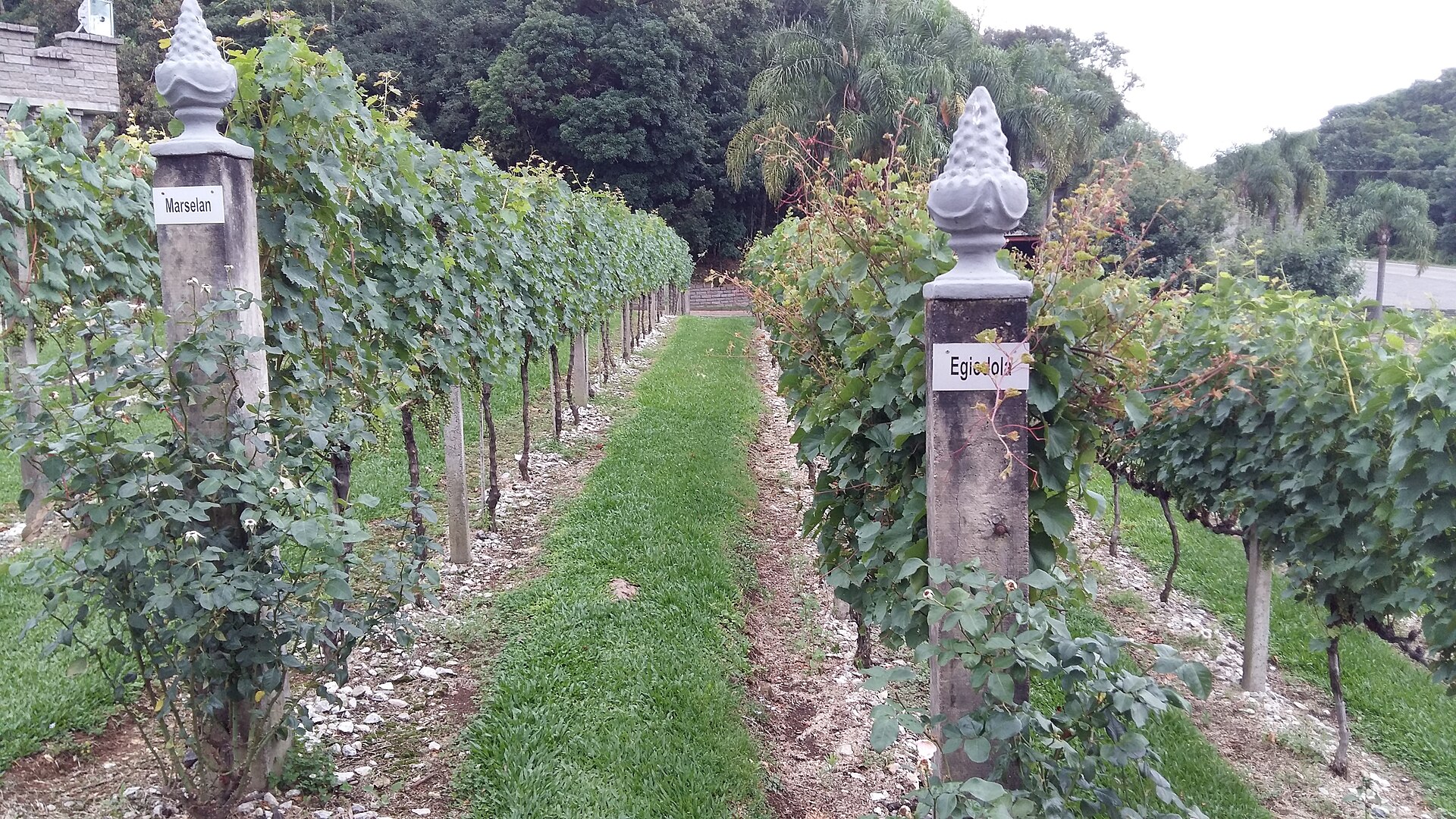
- Church at Monte Belo do Sul — Monte Belo do Sul
Monte Belo do Sul sits inside the valley, and its Catholic church is a handy landmark for understanding the Italian-Brazilian settlement. Small chapels like this anchor each hillside community. The village is quiet, with a few shops and cafés, and works well as a short stop between wineries rather than a full day out.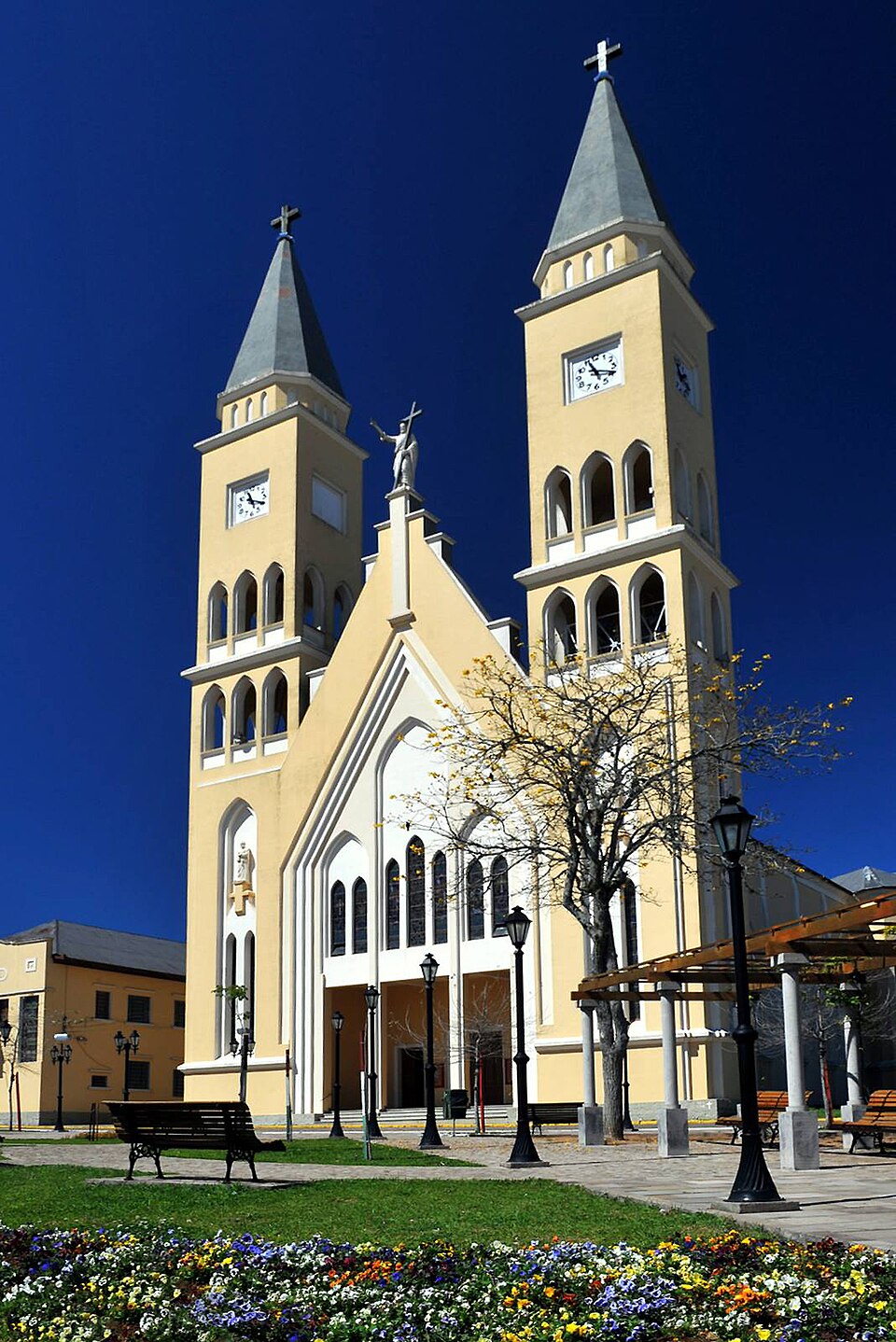
- Winery cellars and tastings — Estates along the valley roads
Wineries around Vale dos Vinhedos open their cellars for guided tours and tastings, often in period buildings of stone and timber. Large houses run set tours; smaller family cellars may pour at a counter. Booking ahead is wise at weekends, and the official valley website lists estates and contact details.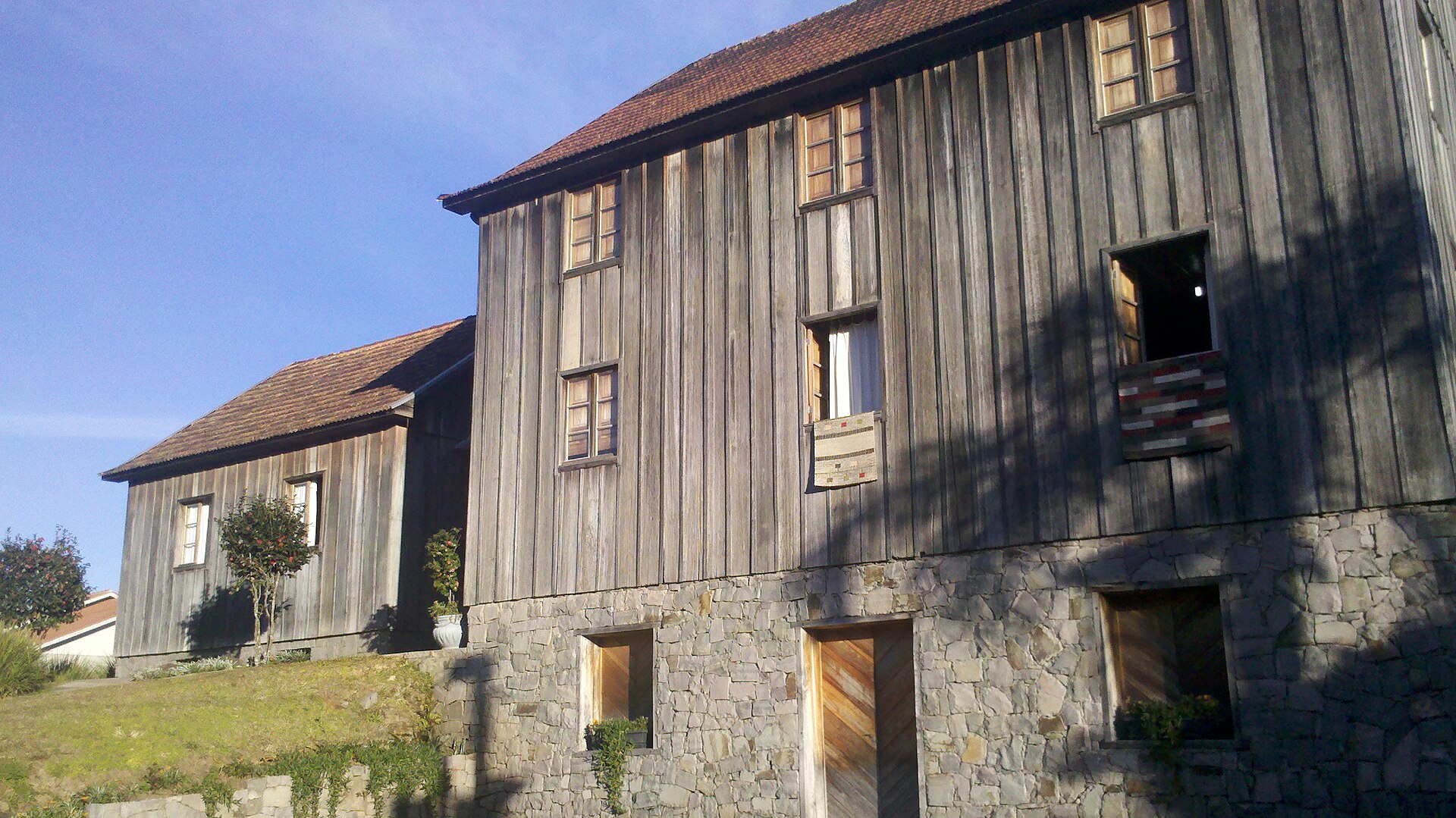
- Ridge roads and viewpoints — Hill roads between the estates
The country roads of Vale dos Vinhedos wind over ridges, and pull-offs give long views of vineyards stepping down into folds of green hill. Early morning light, and low mist when it comes, flatters the scene. Cyclists share the lanes with cars and tractors, so ride carefully and avoid the busiest weekend afternoons.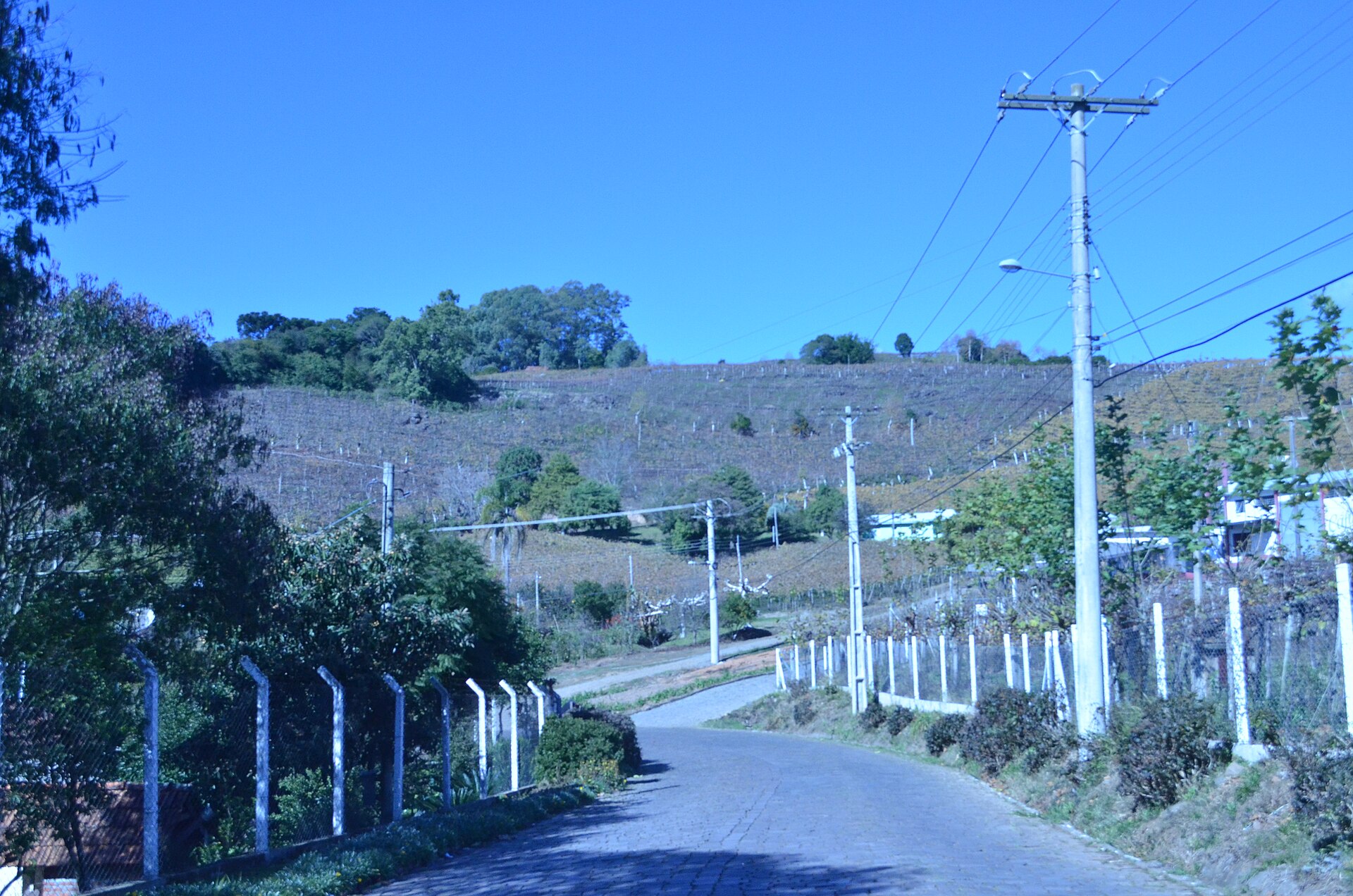
- Bento Gonçalves town — Bento Gonçalves
Bento Gonçalves is the town most visitors use as a base for Vale dos Vinhedos, with restaurants, shops selling wine, grape juice and cured meats, and tour operators. The valley itself lies a short drive away. Staying in town usually costs less than a vineyard guesthouse, though a night among the vines gives quieter evenings.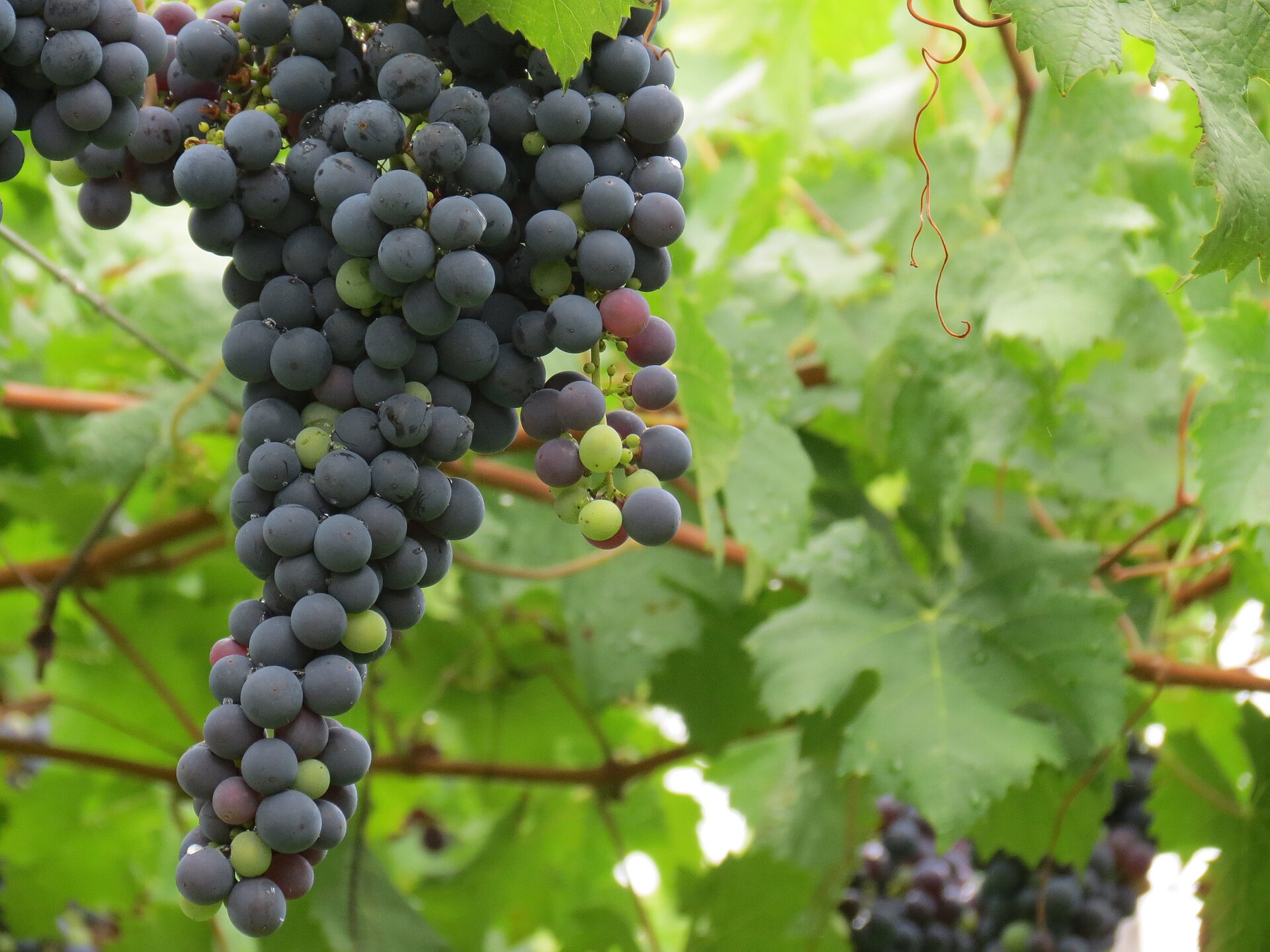
Culture
Vale dos Vinhedos carries the culture of Italian immigrant farmers who became part of rural Rio Grande do Sul, and it shows in language, religion and the table. Many families still speak or remember Talian, a dialect rooted in northern Italian speech, and it is heard alongside Portuguese with a distinct local lilt. Catholic chapels stand on hilltops, saints' days and harvest celebrations bring communities together, and Sunday lunch is a long, loud, generous affair. Hospitality is a point of pride: producers often pour a glass for visitors and talk about family history as readily as grape varieties. Beyond the Italian layer, the wider gaúcho culture of southern Brazil also matters, with its cattle-country traditions, churrasco grills and the habit of passing round chimarrão, a bitter herbal drink. Wine here is treated as part of daily food rather than a luxury, so tastings tend to be relaxed and conversational rather than formal. Visitors meet a lot of curiosity about where they come from, and a few words of Portuguese go a long way. The region is also working farmland, so tourism has to fit around harvests, weather and family routines. Arrange a designated driver or taxi before any tastings, because the roads are narrow and winding, and ask before photographing people working in the vines or inside family homes and chapels.
What to wear
Vale dos Vinhedos has no single costume of its own, so its clothing story is one of inherited rural habits. Italian settlers wore wool, cotton and linen, with shawls, aprons and straw hats for fieldwork, and versions of those outfits appear at harvest festivals and folklore performances. The wider gaúcho tradition of Rio Grande do Sul adds bombachas, loose cotton or wool trousers gathered at the ankle, along with ponchos, leather boots and neckerchiefs, mostly seen at rural festivals and on horseback. In daily life people dress practically: jeans, shirts, fleeces and sturdy shoes for work among the vines, and smart-casual clothes for restaurants, weddings and Sunday lunch. Winters bring proper coats, scarves and woollen hats, which surprises visitors expecting tropical Brazil. Visitors should pack layers. Summer calls for light cotton or linen, a sun hat and sunscreen, while winter needs a warm jacket, and cellars stay cool all year. Flat, closed shoes handle gravel lanes, damp grass and cellar floors better than sandals or heels, and a light rain jacket is useful in any season. Chapels are relaxed, but covering shoulders and knees is polite when stepping inside one. Nothing about the tastings themselves requires formal dress.
What to eat
- Espumante (sparkling wine) — Winery tasting rooms across the valley
Sparkling wine is a local speciality, made in several styles from dry to sweet. It is poured at nearly every tasting and pairs well with salty cured meats and cheese. Ask the estate which style it is proudest of, and try a glass before committing to a bottle. - Sopa de capeletti — Family-run restaurants serving set lunches
A comforting broth with small stuffed pasta, traditionally served at family lunches in Italian-Brazilian homes. It arrives early in a long meal and is meant to be followed by much more food. Warm and filling, it suits cool days especially well. - Galeto al primo canto — Country restaurants along the valley roads
Young chicken, grilled or roasted with herbs, served as part of a generous set lunch alongside salads, pasta and polenta. The name comes from an old Italian phrase about a chicken at its first crow. Portions are shared, so arrive hungry. - Polenta frita — Restaurants and snack counters in Bento Gonçalves and at larger estates
Cornmeal polenta cooked, cooled and cut into batons, then fried until crisp outside and soft within. It turns up as a side dish or a snack with drinks, usually with a little cheese or salami beside it. - Salame colonial and local cheeses — Farm shops and roadside stalls around the valley
Cured sausage and cheese made on family farms, sliced thick and served with bread or pickles. Varieties differ by producer, so tasting is the best way to choose. Many shops will pack purchases securely for the journey home. - Suco de uva integral — Tasting rooms and shops in the valley
Whole grape juice, dark, rich and made without added sugar, is the non-alcoholic option that suits drivers, children and anyone pacing a day of tastings. It is easy to carry home and often sold alongside the wines.
Plan it
Best time. February–March for the grape harvest and a lively atmosphere, April for early autumn colour on the vines, and October–November for fresh spring greenery and milder weather. Summer can be hot and humid, and winter brings cold mornings and nights.
How long. 2–3
Getting there. Porto Alegre's airport is the main gateway, followed by a road journey into the Serra Gaúcha to Bento Gonçalves, the usual base; Caxias do Sul also has a smaller airport nearby. From Bento Gonçalves the valley is a short drive by taxi, tour or hire car.
Budget. mid
Tips
- Book winery visits ahead at weekends and holidays, and check opening arrangements on the official site, valedosvinhedos.com.br
- Visit on a weekday if possible, when roads and tasting rooms are calmer
- Carry a card and some cash for roadside stalls and small family cellars
- Plan transport before you start tasting: a driver, taxi or organised tour
- Bring water, a hat and sunscreen in summer, and a warm layer in winter
Etiquette
- Do not drink and drive; arrange a taxi or designated driver
- Ask before walking into the vines or photographing people at work
- Spitting wine out at a tasting is normal and not rude
Nearby
Sources
- Wikidata Q1241994 (CC0)
- Wikipedia: Vale dos Vinhedos (CC BY-SA 4.0)
- Wikivoyage: Vale dos Vinhedos (CC BY-SA 4.0)
- Photo: Bento Gonçalves - Vale dos Vinhedos (Denise Carceroni) (CC BY 3.0)
- Photo: Igreja Católica de Monte Belo do Sul, RS (Germano Roberto Schüür) (CC BY-SA 4.0)
- Photo: Plantações de uva, Vale dos Vinhedos, RS (Stella Segatti) (CC BY-SA 4.0)
- Photo: Um pouco do Vale dos Vinhedos (Glauco Umbelino) (CC BY 2.5)
- Photo: Vale dos Vinhedos em Bento Gonçalves (Betofamed) (CC BY 3.0)
- Photo: Vale dos Vinhedos/RS 7841890084 (Ana Raquel S. Hernandes) (CC BY-SA 2.0)
- Photo: Vale dos Vinhedos/RS 7841896196 (Ana Raquel S. Hernandes) (CC BY-SA 2.0)
- Photo: Vale dos Vinhedos/RS 7841898156 (Ana Raquel S. Hernandes) (CC BY-SA 2.0)


