Canoa Quebrada
Canoa Quebrada, Brazil
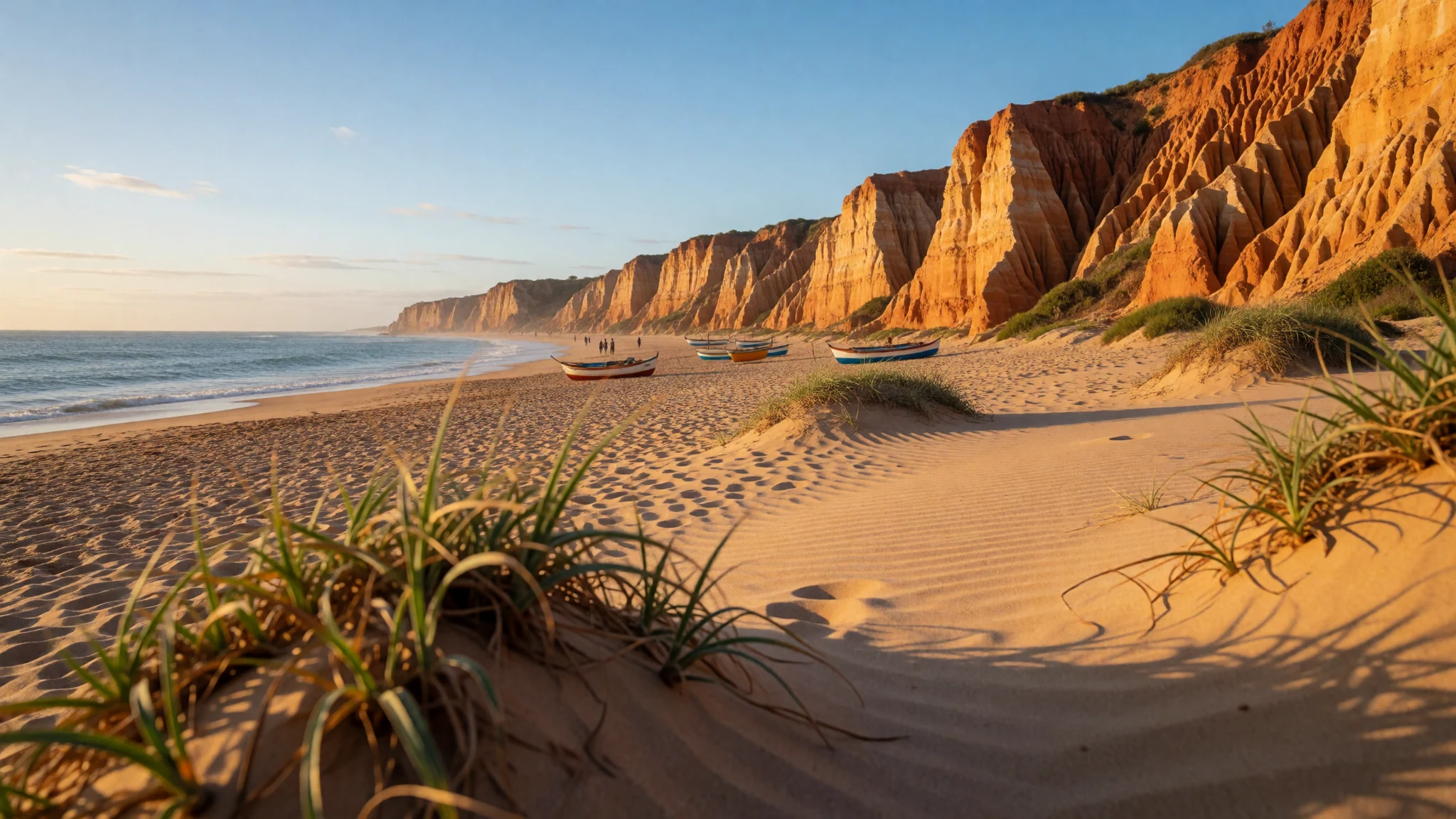
Canoa Quebrada is a sunny Ceará fishing village of dunes, cliffs and sailing rafts, with a lively main street and a relaxed, slightly hippie spirit.
The place
Canoa Quebrada is a fishing village and beach resort on the east coast of Ceará, in north-eastern Brazil, within the municipality of Aracati. Its name means broken canoe in Portuguese. The village lies about 164 km from Fortaleza, the state capital, and most visitors arrive by road along the coast. Cliffs and sand dunes frame the settlement, and the sea is a short walk from any doorway. The centre is small enough to cover on foot. One main street holds most of the guesthouses, restaurants and shops, and everyone calls it Broadway, although its official name is Rua Dragão do Mar. Behind the village the dunes rise, and in the late afternoon people climb them to watch the sun go down. The beach runs away in both directions, with jangadas, the traditional sailing rafts of the coast, pulled up on the sand and simple beach shacks serving drinks. The climate is dry and sunny for most of the year, with daytime temperatures around 30 °C. Rain tends to fall between March and May, usually as showers in the daytime, and it is lighter here than in Fortaleza. Steady sea winds have made the place a base for kitesurfers and windsurfers. The mood is easygoing, with a hippie streak left over from earlier years, though more building and more visitors are slowly turning the village into a conventional resort. Weekdays can feel sleepy, while weekends fill with people from across the eastern part of the state.
Its story
Canoa Quebrada began as a fishing community, and the fishing has never entirely gone. Some local men still work from jangadas, the small sailing rafts that have long been the working boats of this coast, and the same craft now carry visitors on short trips offshore. The village name, broken canoe, is a reminder of that boat-centred past. The main street carries the name of Francisco José do Nascimento, known as Dragão do Mar. In 1881 he refused to transport enslaved people who were to be sold further south, and he is remembered in Ceará as a hero of the abolitionist movement. Later the village gained a reputation as a hippie haven, drawing travellers who came for cheap rooms, cliffs and long evenings on the dunes. That image still clings to it, even as guesthouses multiply and the place edges towards resort status. The change has brought pressure on the shoreline. The beach, dunes and cliffs now fall within a municipal environmental protection area, created to regulate how land along Aracati's coast is occupied and used. The municipal government also keeps watch over the cliffs for erosion and for building that breaks the rules. Safety has shifted too. Canoa was once known for almost no crime, but muggings have become more frequent, especially after dark. The village today sits between three identities: fishing settlement, counter-culture retreat and growing holiday town.
What to see
- Sunset from the dunes — Dunes behind the village
The dunes backing Canoa Quebrada are the village's evening gathering place. People climb up in the late afternoon, once the heat eases and the beach turns shady, and watch the sun drop over the sand. Bring water and sit early, as the best spots fill.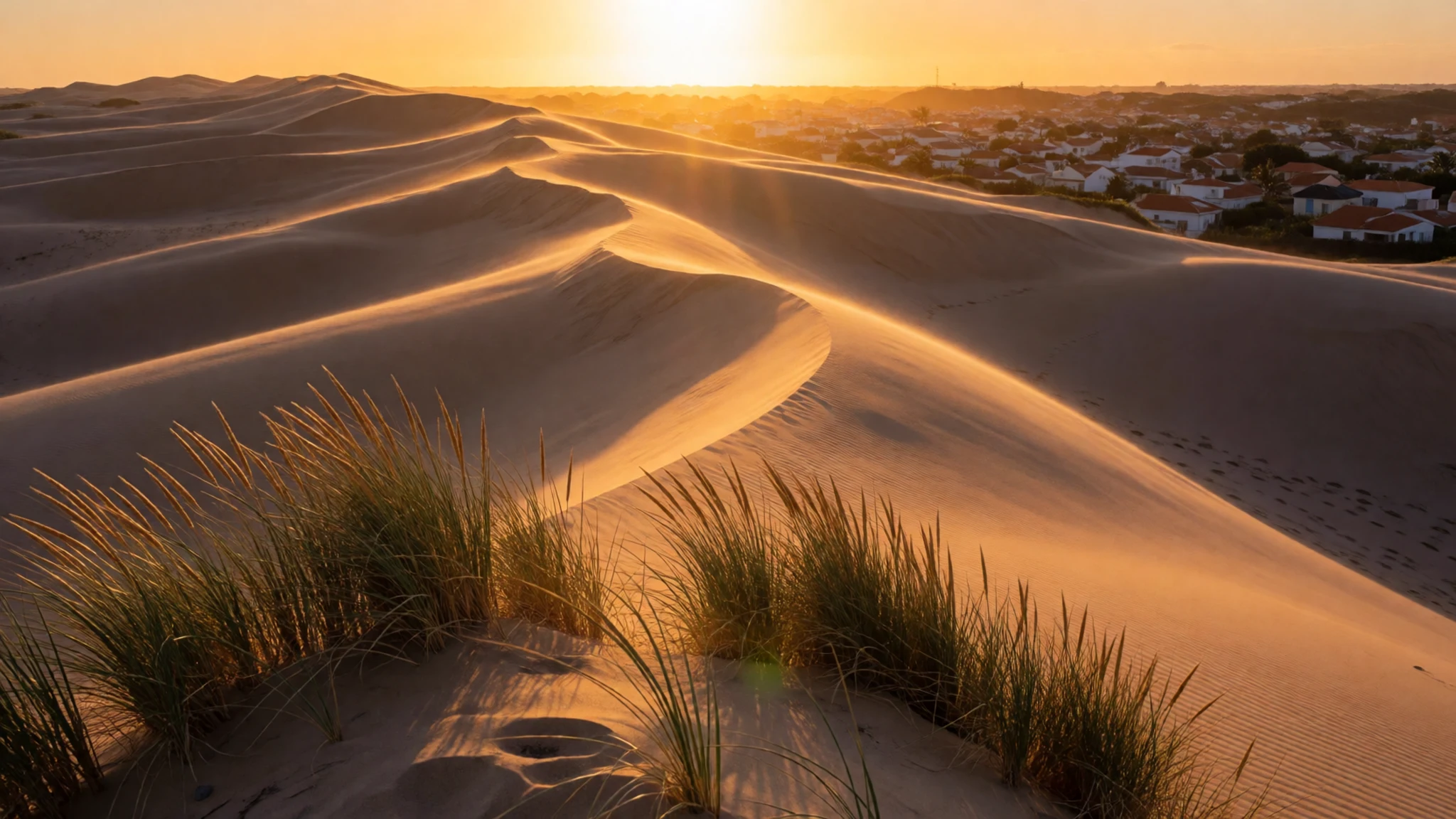
- Walking the beach — Shoreline either side of the village
The shore stretches away in both directions from Canoa Quebrada, with cliffs on one side and open sea on the other. Some stretches flood partly at high tide, so expect wet knees if the timing is wrong. Walk at low tide, in the cooler hours.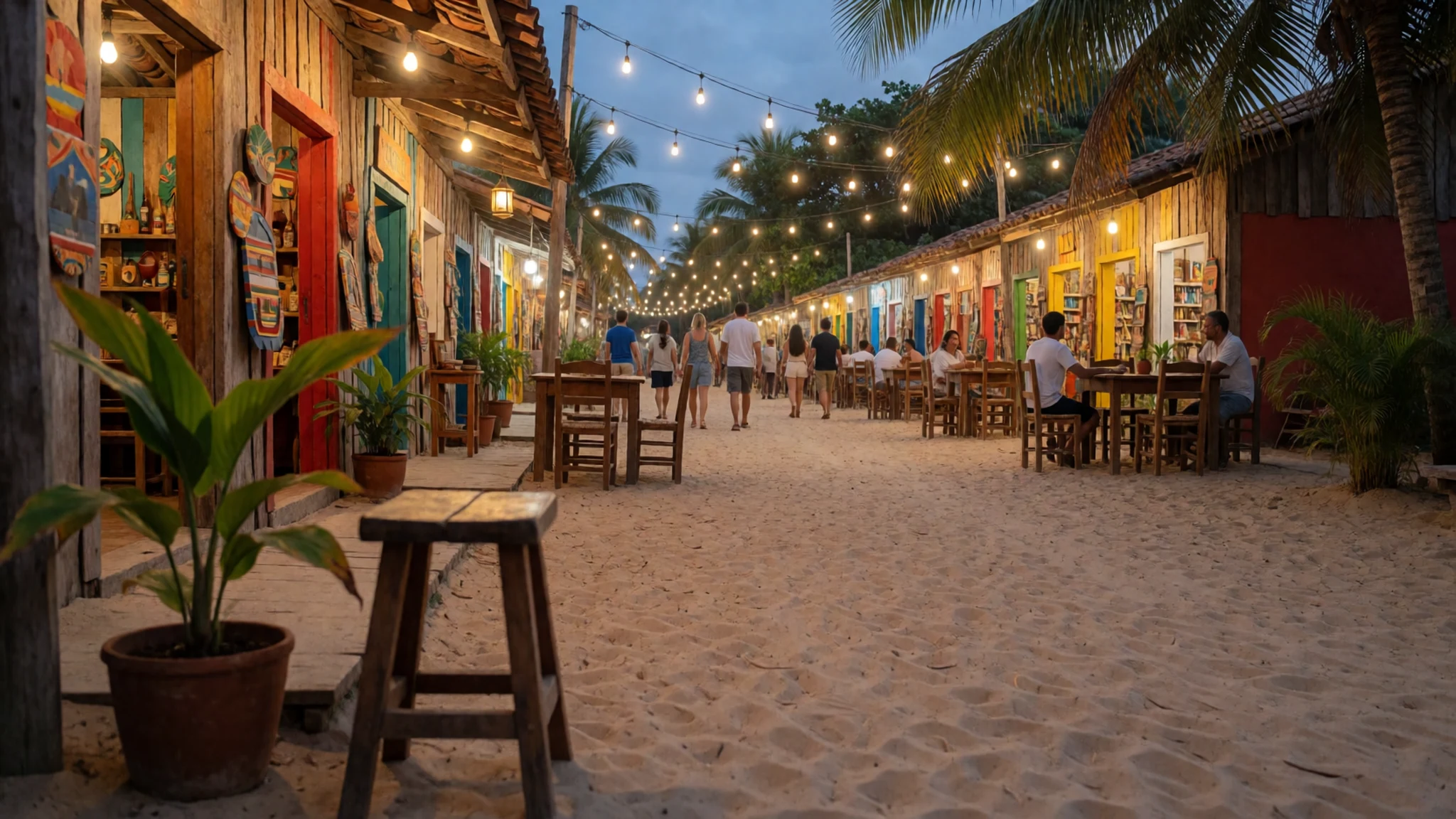
- Dune-buggy trip along the coast — Dunes and coast around Canoa Quebrada
Buggies with a driver and guide are the classic way to cover the dunes and the coast beyond the village, with stops at viewpoints and beaches. Trips can be booked through travel agencies in town. Agree the route and what is included before setting off.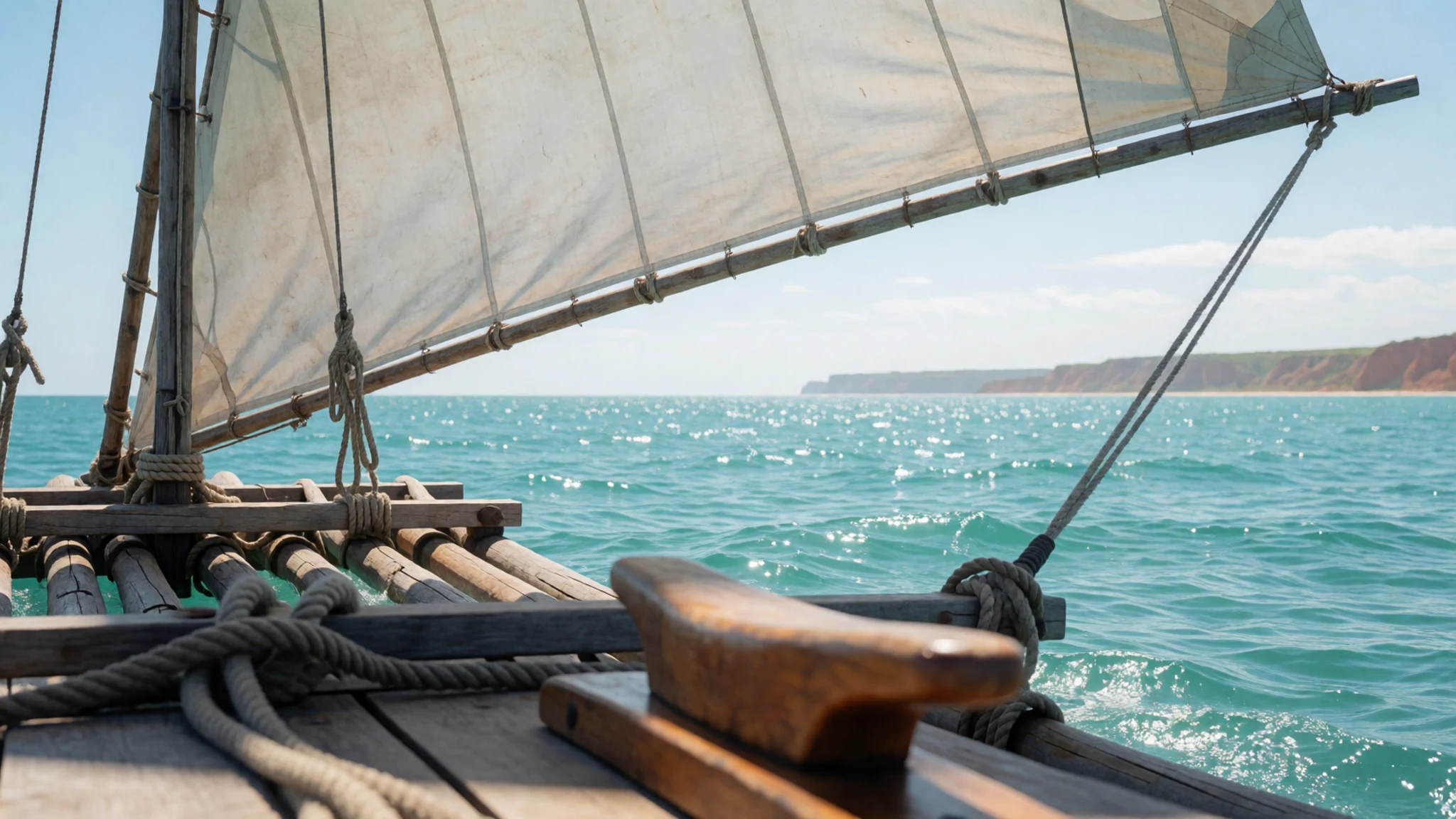
- Sailing on a jangada — Beach at Canoa Quebrada
A jangada is the traditional fishing raft of this coast, driven by a single sail. Short rides of about 30 minutes run from the beach, and local fishermen still work from the same boats. It is a gentle introduction to how the village has lived from the sea.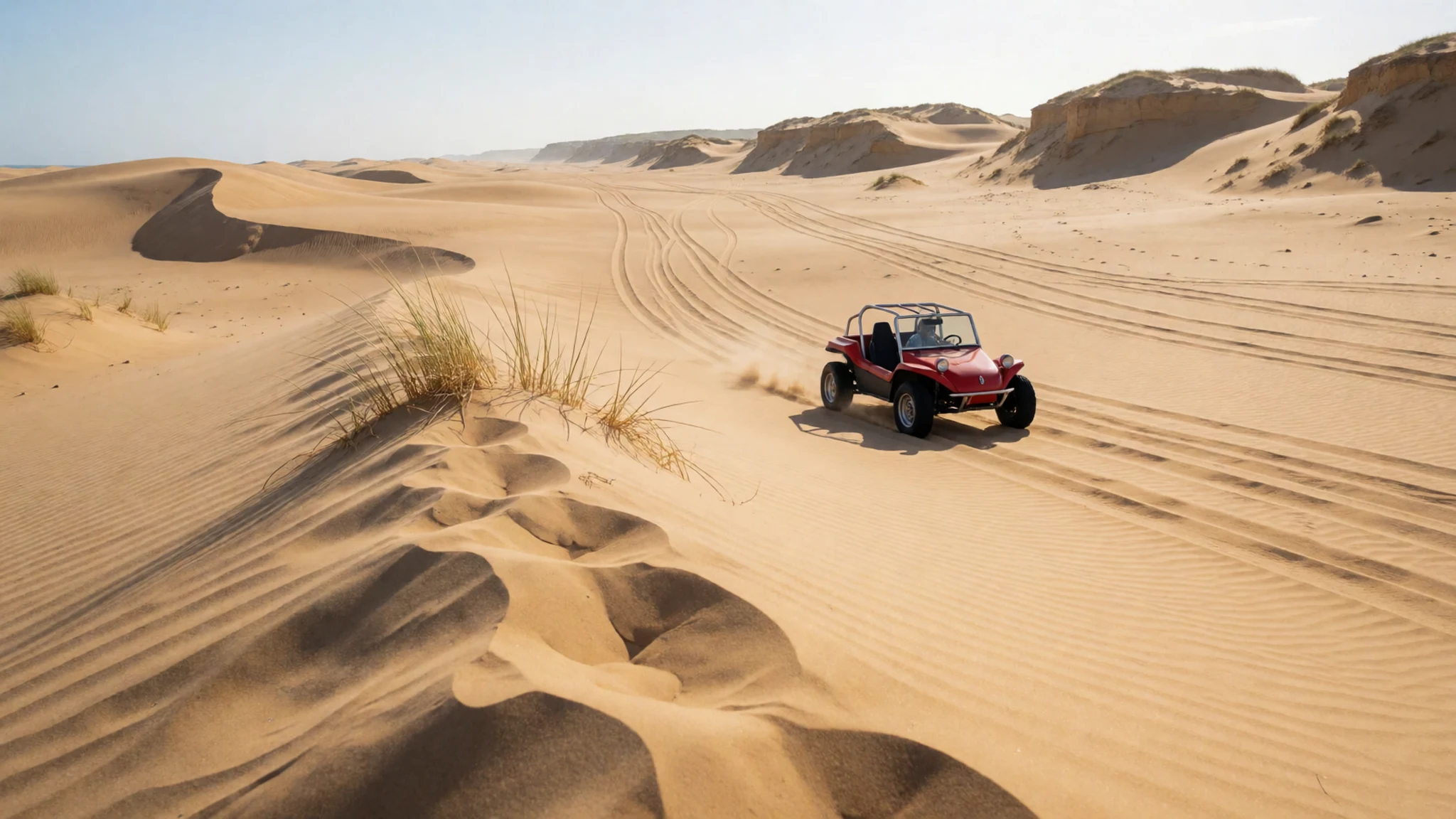
- Kitesurfing and cliff-top paragliding — Beach and clifftops near the village
Steady sea breezes make Canoa Quebrada a popular place for kitesurfing and windsurfing, and a local kite school offers lessons. Tandem paragliders launch from the cliff top for a view over the dunes and sea. Pick operators by their safety record and equipment.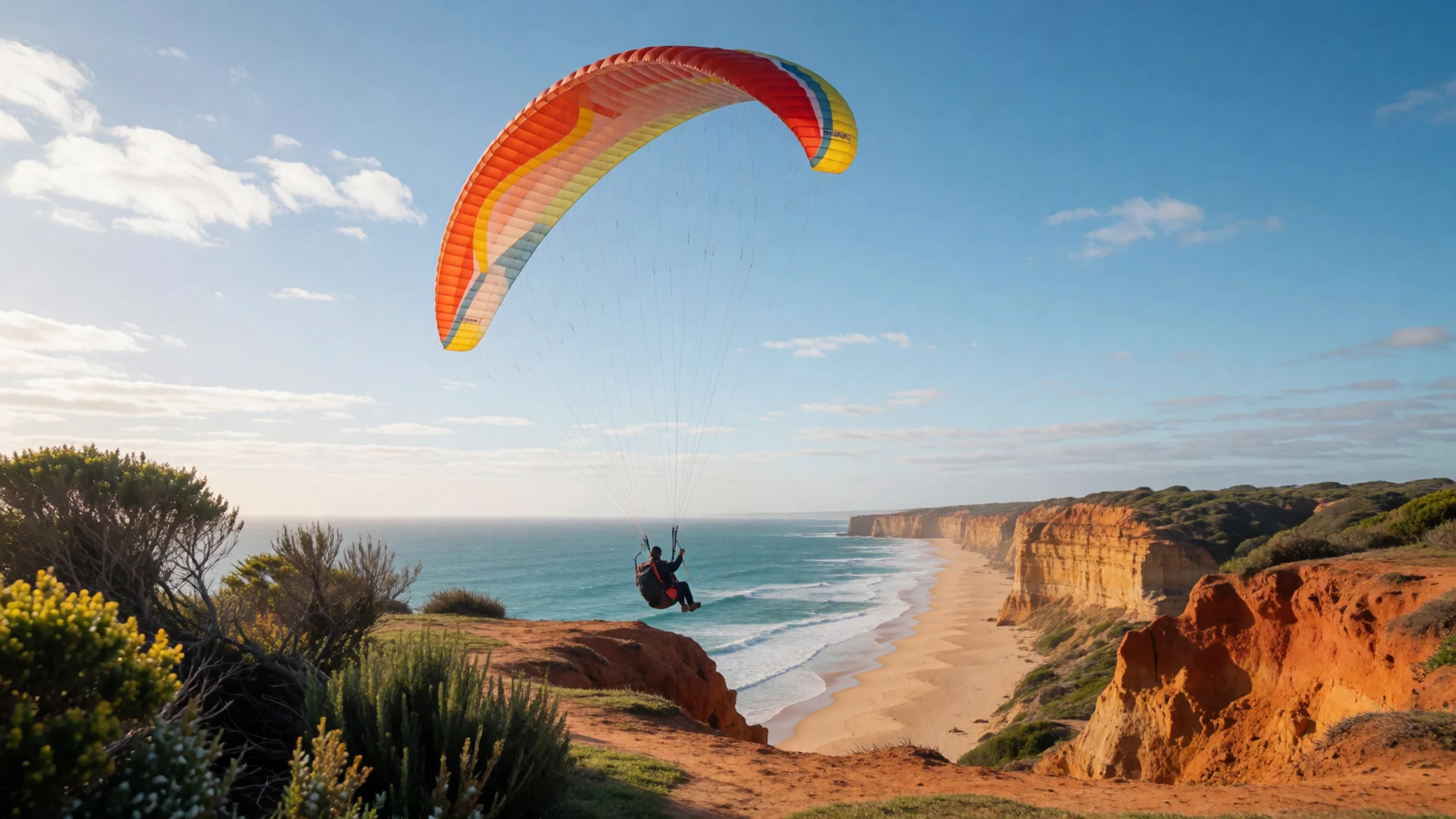
Culture
Canoa Quebrada is a working fishing village that has grown up around visitors, and its culture shows both sides. Fishing families still use jangadas, and the daily rhythm of the beach, with boats going out and returning, belongs to them. The main street, Broadway, carries the name of Dragão do Mar, the abolitionist hero from Ceará, and locals take pride in that history. The village also carries a hippie legacy, visible in its relaxed dress, live music, craft stalls and a general tolerance for slow days. Nights have their own character. On Fridays and Saturdays Broadway becomes one long party, with people arriving from across the eastern part of Ceará and sometimes from neighbouring Rio Grande do Norte, and bars, street benches and pool tables fill up. Weekdays can be quiet outside the January high season. Behind the lively surface, many people who work in restaurants and bars earn minimum wages, often without a proper contract. That shapes how visitors can behave well. Buying from small local businesses, choosing village restaurants over generic beach shacks and treating staff with courtesy all make a difference. Care on the walk home matters too, as muggings have become more frequent, particularly for people walking alone late at night. Many menus add a 10% charge that goes to the owner, so tip the waiter directly in the hand, since even a few reais are welcomed.
What to wear
Canoa Quebrada has no formal costume of its own, but the working dress of the coast is clear enough. Fishermen on jangadas traditionally wear long-sleeved shirts, light trousers and wide-brimmed hats of straw or cloth against the sun and salt. Ceará more broadly is known for handmade lace and cotton hammocks, and craft stalls in the village often sell such pieces, though they are souvenirs rather than daily clothing. Everyday dress now is simple beach wear: swimwear, shorts, loose cotton or linen tops, sarongs and flip-flops, with a relaxed, slightly bohemian look that suits the village's hippie reputation. In the evening people put on a light shirt or dress for Broadway, but nothing formal is expected. Visitors should dress for heat, sun and sand. Daytime temperatures sit around 30 °C, so pack breathable fabrics, a brimmed hat, sunglasses and strong sun protection. Sandals or flip-flops are fine in town, but closed shoes help on dunes and cliff paths, and reef-style water shoes can be useful if walking stretches that flood at high tide. A light layer is handy for breezy evenings and for the buggy ride. There are no religious sites with strict dress codes in the village, but covering up with a shirt or wrap away from the beach is polite when walking through town, eating in restaurants or visiting local homes.
What to eat
- Panela cearense — Village restaurants along Broadway
Panela cearense is a regional dish from Ceará, cooked and served in a pot in the style of the state's home kitchens. It is hearty, so it suits a long lunch. Village restaurants tend to do it better than beach shacks.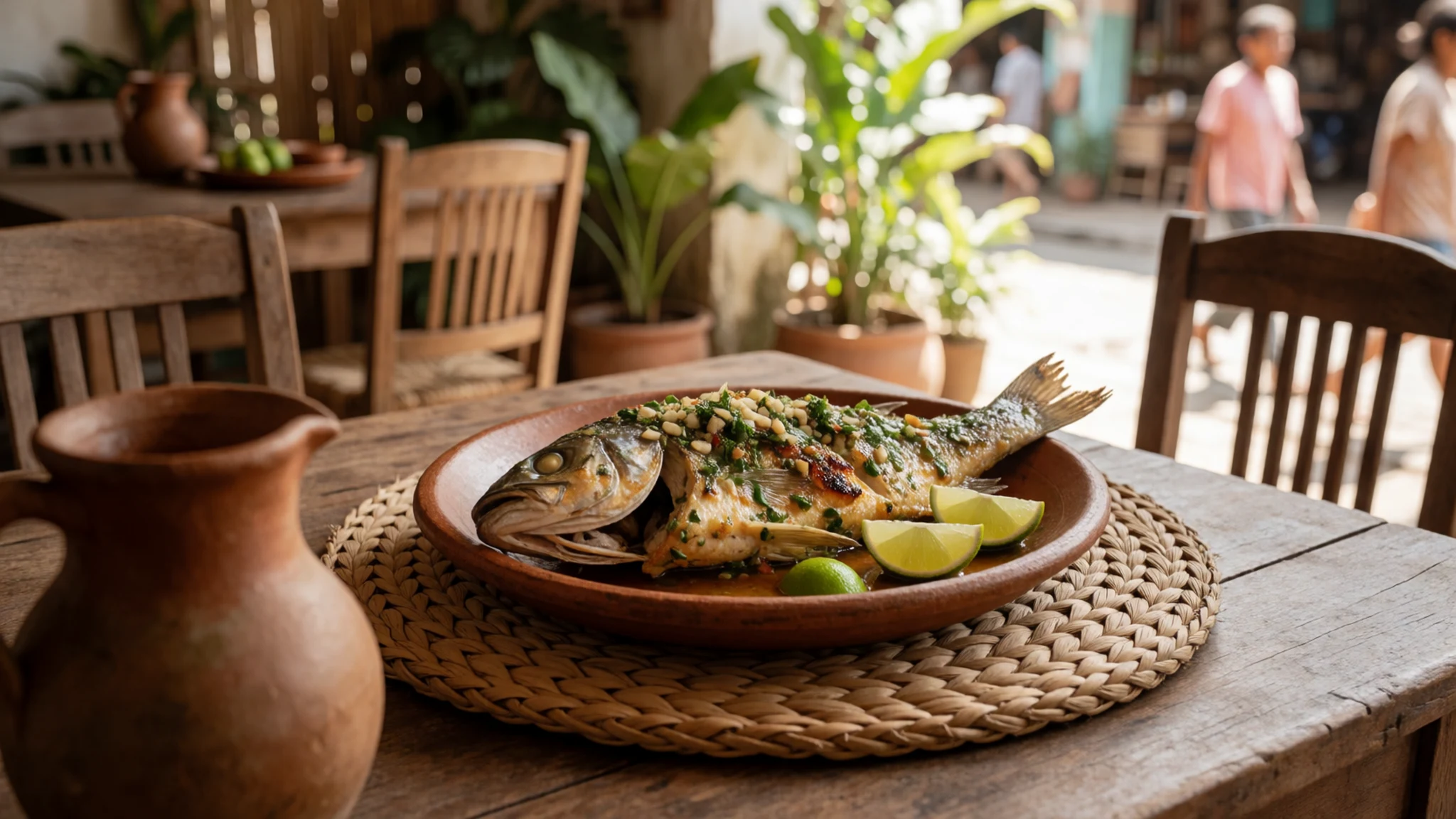
- Grilled steak with sauces — Grill restaurants on Broadway
Several grill restaurants on the main street serve steaks with a choice of sauces, and some follow Argentine-style cooking, with mostly grilled meats. Quality varies, so check what other diners are eating before sitting down, and look out for lunch offers.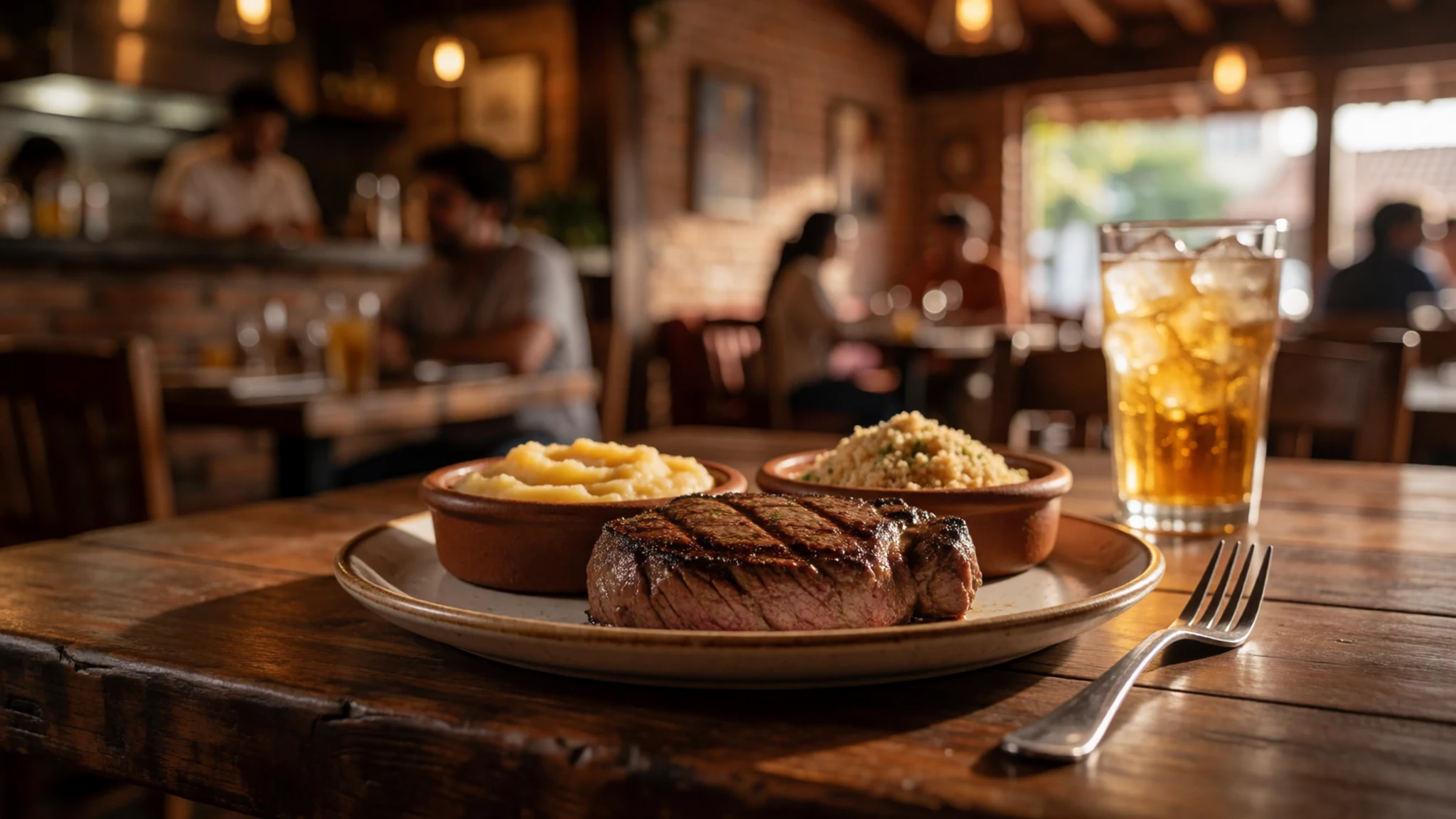
- Fresh grilled fish and seafood — Village restaurants near the beach
With jangada fishermen still working from the beach, fish and seafood are the natural order of the day. Look for grilled fish at village restaurants, ideally with rice, salad and a cold drink. Ask what came in that morning. - Biroska — Beach bars and Broadway bars
Biroska is a Brazilian cocktail in the caipirinha family, usually built on citrus, sugar and ice. It is a typical afternoon drink at the beach bars, where daytime drinking is part of the routine. Pace it in the heat and drink water alongside. - Local lunch specials — Restaurants on the main street
Many restaurants on Broadway run special offers at lunchtime, which is a good way to try local cooking without a large bill. Food from the village restaurants is generally better than from beach shacks, so save the beach for drinks.
Plan it
Best time. July to December is the most reliable stretch, as the sun is present almost all year but rain usually falls between March and May. January is busy even on weekdays, while weekends are lively at any time of year.
How long. 2–3
Getting there. Fly into Fortaleza and continue by road, or use Canoa Quebrada Dragão do Mar Regional Airport near Aracati. Buses run from Fortaleza several times a day and take about three and a half hours; the other option is to get off any bus passing Aracati and take a minibus for the last stretch. By car, follow the coastal highway from Fortaleza.
Budget. low
Tips
- Weekends are the busiest and loudest, so book a guesthouse ahead for Fridays, Saturdays and January
- Carry some cash, as small guesthouses and beach stalls may not take cards
- Walk the beach at low tide, as some stretches flood when the tide is high
- Keep valuables out of sight and avoid walking alone on the beach late at night
- Use strong sun protection and carry water at all times
Etiquette
- Tip waiters directly, as the service charge on menus does not reach the staff
- Ask before photographing fishermen or other people at work
- Take rubbish with you from the beach and dunes
Nearby
Sources
- Wikidata Q2936442 (CC0)
- Wikipedia: Canoa Quebrada (rev 1371258504) (CC BY-SA 4.0)
- Wikivoyage: Canoa Quebrada (rev 5396840) (CC BY-SA 4.0)
- Photo: Canoa Quebrada, Ceará — Jorge Brazilian (CC BY 2.5)
- Photo: A CANOA QUEBRADA? (cropped) — samuel.pio (CC BY 3.0)
- Photo: A CANOA QUEBRADA? — samuel.pio (CC BY 3.0)
- Photo: A jangada e o nascer — Iury0545 (CC BY 3.0)
- Photo: Adios — Fabiano Caruso (CC BY-SA 2.0)
- Photo: Amanhece em Canoa Quebrada — Fabiano Caruso (CC BY-SA 2.0)
- Photo: Canoa Quebrada, state of Ceará, Brazil 01 — Ridiculopathy (CC0 1.0)
- Photo: Canoa Quebrada, state of Ceará, Brazil 02 — Ridiculopathy (CC0 1.0)


