Christ the Redeemer
Christ the Redeemer, Brazil
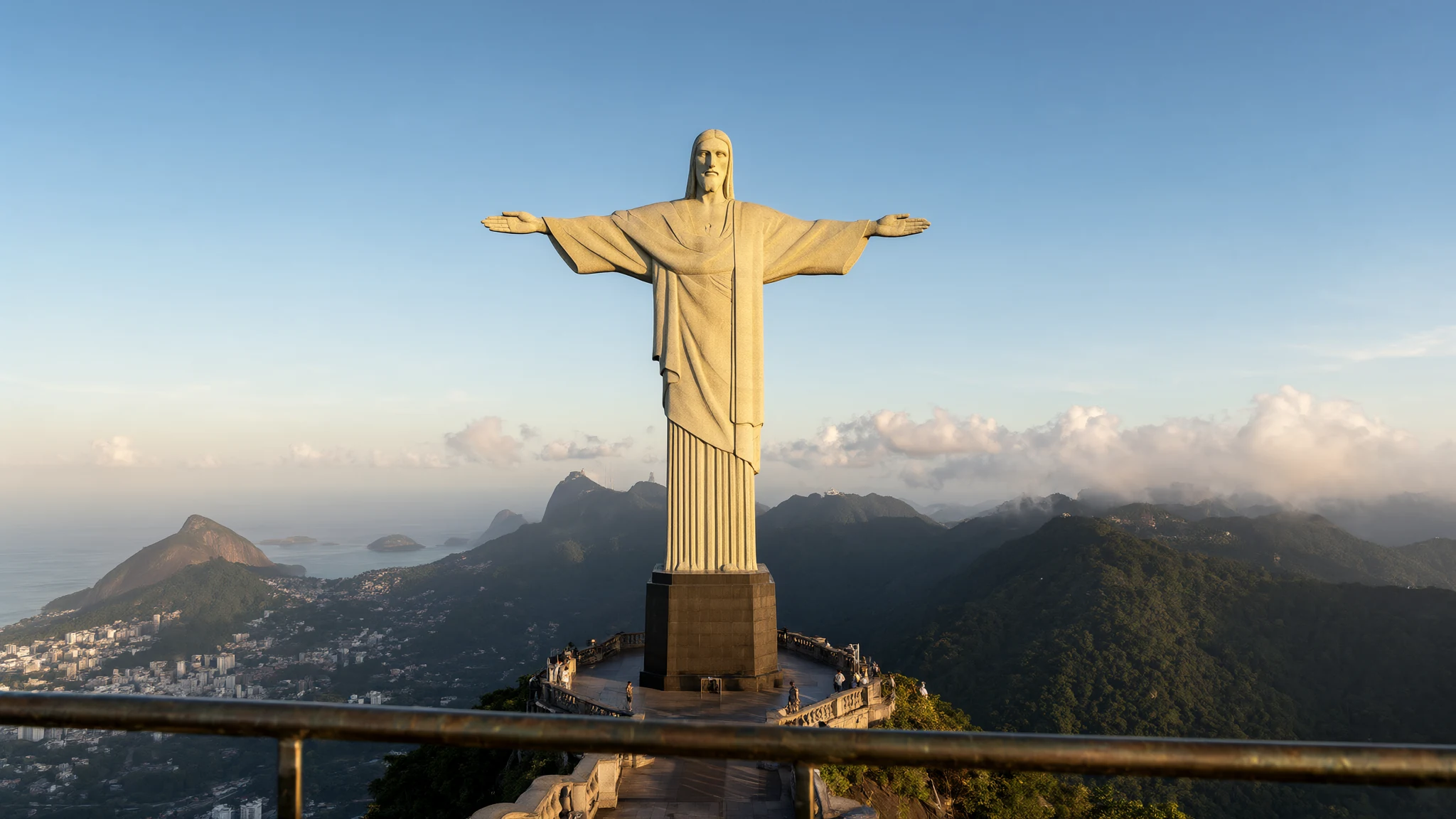
Stand beneath the towering arms of the world's most famous Art Deco sculpture as it watches over the vast sweep of Rio de Janeiro.
The place
Christ the Redeemer, known locally as Cristo Redentor, dominates the skyline of Rio de Janeiro from the summit of Corcovado mountain. Standing at an elevation of 710 metres within the protected bounds of Tijuca National Park, the colossal figure acts as an eternal sentinel over the sprawling metropolis, glittering bays, and distant Atlantic horizons. Christ the Redeemer is an early 20th-century engineering triumph brought to life by a global team: French-Polish sculptor Paul Landowski, Brazilian engineer Heitor da Silva Costa, French engineer Albert Caquot, and Romanian sculptor Gheorghe Leonida, the artist behind the statue's calm expression. The statue rises proudly in the Art Deco style, constructed from a robust core of reinforced concrete dressed in pale soapstone tiles that catch the shifting tropical light from dawn until dusk. Its outstretched arms span an immense width, offering a gesture of welcome and peace that has turned the hilltop into a global symbol of Christianity and a powerful cultural icon of Brazil. Visitors ascending the peak find themselves enveloped in mist one moment and gazing across the sunlit expanse of Guanabara Bay the next. The surrounding national park offers a lush, forested sanctuary of dense Atlantic rainforest right on the edge of a bustling urban centre, creating a striking contrast between raw natural beauty and monumental human artistry.
Its story
The dream of placing a Christian monument upon Mount Corcovado began in the mid-1850s, when Vincentian priest Pedro Maria Boss suggested honouring Princess Isabel, regent of Brazil and daughter of Emperor Pedro II. That initial concept failed to secure approval. Decades later, following the shift from empire to republic in 1889, the separation of church and state sidelined the idea entirely for a generation. The project gained fresh momentum in 1920 when the Catholic Circle of Rio organised a public campaign known as Semana do Monumento, or Monument Week, designed to gather signatures and secure donations from ordinary Brazilian Catholics who felt society was drifting away from its religious roots. Early artistic discussions considered various motifs, such as a traditional cross, a standing figure holding a globe, or a pedestal representing the world. Ultimately, the design settled on the grand silhouette of Christ with open arms. Construction commenced in 1922 and spanned nine years, relying on reinforced concrete rather than steel because engineers believed it better suited the grand cross-shaped geometry. Materials travelled from far afield, including concrete components supplied from Limhamn in Sweden. After overcoming immense logistical challenges to haul heavy supplies up the steep slopes of the peak, the monument was finally inaugurated on October 12, 1931.
What to see
- The Statue Summit
Stand at the foot of Cristo Redentor to appreciate the intricate soapstone exterior and the sheer scale of the outstretched arms framing the panoramic views of Rio de Janeiro and the Atlantic coast below.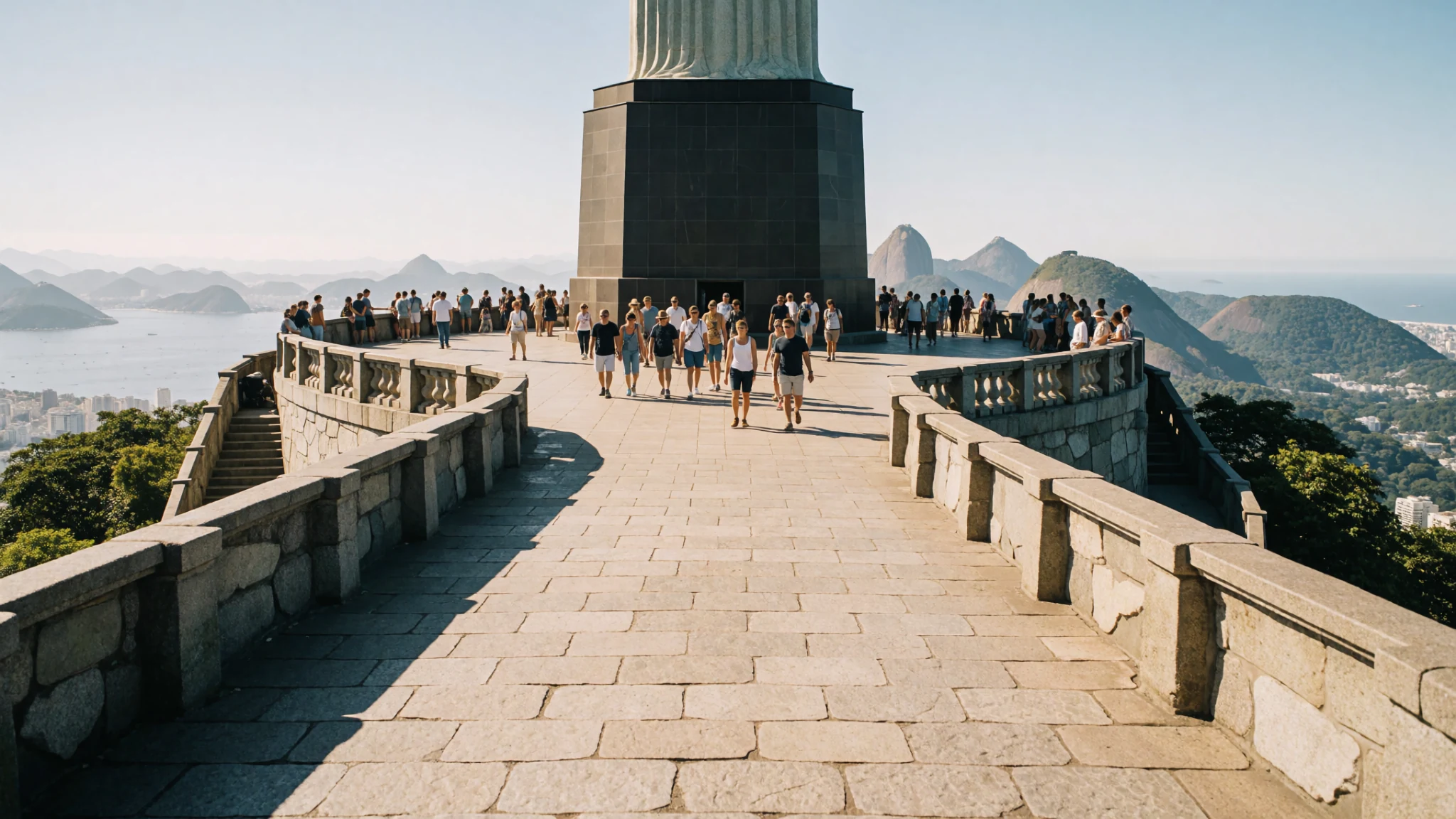
- Tijuca National Park
Explore the dense urban rainforest surrounding Corcovado mountain, home to cascading waterfalls, hiking trails, and abundant wildlife including small monkeys and exotic bird species shaded by ancient tropical trees.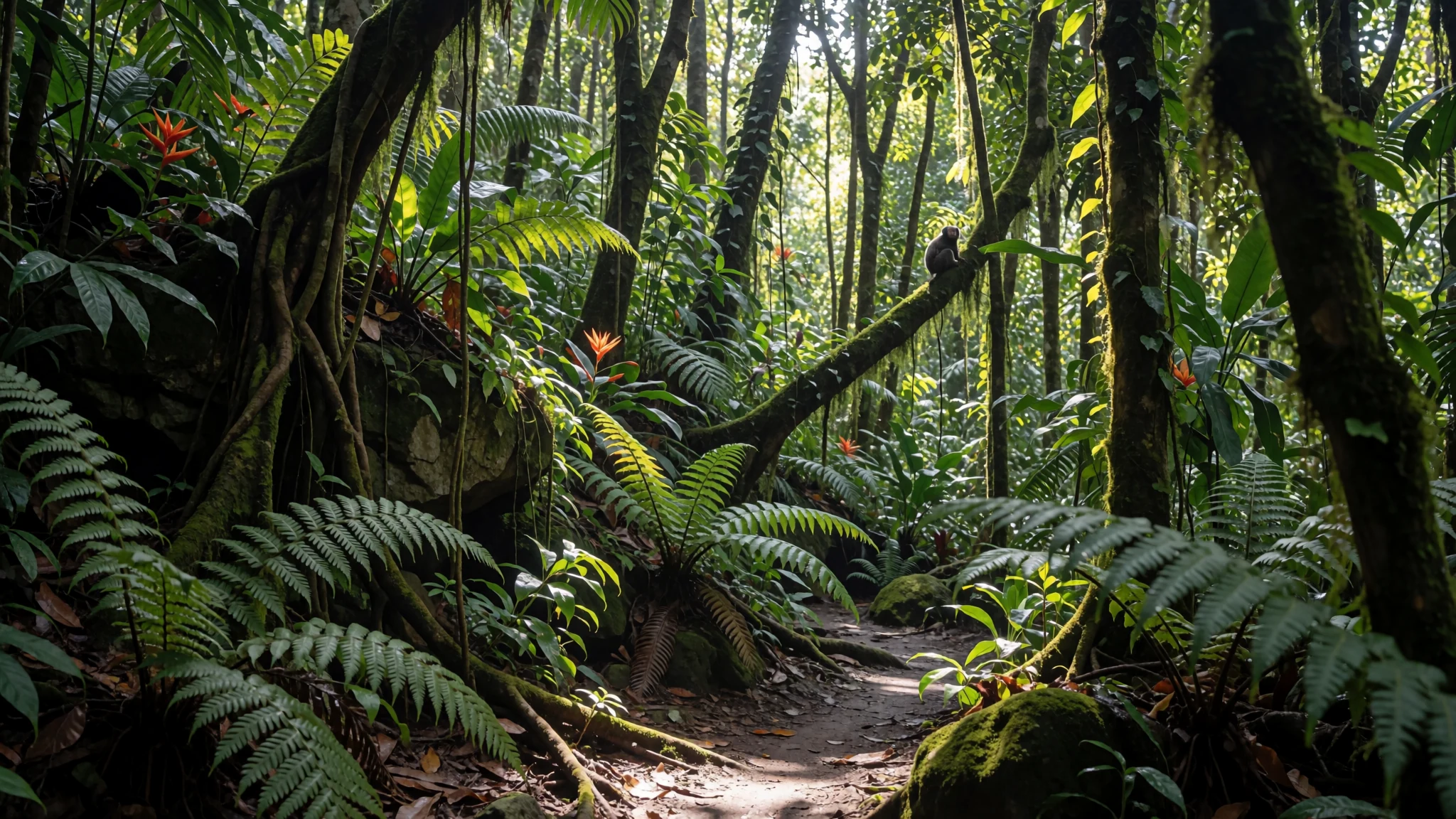
- The Corcovado Railway Station
Board the historic cog train at the base station in Cosme Velho, which has carried passengers up the steep rainforest slopes of the mountain for well over a century.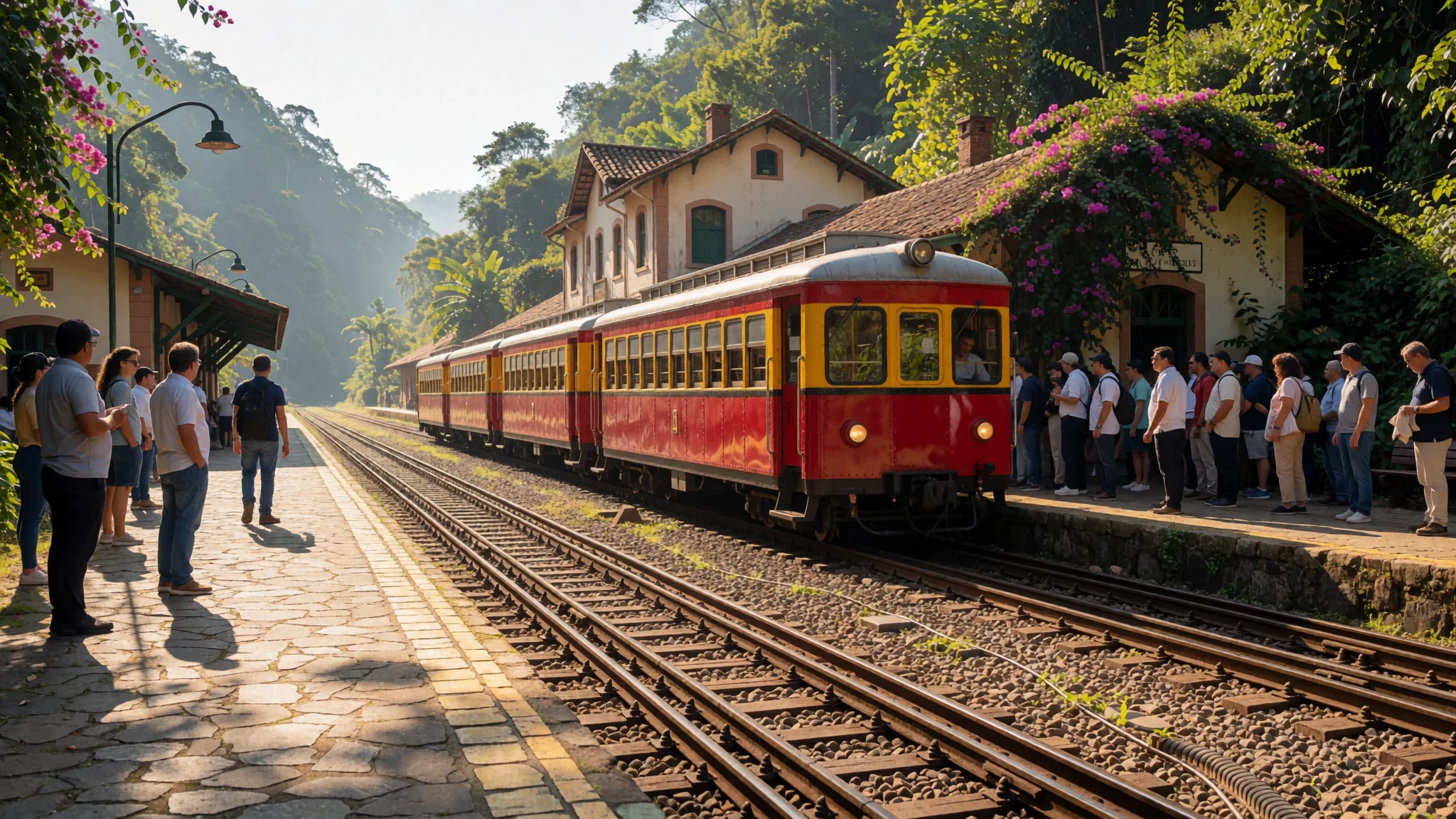
- Mirante Dona Marta
Visit this nearby hilltop viewpoint accessible by road for classic, uninterrupted photographic perspectives looking across the city towards the distant statue perched upon its dramatic mountain ridge.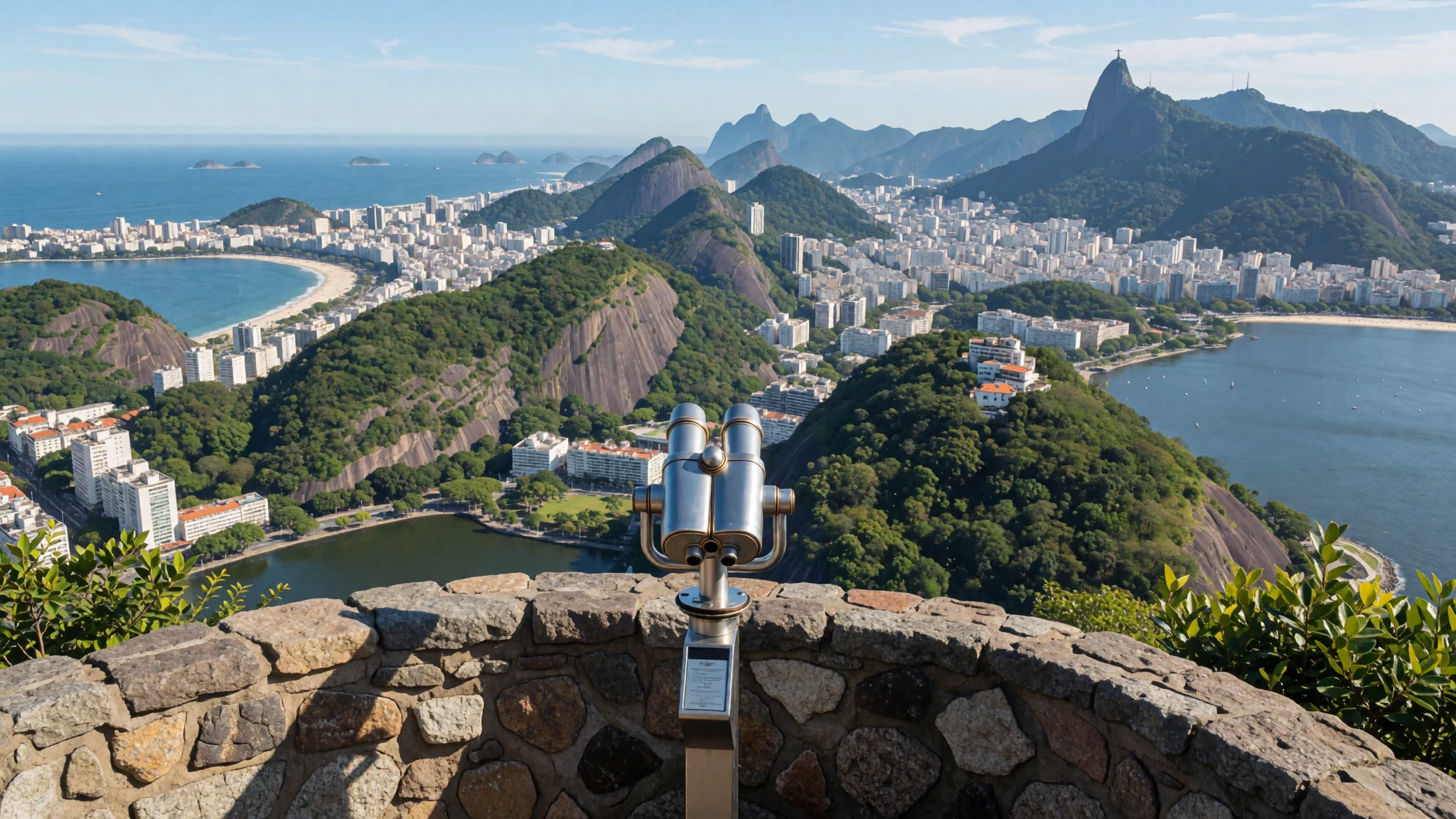
Culture
Rio de Janeiro pulses with a vibrant Afro-Brazilian heritage, where Catholic traditions merge seamlessly with local rhythms, samba culture, and an open, warm hospitality known as carioca warmth. The city values social connection, outdoor living, and an easygoing attitude, though sacred sites demand a quiet respect amidst the bustle of eager travellers. Music and dance are woven into daily life, from impromptu acoustic circles in neighbourhood squares to grand samba schools preparing year-round for carnival. While the atmosphere is generally relaxed, visitors should remain mindful of personal belongings in crowded tourist zones and busy transport hubs. Dress respectfully when visiting religious monuments, keeping shoulders and knees covered as a courtesy to the site's spiritual significance. Always be mindful of local worshippers and maintain a respectful quiet tone around the base of the statue.
What to wear
Carioca fashion prioritises comfort and breathability to cope with the tropical coastal heat. Traditional everyday wear across Rio de Janeiro relies on lightweight cottons, linen shirts, flowing skirts, and casual shorts that transition effortlessly from city streets to sandy stretches. Modern locals embrace colourful, vibrant palettes that reflect the coastal landscape, alongside comfortable sandals or trainers for navigating hilly terrain and uneven cobblestones. For visitors heading up to the heights of Corcovado mountain, weather conditions can shift rapidly from warm sunshine to cool, misty mountain breezes. Packing a light waterproof jacket or jumper is essential, alongside sturdy walking shoes for the steps surrounding the monument. When visiting religious sites, modest clothing covering shoulders and knees is expected, so carrying a light sarong or scarf provides an easy cover-up over beachwear or sleeveless tops.
What to eat
- Pão de Queijo — Any traditional padaria or neighbourhood bakery across Rio de Janeiro
Traditional Brazilian cheese rolls with a delightfully chewy texture inside and a crisp crust outside, baked fresh daily in bakeries across every neighbourhood.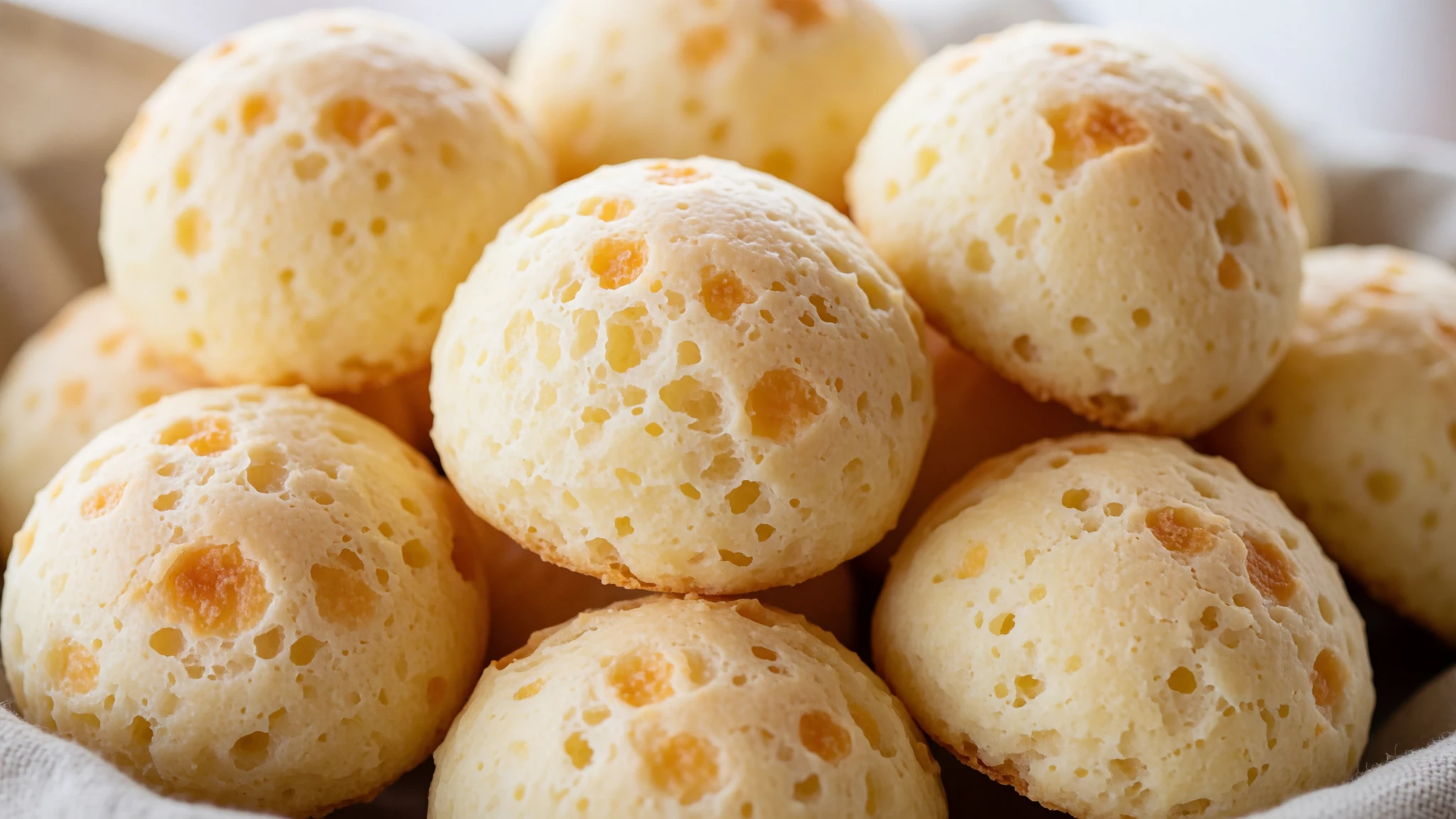
- Feijoada — Traditional local restaurants, particularly popular during Saturday afternoon lunches
A rich, hearty stew of black beans simmered with various cuts of pork, traditionally served alongside white rice, shredded collard greens, farofa, and orange slices.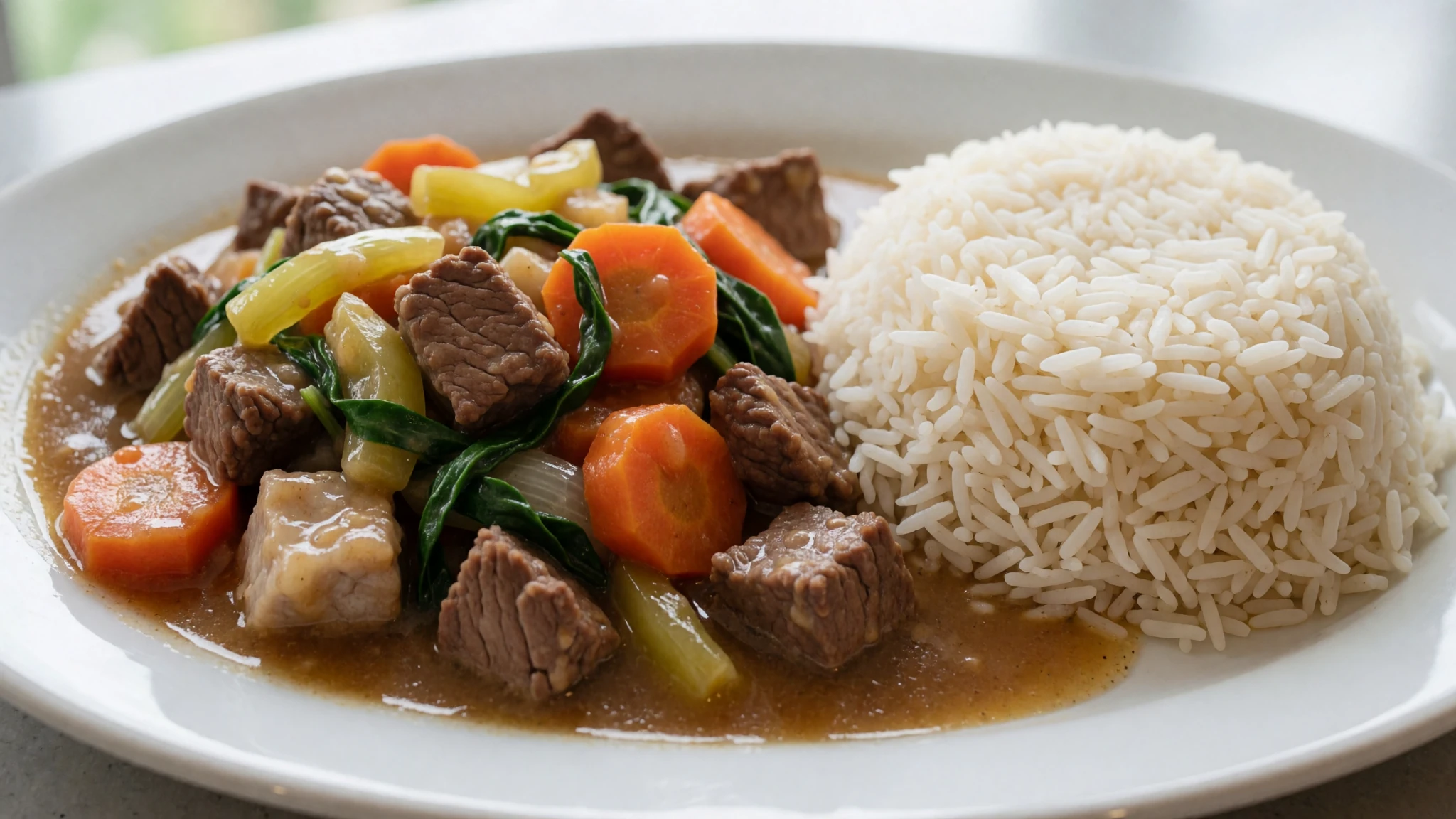
- Açaí na Tigela — Juice bars and neighbourhood lanchonetes throughout the city
Thick, refreshing frozen açaí berry purée served in a bowl, typically layered with sliced bananas, granola, and a drizzle of condensed milk or guarana syrup.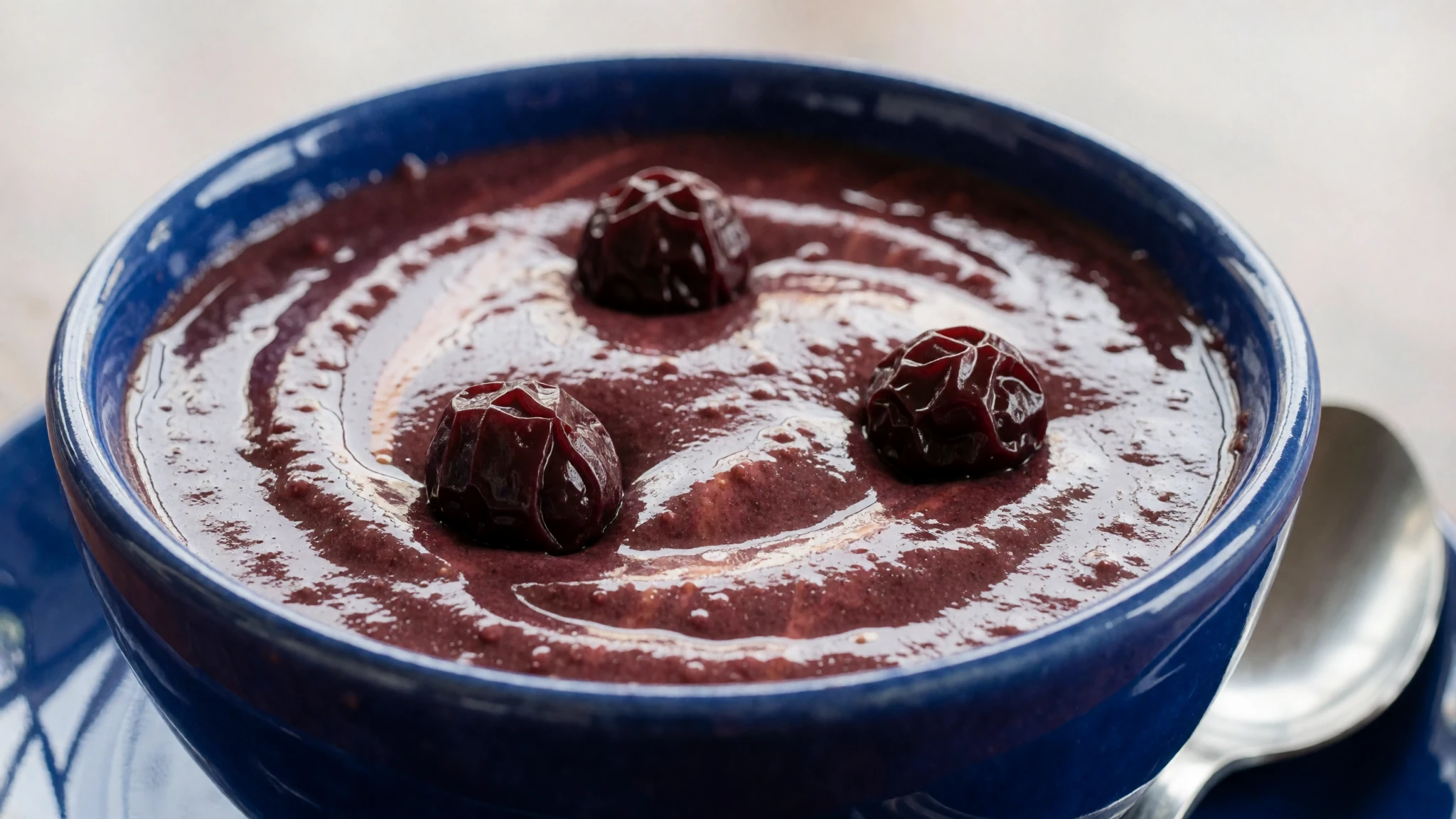
- Pastel de Feira — Open-air street markets held across different neighbourhoods during the week
Thin, crisp fried pastry parcels packed with savoury fillings such as minced meat, cheese, or prawns, enjoyed piping hot alongside fresh sugarcane juice. - Moqueca Carioca — Coastal seafood restaurants and traditional dining houses near the beaches
A fragrant, slow-cooked fish and seafood stew prepared with tomatoes, onions, garlic, coriander, and dendê palm oil, gently simmered in a traditional clay pot.
Plan it
Best time. May to July offers the most comfortable, drier weather with clearer skies for mountain views and cooler nights, while August and September stay very hot, though both avoid the heavy downpours of the rainy season.
How long. 1–2
Getting there. Fly into Galeão or Santos Dumont airports in Rio de Janeiro, then take a taxi, metro, or rideshare to the Cosme Velho station to catch the cog railway up Corcovado mountain.
Budget. mid
Tips
- Book tickets for the cog railway or official vans well in advance to secure your preferred morning time slot
- Arrive for the earliest morning departure to beat the midday crowds and catch clearer views before clouds roll in
- Wear comfortable footwear suitable for climbing numerous stone steps around the viewing platform
- Carry bottled water and sun protection, as shade is limited at the summit terrace
- Check the official website for up-to-date visitor guidelines and transport schedules
Etiquette
- Dress modestly by covering shoulders and knees when visiting the monument
- Keep noise levels low near the statue as it remains an active pilgrimage site
Nearby
Sources
- Wikidata Q79961 (CC0)
- Wikipedia (rev 1377453350) (CC BY-SA 4.0)
- Photo photos/01-christ-the-redeemer-cristo-redentor.jpg (CC BY-SA 3.0 de)
- Photo photos/02-marc-ferrez-ims-007a6p4fp15-015.jpg (Public domain)
- Photo photos/03-cristo-redentor-em-constru-o-013rj009013-cropped.jpg (Public domain)
- Photo photos/04-visita-de-estudantes-ao-cristo-redentor-acervo-do-instituto-.jpg (Public domain)
- Photo photos/05-est-tua-do-cristo-redentor-nas-cores-da-bandeira-do-brasil.jpg (CC BY 2.5)
- Photo photos/06-christ-on-corcovado-mountain.jpg (CC BY 3.0)
- Photo photos/07-rio-larson-3.jpg (CC BY-SA 4.0)
- Photo photos/08-morro-do-corcovado.jpg (CC BY 3.0)
- Wikivoyage (CC BY-SA 4.0)


