Boipeba
Boipeba, Brazil
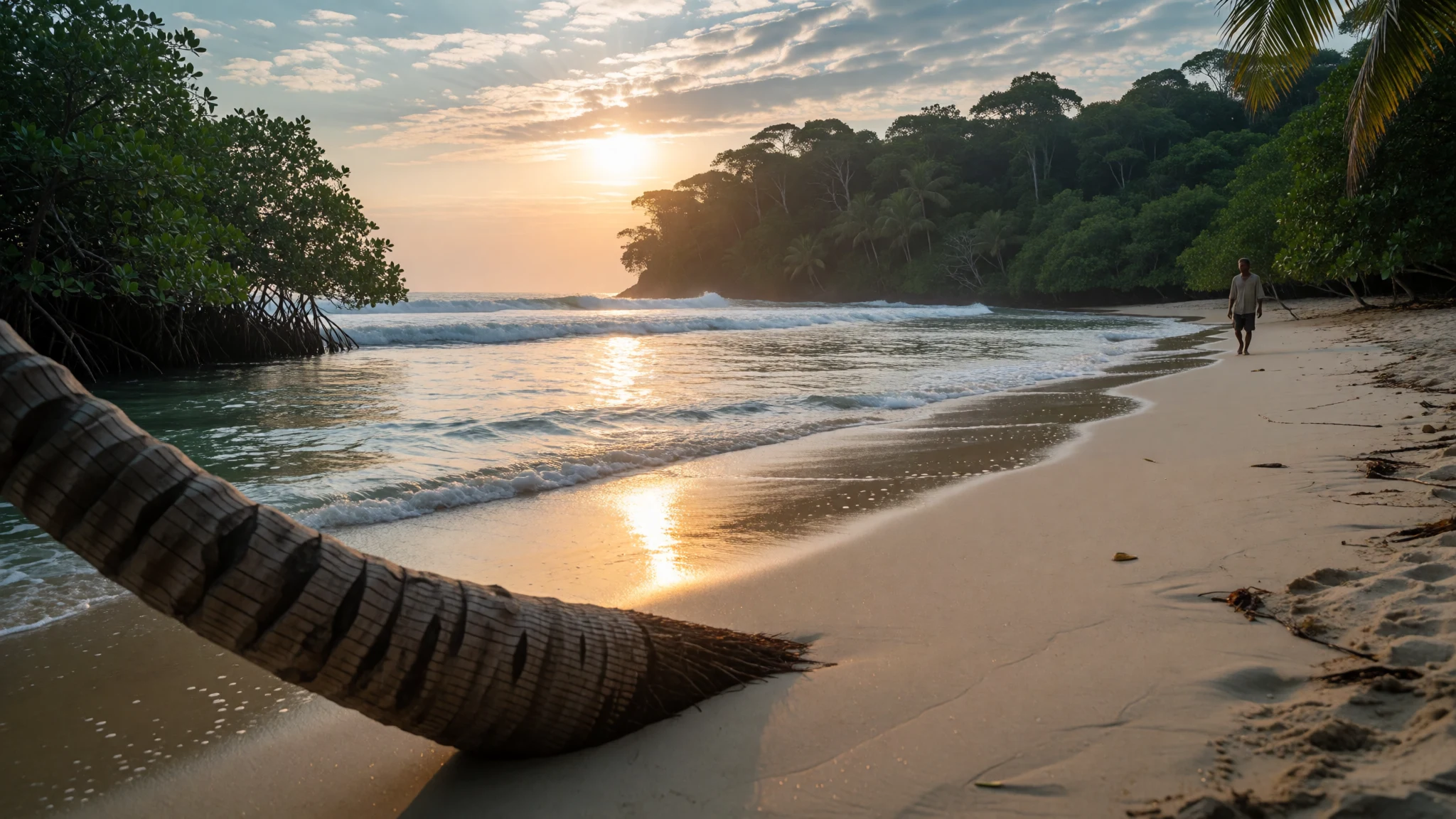
Boipeba is a car-free Bahian island of rainforest, mangroves and reef-sheltered beaches, reached only by boat and best explored on foot.
The place
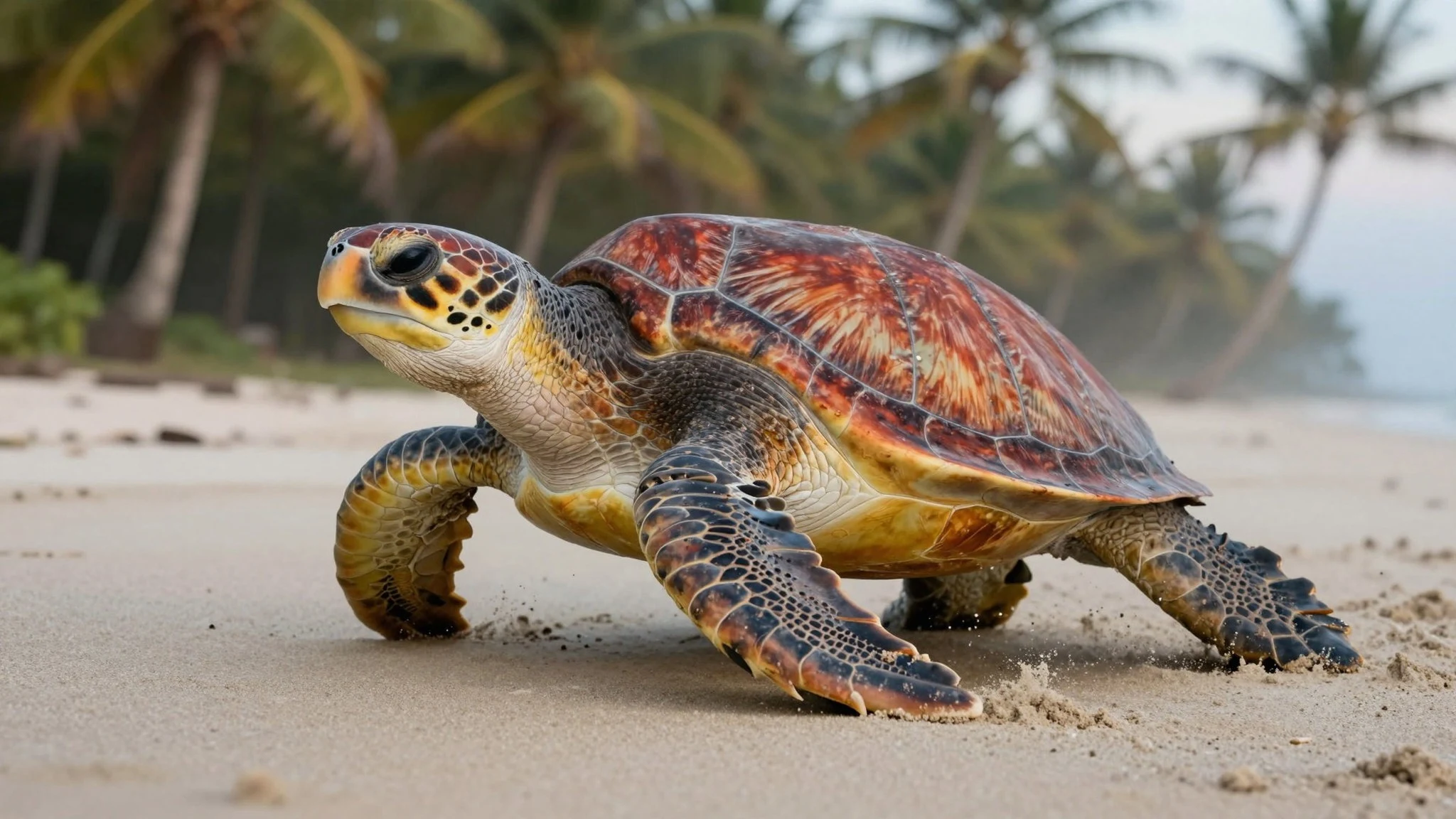
Boipeba is an island in the Cairu archipelago off the coast of Bahia, in north-eastern Brazil, lying close to its larger neighbour Tinharé and sitting low in the sea at an elevation of about 6 metres. The Atlantic runs along its eastern side, while a tidal estuary fringed with mangroves forms the western edge. The island covers 88 square kilometres, and the 2010 count put its population at 3,256, spread across four villages: Velha Boipeba, São Sebastião, Moreré and Monte Alegre. Velha Boipeba, where the boats from the mainland land, is the practical centre. Cars are banned apart from ambulances, so people walk, and goods travel by tractor, mule cart and wheelbarrow along sandy lanes. The effect is a quiet that surprises anyone arriving from Salvador or other mainland towns. Fishing and visitors keep the local economy going. The scenery changes within a short walk: dense Atlantic rainforest, saltmarsh, dunes, mangrove channels and coconut palms behind the sand. Offshore, reefs run along much of the coast and take the force out of the waves, leaving shallow pools and channels at low tide that suit snorkelling. The named beaches include Boca da Barra, Tassimirim, Cueira, Moreré, Bainema, Cova da Onça and Ponta dos Castelhanos. Sand near the port is the busiest, and it empties steadily on the way towards Miereles. No scuba diving operates on the island, so the underwater interest is surface snorkelling over reef. Sea turtles nest in the area, and eggs can sometimes be seen on the beaches. Boipeba rewards slow days rather than a checklist.
Its story
Boipeba carries a Tupi name, M'boi pewa, usually glossed as 'flat snake' and used for the sea turtle. It suits an island where turtles still come ashore to lay their eggs. The name is the oldest layer of the island's story, a reminder that the coast had its own languages and its own ways of reading the sea before Portuguese ships arrived. In 1537 Jesuits from Portugal settled Boipeba, and the village now called Velha Boipeba grew from that foothold, an early European presence on this stretch of Bahia. The Church of Divino Espírito Santo, built in 1610, still stands as the main historic monument and the clearest physical link to that colonial period. After those first centuries the island remained small, shaped by what the sea, the mangroves and the coconut groves could provide. Fishing set the rhythm of the villages, and the rainforest behind them stayed largely intact. That slow history is part of why the ban on cars feels natural rather than staged: lanes, boats and carts were the way of getting around long before tourism arrived. Visitors came later, drawn by the beaches and the forest, and they now sit alongside fishing as a main source of income. The turtles remain the island's emblem, and their nesting on local beaches ties the present-day conservation mood to a name that is far older than any church or village.
What to see
- Velha Boipeba and its church — Velha Boipeba
Velha Boipeba is the island's old settlement and the place where boats from the mainland land. Its sandy, traffic-free lanes are best walked slowly. The Church of Divino Espírito Santo, built in 1610, recalls the Jesuit settlement of 1537. Small cafés and eateries cluster close to the port and the main square.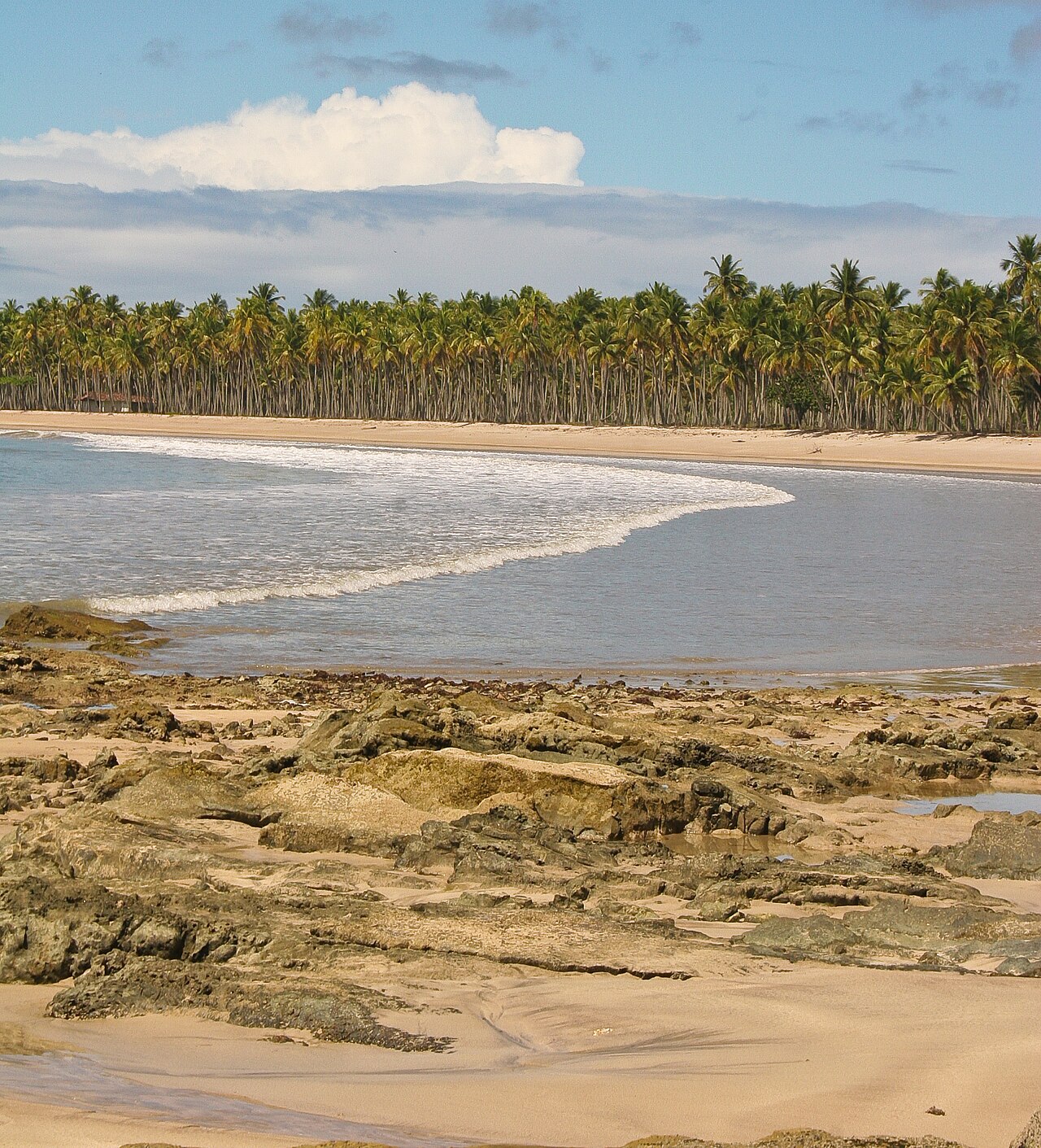
- Praia da Boca da Barra — Velha Boipeba
Boca da Barra is the beach at the village, where the estuary meets the open sea. It is one of the most frequented stretches in Velha Boipeba, so it is lively at weekends and in high season. Early morning is calmer, and the walk from the port takes only a few minutes.
- Mangroves of the estuary — Western estuary
The western side of Boipeba is a maze of tidal channels lined with mangroves, home to birds, crabs and fish. Local boatmen run trips through the estuary, and the light is best in the early morning or late afternoon. Ask about tide times, since water levels change the route.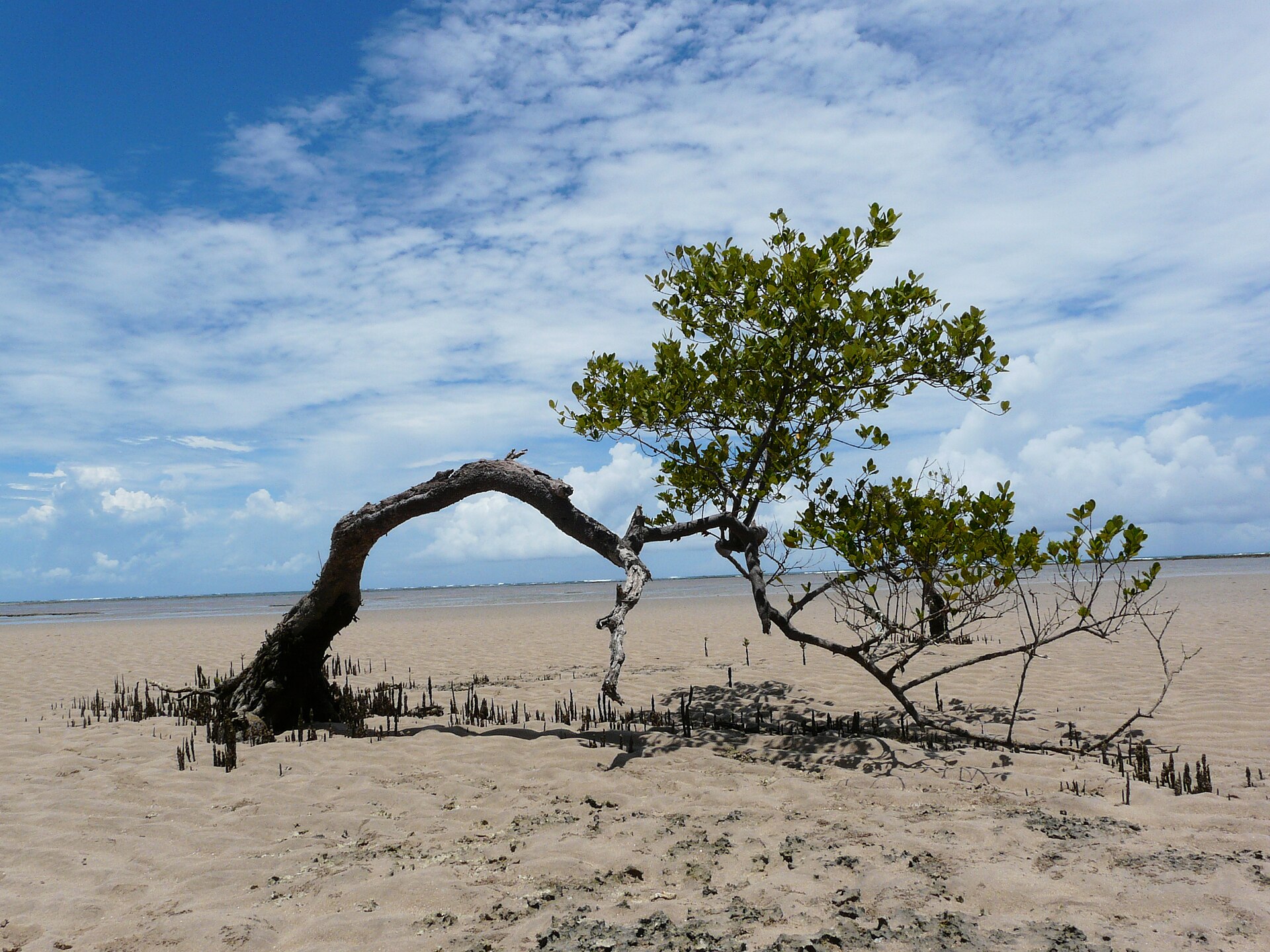
- Reef pools and snorkelling — Tassimirim and Cueira beaches
The reefs along the coast shelter beaches such as Tassimirim and Cueira, and at low tide they leave shallow pools full of coral, algae, small fish and urchins. Snorkelling is the way to see them, as there is no scuba diving on the island. Local guides know the safest tides.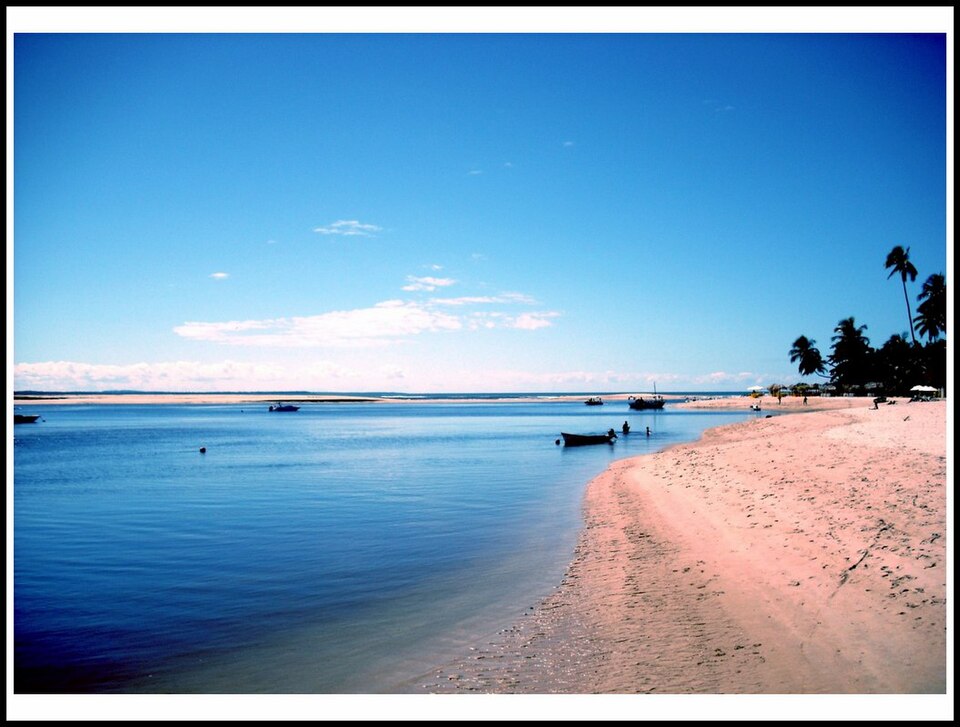
- Moreré and the quieter beaches — Moreré, north-east of the island
Moreré is one of the island's four villages, with its own beach, set apart from the port. Walking along the coast, the sand grows emptier, passing Bainema and on towards the far beaches. Tides, heat and distance matter, so a guide or a local boat is a sensible option for the longer stretches.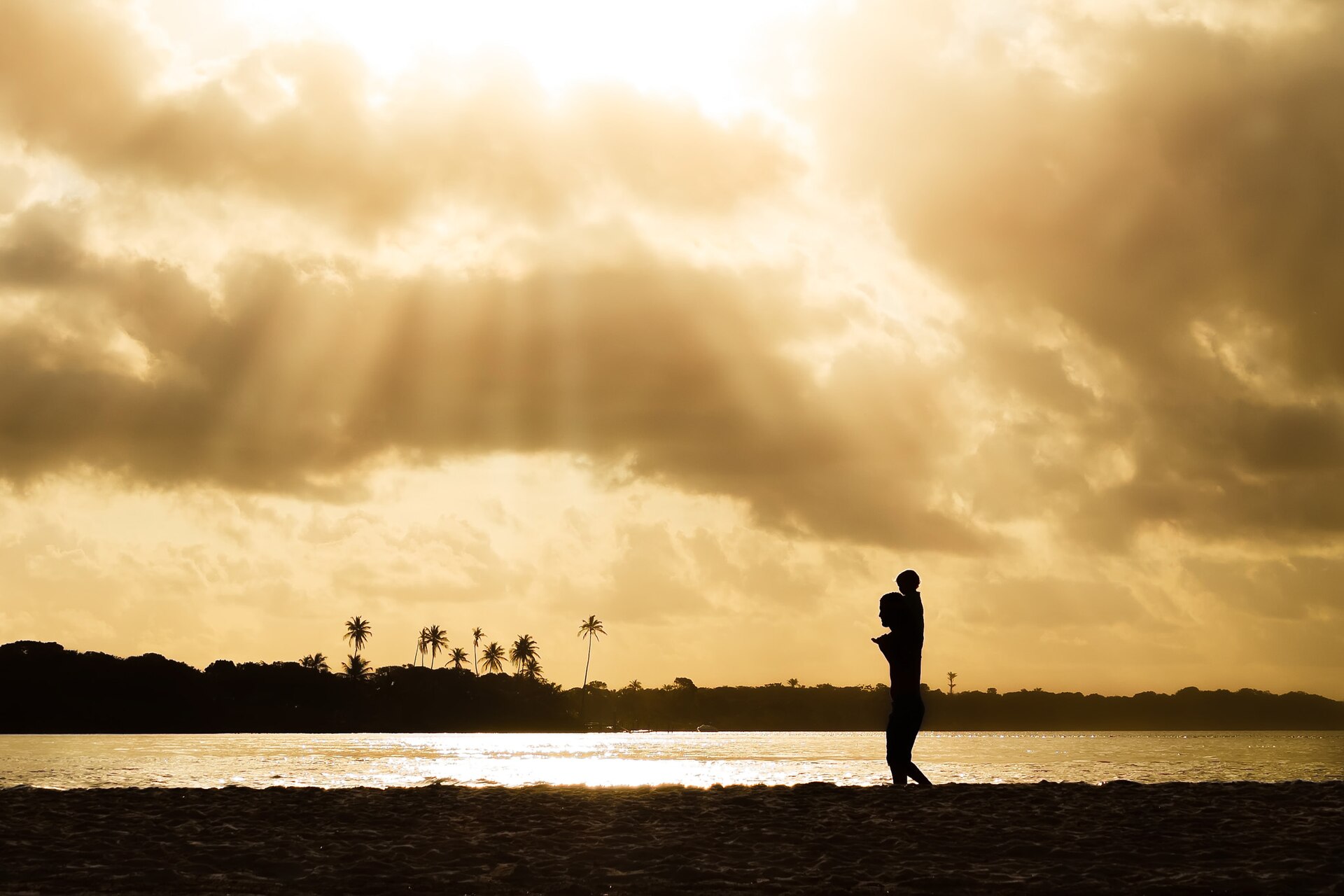
Culture
Boipeba's culture is built in layers: Tupi names, Portuguese and Jesuit settlement, and the Afro-Brazilian traditions that give Bahia as a whole its character. Daily life follows the habits of a fishing community. Boats go out early, catch comes ashore to be sold or cooked locally, and with no cars in the lanes, neighbours meet on foot and conversations run long. Portuguese is the everyday language. English is patchy outside guesthouses and the busier eateries, so a few words such as bom dia, por favor and obrigado, or obrigada if the speaker is a woman, are well received. The Church of Divino Espírito Santo marks the colonial layer, and village celebrations tied to the Catholic calendar are a regular part of Bahian life, so guesthouse hosts are the best people to ask about what is on. Music and dance of the Bahian coast, from samba de roda to forró, turn up at local gatherings. The island's relationship with the sea turtle runs through its name and its present-day conservation habits, and people on the island tend to care about how visitors treat nesting beaches. Pace matters too: meals take time, boats run to tides and weather, and plans shift. Keep your distance from nesting turtles, never touch eggs, and ask before photographing local people.
What to wear
The traditional dress of Bahia, and so of the Boipeba coast, is the baiana outfit: wide white skirts and blouses in cotton, trimmed with lace or openwork embroidery, topped with a head wrap and several strings of beads. It is worn at religious celebrations and festivals rather than day to day, and on Boipeba itself it is something visitors are more likely to see at a village event than in the lanes. What people wear now is practical and warm-weather: shorts, T-shirts, light cotton dresses, sarongs and flip-flops, with fishermen in caps and rubber boots when working with boats and nets. Swimwear is for the beach rather than the village lanes, where a shirt or cover-up is normal. A visitor should pack light cotton or quick-dry clothing, a wide-brimmed hat, sunglasses and reef-safe sun cream, because the sun is strong and shade on the beaches is limited. Sandals or flip-flops suit the sandy lanes, and reef shoes help in rocky pools at low tide. Shoulders and knees should be covered when stepping into the church. A light rain jacket is worth carrying in the wetter months, and a dry bag protects phones and cameras on boat transfers. Heels are pointless on sand.
What to eat
- Moqueca baiana — Beach restaurants and eateries in Velha Boipeba
A stew of fish or seafood simmered with coconut milk, peppers, tomato and palm oil, served with rice. It is the classic Bahian coastal dish. Many Boipeba eateries serve portions meant to be shared, so ordering one pot between two is normal. - Grilled fresh fish — Seafront eateries near the port and Boca da Barra
Fish landed by local boats, grilled whole or in fillets and served with rice, beans, salad and farofa, a toasted cassava flour. The choice depends on the day's catch, so ask what came in that morning. - Tapioca and beiju — Small stalls and cafés around the village centre
Thin pancakes made from cassava starch, folded around fillings such as cheese, coconut or sweet condensed milk. They are a light breakfast or snack, and they are naturally free of wheat. - Beach sandwiches — The beach by the port
Simple sandwiches are an easy option for anyone not ready for a full meal. They work well between swims, and they are quick to order from the places on the beach near the main port. - Wood-oven pizza — Guesthouse kitchens in Velha Boipeba
Some guesthouses bake pizza in wood ovens, a welcome change after several days of seafood. In the off-season, delivery and opening may be limited to weekends, so ask your host rather than assume.
Plan it
Best time. October to March is generally the warmer, drier part of the year on Bahia's coast, with calmer seas for boat transfers and snorkelling; the period around December to February is also the busiest. The wetter months bring more rain and rougher water, and boats can be delayed. The brief carries no climate data, so check a current forecast before booking.
How long. 3–4
Getting there. Fly to Salvador, then take the ferry to Bom Despacho (about 45 minutes) and a bus to Valença (about 2 hours). From Valença, a slow boat takes about 4 hours and a speedboat about 1½ hours to Boipeba's port. Alternatively, a 4x4 jeep from Morro de São Paulo links to a short boat crossing of the river. All boats arrive and leave at the port.
Budget. mid
Tips
- Check boat times and tides before planning transfers, as services depend on weather and water level
- Carry cash for small eateries and boatmen, as card machines can be unreliable
- Pack light, since all luggage travels by hand, cart or tractor along sandy lanes
- Bring a torch for walking at night, and a dry bag for boat rides
- Book accommodation early for December to February and for holiday weekends
Etiquette
- Do not touch turtle eggs, and keep away from nesting beaches
- Ask before photographing local people
- Cover up with a shirt or cover-up in the village and before entering the church
Nearby
Sources
- Wikidata Q9009740 (CC0)
- Wikipedia — Ilha de Boipeba (rev 1364036064) (CC BY-SA 4.0)
- Wikivoyage — Boipeba (rev 5395506) (CC BY-SA 4.0)
- Fatura — Mangle solitario, Bahia, Brasil (CC BY 3.0)
- Matthijs Strietman — Brazil (Boipeba, Bahia) (CC BY 2.5)
- Waltson Campos — Boca da Barra em Boipeba (CC BY 3.0)
- Vangelis Medina — Boipeba (CC BY 3.0)
- Danielle Pereira — Boipeba (5425163291) (CC BY 2.5)
- Danielle Pereira — Boipeba (5425167503) (CC BY 2.5)
- Danielle Pereira — Boipeba (5425170133) (CC BY 2.5)
- Danielle Pereira — Boipeba (5425768596) (CC BY 2.5)


Wildlife
- Loggerhead sea turtle (animal)
The loggerhead is a big sea turtle, a shelled reptile of the ocean with a reddish-brown shell and yellowish-brown skin, and it roams seas all around the world. Turtles nest in the Boipeba area, and eggs can sometimes be spotted on the beaches, though when is best is something to ask your guide. If you find a nest, keep a respectful distance, stay quiet, go with a local guide, and never touch, feed or disturb the turtles or their eggs.