Belém
Belém, Brazil
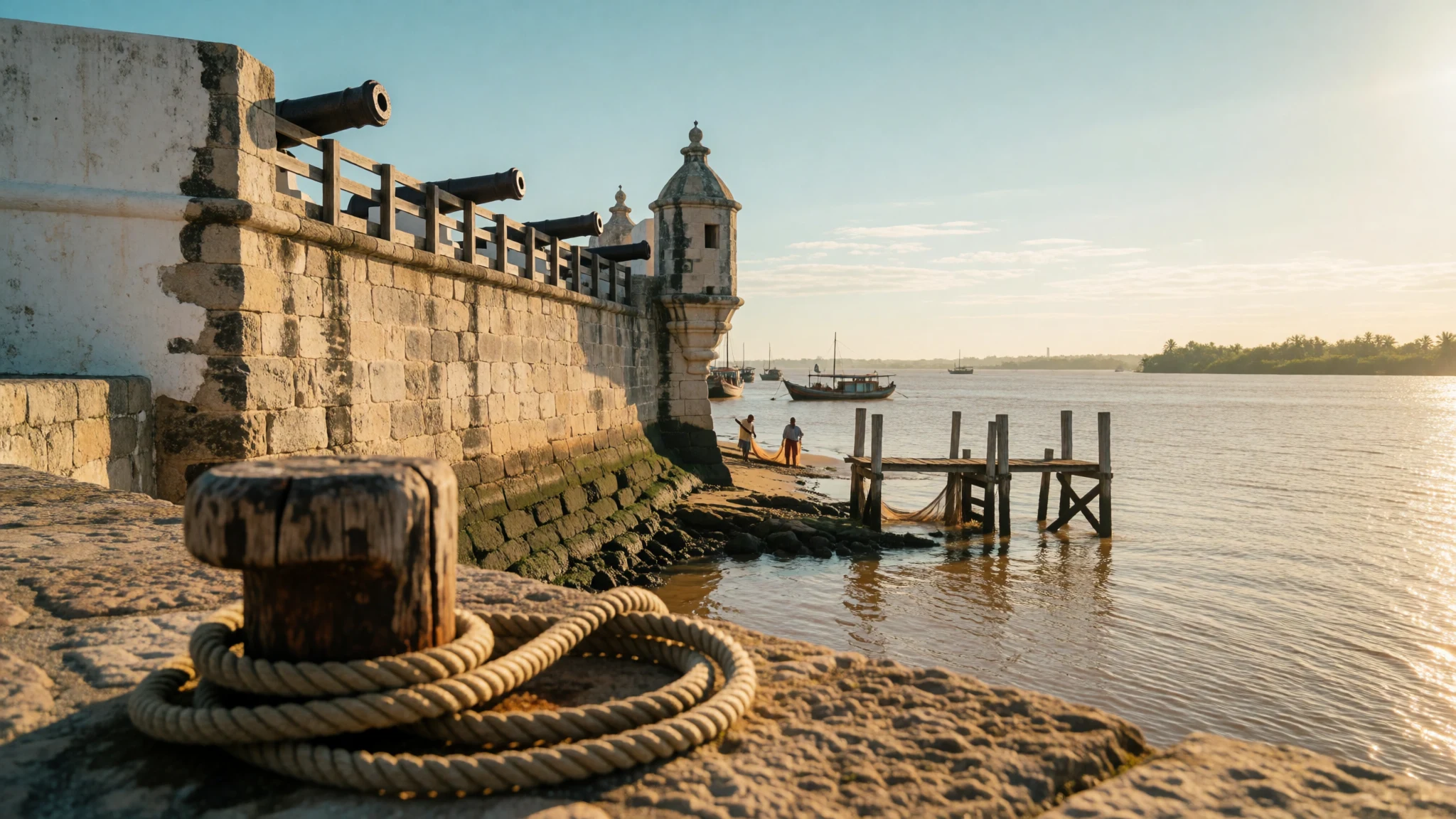
Belém offers an intoxicating gateway to the Amazon, blending colonial Portuguese heritage with vibrant riverside life, legendary street food, and steamy tropical rhythm.
The place
Belém sits as the bustling capital and largest city of Pará state in northern Brazil, serving as the primary gateway to the vast Amazon River system. Lying about a hundred kilometres upriver from the Atlantic Ocean on the Pará River, the settlement is separated from the main Amazon delta by the sprawling Marajó Island. With a population approaching 1.4 million residents, it functions as an essential economic hub and transport nexus, featuring a busy port, airport, and coach terminal.
The urban landscape tells a tale of two eras. Modern high-rises and skyscrapers rise across contemporary districts, while the older historical quarters preserve the distinct character of early Portuguese settlement. Tree-filled public squares, quiet plazas, and colonial-era churches decorated with traditional blue tiles recall centuries past. Visitors stepping out into the humid equatorial air will encounter a city that feels simultaneously anchored in its storied past and pulsing with the energetic daily trade of the northern riverways. While parts of the city can appear weathered or unappealing at first glance, wandering past the faded grandeur reveals an authentic slice of Amazonian urban culture untouched by standard tourist packaging.
Its story
The story of Belém began when Portuguese colonial authorities sought to curb foreign incursions by French, Dutch, and English traders navigating up the Amazon River. In January 1616, an expedition commanded by Francisco Caldeira Castelo Branco anchored in Guajará Bay, mistaking it for the main channel. Thirty leagues upstream, the commander ordered a wooden fort covered with straw to be built, naming it Presépio, which translates to nativity scene. Today, this structure is known as Forte do Castelo.
The initial settlement was christened Feliz Lusitânia, marking the earliest European colony established along the Amazon. Although the frontier fort failed to stop foreign trading vessels completely, it successfully blocked permanent foreign colonisation attempts. As decades passed, the settlement grew, earning city status and eventually becoming the capital of Pará when the territory was split from Maranhão. Through periods of imperial rule, shifting political alliances, and the immense wealth generated by the rubber boom of later centuries, Belém remained the vital administrative and cultural anchor of Brazil's northern frontier.
What to see
- Mercado Ver-o-Peso — Waterfront
This lively waterfront market stands as the undisputed heart of local trade and culture in Pará. Housed in part by a prefabricated iron structure imported from England in the nineteenth century, it overflows with fresh river fish, exotic fruits, regional crafts, and traditional herbal remedies.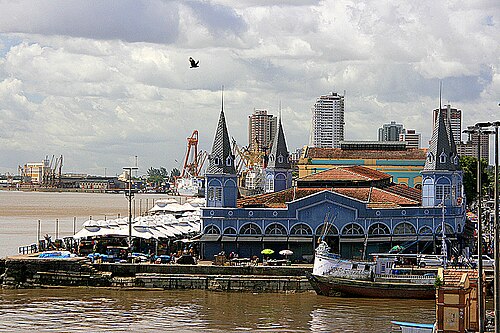
- Teatro da Paz — Central district
Built during the peak of the rubber boom, this grand nineteenth-century opera house rivals its famous counterpart in Manaus for architectural splendor. Hourly guided tours take visitors through opulent neoclassical halls dripping with chandeliers, gilded mirrors, and Italian marble.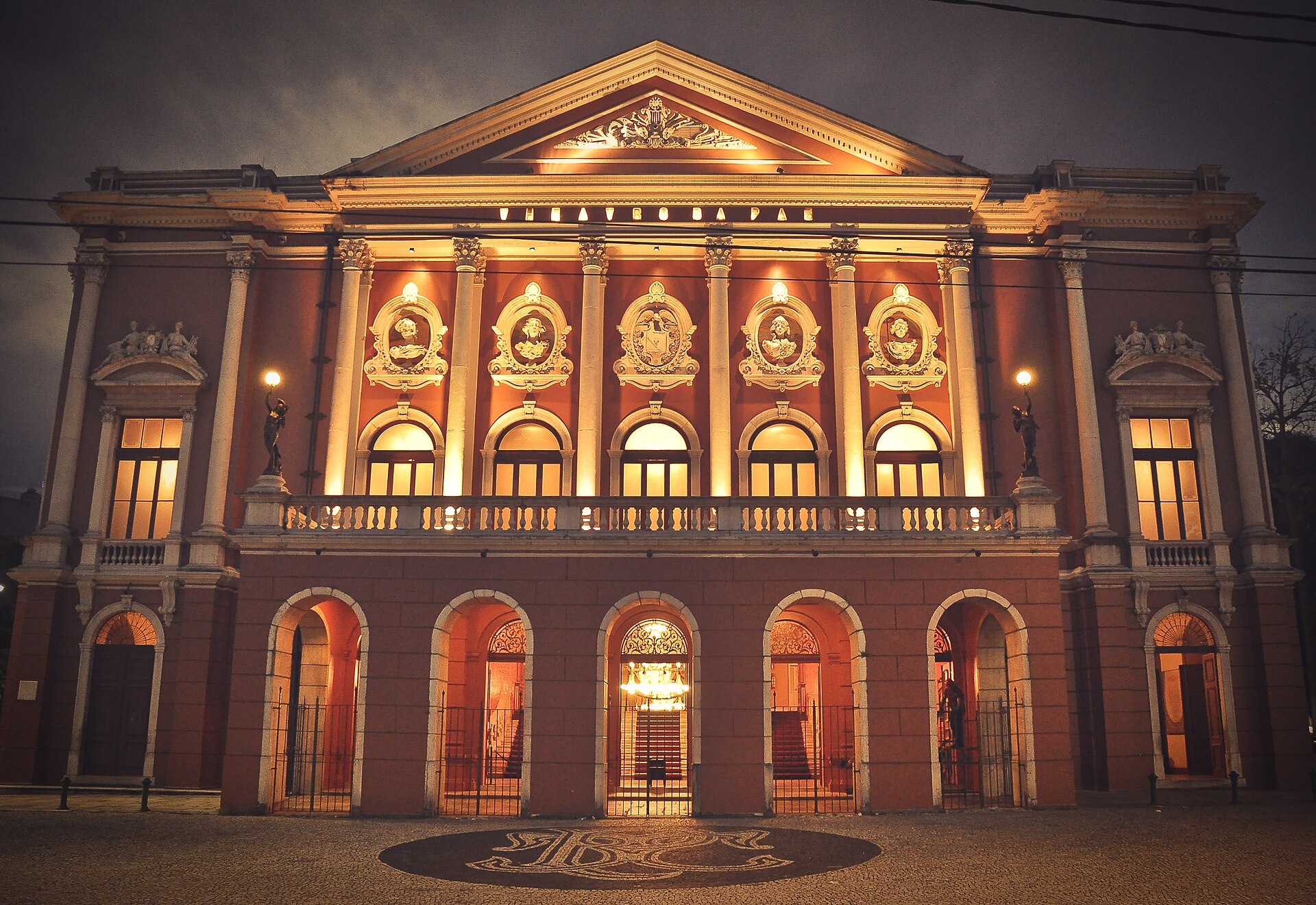
- Forte do Castelo — Cidade Velha
Standing at the exact spot where Portuguese explorers founded the city in the seventeenth century, this historic stone bastion guards the confluence of the rivers. Visitors can walk the ramparts for sweeping views across Guajará Bay and explore the adjacent colonial quarter.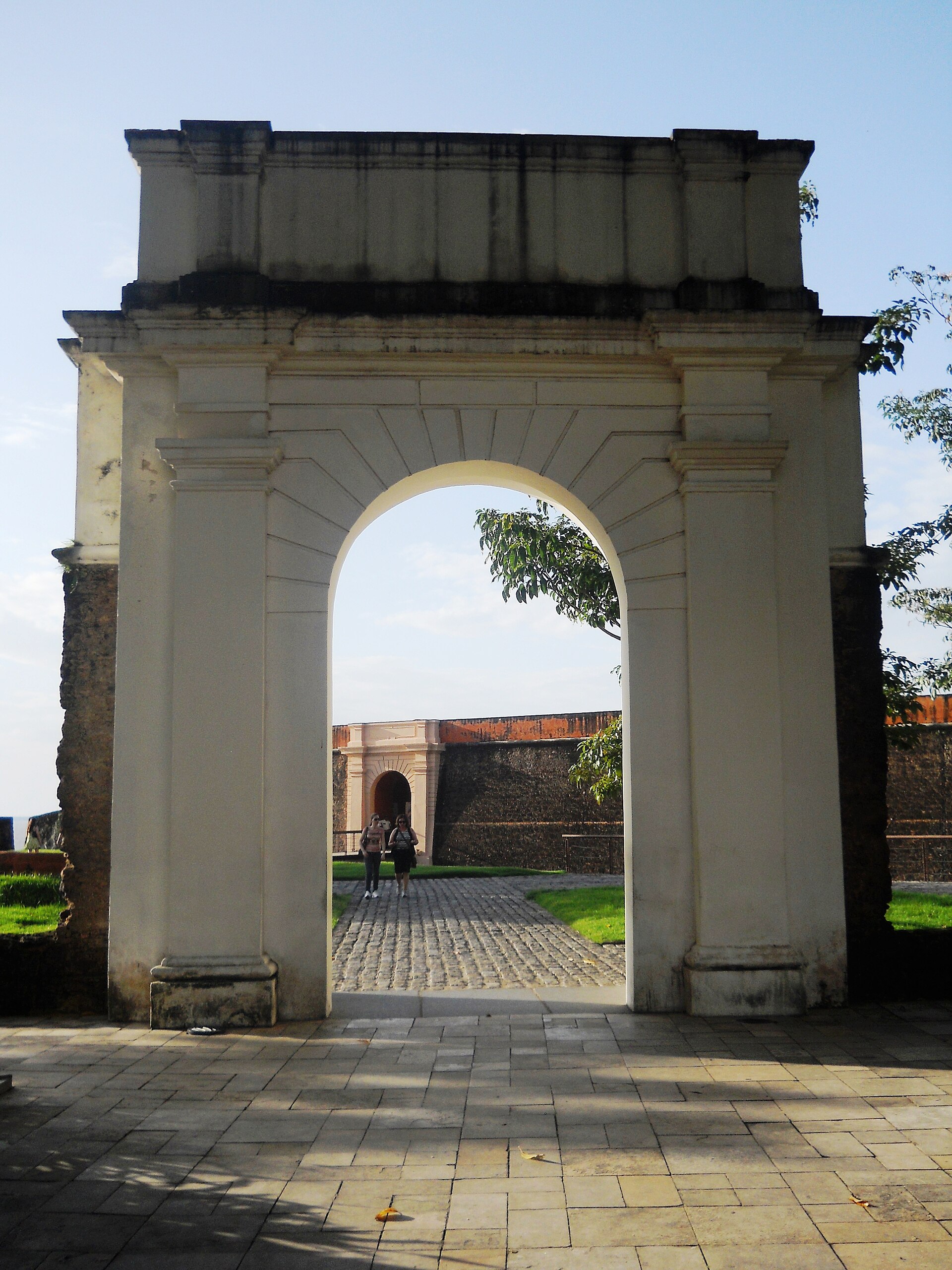
- Estação das Docas — Port area
A handsome regeneration project that has transformed nineteenth-century riverside warehouses into a modern leisure complex. Lined with open-air bars, restaurants, boutiques, and performance spaces, it offers a breezy spot to watch container ships and riverboats pass at sunset.
Culture
Belém's cultural calendar reaches its absolute peak on the second Sunday of October with the Círio de Nazaré, widely recognised as the largest religious procession in Brazil. The tradition traces back to a local farmer named Plácido José de Souza who discovered a sacred image of the Virgin and Child near a creek. When the image repeatedly returned to its original discovery site despite being brought indoors, the community interpreted the occurrence as miraculous and erected a chapel. Today, hundreds of thousands of devoted pilgrims follow the sacred statue through the city streets in a massive display of faith that unites the entire Amazonian region. Daily life in the city moves to a relaxed northern tempo infused with indigenous, African, and Portuguese influences, where music, dance, and communal gathering form the core of social bonds. When joining large crowds during festivals or exploring bustling markets, keep a close watch on personal belongings and respect local customs by dressing modestly away from the beach.
What to wear
Traditional dress in Belém reflects its humid tropical climate and mixed indigenous and European heritage, favouring lightweight cotton garments, loose linens, and breathable fabrics designed to cope with intense equatorial heat and sudden downpours. During major celebrations like the Círio de Nazaré, participants often wear simple white clothing or traditional festive attire adorned with ribbons and floral motifs.
In daily urban life, locals dress comfortably and practically for the warmth. Residents in inner-city neighbourhoods and commercial districts wear casual shirts, shorts, light dresses, and sandals or trainers suited for navigating humid streets. For visitors, practical dressing is essential. Pack lightweight, breathable clothes that dry quickly, a reliable umbrella or light rain jacket for sudden tropical showers, and sturdy walking shoes for uneven historic pavements. Modest casual wear is accepted everywhere, though revealing beachwear should be kept strictly for coastal trips outside the city centre.
What to eat
- Tacacá — Street stalls across the city centre
An iconic indigenous broth served piping hot in a dried gourd cup, combining wild cassava juice known as tucupi, electric jambu leaves that cause a slight tingling sensation on the lips, dried shrimp, and yellow peppers. - Regional Ice Creams — Sorveteria Cairú branches, including Estação das Docas
Artisanal ice cream made from unique Amazonian fruits including cupuaçu, açaí, bacuri, graviola, and taperebá. The most famous local maker is Sorveteria Cairú, with multiple branches including one at the docks. - Caldeirada Paraense — Traditional restaurants in Cidade Velha
A hearty regional stew prepared with fresh river fish, prawns, eggs, onions, potatoes, tomatoes, red peppers, tucupi broth, and jambu greens, capturing the rich culinary traditions of the Amazon basin. - Açaí with Fish — Mercado Ver-o-Peso and local eateries
Unlike the sweet breakfast bowls popular internationally, local tradition pairs pure, earthy açaí pulp served unsweetened at room temperature alongside fried or roasted river fish and manioc flour.
Plan it
Best time. May to November offers drier weather with less frequent rainfall, though tropical showers can occur at any time of year.
How long. 3–4
Getting there. Val de Cans International Airport connects Belém to major Brazilian hubs. Long-distance coaches arrive from across the country, and passenger riverboats connect the city with Macapá and Manaus.
Budget. mid
Tips
- Be cautious with valuables, cameras, and jewellery when walking after dark along main thoroughfares and back streets.
- When arriving by passenger boat, ignore inflated taxi quotes inside the terminal and hail cabs on the street outside.
- Drink bottled water and stay hydrated in the heavy tropical humidity.
- Carry small denomination cash for market stalls and street food vendors.
Etiquette
- Dress modestly when visiting historic churches and residential neighbourhoods.
- Ask permission before photographing local vendors at busy traditional markets like Ver-o-Peso.
Nearby
Sources
- Wikidata Q12829733 (CC0)
- Wikipedia (CC BY-SA 4.0)
- Wikivoyage (CC BY-SA 4.0)