Búzios
Búzios, Brazil
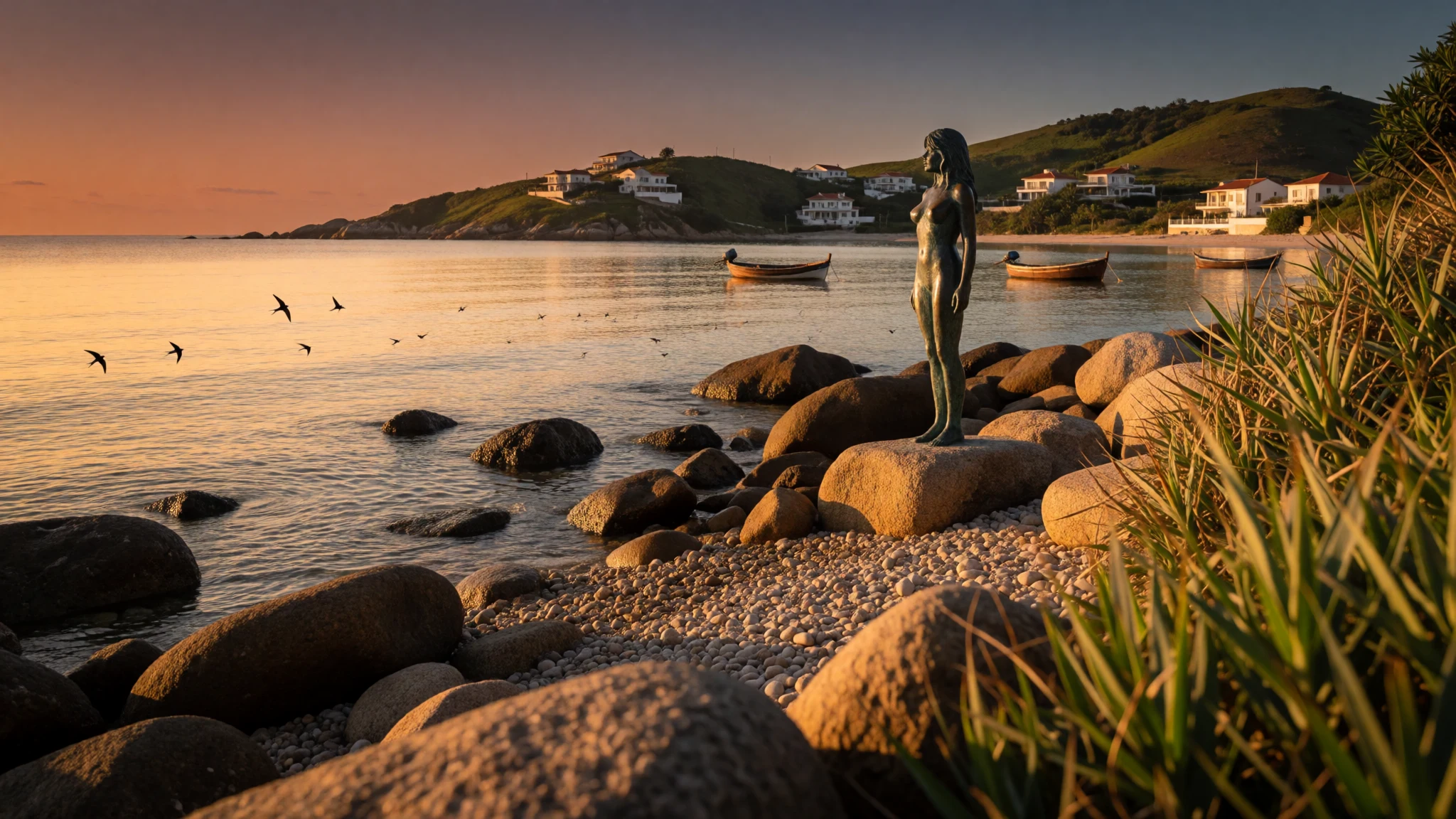
Búzios is a rocky Brazilian peninsula of calm bays, surf beaches and a lively waterfront street, within reach of Rio for a beach break.
The place
Búzios is a rocky peninsula on the Região dos Lagos coast of Rio de Janeiro state, officially called Armação dos Búzios. About 42,500 people live in the municipality, which was created in 1995, and the town centre sits only about 5 metres above sea level. The land is a string of low, scrubby headlands, and tucked between them are 23 beaches, so locals and visitors tend to describe the place by its coves rather than its streets. The two sides of the peninsula have different characters. Beaches on the western side face a sheltered bay, with calm, clear water that suits slow swimming and boat trips. The eastern side faces the open Atlantic, and surfers and other water-sports people favour those stretches. Geribá is the usual surf beach, while Ferradura, Azeda and João Fernandes are the names most often given for a day on the sand. The town is compact. A waterfront with a long jetty is where boat operators gather, and Rua das Pedras, the paved main street, is lined with shops, restaurants and bars that stay busy late into the night. Rio de Janeiro is about 173 km to the west, close enough that Búzios fills with weekenders from the city and gets very full over New Year and Carnival. Heat is part of the deal: summer days hover around 30 °C, while the cooler months sit near 20 °C. Midweek outside school holidays is far calmer.
Its story
Búzios has a past shaped by the sea, and most of its place names come from it. Before Europeans settled, the Tupinambá lived along this coast. French traders, some of them smugglers and pirates, built close ties with them, mainly to get pau-brasil, the reddish dyewood, and to sell enslaved Africans. The Portuguese eventually forced the French out after violent disputes, and the Tupinambá population fell sharply as a result. Whaling came next. Gold from Minas Gerais was shipped through Rio de Janeiro, and the busy sea lanes around Guanabara Bay drew attention to the whale hunt along the nearby coast. An armação was a whaling station where carcasses were cut up, and that word gives the town its full name. Praia dos Ossos, the Beach of Bones, is named for the whale remains that once littered its shore. Whale oil lit the settlement, and it is said to have gone into the building of Sant'Ana Chapel, the small church on the hill between Ossos and Armação beaches. Once the slave trade was abolished in Brazil, the community turned to farming and fishing and left its smuggling and whaling past behind. The modern chapter began when the French film star Brigitte Bardot holidayed in what was still a quiet fishing village. Wealthy families from Rio followed, looking for somewhere slower than the city, and the village grew into an international resort. It became a municipality in its own right in 1995.
What to see
- Praia da Azeda and Azedinha — Western coast, near the town centre
Azeda and its smaller neighbour Azedinha are two linked coves on the sheltered side, reached by a short walk over a headland from the town. The water is calm and clear, good for swimming and for watching boats come and go. Expect crowds at weekends, and bring water, since facilities are limited.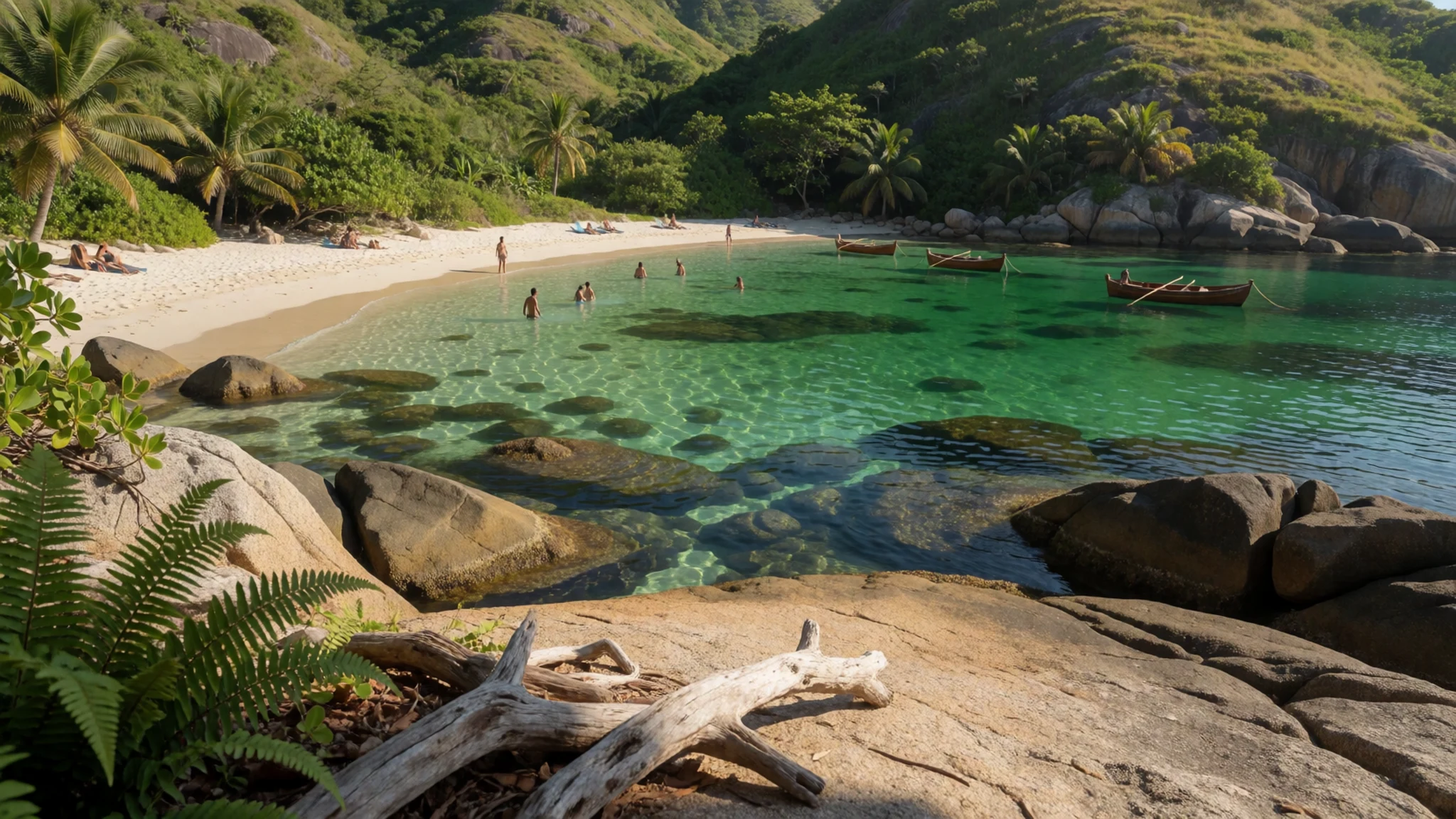
- João Fernandes and João Fernandinho — Western coast, north of the centre
João Fernandes is one of the busiest beaches, a small bay with calm water and a line of kiosks and restaurants behind the sand. The smaller João Fernandinho next door is quieter and suits a mask-and-snorkel swim. Both are a short walk from the centre, so they fill early on summer weekends.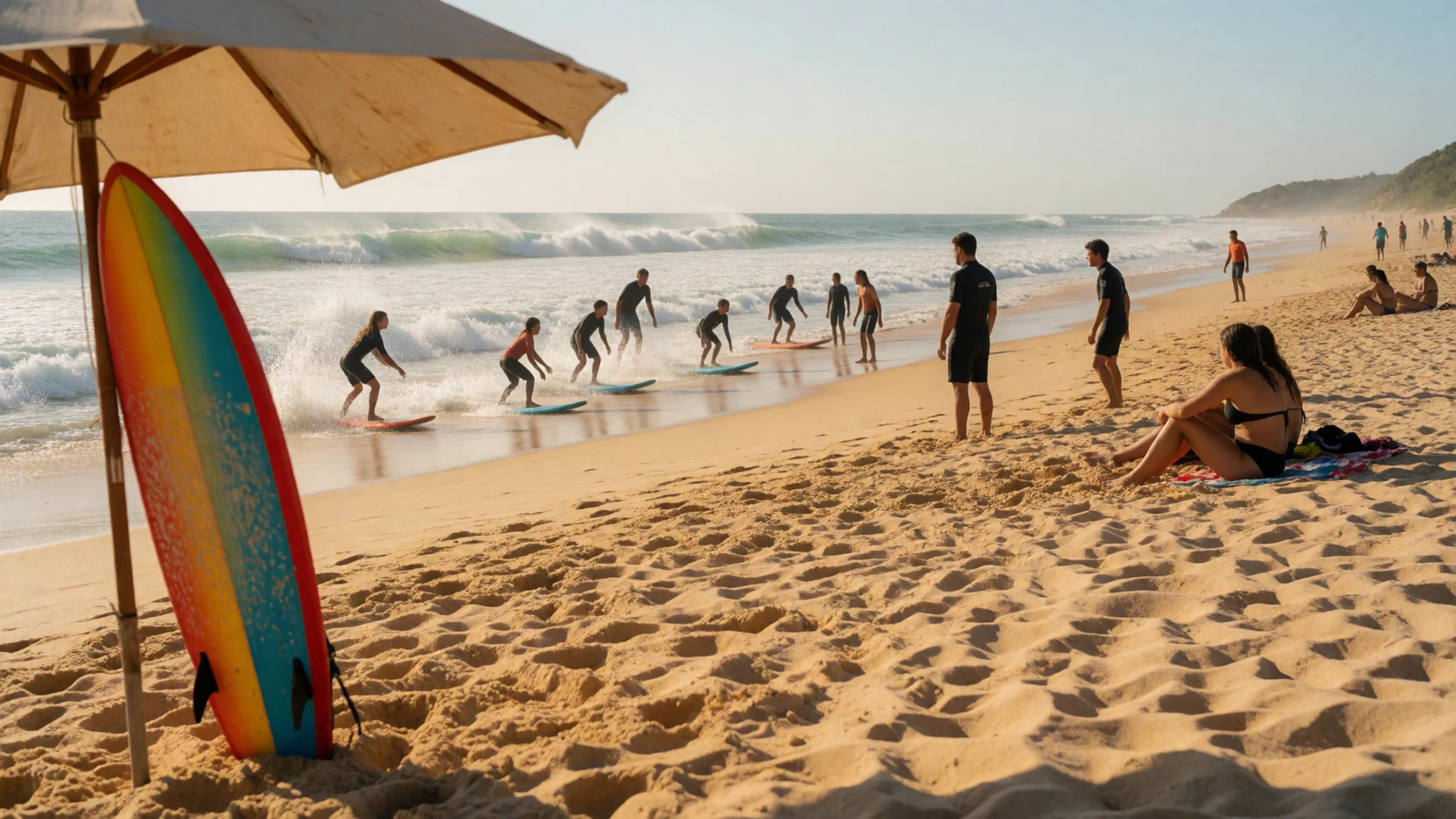
- Geribá — Eastern coast
Geribá lies on the open-sea eastern side of the peninsula and is where most of the surf schools are based. Waves are livelier than in the western coves, so it suits lessons and body-boarding more than gentle paddling. Non-surfers can still enjoy the long stretch of sand and a beach-bar lunch. Ask a lifeguard about conditions before swimming.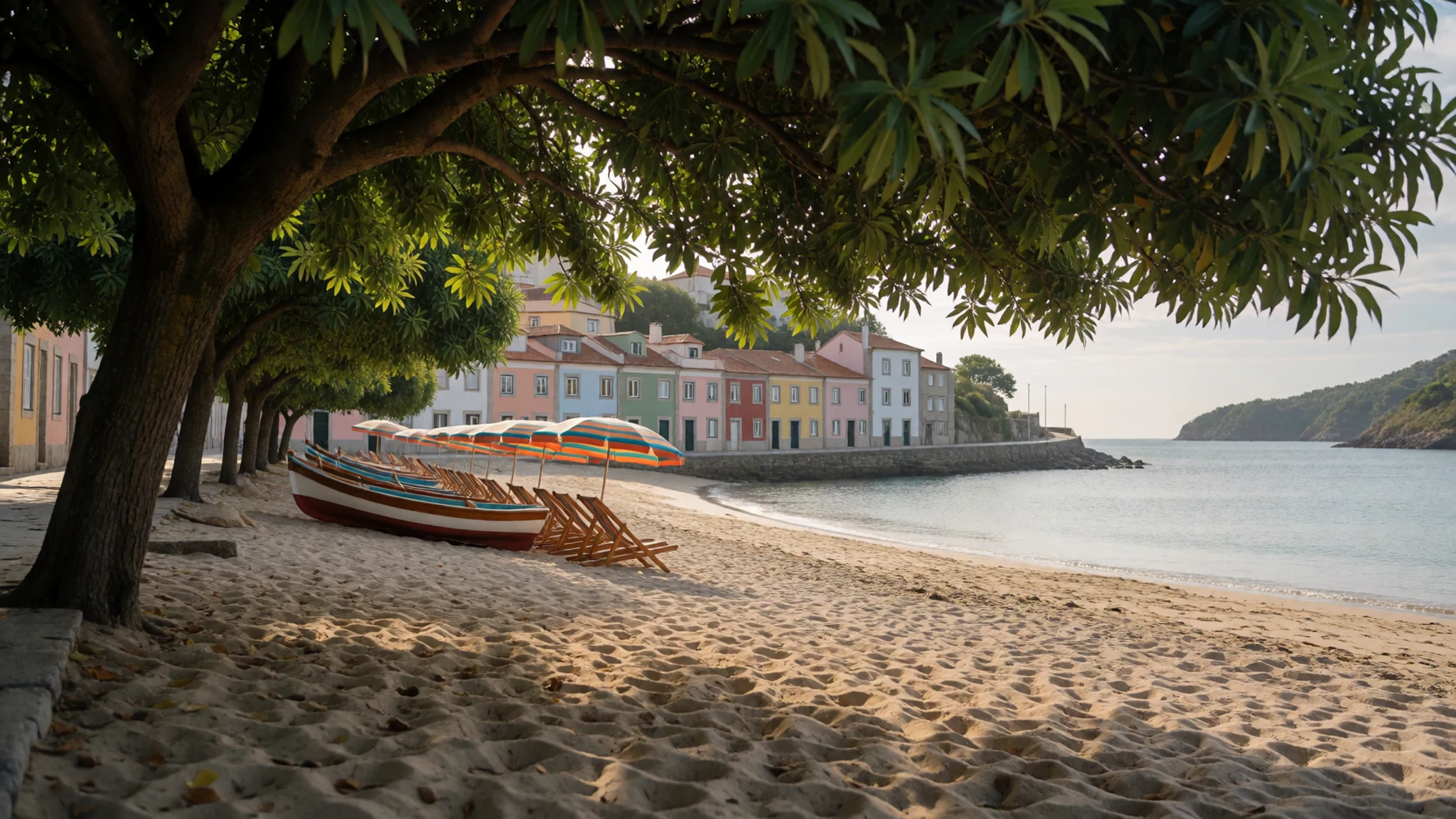
- Rua das Pedras — Town centre, Armação
Rua das Pedras is the paved main street of the old centre, packed with restaurants, shops and bars. It works best in two visits: briefly by day to browse, and again late in the evening when it comes alive. Live music spills out of the venues, and it is especially busy in July during the jazz festival.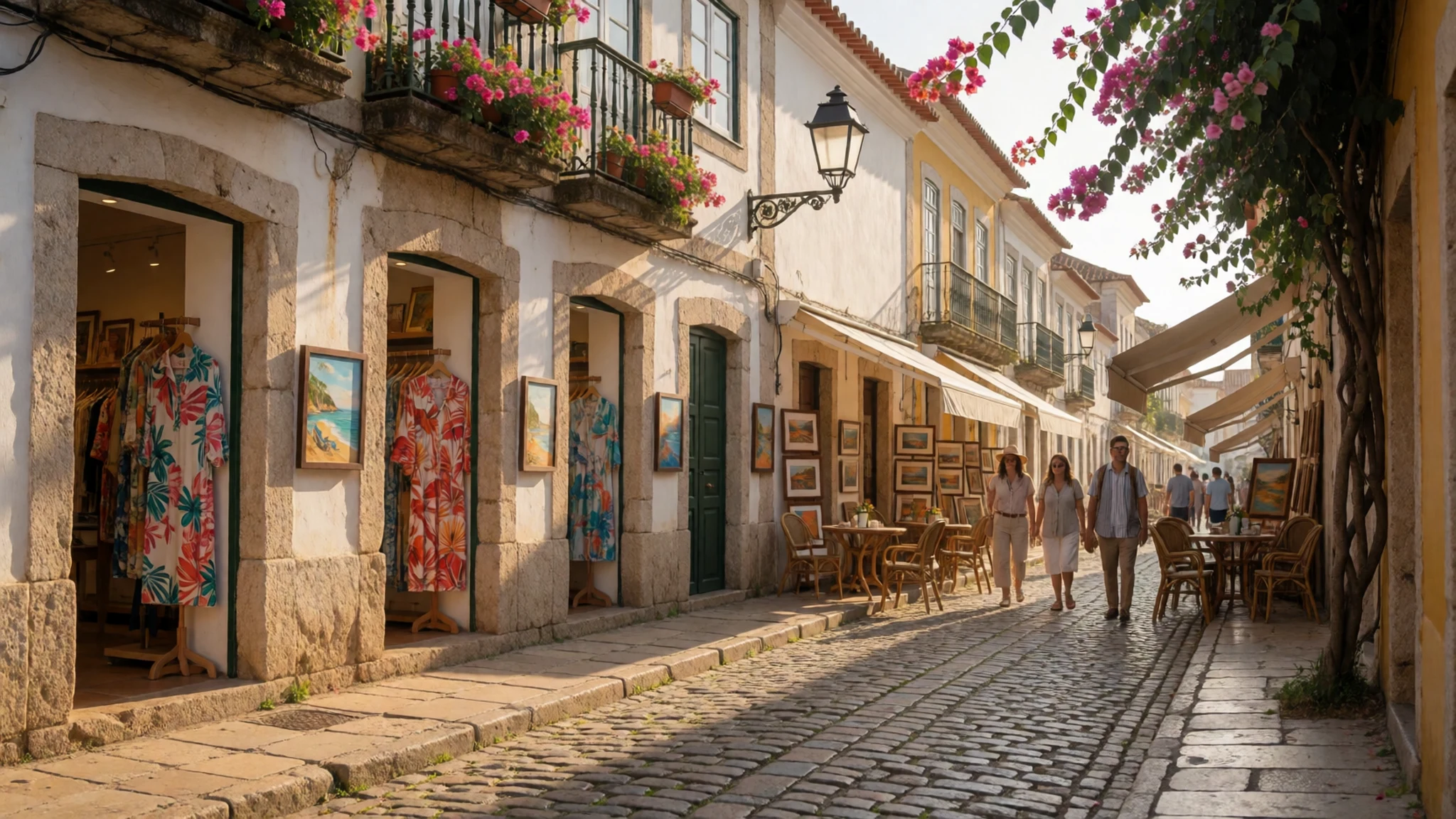
- Sant'Ana Chapel — Hill between Ossos and Armação
Sant'Ana Chapel stands on a hill between Praia dos Ossos and Armação beach, a small church tied to the whaling era. The walk up is short and rewards with a view over the bay and rooftops. It is a good first stop for getting your bearings, and quieter than the beaches.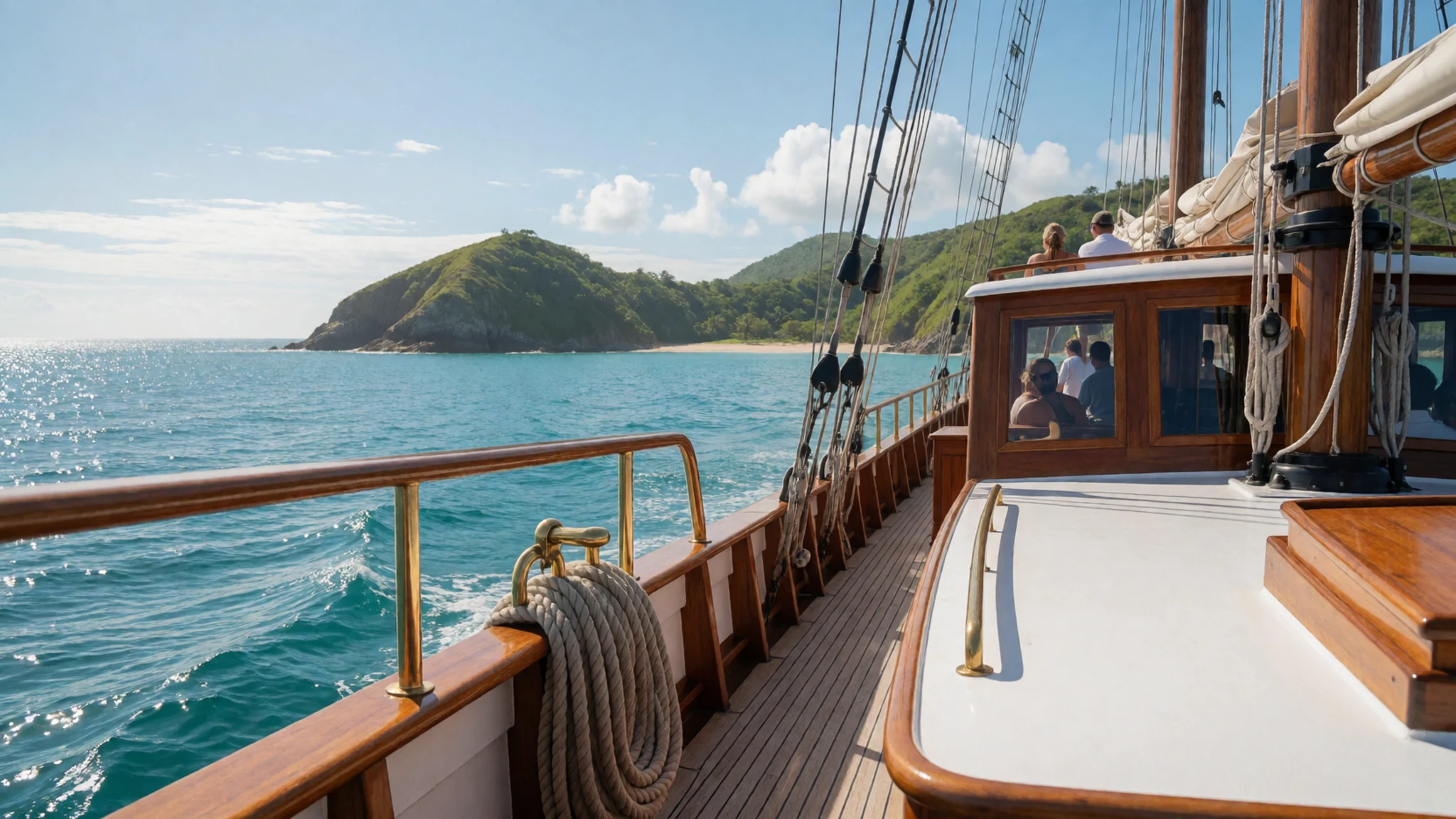
- Schooner boat trip — Jetty on the town waterfront
Schooner trips run along the western coast and out to an island, usually with fresh fruit on board and a stop for a swim. Operators advertise along the long jetty in town, and several travel agencies sell tickets. Compare itineraries and check what is included before booking. Mornings tend to be calmer and less crowded than afternoons.
Culture
Búzios keeps a social rhythm set by the beach. Days are spent on the sand or the water, and evenings begin late: most people stay by the sea until after sunset, so bars and restaurants stay quiet until well into the night and clubs only get going after midnight. The tone is relaxed and cosmopolitan, shaped by the Rio crowd that began coming for weekends and by the international visitors who followed. The older layer is a fishing community, still visible in the small boats along the shore and in the whaling names on the map. Portuguese is the language of daily life, and a few words go a long way: bom dia, obrigado, por favor. Music is everywhere, and every July a jazz festival fills several clubs with live performances, many of them free. Beach life has habits that locals take for granted. Vendors walk the sand with snacks, drinks and sarongs, and a friendly "no, thanks" is enough to decline. Lingering over a meal is normal in restaurants, and the bill is usually asked for rather than brought. In Sant'Ana Chapel or any other church, quiet voices and covered shoulders are expected. Greet staff with a bom dia or boa noite before ordering, and ask first before photographing fishermen or strangers on the beach.
What to wear
Búzios has no single local costume; its traditional dress is working clothing and the textile heritage of Brazil's coast. Fishing families wore plain cotton shirts, rolled trousers and straw hats, practical against sun and salt. The Tupinambá, who lived here before colonisation, were known for feather work, including ceremonial cloaks, though that now belongs to museums rather than daily wear. Today people dress for the beach almost all day: swimwear, a cotton or linen cover-up, a sarong known as a canga, and flip-flops or sandals. In the evening the mood turns smart-casual, with light dresses, linen shirts and clean sandals or trainers for Rua das Pedras. Visitors should pack light, breathable fabrics, a wide-brimmed hat, sunglasses and high-factor sunscreen, since the sun is strong and summer days reach about 30 °C. Bring a light layer for breezy evenings in the cooler months, when temperatures sit around 20 °C. Cover swimwear when walking through town or going into restaurants and shops, and cover shoulders and knees when entering a church such as Sant'Ana Chapel. Sturdy sandals or trainers help on the rocky headland paths, which can be slippery after rain.
What to eat
- Peixe grelhado — Seafood restaurants along the waterfront and near Praia dos Ossos
Grilled fresh fish, usually the catch of the day, served with rice, salad and farofa, which is toasted cassava flour. It is simple, and best where the boats land. Ask what came in that morning and order that.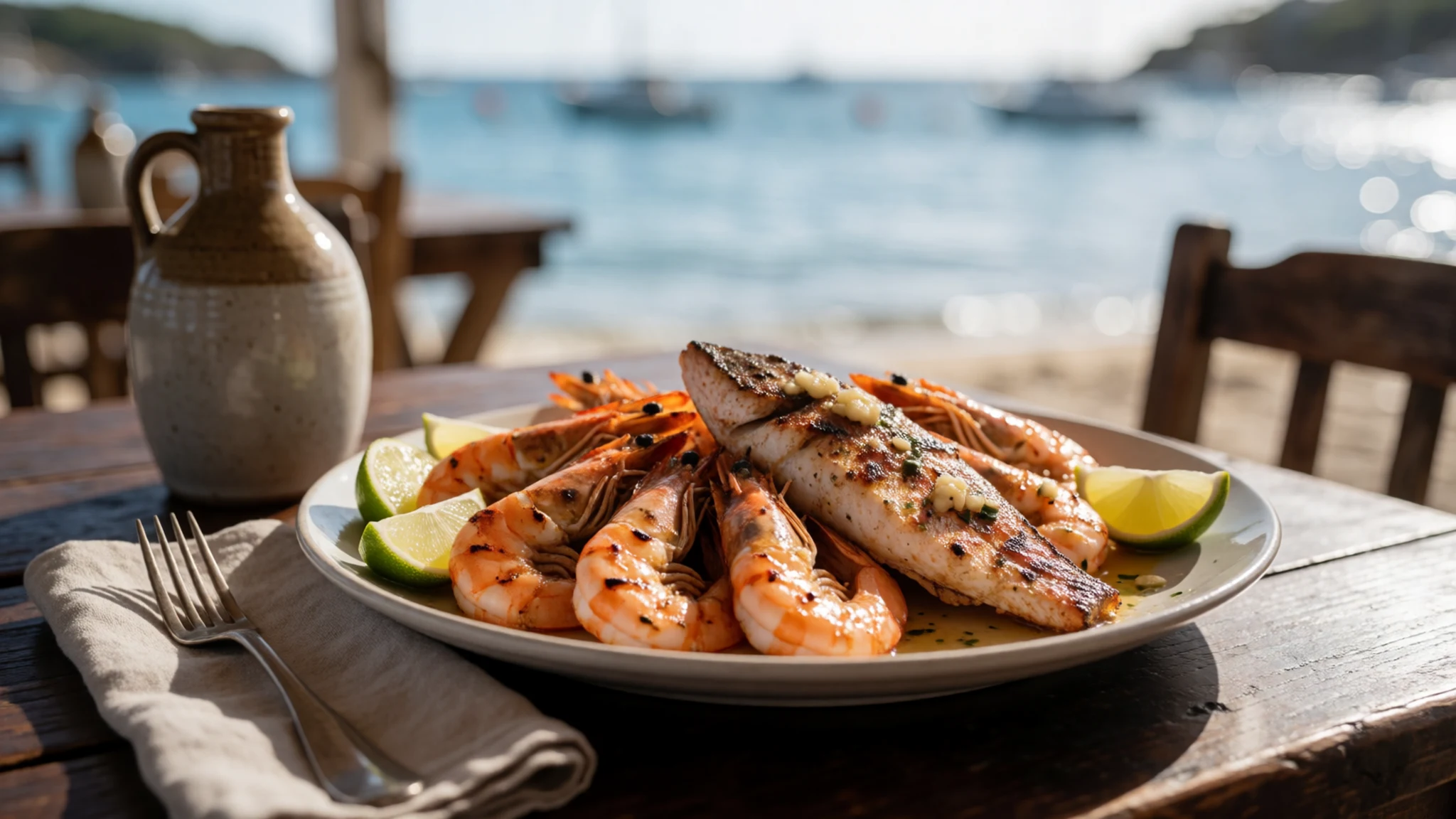
- Moqueca de peixe — Sit-down seafood restaurants near the town centre
A slow-cooked stew of fish or prawns with coconut milk, tomato, peppers and coriander, served bubbling in a pot. Portions are often meant for two. It is rich, so plain rice on the side helps balance it.
- Camarão — Waterfront restaurants and beach kiosks
Prawns turn up all along this coast, grilled, fried in garlic or tucked into pastry. They are usually served with rice and a squeeze of lime. Ask about portion sizes before ordering, because plates are often generous. - Prato por quilo — Pay-by-the-kilo eateries in the town centre
Pay-by-the-kilo restaurants let diners build a plate from a buffet of salads, grilled meats, beans and rice, then pay by weight. They are the easy, flexible answer in a town known for expensive restaurants, and good for fussy eaters or families. - Pastel and coconut water — Beach kiosks and vendors at João Fernandes and Armação
Pastel is a crisp, thin fried pastry filled with cheese, prawns or minced meat, and it pairs well with chilled coconut water drunk from the shell. Vendors also walk the sand with cheese on skewers and cold drinks. - Caipirinha — Bars along Rua das Pedras and beach kiosks
Brazil's best-known cocktail mixes cachaça, a sugarcane spirit, with muddled lime, sugar and ice. Many bars also make fruit versions with passion fruit or strawberry. Sip slowly, since the heat and the strength add up quickly.
Plan it
Best time. May to September is milder, with temperatures near 20 °C and thinner crowds, and September and October still suit the beach. November to February is hot, around 30 °C, and busy with holidays, Carnival and New Year. July brings the jazz festival.
How long. 2–3
Getting there. The usual route is from Rio de Janeiro, about 173 km away, by long-distance coach or by car along the main federal highway. Coaches also serve São Paulo and neighbouring towns, especially Cabo Frio, which is the main connecting town. Check the municipal website at http://www.buzios.rj.gov.br/ and coach operators for current timetables.
Budget. high
Tips
- Book accommodation well ahead for New Year, Carnival and the July jazz festival, when the town is full.
- Visit beaches and the town on weekdays or early in the day to avoid the weekend rush from Rio.
- Bars and restaurants stay quiet until late and clubs open after midnight, so plan dinner and nights out accordingly.
- Carry sunscreen, a hat and water, and keep both cash and a card for beach kiosks and small shops.
Etiquette
- Greet people with bom dia, boa tarde or boa noite before asking for anything.
- Cover swimwear in town, shops and restaurants, and cover shoulders and knees in churches.
- Ask before photographing people, especially fishermen and families on the beach.
Nearby
Sources
- Wikidata Q680119 (CC0)
- Wikipedia: Armação dos Búzios (rev 1382242964) (CC BY-SA 4.0)
- Wikivoyage: Armação dos Búzios (rev 5393813) (CC BY-SA 4.0)
- Photo: Praia João Fernandinho, Mariordo (CC BY 3.0)
- Photo: Vista da Igreja de Sant'Anna, Arthur Bomfim (CC BY-SA 4.0)
- Photo: Orla Bardot, Fulviusbsas (CC BY 3.0)
- Photo: MSC Orchestra ancorado em Búzios, Halley Pacheco de Oliveira (CC BY 3.0)
- Photo: Praias de Búzios visto de cima, Hudson Pontes da Silva (CC BY-SA 4.0)
- Photo: Praia da Azeda, Halley Pacheco de Oliveira (CC BY 3.0)
- Photo: Praia dos Ossos, Halley Pacheco de Oliveira (CC BY 3.0)
- Photo: Entre Morros, Adrián Defazio (CC BY 3.0)


Wildlife
- Whale (animal)
A baleen whale is a huge sea mammal with no biting teeth, but a fringe of bristly plates in its mouth that strains tiny drifting food from the water. Where and when to spot one off Búzios is not something I can promise, but the town has a whaling past: in later colonial times its people turned to the sea to hunt them. If you look for whales, go with a guide, keep your distance, stay quiet, and never feed them.