Brasília
Brasília, Brazil
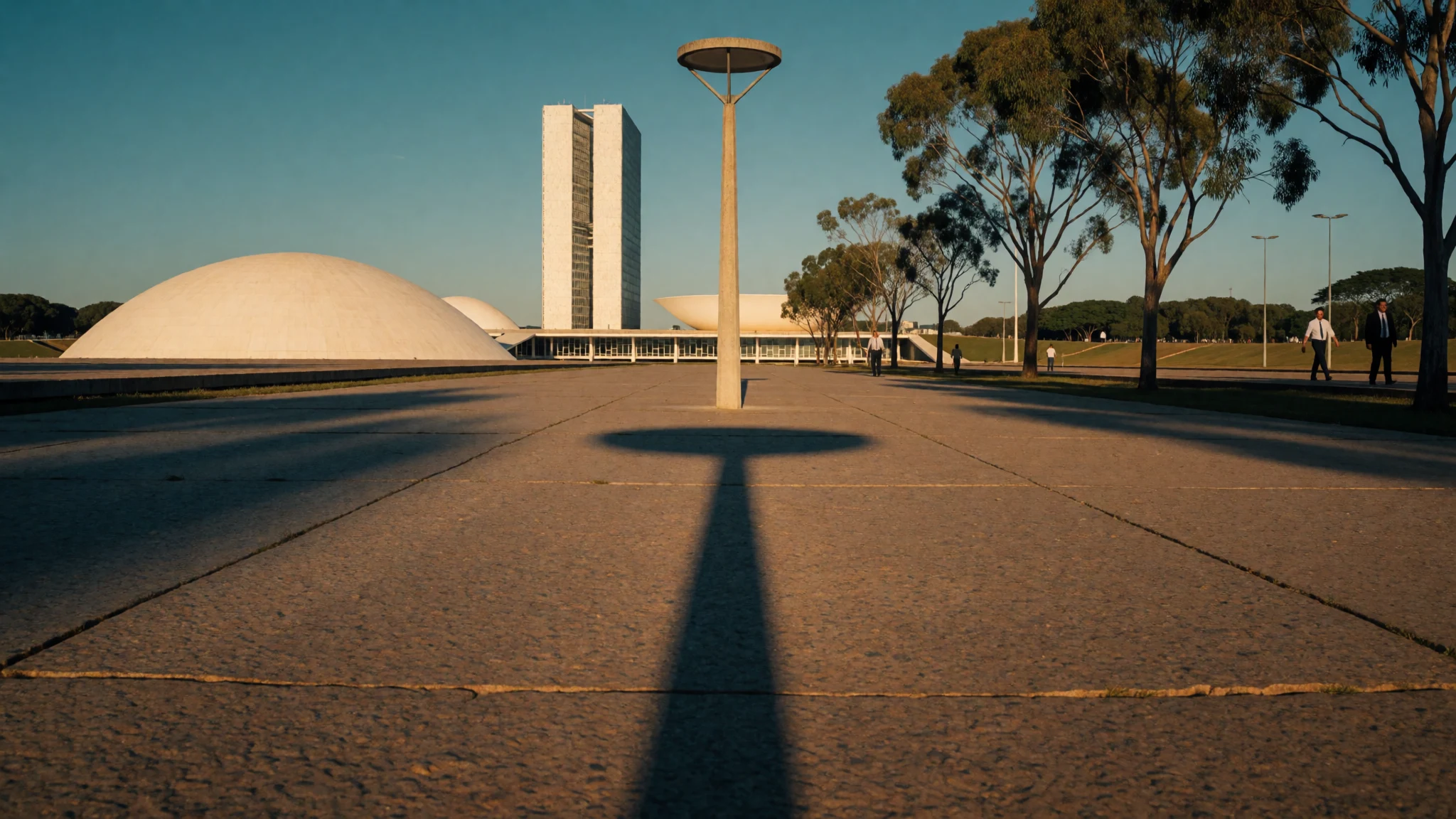
Brasília stands as a monumental masterpiece of modernist architecture and urban design, carved out of the high central plateau of Brazil.
The place
Brasília rises from the scrubby savannah of the Brazilian central plateau at an elevation of about 1,000 metres. Built from scratch following its inauguration as the national capital in 1960, the city represents one of the most ambitious modern urban projects ever completed. The ground plan resembles a swept-wing aeroplane laid across the landscape, bisected by a long central avenue known as the Monumental Axis. Along this spine sit the geometric concrete and glass structures housing the executive, judicial, and legislative branches of government, framed against wide skies that stretch uninterrupted across the high altitude landscape.
Unlike historic administrative seats that evolved organically over centuries, Brasília was deliberately zoned into rigid functional sectors. Residential life is organised inside large self-contained blocks known as superquadras, each designed with embedded schools, shops, and greenery to foster communal living away from high-speed vehicular traffic. The surrounding urban landscape is punctuated by expansive parks and artificial lake waters that cool the dry air of the plateau. Now home to nearly three million people, the capital functions as both a bustling administrative centre and a living museum of modernist sculpture. Walking along the wide open spaces gives a sense of standing inside a utopian canvas, where sweeping curves of white concrete meet the deep red soils of interior Brazil.
Its story
The decision to construct Brasília emerged from a long-standing desire to shift the political centre of gravity away from the Atlantic coastline. For generations, national governance was anchored in coastal metropolises, leaving the vast interior sparsely developed and economically isolated. Early political proposals aimed to establish an inland capital to unify the country's distant regions and stimulate interior settlement. A famous religious prophecy also foretold a futuristic metropolis rising on the high plateau.
Realisation of the dream arrived mid-century under presidential leadership that promised rapid national modernisation. A team of visionary planners, architects, and landscape artists were selected to turn the empty plateau into a functioning metropolis. Master planner Lúcio Costa designed the aeroplane-shaped layout, while architect Oscar Niemeyer sculpted the iconic public buildings using bold, fluid forms of reinforced concrete. Structural engineer Joaquim Cardozo provided the complex mathematical calculations required to support Niemeyer's sweeping curves and suspended domes, while landscape designer Roberto Burle Marx introduced native flora into formal gardens across the city. Construction began on bare ground, relying on thousands of migrant labourers who built the metropolis under intense conditions. In 1960, the federal government officially transferred its seat to Brasília, marking a dramatic turning point in South American urban history. The city later received UNESCO World Heritage recognition for its artistic layout and unique concentration of modern architecture.
What to see
- National Congress (Congresso Nacional) — Monumental Axis
The seat of Brazil's legislature is defined by vertical towers flanked by striking concrete domes, with one concave dome for the Senate and one convex dome for the Chamber of Deputies. Free guided tours offer access to the interior halls, where polished marble corridors display modern artwork and light-filled assembly chambers.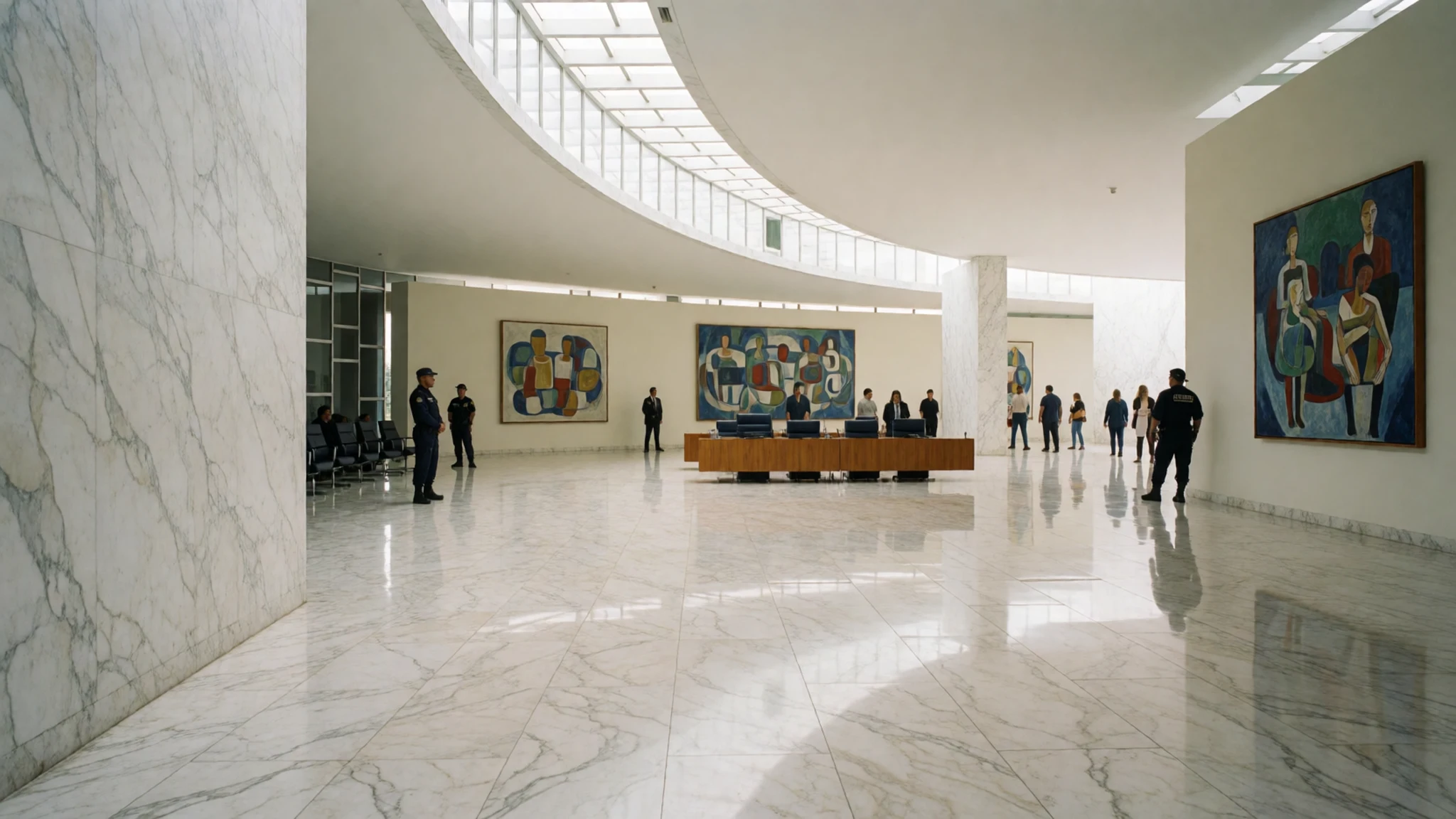
- Brasília Cathedral (Catedral Metropolitana) — Monumental Axis
Curved concrete columns curve inward to form a crown-like structure reaching toward the sky. Visitors enter through a subterranean tunnel before emerging into a sunlit sanctuary flooded with blue, green, and white glass panels. Suspended sculptures of angels hang above the marble altar inside this striking modernist place of worship.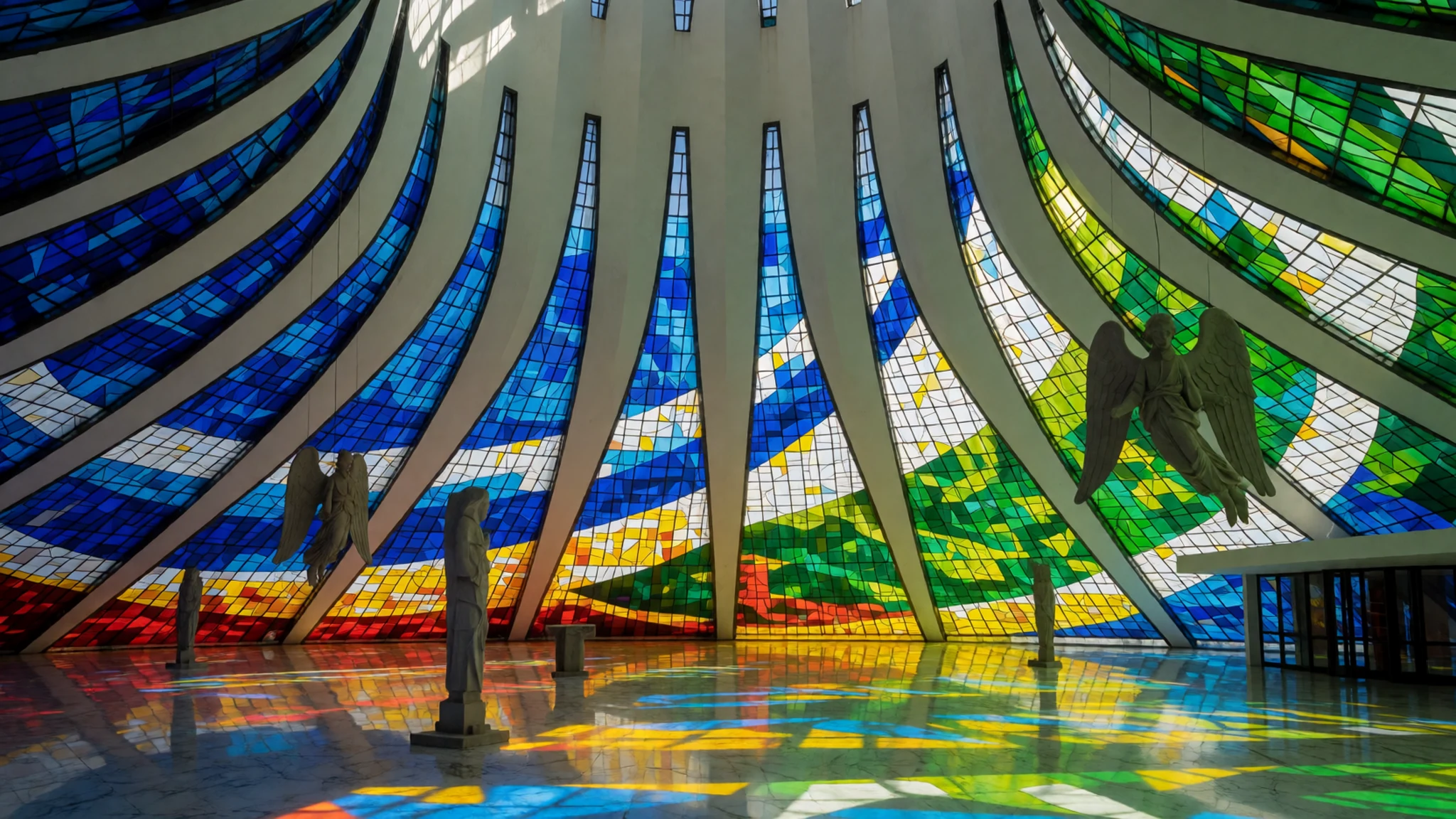
- Three Powers Square (Praça dos Três Poderes) — Eastern end of the Monumental Axis
This vast open plaza anchors the three branches of Brazilian democracy: the executive presidential palace, the supreme court, and the national congress. Broad stone surfaces host stark sculptural monuments, including the famous statue of Justice, creating an impressive open-air architectural gallery set against the horizon of the central plateau.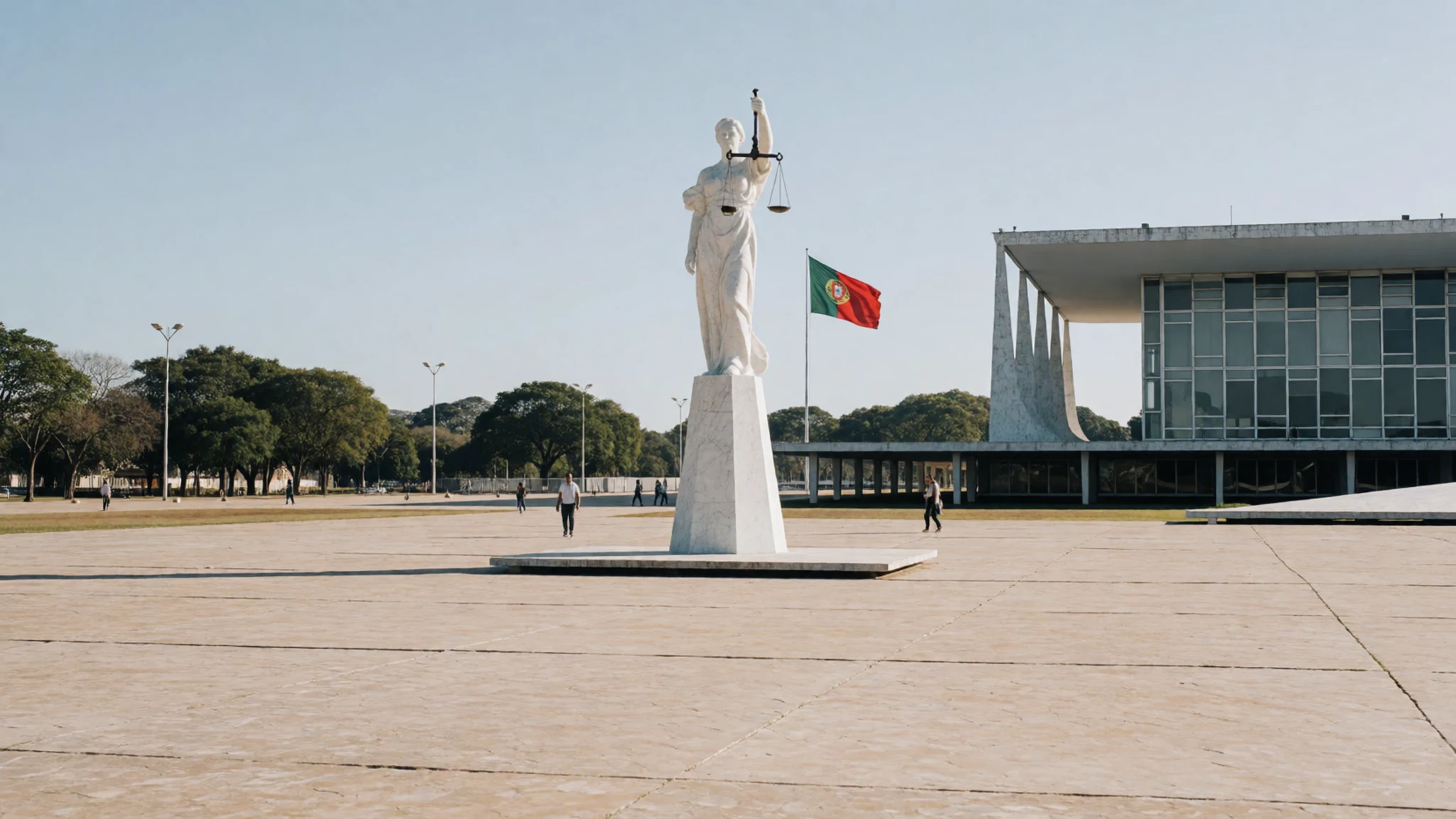
- Itamaraty Palace (Palácio Itamaraty) — Esplanada dos Ministérios
Housing the Ministry of Foreign Affairs, this elegant structure features concrete arches rising out of reflecting pools filled with tropical water lilies. Inside, visitors find broad floating staircases, polished wooden panelling, and an exceptional collection of mid-century Brazilian art, sculpture, and landscaped indoor gardens crafted by master botanists.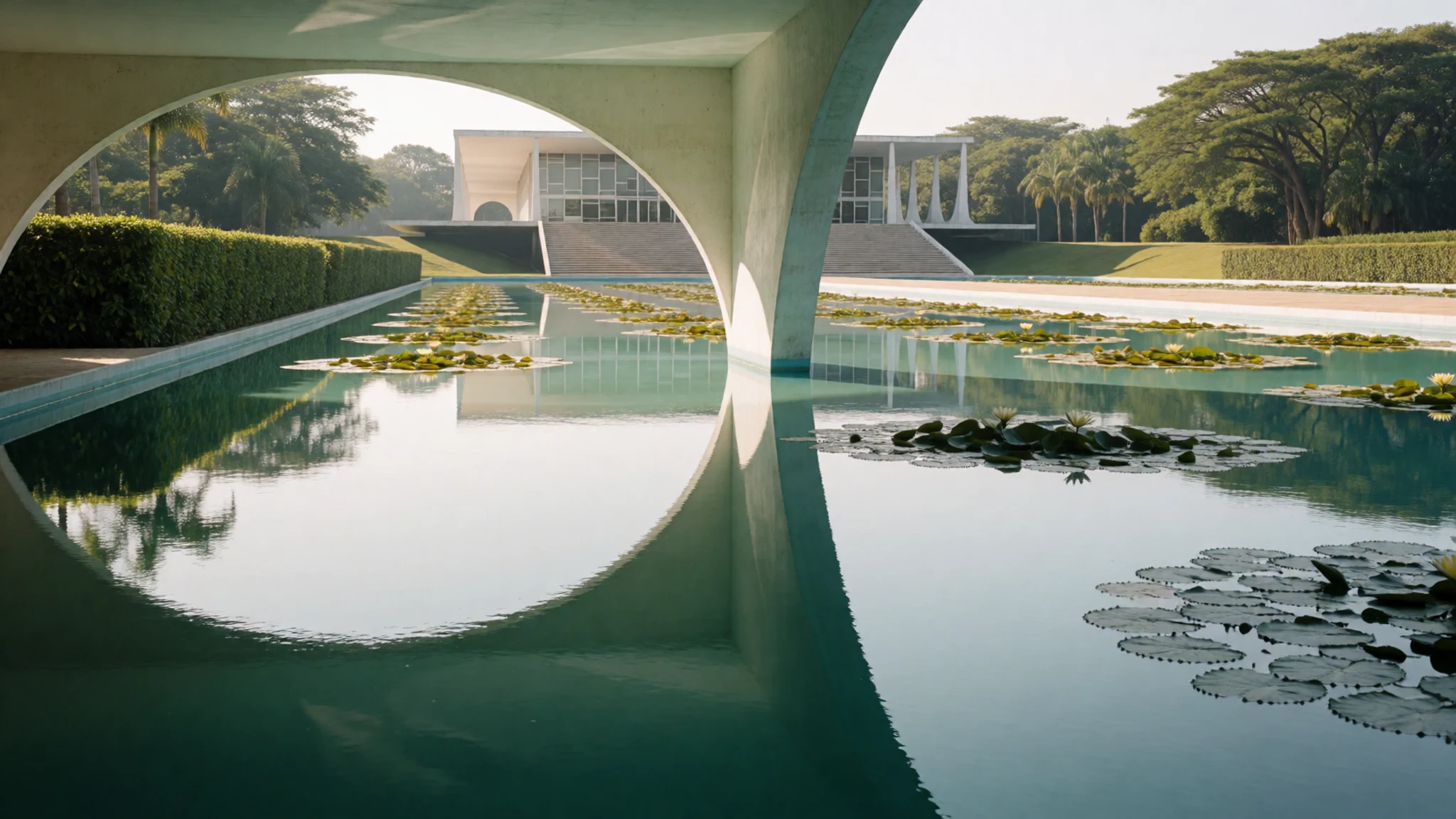
- Television Tower (Torre de TV) — Central Monumental Axis
Standing at the centre of the city's main avenue, this steel lattice tower offers panoramic vistas over the planned capital. The observation platform provides an ideal vantage point to admire the grand scale of the urban layout, watching avenues converge while an outdoor craft market operates at its base.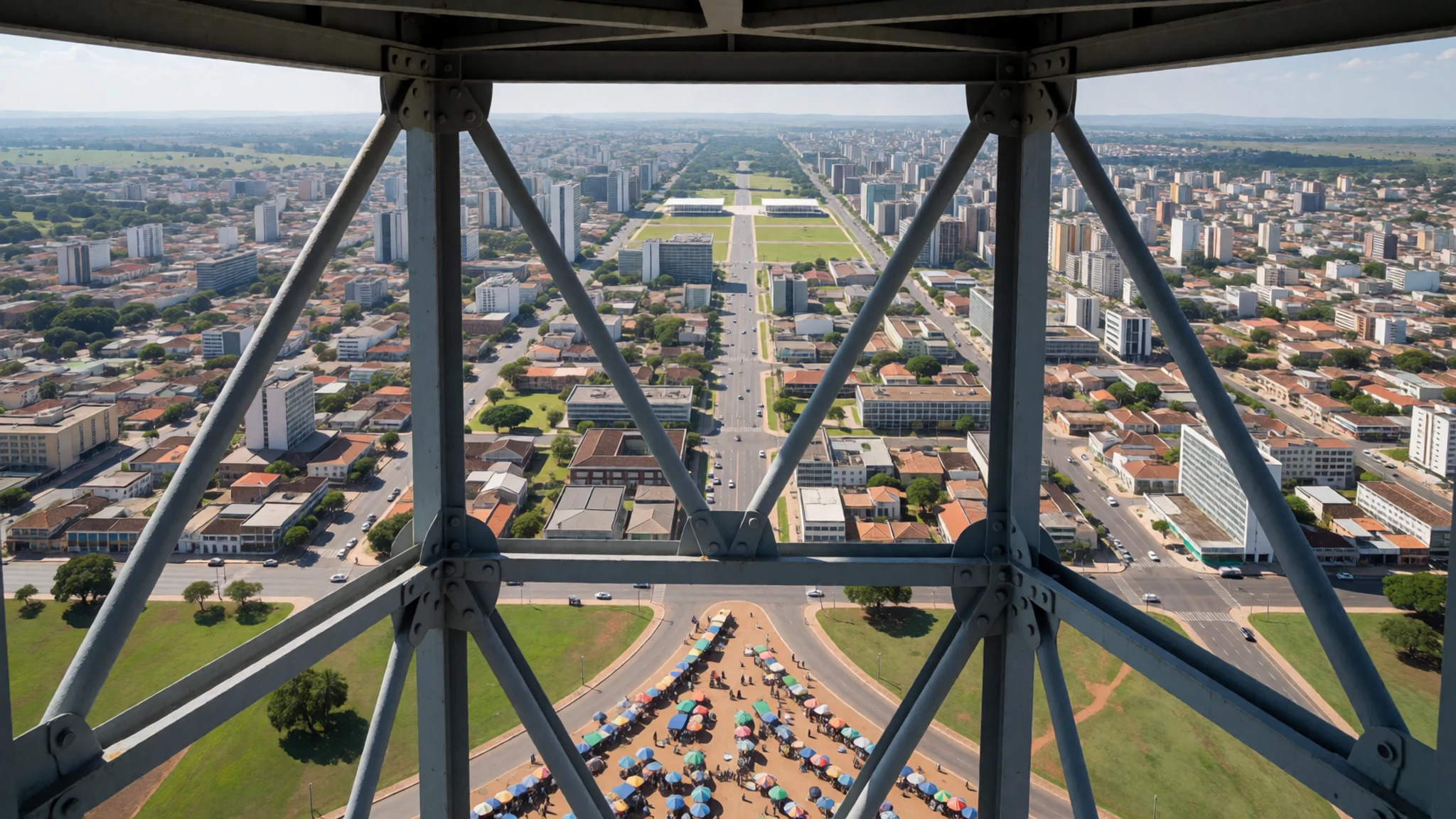
Culture
Brasília presents a unique cultural mix shaped by its role as a planned capital and a melting pot of migrants from across Brazil. Because workers and civil servants arrived from every corner of the nation during its construction, the local culture blends traditions from the northeast, southeast, and southern regions. The city hosts numerous diplomatic missions, giving its dining and cultural scene a cosmopolitan character alongside national government events.
Throughout the year, public spaces along the Monumental Axis host major civic gatherings, film festivals, and outdoor music performances. Midyear celebrations embrace nationwide traditions with lively festivals known as festas juninas, featuring traditional folk dances, colourful attire, and seasonal corn dishes. In September, civic parades take over the central avenues to mark national independence. Outside official events, daily social life centres around residential superquadras, where local parks, cafes, and corner gathering spots foster a strong sense of neighbourhood community. Respect security protocols and carry valid identification when visiting government buildings or taking guided tours of official state institutions.
What to wear
Traditional dress in the Federal District reflects the regional roots of its diverse population rather than a single local costume. During midyear folk celebrations, residents don rustic rural attire featuring checkered cotton shirts, straw hats, and denim, carrying on agricultural festival traditions from the Brazilian countryside. Outside festive periods, traditional textiles like woven cottons and lightweight linens remain popular across central Brazil for their breathability in warm weather.
Today, daily attire in Brasília is divided between professional government dress and casual urban style. Civil servants, diplomats, and corporate professionals wear sharp suits, tailored dresses, and polished leather shoes throughout the Ministry sector. In residential quarters and casual settings, lightweight shirts, shorts, summer dresses, and comfortable footwear are standard for coping with the plateau heat.
Visitors should pack light, breathable fabrics like linen and cotton to handle high temperatures during the day, alongside a light layer for air-conditioned interiors and cooler dry evenings. Sturdy walking shoes are essential for navigating long distances across paved plazas and wide concrete avenues. Formal smart-casual dress is recommended when visiting fine restaurants or taking official government tours.
What to eat
- Brazilian Pizza Slices — Local pizzerias in the North and South Wings
A favourite quick bite across the capital consists of thick, freshly baked pizza slices served folded in half. Available at legendary neighbourhood slice counters in both the North and South wings, it offers simple, satisfying fuel for locals on the go.
- Churrasquinho (Grilled Skewers) — Street food stalls and informal eateries around central bus terminals
Charcoal-grilled meat skewers of beef, chicken, or spiced sausage are a staple evening snack. Served hot with cassava flour and pickled salsa, these savoury skewers are served at small street stalls and casual spots near major transit hubs.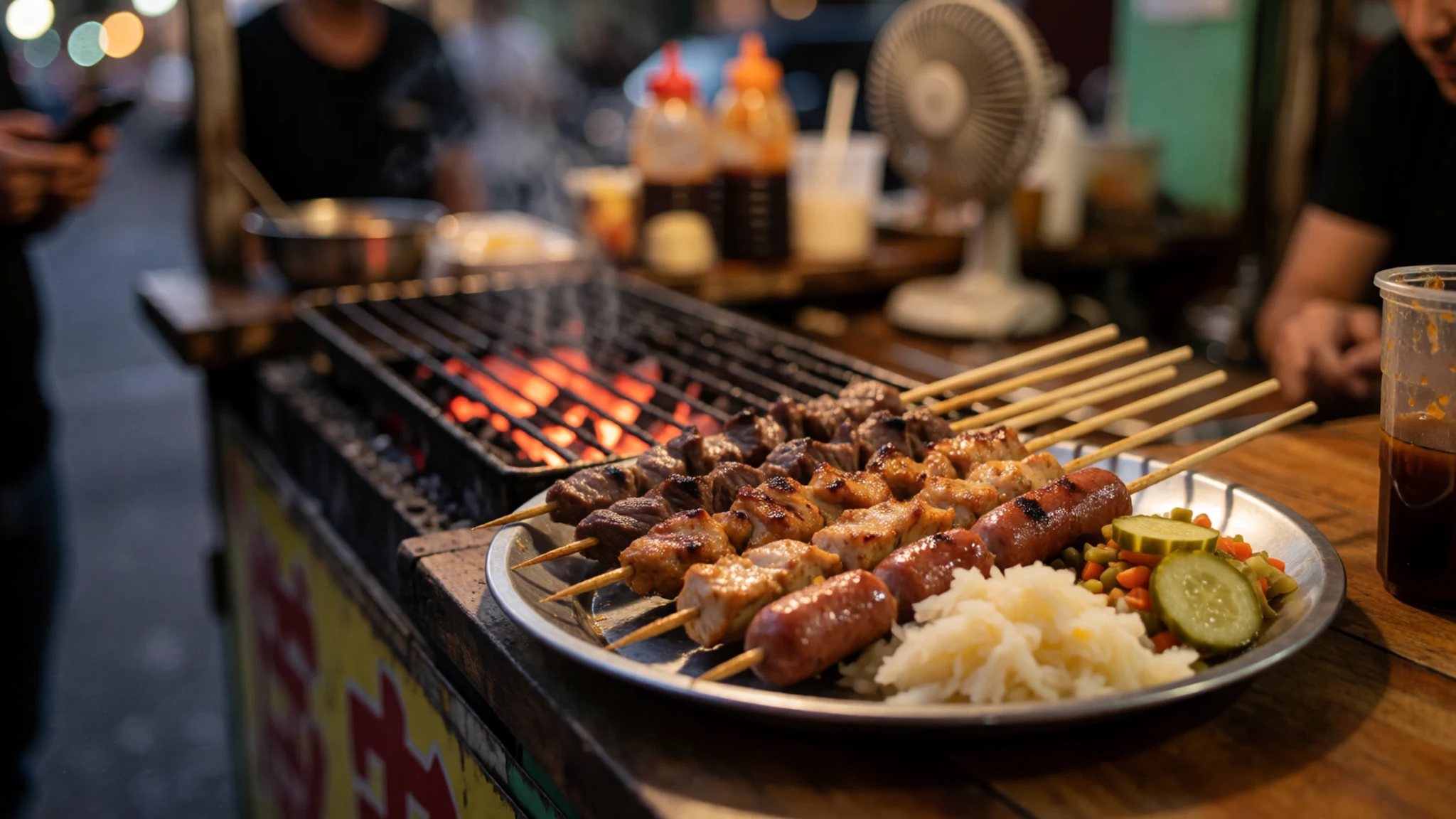
- Prato Feito (Executive Lunch Plate) — Commercial sectors and shopping centre food courts
The classic Brazilian everyday meal features a hearty portion of grilled beef or chicken accompanied by rice, black beans, farofa, and fresh salad. It is widely served in commercial sector eateries and bustling shopping mall food courts during lunch hours. - Pastel and Caldo de Cana — Open-air weekend markets and near the Television Tower
Crispy, deep-fried pastry envelopes stuffed with minced meat, cheese, or palm hearts are traditionally paired with freshly pressed sugarcane juice. Enjoy this classic combination at outdoor artisan markets and food kiosks around central public plazas. - Pastel de Calzone — Mall food courts and quick-service spots along the Monumental Axis
Folded baked dough pockets filled with melted cheese, vegetables, or seasoned meats offer an easy, portable meal. Found throughout mall food courts and busy transit plazas, these savoury pastries are a popular choice for budget-conscious travellers.
Plan it
Best time. May to September is the drier stretch, with the driest months in June, July, and August; the wettest months are November and December, while the hottest months are September and October and the most comfortable are April and May.
How long. 2–3
Getting there. Brasília International Airport serves as a major domestic air hub with connections across Brazil. Executive airport buses and taxis run directly to the central hotel sectors.
Budget. mid
Tips
- Book guided tours of congress and government palaces in advance through official portals
- Wear sunscreen and carry water when walking across open concrete plazas with minimal shade
- Use ride-hailing apps or central buses to travel between distant sectors
Etiquette
- Dress smartly in long trousers or dresses when visiting government buildings and state halls
- Keep noise levels low when exploring quiet residential superquadra courtyards
Nearby
Sources
- Wikidata Q2844 (CC0)
- Wikipedia (rev 1384234017) (CC BY-SA 4.0)
- Wikivoyage (rev 5395833) (CC BY-SA 4.0)
- Photo photos/01-planalto-central-cropped.jpg (CC BY-SA 4.0)
- Photo photos/02-reflexos-do-planalto.jpg (CC BY-SA 4.0)
- Photo photos/03-congresso-nacional-visto-da-alameda-cropped.jpg (CC BY-SA 4.0)
- Photo photos/04-a-justi-a-escultura-bsb-08-2005-25.jpg (CC BY-SA 4.0)
- Photo photos/05-memorial-jk-1.jpg (CC BY-SA 4.0)
- Photo photos/06-catedral-metropolitana-de-bras-lia-vis-o-noturna-01-cropped.jpg (CC BY-SA 4.0)
- Photo photos/07-bsb-02-2013-eixo-monumental-5884.jpg (CC BY 3.0)
- Photo photos/08-pedra-fundamental.jpg (CC BY 3.0)


