Abrolhos Archipelago
Abrolhos Archipelago, Brazil
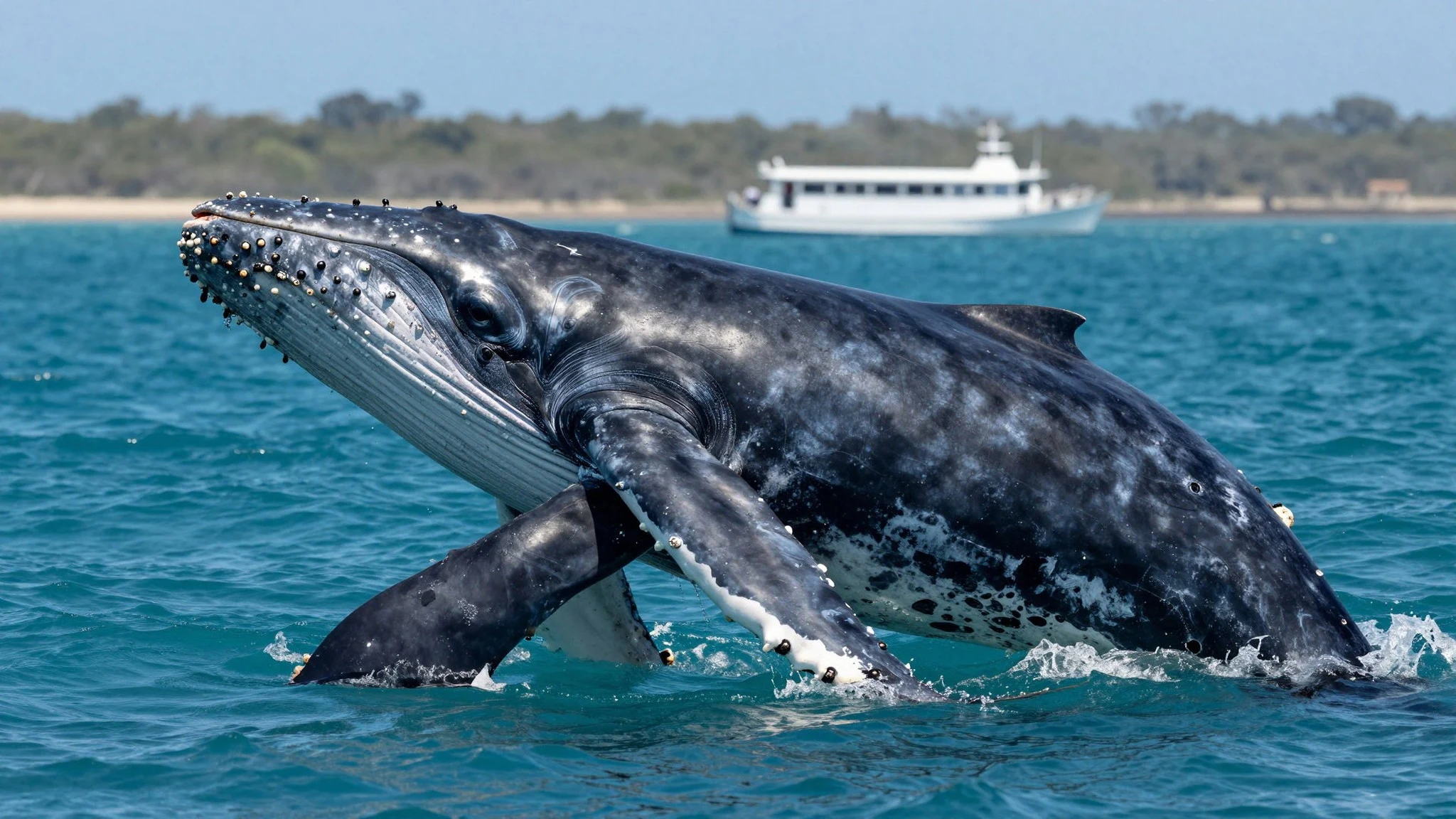
Abrolhos Archipelago offers reef snorkelling and, from July to November, humpback whales, all reached by boat from the quiet Bahian town of Caravelas.
The place
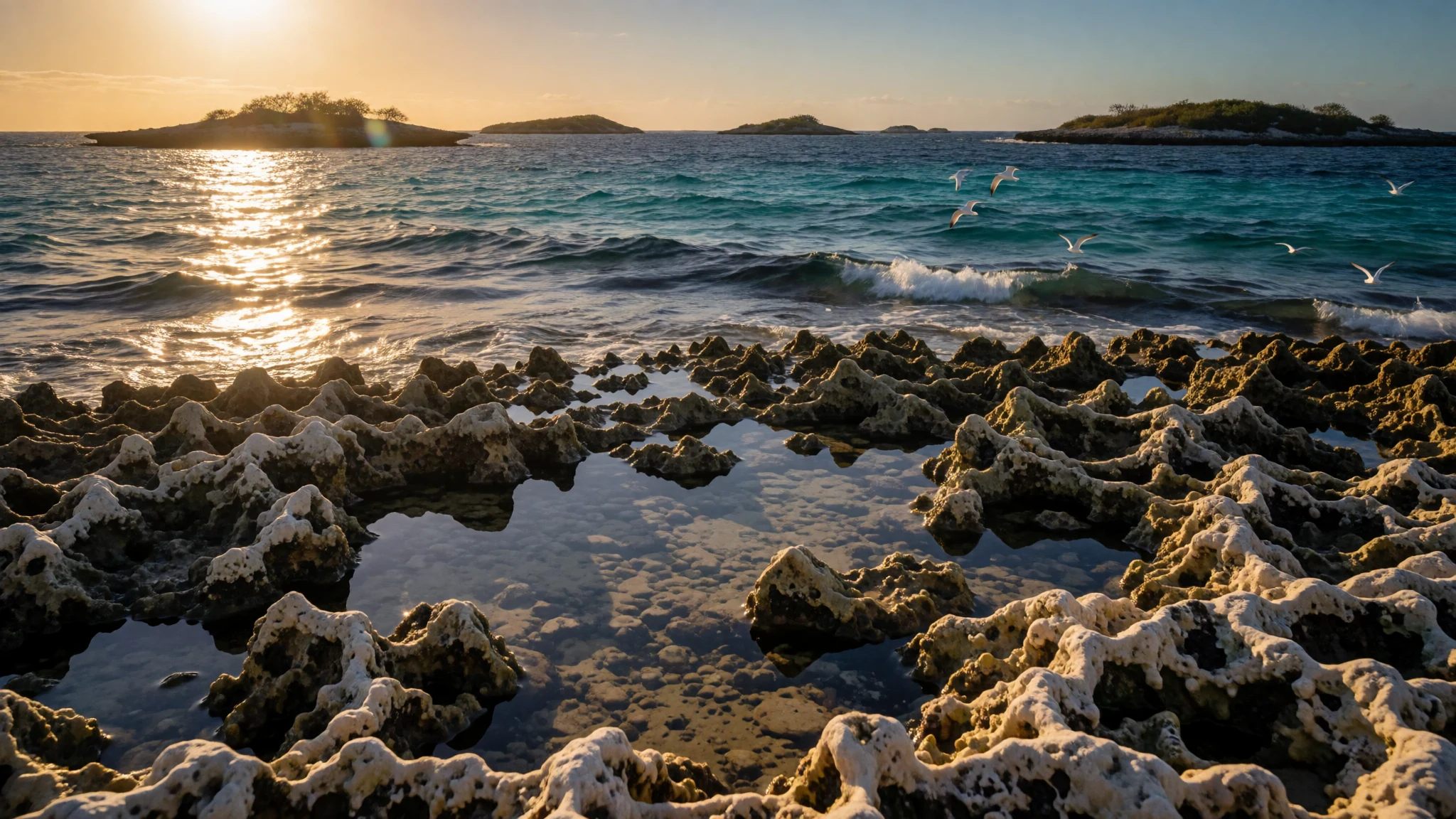
Abrolhos Archipelago is a scatter of five small islands ringed by coral reefs, lying off the southern coast of Bahia in north-eastern Brazil. Caravelas, on the mainland, is the nearest town and the only practical starting point for a visit. Nothing here resembles a resort. The islands are low and mostly scrubby, and the real interest lies in the shallow banks around them, where reef, open sea and sky meet. Boats anchor offshore, and the day runs on tides, wind and the skipper's judgement.
The name comes from a Portuguese phrase, usually read as 'open your eyes', a warning sailors gave each other about rocks and sandbanks lurking just under the surface. That sense of hidden hazard is still a good way to read the place: the water looks calm, but the reefs are close and the sea does not forgive carelessness. A conspicuous wreck, the SS Rosalinda, lies within the group.
Visitors come for snorkelling and diving inside the marine national park, and between July and November for whales passing through in their mating season. The local timezone is UTC−02:00. Facilities are minimal: sleeping is aboard boats, meals are served by licensed operators, and mobile coverage should not be counted on. Light luggage, a hat and a dry bag suit the trip far better than smart clothes.
Its story
Abrolhos Archipelago entered the written record mainly through seamen's worry. Its reefs were a known danger, and surveyors such as Baron Roussin had charted them, though the Royal Navy suspected the shoals reached further out to sea than his limits showed. When the Admiralty drew up instructions for the second voyage of HMS Beagle, it asked Captain Robert FitzRoy to take soundings and fix the true position of the banks.
That work was done at the end of March 1832. It also gave the young Charles Darwin a chance to look at the islands' wildlife and rocks while the crew measured depths. The visit is a small episode in a famous voyage, but it ties these remote reefs to the early history of natural science.
A different kind of naval interest returned in the First World War. British sailors knew the area then as the Abrolhos Rocks, and it served as a coaling point during the operations against Admiral von Spee's German cruisers in late 1914. Those operations ended at the Battle of the Falklands, followed by the sinking of SMS Dresden, the only ship of the German squadron to survive that battle.
Since 1861, the date Wikidata gives for the archipelago's founding, it has been treated as a managed place rather than open water. Today, protection and licensed boat operators shape how people reach it, and the old naval charts matter less than the park rules.
What to see
- Abrolhos Marine National Park — Waters around the archipelago
The park covers the reefs around the islands and is the reason most people come. Snorkellers drift over coral formations and watch reef fish in clear, shallow water. Divers can arrange short dives through authorised operators. Conditions change with wind and swell, so skippers decide where boats anchor on the day.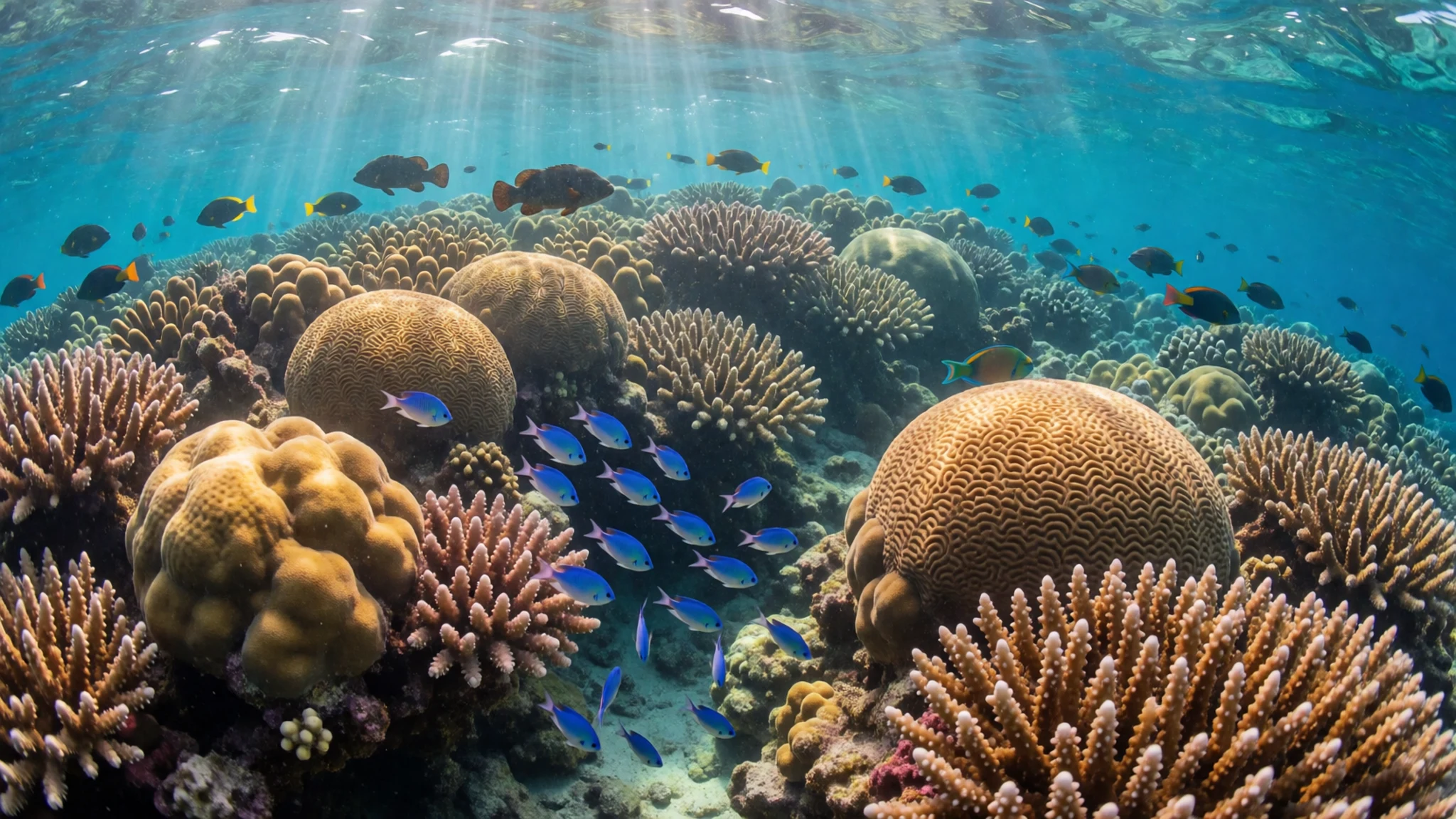
- Whale watching — Open sea between Caravelas and the islands
From July to November, humpback whales pass through the area in their mating season, and some are often spotted on the crossing itself. A dedicated whale-watching excursion gives longer, steadier views. Photographs from the archipelago show tails, breaches and mothers with calves close to boats, kept at a respectful distance.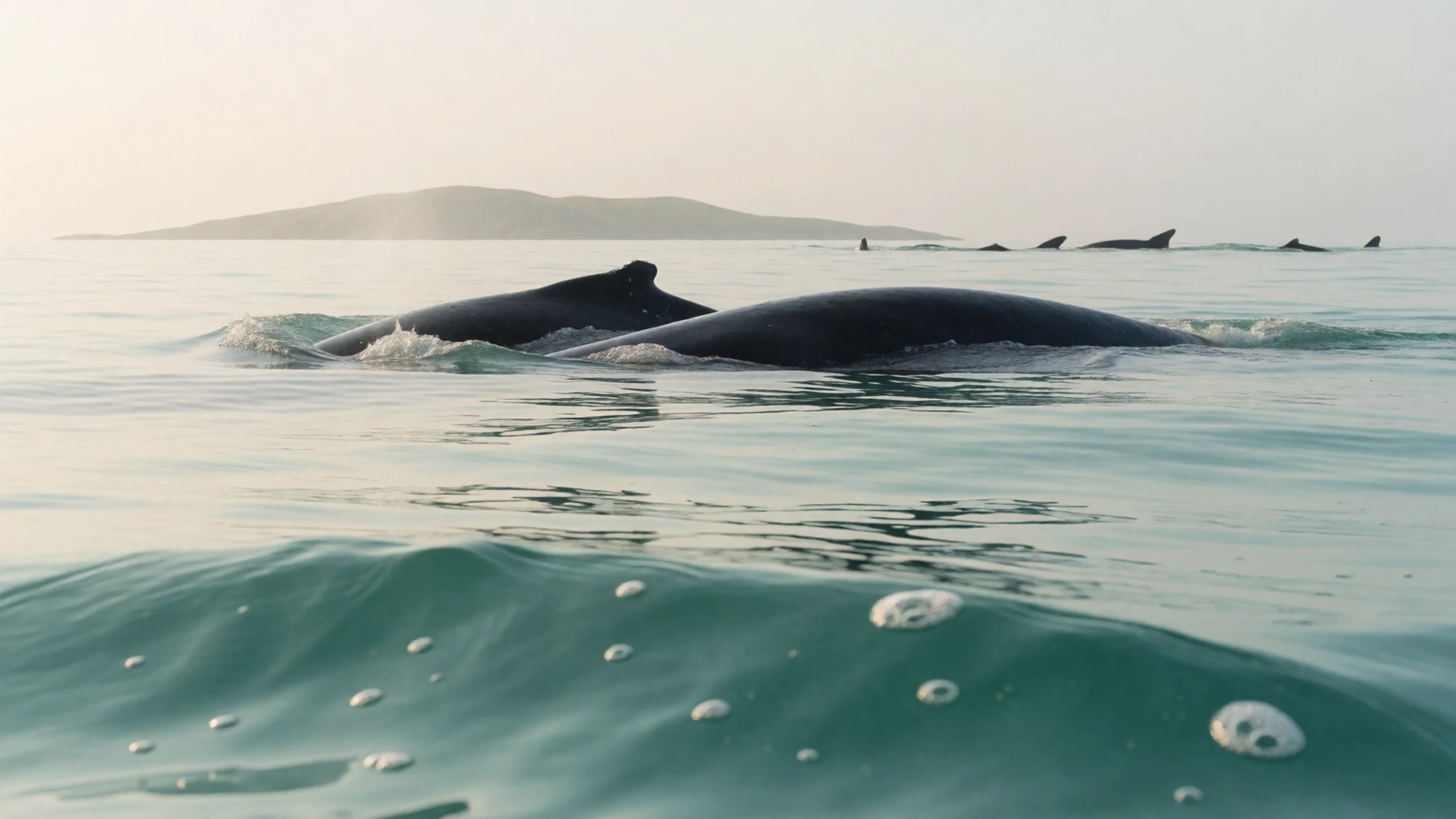
- The lighthouse island — Main island
A pale lighthouse stands on the main island and is the archipelago's most recognisable landmark, visible from boats well before landing. The island is low and covered in hardy scrub, with rocky shores. Landing arrangements and permitted walking areas depend on the park rules and your operator's permissions.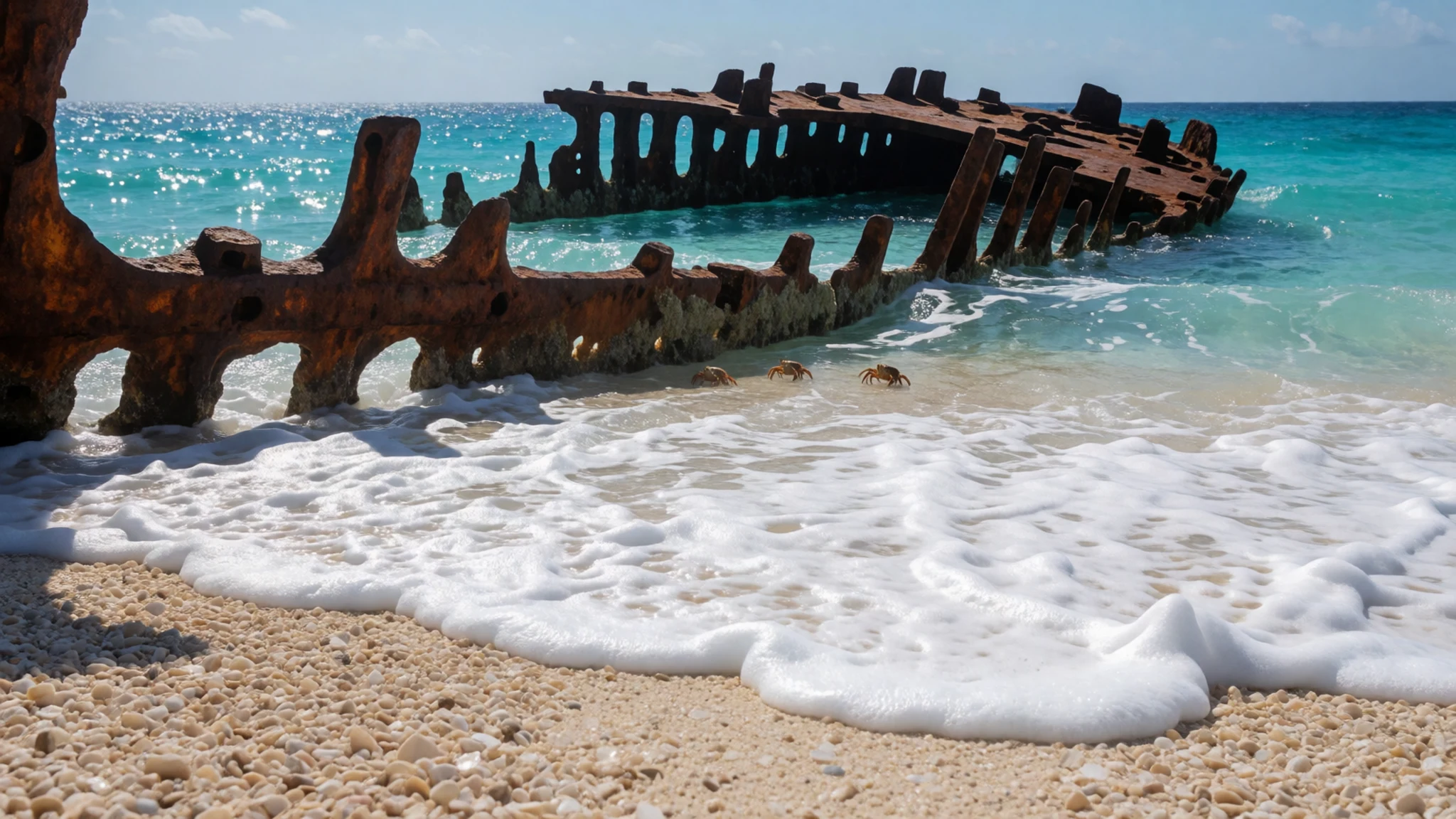
- Ilha Redonda — Within the archipelago
Ilha Redonda is one of the group's small islands, rounded and rocky, set in strikingly clear water. It is best appreciated from the boat or the water's edge, as with most of the archipelago. Seabirds use such islets, so keeping distance and noise down is part of the visit.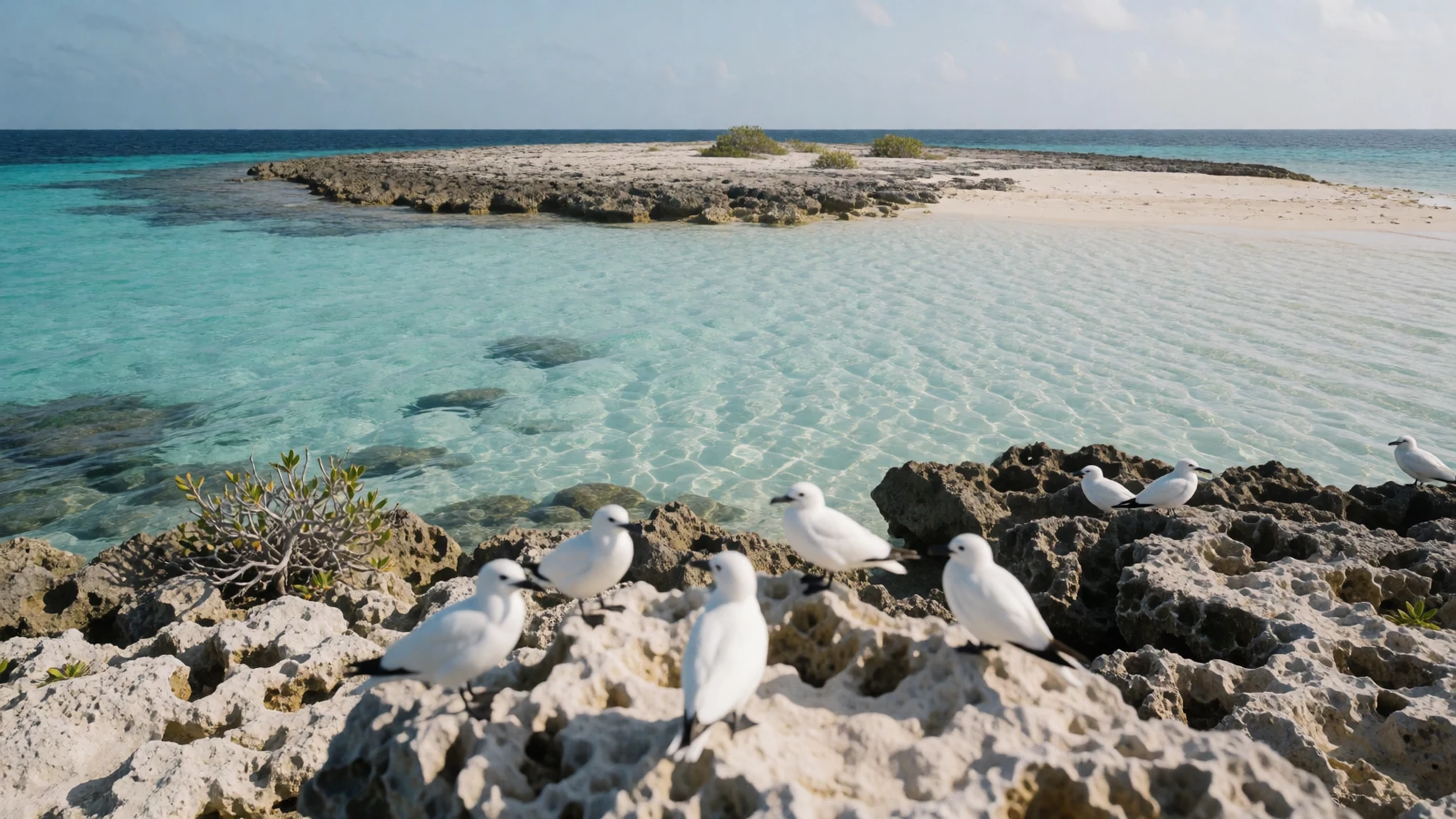
- SS Rosalinda wreck — Within the archipelago
A shipwreck, the SS Rosalinda, sits conspicuously within the group and gives a reminder of why sailors feared these banks. It is an easy landmark to point out from a boat and a reference for divers. Ask the operator what can be seen safely in the day's conditions.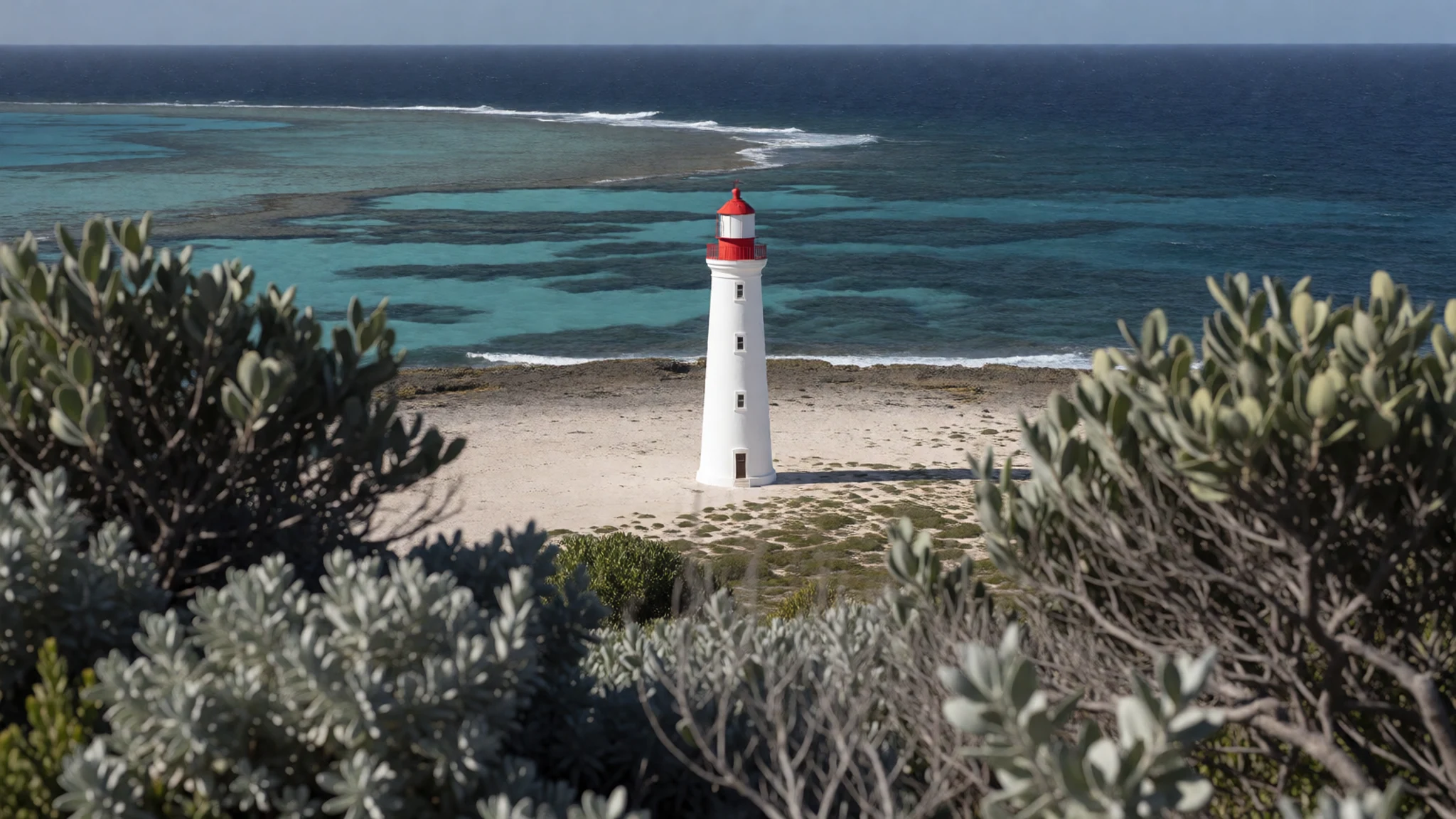
Culture
Abrolhos Archipelago has no village or resident community of its own, so its culture is really that of the Bahian coast around Caravelas, where fishing, boat handling and the sea's moods are daily knowledge. Skippers and crews here read swell and weather by habit, and visitors are expected to accept their calls about when to sail, where to anchor and when to turn back.
The name itself is a piece of maritime culture, a Portuguese sailors' warning about hidden rocks, and the islands' history of naval surveys, including HMS Beagle's, grew from that same caution. Today the culture of the place is conservation: licensed operators, park rules and a shared understanding that the reefs and whales are the point of the trip. Portuguese is the working language on the boats, and a few polite words such as bom dia and obrigado (obrigada for women) are welcomed, though crews used to tourists often manage some English.
Meals on board follow the operators' routines, conversation is relaxed, and trips tend to start early. Patience with delays caused by wind or sea state is part of the etiquette of the coast. Where possible, hire a boat and crew authorised for the archipelago, as the park depends on that system.
When the skipper or crew gives a safety or conservation instruction, whether about staying back from whales, not touching coral or keeping to marked landing areas, follow it at once and without argument.
What to wear
Abrolhos Archipelago has no traditional dress of its own, since nobody lives there permanently, so the relevant clothing tradition is that of Bahia's coast. Bahia is known for the white cotton and lace of Afro-Brazilian dress, such as the baiana's long skirts and head wraps, worn at festivals and religious occasions rather than on boats. In Caravelas and the other mainland towns, such outfits appear mainly at celebrations.
Everyday wear on this coast is practical and informal: shorts, cotton t-shirts, flip-flops, sun hats and light long-sleeved shirts. Boat crews favour quick-drying clothes and sturdy sandals, and wetsuits or rash vests are common among divers and snorkellers. Nobody dresses up for the reef.
For visitors, the aim is sun, spray and sea. Wear a long-sleeved, quick-drying shirt or rash vest, swimwear that stays put in swell, and a wide-brimmed hat with a chin strap. Reef-safe sun cream is a considerate choice. Bring a light waterproof layer, because spray and wind on the crossing can be chilly even in warm weather. Shoes with grip and a closed back suit wet decks better than flip-flops. Pack a change of dry clothes in a waterproof bag. In Caravelas itself, ordinary casual summer clothes are fine, and there are no strict modesty rules, though covering up swimwear away from the beach is courteous.
What to eat
- Moqueca baiana — Seafood restaurants and eateries in Caravelas
A fish or shrimp stew cooked with coconut milk, dendê palm oil, peppers and coriander, typical of Bahia. It is the standard order at seafood eateries in Caravelas and other coastal towns, usually served with rice and farofa on the side.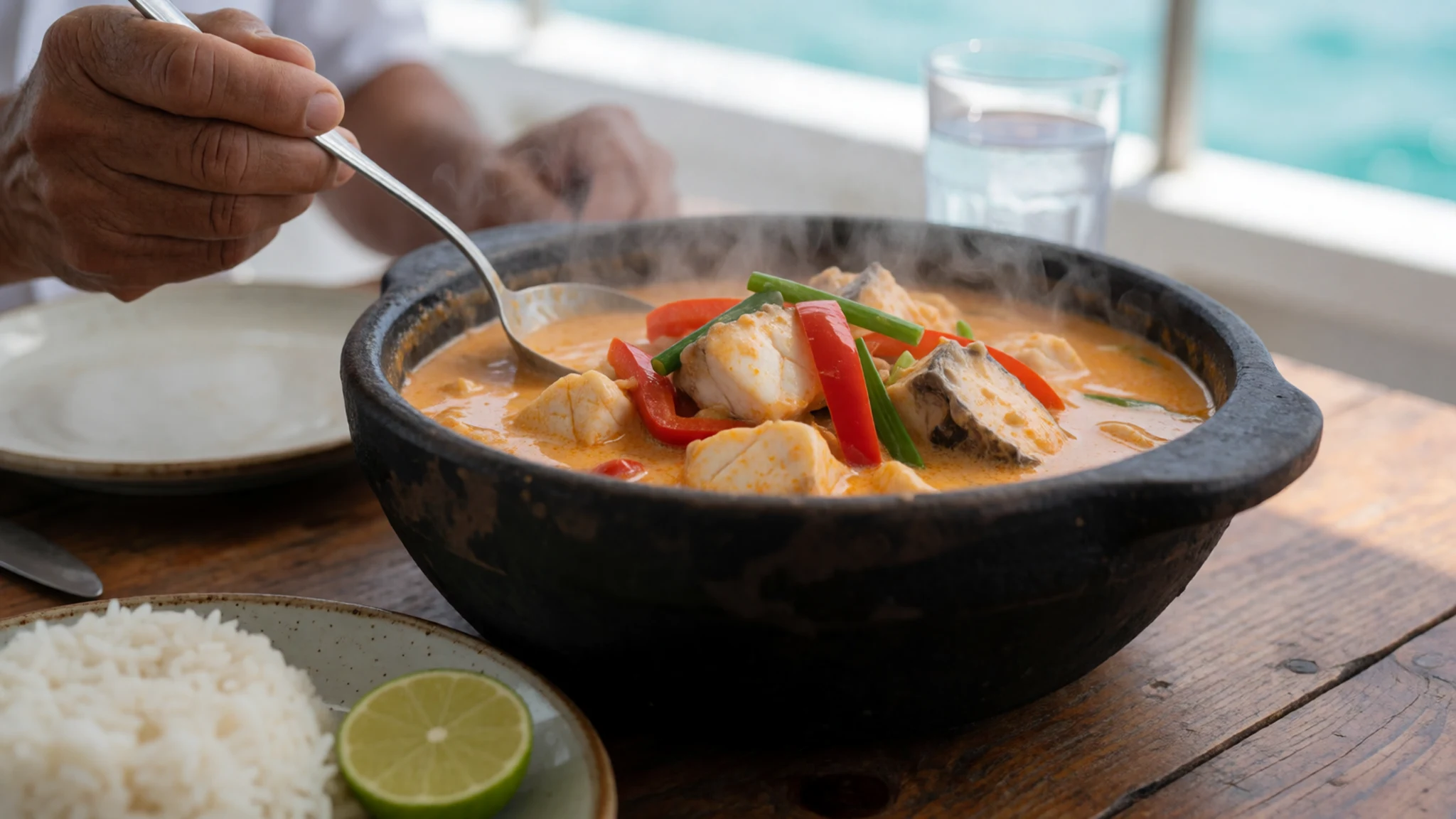
- Fresh grilled fish — On board licensed tour boats and at waterfront eateries
Local fish grilled whole or in steaks and served with rice, beans and salad is everyday coastal food. Boat operators often serve a simple version of it on board, so expect uncomplicated seafood after a morning in the water.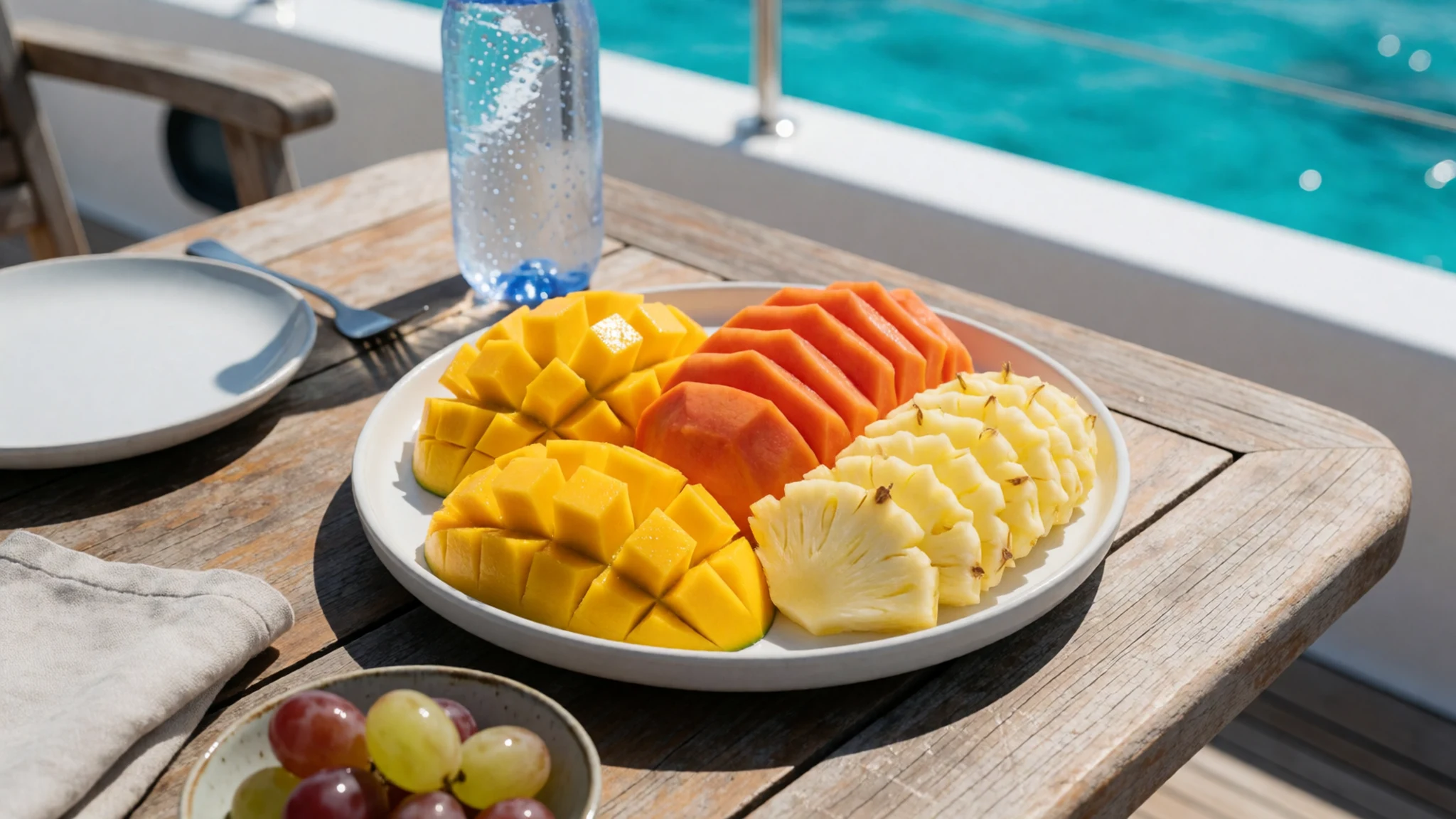
- Acarajé — Street stalls in Caravelas and other Bahian towns
Black-eyed pea fritters fried in dendê oil and split open for filling such as vatapá, shrimp and salad. It is a Bahian street food associated with baianas in white, and best eaten fresh, hot and in the evening. - Tapioca — Morning stalls and cafés near the town centre
A thin pancake made from cassava starch, cooked on a hot griddle and folded around fillings such as grated coconut, cheese or sweetened condensed milk. It is a light breakfast or snack before an early boat departure. - Fresh tropical fruit juice — Juice bars and cafés in Caravelas; soft drinks on board
Juices of local fruits such as cashew fruit, passion fruit and cocoa pulp are widely served cold on the Bahian coast. Plenty of mineral water and soft drinks are carried on tours, and alcohol is best avoided while at sea.
Plan it
Best time. July to November for whales, which pass through in their mating season; sea conditions vary with wind, so ask operators about swell before booking.
How long. 2–3
Getting there. Reach Caravelas on the Bahian mainland first, by road from a regional airport, then take an authorised boat. Speed boats take roughly an hour and a half and suit a one-day trip. Catamarans take about three and a half hours, and fishing boats about six hours, which means an overnight stay aboard.
Budget. mid
Tips
- Book only with tour operators authorised by IBAMA, arranged in Caravelas
- Take seasickness tablets if prone to nausea, since small boats rock, especially overnight
- Do not bring your own food unless the captain agrees; meals are served on board
- Carry cash and check the park's official site for current rules
- Bring sun protection, a dry bag and water, and avoid alcohol while at sea
Etiquette
- Follow the captain's instructions on distance from whales and anchoring
- Do not touch or stand on coral, and take all rubbish back to the mainland
- Respect restricted areas, such as the military zone on Santa Bárbara island
Nearby
Sources
- Wikidata Q331529 (CC0)
- Wikipedia: Abrolhos Archipelago (rev 1363878984) (CC BY-SA 4.0)
- Wikivoyage: Abrolhos (rev 5388786) (CC BY-SA 4.0)
- Ilha Redonda, Amnemona (Marina C. Vinhal) (CC BY 2.5)
- Abrolhos Islands, Butterfly voyages - Serge Ouachée (CC BY-SA 2.5)
- O farol, Rubens de Camargo Vianna Filho (CC BY-SA 4.0)
- Vista da ilha principal, Eduardo Ramos (CC BY 3.0)
- Jubartes em Abrolhos, Amnemona (Marina C. Vinhal) (CC BY 2.5)
- Baleias-Abrolhos, Rosely Miranda (CC BY 3.0)
- Ilha de Santa Bárbara, Munique Bassoli (CC BY-SA 4.0)
- Sueste island, Joao lara mesquita (CC BY-SA 4.0)


Wildlife
- Humpback whale (animal)
The humpback whale is a huge baleen whale, a gentle giant with very long flippers and bumps on its head. Abrolhos is one of its breeding grounds, so it is a place where you may meet these whales in their natural home. They are famous for leaping from the water and for the long, complex songs the males sing. The notes do not give a season or time of day. Watch from a respectful distance, stay quiet, go with a guide, and never try to feed them.