Belo Horizonte
Belo Horizonte, Brazil
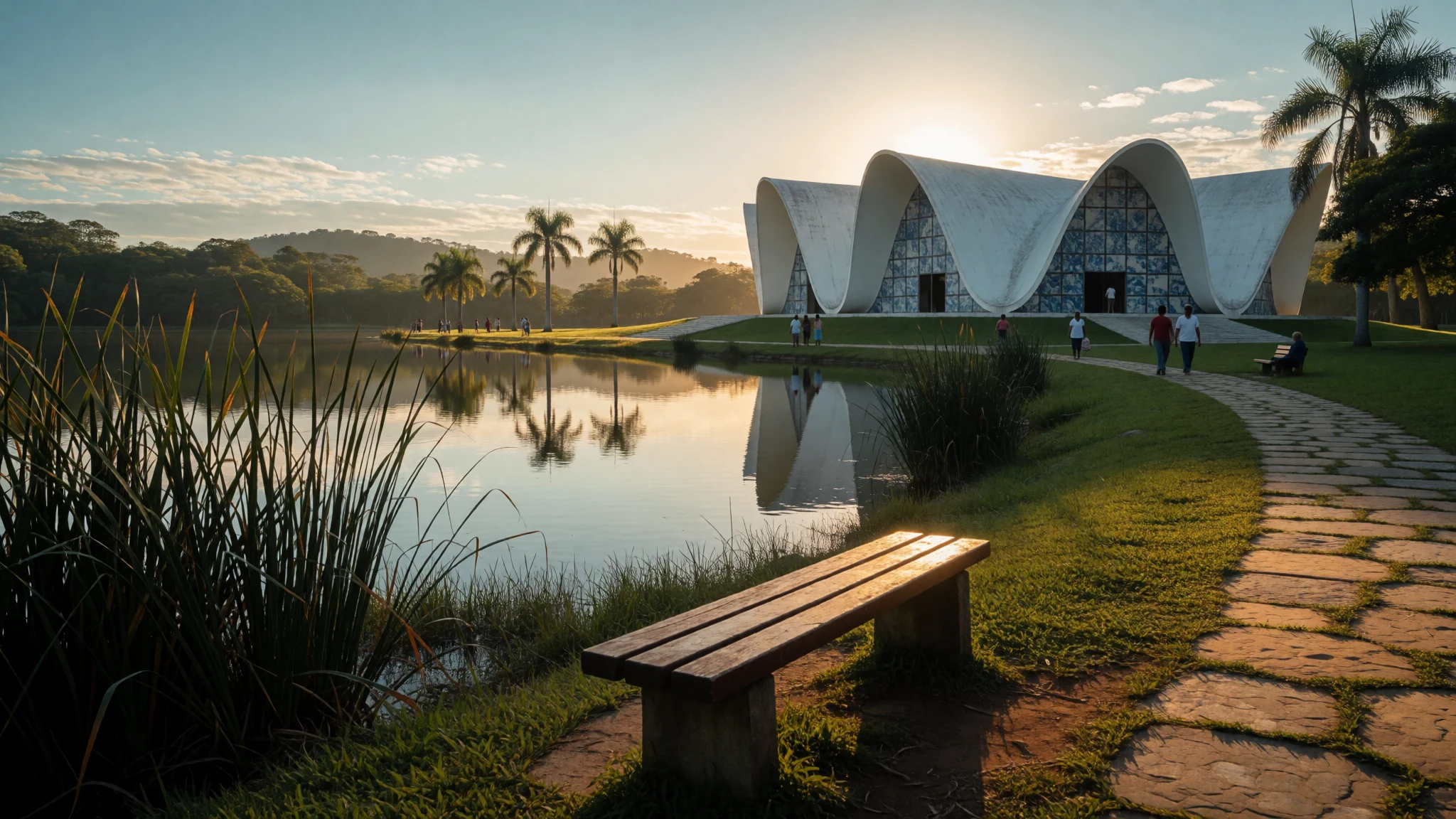
Belo Horizonte is a planned capital ringed by mountains, where Niemeyer's modernist Pampulha, hill viewpoints and Minas Gerais cooking fit into a few easy days.
The place
Belo Horizonte is the capital of Minas Gerais, a state in south-eastern Brazil, and home to about 2.4 million people, with a far larger metropolitan area spreading around it. The city stands about 760 m above sea level in a bowl of hills, and the ridge of the Serra do Curral forms its southern skyline. Streets climb and drop constantly, so a walk that looks short on the map often turns into a workout. The centre was drawn on paper before it was built: a grid of broad avenues cut by diagonals, with Washington, D.C. as one of the planners' models. Avenida Afonso Pena runs through downtown as its main spine, while the hillier neighbourhoods have grown in a looser, more improvised way. Old and new sit side by side here: older civic buildings around Praça da Liberdade, modernist architecture in the Pampulha district, and glass towers along the ridges. Parks lie around the edges, where cerrado scrub meets remnants of Atlantic forest. The city has also drawn international recognition for urban renewal and for programmes that tackle hunger. Day to day it feels like a working regional capital rather than a resort: office crowds at lunchtime, football at weekends, and bar tables filling the pavements in the evening. Many travellers treat it as a base for the colonial towns elsewhere in the state, but it repays a few days of its own.
Its story
Belo Horizonte began as a cattle farm. In 1701 João Leite da Silva Ortiz, a bandeirante explorer from São Paulo, arrived during the gold-rush years and set up a holding called Curral d'el Rey, an old form of 'the king's corral'. The farm prospered, and a village of smallholdings gathered around it. Its position helped: people travelling from the São Francisco river valley towards southern Brazil had to pass through, and many stopped at a small wooden chapel to ask for a safe journey. It came to be known as Our Lady of the Good Journey. When the modern city arrived, a larger Gothic-revival building replaced the chapel and took on the role of cathedral.
The reason for a new city lay in Ouro Preto, the earlier state capital. Its name means 'black gold', after the dark, gold-bearing rock of the area, and it stood for the mining wealth of the colonial and imperial age. Once the empire had ended, Minas Gerais wanted a capital that looked forward rather than back. Engineers led by Aarão Reis and Francisco Bicalho laid out Belo Horizonte on the site of the old village, with ordered streets and room for parks. The name means 'beautiful horizon', which suits the ring of mountains. It is described as Brazil's first planned modern city, and it has long since grown well beyond the plan.
What to see
- Pampulha — North Belo Horizonte, around the artificial lake
Pampulha, around an artificial lake in the north of the city, holds the best-known modernist work by Oscar Niemeyer. The small church of São Francisco de Assis, with curving vaults and tiled panels, is what most people come for. Walk the lakeshore between buildings; it is flat, open and hot at midday.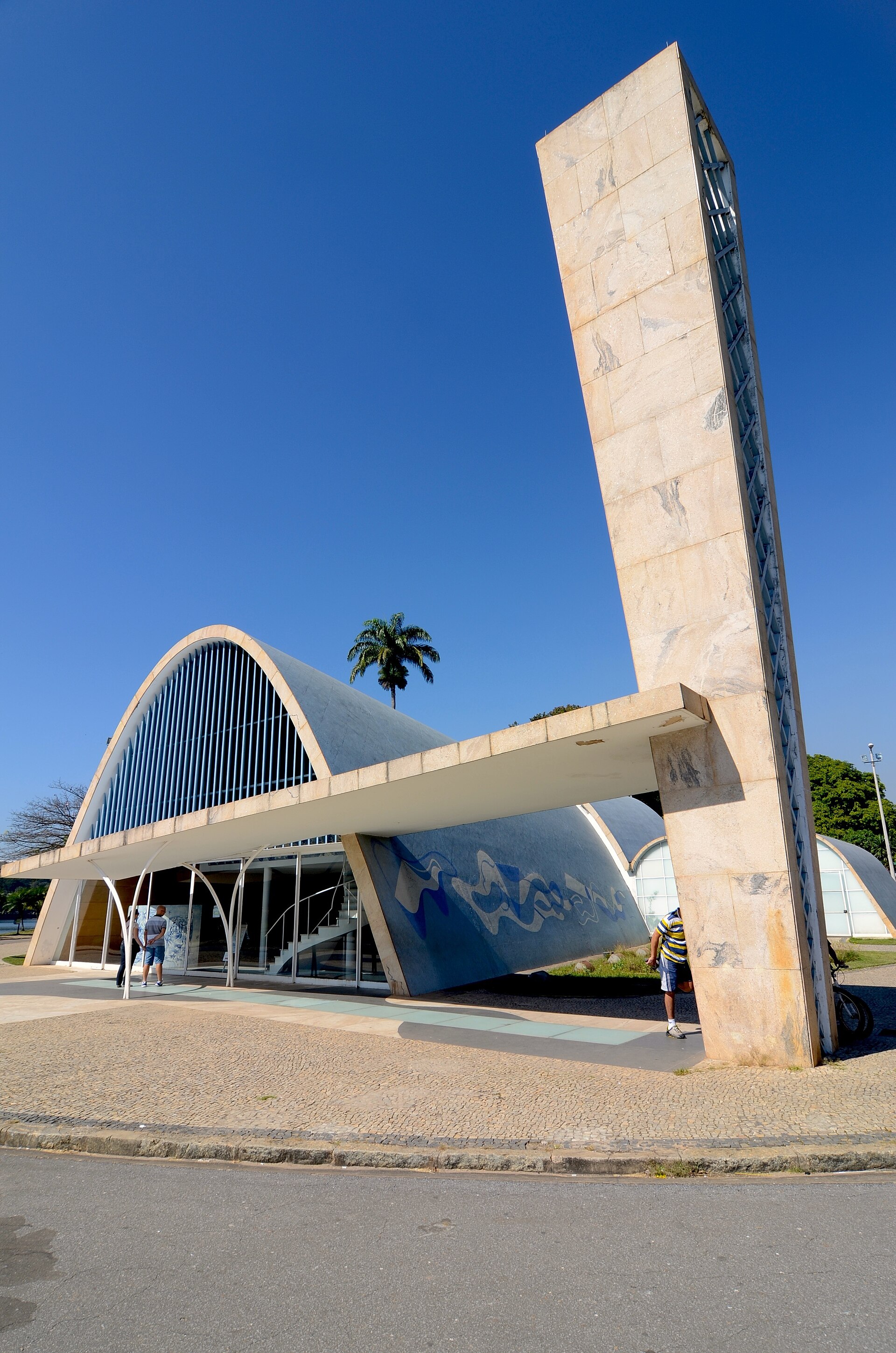
- Praça da Liberdade — Savassi and the central district
Praça da Liberdade is a palm-lined square in the centre, framed by older civic buildings that include the seat of state government. Gardens, fountains and benches make it a good place to rest after a morning on foot. Several surrounding buildings house museums and cultural spaces, so check the city's official site for current opening arrangements. - Museu de Artes e Ofícios — Centre, beside the old railway lines
The Museu de Artes e Ofícios occupies the old central railway station buildings, which makes the setting part of the visit. As its name suggests, the displays look at tools, trades and craft skills in everyday working life. It is a calm, covered stop for a hot or rainy afternoon. - Mangabeiras Park — South-eastern edge of the city
Mangabeiras Park sits on slopes where cerrado vegetation meets Atlantic forest, and it suits families as much as walkers. Shaded paths and viewpoints give a sense of how the city sits among its hills. Go in the morning, wear proper shoes for uneven ground, and carry water. - Praça do Papa — Serra do Curral, above the southern districts
Praça do Papa is a lookout on the Serra do Curral, with the whole city laid out below and the grid of the centre easy to pick out. Late afternoon is the favoured hour for the light, and evenings can be breezy. Get there by taxi or ride-hailing, and arrange the return before dark.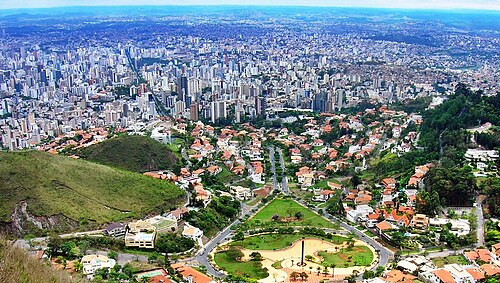
- Mineirão Stadium — Pampulha
The Mineirão is the big football stadium near the Pampulha lake, renovated in recent years and used for World Cup matches. On non-match days the surrounding area is a pleasant place for a stroll. On match days, expect heavy traffic and crowds, so plan routes and timings carefully.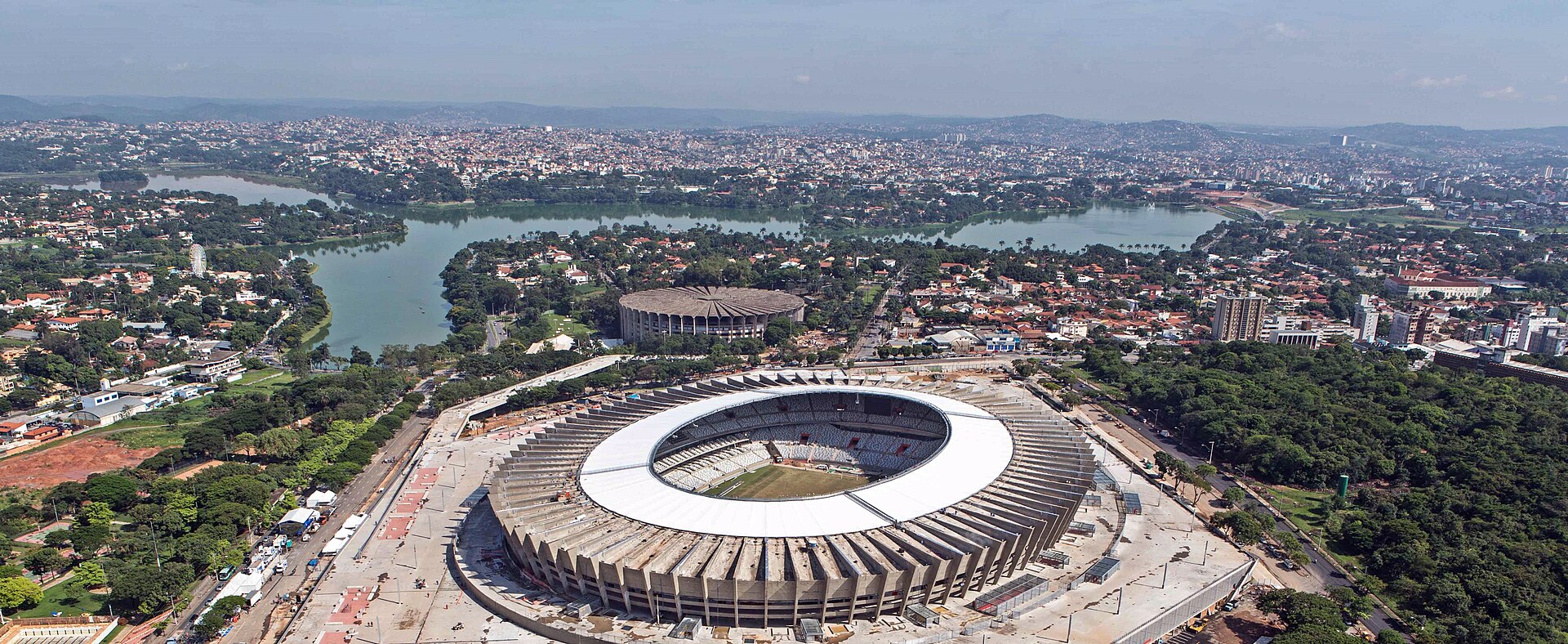
Culture
Belo Horizonte's cultural life revolves around music, bars and football. The city is the home of Clube da Esquina ('Corner Club'), a musical movement whose members, among them Milton Nascimento and Toninho Horta, became influential well beyond Brazil. The band Uakti, which plays instruments it builds itself, also began here, and the city has produced several well-known rock groups, including Skank, Pato Fu and Jota Quest. People from Minas Gerais are called mineiros, and they are often described as unhurried, hospitable and dryly funny; a conversation across a counter can easily end in an invitation to eat. The social centre of the city is the boteco, a neighbourhood bar with small plates, cold beer and a television showing the match. Football loyalties split between two local clubs, Atlético and Cruzeiro, and the rivalry is a fair guide to the mood on any weekend. Catholic tradition runs deep across the state, and church festivals mark the calendar, even though the city itself is mixed and largely relaxed. Live music turns up in bars across the centre and in the more affluent southern districts, often without any cover charge, though it pays to ask at the door. Greet people with a 'bom dia' or 'boa tarde' before asking for anything, and ask before photographing someone at close range, especially at a bar table or a football crowd.
What to wear
Belo Horizonte has no single traditional costume of its own, as Brazil's regional dress is mostly tied to festivals and rural life. The best-known example is festa junina, the June celebrations, when people wear checked cotton shirts, straw hats and patchwork dresses of printed cotton called chita. Minas Gerais also has a long craft tradition in hand-woven cotton and crochet, and these textiles appear in shawls, table linen and scarves at craft fairs. In daily life, people dress casually and neatly: jeans or light trousers, cotton shirts, trainers or sandals, and linen or office wear in the business districts. Football shirts of Atlético and Cruzeiro are everywhere on match days, and it is wise not to wear a club's colours in the other side's crowd. Evenings in the drier months can turn cool, so locals carry a light jacket. Visitors should pack breathable cotton, a sun hat and sunscreen, plus a thin waterproof for the wetter months. Shoes matter most: the pavements are steep and sometimes uneven, so comfortable closed footwear beats flip-flops for city walks and park trails. For churches, cover shoulders and avoid very short shorts. Nothing beyond that is expected; Belo Horizonte is relaxed about what visitors wear.
What to eat
- Pão de queijo — Any padaria (bakery) or café counter, best in the morning
Small, chewy baked rolls made with cheese and cassava flour, crisp outside and soft within. In Belo Horizonte they come hot from bakery ovens and are eaten at breakfast or with afternoon coffee. Order a few and eat them straight away. - Feijoada — Traditional restaurants, especially at Saturday lunch
A slow-cooked stew of black beans and cuts of pork or beef, served with rice, shredded greens and orange slices. Minas Gerais is one of the places credited with the dish. It is a heavy, social meal, so go hungry and share the table. - Tutu à mineira — Restaurants serving comida mineira
A thick paste of refried beans and cassava flour, usually served with pork, rice and greens. It is a staple of home-style Minas cooking and is a good way to taste the state's rich, comforting side. - Frango com quiabo — Self-service lunch counters and family restaurants
Chicken stewed with okra, a classic mineiro combination of plain ingredients. The okra thickens the sauce, and it is usually eaten with rice and angu (cornmeal porridge). Lunch counters in the centre often serve it as a weekday dish. - Queijo Minas with doce — Mercado Central stalls and delicatessens
Fresh Minas cheese, often paired with sweet guava paste or milk fudge, is a snack the state is proud of. Browsing the cheese stalls of the central market is half the pleasure; tasting before buying is normal.
Plan it
Best time. May to September is the drier, cooler stretch, with clear skies for the viewpoints and parks. October to March is warmer and wetter, with heavy afternoon downpours that can interrupt outdoor plans.
How long. 2–3
Getting there. Most flights use the main airport at Confins, north of the city, with a smaller airport at Pampulha; from either, take a taxi, ride-hailing car or airport bus into the centre. Belo Horizonte is also a major bus hub, with long-distance coaches from Rio de Janeiro, São Paulo and Brasília, and a daily train to the Vitória area.
Budget. mid
Tips
- Allow extra time for hills: distances that look short on the map are steep on foot
- Carry water and sun protection for Pampulha and the parks, which have little shade at midday
- Avoid match days at the Mineirão if you dislike crowds and traffic jams
- Use taxis or ride-hailing after dark rather than walking between districts
- Check the city's official site (https://portalbelohorizonte.com.br/) for current museum and event arrangements
Etiquette
- Greet people with a 'bom dia' or 'boa tarde' before asking questions or ordering
- Ask before photographing people up close
- Cover shoulders and knees when entering churches
Nearby
Sources
- Wikidata Q42800 (CC0)
- Wikipedia: Belo Horizonte (rev 1384527991) (CC BY-SA 4.0)
- Wikivoyage: Belo Horizonte (rev 5416907) (CC BY-SA 4.0)
- Photo: Belo Horizonte, Brasil (copagov) (CC BY-SA 2.0)
- Photo: Praça do Papa (Marina Campos Vinhal) (CC BY 2.5)
- Photo: Igrejinha de São Francisco de Assis (Prandrade) (CC BY-SA 4.0)
- Photo: Avenida Afonso Pena (Prefeitura de Belo Horizonte) (Public domain)
- Photo: Belo Horizonte, Minas Gerais (Portal da Copa/ME) (CC BY 3.0 br)
- Photo: Panorama Mineirão Pampulha (Rodrigo Lima/Portal da Copa) (CC BY 2.5)
- Photo: Planta geral da cidade de Belo Horizonte (Comissão Construtora) (Public domain)
- Photo: Belo Horizonte from ISS at night (NASA/Paolo Nespoli) (Public domain)


