Campos do Jordão
Campos do Jordão, Brazil
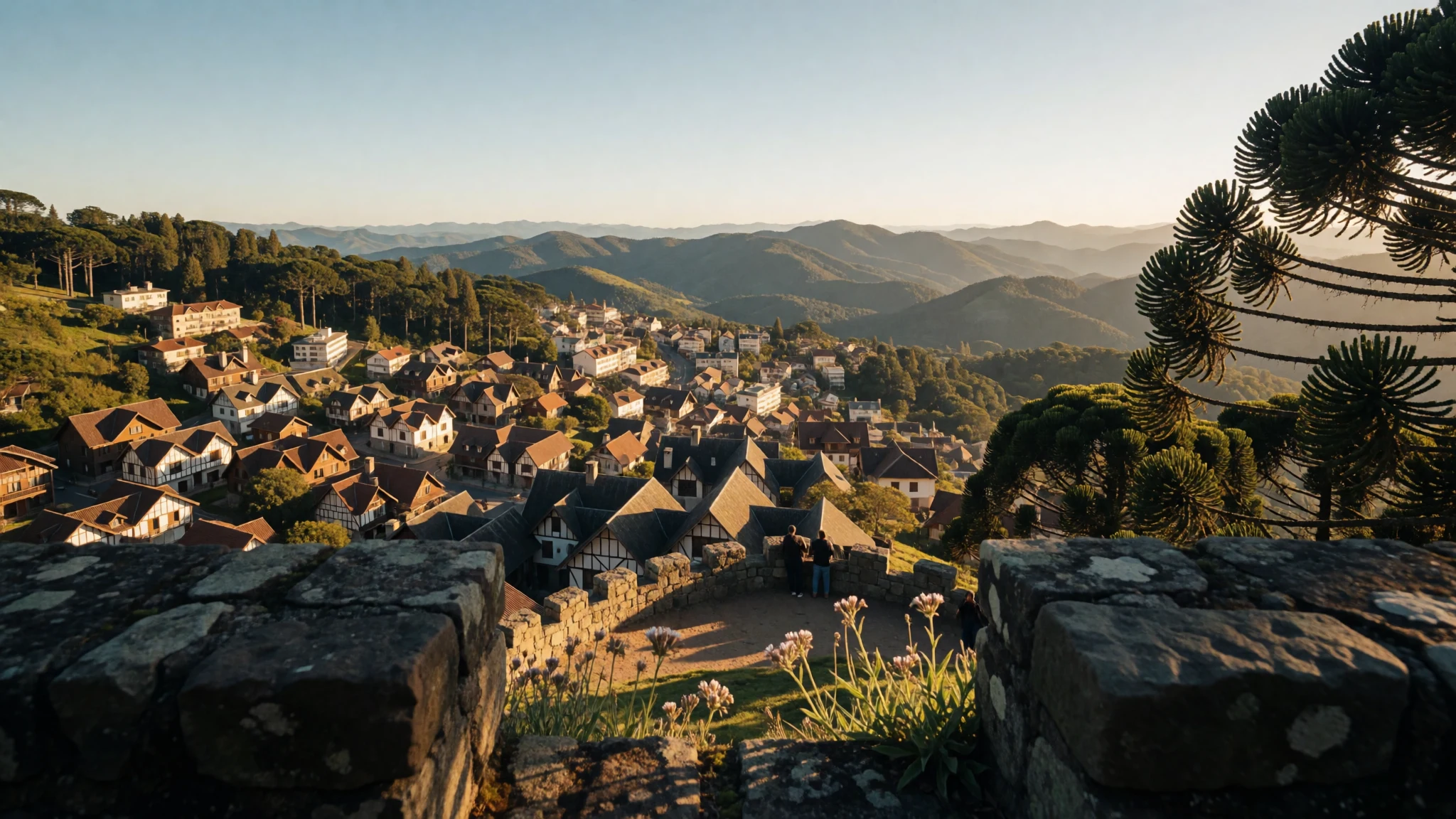
Campos do Jordão is Brazil's highest town, where São Paulo's crowds come for cold mountain air, log fires, pine forest and a chalet-style centre.
The place
Campos do Jordão sits in the Mantiqueira Mountains, in the interior of São Paulo state, at 1,628 metres above sea level. That height makes it the highest municipality in Brazil and the coldest in the south-east, which is the whole point of the place. Registered residents number 47,956, yet the town's character comes largely from people who live elsewhere. Wealthy families from São Paulo keep winter houses on the best streets, and the buildings follow German, Swiss and Italian models: steep roofs, timber trim, stone chimneys, and inns called pousadas. The resemblance to an Alpine village is a matter of style rather than history, but it is applied with conviction.
The town has districts with different moods. Capivari is the busy centre of shops, restaurants and bars, and it fills up at weekends. Quieter residential streets climb the hillsides, and at the far end of the main road lies the Horto Florestal, a state park of conifers and Araucaria. Beyond the built-up area the mountains still hold old-growth Atlantic Forest, and the native Paraná pine, with its candelabra outline, is a regular sight on the ridges.
Because São Paulo city is a manageable road trip away, Campos do Jordão works as a weekend escape for people who want fondue, woollens and cool air. Winter, and July above all, multiplies the population several times over. Outside that month the town is calmer and easier to walk. Summer is green, misty and often wet, a different trip altogether. The tone is relaxed and a little showy: smart cars, new fleece jackets, and queues for hot chocolate.
Its story
Campos do Jordão was founded in 1874, and for its early decades it was a modest highland settlement rather than a resort. What changed its fortunes was the air. Cool, dry and clean, it drew people with lung illnesses who were sent up from the lowlands to recover, and sanatoriums and boarding houses followed. A railway from Pindamonhangaba, still run mainly for visitors, helped bring them. As that cure-seeking faded, the same reputation for mountain air passed to a different kind of guest: well-off São Paulo families who wanted a cool refuge from lowland heat.
Those families shaped the town's look. Architects borrowed German, Swiss and Italian styles for chalets and villas, and the local economy settled into a near-total reliance on tourism. Officialdom added to the image. The Boa Vista Palace, a large mansion, was fitted out as a winter base for the state governor, which gave the town a seasonal role in the state's social and political life.
Culture followed money. A winter festival of classical music now fills the concert halls each July, and it is one reason that month is the busiest of the year. The odd result is a town whose official statistics understate its wealth. Many of the best houses belong to owners registered elsewhere and used only on holidays, so local human-development figures stay modest even though visitor spending is high.
Protecting the surroundings is part of the same story. State parks cover the hills around the town, and one was set aside specifically to safeguard the water supply of the town centre. The cool, forested mountain setting is the asset, and the town has had to learn to look after it.
What to see
- Capivari — Town centre
Capivari is the pedestrian-friendly heart of Campos do Jordão, packed with shops, snack bars, restaurants and squares. It is liveliest at weekends and in July, when it can feel crowded. Come on a weekday morning for a calmer look at the chalet-style architecture, then stay for the evening lights.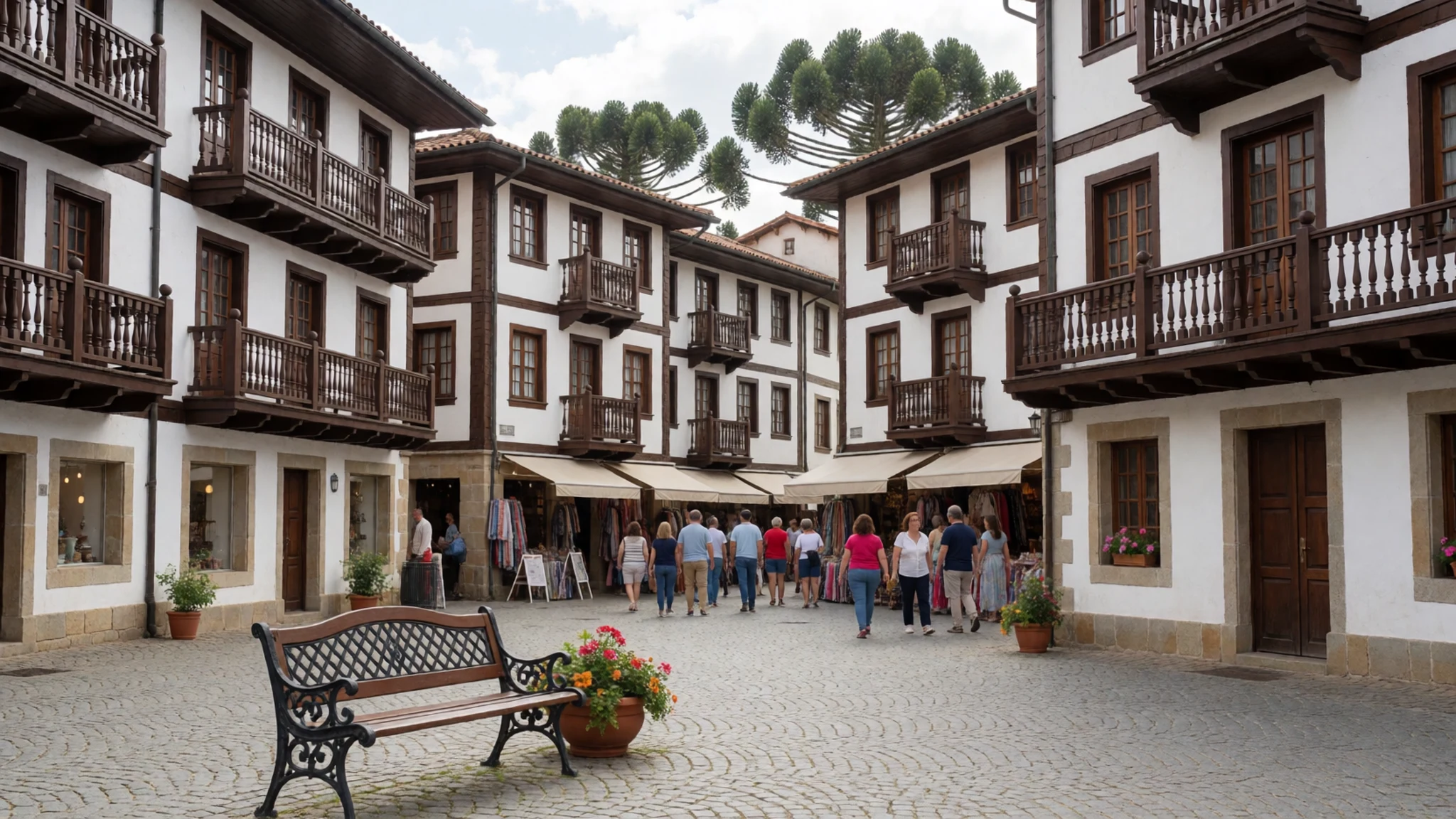
- Morro do Elefante and the cable car — Above Capivari
A cable car carries visitors from Capivari up Morro do Elefante, where seats hang singly and spaced well apart. The hilltop gives a wide view over the rooftops and pine-dotted slopes. Children enjoy the ride, and the viewpoint is best on a clear morning before cloud builds.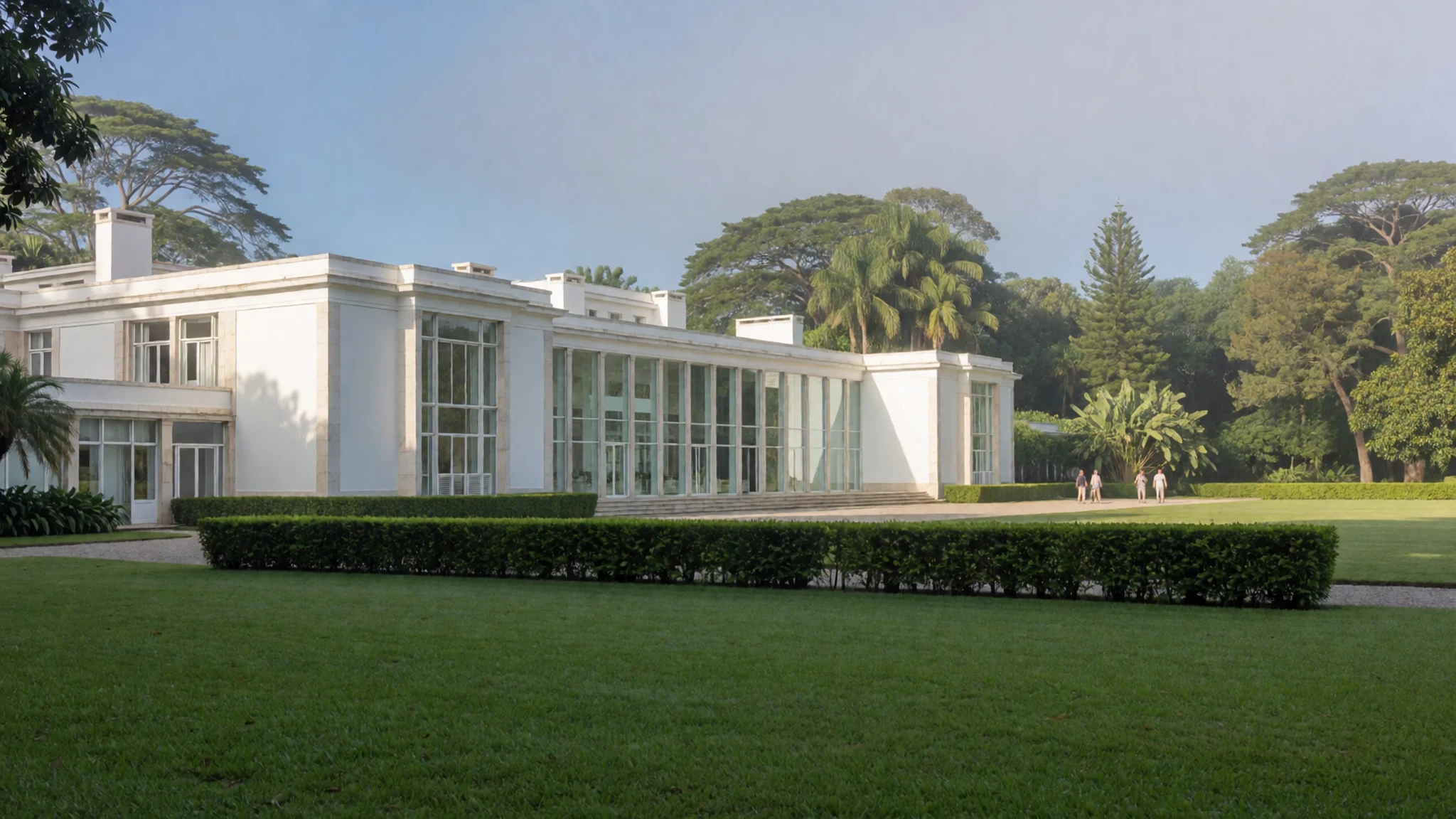
- Horto Florestal (Alberto Löfgren State Park) — End of the main road
This forest park at the top end of town protects conifers and Araucaria, the Paraná pine. Paths are gentle enough for a family stroll, and the air under the trees is noticeably cooler. It makes a good counterweight to the shops of Capivari, particularly on a weekday.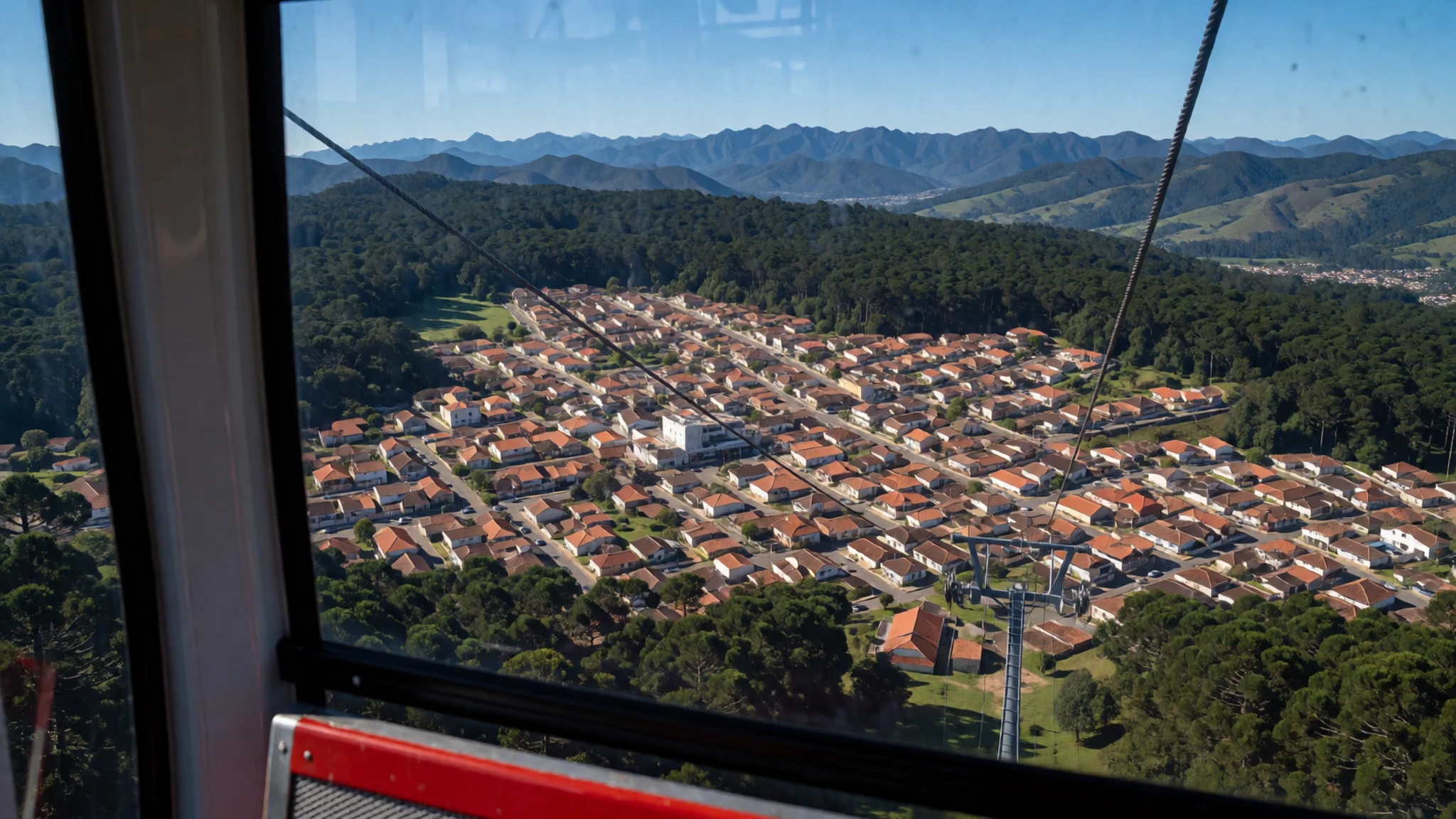
- Silent Woods — Hillside park
Silent Woods is a protected stretch of Araucaria woodland with easy trails for walking and a large treetop circuit, known as arborismo, for those who want rope bridges and zip lines. Mist among the pines in the morning is the best reason to arrive early.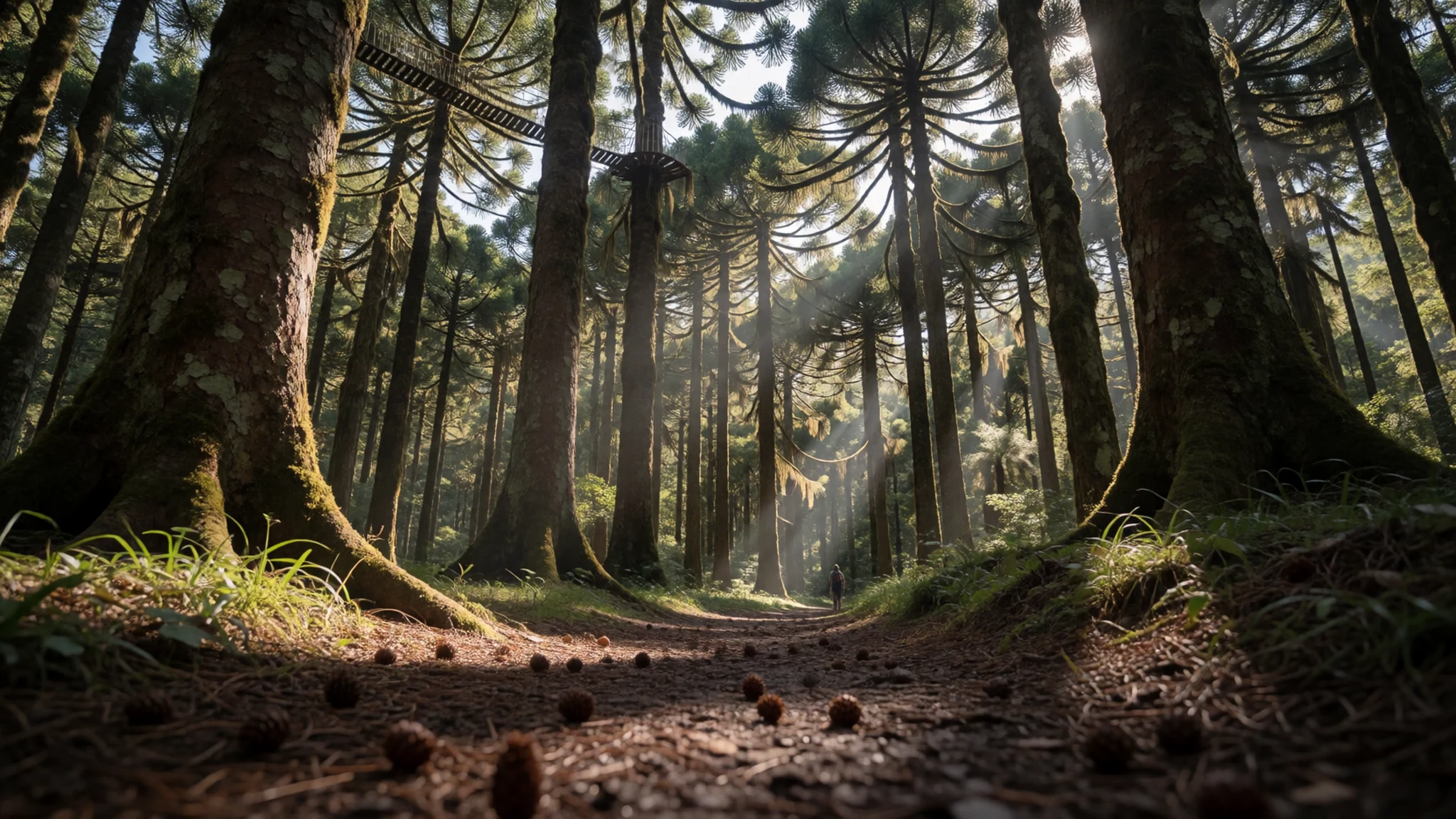
- Itapeva Peak — Mountain ridge above town
Itapeva Peak is a viewpoint reached by road and short walk. On clear days the Paraíba Valley and its towns spread out below. Cloud can close in quickly, so go early, take a jacket even in sunshine, and check conditions before setting off.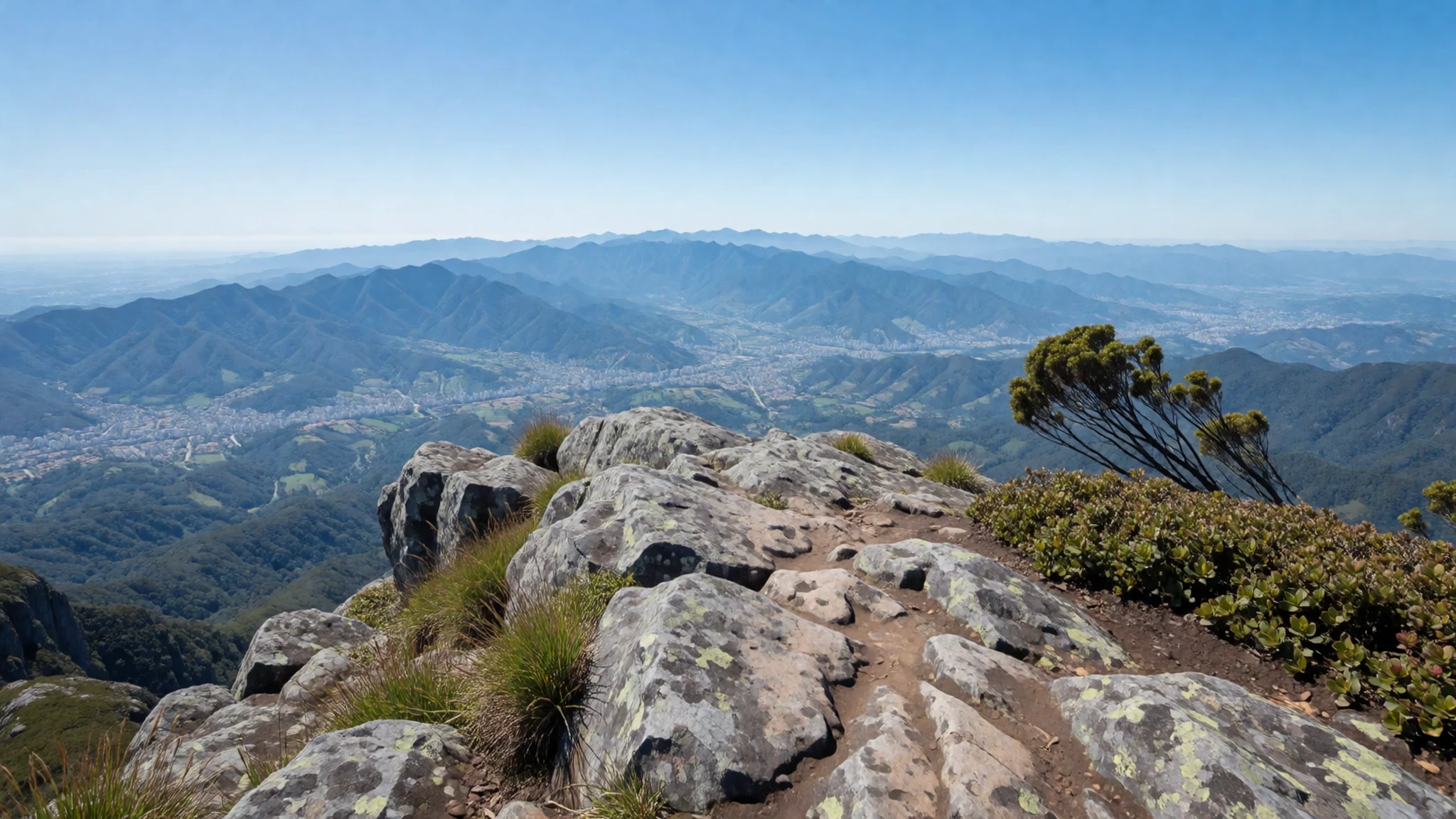
- Boa Vista Palace — Hills near the town centre
The Boa Vista Palace is a grand mansion that once served as the governor's winter residence and reflects the town's long link with state power and money. Opening arrangements change, so check the official municipal website before planning a visit around it.
Culture
Campos do Jordão has no ancient local tradition to speak of; its culture is that of a mountain retreat made by and for city people. The architecture borrows from Germany, Switzerland and Italy, and the restaurants, bars and shops lean into that theme with fondue, sausages, craft beer and woollen goods. Visitors who expect an Alpine village find it charming, and those who expect rural Brazil find it surprising. Both are fair reactions.
The cultural calendar centres on winter. A festival of classical music in July brings orchestras, chamber groups and students, and concerts draw audiences who have come specifically for them. The same month sees bars, lounges and clubs open to cater to the visiting crowd, so the town changes character between daytime concerts and late-night socialising.
Outdoor life is the other thread. Hiking, horse riding, cable-swing circuits among the trees, and quad-bike excursions are part of an ordinary weekend here, and many families treat the cool forest air as the main event. Wealthy second-home owners and day visitors mix on the same streets, so the mood is relaxed but conscious of appearance.
The forest itself carries cultural weight. The Paraná pine is a regional symbol, and its seeds, called pinhão, appear in winter cooking. Conservation is taken seriously around the town, because the cool mountain setting is what visitors have come for.
When walking in the Atlantic Forest parks, stay on the marked trails, carry out your rubbish and keep your voice low among the pines, as the quiet is part of what other visitors have come for.
What to wear
Brazil has no single national costume, and Campos do Jordão has no distinctive traditional dress of its own. The nearest thing is the country-style clothing of the wider interior: cotton shirts, felt or straw hats, and bright printed cotton known as chita, seen mostly at village festivals and parties rather than in daily life. Wool and knitwear are the local specialty in shops here, because the climate gives people a reason to buy them.
What people wear now is shaped by the cold. Residents and weekenders alike wear jumpers, scarves, boots and padded jackets, often in muted, tasteful colours, and winter evenings bring out smart-casual outfits for dinner in Capivari. In July, expect a mix of sporty outdoor gear on the trails and polished, fashion-conscious clothing in the restaurants. Many São Paulo visitors treat the cold as an occasion to dress up.
Visitors should pack in layers. Mornings and nights can be properly cold in winter, with frost on the grass, while afternoons in the sun can feel mild. A warm jacket, a light fleece, a hat and gloves are sensible between May and September. A waterproof layer is useful year-round, since mist and showers can arrive quickly. Footwear matters: choose closed shoes with grip, because many trails are unpaved and become slippery after rain. Smart casual clothing is enough for restaurants and concerts, and nothing in the town calls for special modesty beyond ordinary good sense at the monastery and other religious sites.
What to eat
- Pinhão — Street stalls and cafés in winter, especially around Capivari
Pinhão is the large seed of the Paraná pine, boiled or roasted and eaten as a winter snack. It has a nutty, chestnut-like taste and a floury texture. It appears in stews and fillings too, and it is the most local flavour of the season.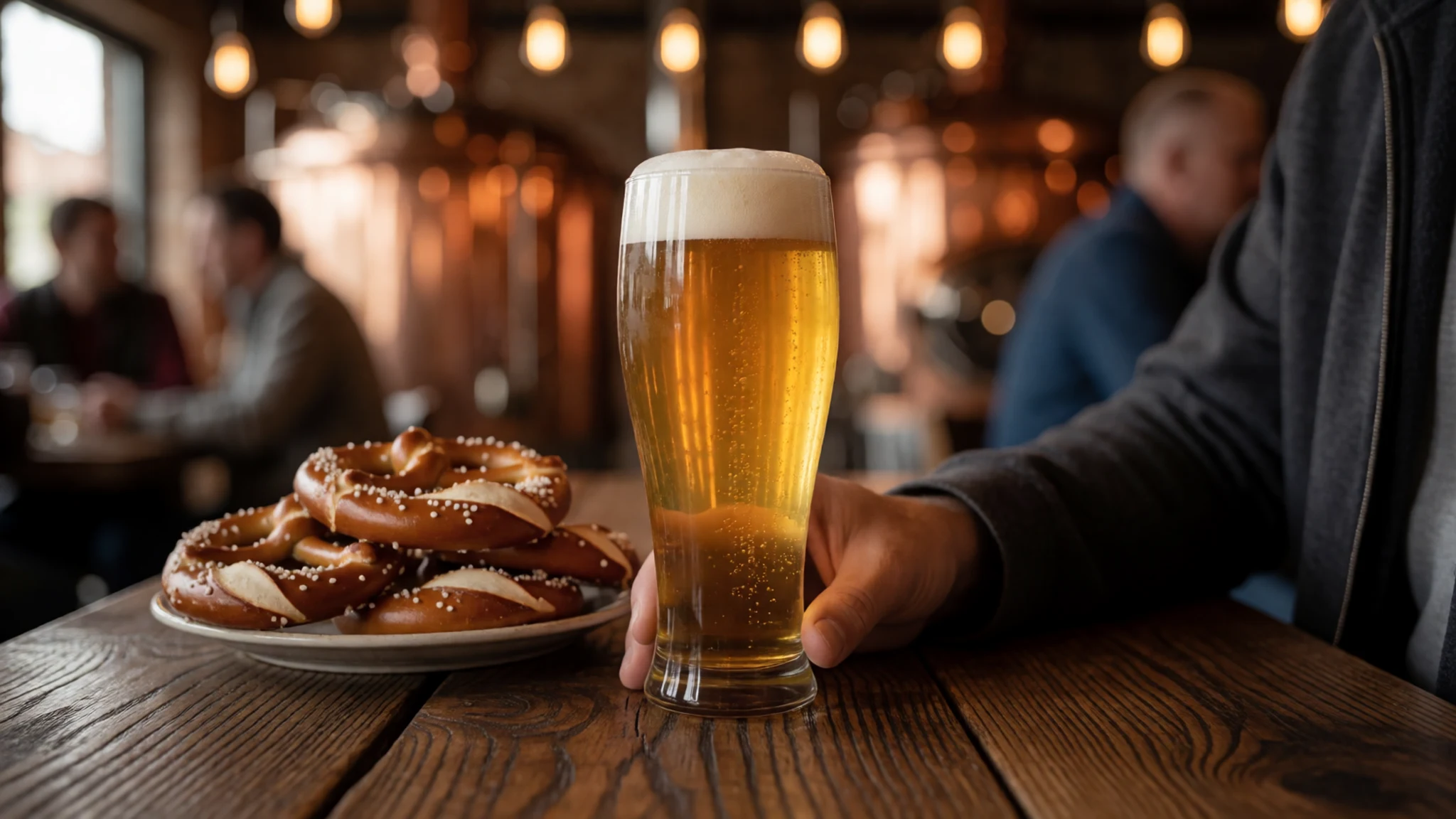
- Fondue — Chalet-style restaurants in Capivari and the hillside districts
Cheese and chocolate fondue suit the cold evenings and the Alpine styling of the town. Cheese comes with bread and potatoes for dipping, and chocolate with fruit. It is a sociable meal built for groups, and tables fill early in July.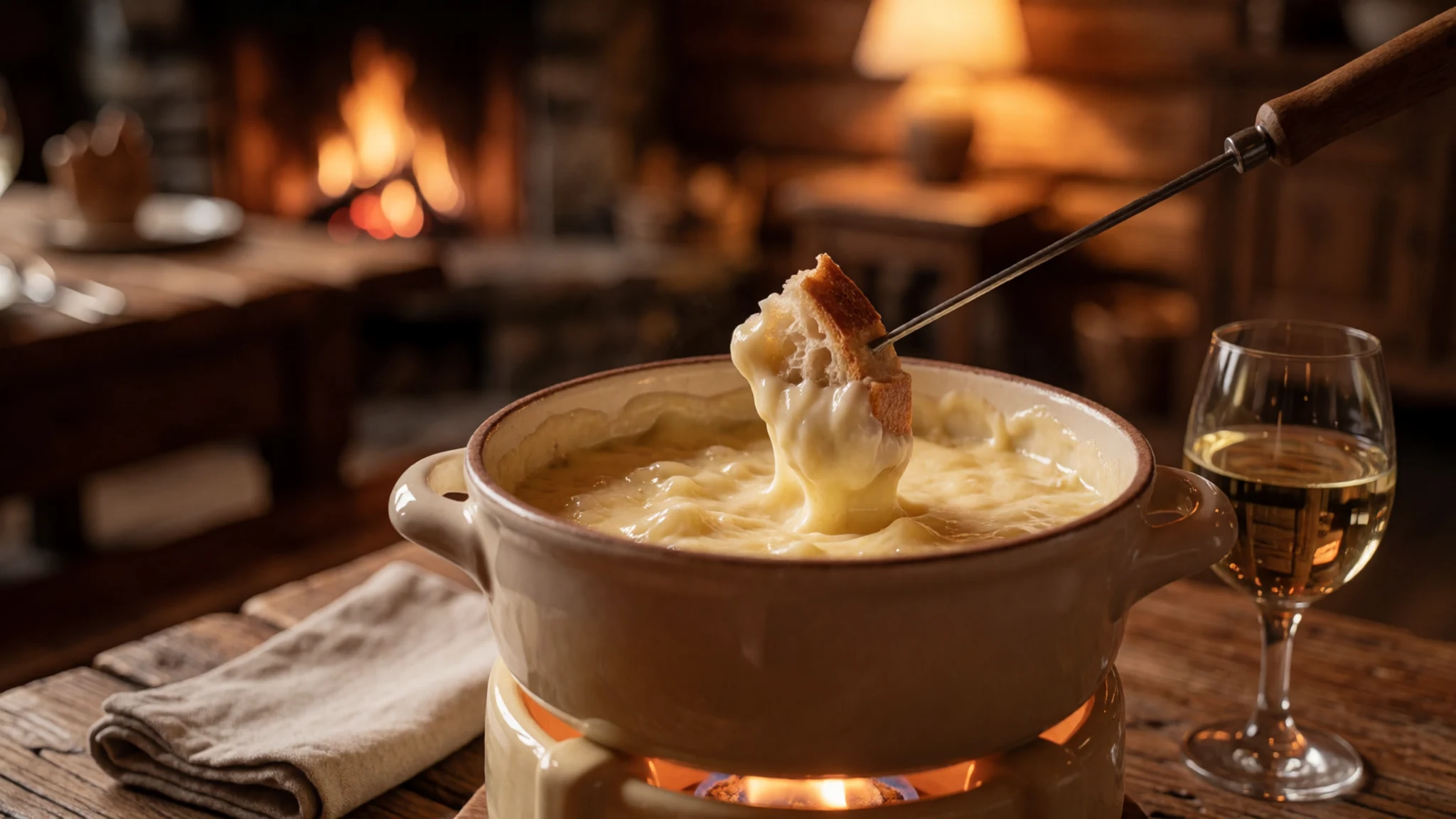
- Trout (truta) — Mountain restaurants and eateries on the roads out of town
Freshwater trout is a regular on mountain menus across south-eastern Brazil, often grilled or baked with almonds, butter and herbs. Cool streams in the highlands suit the fish, and the dish pairs well with a glass of local wine. - Wood-fired pizza, pasta and crêpes — Casual restaurants around Capivari
Italian-style food is part of the town's European identity. Pizza from a wood-fired oven, fresh pasta and sweet or savoury crêpes are everywhere, usually served with a short wine list. Good for families and for a warming lunch after a hike. - Craft beer — Micro-breweries and beer halls in the centre
A local brewing scene has grown to suit the German-style setting, with popular micro-breweries serving lagers, wheat beers and darker styles. Busy venues can be crowded, especially at weekends and in winter, so arrive before the evening rush. - Hot chocolate and quentão — Cafés, chocolate shops and festival stalls
Hot chocolate is thick and rich, while quentão is a spiced hot drink made with cachaça, ginger and sugar, popular at winter festivals. Both are sold in cafés and market stalls, and they make a good reward after walking in the cold.
Plan it
Best time. May to September is the cool, drier winter season, with crisp mornings, frost and clear views; August and September are quieter than July, when the music festival and school holidays bring heavy crowds. Summer is green but often wet and misty.
How long. 2–3
Getting there. The nearest major airports are in São Paulo; from there, take a coach or hire a car for the winding mountain road, which takes about two hours from São Paulo in normal traffic. A scenic tourist railway also runs from Pindamonhangaba. A second, quieter road comes in through the rural hills of Monteiro Lobato and is better for travellers with time to spare.
Budget. mid
Tips
- Book pousadas well ahead for July and for long weekends; prices and availability change quickly
- Arrive on a weekday if possible, as Capivari is crowded on weekends
- Carry layers and a waterproof jacket, since weather changes fast at altitude
- Start viewpoint and forest walks early, before cloud and crowds build
- Check the official website, http://www.camposdojordao.sp.gov.br, for events, opening arrangements and transport
Etiquette
- Stay on marked trails in the forest parks and take your rubbish with you
- Keep noise down on quiet residential streets and in the woods
- Ask permission before photographing people or private houses
Nearby
Sources
- Wikidata Q851253 (CC0)
- Wikipedia: Campos do Jordão (rev 1382244764) (CC BY-SA 4.0)
- Wikivoyage: Campos do Jordão (rev 5401168) (CC BY-SA 4.0)
- Photo: Montagem Campos do Jordão — Allice Hunter (CC BY-SA 4.0)
- Photo: Camposdojordao-01.jpg — Unknown author (CC BY 3.0)
- Photo: Persicaria capitata covered in frost — HellidyLima (CC BY-SA 4.0)
- Photo: Portal de entrada de Campos do Jordão — OS2Warp (Public domain)
- Photo: Capivari from Mirante do Morro do Elefante — Chadner Caio Badner (Public domain)
- Photo: Vista do Alto do Capivari — Majtec (CC BY-SA 2.5)
- Photo: Vista do morro do elefante — Leandro Neumann Ciuffo (CC BY 2.5)
- Photo: Campos do Jordão tilt shift — Leandro Ciuffo (CC BY 2.5)


