Uzungöl
Uzungöl, Turkey
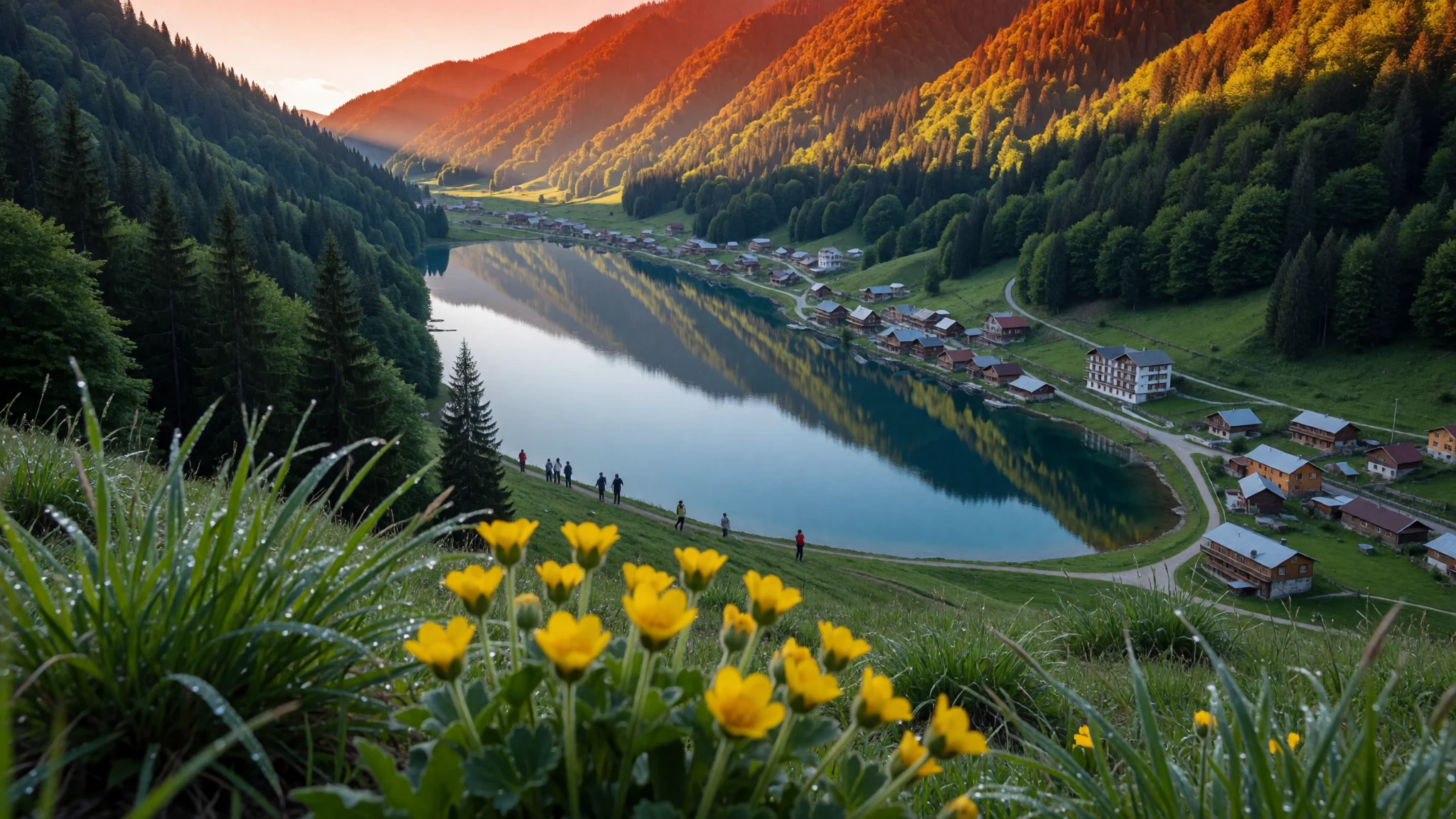
Uzungöl is a landslide-made lake in the forested Black Sea mountains, a cool, misty escape for walking, trout and slow evenings.
The place
Uzungöl sits in the Çaykara district of Trabzon Province, in north-eastern Turkey, at an elevation of 1,090 m. The name means 'Long Lake' in Turkish, and the same name is used for the village on its shore. Older local speakers of Romeyka call it Şeraho. The lake was not dug or dammed by people. A landslide blocked the Haldizen Stream valley, and the water gathered behind the debris, leaving a natural dam between steep, wooded slopes.
The setting is the draw. Dense forest runs down to the water, meadows and scattered wooden houses sit higher up, and low cloud often settles over the valley, especially in the evening. The lake and its surroundings form Uzungöl Nature Park, which was declared in 1989.
The village has changed a great deal as visitors have arrived. Guesthouses, eateries and souvenir stalls now line the shore, and the roads have been improved. A concrete barrier was built along the shoreline in 2008 to keep waves off the coastal road. Locals and ecologists protested, arguing that it made the lake look like an artificial pool. Both the beauty and the building are part of the picture today.
It is a small place. The lake can be walked around in a short time, and the real variety comes from heading uphill. Expect crowds on summer weekends and public holidays, when coach groups arrive, and a much quieter, cooler and wetter village outside the peak months.
Its story
Uzungöl's story begins with a geological accident. A landslide spilled across the valley of the Haldizen Stream and turned the stream bed into a natural dam. Water backed up behind it and the long, narrow lake took shape, which is how it earned its Turkish name.
For most of its recent past it was a quiet highland settlement. The Romeyka name Şeraho is a reminder that the valleys of this part of Trabzon Province have long had their own speech, separate from standard Turkish, and that the lake was known to people here well before it was known to the wider country.
The nature park was declared on 3 October 1989, and that decision marked a turning point. Over the following years the lake and its village became a popular destination, with the picturesque shore and valley drawing visitors from across Turkey and from abroad. Investors opened hotels, restaurants and shops, and the transport links were upgraded to carry the traffic.
The most argued-over change came in 2008, when the government built a concrete barrier along the water's edge. The aim was practical: stop waves wetting the coastal roads. Critics saw it differently. Residents and environmentalists said it harmed the shoreline and made the lake feel like a giant pool. That disagreement, between access and the look and health of a natural place, still colours how many people see Uzungöl.
What to see
- The lakeside promenade — Uzungöl village
Uzungöl's shoreline path is the easiest way to see the lake, with the village on one side and the forested slopes on the other. Walk it early or late for fewer people and the best mist. Note the concrete edging added in 2008, which divides opinion.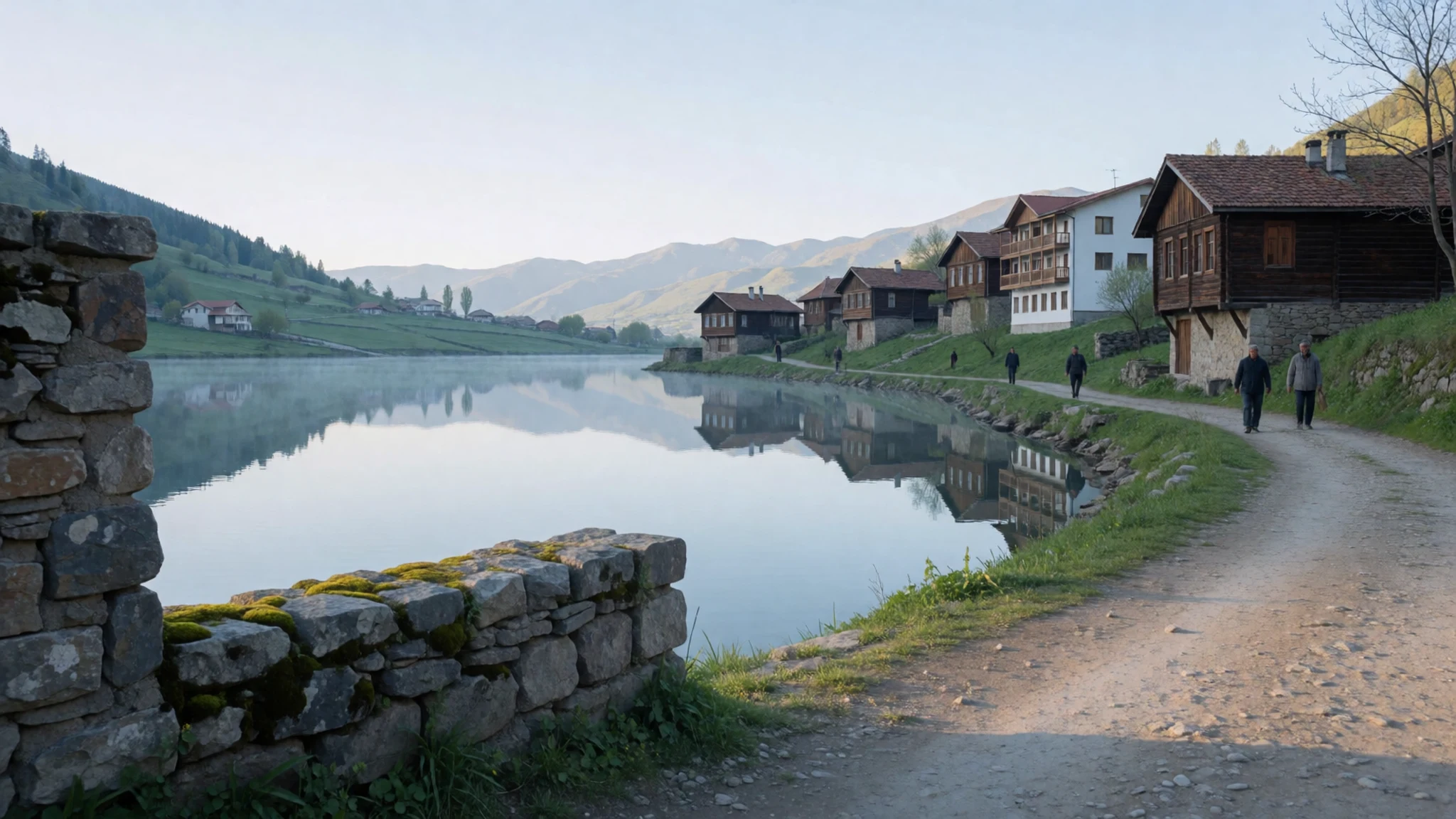
- The viewpoint above the lake — Hillside above Uzungöl
A climb on the slopes gives the view that appears on most postcards: the long, narrow lake, the village and the mosque, all set against dark forest. Wear shoes with grip, since paths can be wet, and go on a clear morning before cloud builds up.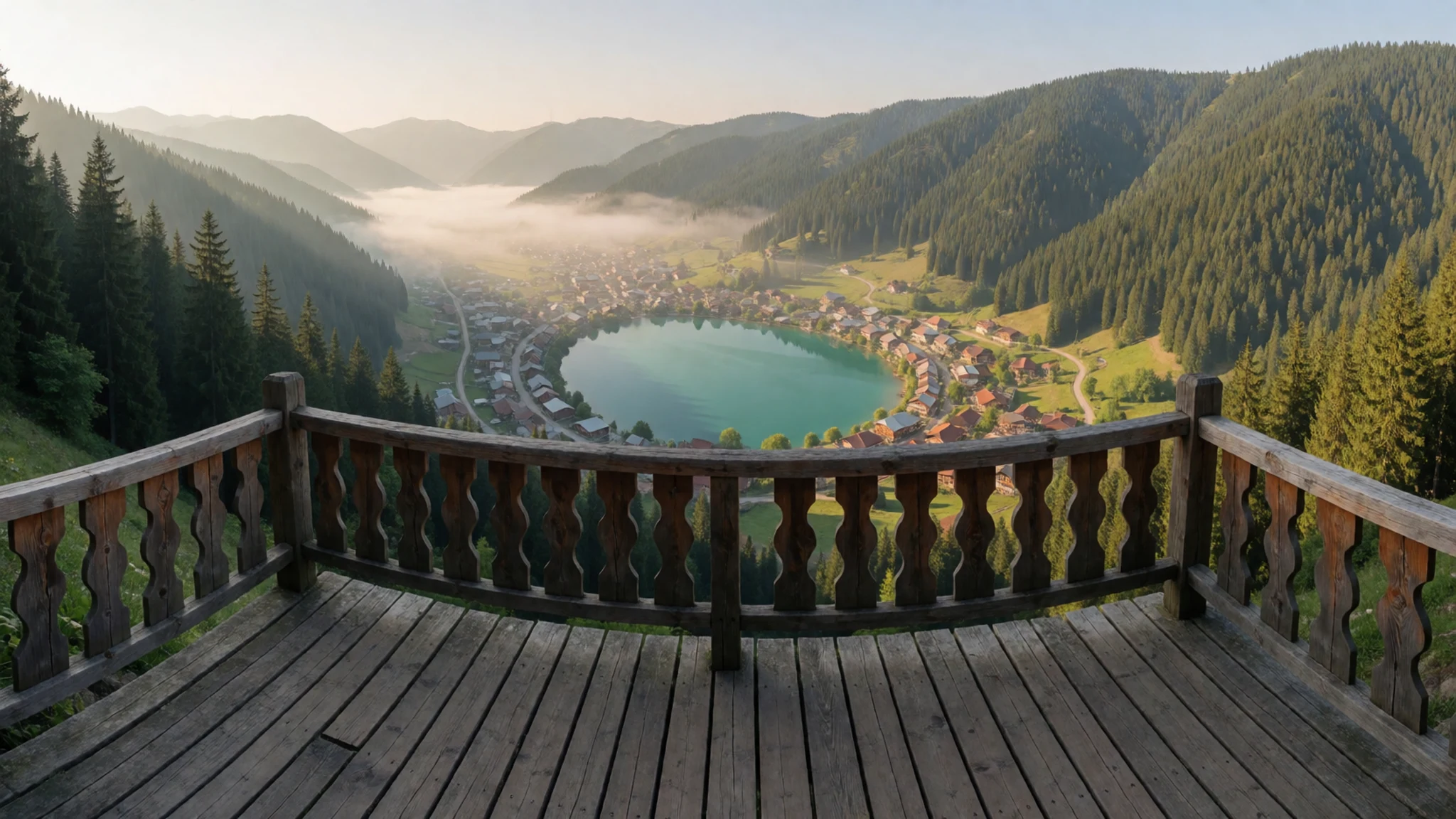
- Uzungöl Nature Park — Çaykara district
The lake lies inside a protected nature park, declared in 1989. Beyond the village, the woods and meadows are quieter and good for unhurried walking. Stay on paths, carry your rubbish out, and ask locally about conditions, as weather changes quickly here.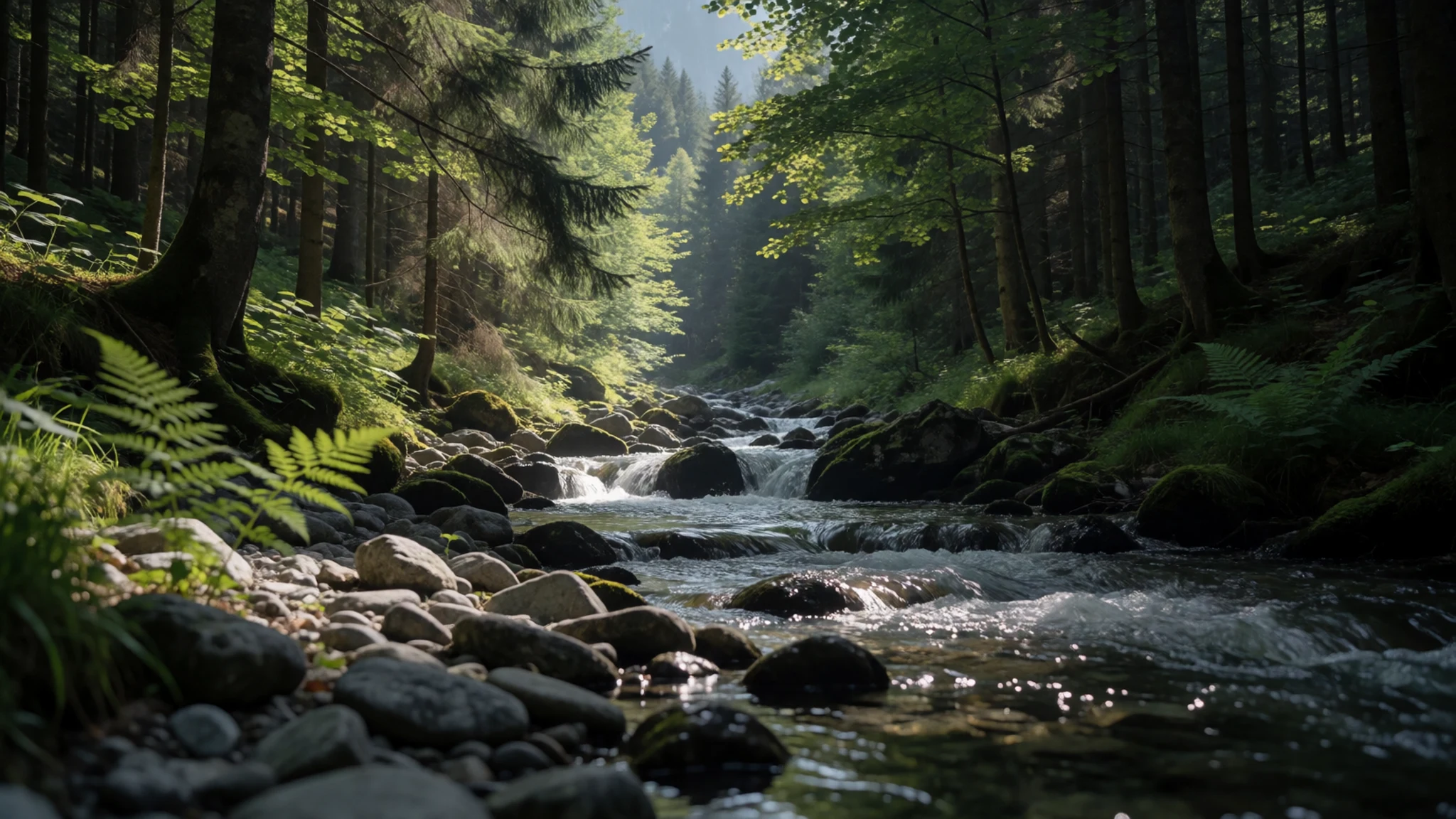
- Highland houses on the slopes — Slopes around Uzungöl
Above the shore, small wooden houses and farm plots climb the hillsides. Looking at them from the lane gives a better sense of everyday life than the souvenir strip does. Keep to public paths, and ask before photographing people or stepping onto farmland.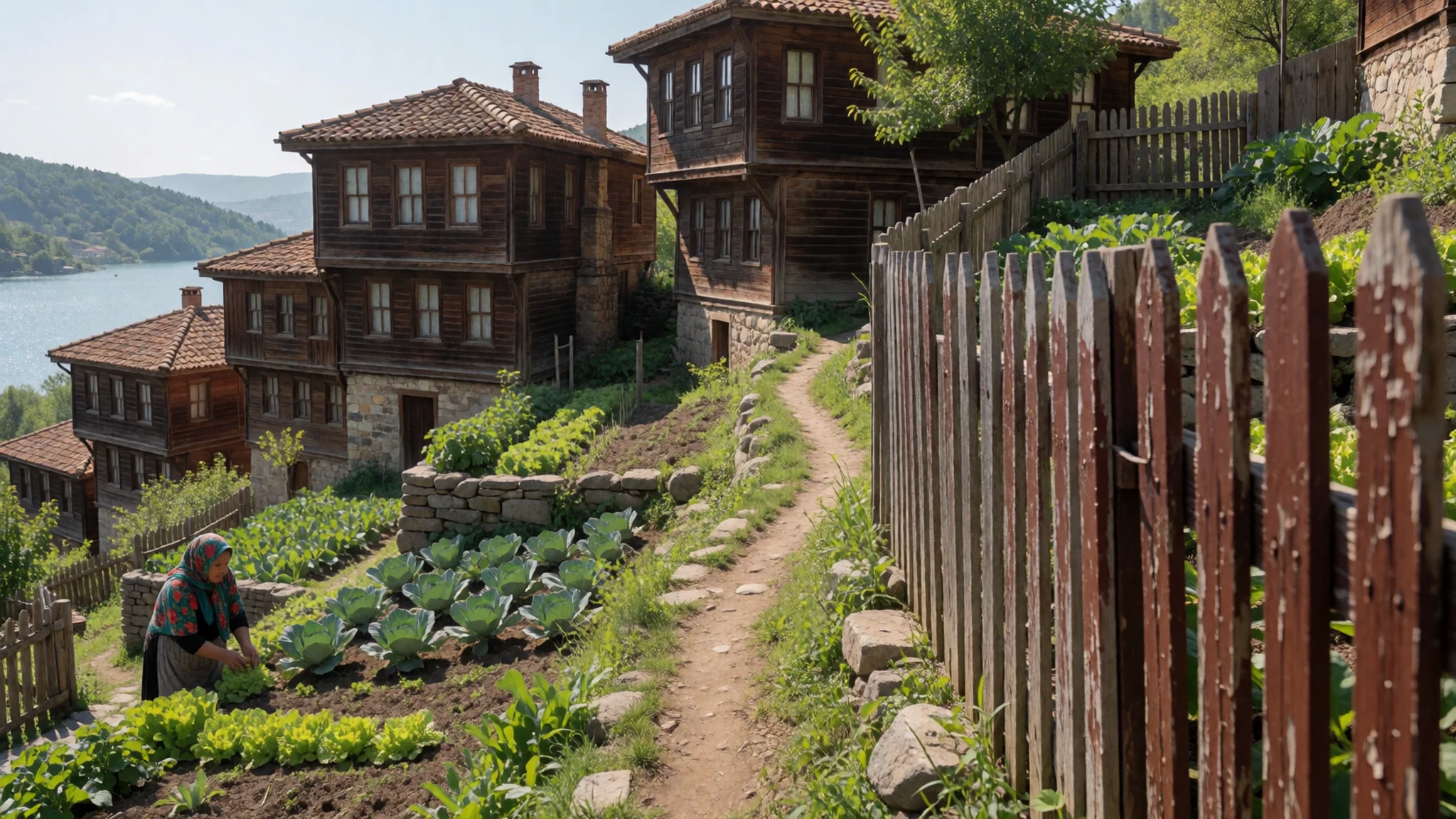
- Evening on the water's edge — Lakeshore, Uzungöl
When fog gathers over the lake at night, the scene turns quiet and moody. Take a seat at a lakeside tea garden or eatery and watch the light go. In summer the shore is busy; outside the peak season it is much calmer.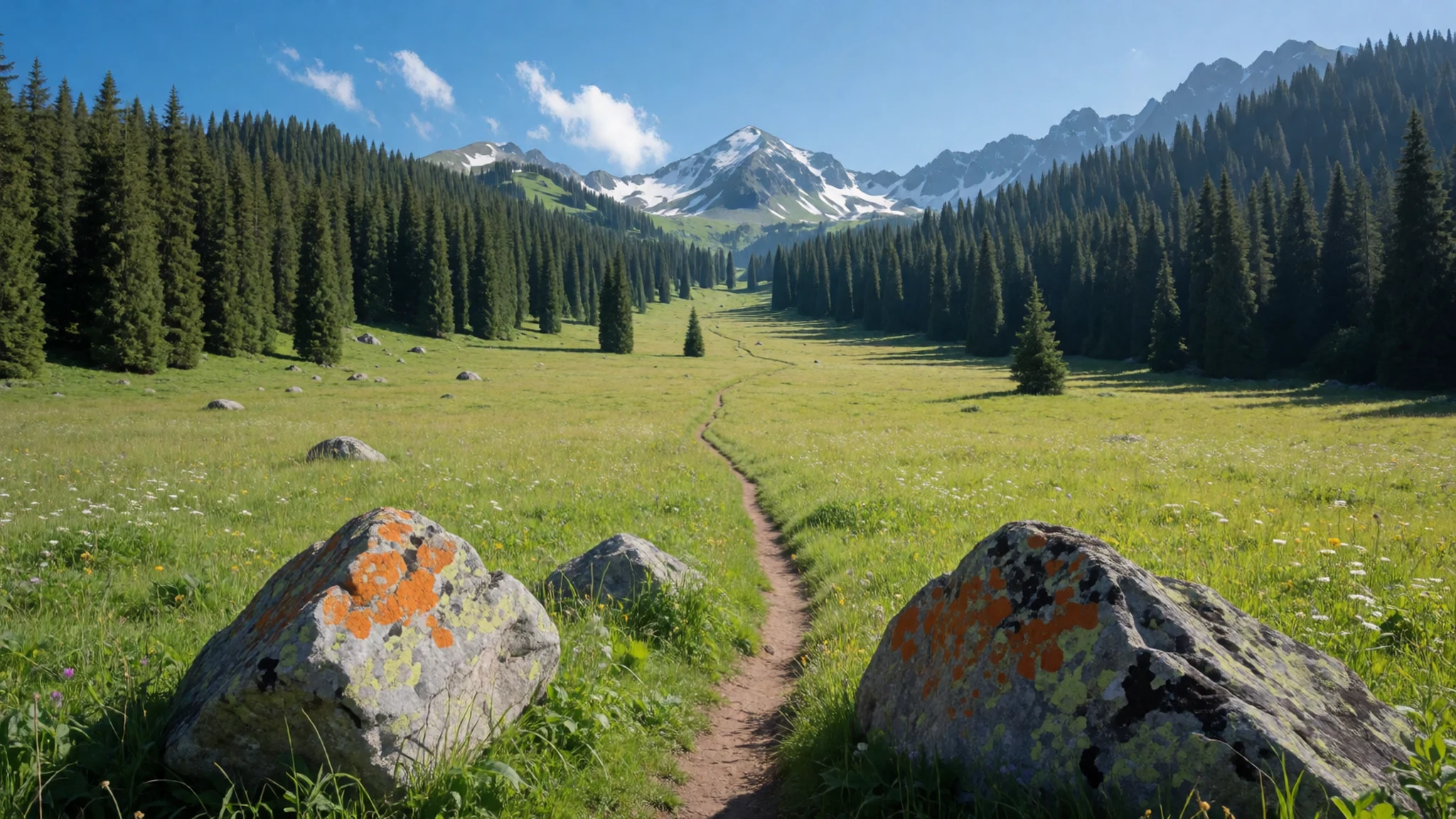
Culture
Uzungöl lies in Trabzon Province, a part of Turkey's Black Sea region where hospitality is taken seriously. Visitors are often welcomed warmly, and tea is offered freely. Local people speak Turkish, and older residents in the valleys may also speak Romeyka, the local language that gives the lake its other name, Şeraho.
Most people here are Muslim, and village life follows a conservative, family-centred rhythm. The call to prayer from the village mosque is part of the soundscape. Many families have strong ties to the highlands, and traditional wooden houses, small farm plots and seasonal moves to higher pastures are part of local heritage.
The village has also become a tourist town. Many Turkish families visit in summer, and Gulf and other international visitors come too, so shops and eateries are used to a mix of guests. Even so, the surrounding slopes are working land, and residents may feel strongly about how the lake has been developed.
If you are invited into a Turkish home, bring a small gift such as sweets or flowers, avoid alcohol unless you know the hosts well, and take your shoes off at the door. Do not ask for things; a host will usually offer before you need to. Accept tea, and thank your hosts warmly.
Please ask before photographing local people, and keep your voice down near the mosque and on residential lanes.
What to wear
Uzungöl and the wider Black Sea region have their own traditional dress. Men's festive wear in the eastern Black Sea has historically included woollen jackets and trousers, and women's dress often involves layered skirts, aprons and headscarves in patterned cotton and wool. Regional weaving and knitwear, including woollen socks and shawls, suit the damp mountain climate. Such clothing is mostly seen now at weddings, festivals and folk dance shows rather than on ordinary days.
Day to day, people in the village wear modern clothes chosen for comfort and the weather: jeans, fleeces, rain jackets and sturdy shoes. Many women wear headscarves and long, modest clothing, while visiting Turkish families dress in everything from casual sportswear to smart town clothes. Nobody expects visitors to copy local dress.
For a visit, think about the mountain weather first. The lake sits at 1,090 m, so evenings can be cool and fog and rain are common, even in summer. Bring layers, a waterproof jacket and shoes with grip for muddy paths and wet wooden walkways. A light scarf is useful if you step into the mosque, where women should cover their hair and everyone should wear long trousers or skirts, with shoulders covered. Swimwear is not appropriate in the lake or around the village, so pack for walking rather than beach time.
What to eat
- Alabalık (grilled or fried trout) — Lakeside eateries in Uzungöl village
Trout is the signature plate at the lake, usually served grilled or pan-fried with salad and bread. Many lakeside eateries keep fish in tanks or ponds nearby. Ask how it is cooked, and expect a simple, fresh meal rather than anything elaborate.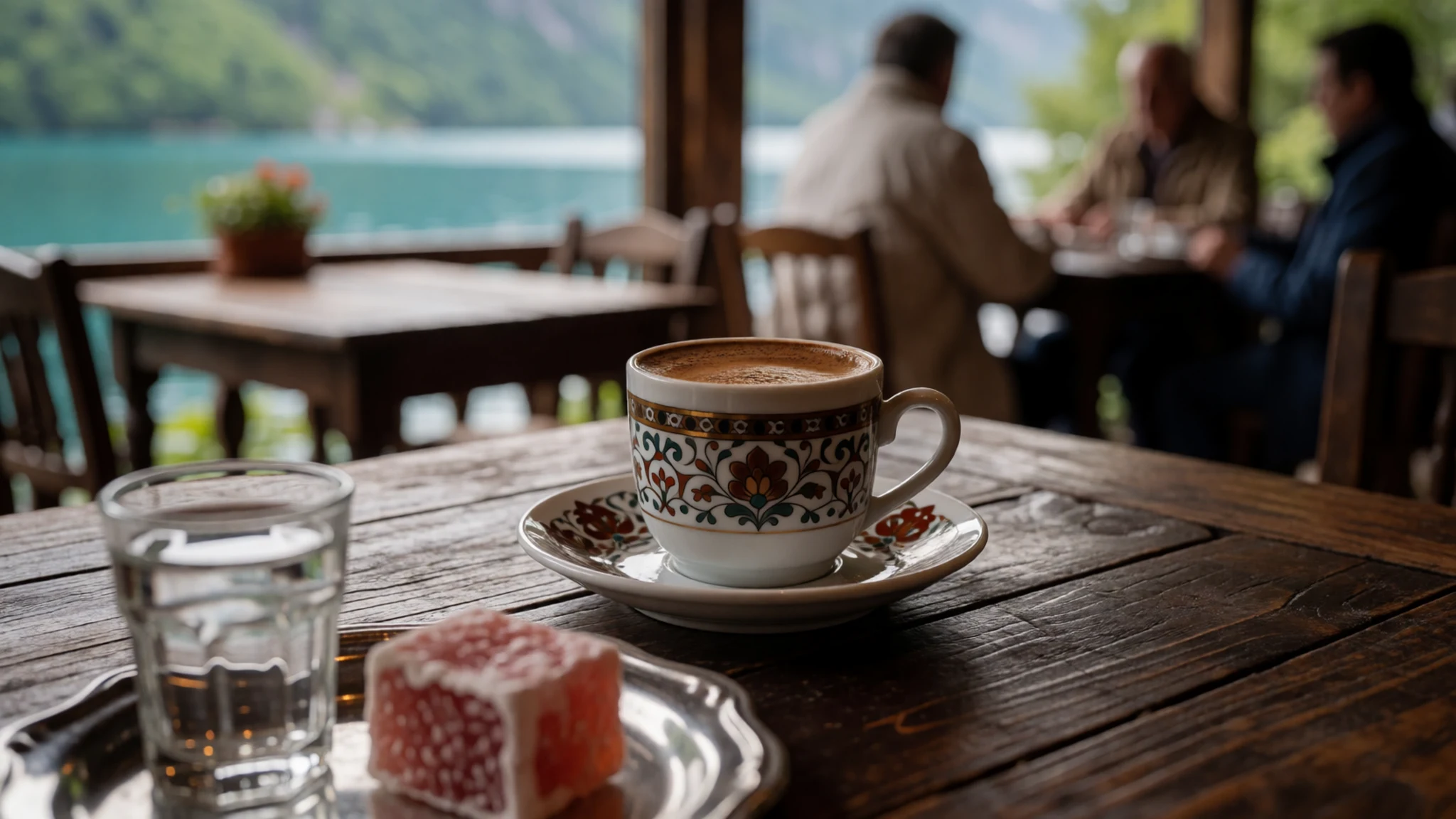
- Kuymak (muhlama) — Village restaurants and highland-style eateries
A rich, stretchy dish of melted cheese, butter and cornmeal, typical of the eastern Black Sea. It is heavy, salty and very warming on a wet day. Usually eaten hot with bread, and best shared between two or three people.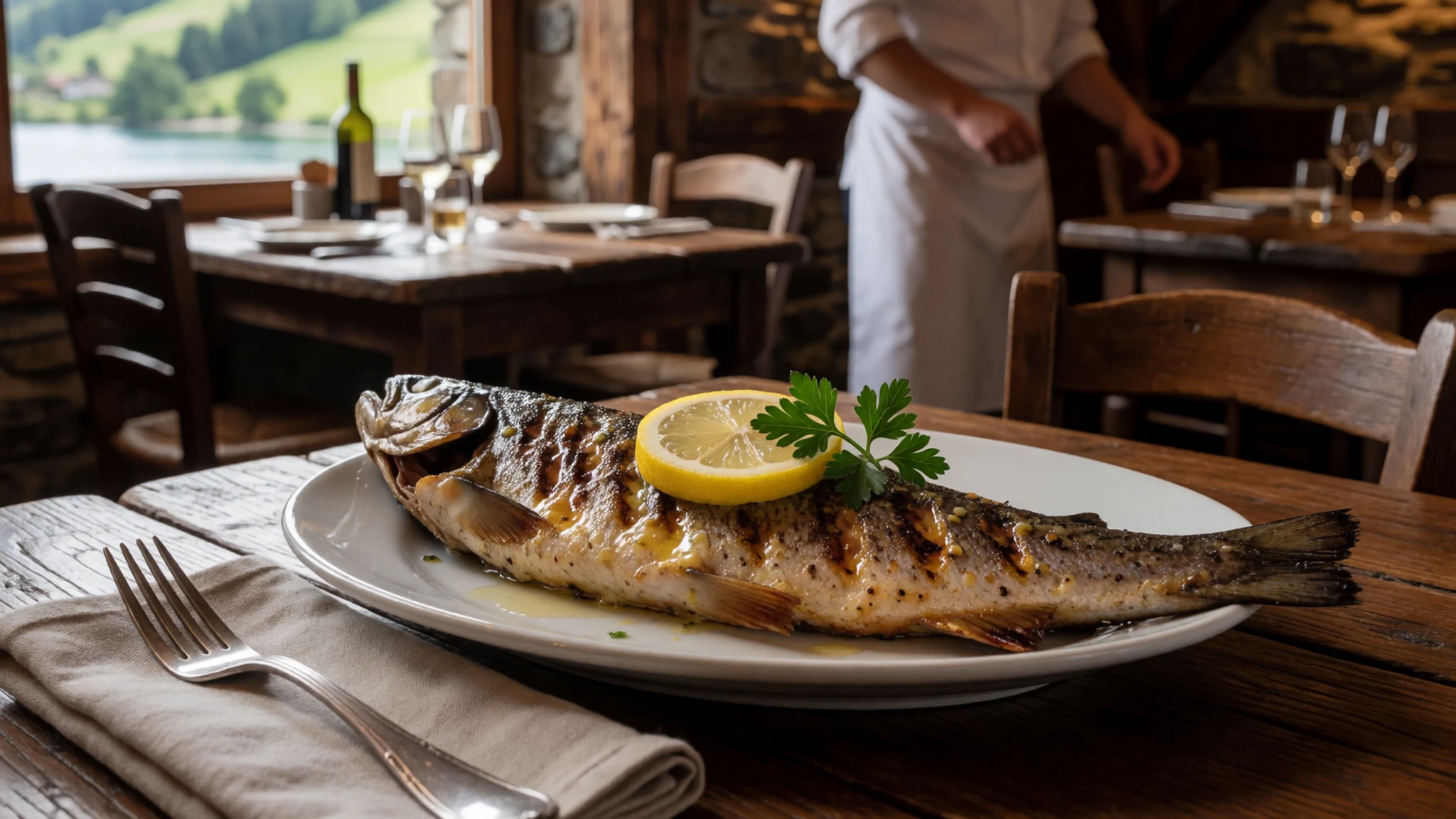
- Hamsi (Black Sea anchovy) — Eateries around Trabzon and some lakeside menus
The anchovy is the best-known fish of the Black Sea coast, fried, baked or cooked with rice, and the season is in the colder months. It is more common on the coast near Trabzon than at the lake, so ask what is fresh. - Karalahana çorbası (cabbage soup) — Local eateries in the village
A thick soup made with Black Sea kale or cabbage, often with beans and cornmeal. It is simple farm food that suits cool mountain evenings. Look for it on set menus, particularly outside the busiest summer weeks. - Çay and Black Sea tea — Tea gardens along the shore
This coast is Turkey's tea country, and tea is served in small tulip glasses at almost every stop. Try it at a lakeside tea garden with a view. Sugar is offered on the side, and refills are normal. - Turkish coffee (Türk kahvesi) — Cafés and eateries in the village
Served in tiny cups, strong and unfiltered. Sip slowly and leave the sludgy grounds at the bottom. It is a good way to end a meal and to take a slower pause after a walk by the lake.
Plan it
Best time. June to September is the easiest time, with milder days at this altitude and the greenest hillsides, though weekends and holidays are crowded. May and October are quieter but cooler and wetter. Winter can be cold and snowy, and mist is common all year.
How long. 1–2
Getting there. Fly to Trabzon Airport, then take a bus or hired car towards Çaykara and on to Uzungöl, a road journey of about 95 km from the city centre. Dolmuş minibuses run on this route in season, but check current times locally. A hire car or arranged transfer is easiest.
Budget. mid
Tips
- Go early or stay overnight to see the lake before day-trip groups arrive
- Book accommodation ahead for summer weekends and public holidays
- Carry a rain jacket and layers, as fog and showers arrive quickly
- Bring some cash for small shops and tea gardens, though cards are widely used
- Carry your passport or ID, and dial 112 for emergency services
Etiquette
- Dress modestly and cover your shoulders and legs if you enter the mosque
- Ask before photographing local people or private farmland
- Take your litter with you and keep to marked paths in the nature park
Nearby
Sources
- Wikidata Q1095336 (CC0)
- Wikipedia: Uzungöl (rev 1366778711) (CC BY-SA 4.0)
- Wikivoyage: Turkey (rev 5393139) (CC BY-SA 4.0)
- Overlooking Uzungöl village and lake — İhsan Deniz Kılıçoğlu (CC BY 3.0)
- Uzungöl Lake from a close by mountain — Ozbakanelwan (CC BY-SA 4.0)
- Location map of Turkey — NordNordWest, Uwe Dedering (CC BY 3.0)
- 61940 Uzungöl/Çaykara/Trabzon — Yılmaz Kilim (CC BY 3.0)
- Living in the lap of mother nature — Mohammadex8 (CC BY-SA 4.0)
- Uzungöl postcard view — Ozbktsevda (CC BY-SA 4.0)
- EROL AKBULUT panoramio 17 (CC BY 3.0)
- EROL AKBULUT panoramio 34 (CC BY 3.0)


