Uzhhorod
Uzhhorod, Ukraine
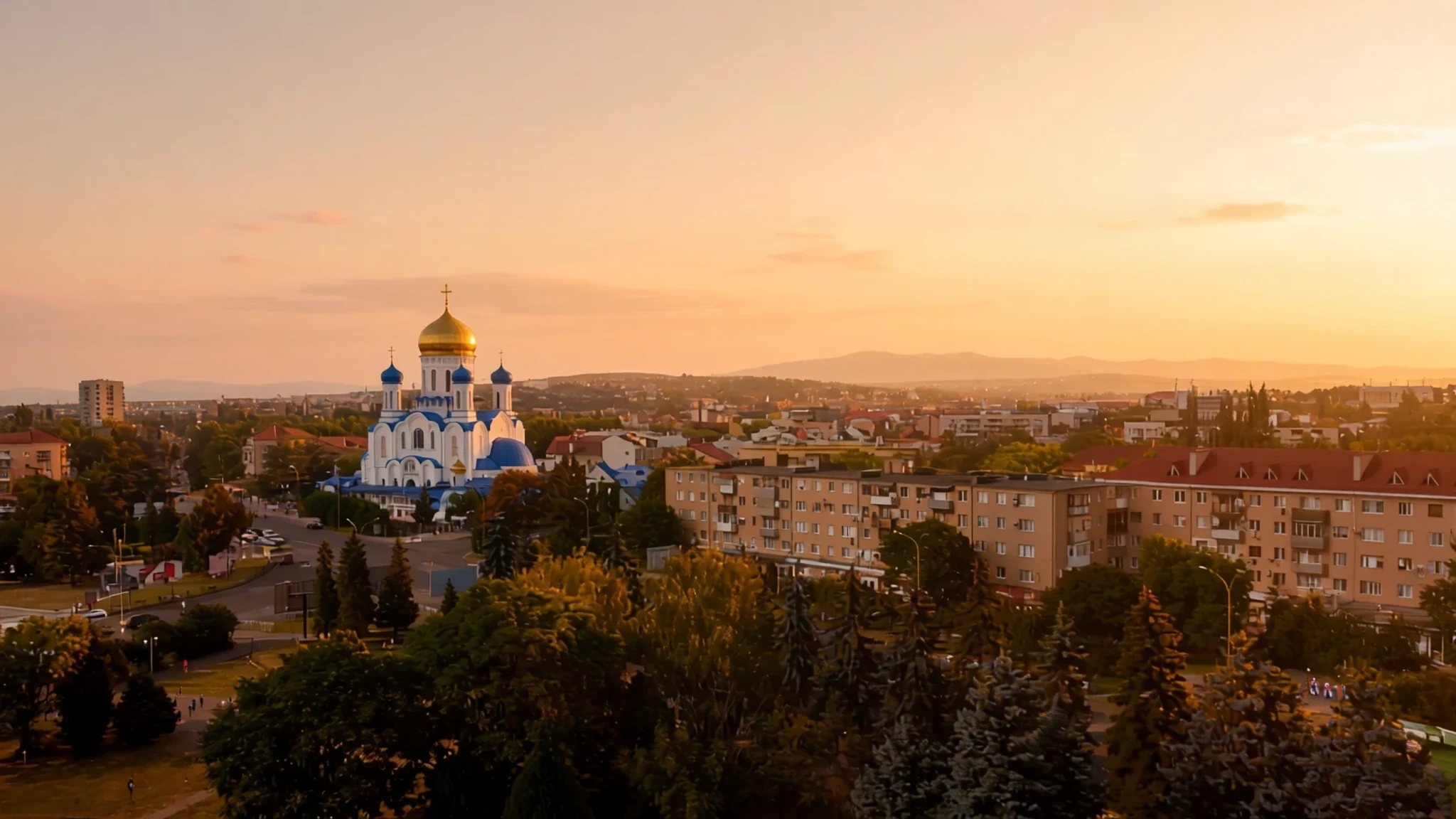
Uzhhorod is a small Carpathian-foothill city where Hungarian, Slovak, Ruthenian and Ukrainian layers sit side by side along a quiet river.
The place
Uzhhorod sits on the Uzh River in the far west of Ukraine, pressed against the Slovak border and close to Hungary. Its population is about 115,000, and it is the administrative centre of Zakarpattia Oblast, the region also called Transcarpathia. The city is roughly equidistant from the Baltic, the Adriatic and the Black Sea, which makes it about as inland as this part of Europe gets. That position explains the feel of the place: it looks west as much as east, and Central European habits show in its cafes, its squares and its churches.
The centre is compact and walkable. The river divides it, and a pedestrian bridge links two of the main squares, so a first loop on foot takes in most of the historic core. A castle stands on a rise to the east of the old town, and spires and domes from several denominations are scattered across the flat ground below. The elevation is only 169 m, but the Carpathian foothills are close enough to shape the weather and the views.
The climate is oceanic: cool to cold winters, warm summers, and rain spread through the year, with a little more in summer. January is the coldest month, hovering around freezing, and July the warmest, with averages near 21 °C. Winter nights can be hard, so the shoulder seasons are kinder.
One caution belongs in any honest reading. Because of the war, Ukraine's civil airspace is closed, and travel here means arriving by land. Check your government's current advice before planning anything.
Its story
Uzhhorod's story begins with early Slavs, among them the White Croats, who settled the area in the second half of the first millennium. A fortified hilltop grew into a fortified town, and medieval chronicles place it under a succession of local rulers aligned with larger powers such as Great Moravia and the Bulgarian princes.
In 895 the Magyars under Álmos arrived. The Hungarian chronicle Gesta Hungarorum describes them storming the fortress, which it calls Hungvar, then held by a ruler named Laborec. The name survives in the Hungarian form Ungvár, still used by the local Hungarian community.
After that the city passed through a long run of states. Wikidata lists the Kingdom of Hungary, the Habsburg monarchy, the Austrian Empire and Austria–Hungary, followed by Czechoslovakia and the Soviet Union. Transcarpathia was annexed to the Ukrainian Soviet Socialist Republic in 1945, and today the city belongs to Ukraine.
The historian Károly Mészáros, writing in 1861, argued that the first inhabitants before the Magyar conquest were Slavs and Ruthenians. Which people can claim the city first is still a sensitive subject, and it is worth listening more than asserting when it comes up. The practical result is a place of mixed names, mixed churches and mixed kitchens, where a street may have had three official titles in a century.
What to see
- Uzhhorod Castle — Kapitulna Street, old town hill
The castle stands on a rise above the old town and houses the Transcarpathian Regional History Museum. Its origins are put in the 9th century, though what you see is a later fortress. Come for the courtyard, the ramparts and the view over roofs and spires. Check the official city site for opening arrangements.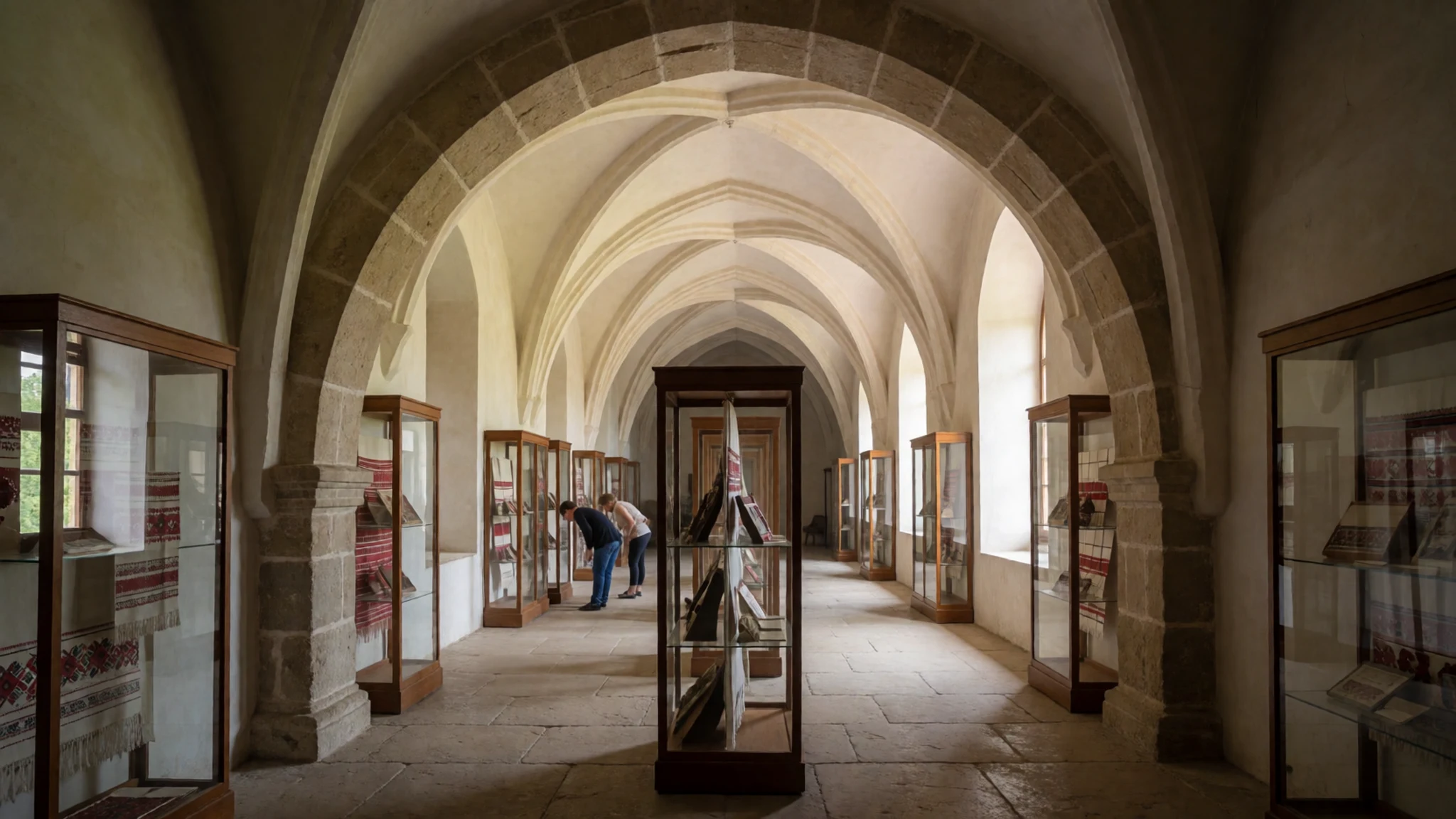
- Holy Cross Greek Catholic Cathedral — Below the castle, old town
This Ruthenian Greek Catholic church dates from around 1646 and sits close to the castle. It shows how Eastern rite worship ran under Rome's authority in this region. Step inside quietly, as services are held, and look at the iconostasis and the painted interior.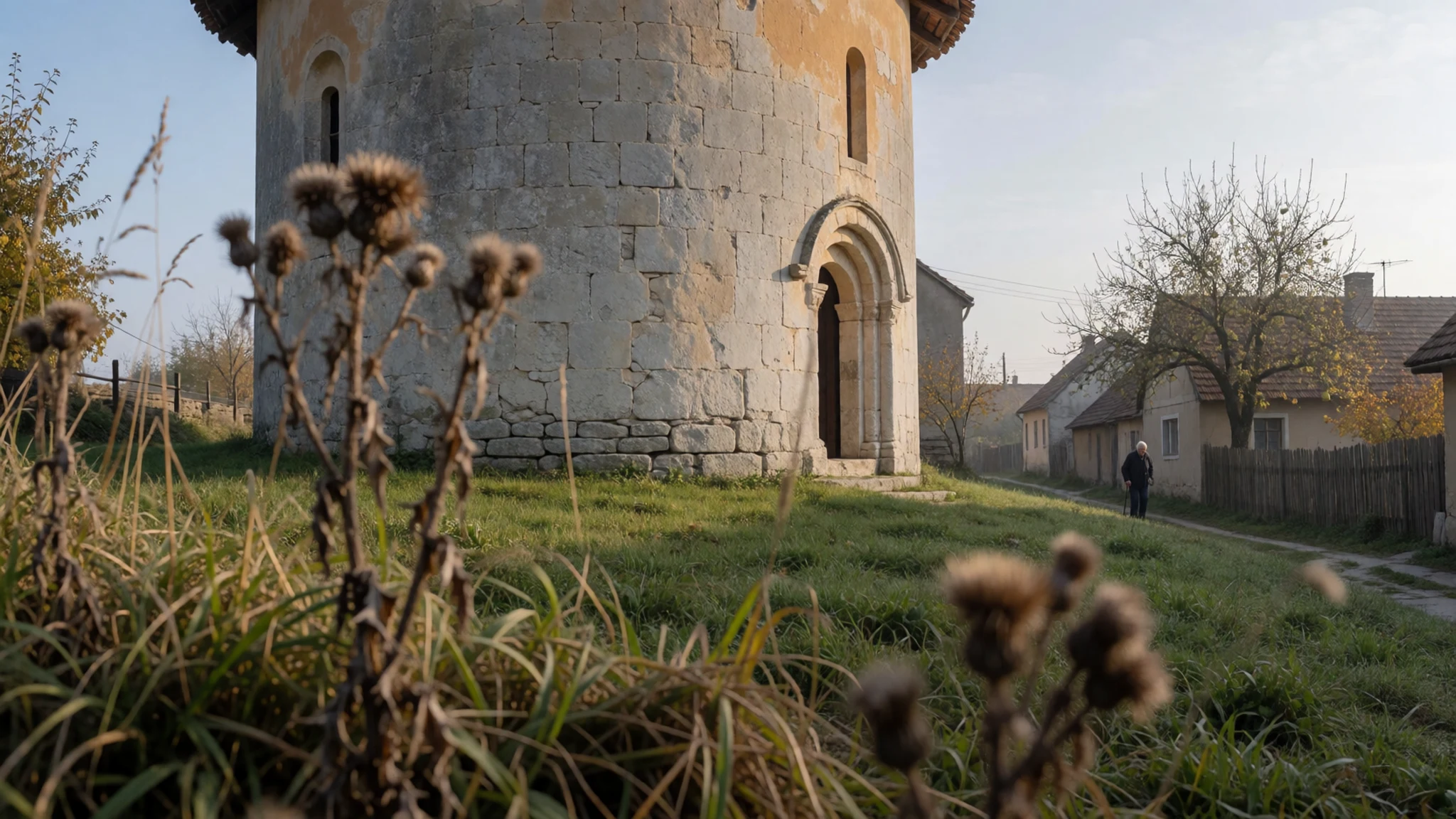
- Horyany Rotunda and St Nicholas church — Horyany, eastern edge of the city
On the eastern edge of the city, the Horyany Rotunda is a small, very old stone church, described as about a thousand years old. Together with the nearby church of St Nicholas it gives a quieter, rural counterpoint to the centre. Reach it by a short taxi or bus ride.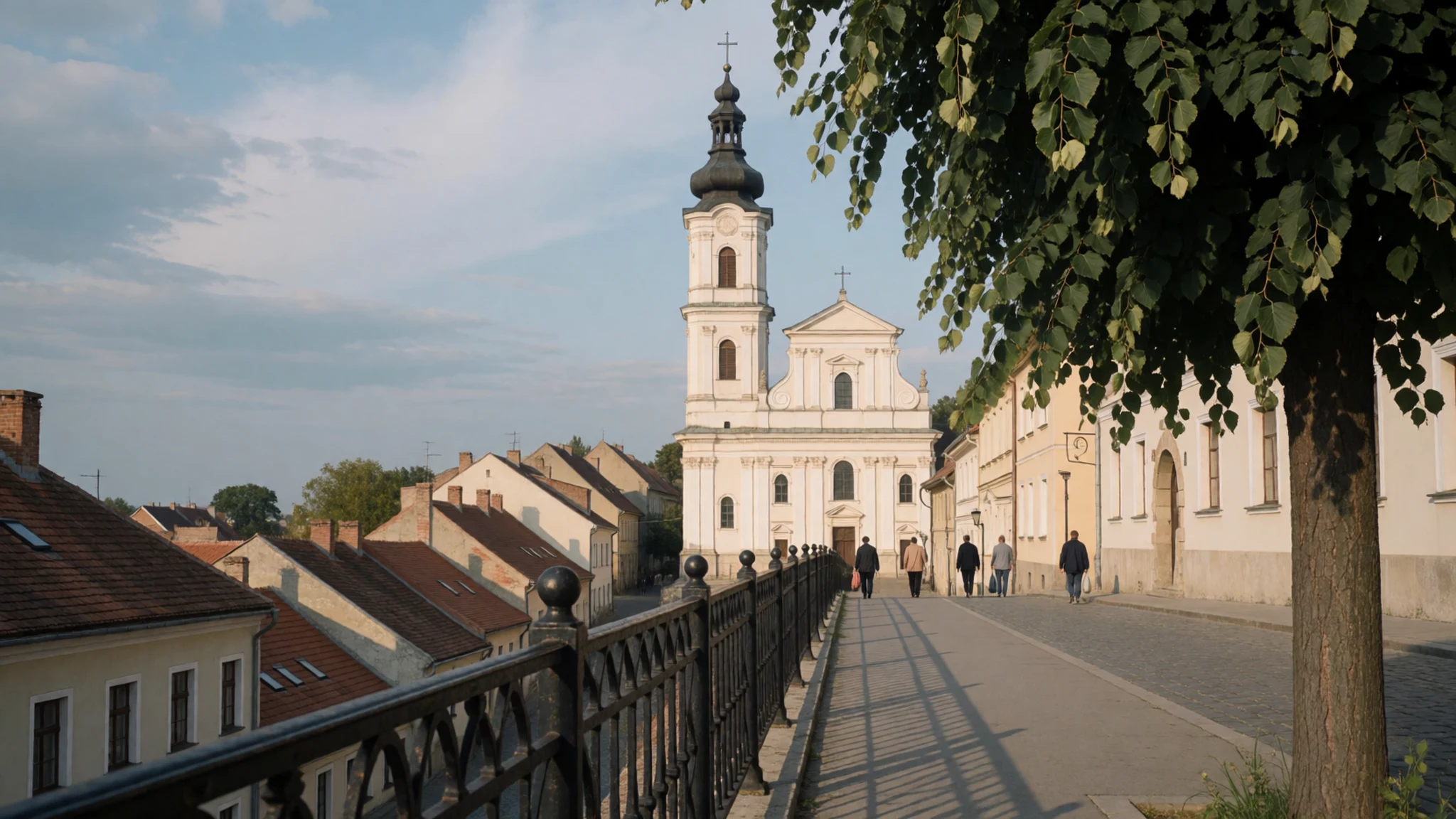
- The river bridge and embankments — Between Petefi and Teatralna squares
A pedestrian bridge crosses the Uzh between two squares, and the riverside paths on both banks make the best free walk in the city. Look for the sculpture of the hedgehog family on the embankment, a favourite with children and photographers.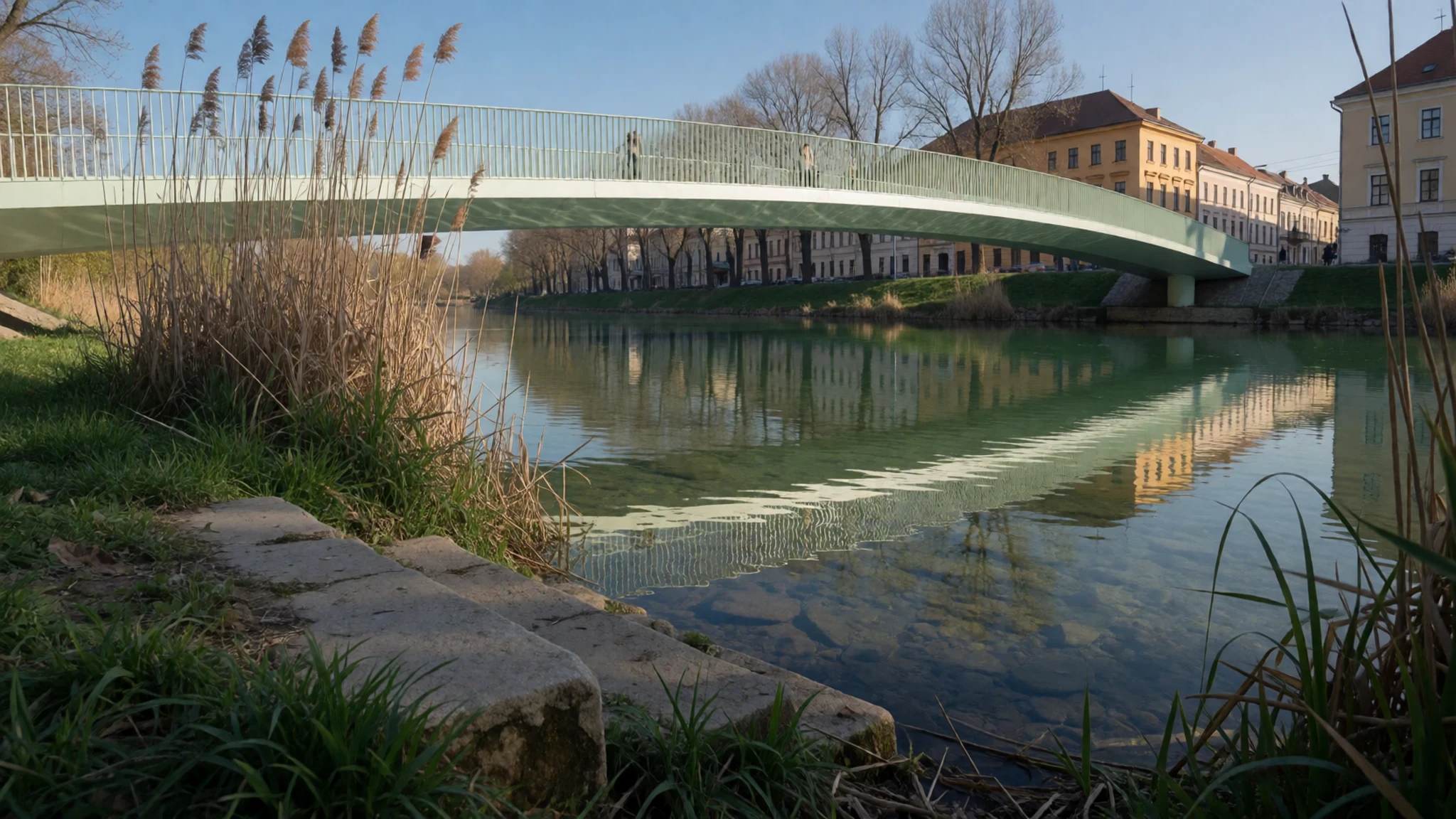
- Cathedral of Saints Cyril and Method — South of the centre
A large Orthodox church with a footprint of 60 m by 45 m and a height of 60 m, built to hold a congregation of thousands. It stands a short way from the core and is worth seeing for its scale alone, particularly in the late afternoon light.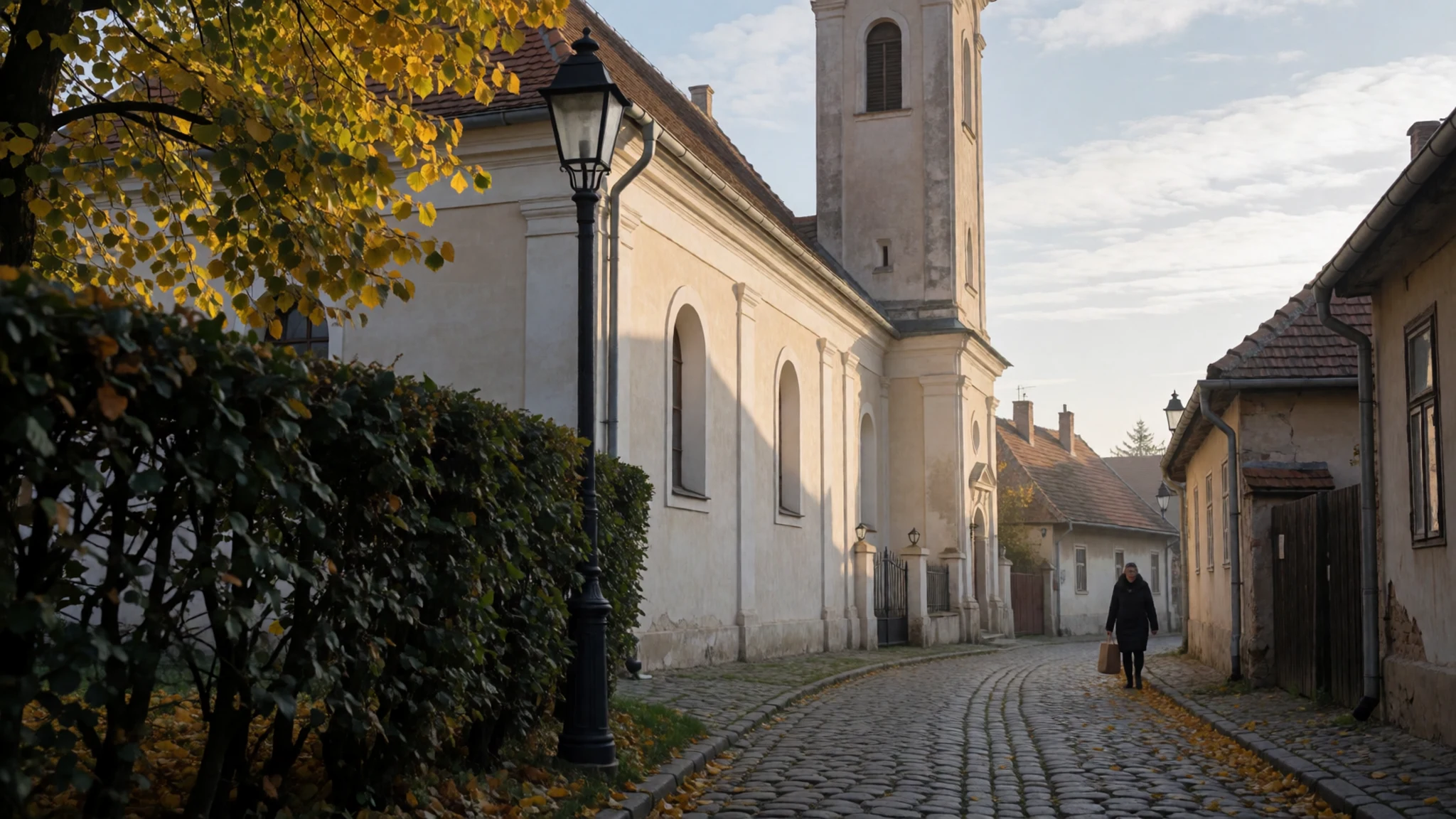
Culture
Uzhhorod is a city of several faiths and several languages. Ukrainian is the main language, but Hungarian, Slovak and Rusyn are all heard, and some families move between them in one conversation. Churches of the Greek Catholic, Orthodox, Roman Catholic and Reformed traditions stand within a short walk of each other, which is the clearest sign of the layered history.
Religious life is visible and ordinary. Greek Catholic and Orthodox services follow the Eastern rite, with icons, candles, incense and long chanted liturgies, and congregations often include many older women in headscarves. Church bells and small processions mark feast days on the calendar, and Christmas and Easter dates can differ between congregations.
Social life leans towards cafes, courtyards and the riverside. Coffee is taken seriously, conversations run long, and hospitality at home is generous, with guests pressed to eat more. Wine from the surrounding region is a point of local pride.
Because the country is at war, daily life carries a solemn undertone. Air-raid alerts can sound, memorials to fallen soldiers appear in public spaces, and many people have relatives serving or displaced. Follow local instructions on alerts, and treat the subject with sensitivity rather than curiosity.
When you enter a working church, dress modestly, keep your voice low, and ask before photographing worshippers or any service in progress.
What to wear
Uzhhorod has no single costume, because the surrounding Transcarpathian uplands hold several traditions. Ruthenian, Hungarian and Hutsul-influenced dress all appear in the region. Traditional pieces include embroidered linen shirts, wool waistcoats, sheepskin vests and heavy woven belts, with colour and stitch patterns that vary by village. Today these are worn at weddings, church festivals, folk performances and national holidays, and the embroidered shirt, the vyshyvanka, is a common sight on days of celebration.
Everyday clothing in the city is plain and European: jeans, jackets, trainers, and neat smart-casual outfits for cafes and the theatre. Younger people dress much as they would in Prague or Budapest, and many add a small embroidered detail as a quiet nod to heritage. Military-style clothing is also common in public these days, reflecting the wartime situation.
For visitors, the climate decides most things. Summers are warm, so light cotton layers and sun protection work, with a rain jacket since showers fall through the year. Winters are cold, with January near freezing and hard frosts possible, so bring a proper coat, hat, gloves and boots with grip. Cobbled streets and the castle hill reward sturdy, flat shoes. For churches, carry a scarf to cover shoulders or hair, wear trousers or a long skirt, and avoid bare shoulders and very short shorts.
What to eat
- Bograch — Family cafes and tavern-style restaurants in the old town
A paprika-rich goulash-style stew of meat and vegetables, cooked slowly in a pot over a fire in the Hungarian-influenced Transcarpathian way. It is hearty and warming, best in cooler months.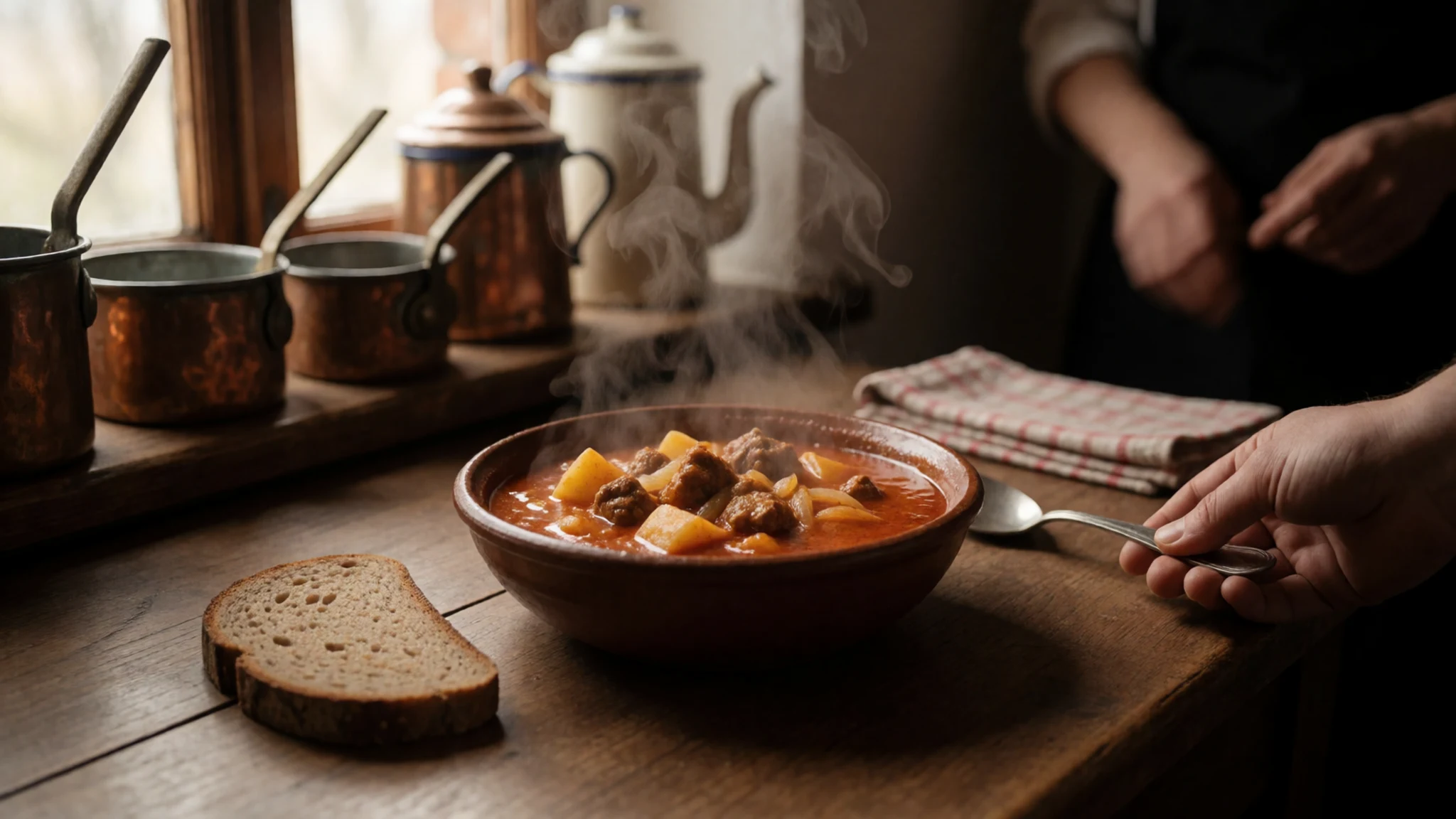
- Vareniki — Home-style cafes across the centre
Filled dumplings, boiled and served with sour cream or fried onions. Fillings include potato, cheese, cabbage and cherries, so there is a savoury or sweet choice. A cheap, filling standby.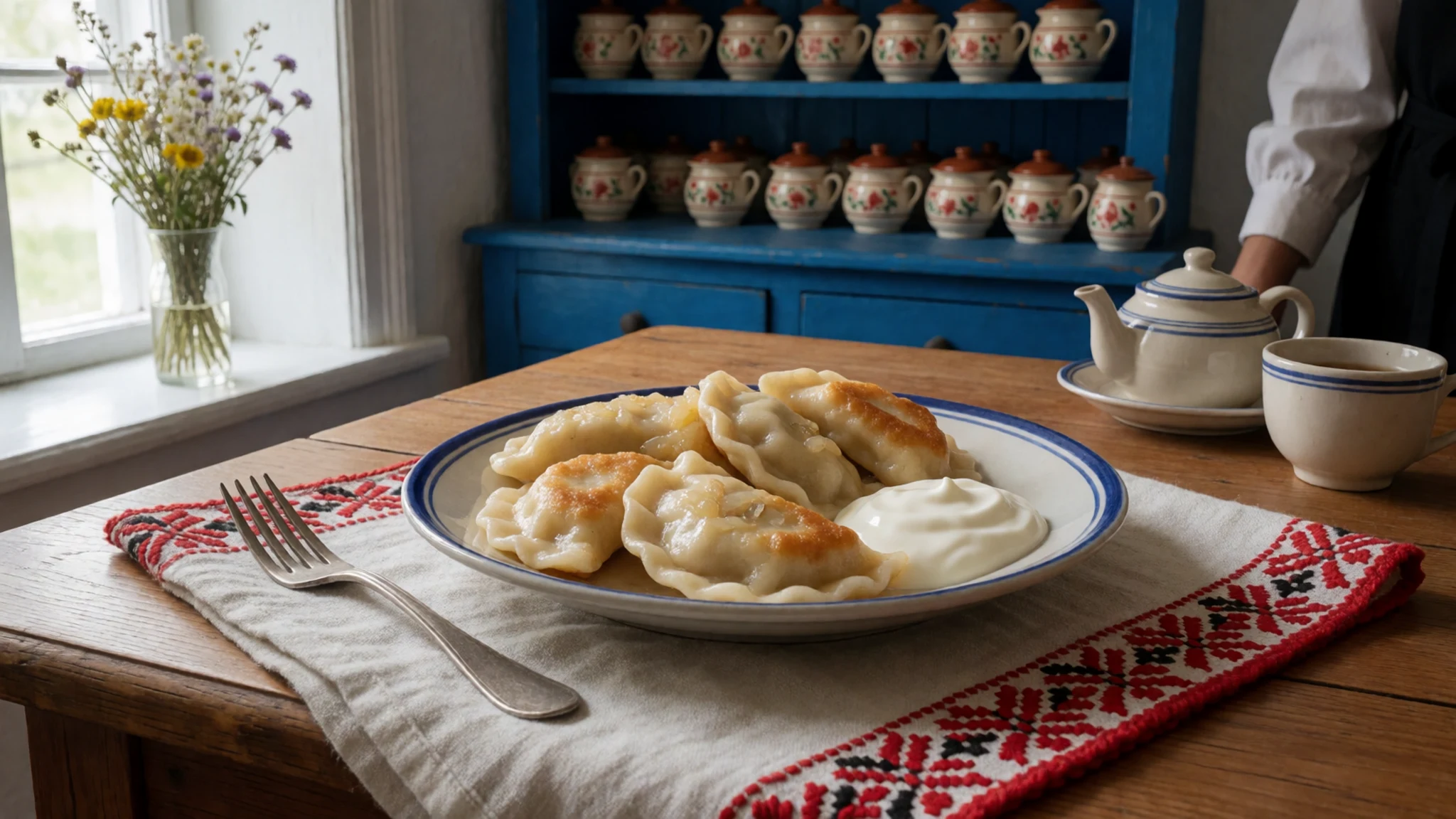
- Banosh — Regional restaurants and tavern kitchens
A soft maize porridge from the Carpathians, often topped with sheep's cheese, crackling or mushrooms. It is a mountain dish, simple and satisfying, and a good taste of the region beyond the city. - Local beer and house brews — Brewery taverns near the river
The city has a tradition of tavern brewing, and some taverns make their own beer to drink with a plate of hot food. Try a glass with something meaty after a walk up to the castle. - Regional wine — Wine bars and cafes in the old town
Transcarpathia grows wine, and local whites and reds appear on many menus, along with fruit brandies. Ask for a recommendation by the glass before ordering a bottle, and pair it with cheese or grilled meat.
Plan it
Best time. May–June and September–October, when it is mild and pleasant for walking. July is warm, averaging about 21 °C, with more rain in summer; winters are cold and often near freezing.
How long. 2
Getting there. Ukraine's airspace is closed to civil flights, so the closest working airport is Košice in Slovakia, reached by flights from central Europe and the British Isles. From there continue by road or rail to the border and on to Uzhhorod. Rail tickets into Ukraine must be bought online in advance. There is an entry point from Slovakia with an extensive border complex; queues are often long heading out of Ukraine. Check current government travel advice first.
Budget. low
Tips
- Check your government's current travel advice before booking, as the situation can change quickly
- Buy international rail tickets online ahead of time
- Allow generous time at the border, especially when leaving Ukraine
- Carry some cash in hryvnia as well as a card for small cafes and taxis
- Start at the castle in the morning and finish with the riverside walk
Etiquette
- Dress modestly and keep quiet inside working churches
- Ask before photographing people, services or military sites
- Follow local air-raid instructions without hesitation
Nearby
Sources
- Wikidata Q156711 (CC0)
- Wikipedia: Uzhhorod (rev 1383351148) (CC BY-SA 4.0)
- Wikivoyage: Uzhhorod (rev 5426042) (CC BY-SA 4.0)
- Photo 01-2.jpg, Ekaterina Polischuk (CC BY-SA 4.0)
- Photo 02-21-101-0044-uzgorod02.jpg, Wadco2 (CC BY-SA 4.0)
- Photo 03, Michal Gorski (CC BY 3.0)
- Photo 04-uzhhorodbridge2.jpg, Romankravchuk (CC BY-SA 4.0)
- Photo 05, Kap olena (CC BY-SA 4.0)
- Photo 06-uzhhorod-castle-main-building.jpg, Vasyl Haborets (CC BY-SA 4.0)
- Photo 07-21-101-0008.jpg, Константинъ (CC BY-SA 4.0)
- Photo 08, Yarys (CC BY-SA 4.0)


