Tunku Abdul Rahman National Park
Tunku Abdul Rahman National Park, Malaysia
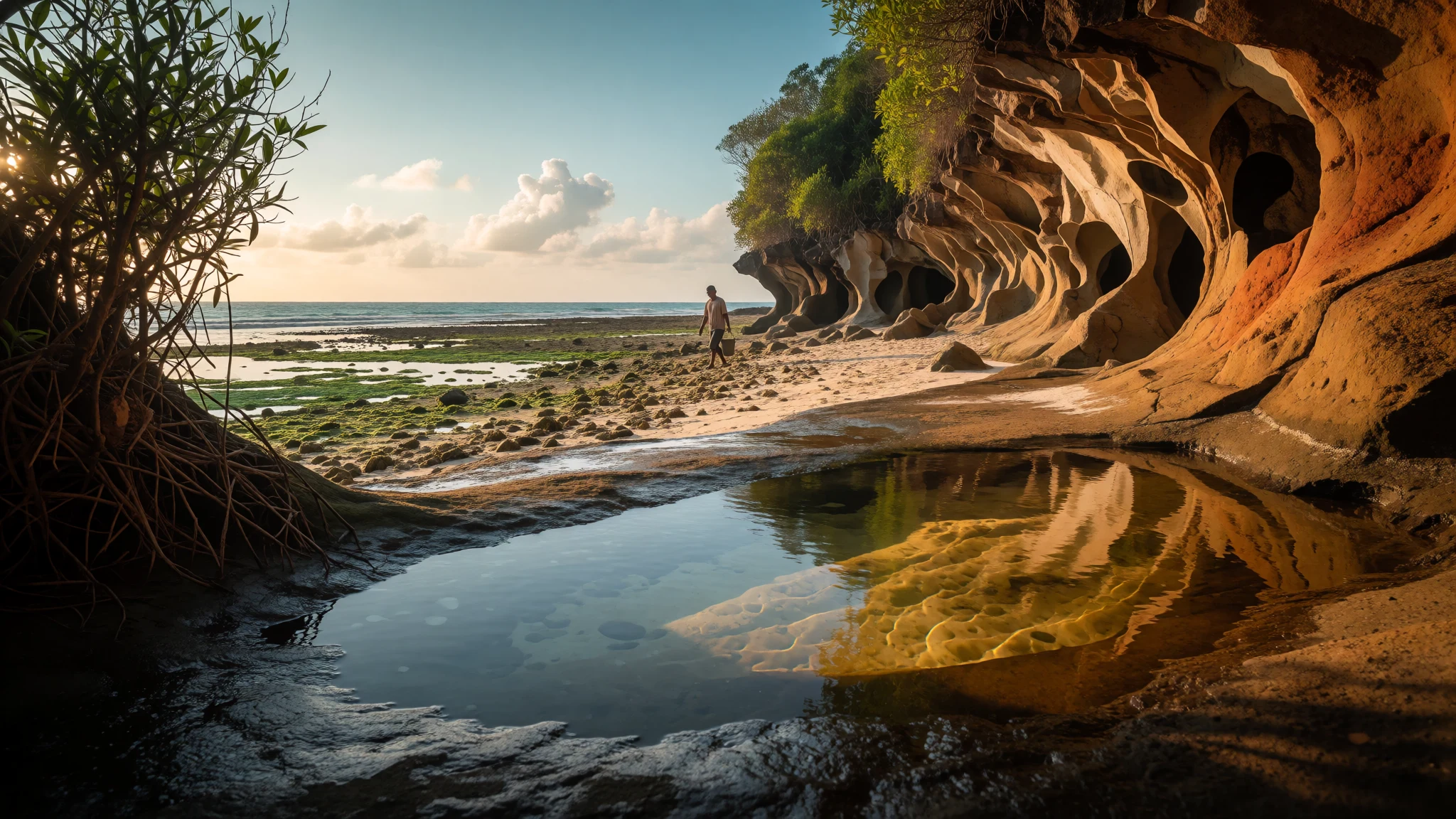
Tunku Abdul Rahman National Park offers five forested islands a short boat ride from Kota Kinabalu, for snorkelling, jungle walks and a day by the sea.
The place
Tunku Abdul Rahman National Park is a cluster of five islands, Gaya, Sapi, Manukan, Mamutik and Sulug, lying just off Kota Kinabalu, the capital of Sabah on the northern coast of Borneo. About two-thirds of the protected area is water, so the park is as much about reef and shallows as it is about land. The islands are fragments of the sandstone and sedimentary rock of the Crocker Range on the mainland. When sea levels changed about one million years ago, the sea cut these pieces off, and the geology is still visible in the cliffs, small caves and crevices along the shore.
The islands differ in character. Manukan has a long white beach lined with pines and plenty of facilities. Sapi is smaller, with a forest loop and snorkelling gear for hire. Mamutik is plainer, with a jetty and basic amenities. Sulug has nothing at all and suits campers who bring everything. Gaya is by far the largest, with the park headquarters in its unspoiled south-west and private resorts on the north shore.
The climate is steady: warm and humid all year, so the sea matters more than the thermometer. Mid-monsoon crossings can be rough, and jellyfish are a seasonal concern. Boats leave from a ferry terminal in the city, which makes the park workable as a half day or a full day, though the more developed islands fill up at weekends and on holidays. The park is named after Tunku Abdul Rahman, Malaysia's first Prime Minister.
Its story
Tunku Abdul Rahman National Park has a short protected history but a much older shape. The islands date from the end of the last Ice Age, when changing seas isolated blocks of Crocker Range sandstone from the Sabah mainland about one million years ago.
Human history around them is tied to the growth of Kota Kinabalu. In 1882, the British North Borneo Company established a trading post named Api-Api on Gaya. It did not stay on the island. The settlement moved to the mainland and took the name Jesselton, after Sir Charles Jessel. That name lasted until 1968, when the town became Kota Kinabalu. The city that now looks out at these islands therefore began, in a sense, on one of them.
Protection came in 1974, when most of Gaya and Sapi were gazetted as a park named for Malaysia's first Prime Minister. In 1979, five years later, the park grew to take in Manukan, Mamutik and Sulug, giving the five-island group that visitors know today.
Since then the emphasis has widened from setting land aside to repairing what the sea has lost. The Marine Ecology Research Centre on Gaya works on giant clam propagation and coral restoration, and its marine biologists talk visitors through the work. That matters because these reefs lie beside a growing city and are visited daily by boats and swimmers. The park's past is partly the story of a town that moved away from the islands and then found they needed looking after.
What to see
- Manukan Island — Tunku Abdul Rahman National Park
Manukan Island is among the most developed in the park, with a long white beach edged by pines, a jetty, facilities and a short walking trail. It is the usual first choice for families and anyone wanting an easy day, so it is busiest at weekends and on holidays. Snorkel close to shore, or take the trail for shade.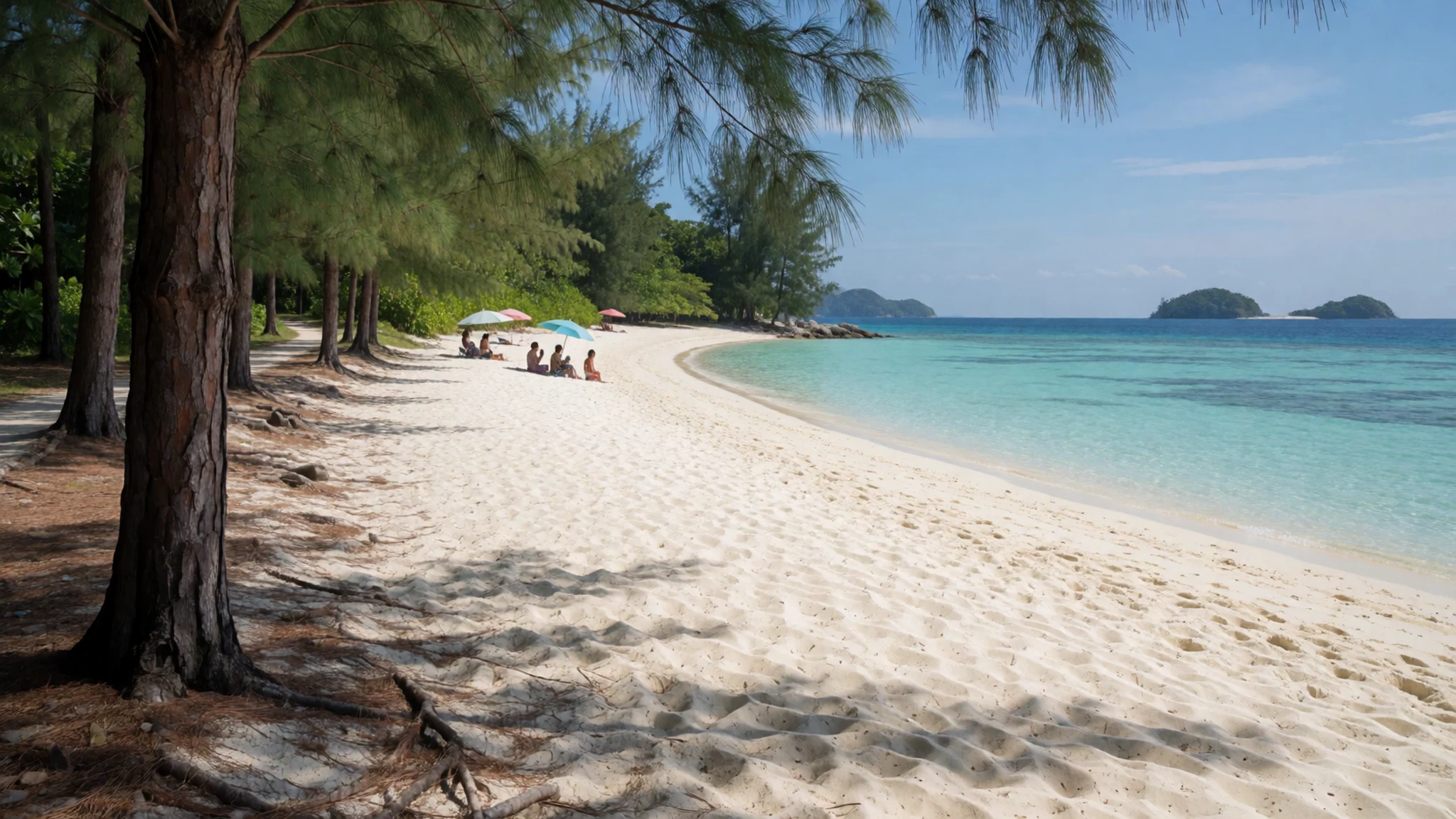
- Sapi Island — Tunku Abdul Rahman National Park
Sapi Island is smaller than Manukan, with a sandy beach, basic restaurant facilities and snorkelling gear for hire. Its main extra is a single trail looping through the forest in about an hour, easy but not for flip-flops. Large monitor lizards often cross the path, and hermit crabs and hornbills turn up too.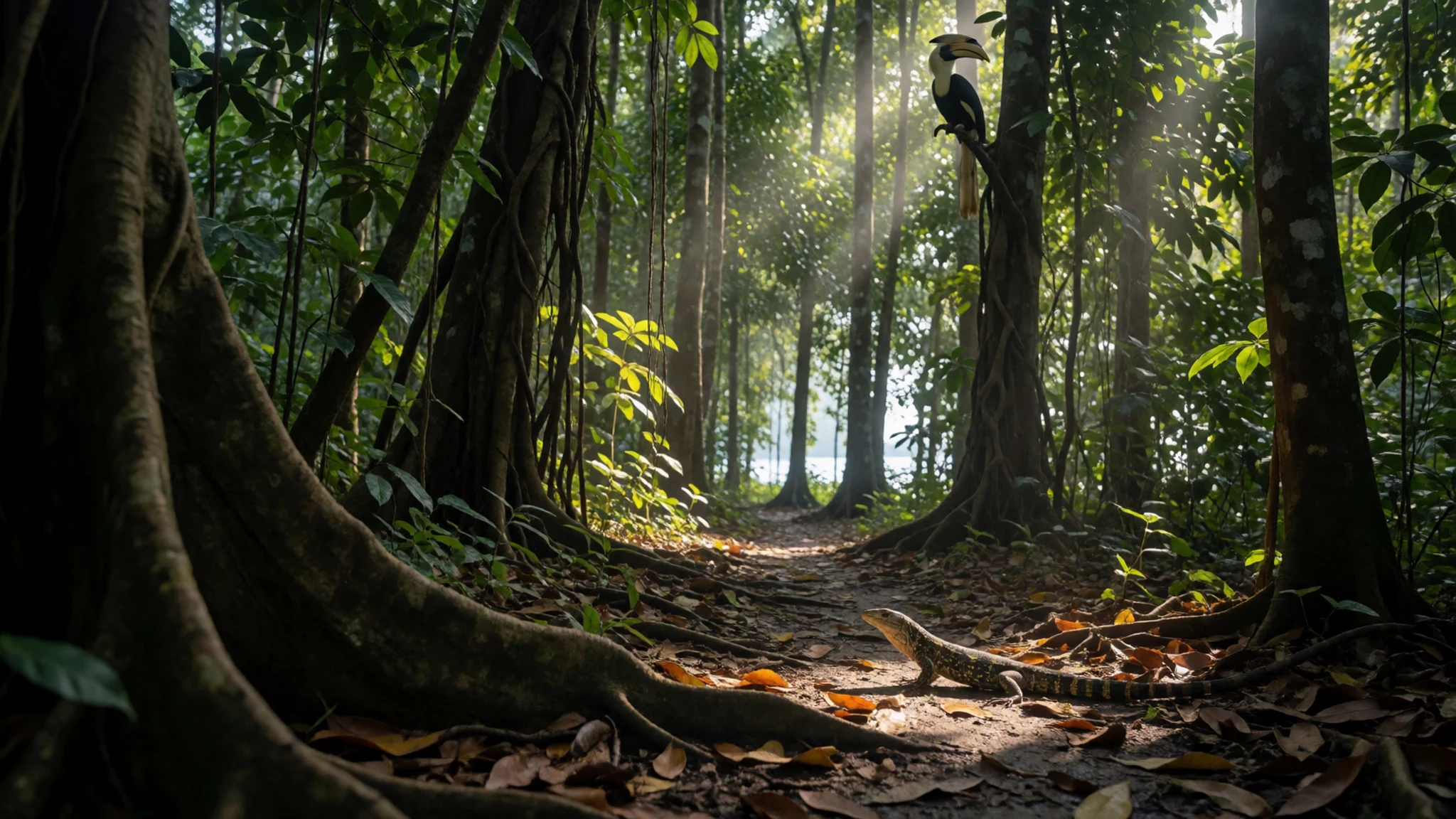
- Mamutik Island — Tunku Abdul Rahman National Park
Mamutik Island is quieter and plainer, reached by a jetty, with basic toilets and showers. Sabah Parks can arrange chalets for those who do not want to camp. The shallows reward slow looking, from sea cucumbers to amphibious fish at the tideline. A good choice when the larger islands feel crowded.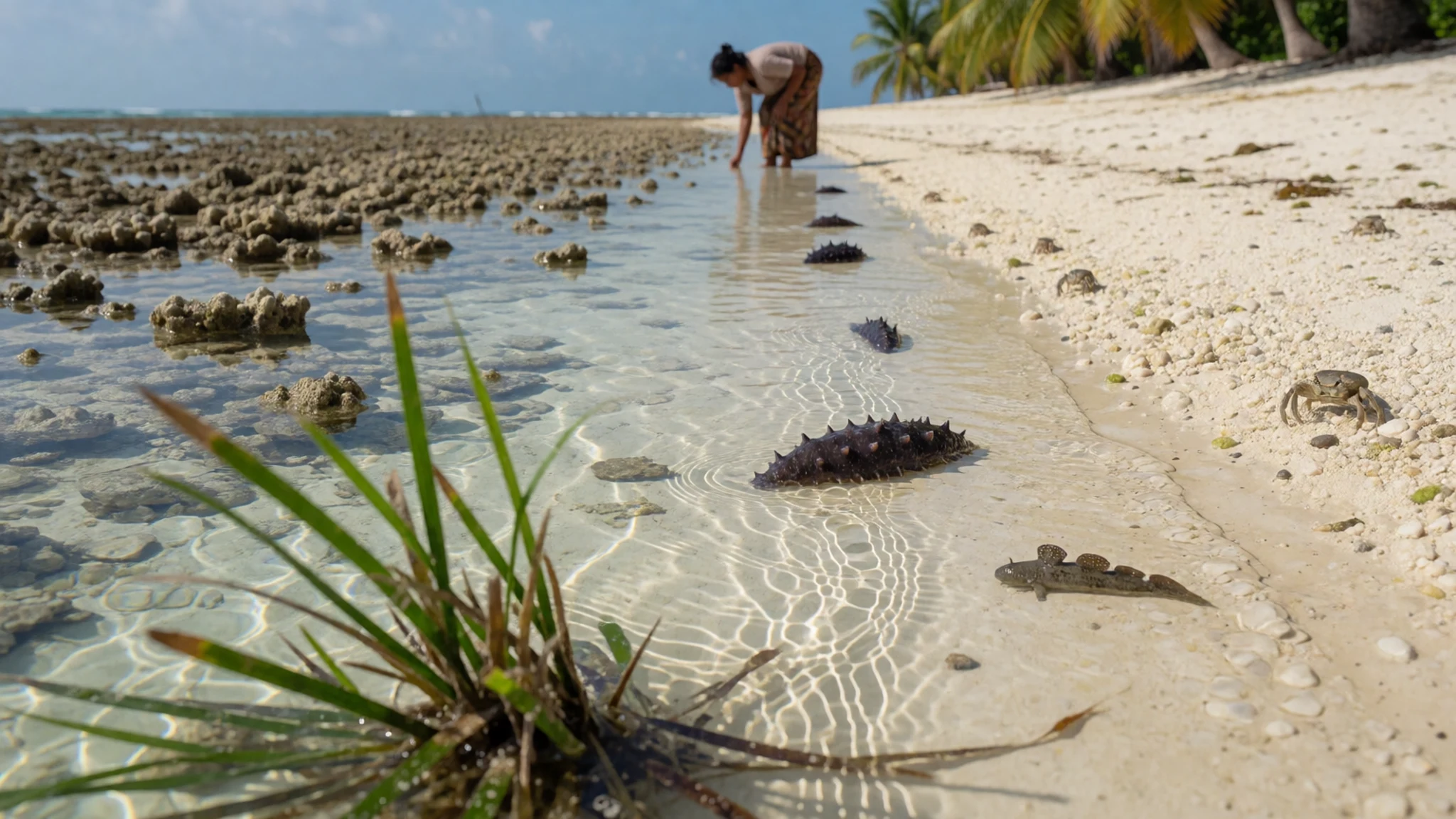
- Sulug Island — Tunku Abdul Rahman National Park
Sulug Island has no facilities, which is both its appeal and its challenge. Visitors who want to stay overnight can camp, but must carry food, water and bags for rubbish, and should check with reliable sources about boat access and sea conditions first. The reward is a quiet shore with very little development.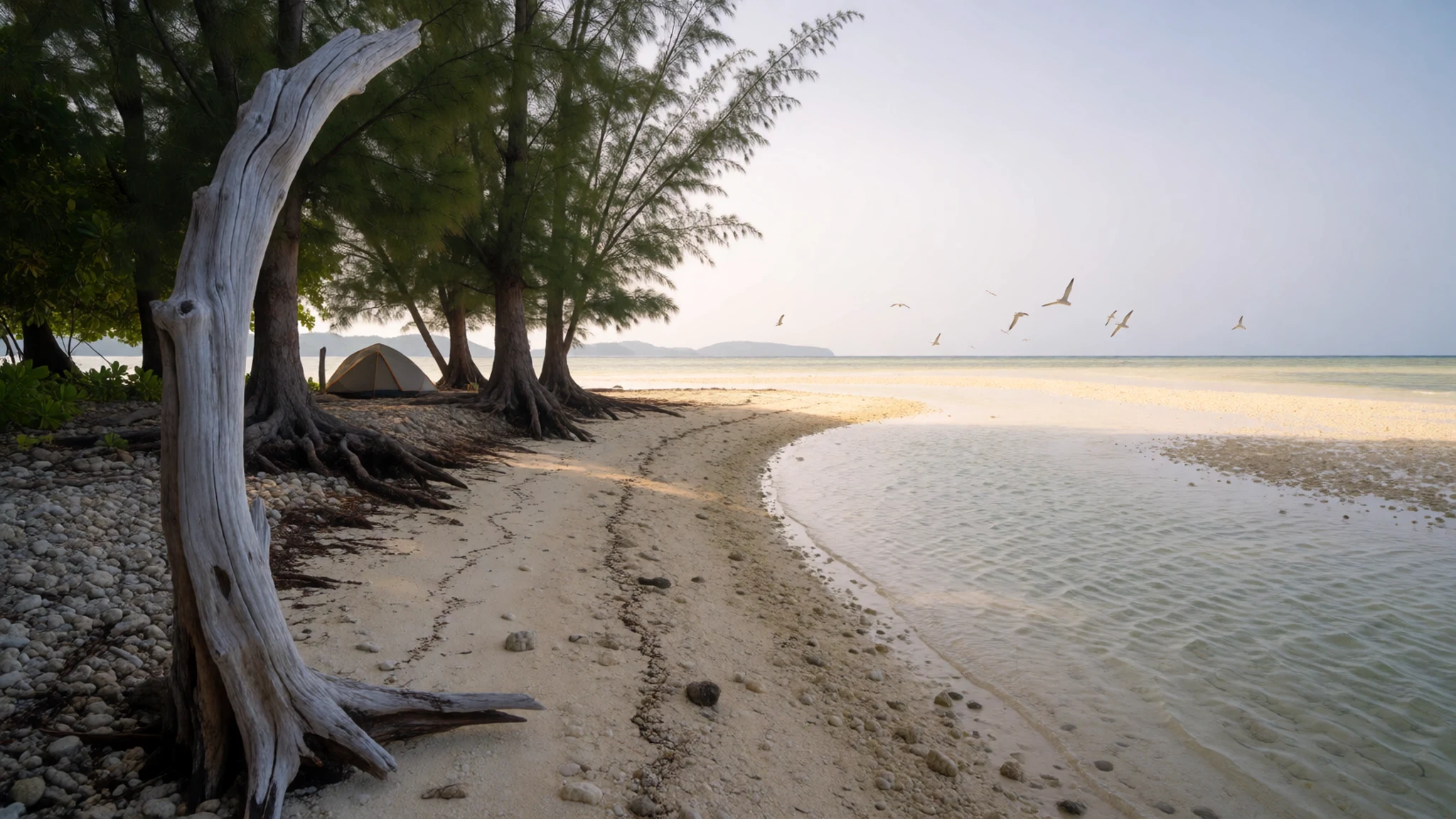
- Gaya Island — Tunku Abdul Rahman National Park
Gaya Island is by far the largest of the five, with an extensive network of forest trails, private resorts on the northern shore and the Sabah Parks headquarters in the unspoiled south-west. Macaques can be seen along one trail, behind the toilets. Its size suits a full day or an overnight stay.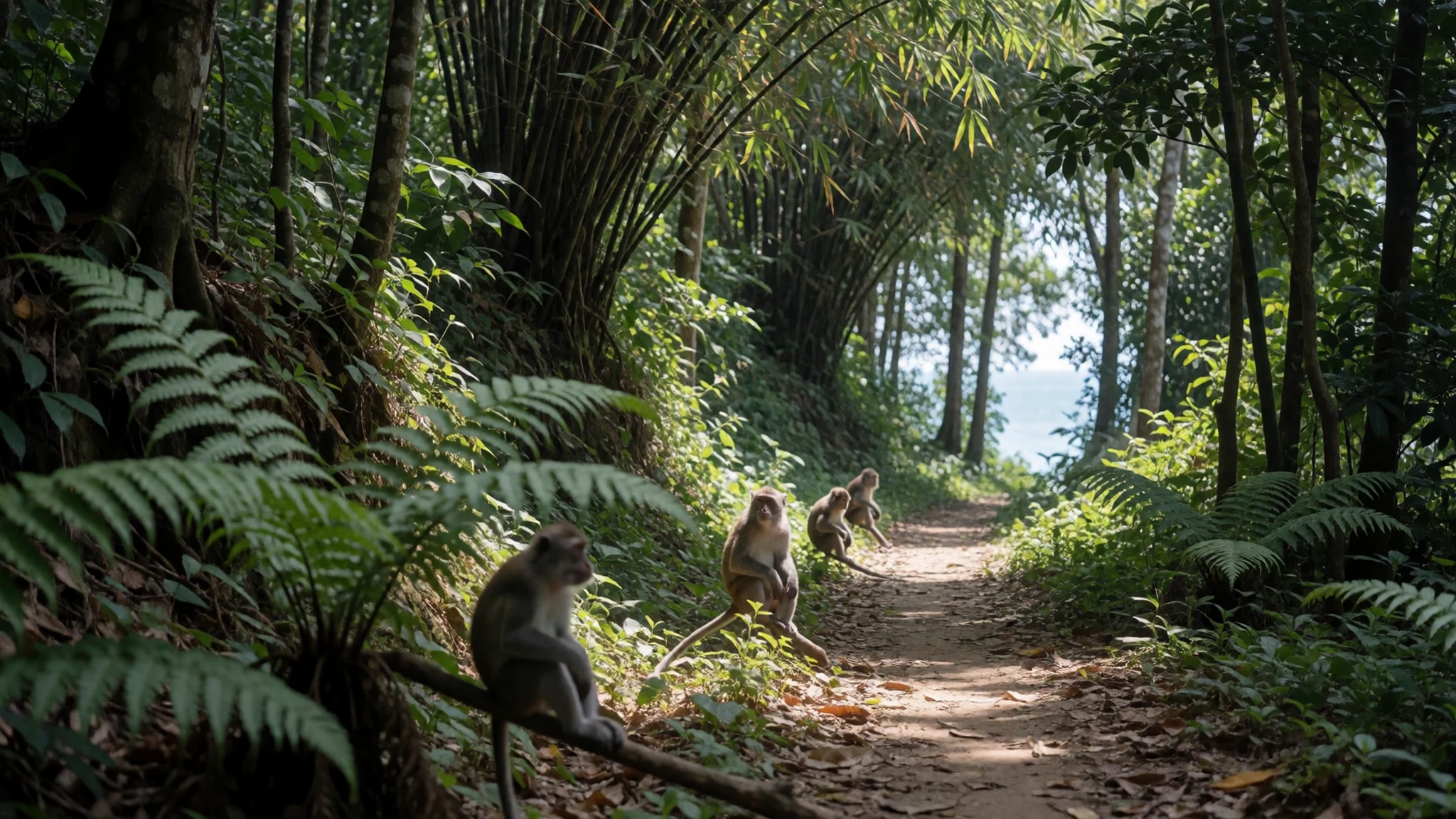
- Marine Ecology Research Centre — Gaya Island
The Marine Ecology Research Centre, on Gaya, is a working project on giant clam propagation and coral restoration. Marine biologists there explain to visitors why reefs need care. It suits travellers who want some context beyond swimming. Check access arrangements with Sabah Parks before planning around it.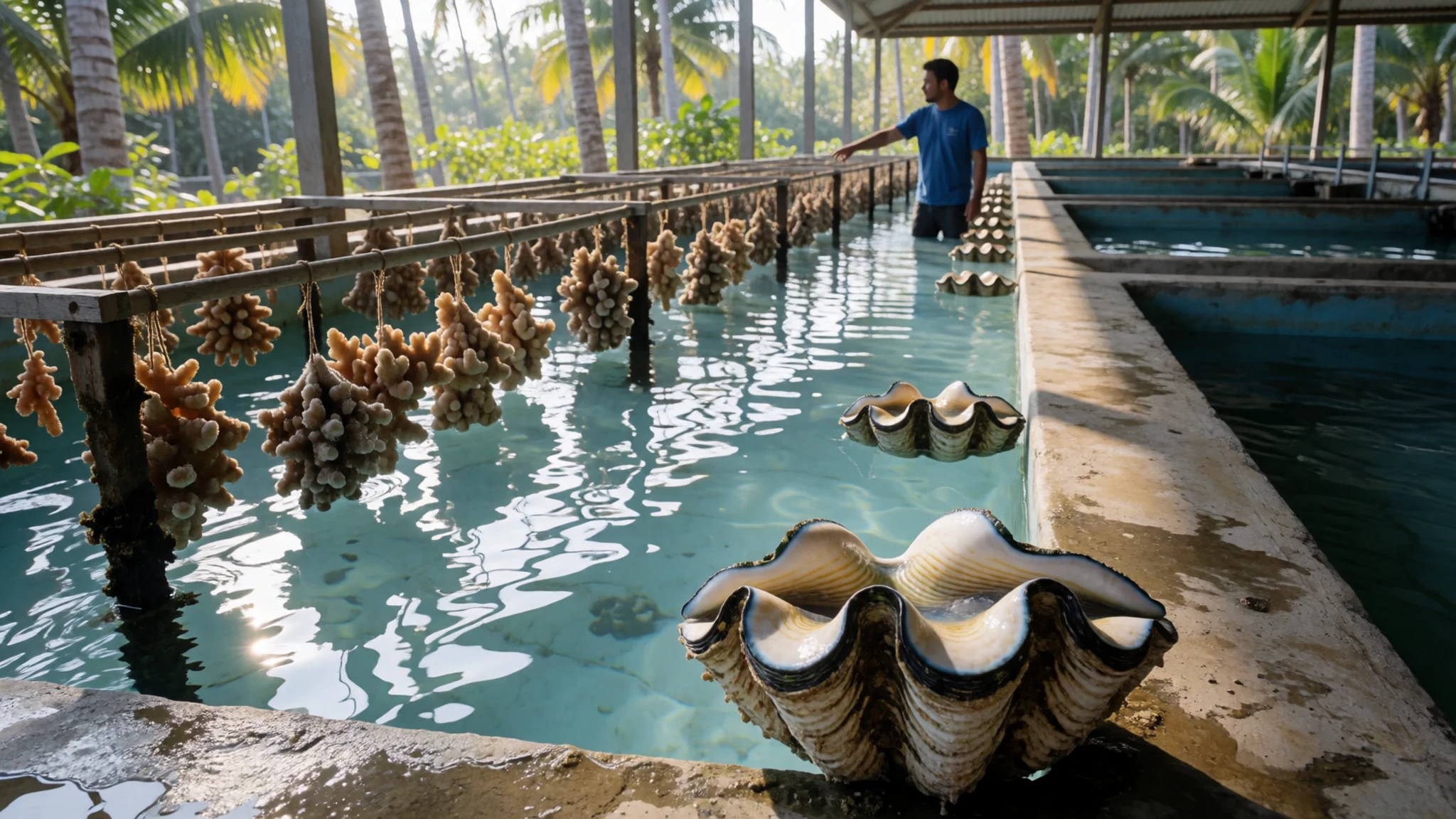
Culture
Tunku Abdul Rahman National Park sits in front of a mixed city, and the culture around it is that of Kota Kinabalu, where Kadazan-Dusun, Bajau, Bruneian Malay, Chinese and other communities live side by side. For many residents the islands are simply the nearest weekend escape, a place for family picnics, birthday outings and a swim after work, so the beaches feel local rather than staged.
The park is run by Sabah Parks, and its character is that of a managed reserve, with entry arrangements, ranger staff and rules about what may be taken or touched. The islands also carry the memory of the city's start, since the first trading settlement was on Gaya.
Sabah's harvest festival, Kaamatan, held around May, is when Kadazan-Dusun heritage is most visible in the city. It is celebrated on the mainland rather than on the islands, but visitors whose dates coincide will find it worth seeking out. Meals around the park are casual and shared, with picnics, boat trips and snorkel gear making for an easy, communal atmosphere at weekends. Muslim residents and visitors will look for halal food, so it is sensible to ask at stalls before buying.
Leave no trace: carry every piece of rubbish back to the mainland, keep hands and feet off the coral, and never feed the monitor lizards or macaques.
What to wear
Tunku Abdul Rahman National Park draws on Sabah's dress traditions, which differ by community. Kadazan-Dusun women have a tradition of black velvet or cotton dresses decorated with gold-coloured thread, silver coins and ornate belts, worn mainly at festivals such as Kaamatan. Bajau communities, long tied to the sea around Kota Kinabalu, have their own embroidered costumes, while Malay communities wear batik, songket and the baju kurung on formal occasions. These are ceremonial or occasion clothes.
Day to day, people on the Kota Kinabalu waterfront wear light cotton shirts, shorts, long skirts or trousers and sandals, and a headscarf is common among Muslim women. On the islands, locals dress for the beach: swimwear or a rash vest, a hat, often a T-shirt over the top.
Visitors should dress for heat, humidity, strong sun and a boat ride. Bring swimwear or quick-dry clothes, a long-sleeved rash vest for sun and jellyfish, a wide hat, reef-safe sunscreen and a light waterproof layer. Water shoes help at rocky entry points, and sturdy trainers or sandals with a firm strap suit the jungle trails, since flip-flops are poor on the Sapi loop. Away from the beach and in town, covered shoulders and knees are respectful, so a sarong or light shirt to throw over swimwear is a sensible addition.
What to eat
- Hinava — Kadazan-Dusun eateries and weekend markets in Kota Kinabalu
Hinava is a Kadazan-Dusun dish of raw fish cured in lime juice with shallot, ginger and chilli, bright, sharp and fresh. It is a good introduction to Sabah's own cooking and usually eaten with rice or as a starter.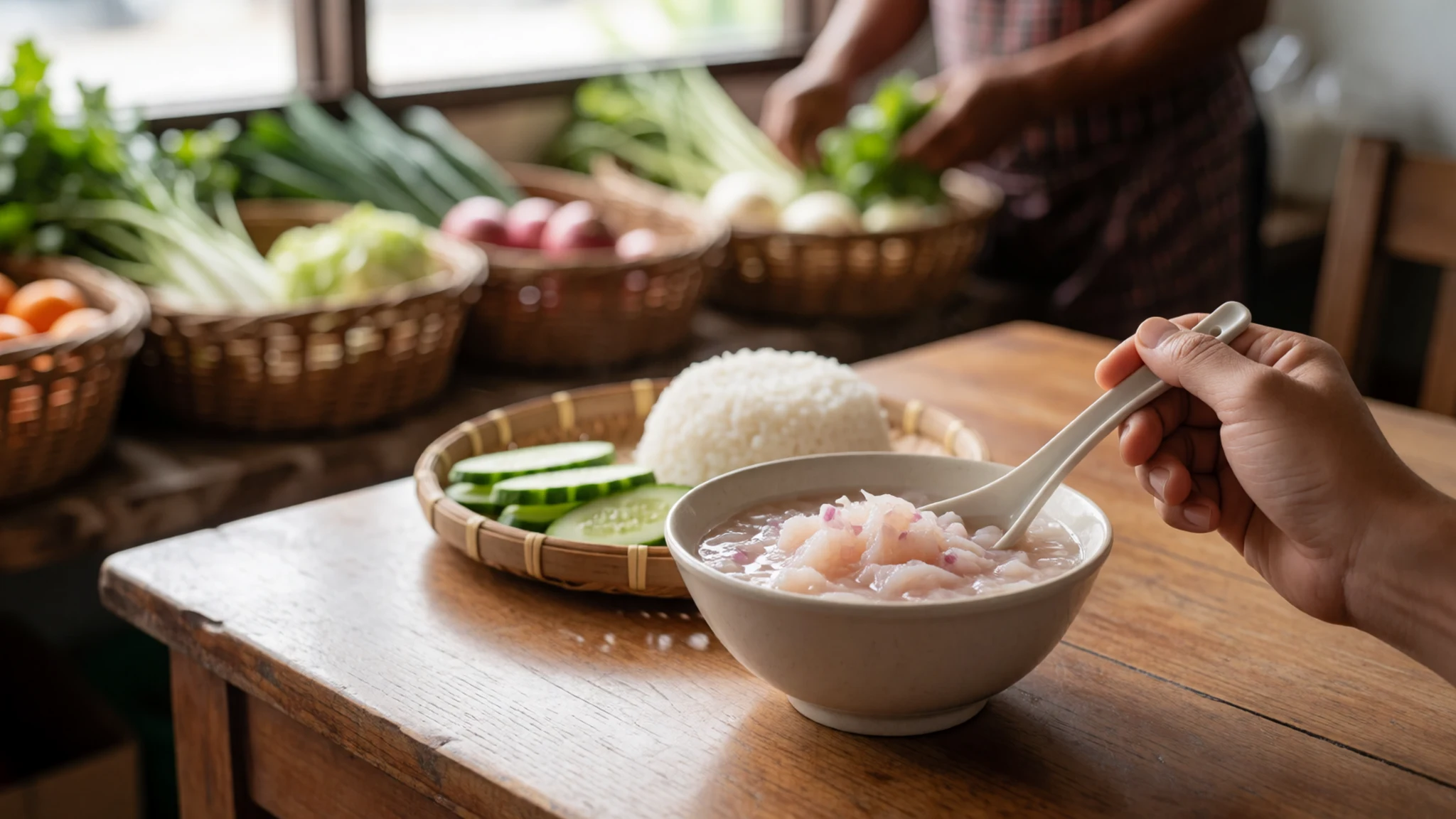
- Grilled fish and seafood — Seafood stalls along the Kota Kinabalu waterfront, mainly in the evening
Whole fish, prawns and squid grilled over charcoal and served with sambal and lime are the classic coastal meal after a day on the islands. Choose from the display and have it cooked to order.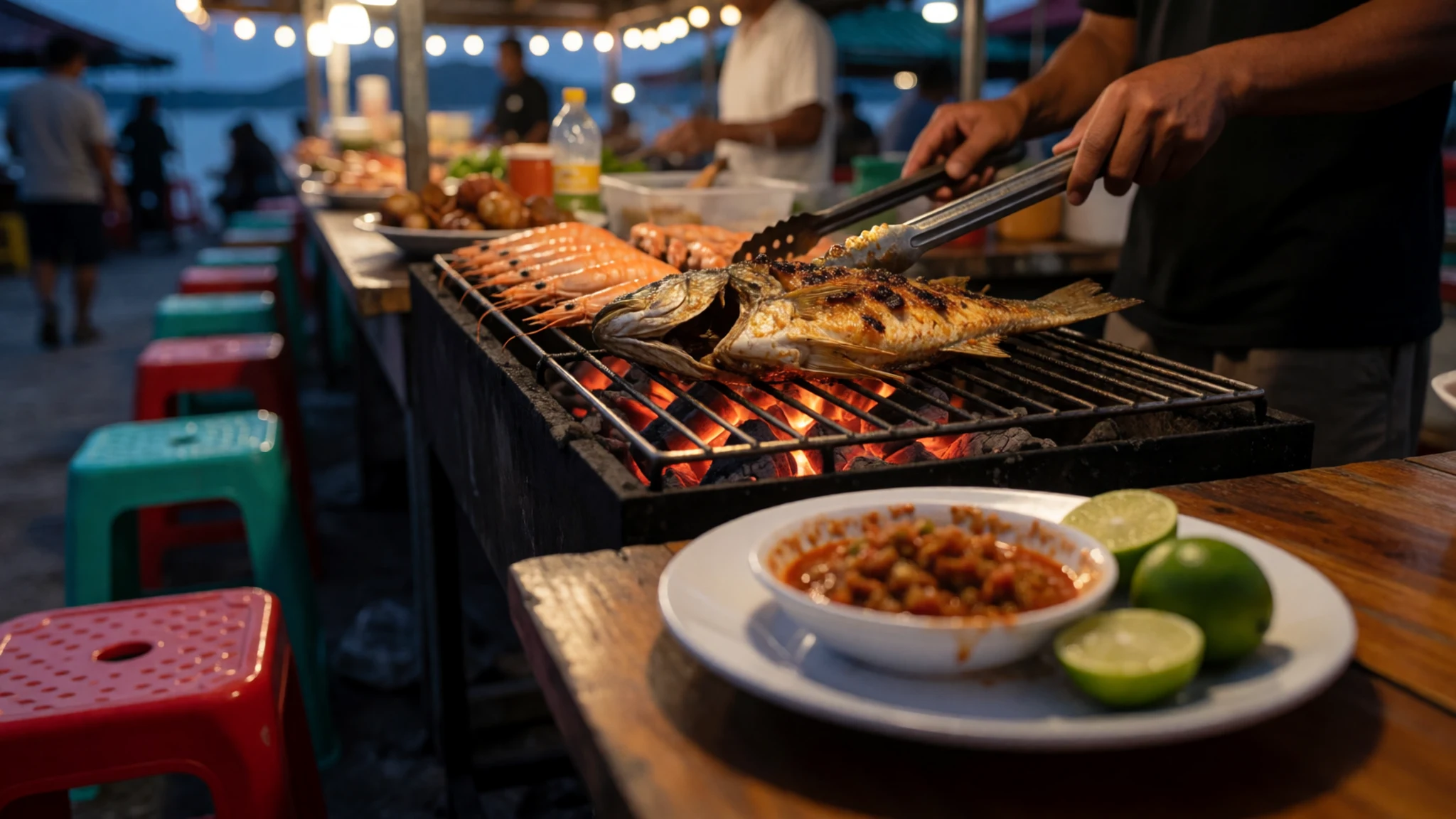
- Tuaran mee — Coffee shops and noodle stalls in downtown Kota Kinabalu
Tuaran mee is a springy egg noodle from the Tuaran area near the city, typically fried with greens, egg and a little meat or char siu. It is hearty, cheap and travels well as a packed lunch. - Packed nasi lemak and noodles — Hawker stalls and minimarkets at the ferry terminal
Island restaurants are basic and tend to be pricey, so most visitors pack lunch. Nasi lemak, rice cooked in coconut milk with sambal and egg, is the easy choice, wrapped and ready for a beach picnic. - Kopi and kaya toast — Traditional coffee shops (kopitiam) near the terminal and in town
Kopi, strong local coffee, with toast spread with kaya coconut jam and soft-boiled eggs is the standard early start before the first boat. Many locals eat it standing or sitting in no hurry.
Plan it
Best time. June to September is a sensible window: it falls outside the October to May jellyfish season and outside the mid-monsoon months when seas around the islands can turn rough. The park is warm and humid all year, so go early for the cooler hours and check sea conditions with your boat operator on the day.
How long. 1–2
Getting there. Fly to Kota Kinabalu International Airport, then take a taxi or ride-hailing car to the Jesselton Point ferry terminal on Jalan Fuad Stephens in the northern part of the city. Speedboats run from there to the islands; the last leg takes a short time.
Budget. low
Tips
- Buy food and water at the terminal stalls before boarding, as island restaurants are basic and pricey
- Choose one boat operator and keep to it for every transfer; keep your tickets for the second island
- Go on a weekday or on an early boat, as Manukan and Sapi fill up at weekends
- Check current boat fees, island entry charges and the last return boat with the operator or Sabah Parks, as these change
- Wear a rash vest in jellyfish season and heed the warning signs
Etiquette
- Take all rubbish back to the mainland
- Do not touch, stand on or collect coral, shells or sea life
- Keep your distance from monitor lizards and macaques, and never feed them
Nearby
Sources
- Wikidata Q1097024 (CC0)
- Wikipedia: Tunku Abdul Rahman National Park (rev 1375070276) (CC BY-SA 4.0)
- Wikivoyage: Tunku Abdul Rahman National Park (rev 5347068) (CC BY-SA 4.0)
- Photo: Manukan, Mamutik & Sulug – Happy Islands (Thien Zie Yung, derivative work Teofilo) (CC BY 2.5)
- Photo: Sea view from Kota Kinabalu (Flanegan) (CC BY 3.0)
- Photo: Borneo locator topography (Sadalmelik) (CC BY 3.0)
- Photo: Gaya Island (Mx. Granger) (CC0 1.0)
- Photo: Sapi Island (Mx. Granger) (CC0 1.0)
- Photo: Amphibious fish at Pulau Mamutik (Toni Wöhrl) (CC BY-SA 4.0)
- Photo: Amphibious fish at Pulau Mamutik (Toni Wöhrl) (CC BY-SA 4.0)
- Photo: Sea cucumber at Pulau Mamutik (Toni Wöhrl) (CC BY-SA 4.0)


Wildlife
- Long-tailed macaque (animal)
The long-tailed macaque is a clever, nimble monkey, also called the crab-eating macaque, that feels at home near people and in regrown forest. In Tunku Abdul Rahman National Park, look for them along one trail, behind the toilets. Some people think them wise, some hold them sacred, and others find them a nuisance. Watch from a distance, keep your voice low and go with a guide. Never feed them, and keep your snacks tucked away.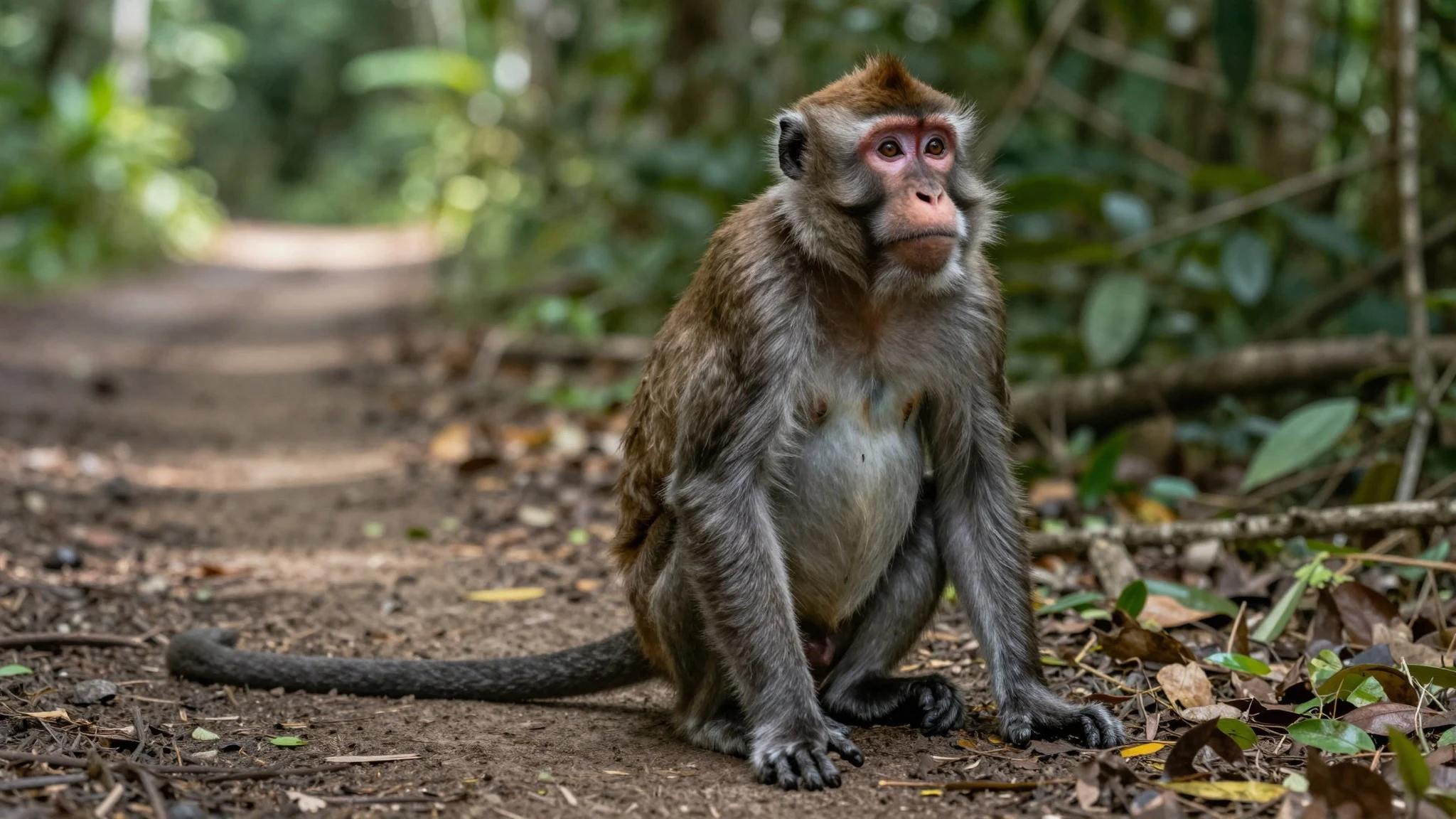
- Water monitor (animal)
The water monitor is a big, long-bodied lizard, and only the Komodo dragon grows larger, so think of it as a real-life dragon of the forest. In Tunku Abdul Rahman National Park these lizards often wander across the paths, so keep your eyes on the ground ahead as you walk. Stop well back and let one pass in its own time. Walk quietly, ask a guide where to look, and never offer food or try to touch it.