Tsetserleg
Tsetserleg, Mongolia
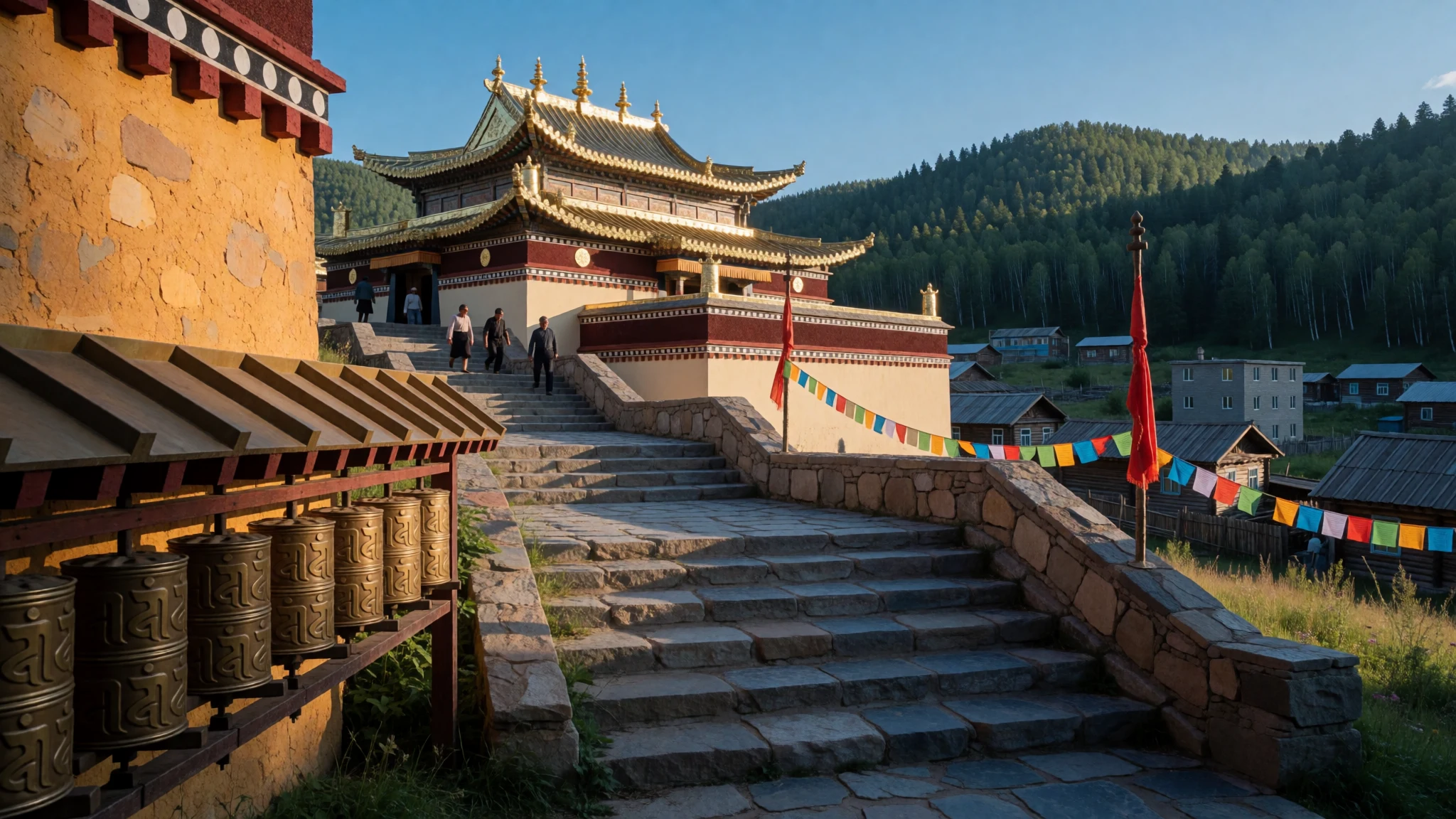
Tsetserleg is a small, green mountain-valley town in central Mongolia, good for monastery history, hot springs, lakes and nights in a herder's ger.
The place
Tsetserleg is the capital of Arkhangai Province, set on the northeastern slopes of the Khangai Mountains in central Mongolia. Its name means 'garden' in Mongolian, and the setting suits it: a forested valley, steep hills close to the streets, and open grassland beyond. The town sits at 1,691 m and has about 21,620 residents, so it is small enough to cross on foot in a short time. Travellers who have moved around Mongolia often describe it as a pleasant provincial capital, mostly because of the surroundings and the unhurried pace. Grey Soviet-era blocks, painted wooden houses and newer buildings share the valley floor, while a monastery hill rises just behind the centre. The founding year on record is 1933, although monastic life here is far older than that. Winters are cold but milder than in much of the country, and summers are cooler, so the valley stays green and comfortable when lower ground elsewhere is baking. Tsetserleg works as a base for hot springs, lakes, deer stone fields and stays with herder families, rather than as a place to see in an afternoon. The market, the museum and the monastery fit into a single day, and the rest of a visit tends to go to the hills. The journey from Ulaanbaatar is long, and there is no longer a scheduled flight, so the town rewards a slow trip rather than a dash.
Its story
Tsetserleg grew up as a trading and religious centre long before it became a provincial capital. Its monastery, Zayiin Gegeen, was founded in the seventeenth century by Luvsanperenlei, the first Khalkh Zaya Pandita, a senior Buddhist teacher whose line of reincarnations carried real authority in the region. The complex had a main assembly hall, called Guden Süm, flanked by two smaller temples, one used in summer and one in winter, all completed in the late seventeenth century. For a long time the monastery shaped how the settlement worked: pilgrims, merchants and herders passed through, and the valley's trade grew around that traffic. That ended in the early Communist period, when religion was suppressed across Mongolia. The sixth Zaya Pandita, Jambatseren, was killed by the authorities, the monastery was shut, and the main hall was turned into a museum rather than demolished. That decision is why a seventeenth-century temple still stands in the middle of town, now housing local objects and displays. Worship has returned to the area, and a separate working monastery operates nearby. A seventh Zaya Pandita exists, though he lives mostly in Ulaanbaatar and visits only occasionally. Seen this way, the town's story is one of interruption and partial recovery. The old hall survived by changing its purpose, and the valley's modern identity as a quiet administrative town sits on top of a much older sacred landscape.
What to see
- Arkhangai Aimag Museum — Below the monastery hill, central Tsetserleg
The museum occupies the old Zayiin Gegeen temple complex, with local artefacts and displays. The building is the main reason to go: a seventeenth-century hall that survived because it was repurposed rather than destroyed. Allow an hour, and check opening times locally, since small provincial museums keep irregular hours.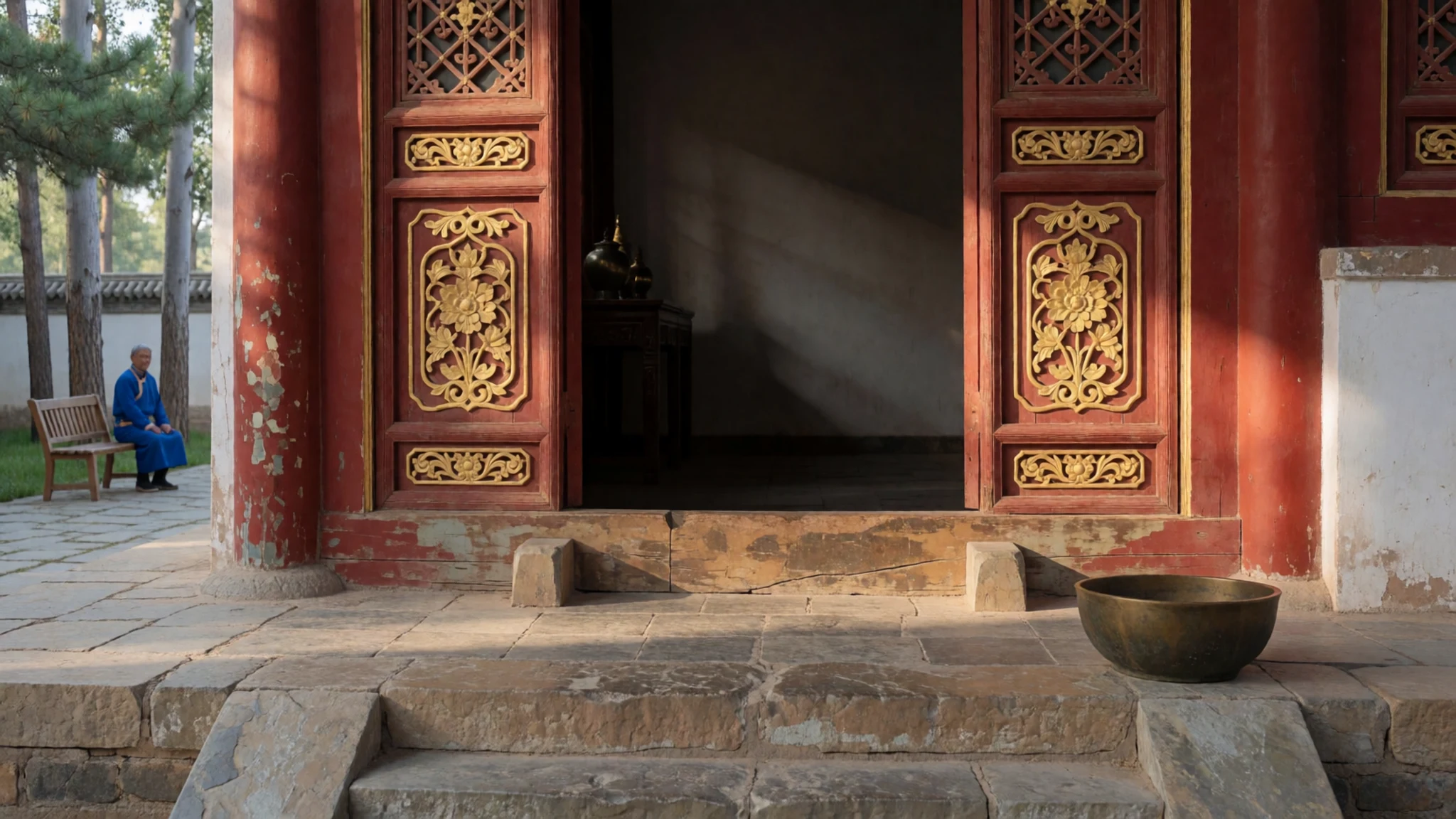
- Buyandelgeruulekh Monastery — Hillside above the town centre
This is the town's main working monastery, on the slope above the centre. It is the place to hear chanting and see how Buddhist practice has returned to the valley. Climb the steps for a view over the roofs and the forested hills behind, ideally in the morning when the light is clear.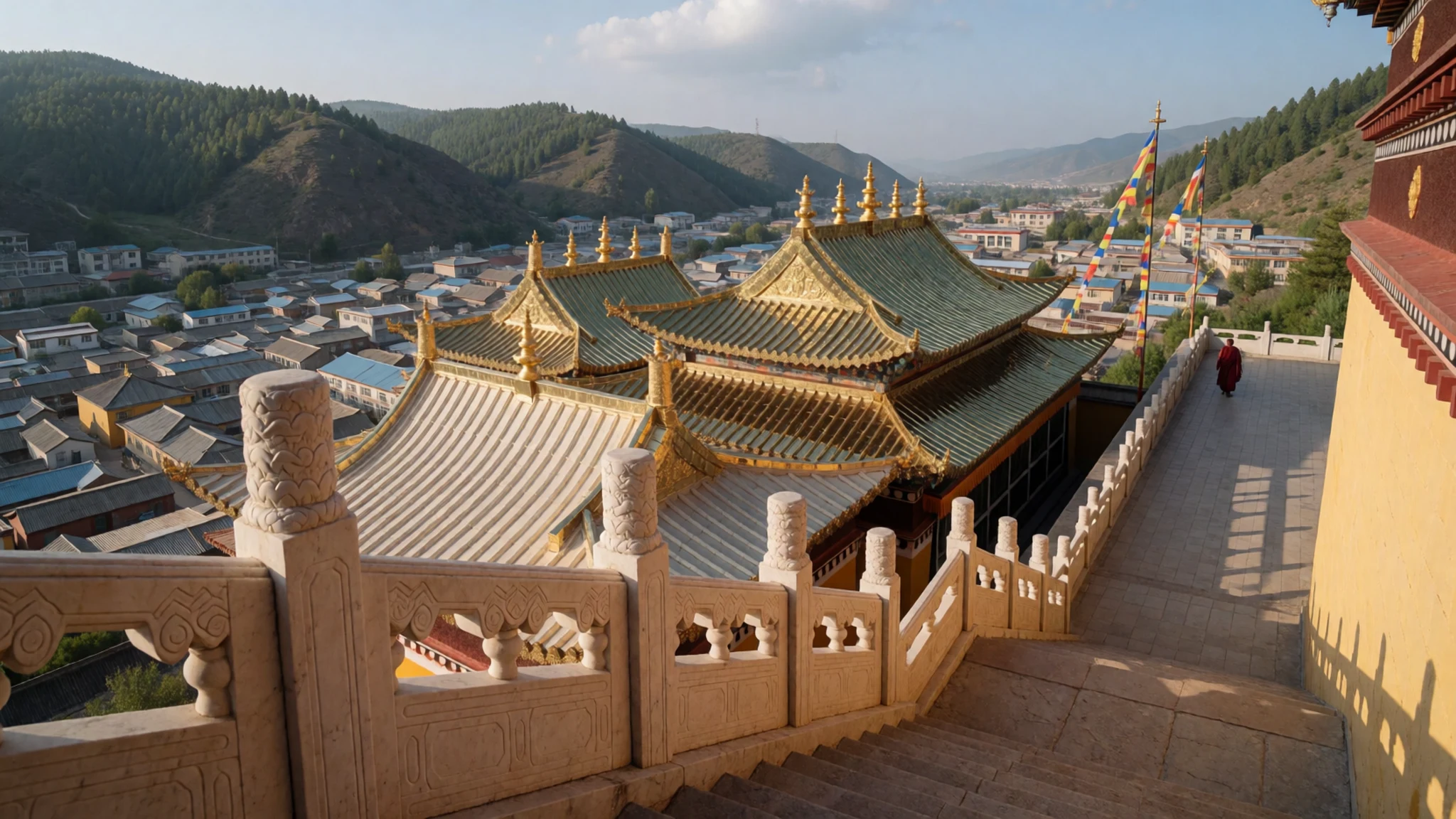
- Deer stone sites — North of Tsetserleg, reached by hired car
North of town, several Bronze Age sites hold upright carved stones known as deer stones, named for the stylised animals cut into them. They sit in open grassland with little signage, so hiring a driver who knows the tracks is sensible. Go in dry weather, as unpaved routes can turn difficult.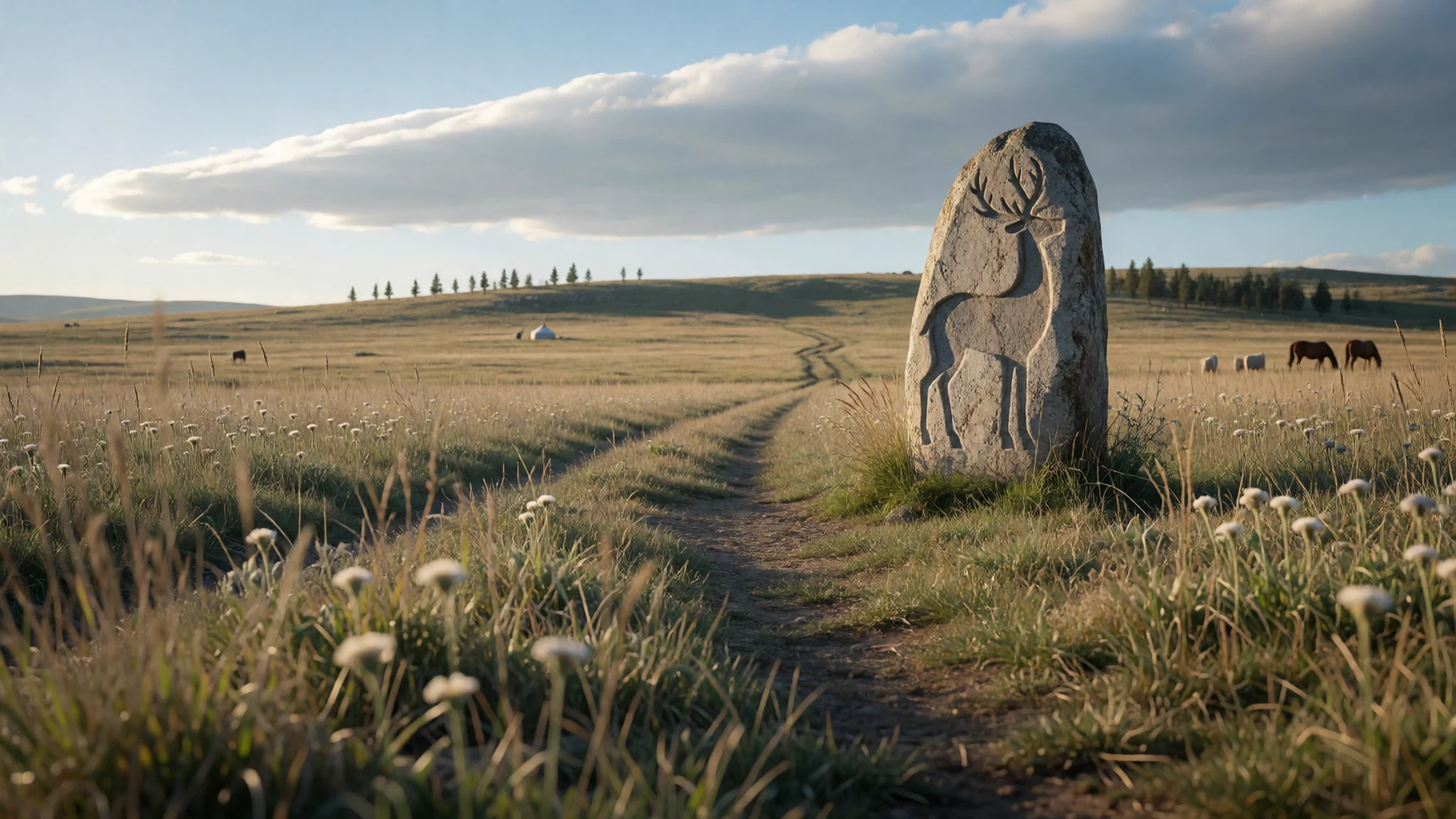
- Tsetserleg market — Near the town centre
The market is where the town's daily life is easiest to read: dairy, meat, vegetables, clothing and household goods, with herders and townspeople mixing at the stalls. It is also close to where cars for outlying lakes and hot springs are hired, so it doubles as a practical stop.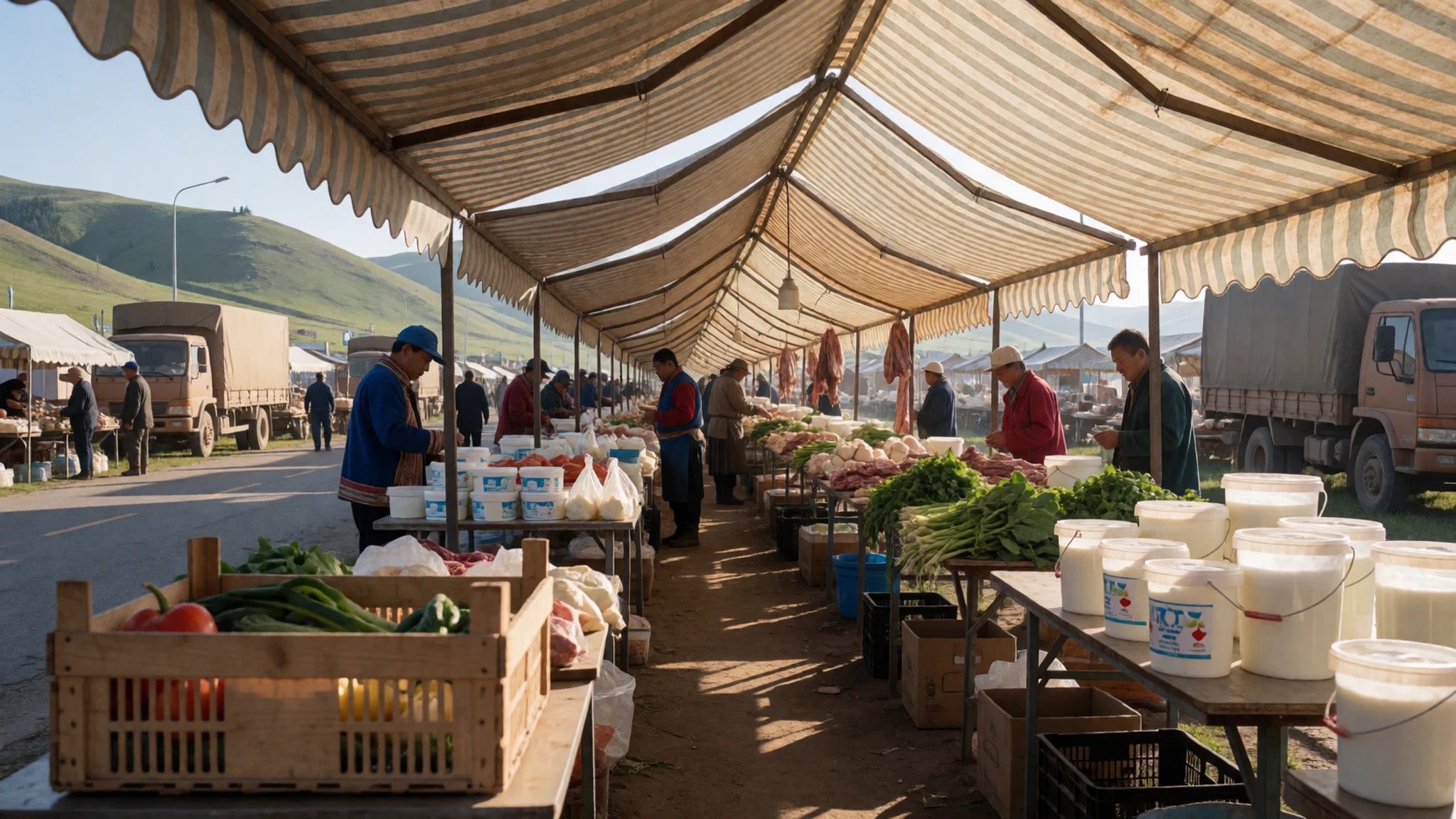
- ARA Festival — ARA complex, east of the centre
Each July the ARA complex, a short drive from the centre, hosts a month of concerts, shows, food stalls, horse races and family activities. It is the liveliest time to be in Tsetserleg and also the busiest, so book a bed early and expect the valley to feel far less quiet.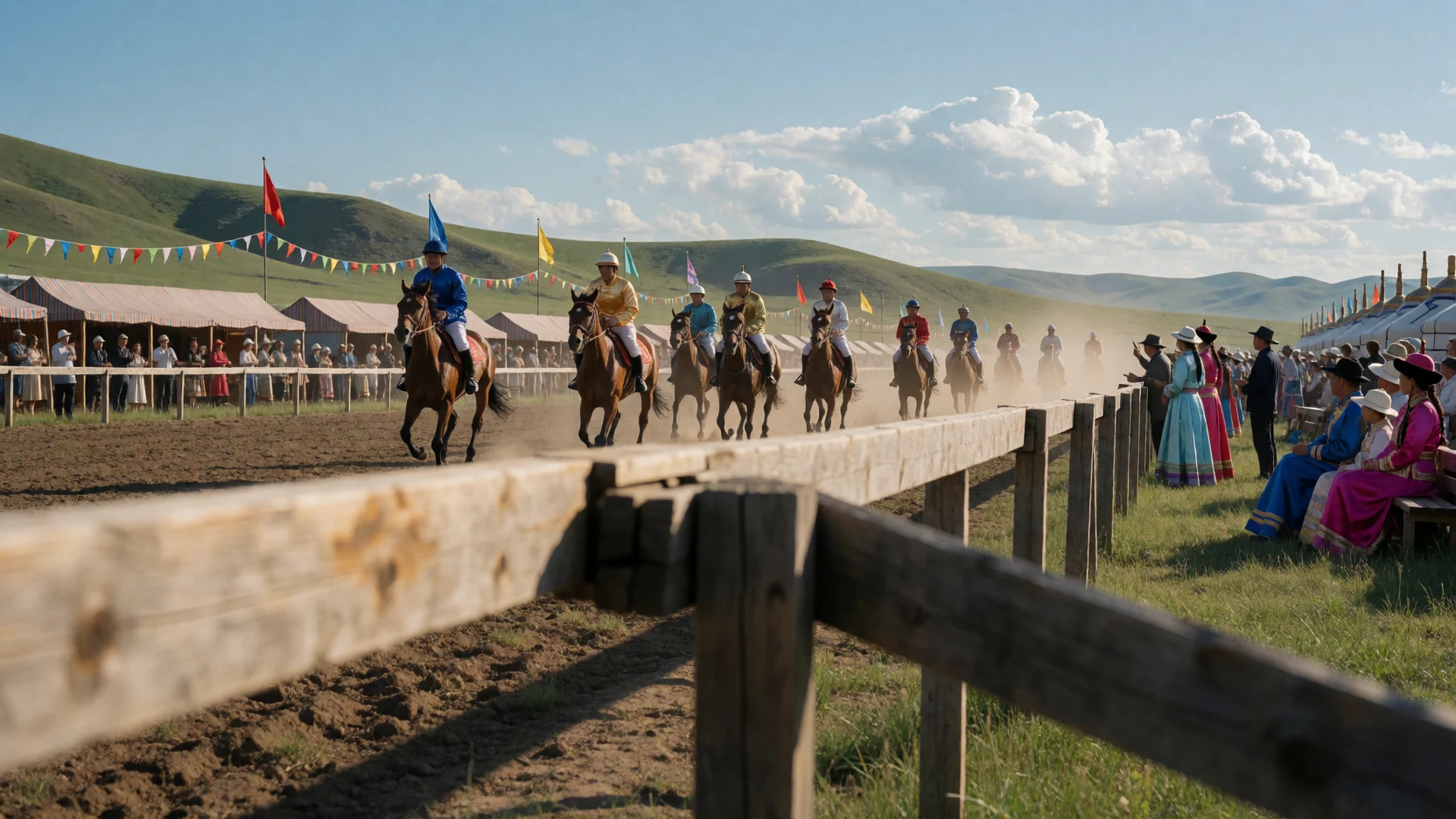
Culture
Tsetserleg sits where Mongolian herding life and Tibetan-influenced Buddhism meet, and both are visible within a few minutes' walk. The monastery hill, the museum in the old temple and the market show a culture that has had to rebuild itself after the religious suppression of the early Communist era. Today lamas again chant at the working monastery, and local families visit to light butter lamps, turn prayer wheels and make small offerings. Beyond the town, daily life still follows the herding year. Families move between seasonal pastures, live in felt-covered gers and measure wealth partly in livestock. Hospitality is central: a visitor who enters a ger will usually be offered salted milk tea and dairy snacks, and refusing outright can seem cold. Music, long songs and horse riding are woven into festivals, and the July ARA Festival gathers much of that in one place. Opera and theatre also have a following in the town, a legacy of the Soviet-era cultural network. Spoken Mongolian is the everyday language, and English is uncommon outside guesthouses, so a few polite phrases and a patient attitude go a long way. Russian is still understood by some older residents. Visitors should walk clockwise around temples and stupas, leave the threshold of a ger unstepped, and ask before photographing monks, worshippers or people in their homes.
What to wear
In Tsetserleg, the traditional garment is the deel, a long wrap-over robe fastened at the side and tied with a bright sash. Everyday versions are made of cotton or wool, while festival and ceremonial ones use silk or brocade in deep blues, reds and golds. Winter deels are lined or trimmed with sheepskin. The robe is paired with tall leather boots with turned-up toes, and men and women wear hats whose shape and decoration differ by occasion. Deels are most visible at festivals such as the July ARA Festival, at weddings and at monastery ceremonies, and older herders still wear them daily. In town, most people dress as they would in any small city: jeans, jackets, trainers, and fleeces or padded coats once the weather turns. Visitors should plan for variable mountain weather even in summer. Bring layers, a warm fleece, a waterproof shell and a sun hat, as mornings and evenings are cool and midday can be strong. Sturdy, broken-in boots are best for hill tracks and wet grassland, and warm hats and gloves are needed outside high summer. At the monastery, cover shoulders and knees, remove hats inside and avoid tight or revealing clothes. Visitors staying in a ger will be glad of thick socks and an extra layer for the night.
What to eat
- Buuz — Small local eateries near the market
Steamed dumplings filled with minced mutton or beef, seasoned simply and eaten by hand. They are the standard festival and family food and are easy to find in the small local eateries around the market and main streets.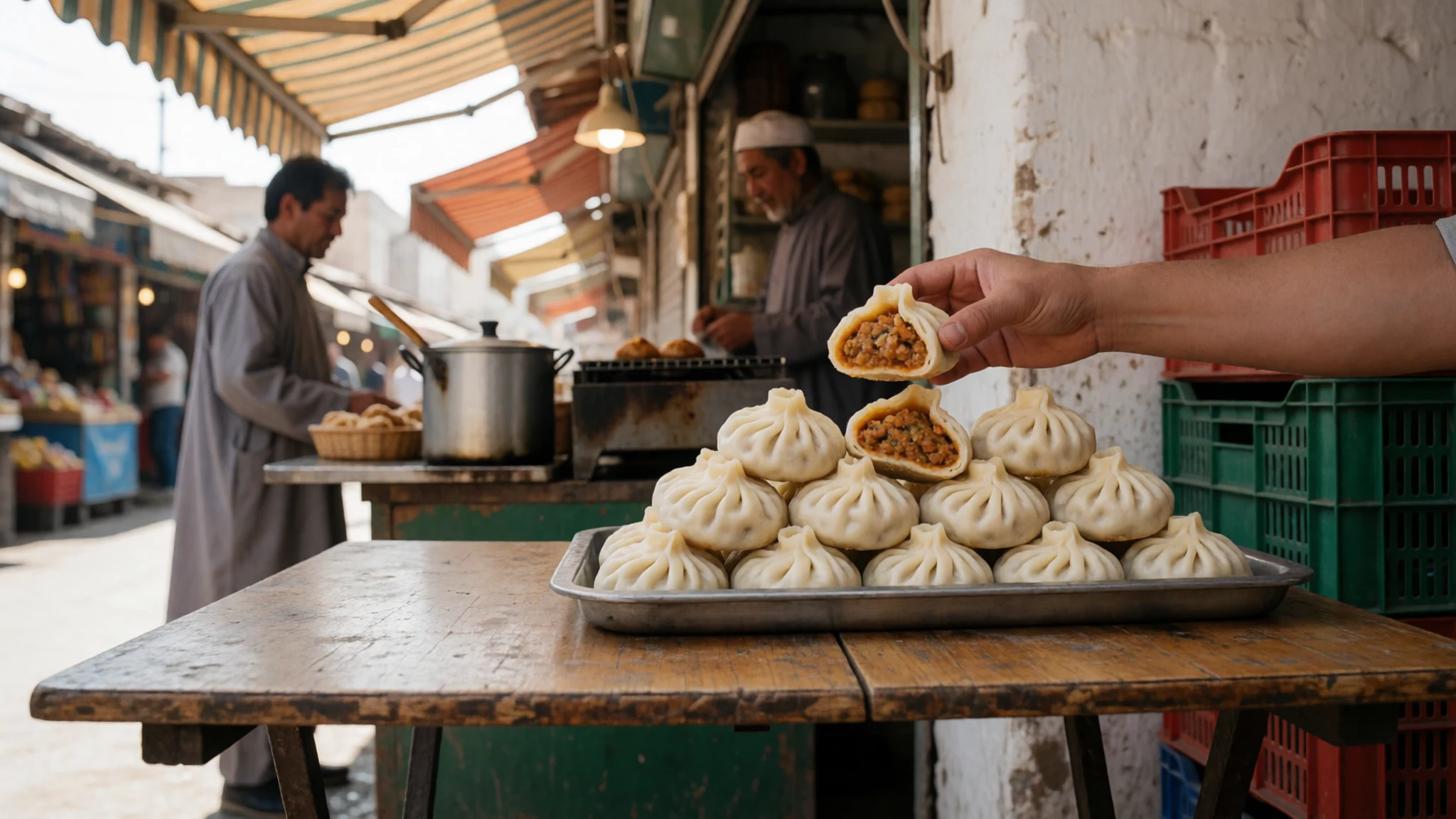
- Khuushuur — Market stalls and roadside canteens
Flat fried pastries filled with minced meat, crisp at the edges and juicy inside. They suit a quick lunch and are often sold hot at market stalls and simple canteens, especially during summer festival season.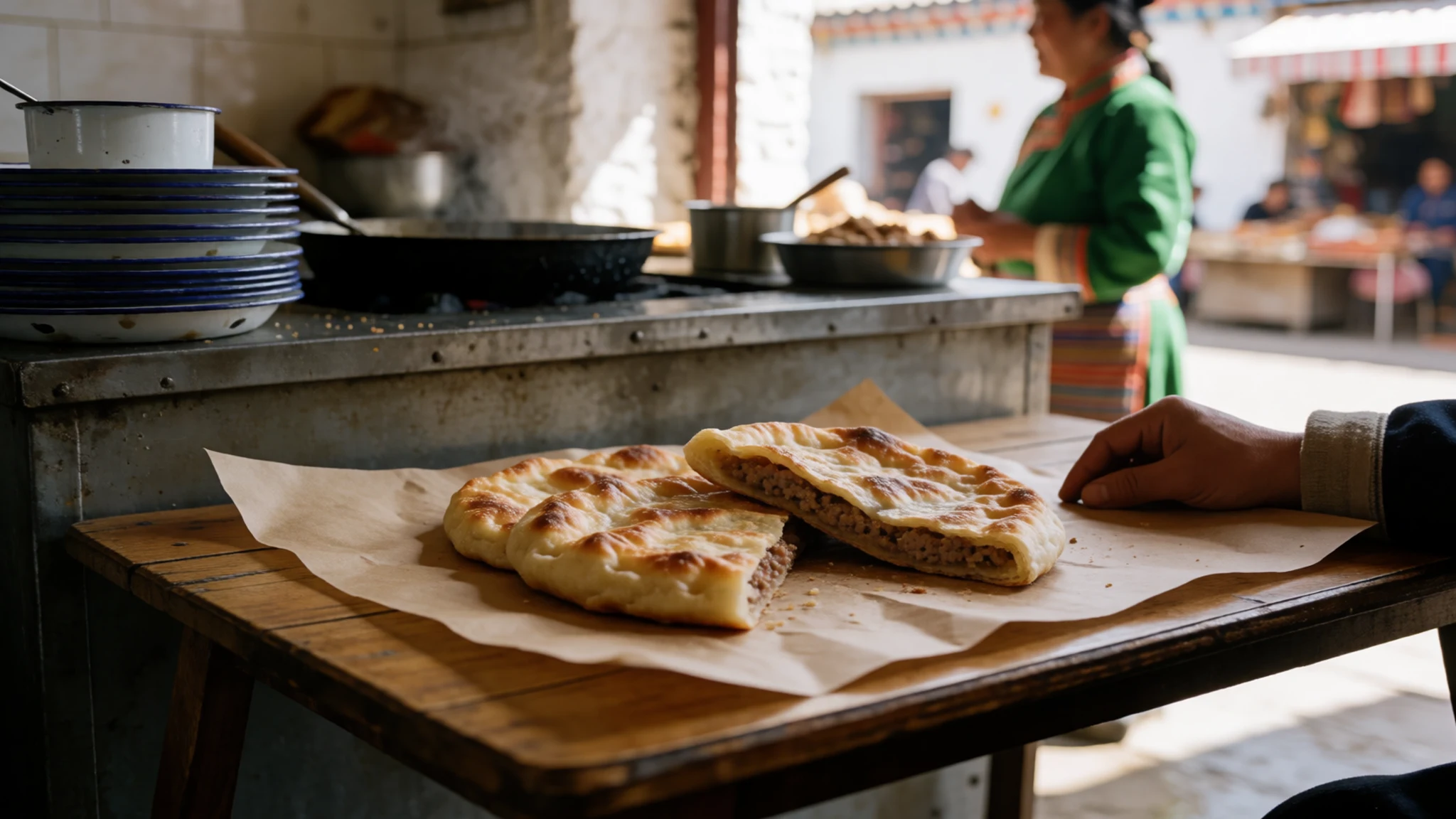
- Tsuivan — Everyday restaurants along the main streets
Hand-cut noodles stir-fried with meat and a few vegetables, a hearty, filling plate that suits the cold. Most small restaurants in town serve it, and portions are generous enough to share. - Suutei tsai — Any herder's ger, and most local eateries
Salted milk tea, the drink of every ger welcome. It tastes closer to a thin savoury broth than to Indian chai or British tea, so take a first sip slowly. It is served constantly with bread and dairy snacks. - Meat-and-potato soups — Small restaurants and guesthouse kitchens
Warming bowls of broth with mutton, potato and a little onion or carrot, typical of Mongolian home cooking. Fresh vegetables are scarce in this region, so the soups lean on meat and starch. A café-bakery in town offers a Western alternative.
Plan it
Best time. June to September, when the valley is green and summers are cooler than elsewhere in Mongolia; July brings the ARA Festival but also the most visitors. Winter is cold, though Tsetserleg is often among the milder places in the country, and nights stay well below freezing.
How long. 2–3
Getting there. There is no scheduled flight, so travel from Ulaanbaatar by road on a paved route. A daily coach leaves the Dragon bus station in the morning, and tickets should be bought the day before. Expect a full day on the road. Shared microbuses also run but can be cramped, so consider paying for an extra seat.
Budget. low
Tips
- Buy the coach ticket a day ahead, and check the departure time at the station.
- Carry cash, as small restaurants, market stalls and guesthouses may not take cards.
- Hire a car at the market for lakes and hot springs, and be ready to negotiate the price.
- Pack layers and a waterproof, as mountain weather changes quickly even in summer.
- Book a bed early if visiting in July for the festival, and check the official website erdenebulgan.ar.gov.mn for local information.
Etiquette
- Walk clockwise around monastery buildings and do not touch religious objects.
- Ask before photographing people, and always before entering a herder's ger.
- Accept tea and food offered in a ger with your right hand or both hands.
Nearby
Sources
- Wikidata Q529834 (CC0)
- Wikipedia: Tsetserleg (city) (CC BY-SA 4.0)
- Wikivoyage: Tsetserleg (CC BY-SA 4.0)
- Photo: Zayiin Gegeen Monastery, Tsetserleg (He-ba-mue) (CC BY-SA 2.5)
- Photo: Tserserleg, Arkhangai Province (Bernard Gagnon) (CC0 1.0)
- Photo: Tsetserleg Market (m.a.billings) (CC BY 3.0)
- Photo: Zayiin Gegeen Monastery (Bernard Gagnon) (CC0 1.0)
- Photo: Gate of Tsetserleg City (Jonashtand) (CC BY-SA 4.0)
- Photo: Views of Tsetserleg from car 01 (Jonashtand) (CC BY-SA 4.0)
- Photo: Views of Tsetserleg from car 02 (Jonashtand) (CC BY-SA 4.0)
- Photo: Views of Tsetserleg from car 03 (Jonashtand) (CC BY-SA 4.0)


