Tripoli
Tripoli, Lebanon
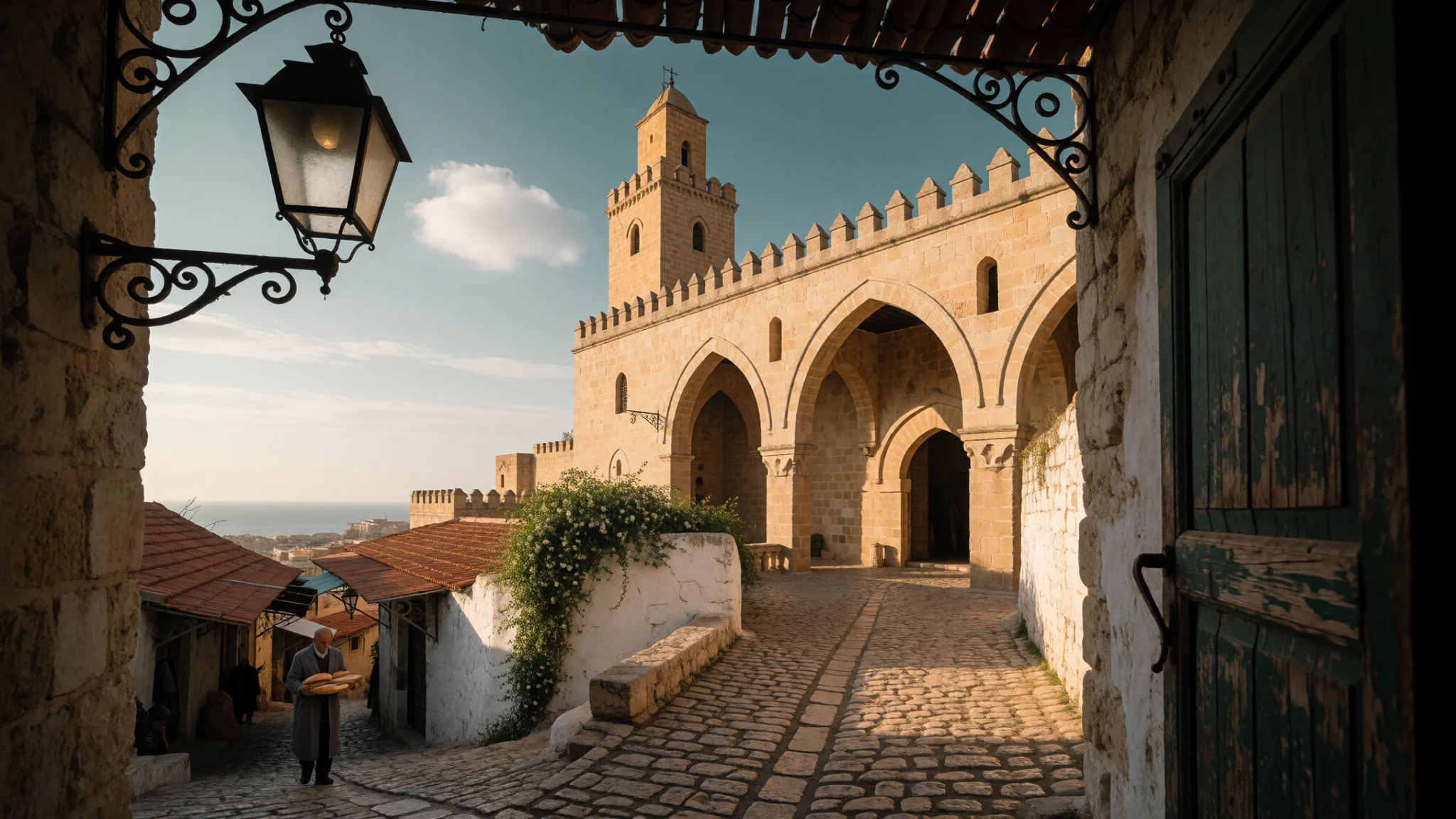
Tripoli offers a working Mamluk old city, a Crusader citadel and Lebanon's best sweets, all with far fewer visitors than Beirut.
The place
Tripoli is the main city of northern Lebanon, home to about 227,857 people and set on the eastern Mediterranean coast, north of Beirut. It is the capital of the North Governorate and the country's northernmost seaport. The old city sits at about 222 metres above sea level, climbing from the coast towards a castle on a rocky rise, while the harbour district of El Mina juts out into the sea.
What makes it distinctive is its Mamluk heritage. Mosques, schools, bathhouses and covered markets from that period fill the old quarters, and the city is often said to hold more Mamluk architecture than anywhere outside Cairo. Walking here means ducking through vaulted lanes, passing soap makers, goldsmiths and sweet shops, and glimpsing striped stonework above the shop signs.
The population is mostly Sunni Muslim, with smaller Alawite and Christian communities, including Maronites and Armenians. Tripoli is also one of Lebanon's poorer cities, and the gap between wealthy and struggling households is visible. That shapes the atmosphere: busy, unpolished, hospitable and very local, rather than polished for tourists.
Offshore lie the Palm Islands, a small chain protected because loggerhead turtles, monk seals and migratory birds use them. The Arabic name is Ṭarābulus (طرابلس), from the Greek Tripolis; it was historically called Tripoli of the Levant to tell it apart from its Libyan namesake.
Its story
Tripoli's story starts early: settlement here goes back to around 1400 BC. Phoenicians later used it as a trading station, and under Persian rule it became the meeting point of a league of three Phoenician cities, Sidon, Tyre and Arados. Greek settlers gave it the name Tripolis, and Rome took control in about 64 BC. A great earthquake and tsunami in AD 551 wrecked the Byzantine city along with other coastal towns.
Arab armies arrived in 635. Under later Muslim rulers Tripoli grew into a shipbuilding and trading centre, and under the Fatimids it became a place of learning, famous for its library, the House of Knowledge (Dar al-'Ilm), holding thousands of volumes. The Crusaders besieged the city from the start of the twelfth century and entered in 1109, burning that library. Tripoli then became the capital of a Crusader county, with a castle above the town.
In 1289 the Mamluks captured the city and destroyed the old harbour quarter. Rather than rebuild it, they founded a new town inland beside the castle, and that is the old city visitors walk through today. Ottoman rule followed from 1516 and lasted until the First World War's end, during which Tripoli kept its commercial importance. The twentieth century brought the French Mandate and then an independent Lebanon, and the city's old stones remain the main record of that long layering.
What to see
- Citadel of Raymond de Saint-Gilles — Above the old city
The hilltop fortress began as a modest camp used by Crusaders besieging the city, and grew into a large castle later reworked by Mamluk and Ottoman rulers. Its walls and passages give wide views over the old city and the sea. Visit in the morning, wear sturdy shoes, and expect uneven stone underfoot.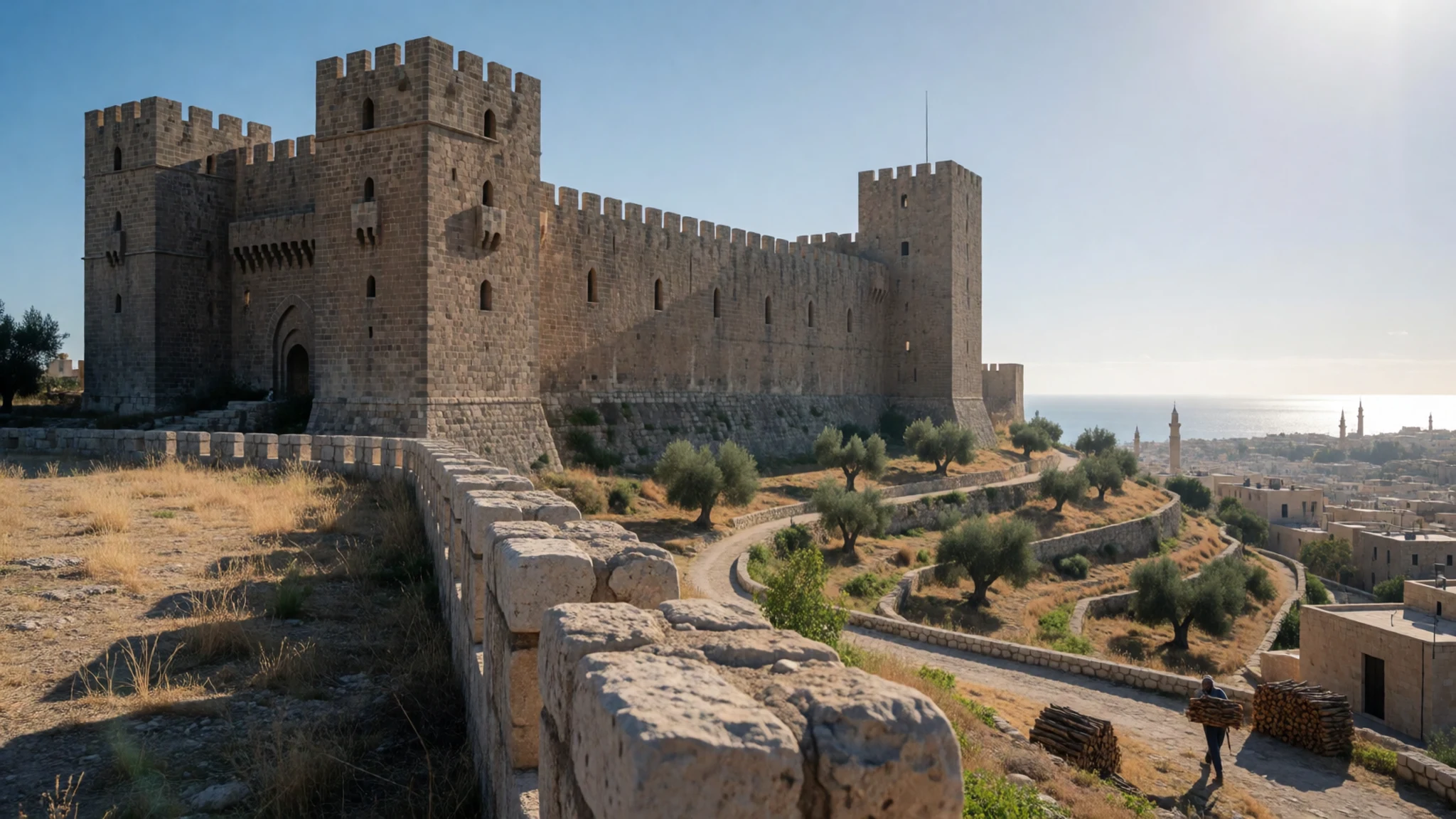
- Mansouri Great Mosque — Old city centre
The city's main mosque was built in the decades around 1300, soon after the Mamluks took Tripoli, and was the first major monument of the new town. Its courtyard is calm and its minaret is square-bodied, a reminder that it reuses earlier Crusader church stonework. Visit outside prayer times and dress modestly.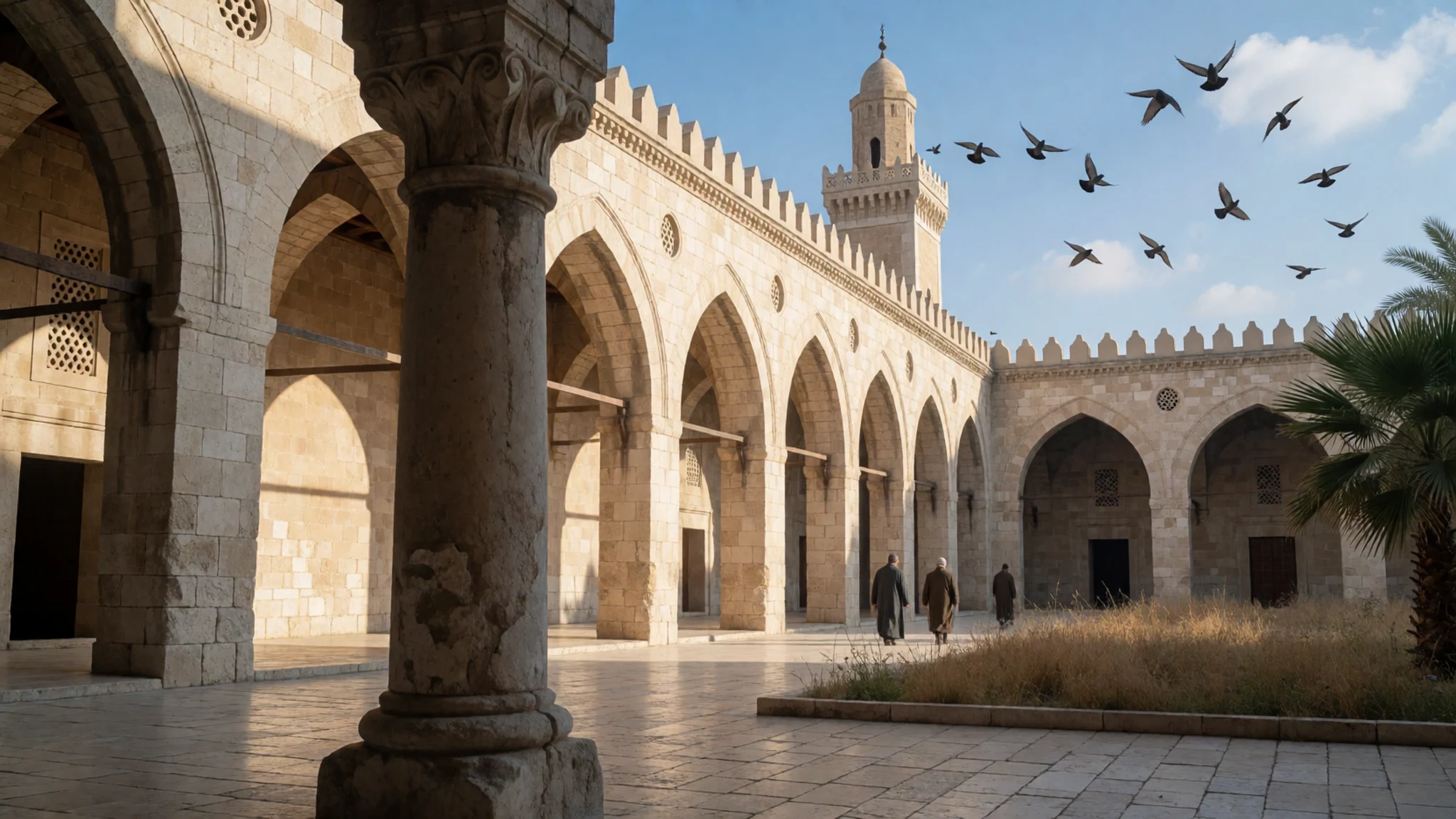
- Taynal Mosque — Old city
Built in 1336 under the Mamluk governor Taynal, this is the second most important mosque in the city after the Great Mosque. Its hall is built from an earlier church, and the elegant portal and domes are typical of Mamluk work. It is quieter than the main mosque and rewards a slow look.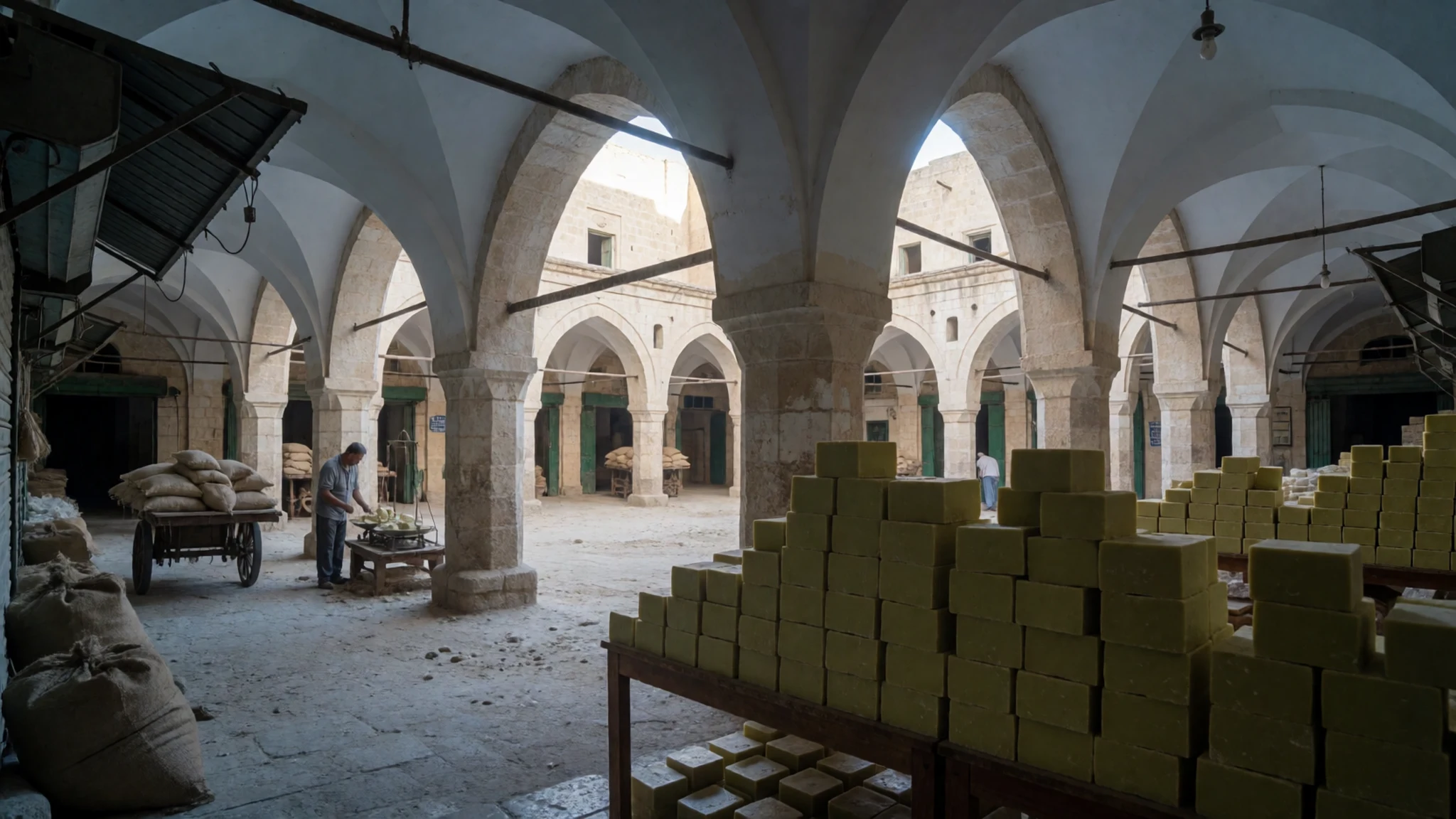
- Soap Khan — Old souks
A khan is a merchants' courtyard inn, and this one is still tied to Tripoli's old soap trade. Its arcaded yard and workshops show how traders once lived above their stock. Soaps made from olive oil are still sold nearby, making it a practical place to buy a small gift.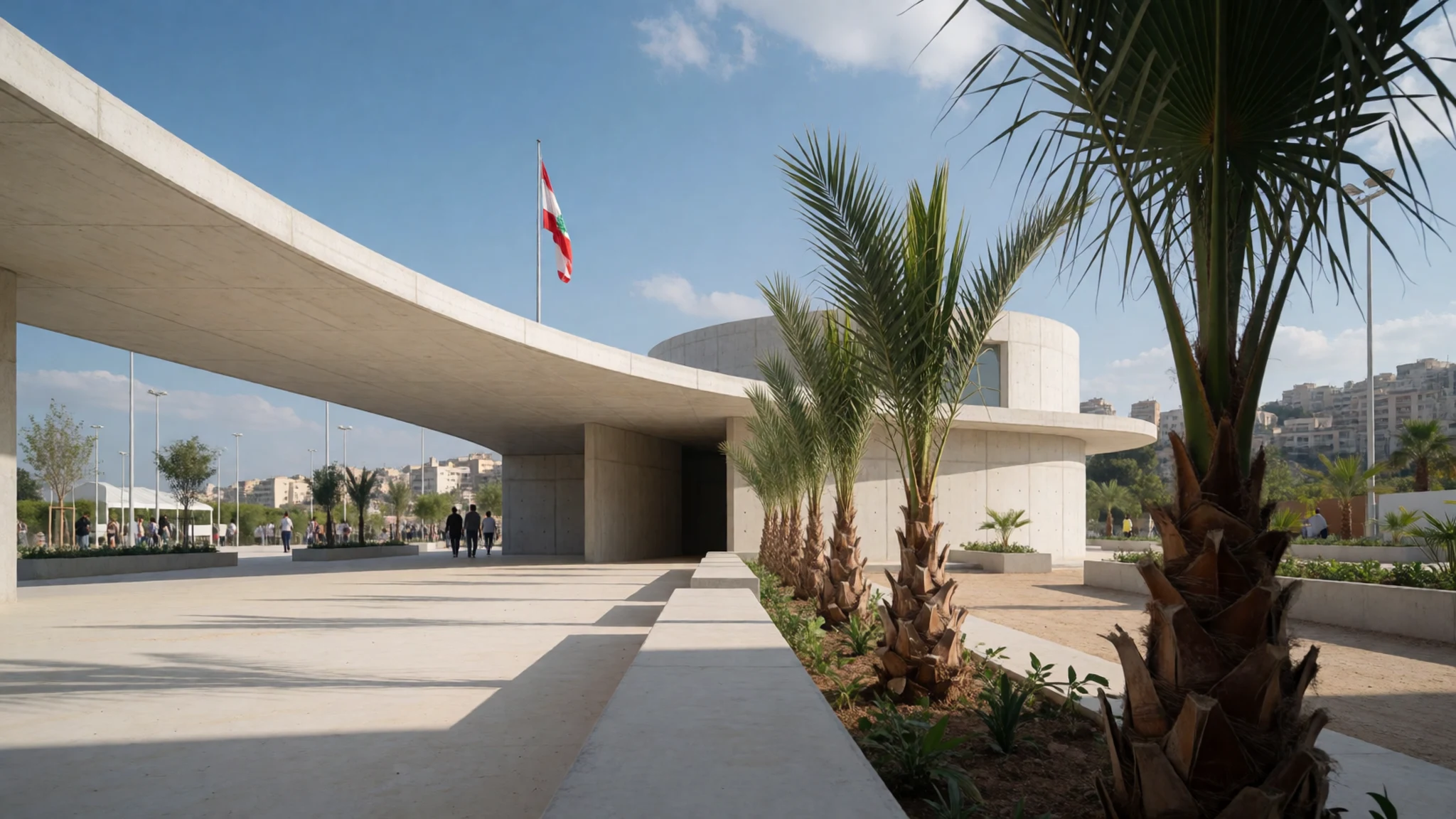
- Al-Attar Mosque — Old city lanes
This mid-fourteenth-century mosque is named after Badr al-Din ibn al-Attar, a wealthy perfume merchant who paid for its construction. It is smaller and more intimate than the great mosques, set among lanes where perfumers and spice sellers once traded. Look for the carved doorway and the patterned stone.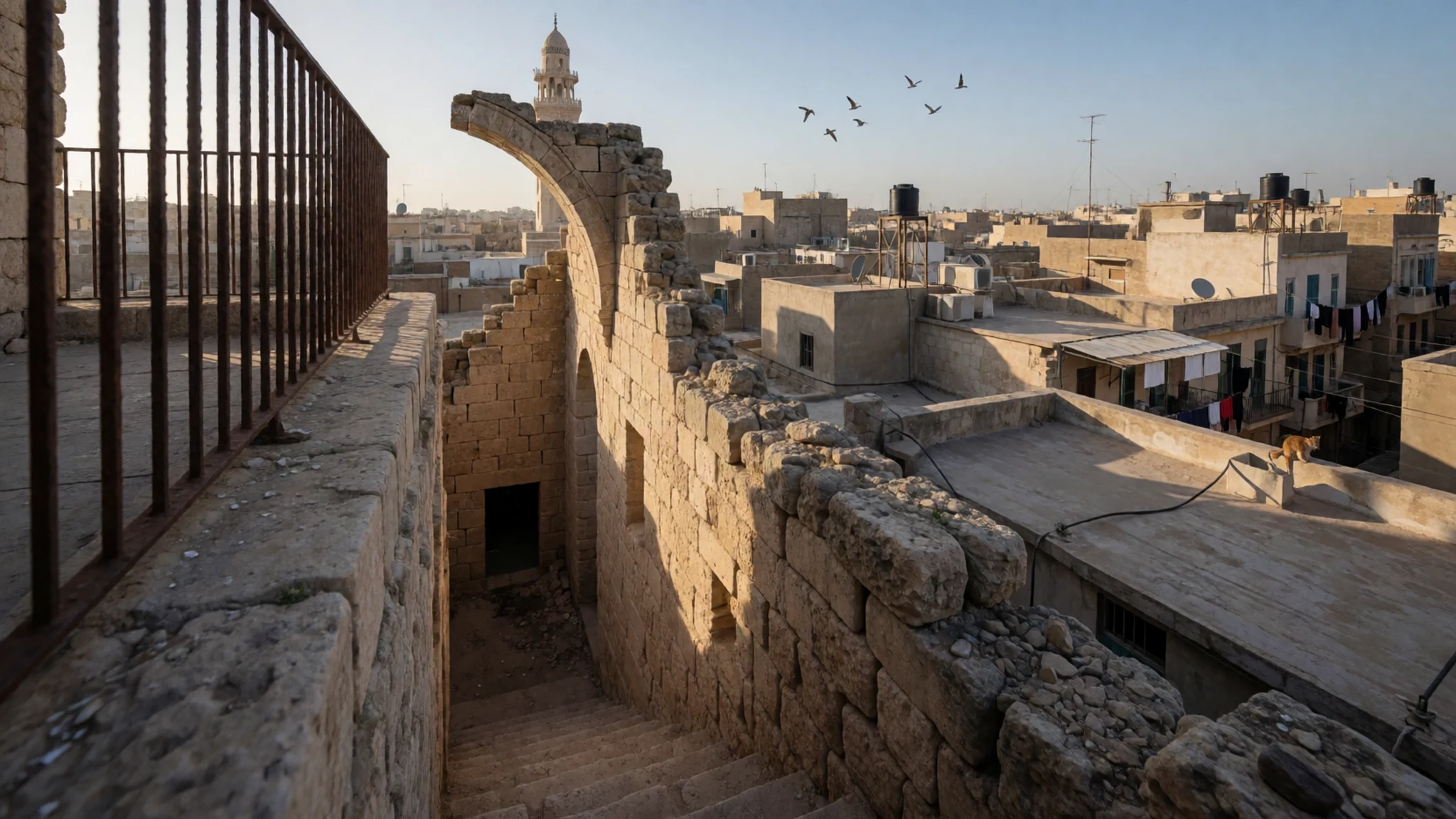
- Burtasiyat Madrassa-Mosque — Old city
This Mamluk-era school and mosque is considered among the finest Islamic schools in Tripoli. Its entrance has banded stonework and a carved portal, and the inner court is quiet. Students once studied law and religion here, so look for the small rooms around the courtyard that housed them.
Culture
Tripoli is a deeply traditional city, and religion shapes daily rhythm more than it does in coastal Beirut. The call to prayer sounds across the old quarters five times a day, shops pause around Friday midday prayers, and during Ramadan eating and drinking in public during daylight is discreet. The city has long called itself a city of knowledge and scholars, a reputation that goes back to its medieval libraries and religious schools, and the Mamluk madrasas still stand as proof.
Social life revolves around family, food and the sweet shops. Families gather on Sunday mornings for breakfast, and visitors from Beirut often make the trip just for that. Coffee houses in the old lanes are mostly male spaces, though foreign visitors of any gender are generally welcomed warmly and often invited to sit and talk.
The city has Sunni, Alawite and Christian communities, and a few neighbourhoods have a history of political tension. Local guides are worth having, partly for context and partly for advice on which areas to avoid. Hospitality is real, but so is sensitivity about politics and religion, so listen before offering opinions.
Before entering a working mosque, cover your shoulders and knees, remove your shoes at the door, and ask permission before photographing worshippers or anyone praying.
What to wear
Traditional dress in the Levant draws on long robes and head coverings. Older men may wear the long cotton or wool robe called a jalabiya, sometimes with a skullcap or a checked headscarf, while older women often wear long coats with a headscarf. Cotton, linen and wool are the usual materials, and heavier cloth appears in cooler months. Formal religious dress is worn for prayers and festivals.
On the street today, most people wear ordinary modern clothes: trousers and shirts for men, and long sleeves, long skirts or loose trousers for many women, with a headscarf common though not universal. Younger people dress fashionably, but Tripoli is more conservative than Beirut, and the mix reflects that. Smart casual is the norm for restaurants and offices.
Visitors should dress modestly. Pack loose, breathable cotton or linen with covered shoulders and knees, as summers are hot and humid and the old city is crowded. Women should carry a light scarf for entering mosques, and men should avoid shorts. Wear comfortable closed shoes or sturdy sandals with grip, since lanes and citadel steps are uneven and worn smooth. In winter bring a light waterproof jacket, because rain is common.
What to eat
- Hallab sweets — Sweet shops on the main streets of the old city and the newer town
Tripoli is known across Lebanon for its sweets: pastries filled with cream, nuts and cheese, soaked in syrup. Many shops use the Hallab name, some descended from the nineteenth-century sweet maker. Buy a boxed assortment to share, ideally on a Sunday morning when families visit.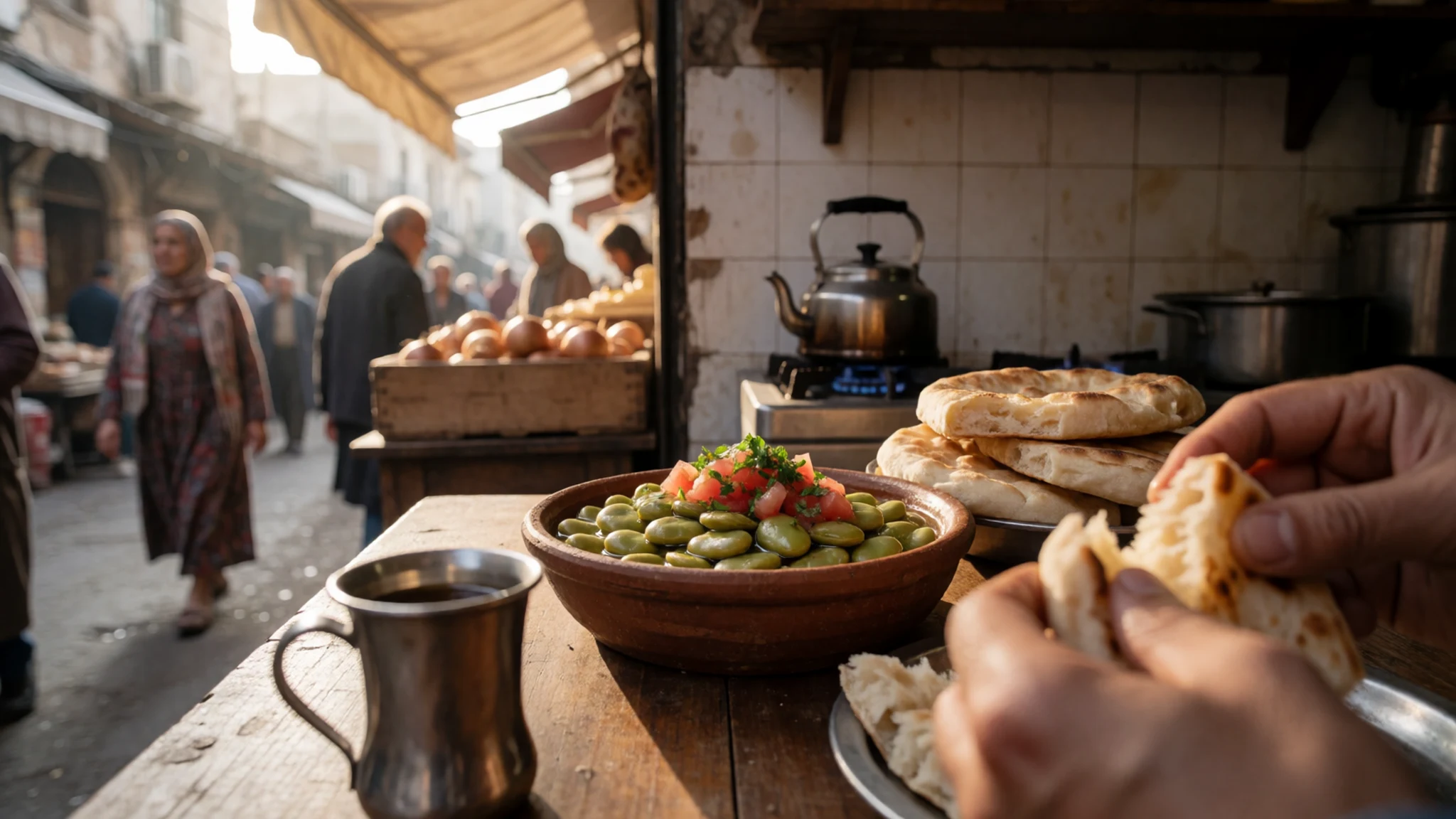
- Hummus and foul — Small breakfast eateries in the old lanes and on main streets
A classic breakfast of chickpea purée and slow-cooked fava beans, eaten with bread, olive oil, lemon and raw onion. Both are cheap, filling and eaten by locals before work. Order them together for the full effect.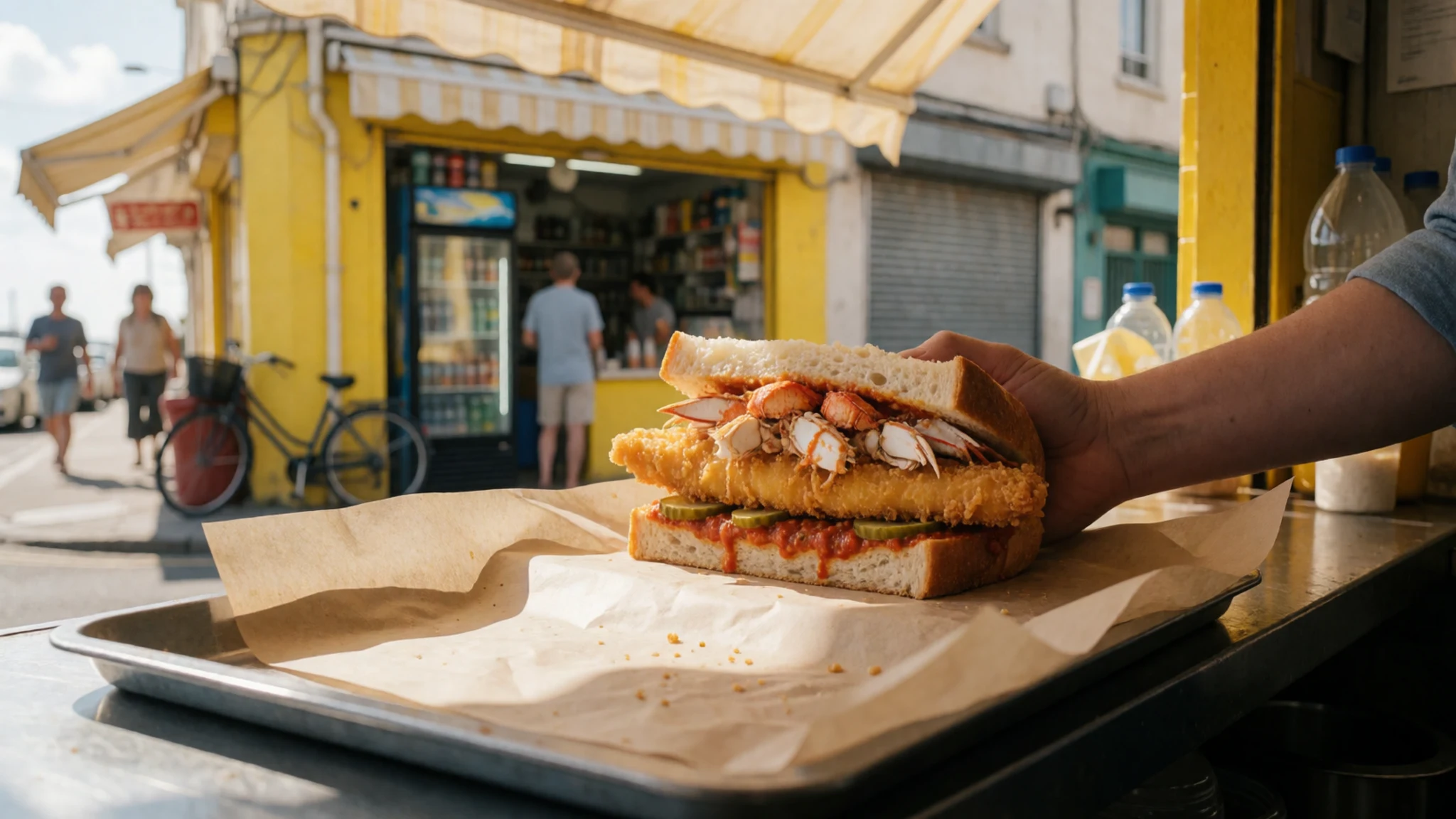
- Seafood sandwiches — Sandwich shops in El Mina, near the harbour
El Mina's harbour district is known for sandwiches filled with spicy fish, crab or crayfish, usually wrapped in soft bread with sauce. They are quick, messy and good value, and a nice excuse for a walk along the waterfront. - Man'oushe — Neighbourhood bakeries across the city
Flat bread baked with thyme and oil, or with cheese, folded and eaten warm. It is a classic Lebanese breakfast and snack, made fresh all day. Order one with tea, and eat it standing at the counter like locals do. - Kibbeh — Family-run restaurants and traditional eateries in the old city
Fried or baked parcels of crushed wheat and minced meat, often stuffed with spiced filling and nuts. They are served as part of a mezze spread with salads, dips and bread, and make a good light lunch.
Plan it
Best time. April–June and September–October, when the weather is warm but manageable. July and August are hot and humid on the coast, and winter brings rain and cooler temperatures.
How long. 1–2
Getting there. Fly into Beirut's international airport, then travel north by bus from Charles Helou station, by shared taxi, or by private taxi to Tripoli, about 81 km (50 mi) away. Minibuses also run from Cola and Daoura. Tripoli's port is mainly for freight, with one scheduled passenger ferry.
Budget. low
Tips
- Check current travel advice before going, as the situation can change and some neighbourhoods are unsafe
- Hire a local guide for the old city and avoid walking alone into unfamiliar districts
- Start early to see the citadel and souks before the heat and crowds
- Carry cash for small shops, sweet houses and taxis
- Tap water is not always reliable, so drink bottled water
- Check the official site, tripoli-lebanon.org, for current visitor information
Etiquette
- Cover shoulders and knees, and remove shoes before entering mosques
- Ask before photographing people, especially women and worshippers
- Avoid eating or drinking openly in daylight during Ramadan
Nearby
Sources
- Wikidata Q168954 (CC0)
- Wikipedia: Tripoli, Lebanon (rev 1384274709) (CC BY-SA 4.0)
- Wikivoyage: Tripoli (Lebanon) (rev 5420533) (CC BY-SA 4.0)
- Photo: The skyline of Tripoli, Lebanon — Vyacheslav Argenberg (CC BY 4.0)
- Photo: Mansouri Great Mosque in Tripoli — Rabih omeiri (CC BY-SA 4.0)
- Photo: The Soap Khan of Tripoli Lebanon — Clemens Schmillen (CC BY-SA 4.0)
- Photo: Lebanese pavilion, Rashid Karami International Fair — RomanDeckert (CC BY-SA 4.0)
- Photo: Citadel of Raymond de Saint-Gilles — Amalmc (CC BY 3.0)
- Photo: Calligraphic representation of the Laqab of Tripoli — دانيالوه (CC BY-SA 4.0)
- Photo: General view of the eastern districts — Tadmouri (CC BY-SA 2.0)
- Photo: Ruins in Tripoli, Lebanon — FunkMonk (CC BY 3.0)


