Tyre
Tyre, Lebanon
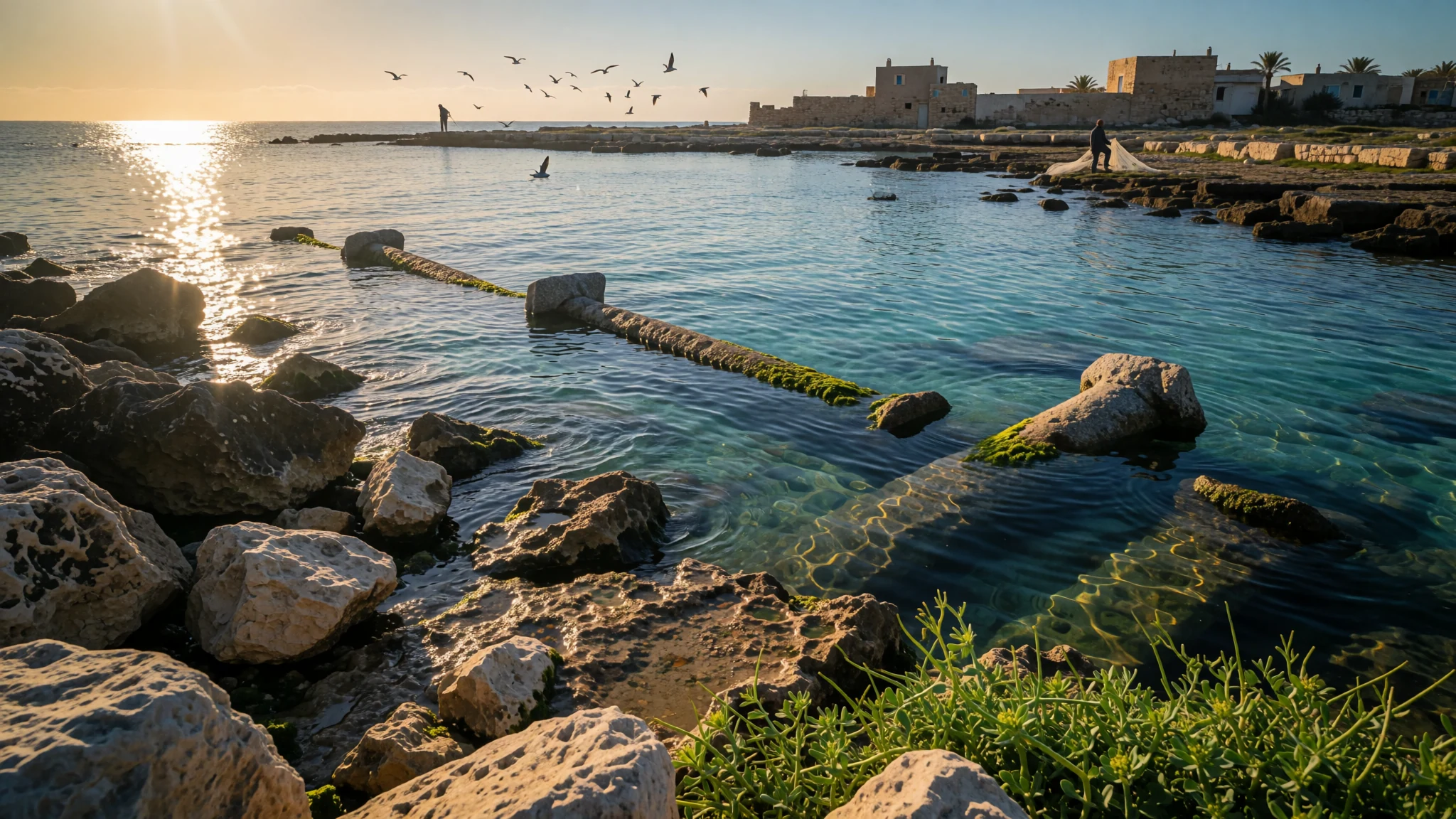
A layered Mediterranean port where Phoenician ruins sit beside fishing boats, cafés and a seafront that is easy to enjoy slowly.
The place
Tyre sits on a low peninsula on Lebanon's southern coast, barely 10 metres above the sea, and is home to about 160,000 people. It is the capital of the Tyre District within the South Governorate, so it works as a town first and a tourist stop second. Fishing boats and small workshops line the harbour, and the old quarter is a tangle of narrow streets, bakeries and cafés.
What draws people here is the ground beneath the modern city. Ruins are scattered across the peninsula and the mainland to the east: a large necropolis full of sarcophagi, a Roman road and aqueduct, and a hippodrome set among houses. Columns lie under the water of the southern harbour, and the clear sea makes them visible to snorkellers and divers. Most of the sites are open-air and walkable, so a gentle day of exploring suits almost everyone.
The context deserves honesty too. The city lies in a part of Lebanon that has seen conflict, and it hosts three of the Palestinian refugee camps in the country. It is worth reading about the recent history before going and checking current advice from home governments. Quieter than Beirut and less showy than Sidon, Tyre rewards people who slow down: the sea is close, the food is good and the pace is easy.
Its story
Tyre's story begins long before anything standing today. Tyre has been lived in since the Bronze Age. Between the ninth and sixth centuries BC it developed into one of the foremost Phoenician city-states. Its merchants founded colonies across the Mediterranean, Carthage and Leptis Magna among them, and the city's wealth came from a trade network that ran through its two harbours.
Those harbours are central to the story. The northern one faced Sidon, and nineteenth and twentieth century scholars called it the Sidonian Harbour. The southern one looked toward Egypt and became the Egyptian Harbour. Ancient writers name both, and their exact positions were argued over for generations. The Roman writer Justin wrote that the founders set out from Sidon. The Greek historian Herodotus, who visited in the fifth century BC, recorded that local priests dated the first walled settlement, on the mainland at the place now called Paleotyre or Old Tyre, to around 2750 BC. The legends are just as vivid: Europa, Cadmus, Phoenix and Dido, founder of Carthage, were all said to have been born here.
Power passed through many hands. Babylon took control in 572 BC, and Alexander the Great besieged and captured the coastal city in 332 BC. The massacre that followed was savage, and many survivors were sold into slavery. Later Hellenistic, Roman, Byzantine and medieval rulers left monumental remains, and in 1984 the archaeological site was inscribed on the UNESCO World Heritage List.
What to see
- Al-Bass necropolis — Al-Bass district
Al-Bass is a large archaeological zone with a big necropolis of well-preserved sarcophagi, an intact Roman road, an aqueduct and a monumental arch. Give it a morning. The ground is open and sun-exposed, so go early, and take time over the carved stone lids of the tombs, which tell more about the city's dead than any panel does.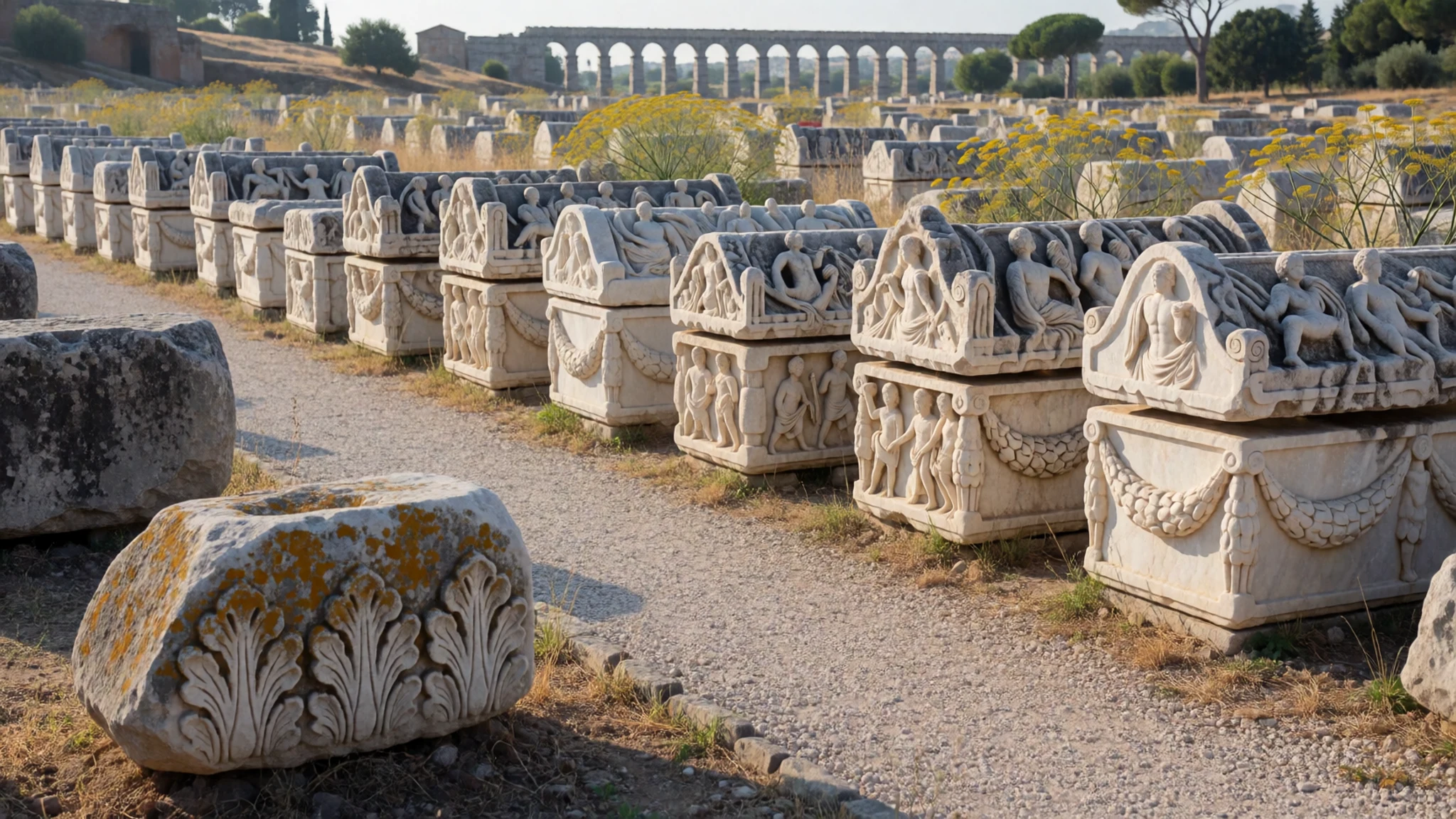
- Tyre Hippodrome — Residential area near the centre
The hippodrome is the site most visitors mention first. Wikivoyage describes it as the largest and best-preserved Roman hippodrome, a claim worth checking against archaeological literature. Picture chariots circling the long track while crowds filled the stands. There is little shade, so visit in the cooler hours and bring water.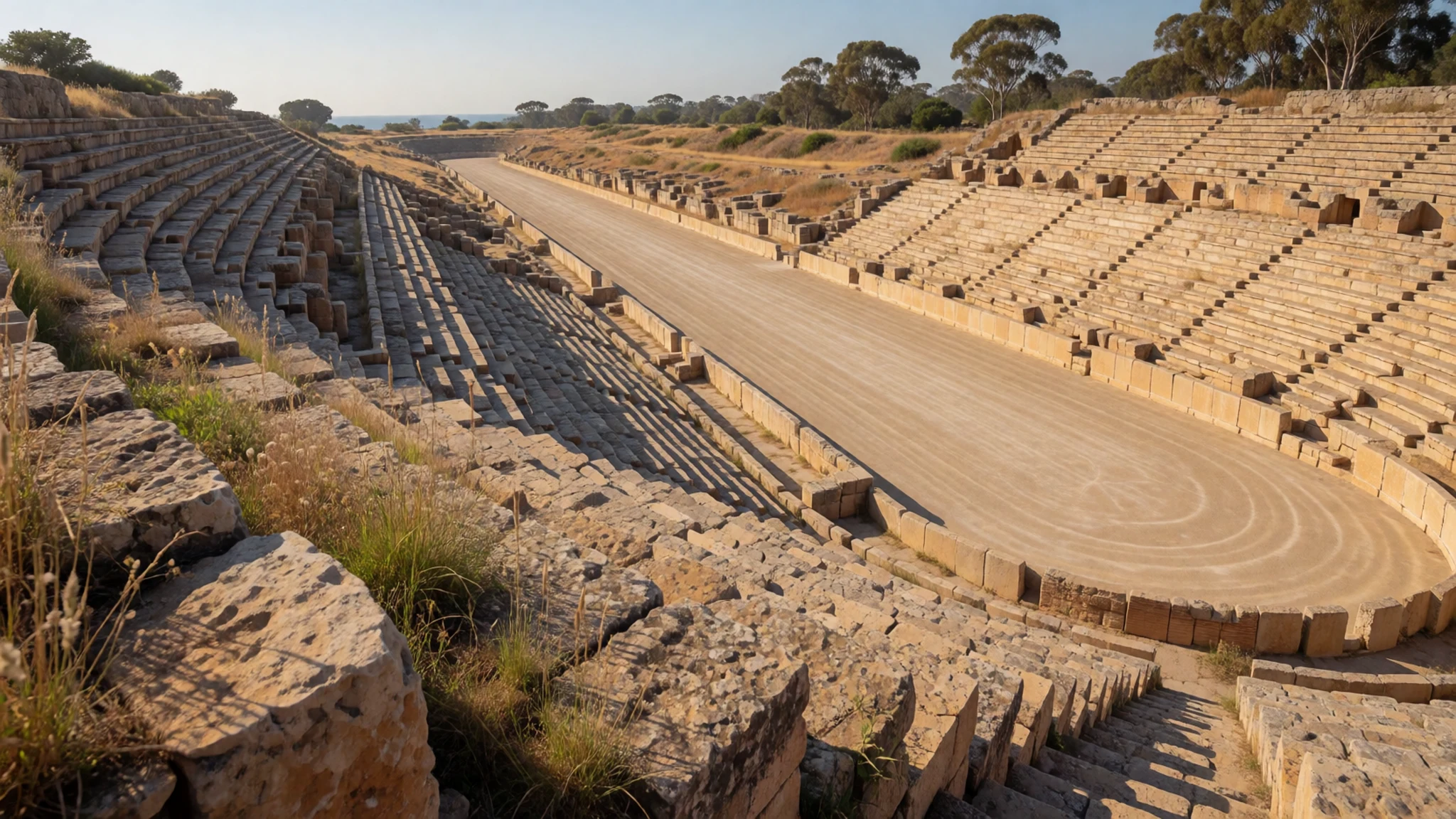
- Hot Spring Ruins — Christian district
Set in the Christian district, these Roman remains are fine examples of ancient building that came through recent bombing campaigns. They are less polished than the hippodrome, which gives them a sense of discovery. The site is easy to walk past, so ask locally for directions before setting out.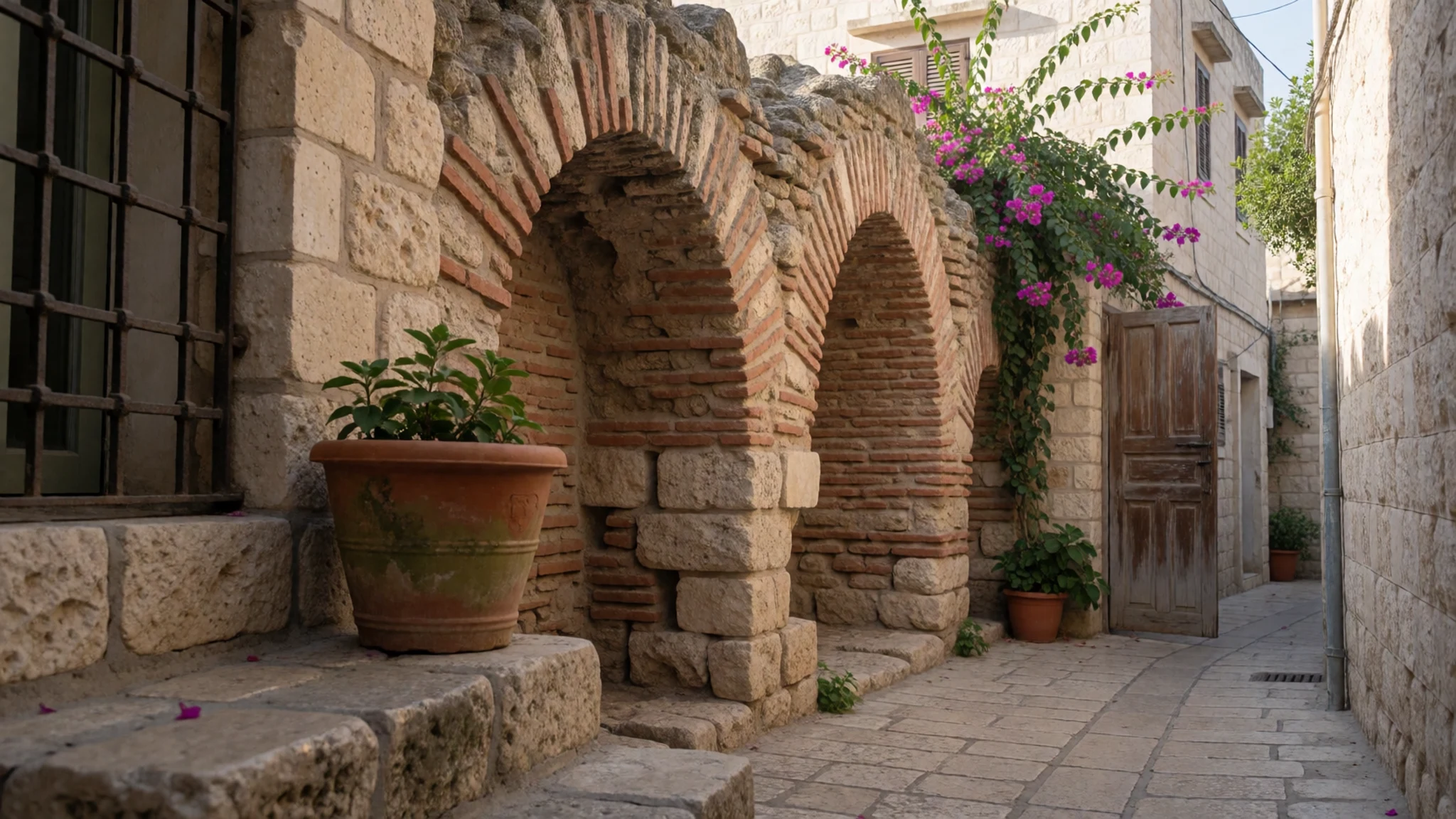
- Tyre lighthouse — North-western tip of the peninsula
The lighthouse stands at the north-western tip of the peninsula, a quiet spot that suits sunset well. Arrive an hour before dusk to find a place on the rocks, and bring something to sit on. Few visitors stay after the light fades, so the walk back is calm.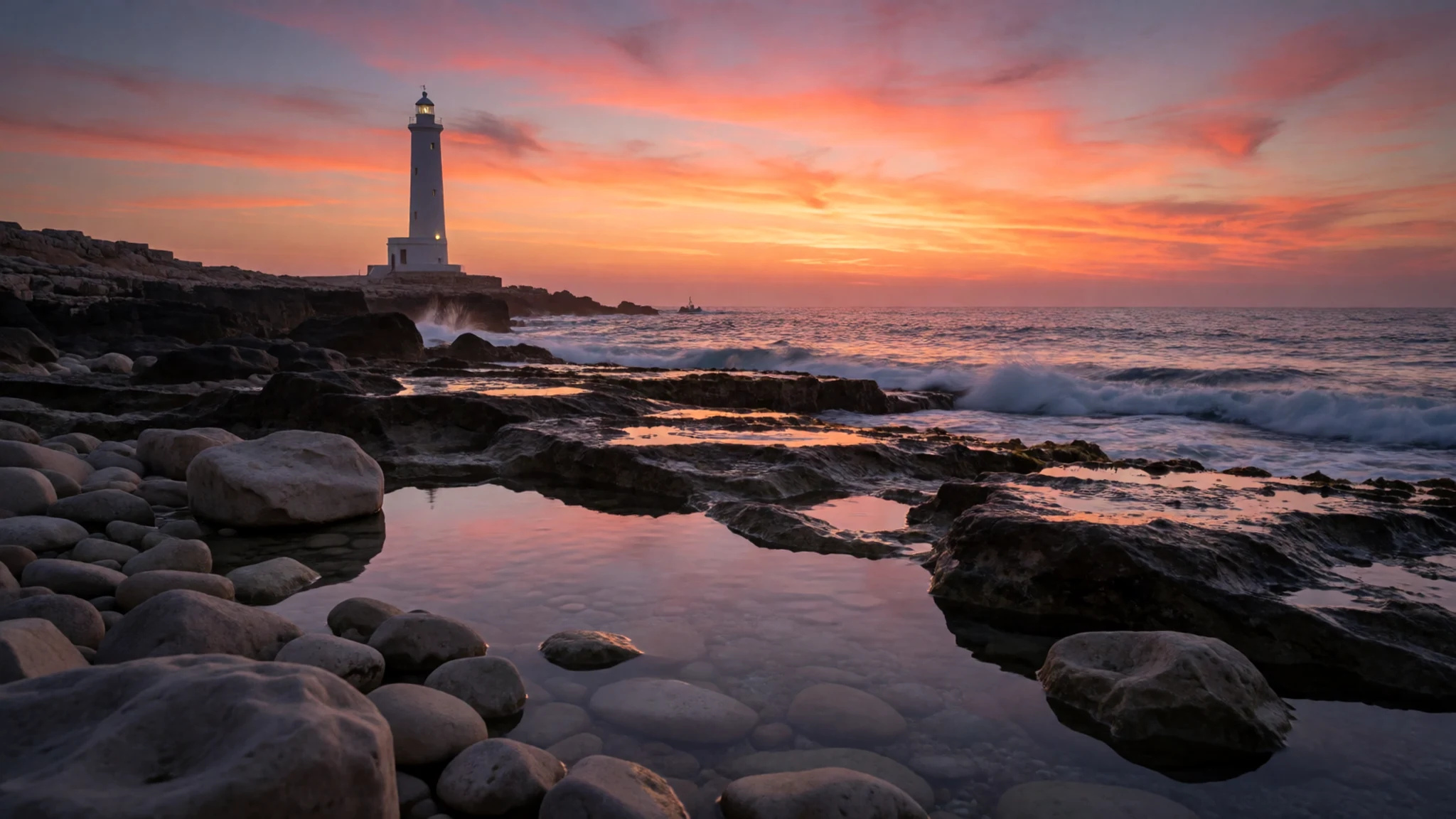
- Al Gamal — South-western tip of the peninsula
Al Gamal is a rocky beach at the south-western tip of the peninsula, where the ruins of an old Phoenician port can be made out among the stones. Simple huts built on the rocks serve food and drink, which makes it a lazy afternoon of swimming, grilled fish and changing light. Bring water shoes, because the rocks are sharp.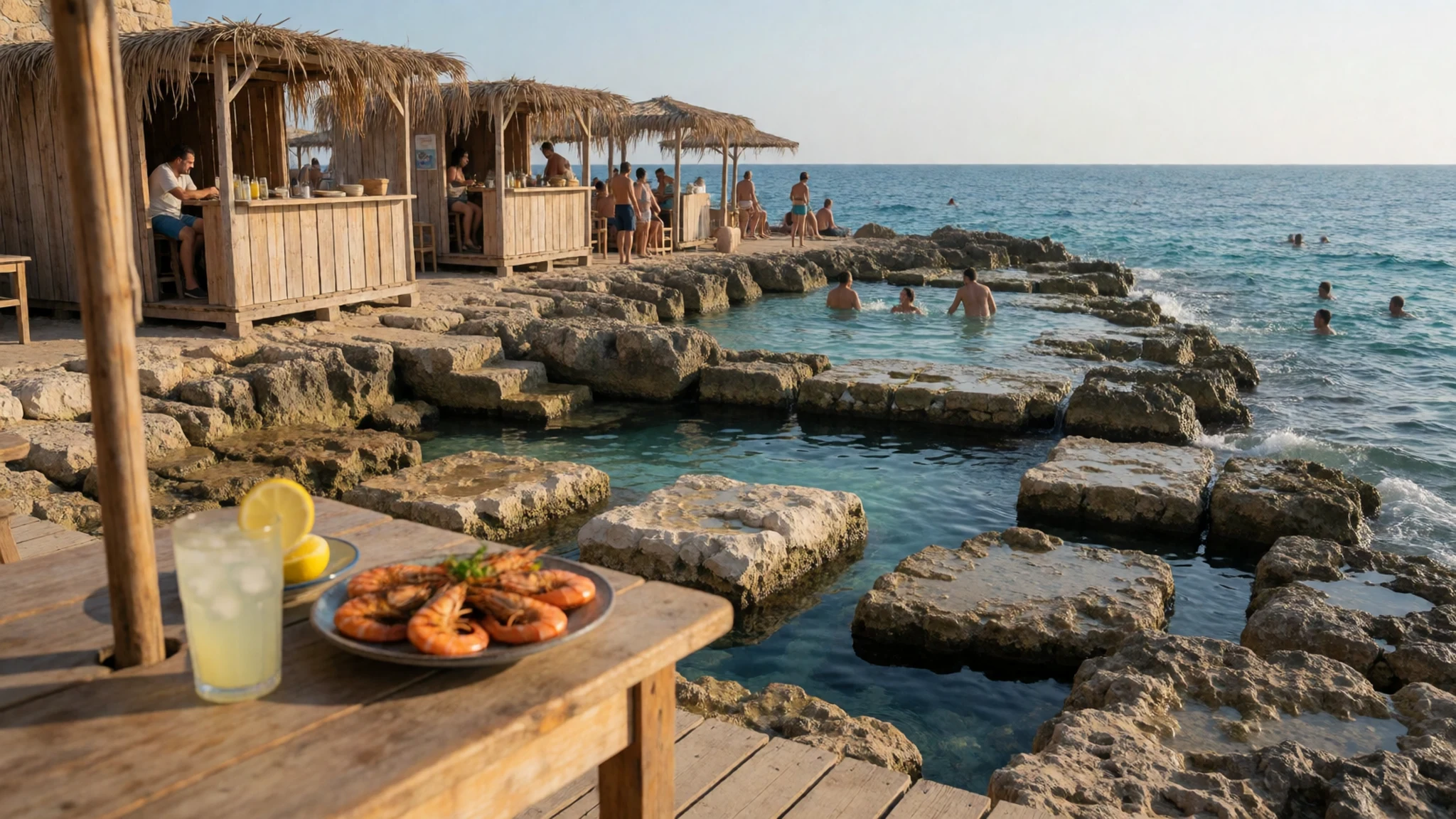
- Chamaa Castle — Mount Amel area, south of Tyre
Chamaa is one of five Crusader castles that make up the Mount Amel group, a fortified reminder of the medieval period. It makes a good half-day trip from the city rather than a stop on a walking tour. Check transport times with locals before going, as public links to the hills can be irregular.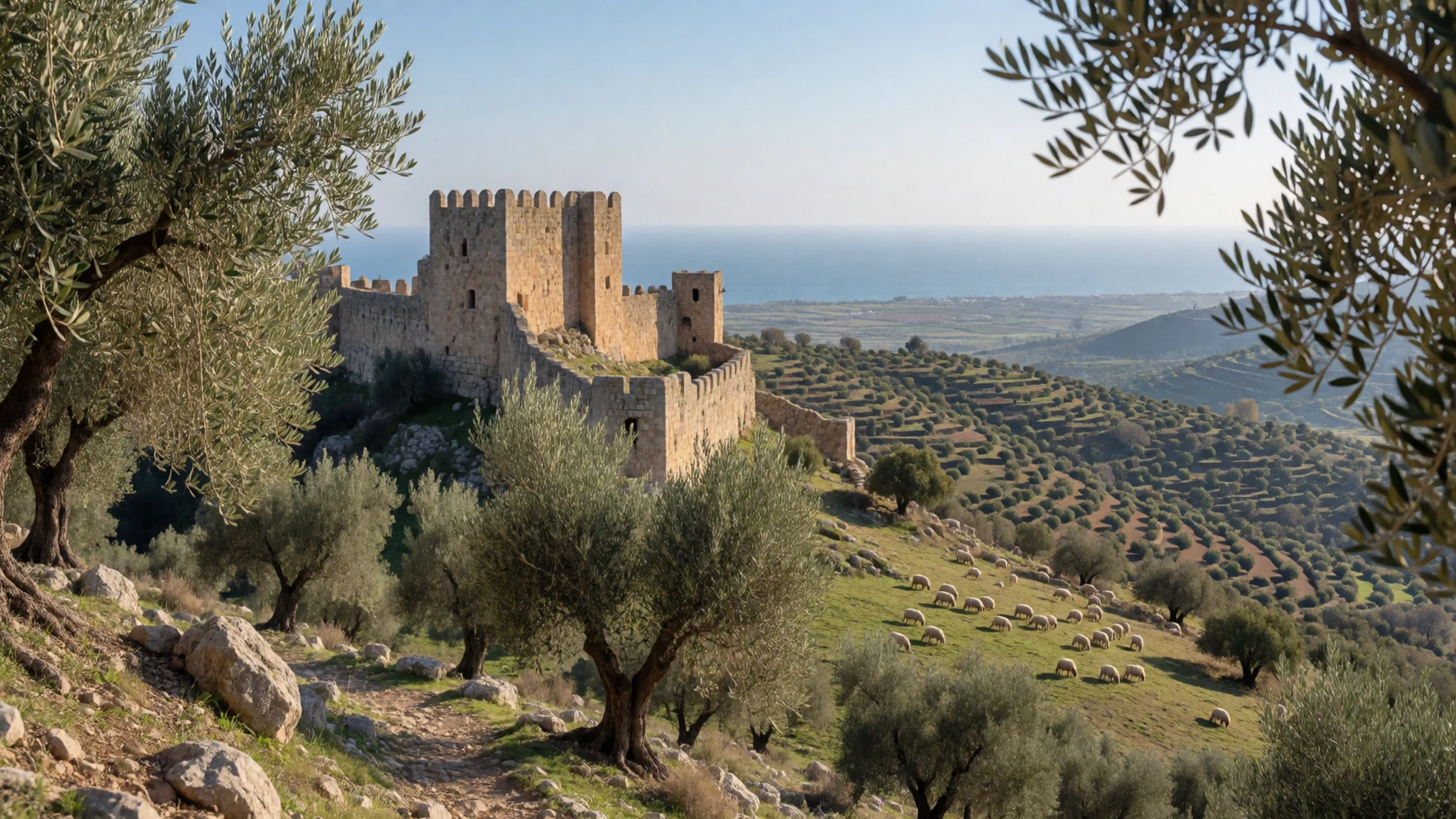
Culture
Tyre is a Lebanese city of mixed faiths and long memories. Its residents include Muslims and Christians, and the Christian district near the Hot Spring Ruins has its own churches and rhythms. Many families also live alongside the Palestinian refugee camps, whose communities have been part of the city for generations and whose daily lives are shaped by the camps' conditions.
Social life gathers in the evening. Families stroll the seafront once the heat eases, and cafés fill with men talking over coffee and cards. Religious sites are working places of prayer, so the mood inside is quiet and conversation should be low. Hospitality is strong, and a shopkeeper who asks where a visitor is from is usually curious rather than pushy.
Politics is a subject people raise often, and the best approach is to listen before sharing a view. Dress modestly when you enter churches, mosques or the older religious sites, and always ask before photographing anyone in the camps.
What to wear
Tyre's most famous link to cloth is ancient. The Phoenician cities were known for a purple dye made from sea snails, and Tyre is often named among the places where it was produced. The sources behind this reading do not describe later textiles in detail, so treat traditional dress as something to ask about locally rather than a fixed costume. Coastal Lebanese dress has long mixed everyday cotton and linen with more formal clothes for weddings and religious occasions.
Today, most people in Tyre dress much as they would in Beirut: jeans, loose shirts, sundresses and trainers in the streets, with smarter clothes for evening cafés and celebrations. Some women wear headscarves and some do not. Both are normal, and style varies widely between generations.
For a visit, pack light cotton or linen in pale colours, along with a hat and sunglasses, since the summer sun is strong for much of the year. Carry a light scarf or a long skirt for mosques, churches and the older quarter, where covered shoulders and knees are the easiest choice. Footwear matters more than fashion here. The ruins are uneven stone, the Al Gamal rocks are sharp and the beaches are pebbly, so bring walking shoes and water shoes.
What to eat
- Fatayer (fatayel) — Sandwich counters in the town centre
Small rolled sandwiches of the kind Wikivoyage calls fatayel, filled with spiced beef or sausage. They are cheap, quick and easy to eat while walking the old streets. Sandwich counters in the town centre are the usual place to find them, and they are a good first lunch.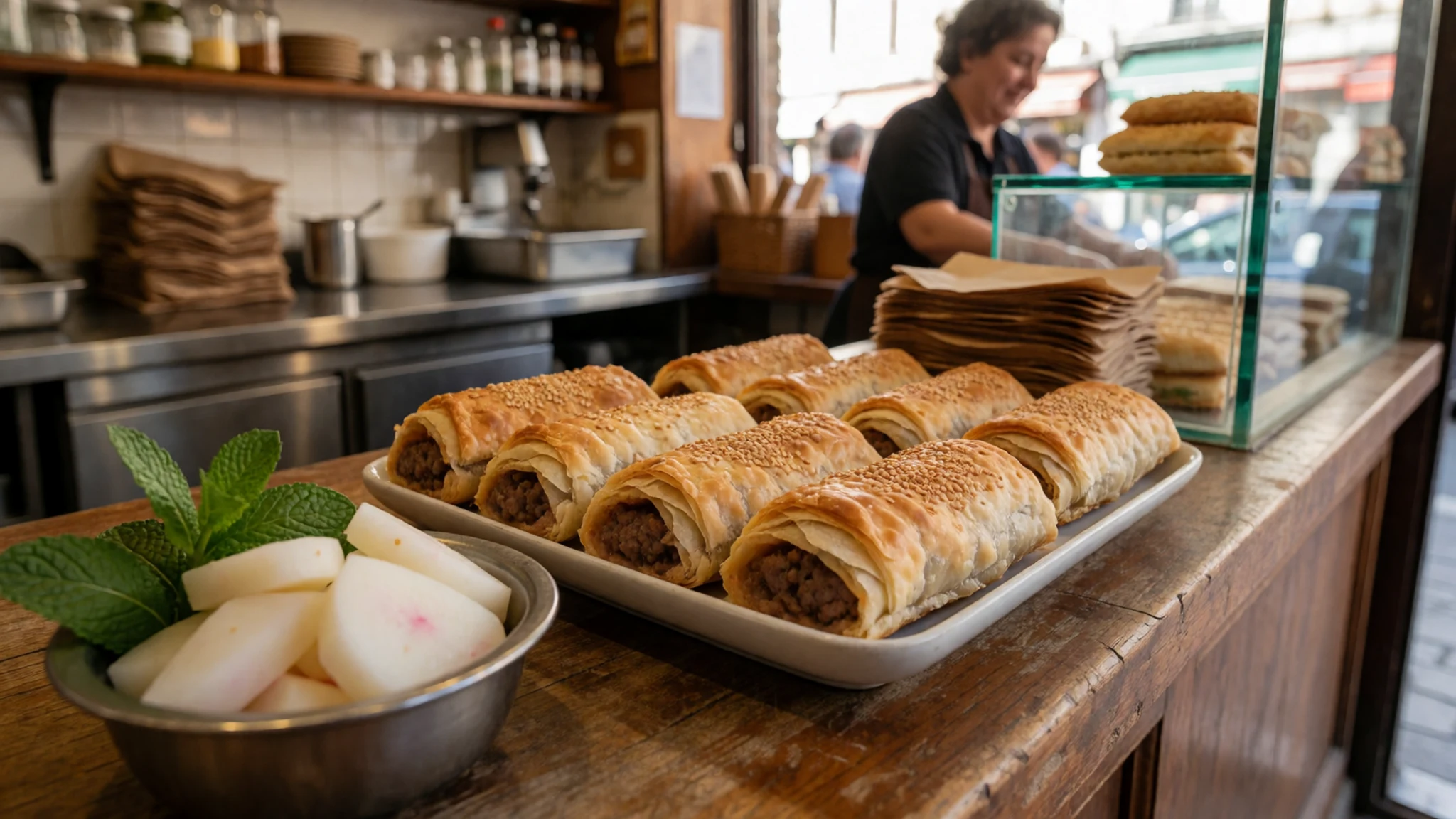
- Grilled fish and seafood — Harbour-side fish restaurants near the port
The catch from the port turns up grilled, fried or in simple seafood plates. Local listings praise the fish at several harbour-side restaurants, so the port area is the obvious place to start. Ask what came in that morning, and expect a relaxed pace with plenty of mezze to share.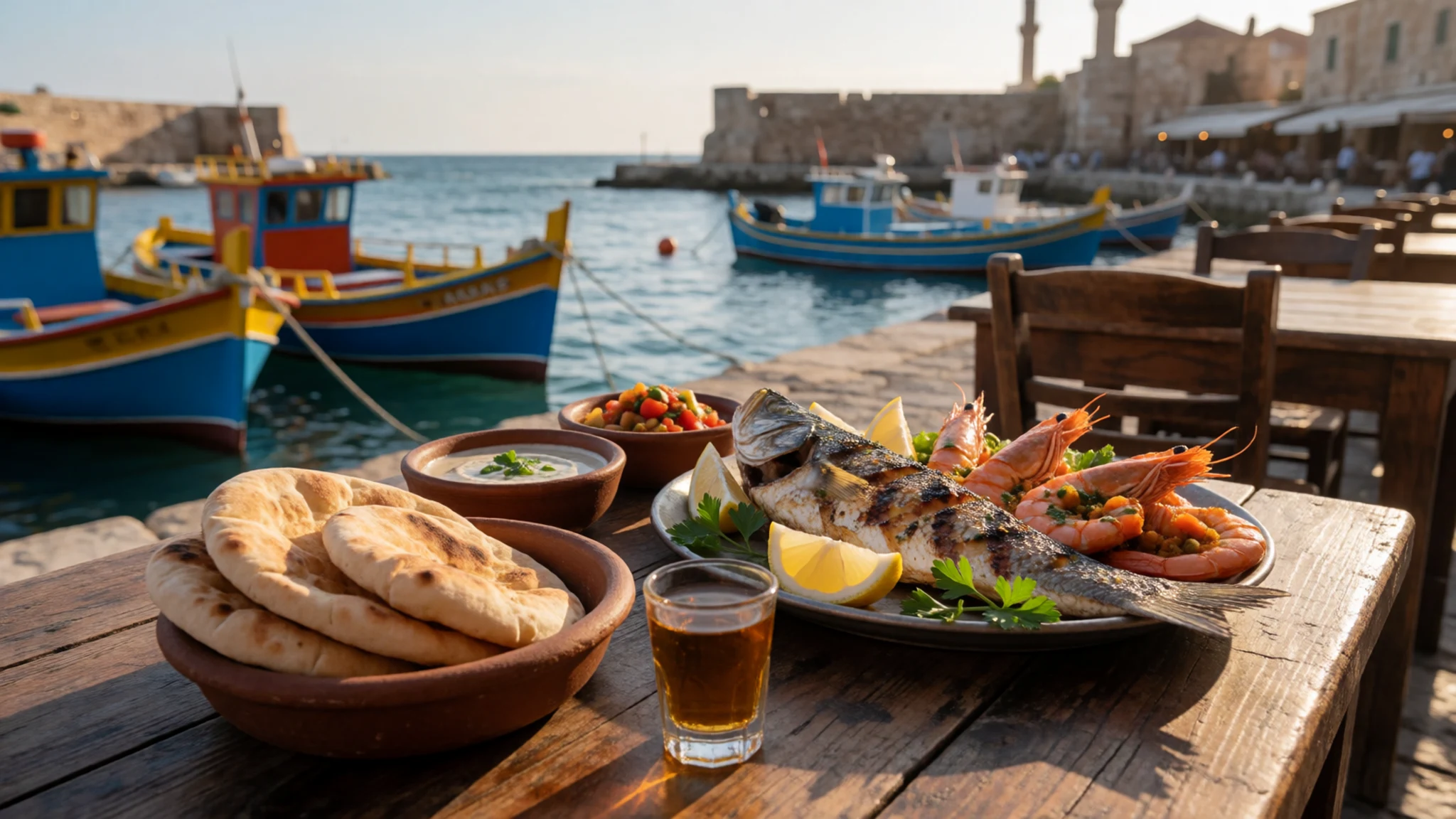
- Lebanese mezze — Seafront Lebanese restaurants
A spread of small dishes, often including hummus, tabbouleh, pickles and grilled meat, makes a full meal in itself. Many seafront restaurants serve mezze alongside Lebanese and international dishes, and a table of shared plates suits a long evening by the sea. - Beach hut food at Al Gamal — Huts on the rocks at Al Gamal
The huts on the rocks at Al Gamal serve simple food and drink to people who have come for the sun and the sea. Fish and light snacks are the sensible choices. Eat slowly, as the setting is part of the point, and take rubbish away with you. - Lebanese cakes and sweets — Cake shops and bakeries in the town centre
Tyre has a long-established cake shop known in the region for its Lebanese specialities, and many small bakeries sell pastries soaked in syrup and layered with nuts. Buy a box to take to the beach or a café. Pastries are best eaten the same day.
Plan it
Best time. April to May and October to November suit most visitors: the air is dry, the walking is comfortable and the sea is warm enough for swimming. June to September is hot and dry, with August the warmest month. Rain falls mostly from late autumn into spring, so winter visits are quieter but wetter.
How long. 2–3
Getting there. Beirut's airport is the usual gateway. From Beirut, take a private bus or minibus from Cola Junction to Tyre, a journey of about 2½ hours. Minibuses also run from Sidon's bus station and into the late evening.
Budget. low
Tips
- Start at Al-Bass and the hippodrome early, before the heat builds.
- Keep some cash for small eateries and minimarkets, and check whether cards are accepted before ordering.
- Ask the minibus driver about the last departure back to Beirut or Sidon before you set off.
- Plan Al Gamal and the lighthouse for late afternoon, and carry water and a hat.
- Check the municipality website at http://www.tyremunicipality.com/ and current travel advice before booking, especially for trips into the south or the camps.
Etiquette
- Cover shoulders and knees in churches, mosques and the older quarter.
- Ask before photographing residents, particularly in the refugee camps.
- Keep noise low at religious sites and during prayer times.
Nearby
Sources
- Wikidata Q82070 (CC0)
- Wikipedia: Tyre, Lebanon (rev 1380939832) (CC BY-SA 4.0)
- Wikivoyage: Tyre (rev 5387899) (CC BY-SA 4.0)
- Photo: Submerged Egyptian harbour, Tyre (RomanDeckert) (CC BY-SA 4.0)
- Photo: Tyre from the International Space Station (NASA) (Public domain)
- Photo: Rocky islands off Tyre (RomanDeckert) (CC BY-SA 4.0)
- Photo: Halo over Al Mina city site (RomanDeckert) (CC BY-SA 4.0)
- Photo: Album de voyage en Orient (Renan) (CC0 1.0)
- Photo: Sea turtle with Tyre skyline (RomanDeckert) (CC BY-SA 4.0)
- Photo: Green sea turtle, submerged harbour (RomanDeckert) (CC BY-SA 4.0)
- Photo: Palestine sunbird, Tyre (RomanDeckert) (CC BY-SA 4.0)


