Qadisha Valley
Qadisha Valley, Lebanon
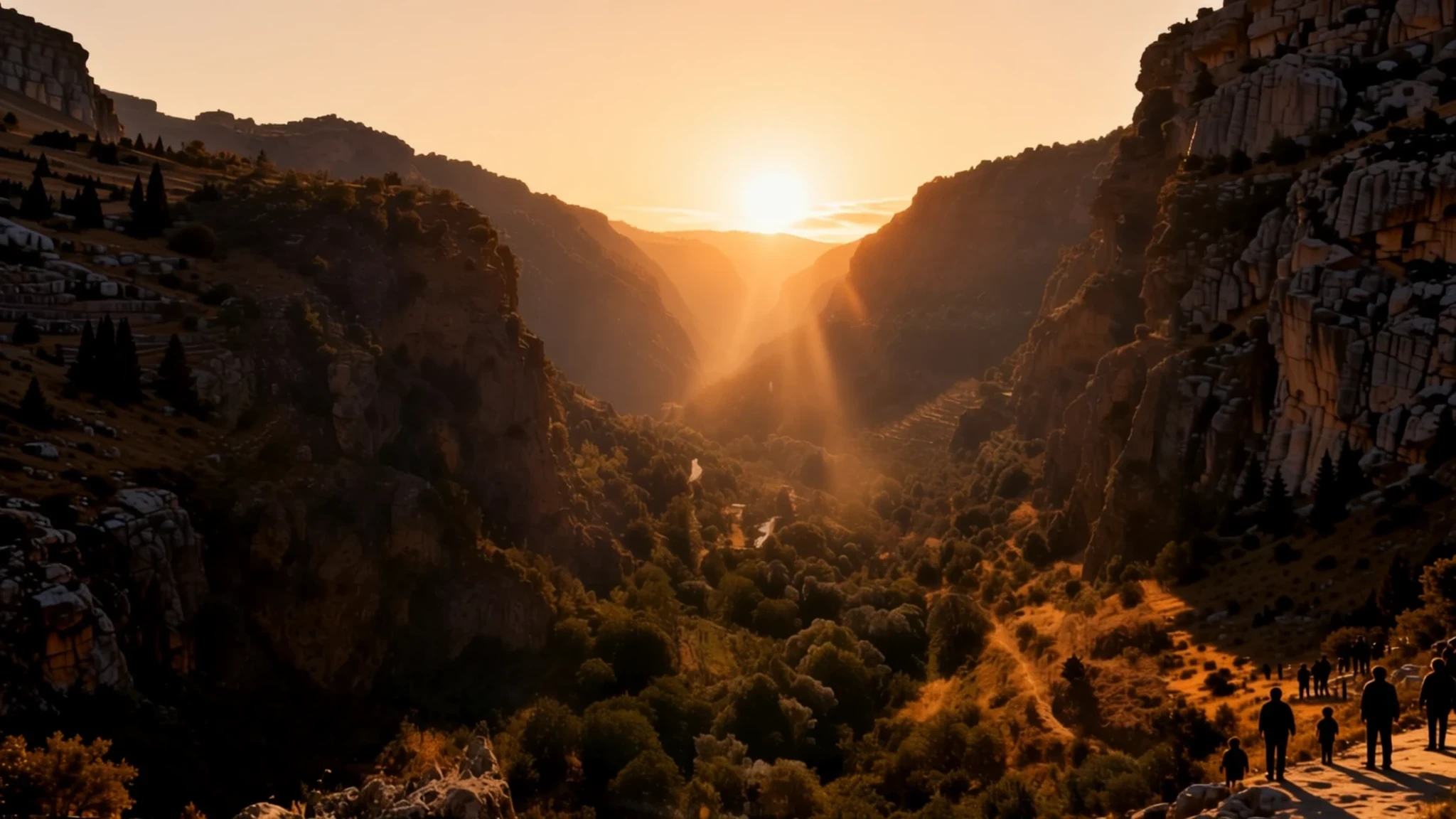
Qadisha Valley offers steep cliffs, cave-built monasteries and a gorge walk that rewards slow travel, and it is one of the most rewarding day trips in northern Lebanon.
The place
Qadisha Valley, also written Kadisha and known in Arabic as Wadi Qadisha, is a deep gorge in northern Lebanon, cut by the Kadisha River as it drops towards the coast. The name comes from the Aramaic word for holy, which is why many people call it the Holy Valley. The gorge runs through the Bsharri and Zgharta districts of the North Governorate, at the foot of Mount al-Makmal. The river rises in a cave a little below the Forest of the Cedars of God and flows for 35 km before it reaches Tripoli, where it takes the name Nahr Abu Ali.
The walls are steep limestone cliffs pocked with caves, many of them more than 1,000 m up and hard to reach on foot. Villages cling to the lower slopes, and terraces, orchards and small farms fill the gaps where the land flattens. The most rewarding stretch runs for about 20 km between Bsharri, the home town of the writer Kahlil Gibran, and Tourza. Bsharri is a practical base, with shops, places to eat and roads climbing into the hills.
Weekends and public holidays bring more Lebanese visitors, so arrive early if you want the monasteries to yourself. Development has crept onto the valley floor, and conservation has been uneven, which is why local groups press for careful building. Arabic and French are common, and English is spoken more in Bsharri's shopping area than in the villages, so a few words of Arabic will help.
Its story
The Qadisha Valley's caves were used for shelter and burial long before its monasteries existed. Archaeologists have found traces of use in the Palaeolithic, Roman and medieval periods in the Aassi Hauqqa cave near Hawqa. In the late twentieth century a team of cave researchers recovered eight naturally preserved mummies of villagers, dated to around the thirteenth century, together with a wealth of objects from the same cave.
From the early centuries of Christianity, people seeking solitude came to the valley. Maronite monks established a new centre at Qannubin, in the heart of the gorge, and monasteries spread across the hills around it. Early settlement combined shared community life with hermits living alone in the rock, and the two forms sat side by side for generations.
The valley was not spared conflict. Mameluk sultans Baibars and Qalaoun led campaigns against its fortress-caves, monasteries and villages in the thirteenth century. Even so, the monastery of Qannubin later became the seat of the Maronite Patriarch in the fifteenth century and remained so for about five hundred years. In the seventeenth century, the Maronite school founded in Rome in the sixteenth century spread the community's reputation for piety, and European poets, historians and clergy came to visit, some of them settling in the valley. In the seventeenth century a printing press at the Qozhaya monastery produced an early book in Syriac characters in 1610, and it went on to print in Arabic. The valley's wider recognition came in the late twentieth century, when UNESCO listed it as a World Heritage Site.
What to see
- The gorge, Bsharri to Tourza — Bsharri to Tourza, along the valley road
This is the valley at its most scenic: roughly 20 km of cliffs, terraces and villages above the river. Walk or drive slowly, stop at the viewpoints, and watch the light change on the limestone walls. Hire a driver if the road is unfamiliar, since passing places are few and the bends are sharp.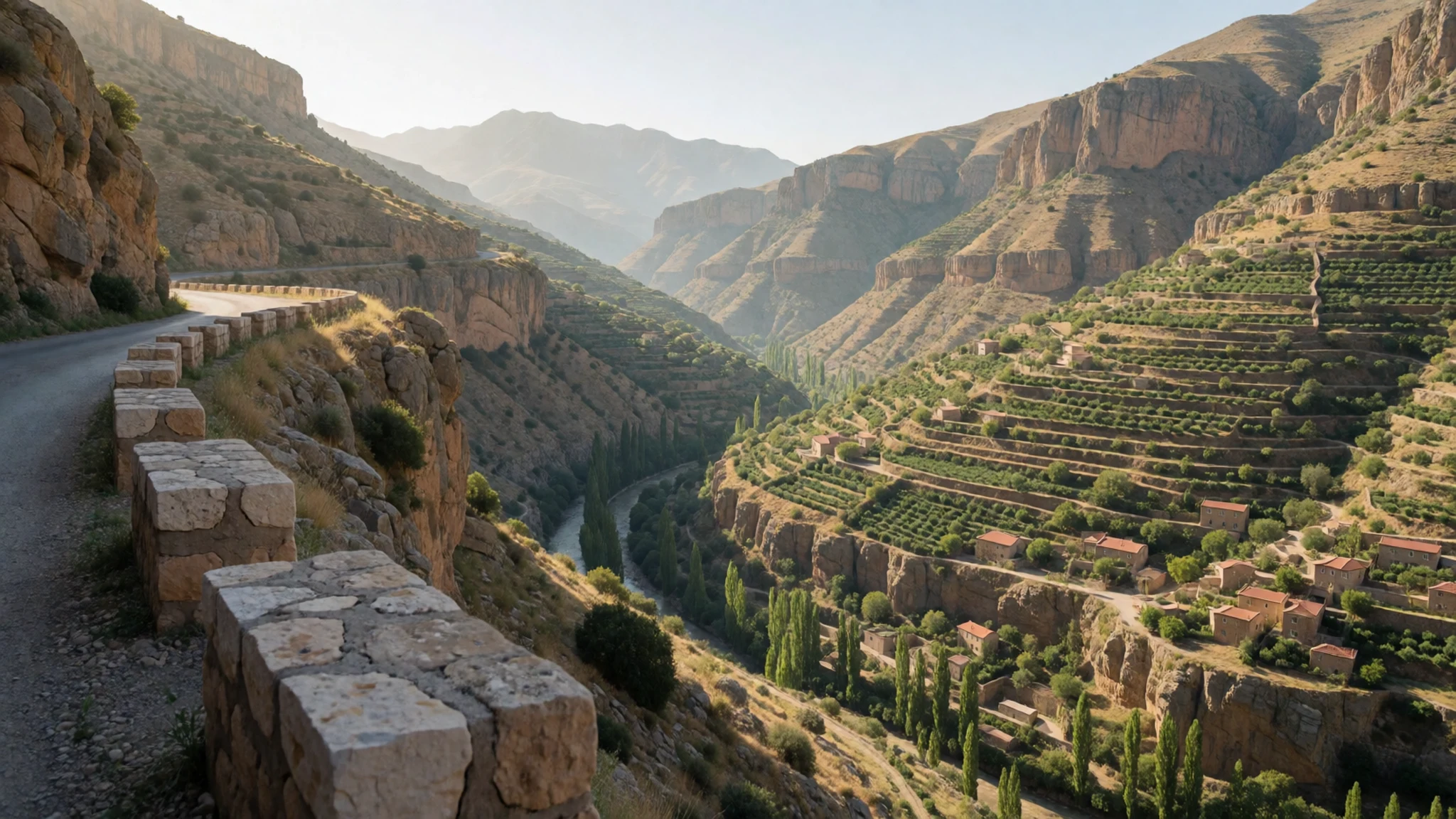
- Qannoubine monastery — Qannoubine, the heart of the valley
Qannoubine sits in the heart of the gorge and is where Maronite monks first set up their new centre. For about five centuries it was the seat of the Maronite Patriarch. Its buildings climb the cliff, and the view down the gorge is the reason most people come. Allow an hour, and dress modestly for the church.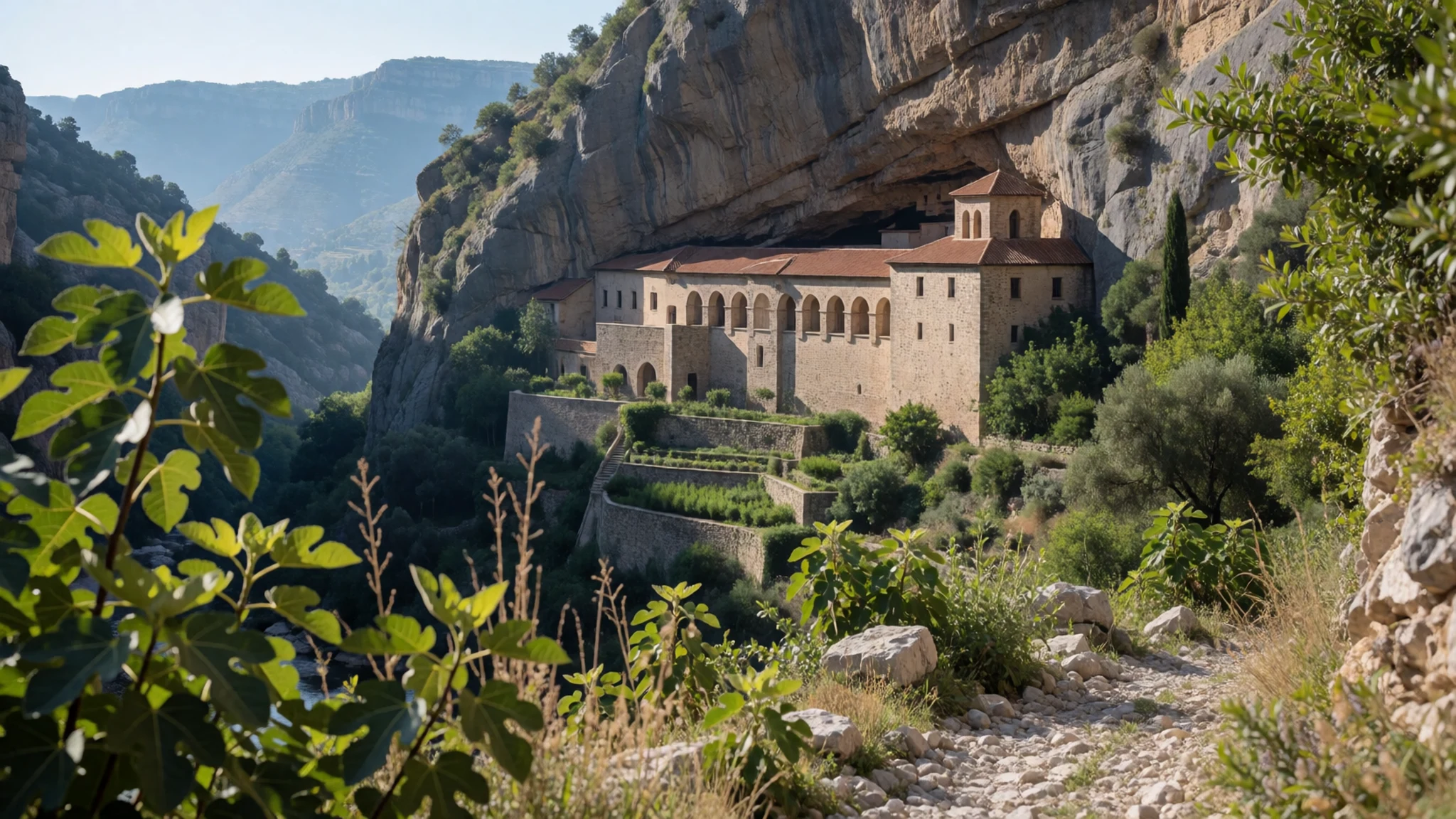
- Qozhaya monastery — Qozhaya, on the valley's northern side
The monastery of Qozhaya is where an early printing press in the Middle East was set up, producing a book in Syriac characters in the seventeenth century. The buildings are set into the cliffs and look across the valley. Go in the morning when the light is good for photographs, and ask before you take pictures of anyone inside.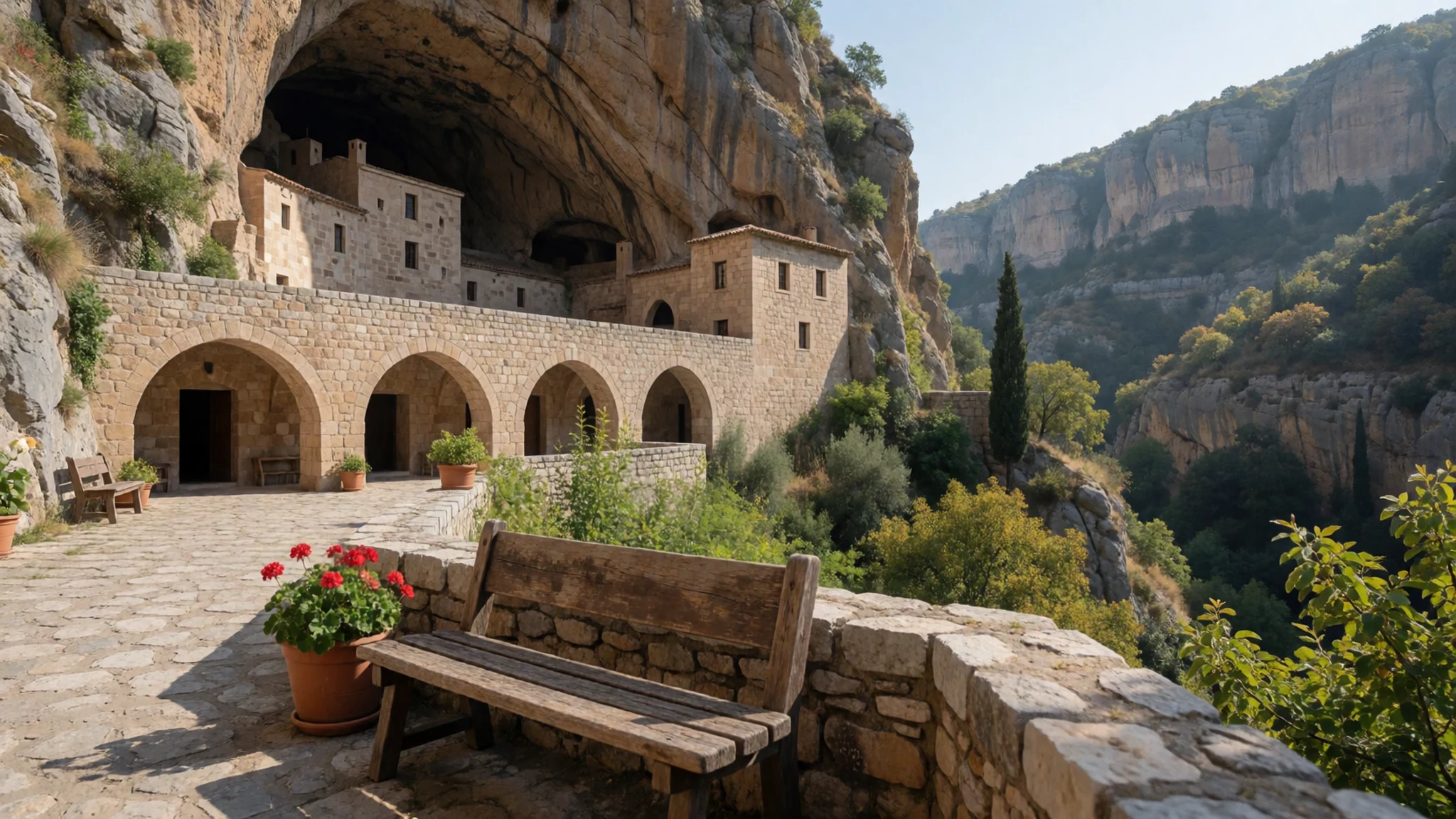
- Mar Elisha monastery — Mar Elisha, cut into the rock face
The monastery of Mar Elisha is built into the rock, and its communal church shares the cliff with four chapels hewn out of the stone. The community is named after Saint Elisha, mentioned in the fourteenth century. The steps are steep and uneven, so take your time and wear shoes with good grip.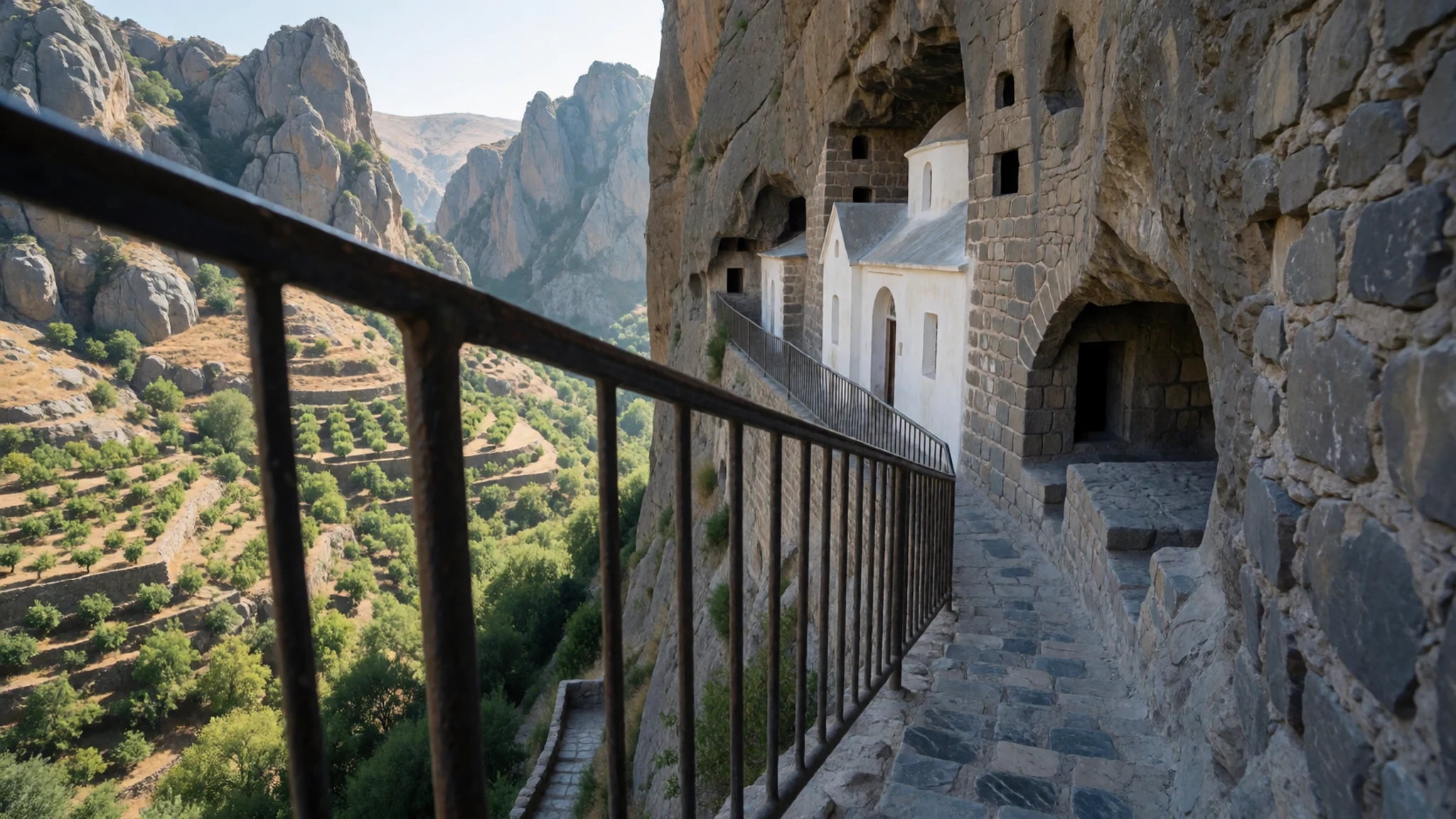
- Baatara gorge waterfall — Baatara gorge, north Lebanon
The Baatara gorge holds a waterfall of 255 m, which falls in three tiers across bridges or ledges. It is a short detour from the main valley roads and is most impressive when water levels are high. The rocks and paths can be slippery, so wear closed shoes and keep a hand free for balance.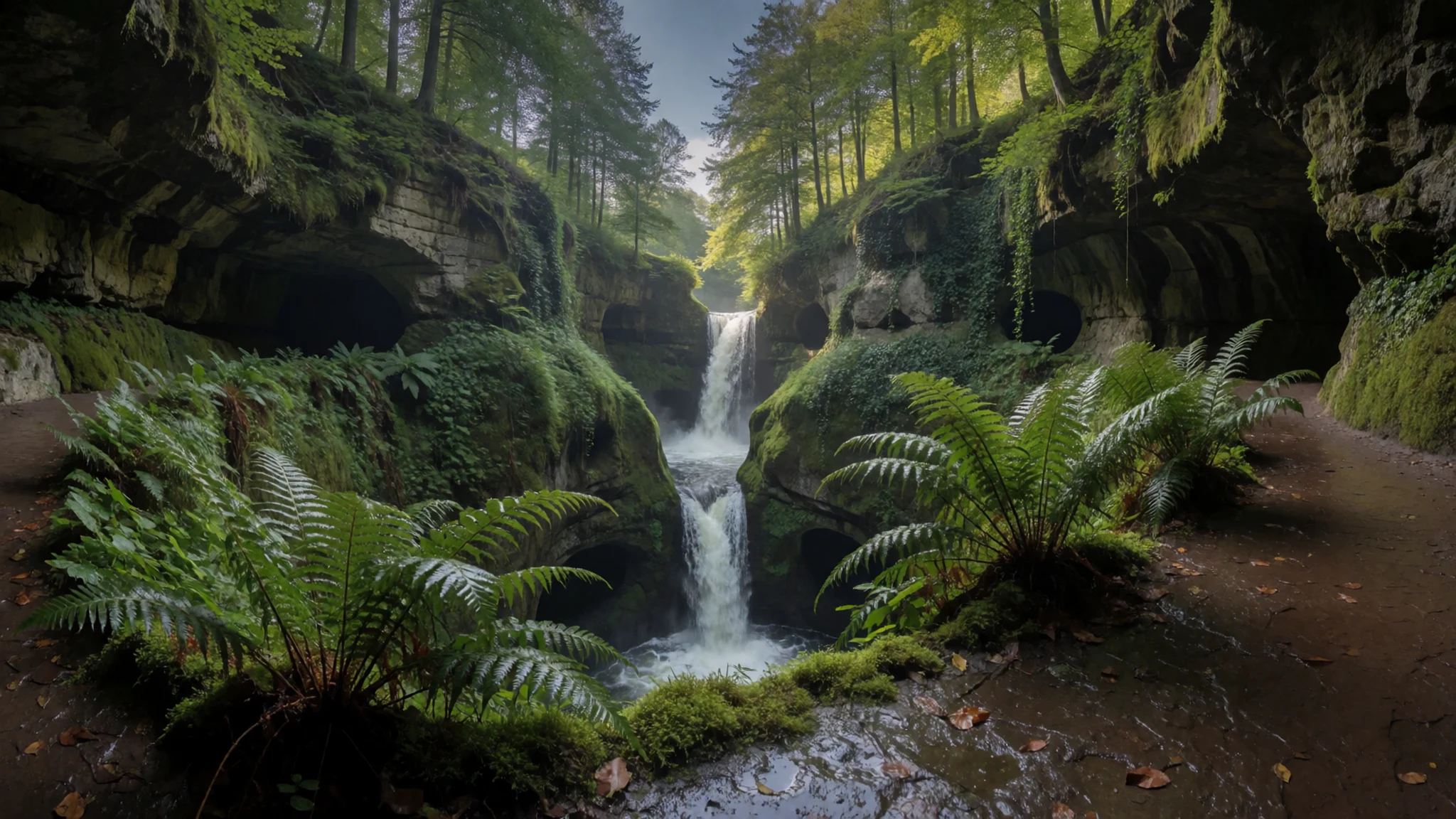
- Forest of the Cedars of God — On the mountain above Bsharri
Above the valley, the Forest of the Cedars of God preserves survivors of the Lebanon cedar, a tree that ancient builders prized and that was carried to Jerusalem for its temples. Some trees here are very old, and the dark green canopy makes a cool contrast with the bare cliffs. Go in the morning and check the access road before you set out from Bsharri.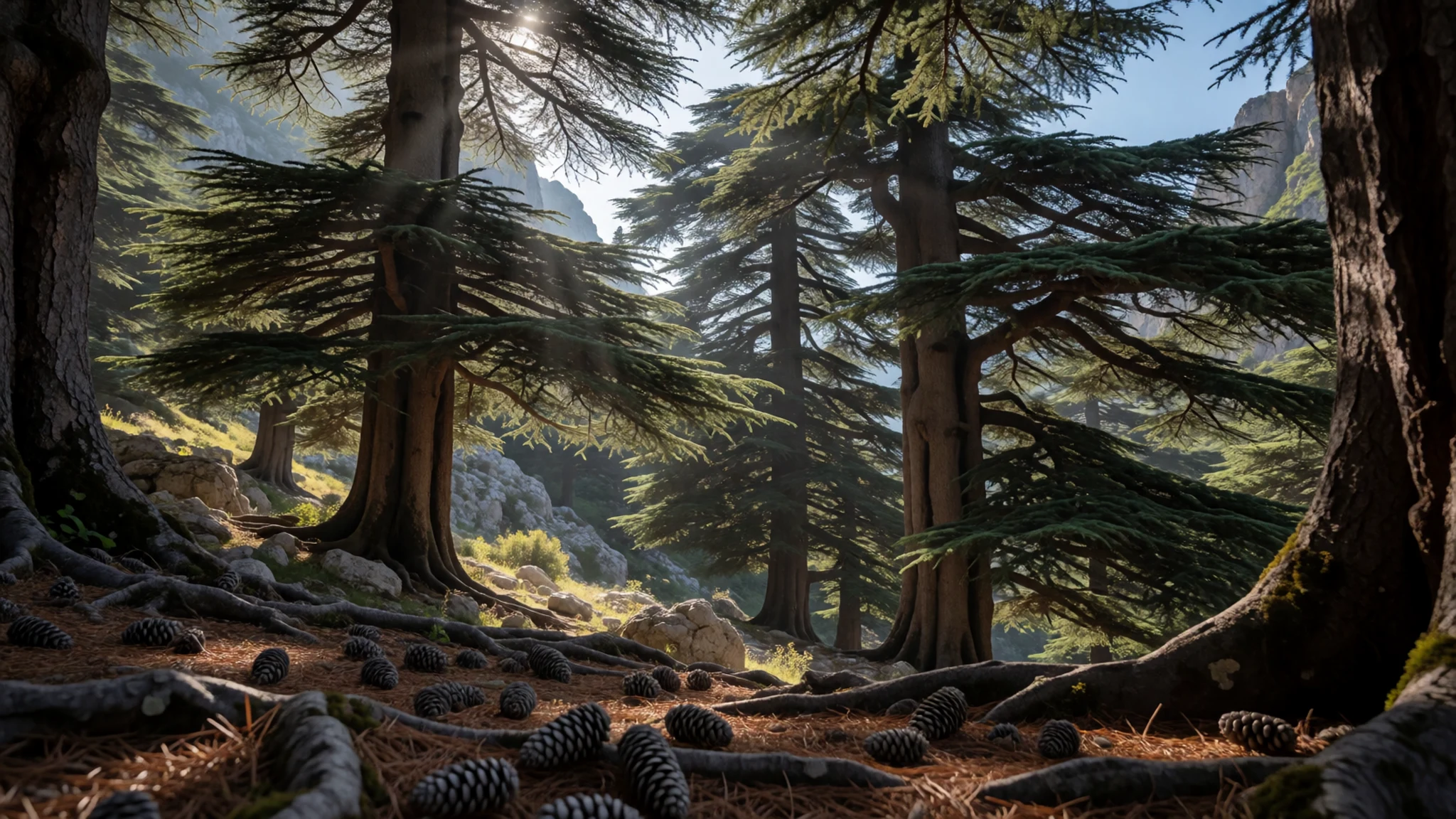
Culture
The Qadisha Valley is a working religious landscape as much as a place to walk. The monasteries are home to monastic communities, and visitors are guests in spaces that people use for prayer and daily life. Many sites are reached by steep, uneven paths, so arrive ready to walk rather than expecting a car park at the door. Arabic and French are the common languages, and English is spoken by some people in Bsharri's shopping district, less so in the villages. Conversation near a monastery is usually quiet and courteous, and a simple greeting in Arabic goes a long way. Keep your voice low inside churches, and when you are speaking with monks or residents, ask before taking their photograph.
What to wear
Traditional dress in the highland villages of the Qadisha Valley was built for steep terraced work and rough paths: loose trousers, sturdy wraps, and dark wool in the colder months. Older village women often favoured dark, long-sleeved dresses with headscarves, while men wore practical jackets and trousers suited to farming. Specific embroidered costumes survive mainly in family collections and museums, so ask locally if you want to see them.
Today people in the valley dress much as they do in the rest of Lebanon. Younger people in Bsharri wear jeans, trainers and fitted tops, while older residents may still wear more traditional clothing for church and family occasions. The style is modest but not formal.
For a visit, dress for the terrain and for the sites. Wear closed, grippy shoes for the steep paths and loose trousers or a long skirt for monasteries. Shoulders and knees should be covered when you enter a church or a monastery building, and a light scarf is useful. In July and August the valley is very hot, with highs around 41 C, so choose breathable layers, and in the cooler months of December and January pack a warm jacket for the cliffs and early mornings.
What to eat
- Kibbeh — Family kitchens and bakeries in Bsharri town
Kibbeh is a shell of finely ground bulgur wheat filled with spiced minced meat and onion. It is shaped into ovals or discs and either fried or baked. Ask for it freshly made, and look for a plate that arrives warm and crisp at the edges.
- Manakish — The morning bakeries along Bsharri's main street
Manakish is a flatbread topped with za'atar, a blend of thyme, sesame and sumac, or with cheese. Bakeries make it fresh through the morning, and it is an easy breakfast to eat on the move before a walk in the gorge.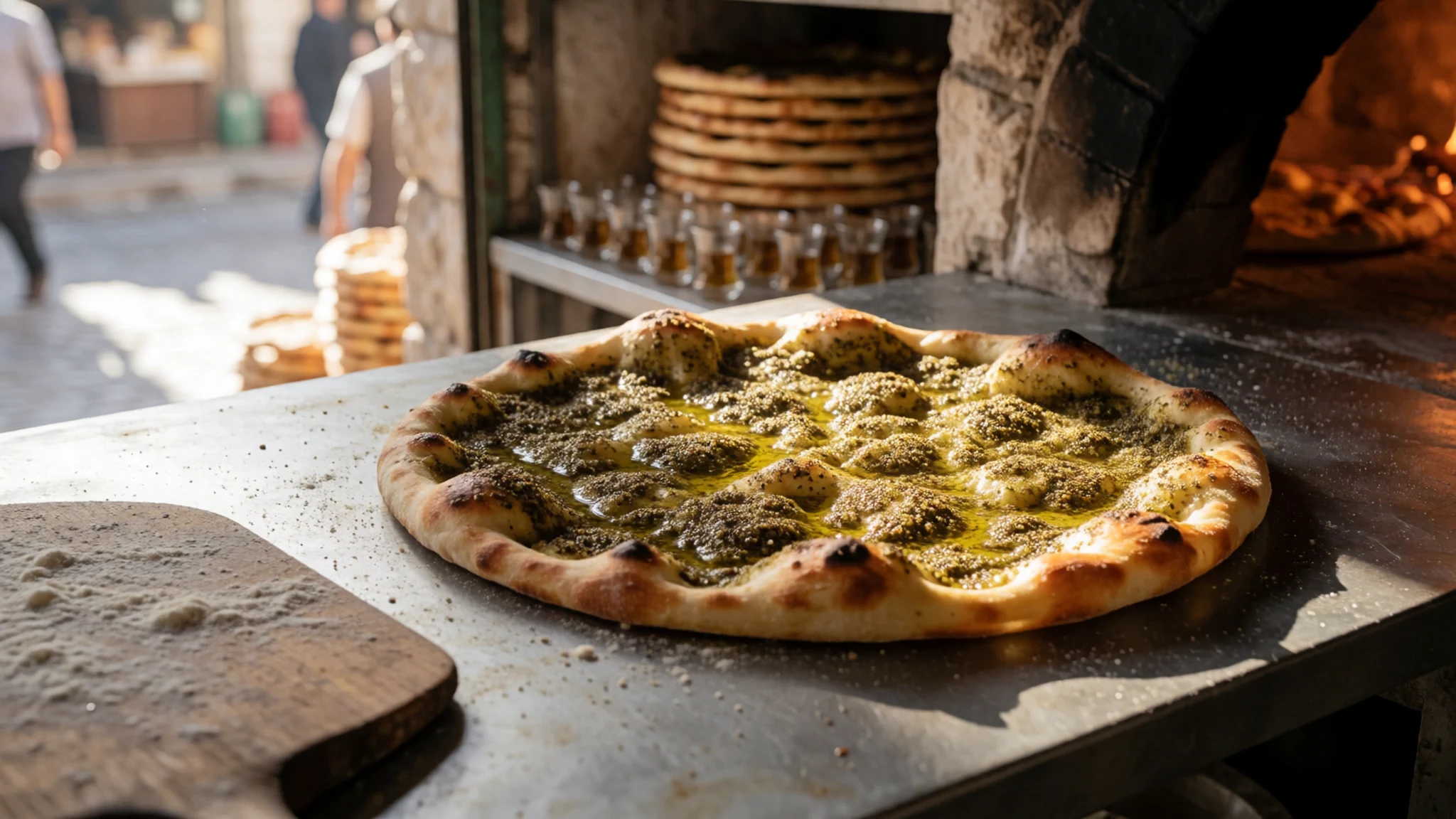
- Labneh — Village breakfast tables and farm stalls on the valley road
Labneh is strained yoghurt, thick and tangy, often served with olive oil, mint and bread. You will find it at breakfast in many guesthouses and at roadside stalls selling local produce. It is a good way to start a long day on the cliffs.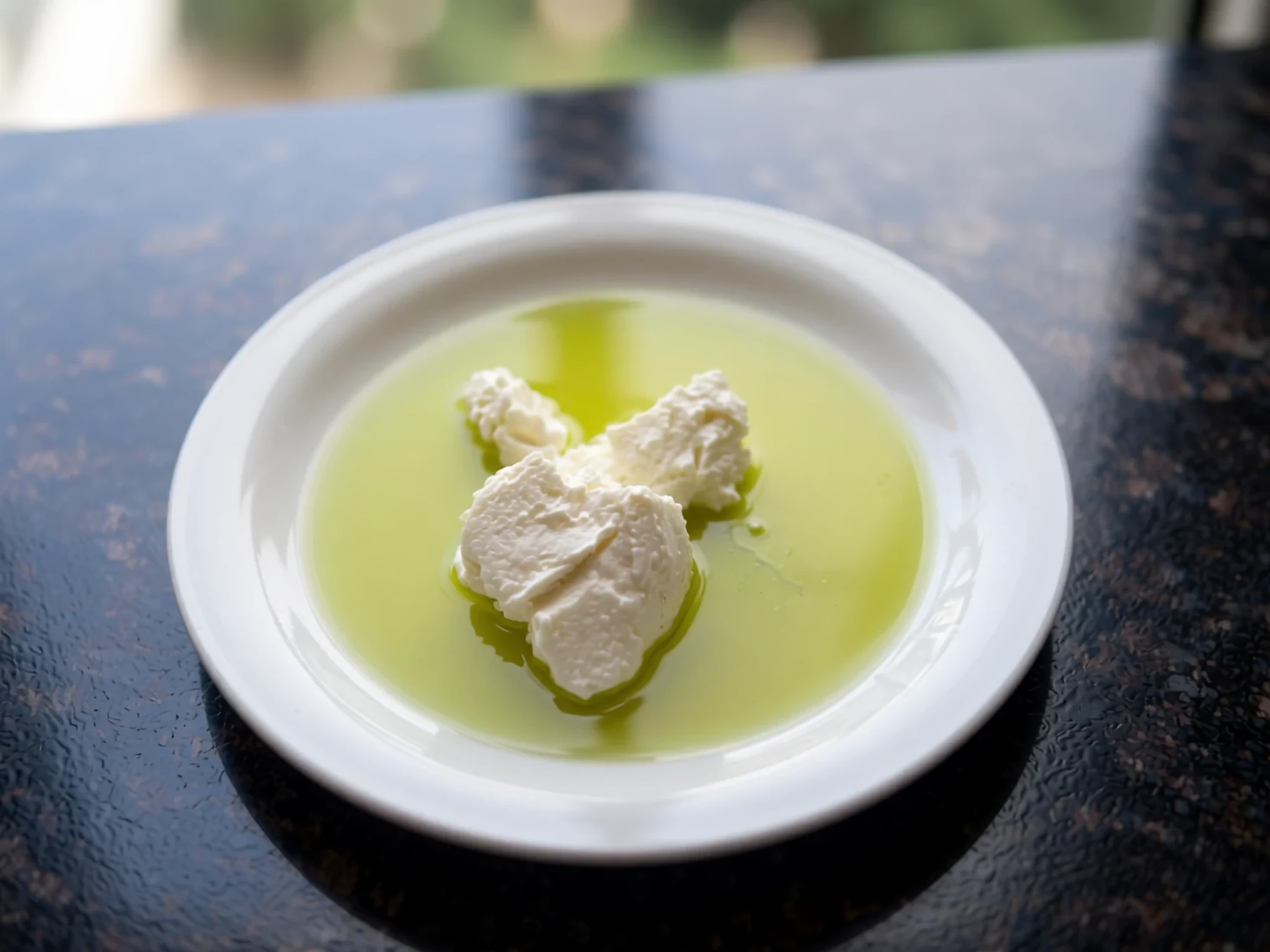
- Mujaddara — Any family-run eatery serving home cooking
Mujaddara is a simple dish of lentils and rice cooked together and topped with crisp fried onions. It is filling, inexpensive and common in home-style eateries. Order it as a main course if you want something plain after a morning of walking. - Fattoush — The eateries along Bsharri's shopping street
Fattoush is a salad of crisp toasted bread, tomato, cucumber, herbs and a sharp lemon and sumac dressing. It makes a light lunch and pairs well with grilled meats. Eat it at a table on the street to watch the town go by.
Plan it
Best time. Late spring and autumn are the easiest months for walking the gorge paths and visiting the monasteries. Check road and weather conditions locally before you travel, as higher roads can be affected in winter.
How long. 2–3
Getting there. Fly into Beirut–Rafic Hariri International Airport, then hire a car or take a taxi north towards Bsharri. Allow a good half-day for the drive, longer if you are travelling on a weekend.
Budget. mid
Tips
- Start the monastery visits early, before the weekend crowds arrive
- Carry cash for small purchases in villages and at roadside stalls
- Wear shoes with grip for steep, uneven paths and slippery rock
- Carry water and snacks, since there are few places to buy supplies in the gorge
- Hire a local driver or guide for the narrow roads if you are not confident driving them
Etiquette
- Dress modestly and cover shoulders and knees inside churches and monasteries
- Ask before photographing monks, residents or the interiors of monastic buildings
Nearby
Sources
- Wikidata Q29384 (CC0)
- Wikipedia, Kadisha Valley (rev 1366154636) (CC BY-SA 4.0)
- Wikivoyage, North Lebanon (rev 5020162) (CC BY-SA 4.0)
- A mystical canyon of Qadisha (Holy) Valley, Vyacheslav Argenberg (CC BY 4.0)
- Qadisha Valley, Aerial View From Qannoubine Monastery, Evan Williams (CC BY-SA 4.0)
- Bsharri (Becharre) village, Kadisha Valley, Vyacheslav Argenberg (CC BY 4.0)
- Wadi Qadisha and Mount Mneitre 2, Hichamelzein (CC BY-SA 4.0)
- The Monastery of Qozhaya, Cross, Kadisha Valley, Vyacheslav Argenberg (CC BY 4.0)
- Qozhaya01072003, Yellaban (Public domain)
- Mar Sarkis Ehden June 2003, unknown author (Public domain)
- The Monastery of Mar Elisha 2, Kadisha Valley, Vyacheslav Argenberg (CC BY 4.0)


