Jeita Grotto
Jeita Grotto, Lebanon
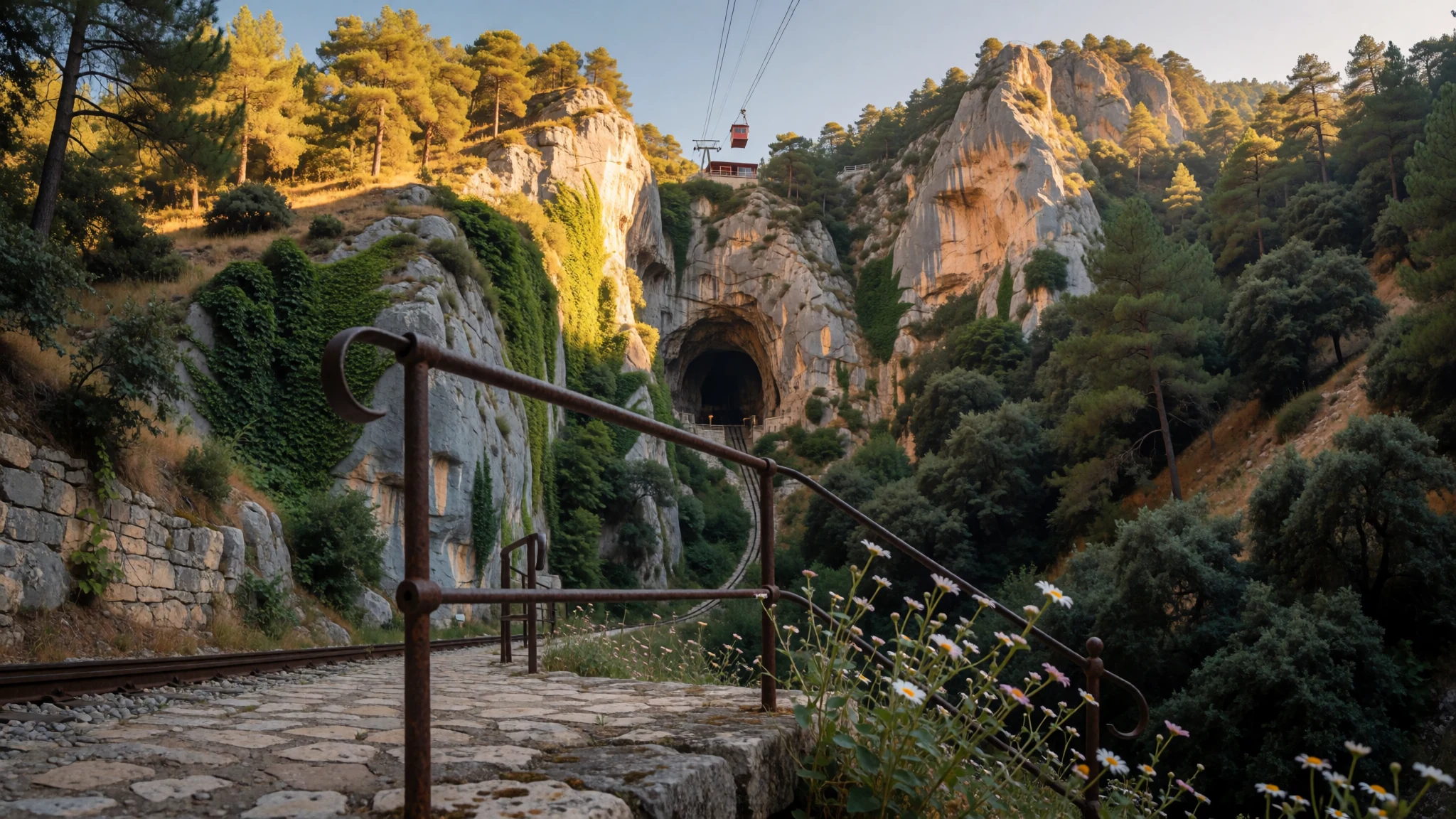
Jeita Grotto reveals an astonishing subterranean river and towering limestone caverns carved by water over millennia north of Beirut.
The place
Jeita Grotto encompasses a remarkable system of two separate yet interconnected karstic limestone caves situated in the dramatic Nahr al-Kalb river valley. Set within the western flanks of the mountain ridges that parallel the Mediterranean coastline, the natural entrance opens within the municipal boundaries of Jeita. The complex divides into two distinct levels that showcase the artistic power of water underground. The lower cave channels a subterranean river that supplies fresh drinking water to a massive population across the region, making boat tours the only way to navigate its winding aquatic corridors. Above this watery underworld lie the upper galleries, reached via an access tunnel and engineered walkways that lead visitors past soaring chambers and mineral pillars without harming the delicate mineral formations. Within these upper chambers, mineral deposits have accumulated over countless centuries to form astonishing geological sculptures, including some of the most immense stalactite structures found anywhere in the subterranean world. The surrounding valley provides a verdant, rocky backdrop of steep hillsides and rushing streams, typical of the dramatic topography that defines the country's coastal range. Though human presence here stretches back into prehistoric epochs, the modern appreciation of these subterranean wonders has turned the cavern complex into one of the region's most celebrated natural landmarks. Exploring the site requires descending into a cool, echoing environment where constant dripping water and subterranean echoes create an atmosphere entirely removed from the sunlit coastal plains just a few kilometres away.
Its story
Jeita Grotto carries a history stretching from ancient artisanal metalworking to nineteenth-century colonial exploration. Archaeological investigations within a smaller auxiliary cave near the Nahr al-Kalb river uncovered ancient vestiges of a foundry, pointing to an era when craftsmen harnessed the damp, sheltered environment to forge iron blades and swords. For centuries thereafter, local populations knew little of the vast subterranean networks hidden deep within the limestone massif until modern adventurers began pushing into the dark. The true modern exploration of Jeita Grotto began when an American missionary ventured a short distance inside and fired a gun, the resounding echoes convincing him that a major cavern system lay waiting in the dark. Decades later, engineers from the local water company and academic figures pushed more than a kilometre into the underground passages until their progress was abruptly halted by a roaring underground waterfall cascading over razor-sharp rocks. These early explorers christened the obstacle Hell's Rapids and left their signatures on a great limestone pillar known today as Maxwell's Column, alongside a sealed glass bottle containing expedition records left atop a distant stalagmite. The discovery of the upper galleries in the mid-twentieth century by local speleologists added a new dimension to the site, transforming a rugged scientific frontier into a carefully managed subterranean wonder equipped with tunnels and walkways for visitors from all over the world to admire.
What to see
- Lower Grotto Boat Ride — Jeita Grotto lower level
Glide silently across the cool, still waters of the subterranean river inside Jeita Grotto, observing the wet limestone walls and shimmering reflections cast by gentle pathway lighting along the underground channel.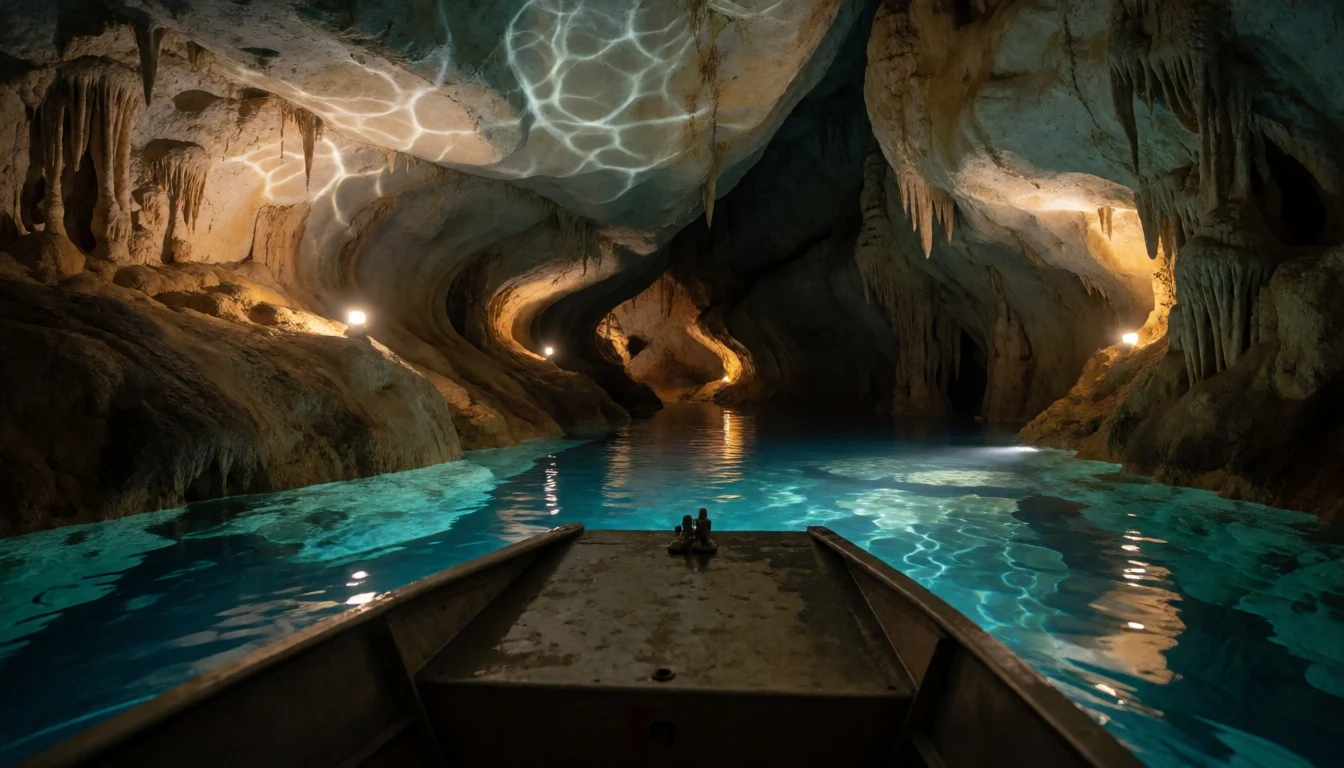
- Upper Galleries Walkway — Jeita Grotto upper level
Climb through the dry upper chambers of Jeita Grotto via engineered tunnels and elevated walkways, coming face to face with colossal stalactites, slender stalagmites, and towering mineral columns sculpted over countless millennia.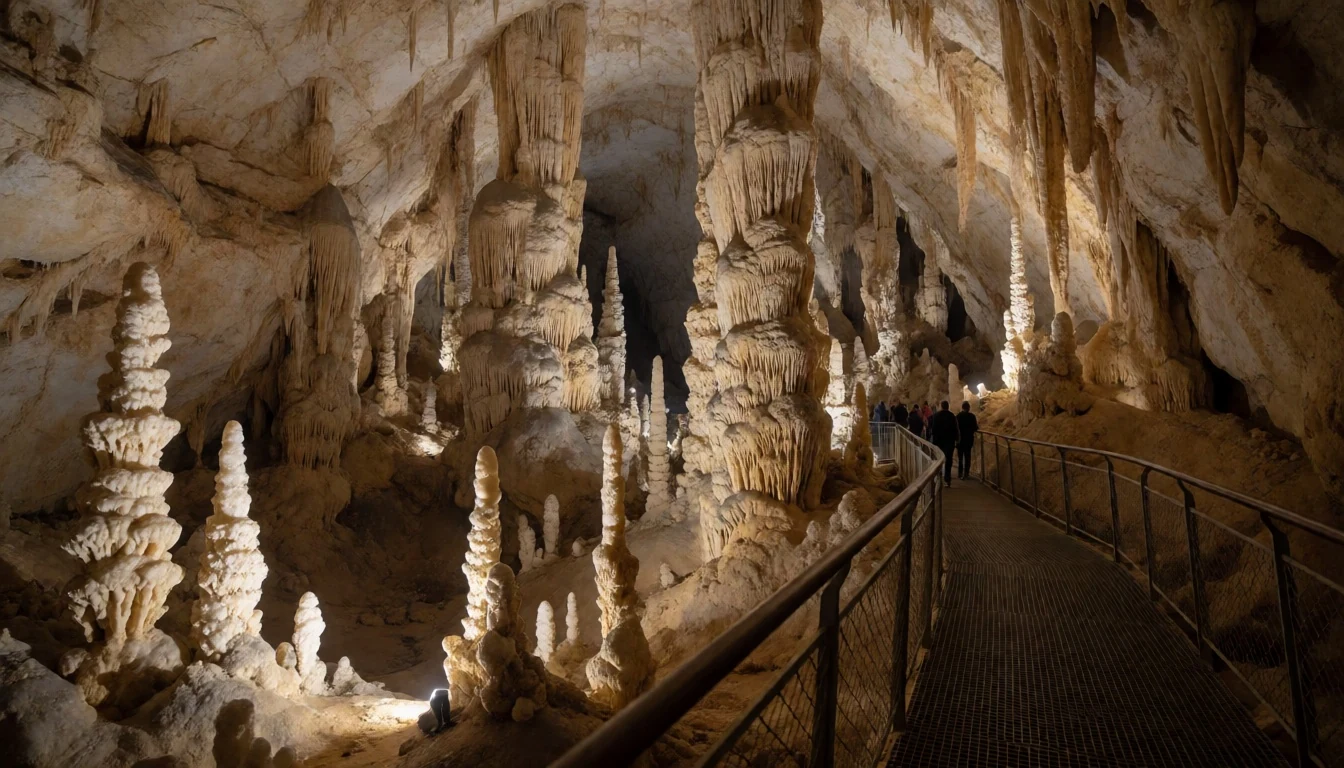
- Nahr al-Kalb Valley — Keserwan District
Wander through the lush wooded ravines and dramatic limestone cliffs surrounding the Jeita Grotto complex, where rushing mountain streams and steep green valley slopes typify the rugged geography of the coastal mountain range.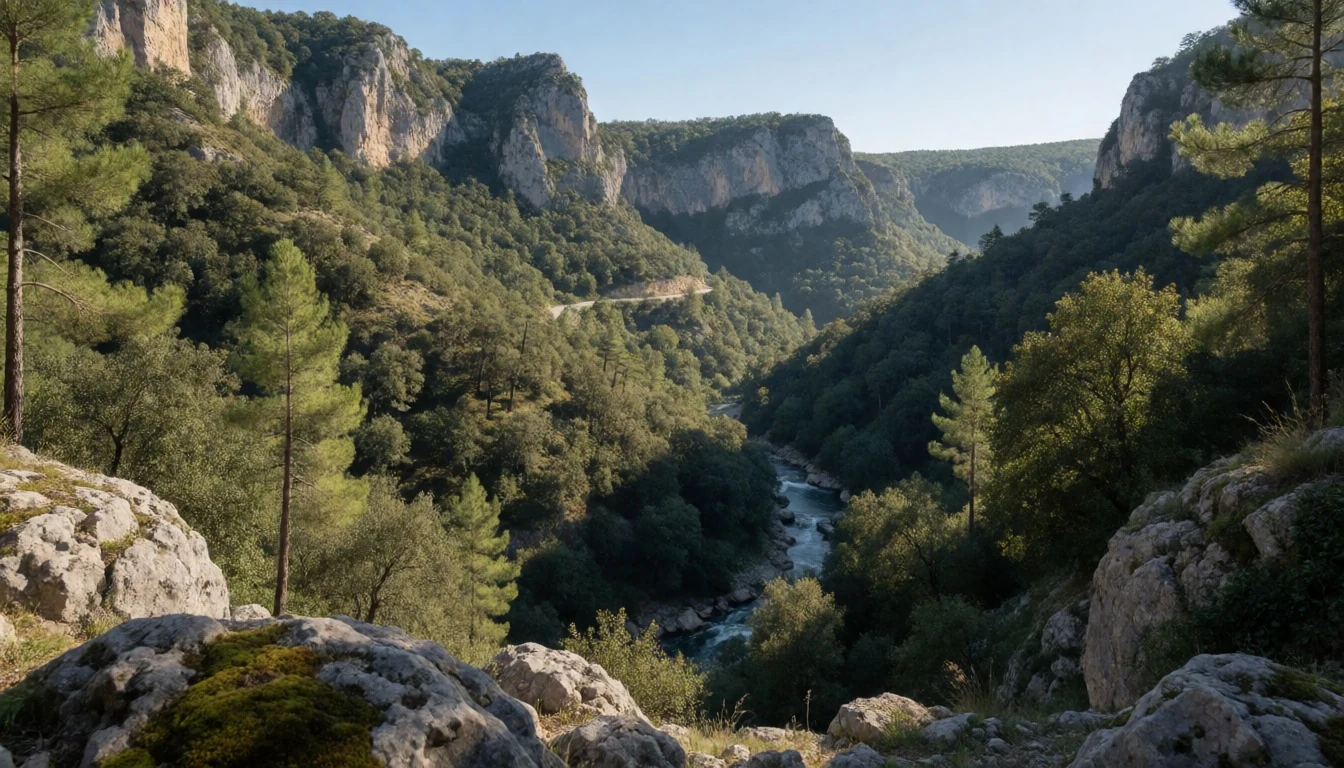
- Beirut Downtown and Place de l'Etoile — Central Beirut
Stir through the vibrant streets of the capital's historic centre, where bustling outdoor cafes, lively public squares, and restored Ottoman and French mandate architecture offer a buzzing contrast to the quiet subterranean depths.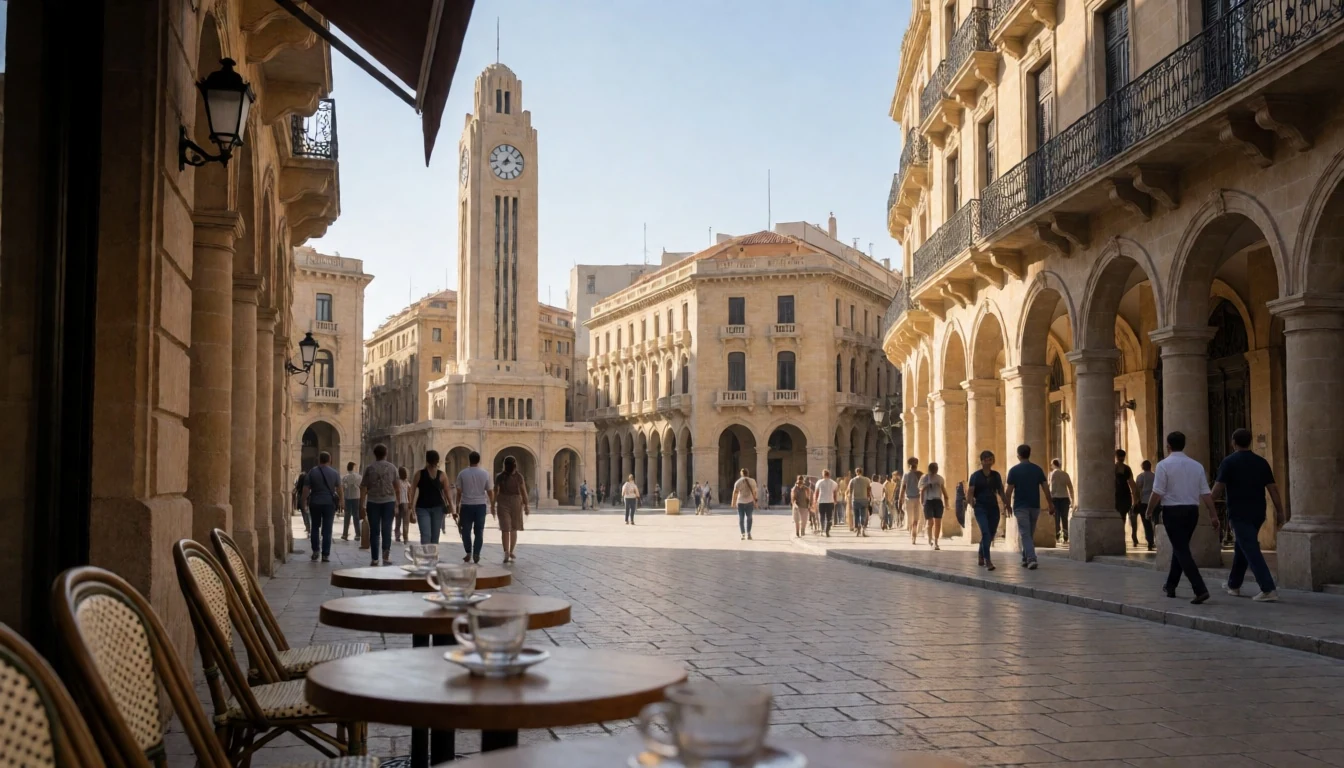
- Baalbeck Roman Temples — Baalbeck
Journey inland to inspect some of the most colossal and remarkably preserved monumental Roman stone ruins on earth, set against the broad sweep of the fertile Bekaa Valley plains.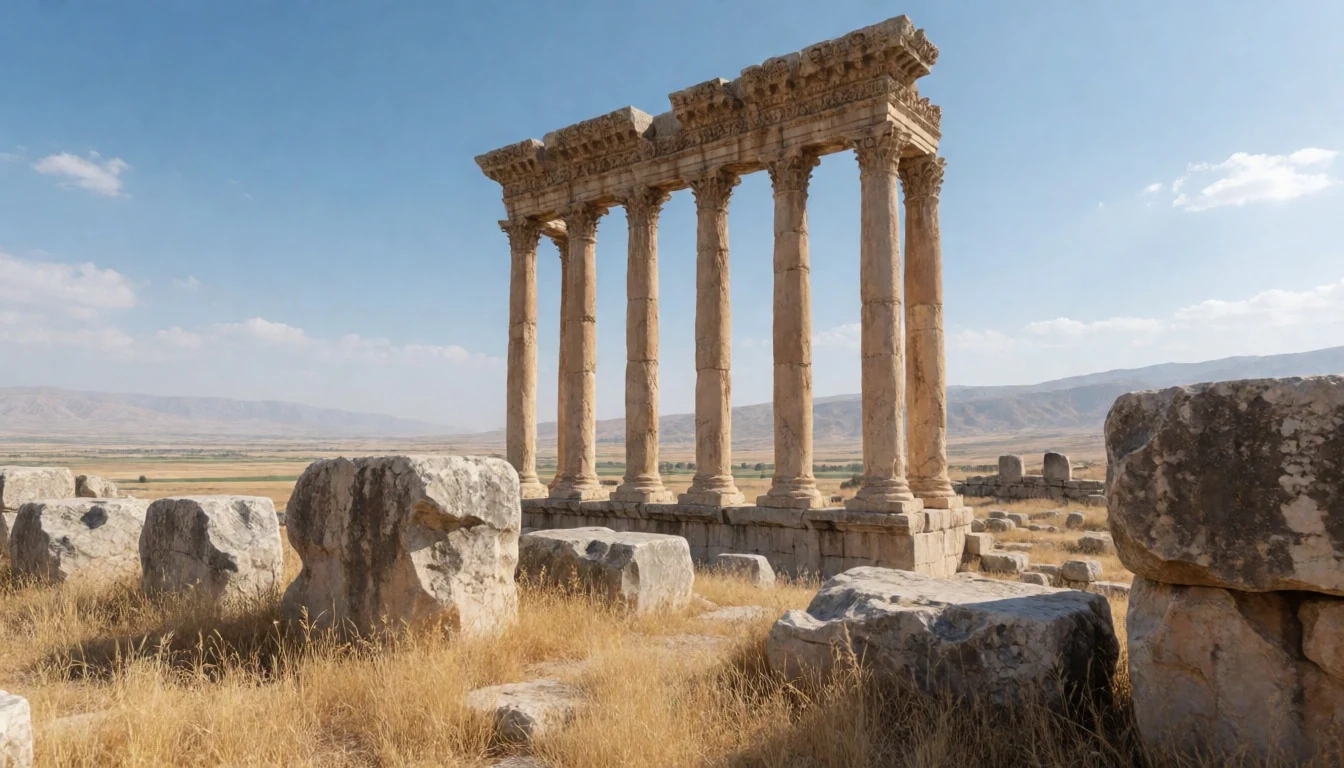
- Al Bass Archaeological Site — Tyre
Explore the extensive ancient Roman ruins and monumental monumental necropolis situated near the southern Mediterranean coastline in the historic port city of Tyre.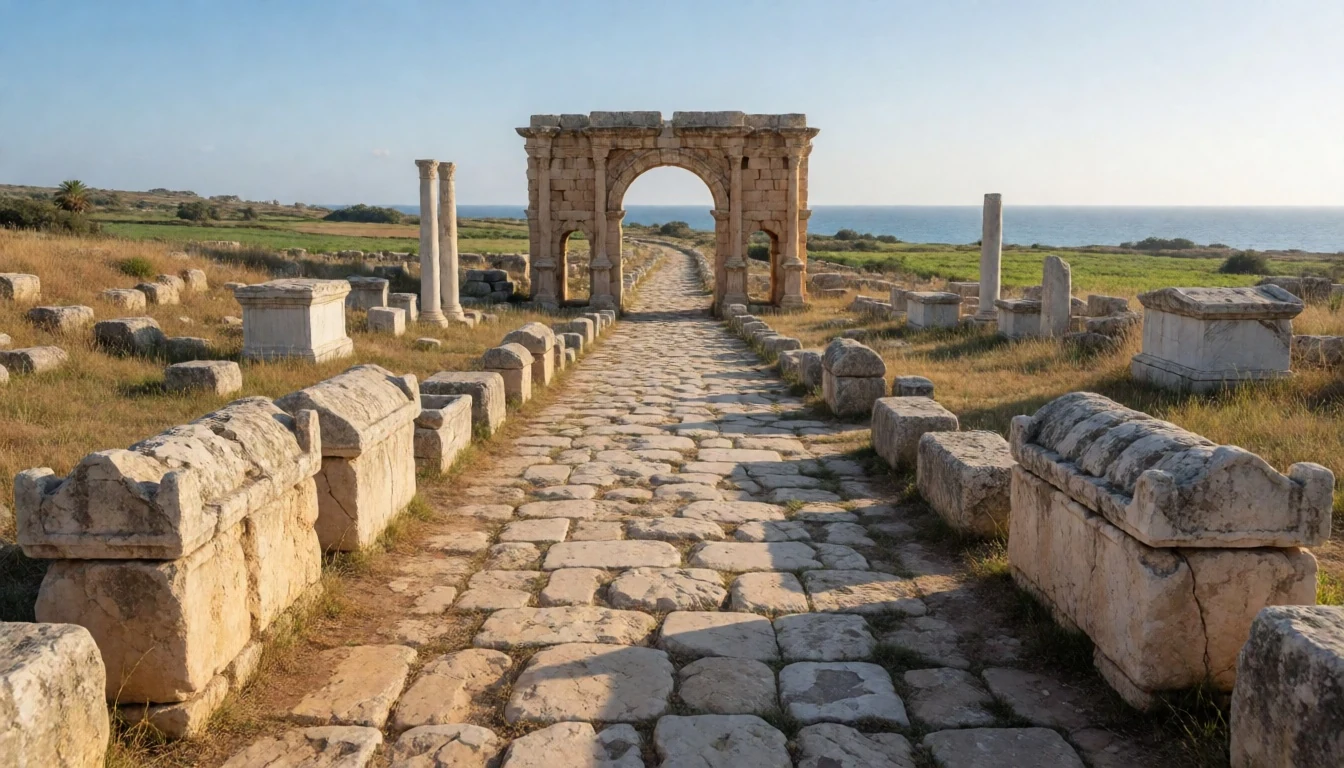
Culture
Jeita Grotto and the wider Lebanese society reflect a mosaic of diverse religious sects and cultural traditions that have coexisted for generations. Traditional communal bonds remain strong across the country, alongside a vibrant metropolitan lifestyle found in the urban centres. While sectarian divisions have historically influenced certain regions, shared economic challenges and cultural heritage have fostered a resilient spirit of unity among citizens from all backgrounds. Visitors will find that everyday social etiquette blends traditional Middle Eastern warmth and hospitality with relaxed, cosmopolitan attitudes. In major urban districts and along coastal areas, contemporary Western clothing styles are common and widely accepted, though conservative dress remains appropriate when exploring rural villages or traditional neighbourhoods. Certain suburban districts maintain more traditional religious sensibilities, and travellers do well to respect local customs by dressing modestly. When visiting rural towns or religious shrines, shoulders and knees should be covered, and photography of worshippers should always be approached with care and discretion. Always cover your shoulders and knees when entering local places of worship or conservative rural villages.
What to wear
Jeita Grotto visitors will notice that contemporary fashion in Lebanon leans heavily toward modern, trend-conscious Western styles, driven by a bustling local beauty and fashion industry. Urban residents in the capital and coastal hubs embrace polished, stylish attire, making fashion an important expression of personal identity. Traditional historical garments, such as the elaborate silk sherwals and embroidered vests worn during earlier centuries, are now largely reserved for folkloric festivals, heritage dance troupes, and national holidays. For travellers exploring the Jeita Grotto area, practical clothing is essential. Because the subterranean chambers maintain a chilly, damp microclimate year-round, packing a warm jacket or fleece is necessary even during the warmest summer months. Sturdy, slip-resistant walking shoes or boots are vital for navigating the damp, polished pathways of the upper galleries and the boarding areas of the lower boat ride. When moving outside the cavern site into rural towns, conservative villages, or religious shrines, both men and women should opt for modest attire that covers shoulders and knees to show respect for local sensibilities.
What to eat
- Tabouleh — Any traditional mezza restaurant
A refreshing salad crafted from finely chopped fresh parsley, tomatoes, mint, onion, and soaked bulgur wheat, dressed generously with fresh lemon juice and cold-pressed olive oil.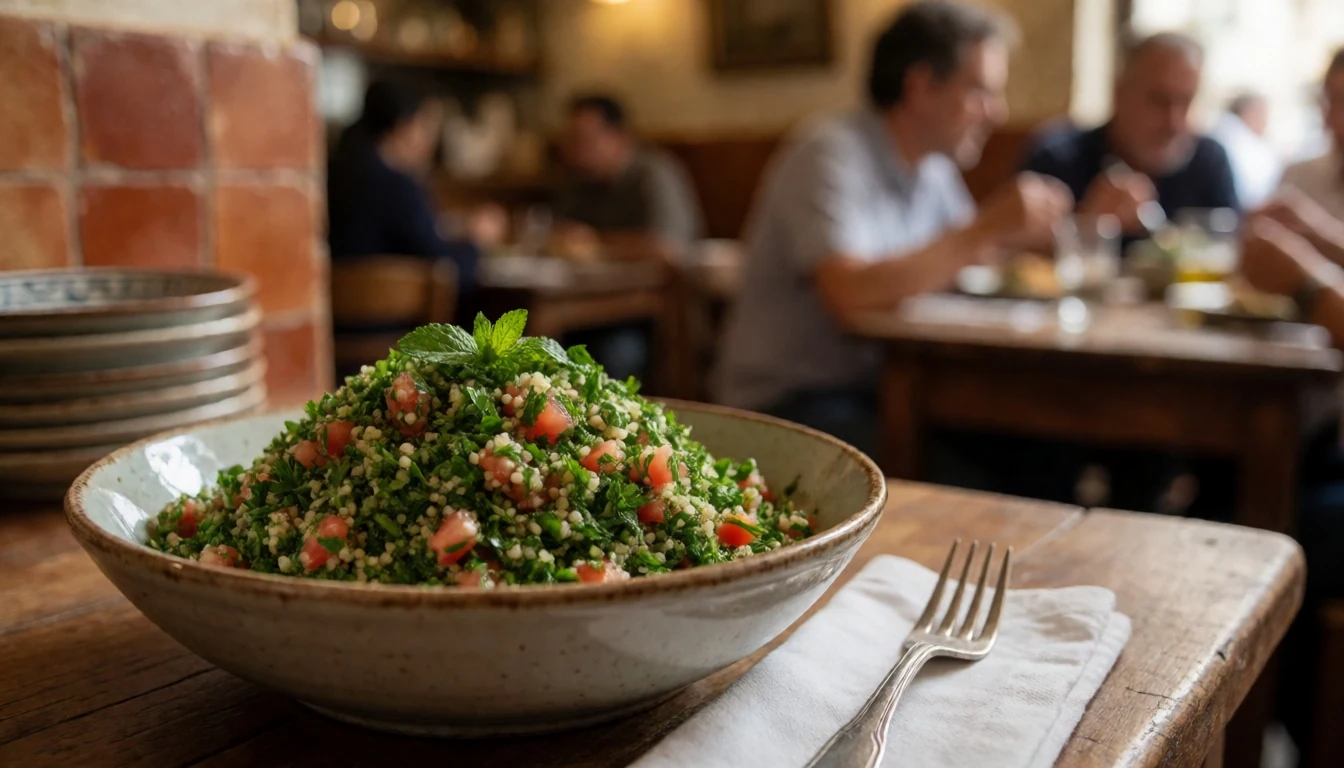
- Hommos — Local roadside eateries and mezza spots
A velvety, smooth dip made from mashed chickpeas blended with tahini, lemon juice, and garlic, typically served on a shallow plate drizzled with olive oil.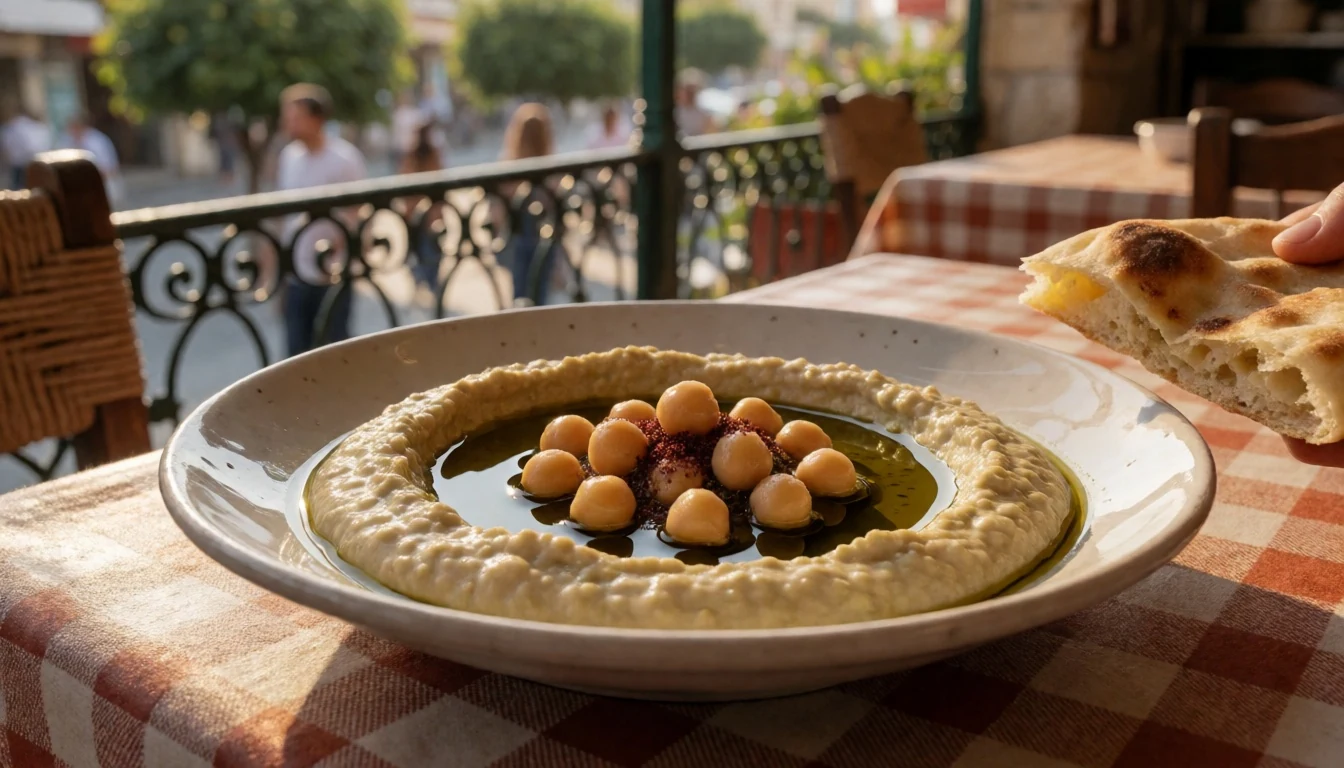
- Shish Tawouq — Traditional Lebanese barbeque grills
Succulent cubes of marinated chicken skewered and grilled over hot coals, usually served alongside a potent garlic paste spread and warm flatbread. - Lahm Mashwiye — Neighborhood grill houses
Tender cuts of seasoned meat grilled over an open flame, offering a smoky flavour that pairs wonderfully with charred tomatoes and onions. - Kafta — Local butchery grills and cafes
Minced lamb or beef blended with finely chopped onions, fresh parsley, and warm spices, shaped onto skewers and grilled over charcoal until juicy. - Shawarma Sandwich — Roadside sandwich shops and snack bars
Thinly sliced marinated meat roasted on a vertical spit, wrapped tightly in soft flatbread with pickles, garlic sauce, and fresh vegetables.
Plan it
Best time. April to May and September to November offer pleasant temperatures for exploring both the subterranean grotto and the surrounding coastal valleys.
How long. 2–3
Getting there. Fly into Beirut-Rafic Hariri International Airport, then hire a private taxi or join a guided excursion for the drive north to the grotto.
Budget. mid
Tips
- Arrive early in the morning to beat the tour bus crowds at the entrance
- Bring a warm jacket because the underground cave temperature remains chilly year-round
- Wear sturdy, non-slip shoes for the damp walkways and boat boarding platforms
- Check official websites online for current opening hours and seasonal water level rules
Etiquette
- Dress modestly with covered shoulders and knees when visiting rural villages or religious sites
- Always ask permission before photographing local residents or traditional craftspeople
Nearby
Sources
- Wikidata Q1552568 (CC0)
- Wikipedia (CC-BY-SA 4.0)
- Wikivoyage (CC-BY-SA 4.0)