Sidon
Sidon, Lebanon
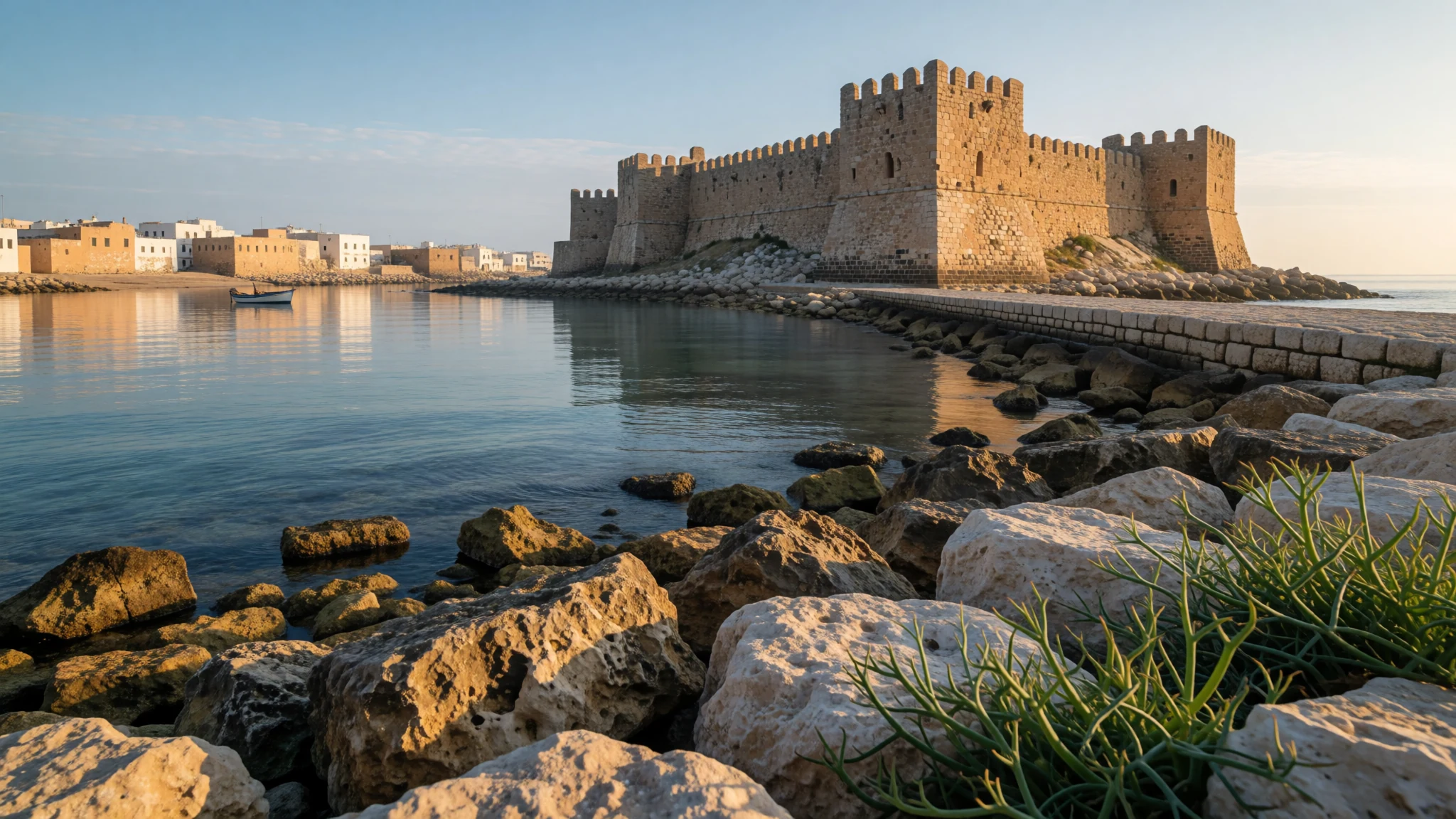
Sidon offers ancient Phoenician harbours, medieval maritime fortresses, and vibrant coastal alleys steeped in thousands of years of Mediterranean history.
The place
Sidon, known locally as Saida, sits quietly along the Mediterranean coast of Lebanon as the capital of the South Governorate. Positioned between Beirut to the north and Tyre to the south, the city acts as a primary economic and cultural anchor for the region. Within its municipal boundaries, thousands of residents live and work, while the wider metropolitan area gathers a much larger community that shapes daily life along the shore. The terrain drops gently from coastal hills toward the blue water, creating natural harbours that have drawn sailors, traders, and empires since antiquity. Walking through the older districts reveals narrow vaulted alleyways, traditional stone houses, and small courtyards where artisans still practice carpentry and metalwork much as they have done for generations. The air carries the scent of roasting coffee, sea salt, and fresh baking from neighbourhood ovens. Unlike the frantic pace found in larger capitals, Sidon moves to a rhythmic Mediterranean tide where morning fish markets give way to quiet afternoons in shaded squares. Visitors find a place that balances its deep historical weight with the unpretentious warmth of everyday southern Lebanese life, offering an honest window into coastal traditions that have survived countless political shifts and regional transformations.
Its story
In antiquity, Sidon functioned as a supremely influential Phoenician maritime power, positioned strategically on a mainland promontory equipped with twin harbours that commanded Mediterranean trade. Throughout centuries of successive dominion, the city passed through the hands of Assyrians, Babylonians, Egyptians, Persians, Greeks, and Romans, each leaving architectural and cultural strata beneath the modern streets. During the era of Persian dominance, Sidon achieved paramount status among Phoenician city-states, rivalling and frequently eclipsing its neighbours in wealth and naval capability. Biblical accounts record visits from Herod the Great, while tradition holds that both Jesus and Saint Paul walked its ancient paths. Prehistoric excavations reveal deep human habitation stretching back through the Acheulean lithic assemblages of Sidon II and the aceramic Neolithic layers of Sidon III. By the Middle Bronze Age, Level 4 established intense commercial ties with Egypt's twelfth and thirteenth dynasties. During the Amarna period around 1350 BC, the city endured intense geopolitical friction under Egyptian rulers like Zimredda amidst rising Hittite pressure and regional instability. Homer praised the exceptional skill of Sidonian craftsmen in glassblowing, purple dye extraction, and intricate textile embroidery. From these very shores, seafaring colonists departed to establish sister cities such as Tyre, cementing an enduring legacy across the ancient maritime world before medieval crusaders and Ottoman rulers reshaped the coastal fortifications.
What to see
- Sidon Sea Castle — Harbour waterfront, Old City
Constructed by crusaders in the early thirteenth century on a small rocky island connected to the mainland by a narrow causeway, this fortress offers panoramic views across the harbour and the rooftops of the old town, standing as an enduring symbol of medieval engineering.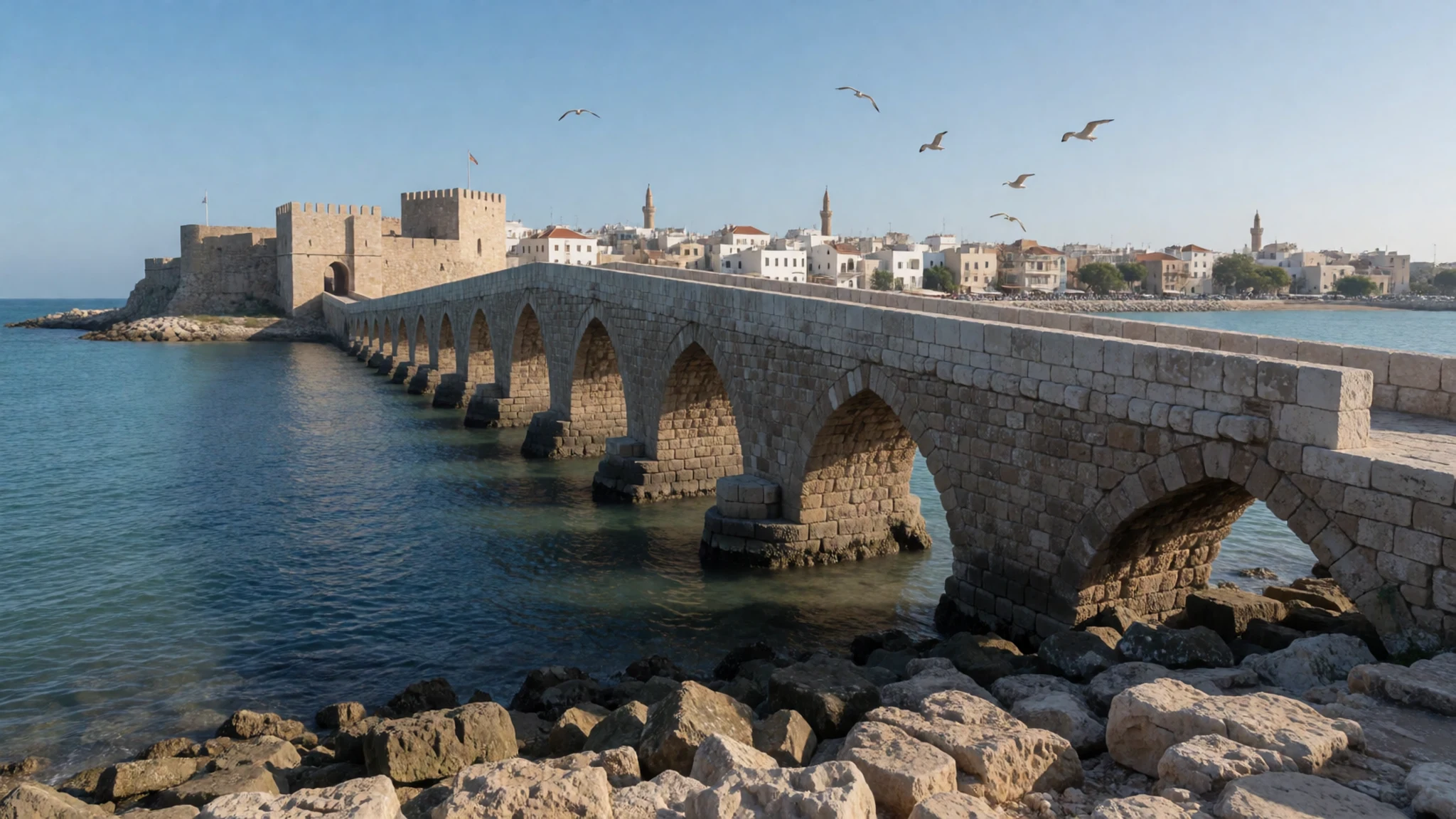
- Eshmun Temple — Awali River valley, northern outskirts
Located just north of the city centre, these impressive archaeological remains mark the sanctuary dedicated to the Phoenician god of healing. The site features stone terraces, ritual basins, and carved reliefs reflecting centuries of sacred worship and architectural evolution.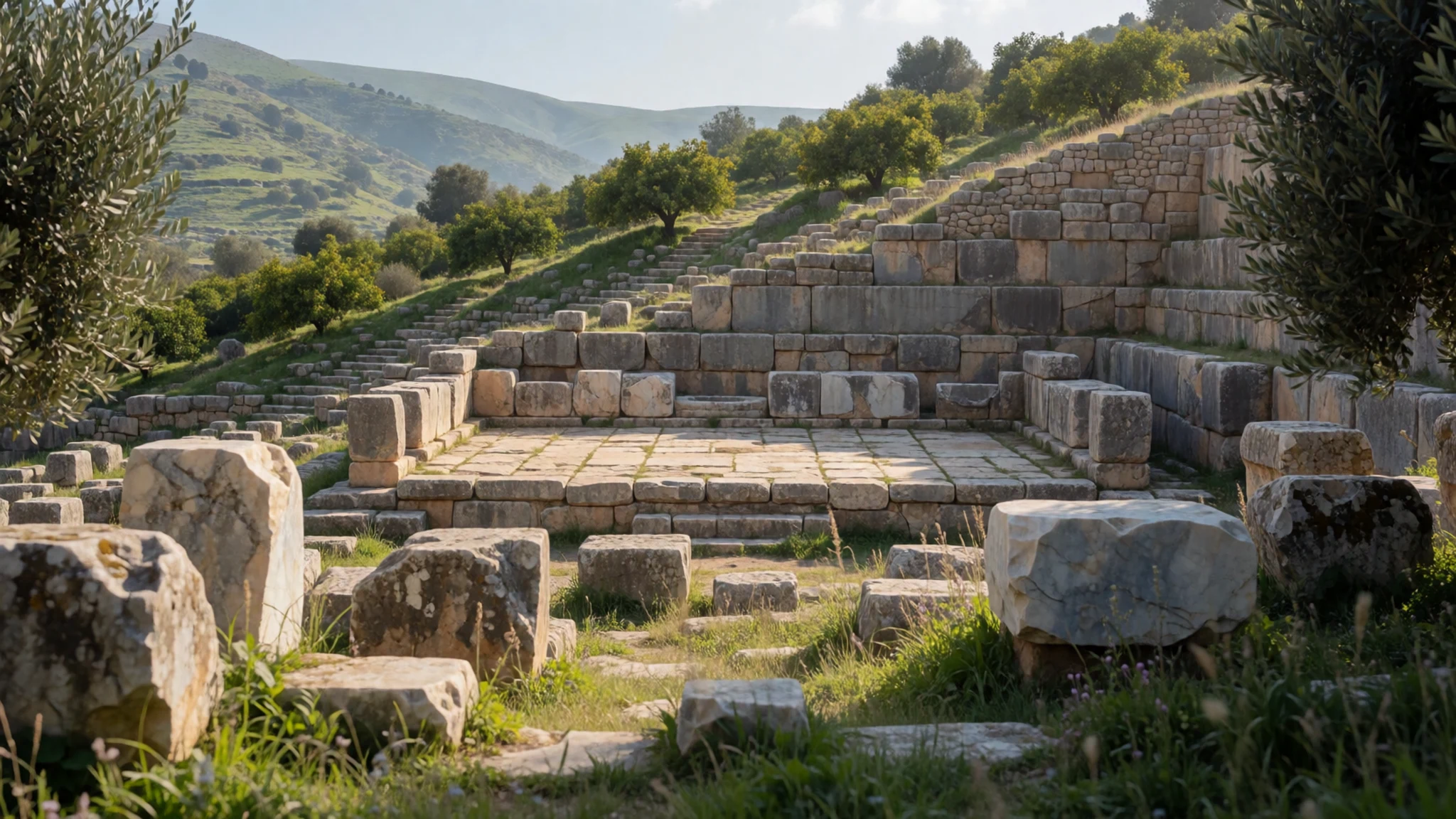
- Fishing Port — Old harbour basin, coastal edge
Situated directly beside the medieval fortifications, this active waterfront serves as the emotional heart of the coastline. Travellers can watch local fishermen mend their nets, unload morning catches, and converse beneath the warm Mediterranean sun in an authentic working atmosphere.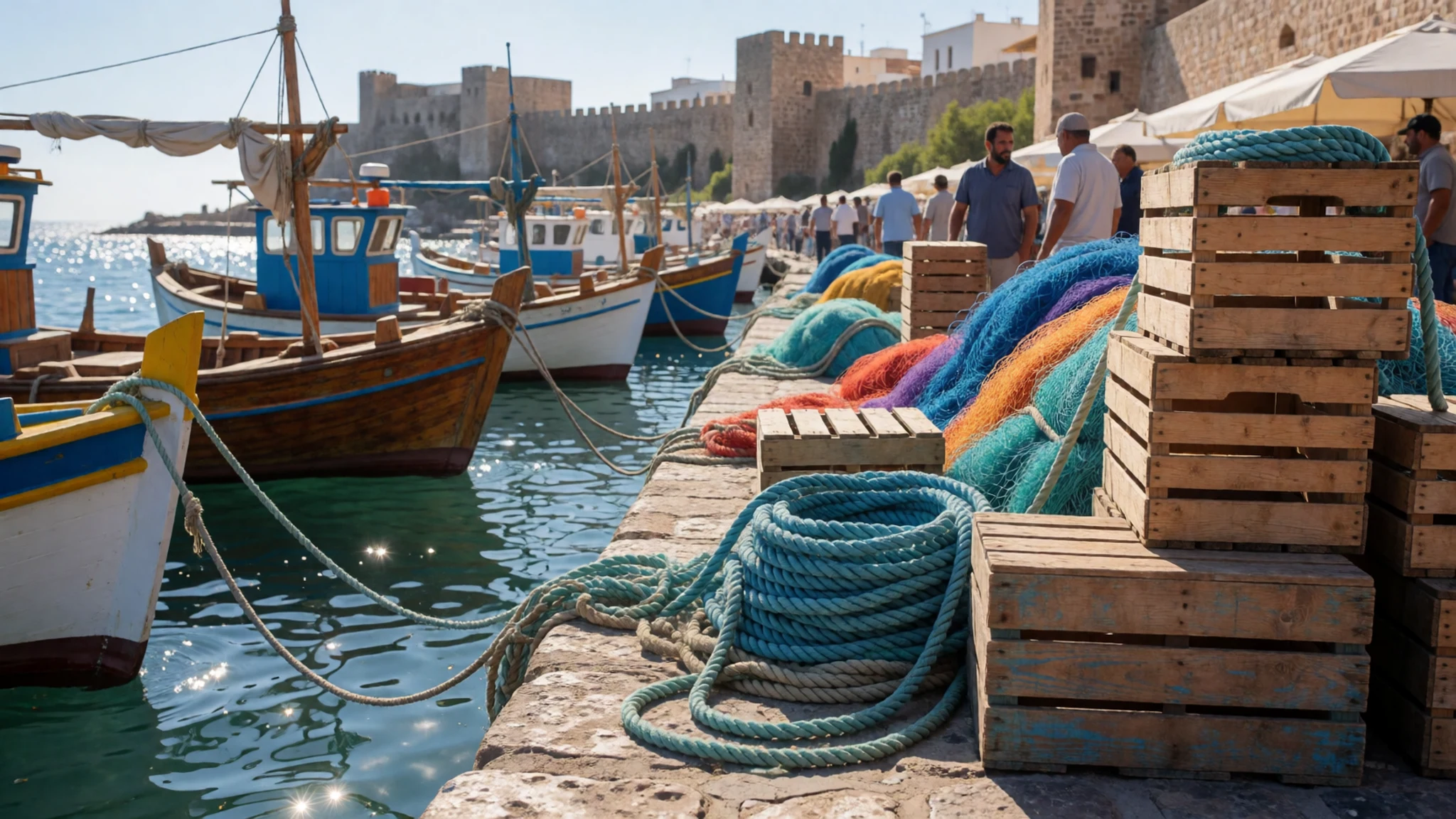
- Old City Souks and Alleys — Historic centre, inland from the Sea Castle
A labyrinth of covered medieval markets where specialized tradespeople work in designated alleyways such as carpenters' quarters and soap-making workshops. The twisting stone corridors shelter spice merchants, traditional bakeries, and hidden residential courtyards filled with local character.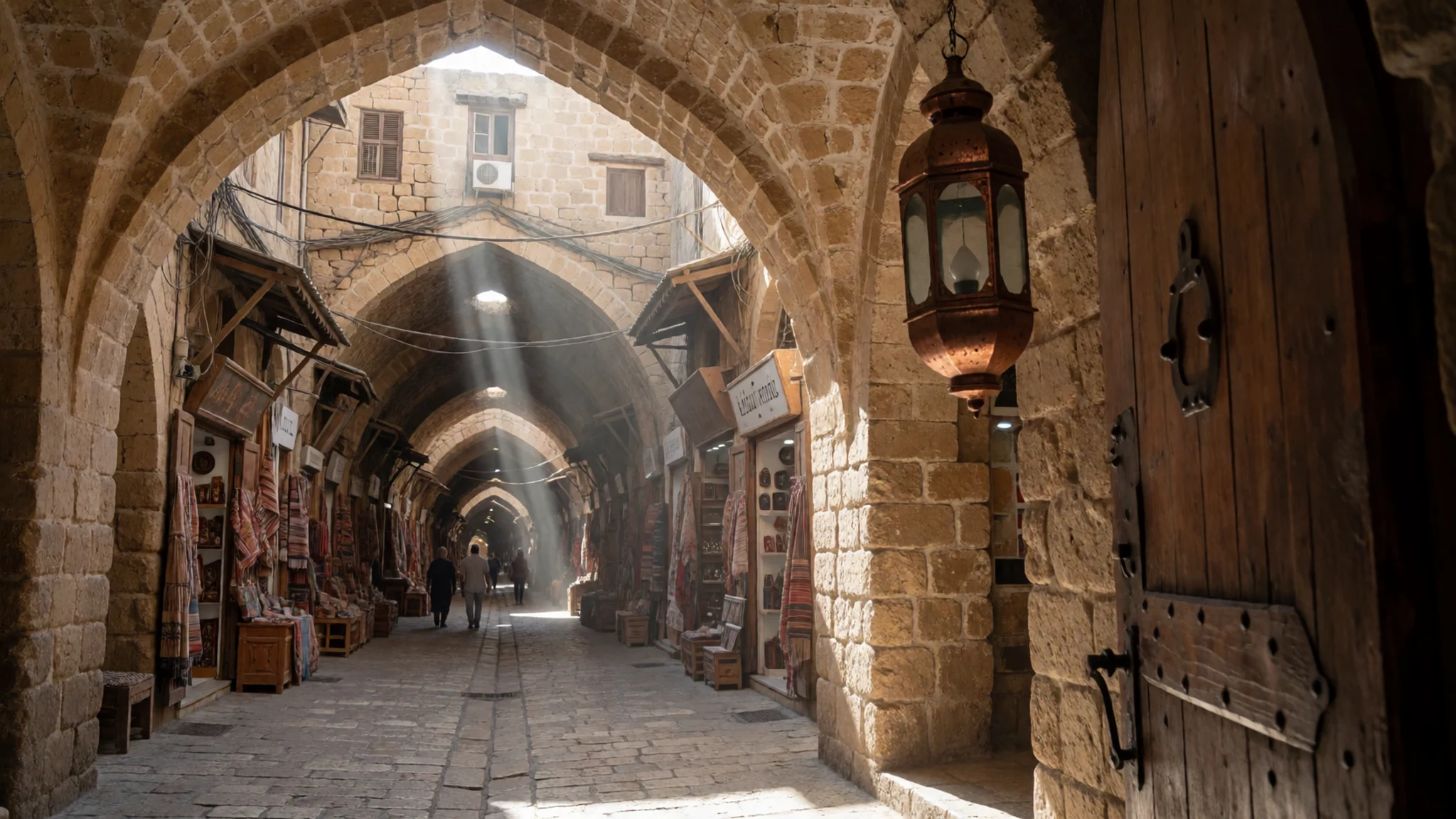
Culture
Sidon reflects a deeply rooted conservative Muslim heritage that shapes its social rhythms, community gatherings, and daily interactions. Family honour, traditional hospitality, and religious observance guide community life, creating an atmosphere that feels distinct from more cosmopolitan Mediterranean hubs. Traditional arts persist through generational workshops in the old souks, where craftsmen carve wood, beat copper, and weave textiles by hand. Due to the city's conservative character, alcoholic drinks are not served in local restaurants, cafés, or markets, preserving a sober and family-oriented public sphere. Instead, vibrant juice bars serve chilled tamarind water, liquorice infusions, and chunky fruit cocktails to visitors seeking refreshment under the afternoon heat. Visitors should dress modestly with shoulders and knees covered when exploring residential neighbourhoods and religious sites.
What to wear
Traditional attire in Sidon historically mirrored coastal Levantine customs, featuring loose-fitting garments suited for warm maritime summers and mild winters, complemented by hand-woven textiles and embroidered headwear crafted by local artisans. Modern daily dress in the city is generally conservative and practical; most residents wear modest, contemporary European-style clothing, with many women choosing headscarves and modest tunics that respect local religious norms. Travellers visiting Sidon should pack lightweight, breathable clothing made from natural fibers like cotton and linen to cope with the coastal humidity. To blend in comfortably and show respect for the city's conservative traditions, visitors must ensure their shoulders, chests, and knees remain fully covered in public spaces outside the immediate resort areas. Comfortable walking shoes are essential for navigating the uneven flagstones, ancient staircases, and narrow vaulted passageways of the historic old town.
What to eat
- Traditional Lebanese Meze — Traditional establishments throughout the old city
An array of small, shareable plates featuring fresh salads, creamy chickpea dips, herb pastries, and grilled meats, celebrated across traditional family-run eateries in the historic quarter.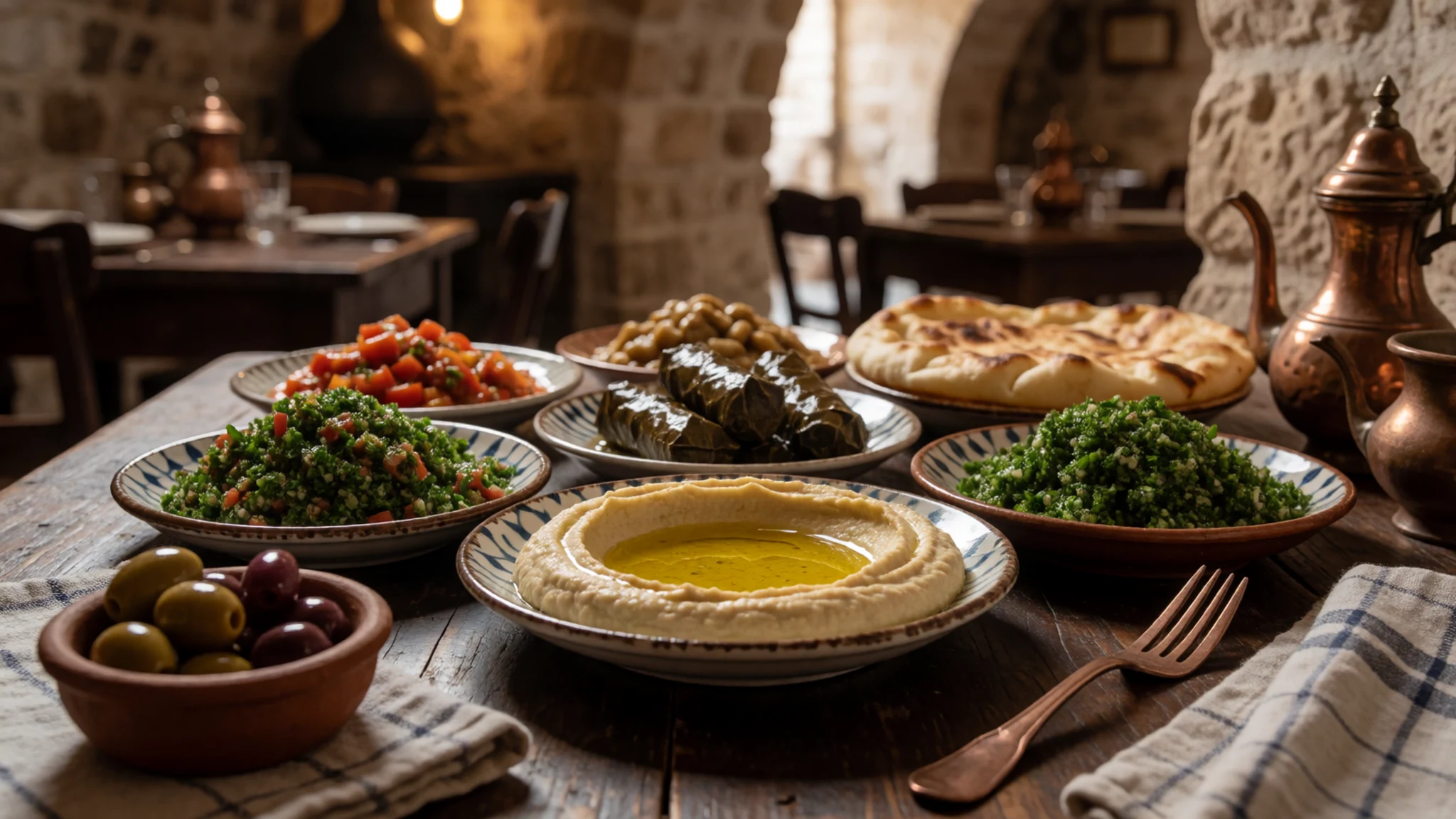
- Fresh Coastal Fish — Waterfront eateries near the fishing port
Locally caught Mediterranean fish seasoned with local spices and lemon, grilled or fried to order and enjoyed right beside the historic fishing harbour.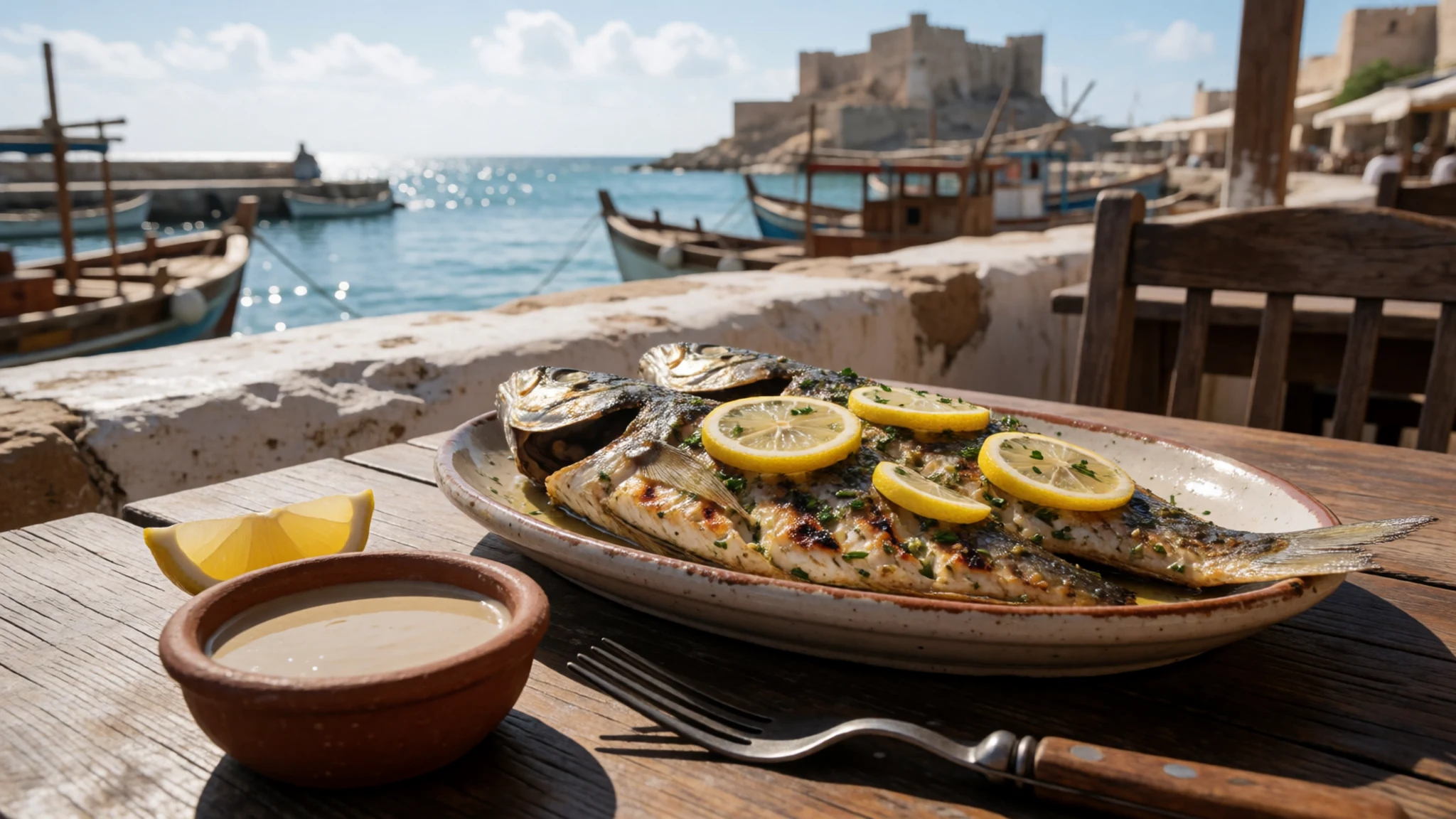
- Falafel and Quick Snacks — Street-side snack shops in the central market
Crispy chickpea fritters wrapped in flatbread with fresh herbs, tomatoes, and tahini sauce, served hot from legendary neighbourhood counters in the downtown lanes. - Traditional Fruit Juices — Specialist juice shops across the city centre
Refreshing local beverages crafted from tamarind, liquorice, and seasonal fruits blended with crushed ice and chunks of fresh fruit.
Plan it
Best time. Spring (March to April) and autumn (October to November) offer comfortable temperatures for walking, while summer months bring high humidity along the coast.
How long. 1–2
Getting there. Take a 1-hour bus or taxi ride from Beirut; inexpensive minibuses depart frequently from Beirut's Cola station and arrive directly near the Sea Castle.
Budget. mid
Tips
- Arrive early in the morning to explore the old souks before midday crowds and heat build up
- Carry sufficient physical cash in Lebanese pounds or US dollars as card acceptance can be limited in small shops
- Check local security updates regarding the Ein el-Helweh area before planning movements to the southern outskirts
- Wear sturdy footwear with good grip for walking on uneven medieval stone floors and castle ramps
Etiquette
- Dress modestly with covered shoulders and knees out of respect for local conservative norms
- Ask permission before photographing local residents or artisans at work in the souks
- Refrain from bringing or consuming alcohol in public restaurants and cafés
Nearby
Sources
- Wikidata Q163490 (CC0)
- Wikipedia (rev 1383150332) (CC BY-SA 4.0)
- Wikivoyage (rev 5239007) (CC BY-SA 4.0)