Byblos
Byblos, Lebanon
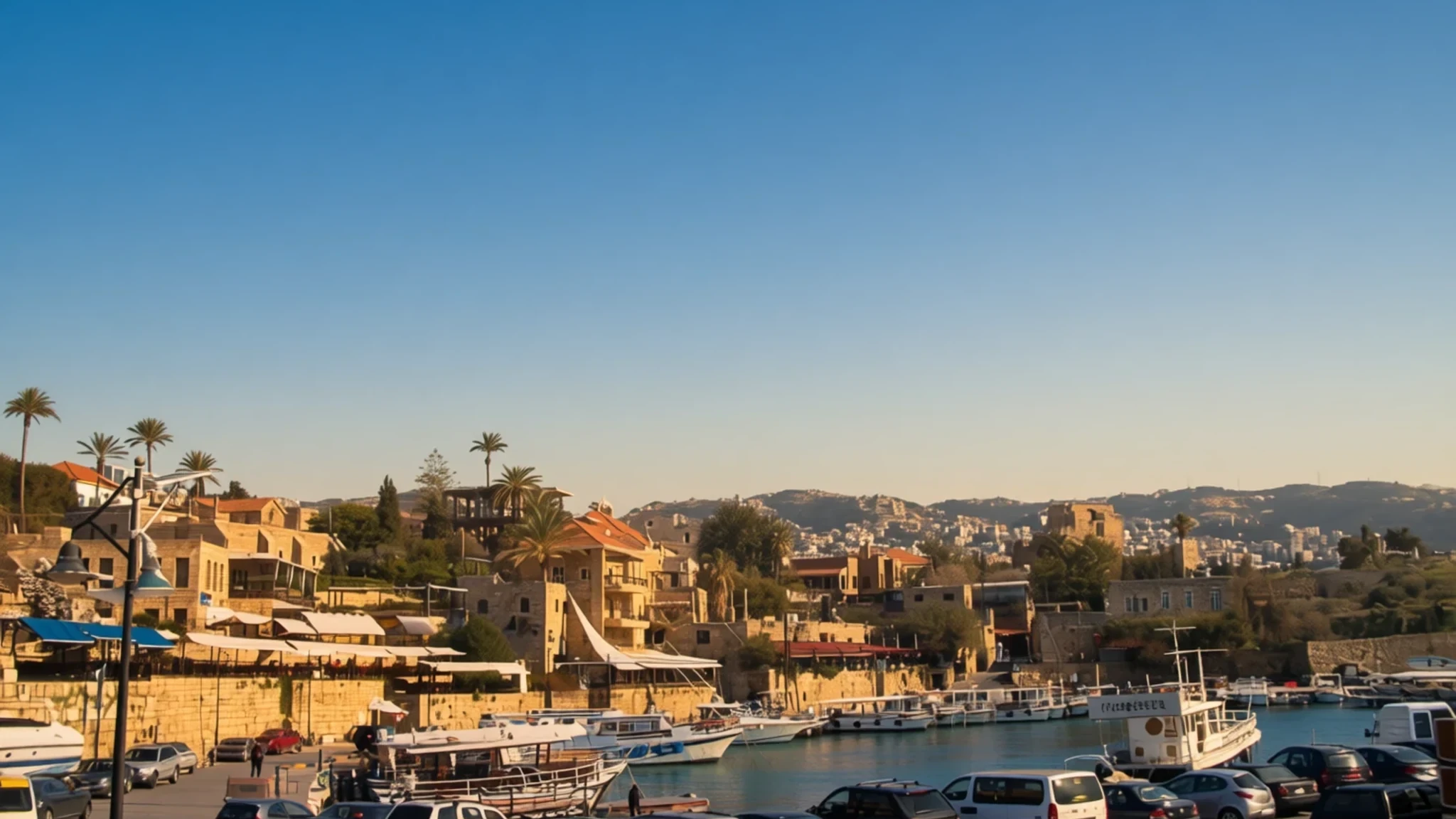
A harbour town whose ruins run from prehistory to Ottoman times, with a crusader castle and an old souk above the sea.
The place
Byblos sits on the Lebanese coast in the Keserwan-Jbeil Governorate, a short drive north of Beirut. Locals often call it Jbeil, and both names turn up on signs and in conversation, so it helps to know each. The town is small enough to cross on foot in an afternoon. A fishing harbour with old sea walls faces a warren of stone lanes in the souk, a crusader castle stands on the rise above the port, and excavated temple ruins lie on the ground between them. The old town sits barely 10 m above sea level, and the mountains behind it give the skyline a backdrop that changes with the light. Seen from the water, the site looks like one layer of masonry, but it holds many. Excavations have reached early houses, Bronze Age temples and Phoenician tombs, and the record continues through Roman, Byzantine, Crusader and Ottoman remains. Modern Byblos has become an upscale seaside hub, with yachts in the harbour, cafes spilling into the lanes and fish restaurants overlooking the water. The beaches nearby draw families in summer, while the old town is busiest in the evenings. Weekends and public holidays bring day-trippers from Beirut, and the lanes can feel crowded then. Its appeal lies in how a small place has held so much history without losing its working port.
Its story
The story of Byblos is largely the story of its excavations. Archaeologists were drawn here because the mound and surrounding ground hold deposits from many generations of building, one layered above another. The first serious digging was led by the French scholar Ernest Renan, who wanted to show that the ancient city had never moved and that the medieval Gebeil occupied the same ground as the Greek Byblos. Later French teams, first under Pierre Montet and then under Maurice Dunand, worked the site for decades, and their stratified trenches still shape how visitors understand the ruins. Ancient writers tied the town to myth. Fragments attributed to the Phoenician priest Sanchuniathon describe it as the first city in Phoenicia, founded under a god whom the Greeks identified with Cronus. Later Greek writers linked the town to the shrine god El, and the Canaanite world that shared his name left temples and burials across the area. The physical evidence is patchier than the legends but still striking. Early houses of uniform size point to a settled community, and the sequence of rulers reads like a list of the region's powers. Egyptian, Assyrian, Persian, Hellenistic, Roman, Umayyad, Abbasid, Genoese, Ayyubid, Mamluk and Ottoman forces all held the town at some point. The Crusaders added the castle and the church of St John, which still stand close to the harbour. Few places in the eastern Mediterranean show so many periods in such a compact space, and the excavations keep reshaping the picture.
What to see
- Crusader Castle — Harbour headland
The castle on the rise above the harbour is the most visible monument from the port. The Crusaders built a fortress over earlier foundations, and later Mamluk and Ottoman builders altered it. Climb the walls for views over the red roofs of the old town and the curve of the bay. Go in the late afternoon, when the stone turns gold and the crowds from the morning tours have gone.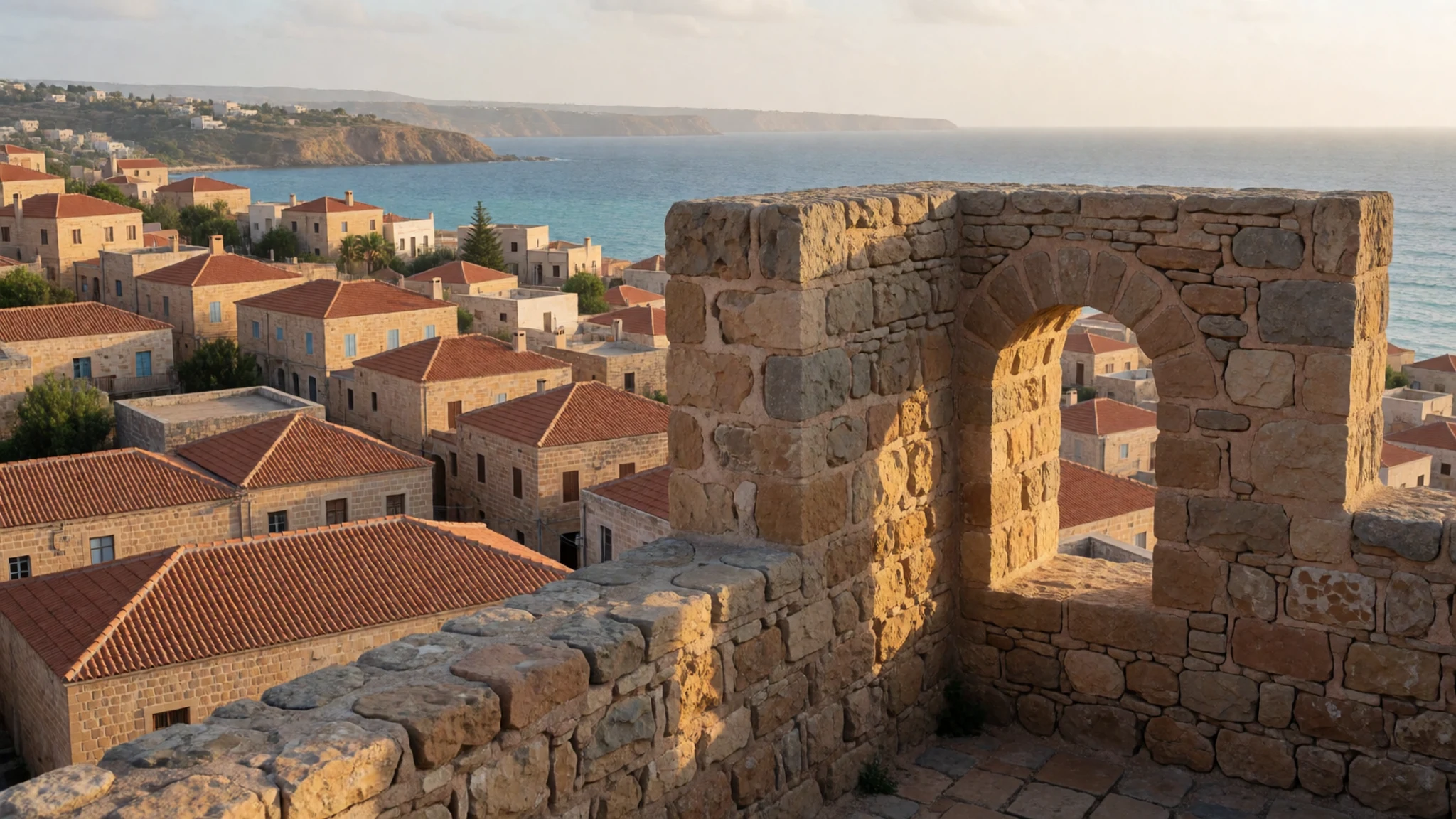
- Kings' Tomb — Archaeological zone near the castle
The Kings' Tomb sits inside the archaeological zone close to the castle, and it is one of the burial sites the site is known for. The layout of the tomb and its stonework are easier to read with a guide or a printed plan. Allow time to walk around it slowly and compare it with the nearby excavated remains. Check the official site for current arrangements before you go.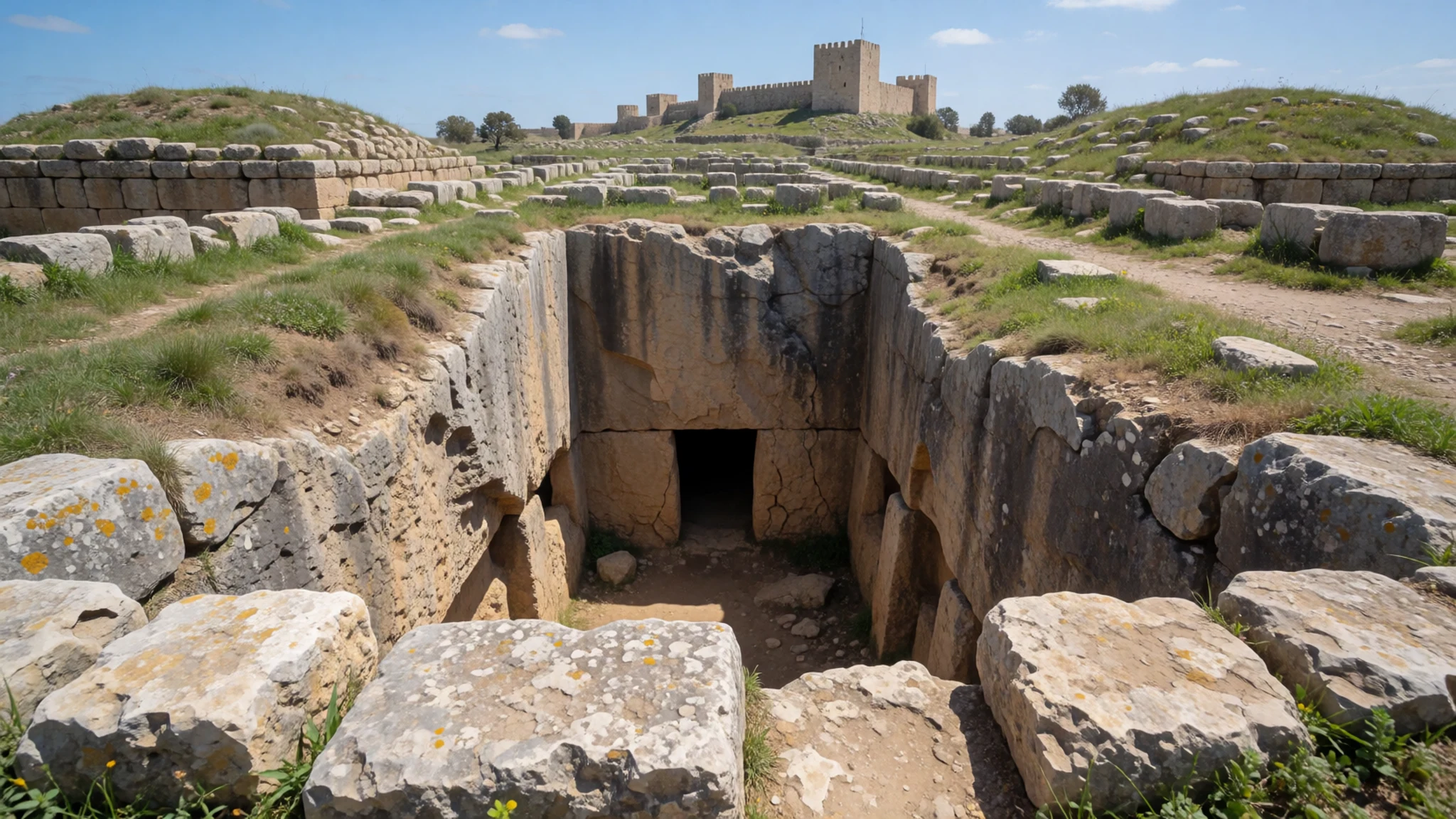
- Temple of the Obelisks — Archaeological zone
This excavated temple complex is divided into two sections. The obelisk temple was originally the main part of the sanctuary, and its footprint shows how the building was reworked over time. Walk the lines of the walls to see the rebuilding for yourself. The ruins are open to the sky and can be hot in summer, so bring water and a hat.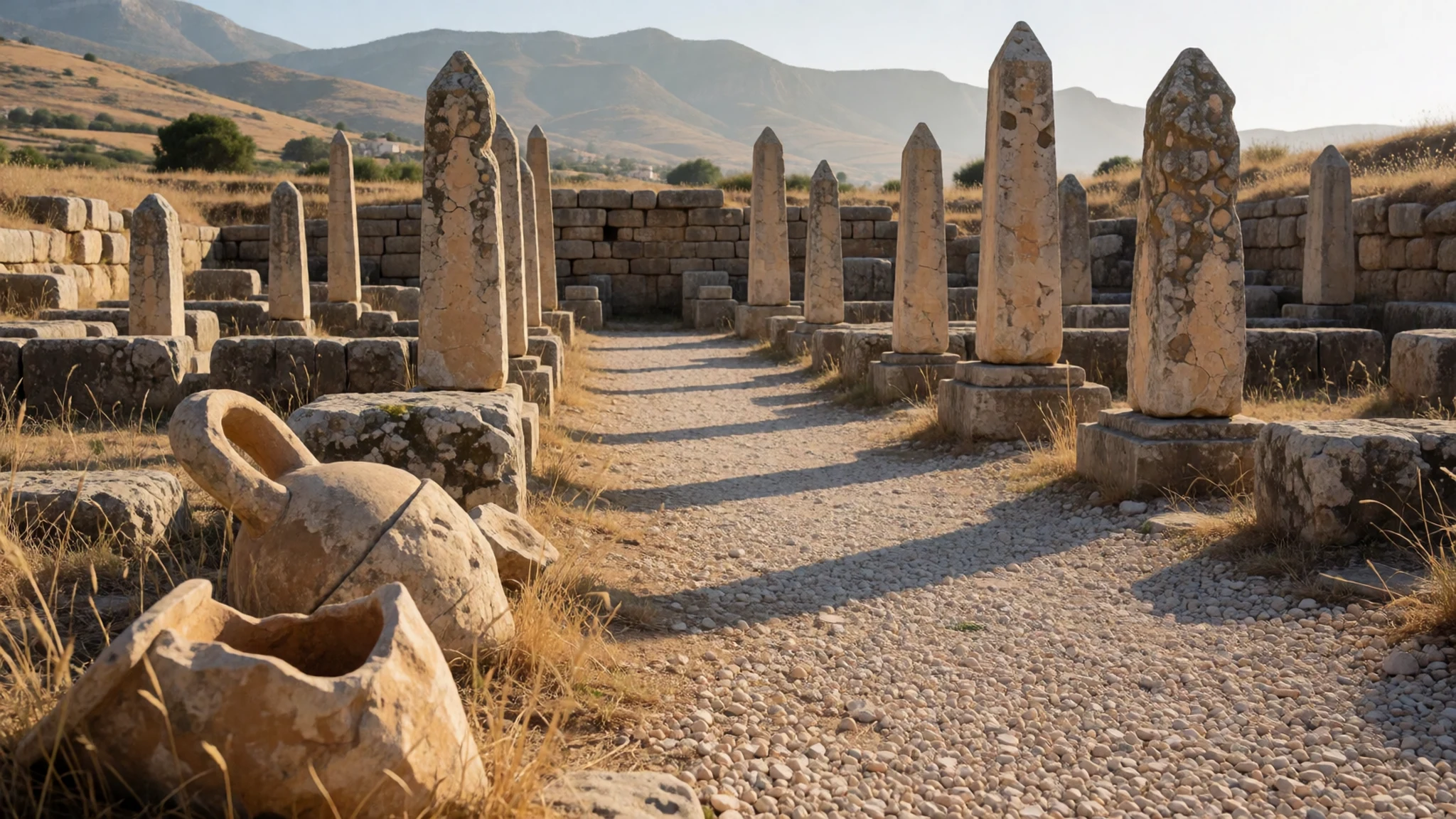
- St John's Church — Near the harbour
The medieval church of St John stands close to the harbour and is one of the clearest Crusader-era buildings in the town. Its stone walls and simple interior reflect the church's long use. Visits are usually quiet, and the building is still used for worship. Keep voices low, dress modestly and ask before taking photographs inside.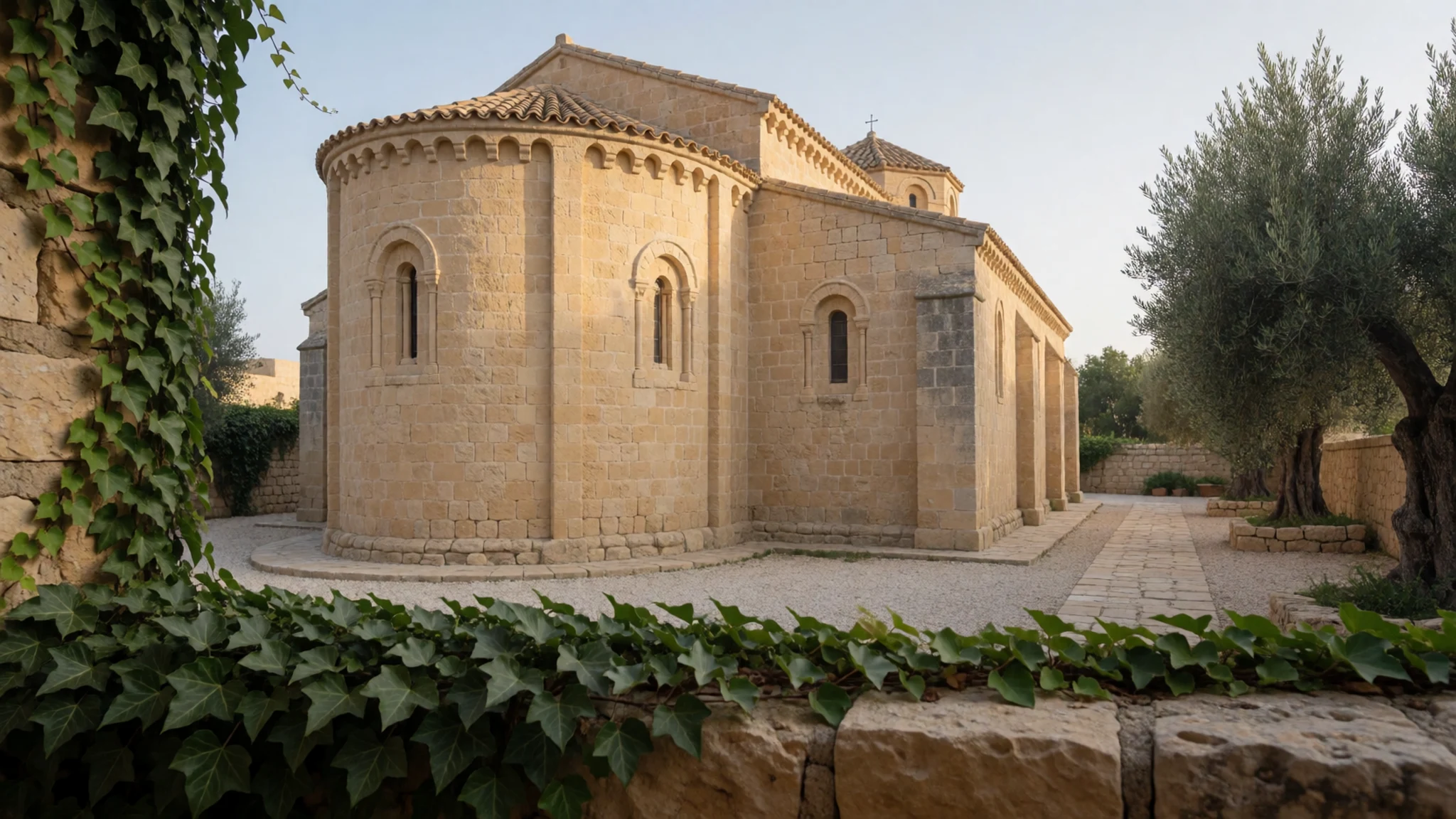
- The old souk and port — Old town and harbour
The old souk is a maze of stone lanes running down to the fishing port, lined with shops, cafes and small restaurants. Its side streets are best explored on foot in the morning or the early evening, when the light is soft and the shopkeepers are open. The harbour is the working heart of the town, with boats, nets and the evening promenade. Expect the lanes to be crowded at weekends and in summer.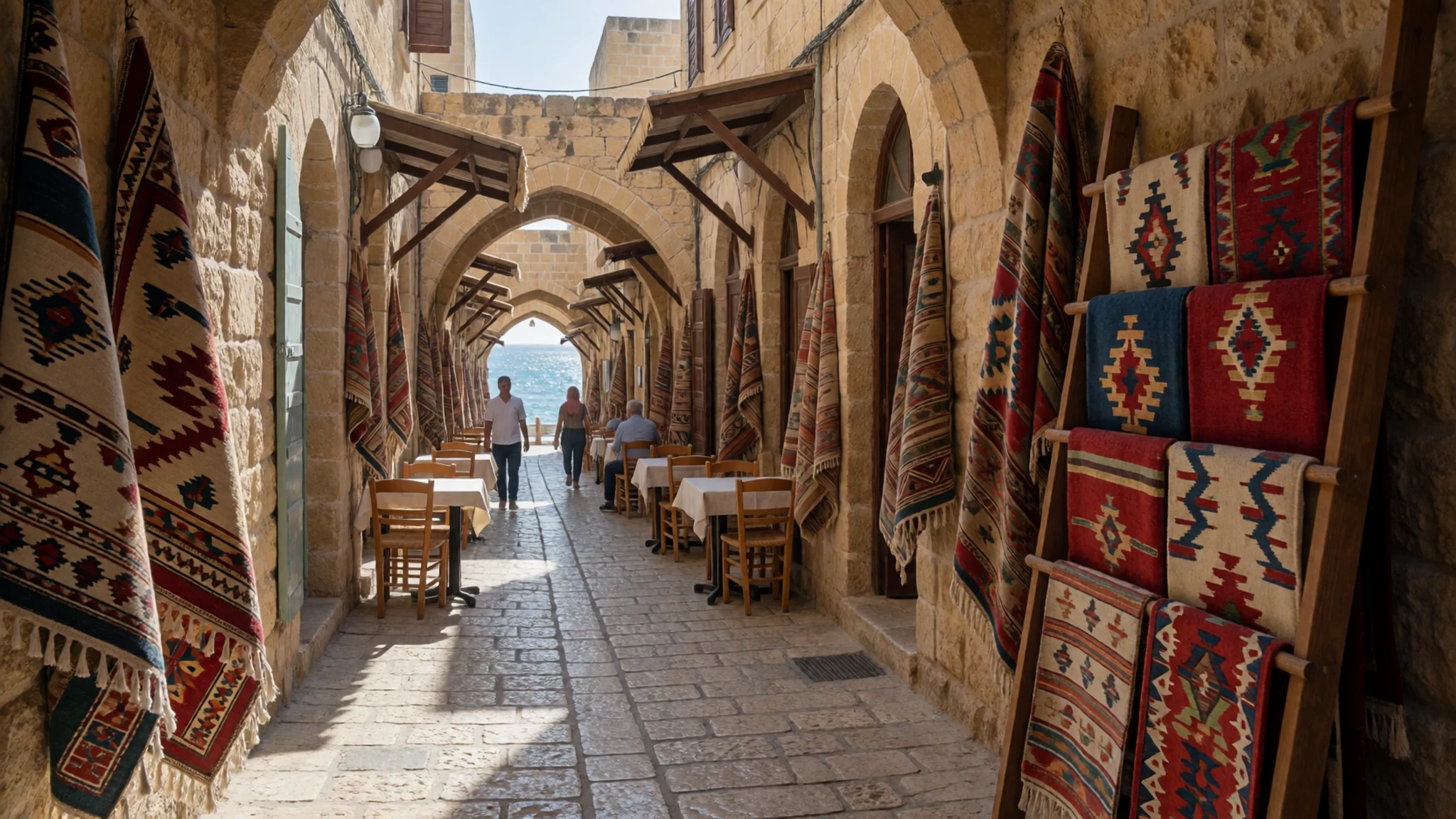
Culture
Byblos is a mixed town, and its religious life is visible in its churches, mosques and processions. Christian and Muslim families live side by side, and Friday and Sunday services bring their own rhythms to the lanes. Hospitality is central: shopkeepers and café staff often greet newcomers warmly and expect a brief exchange before any sale. Lebanese people commonly use a mix of Arabic, French and English, so a few words of greeting in Arabic are welcomed. Eating and drinking are part of social life, and the evening terraces are as much about conversation as about food. Dress and behaviour are relaxed in the town, but not at religious sites. Keep voices low and cover shoulders and knees when entering a church, and remove shoes before stepping onto a mosque carpet. Ask before photographing people, especially women and families, and never photograph a service without permission.
What to wear
The older dress of the Lebanese coast and mountains used cotton, linen and silk, with embroidery on sleeves, collars and hems. Household textiles carried the same stitching, and village embroidery often marked a person's region or family. Few people wear these garments daily now. They appear at weddings, folk performances and cultural festivals, where the colours and cross-stitch patterns are the main attraction. Today, people in Byblos dress much like people in Beirut. Jeans, plain shirts, cotton dresses and smart casual clothes are common on the harbour and in the souk, and fashion is more relaxed in summer. For a visit, pack light cotton or linen that covers the shoulders, and loose trousers or a longer skirt for churches and the mosque. Sturdy flat shoes suit the uneven stone lanes and worn steps of the old town. In summer a hat, sunglasses and water bottle help on the exposed ruins, and a light layer is useful for the evening breeze off the sea.
What to eat
- Grilled fish from the harbour — Restaurants along the old port
Fish restaurants line the old port, and many serve whatever the boats brought in that morning. Simple grilled fish with lemon, olive oil and salad is the classic order, and the sea views make a long lunch easy. Ask the staff what is fresh before you choose, as prices for fish are often set by weight.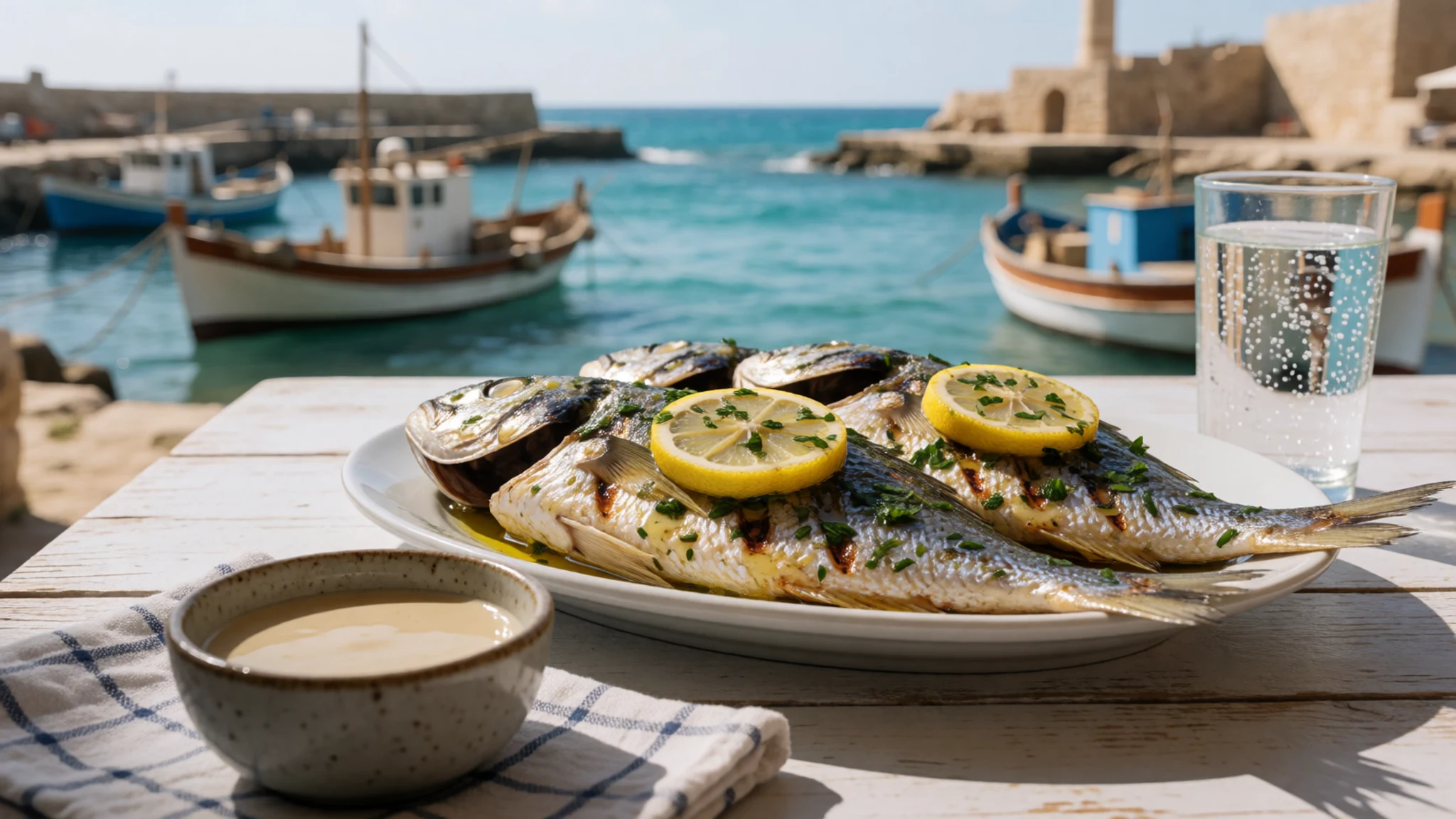
- Mezze in the old souk — Side streets of the old souk
Mezze is a run of small dishes shared at the table, and the side-street eateries of the old souk serve it in a relaxed setting. Expect hummus, tabbouleh, fattoush and grilled meats. Order a few plates to share and add bread to scoop everything up. Evenings are lively, so arrive early for a seat near the lanes.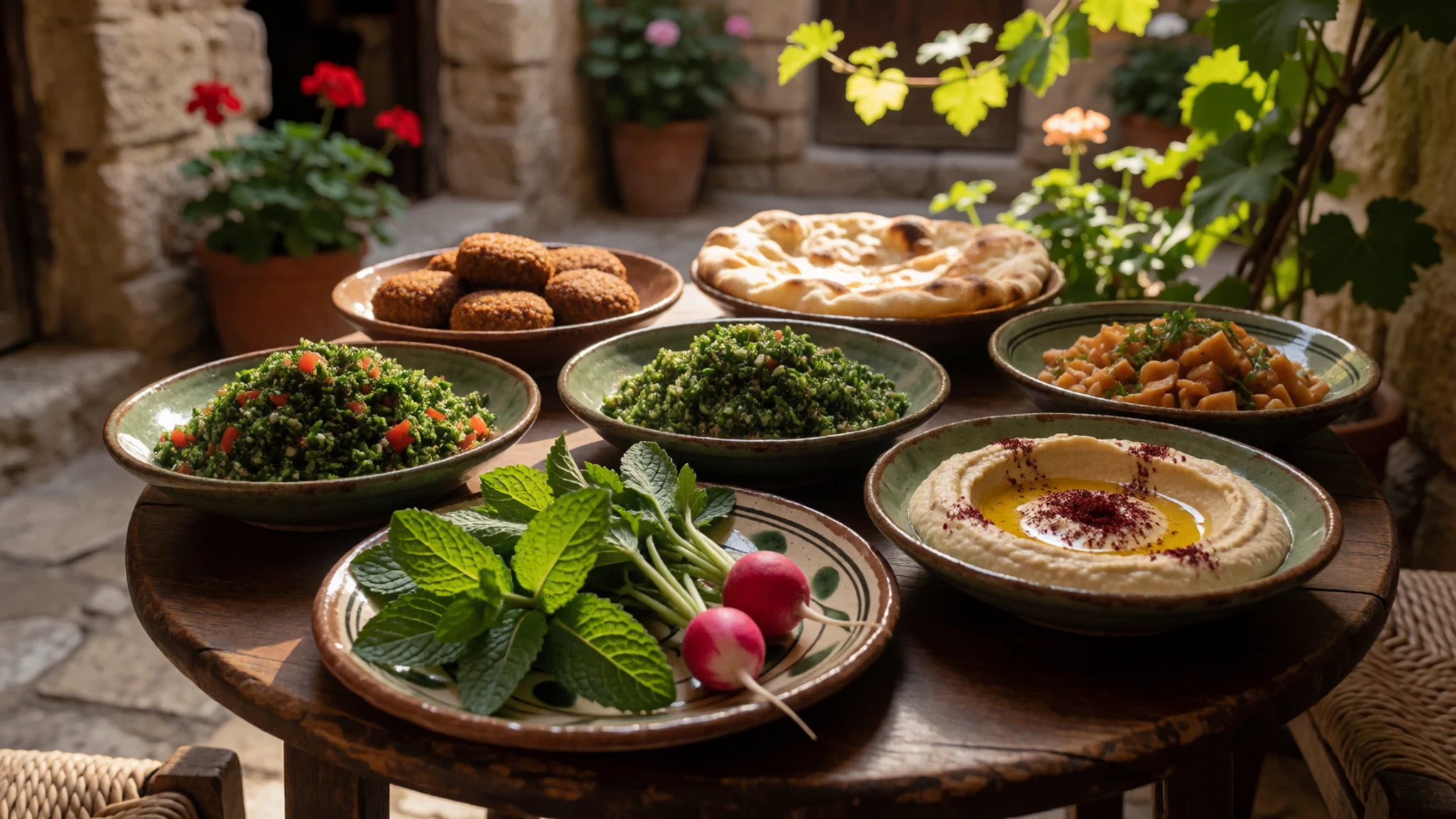
- Manakish from the bakery — Neighbourhood bakeries, especially in the mornings
Manakish is a flatbread topped with za'atar, cheese or minced meat, baked in a hot oven and eaten warm. Neighbourhood bakeries open early and sell out of the morning batch by late morning. It is an inexpensive breakfast or snack, and it is easy to carry while exploring the ruins. - Shawarma from a street stand — Street stands near the port and main road
Shawarma is thin slices of marinated meat, cooked on a vertical spit and wrapped in bread with pickles and garlic sauce. Small stands near the harbour and main roads serve it quickly and cheaply. It works well as a fast lunch between visits to the castle and the temple ruins. - Lebanese coffee in a café — Cafés on the old souk terraces
Lebanese coffee is strong, finely ground and served in small cups, often with sugar added during brewing. The cafés of the old souk serve it on shaded terraces, and it is a good way to rest between sights. Many cafés also offer mint tea and fresh juices in summer.
Plan it
Best time. Spring, from March to April, and autumn, from October to November, are a little less punishing than midsummer, with highs still around 30 to 37 °C, and October and November bring more rain than the summer months. July and August are hot and busy on the coast, and winter can bring rain and grey skies.
How long. 1–2
Getting there. Rafic Hariri International Airport in Beirut is the nearest airport. From there take a taxi or a shared bus to Jbeil, the local name, about a short drive north of the capital. Buses to Tripoli can also drop passengers at the Byblos highway exit, from where it is a short walk to the old town.
Budget. mid
Tips
- Book a seafront table in advance for weekend evenings
- Visit the castle and the ruins early, before tour groups arrive
- Carry cash for small shops, cafés and taxis
- Bring water and a hat for the exposed ruins in summer
- Wear flat shoes for the uneven stone lanes and steps
- Check the official site (jbail-byblos.gov.lb) for current opening arrangements before you go
Etiquette
- Dress modestly and cover shoulders and knees at churches
- Ask before photographing people or services
- Remove shoes before entering a mosque
Nearby
Sources
- Wikidata Q173532 (CC0)
- Wikipedia, Byblos (rev 1383157947) (CC BY-SA 4.0)
- Wikivoyage, Byblos (rev 5382591) (CC BY-SA 4.0)
- Byblos / Libanon 2003, Orient at de.wikipedia (CC BY-SA 2.0 de)
- Jug Byblos Louvre AO14707, Jastrow (Public domain)
- Byblos 5, Giorgio Montersino (CC BY-SA 2.0)
- Traditional lebanese house at Byblos, Peripitus (CC BY-SA 2.5)
- Byblos (Lebanon), Véronique Dauge (CC BY-SA 3.0 igo)
- Medieval Church of St. John in Byblos, User:Linaduliban (Public domain)
- Old streets, Karan Jain (CC BY-SA 2.0)
- The souk at Byblos, User:Linaduliban (Public domain)


