Beirut
Beirut, Lebanon
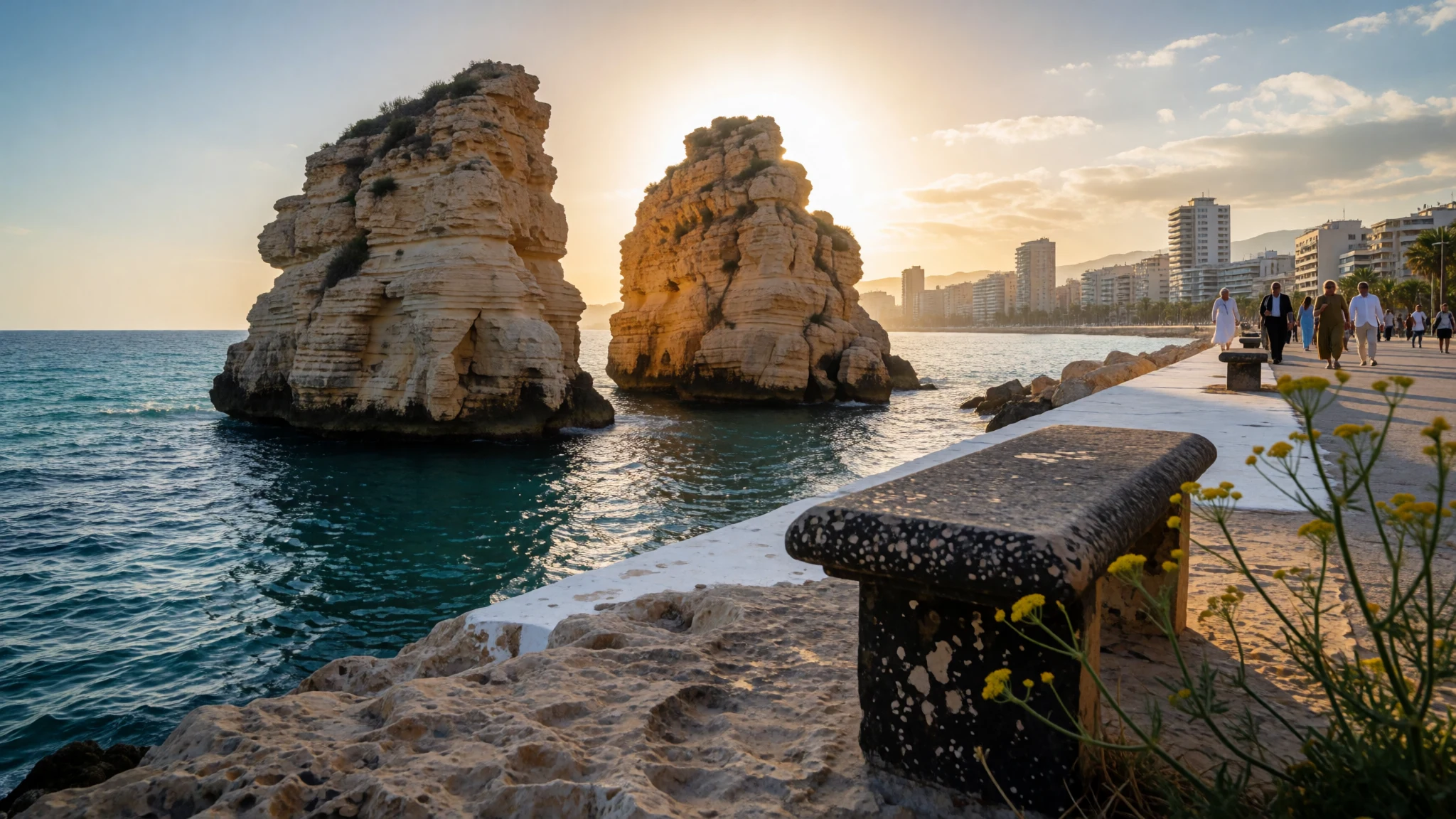
Beirut sets a working port, hill neighbourhoods and a very long past on one Mediterranean peninsula.
The place
Beirut (بيروت) is Lebanon's capital and its largest city, built where a peninsula runs out into the Mediterranean about halfway along the Lebanese shore. About 2.4 million people live in Greater Beirut. The ground plan is a wedge set between two hills, Al-Ashrafieh and Al-Musaytibah, so the streets climb instead of running level, with open water to the west and the Lebanon Mountains inland. A walk can drop from a hill quarter to the harbour in a short distance, and the port shares the same tongue of land as the old downtown. Ministries are based here, and so are a large share of the country's banks and firms. The harbour still works as Lebanon's seaport, which means cranes and sheds sit in the same view as apartment blocks. Repeated shocks have forced the city to rebuild: the civil war, the conflict of 2006, and the blast at the port in 2020. After each one, blocks were put back, and the streets now mix older stone houses, patched centre blocks and newer towers, among them seafront buildings such as the Platinum Tower. Districts keep separate rhythms. Ashrafieh holds the Sursock Museum among residences. Hamra, close to the university, runs to cafés, bookshops and a campus archaeological collection. The corniche and the Rawshe rocks give the peninsula its open sea edge. Arabic carries daily speech, while French remains in schools and official habit from the mandate years, and Ottoman and earlier fabric sits under the modern paving. Beirut is a dense capital that has had to reconstruct itself and has gone on trading, studying and cooking through those repairs.
Its story
Beirut began beside the Beirut River. The earliest houses stood on an island there until silt closed the channel and the island joined the bank. Excavations under downtown have since opened a vertical stack of later cities, with Phoenician, Hellenistic, Roman, Byzantine, Arab, Crusader, Persian and Ottoman material in succession. Settlement is far older than those empires. Flint from inside today's urban area runs from the Middle Palaeolithic and the Upper Palaeolithic through the Neolithic to the Bronze Age, and the town itself was already occupied more than 5,000 years ago. Surveyors named two early sites. Beirut I, Minet el-Hosn, lies on the central shore; Louis Lartet found it in 1894, and the flint industry there was classed as Mousterian. The pieces are kept at the Museum of Fine Arts of Lyon. Beirut II, Umm el-Khatib, was traced south of Tarik el Jedideh. Among the tools of that span are Canaanean blades, flint worked to a cutting edge. The harbour town later taught as well as traded. In the Eastern Roman period a law school in downtown Beirut drew students of law from across the empire. Crusader, Arab and Ottoman centuries added their own walls, names and houses on the same peninsula. War in recent generations, including the fighting of 2006 and the port explosion of 2020, broke much of that fabric, and rebuilding laid new streets over old ones. The history visible in Beirut is therefore a series of repairs on very old ground, not a single intact monument.
What to see
- National Museum of Beirut — South Ashrafieh
The National Museum of Beirut stands on Damascus Road beside the Hippodrome, in Mathaf-Badaro, and is the city's principal collection of Lebanon's past. Displays run from early stone tools up to Mamluk-era objects, with archaeology given more room than painting. Taken together, the cases make the downtown digs and the hill quarters easier to place in time. A morning is a sensible allowance for the galleries.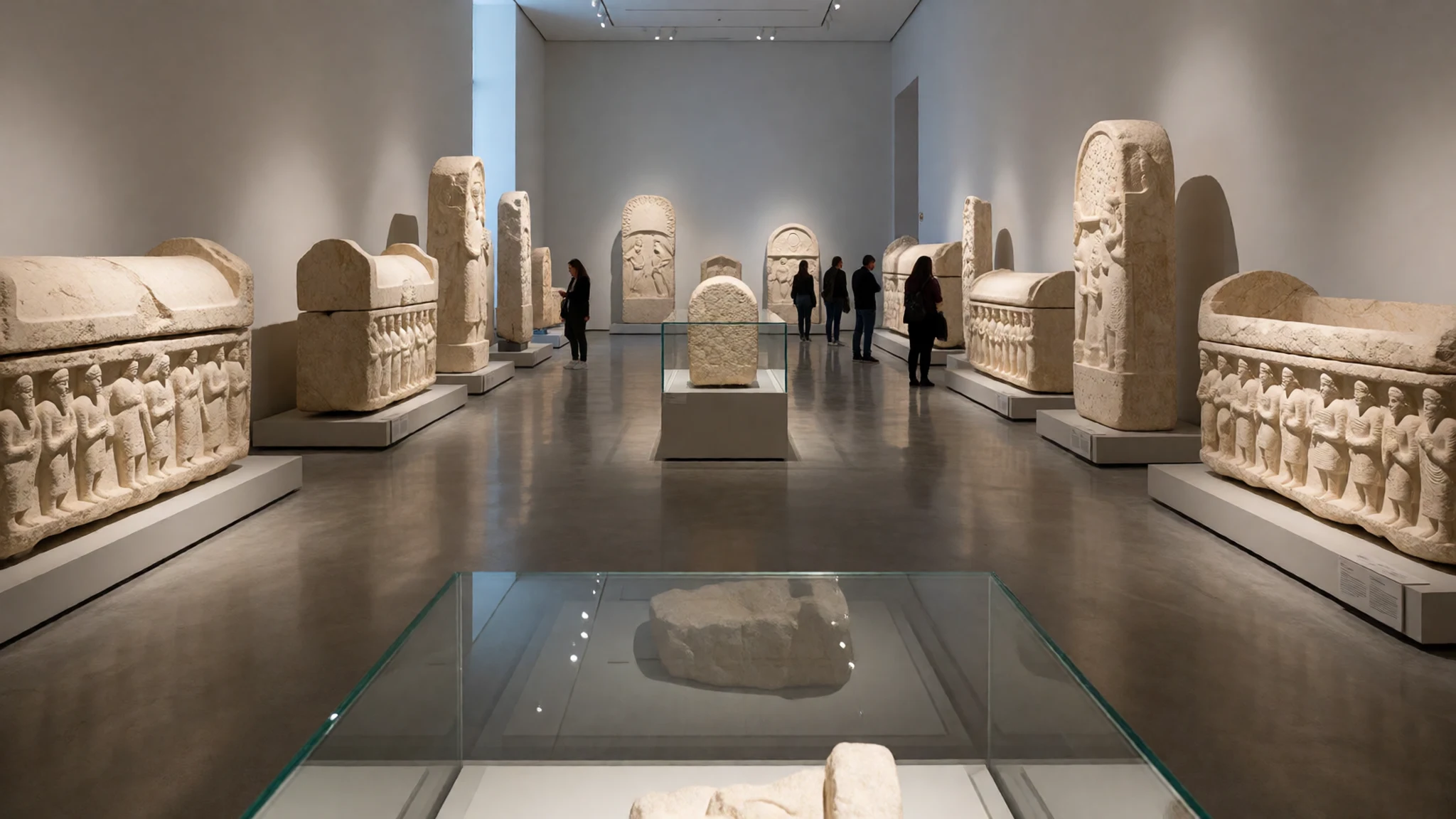
- Sursock Museum — Ashrafieh
The Sursock Museum in Beirut's Ashrafieh quarter shows modern and contemporary art inside a residence built on the lines of an eighteenth-century Lebanese palace. Carved stone, a formal stair and tall windows matter as much as the works on the walls, so the visit is partly architectural. The house sits in a residential district, a quiet contrast with the seafront towers.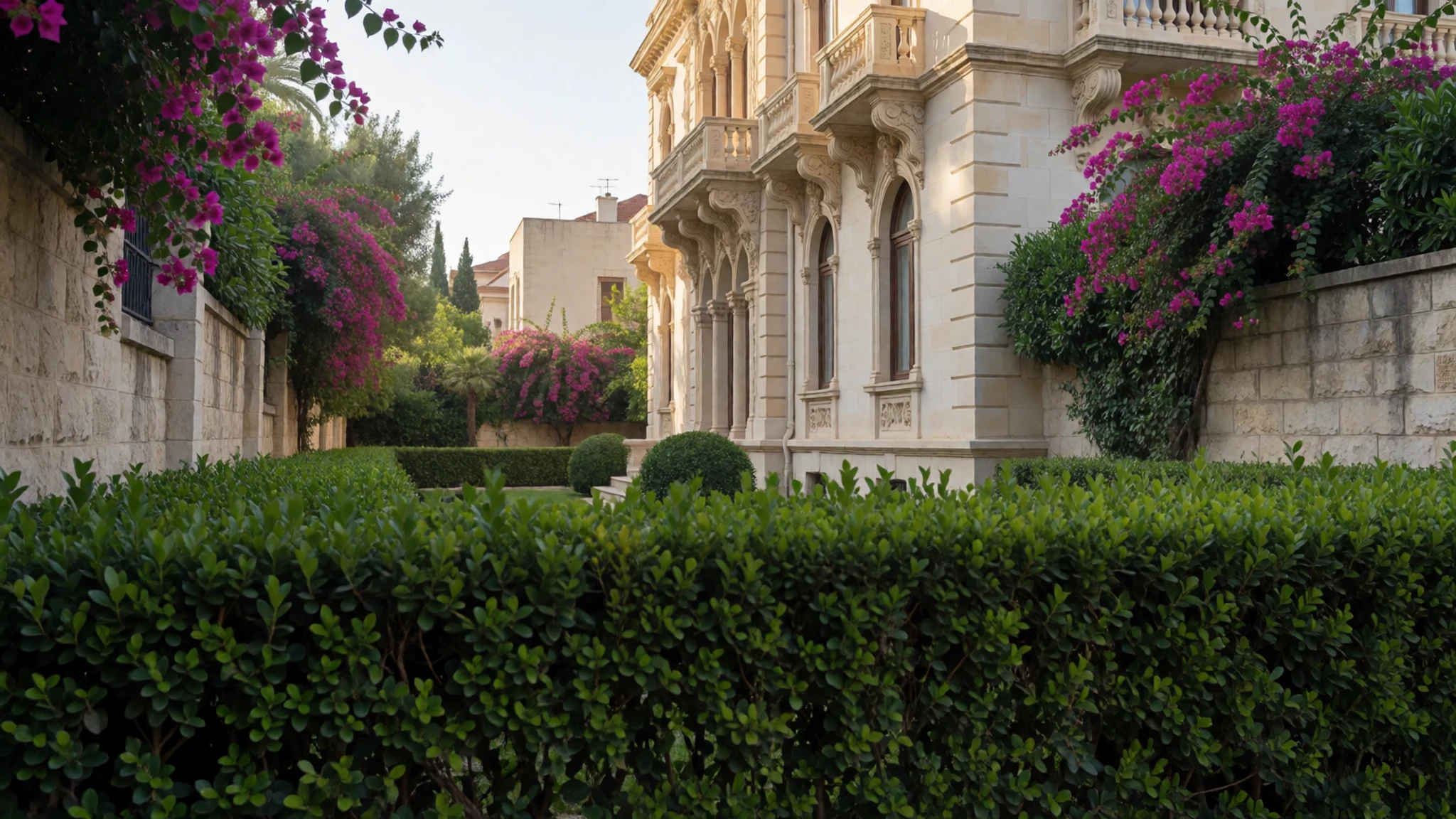
- Archaeological Museum of the American University of Beirut — Hamra
The Archaeological Museum of the American University of Beirut occupies Hamra, within the university, and concentrates on archaeology and history. Objects are shown at the scale of a teaching collection rather than a national showcase. Bookshops and cafés in the same district turn the outing into a neighbourhood walk as well as a museum hour.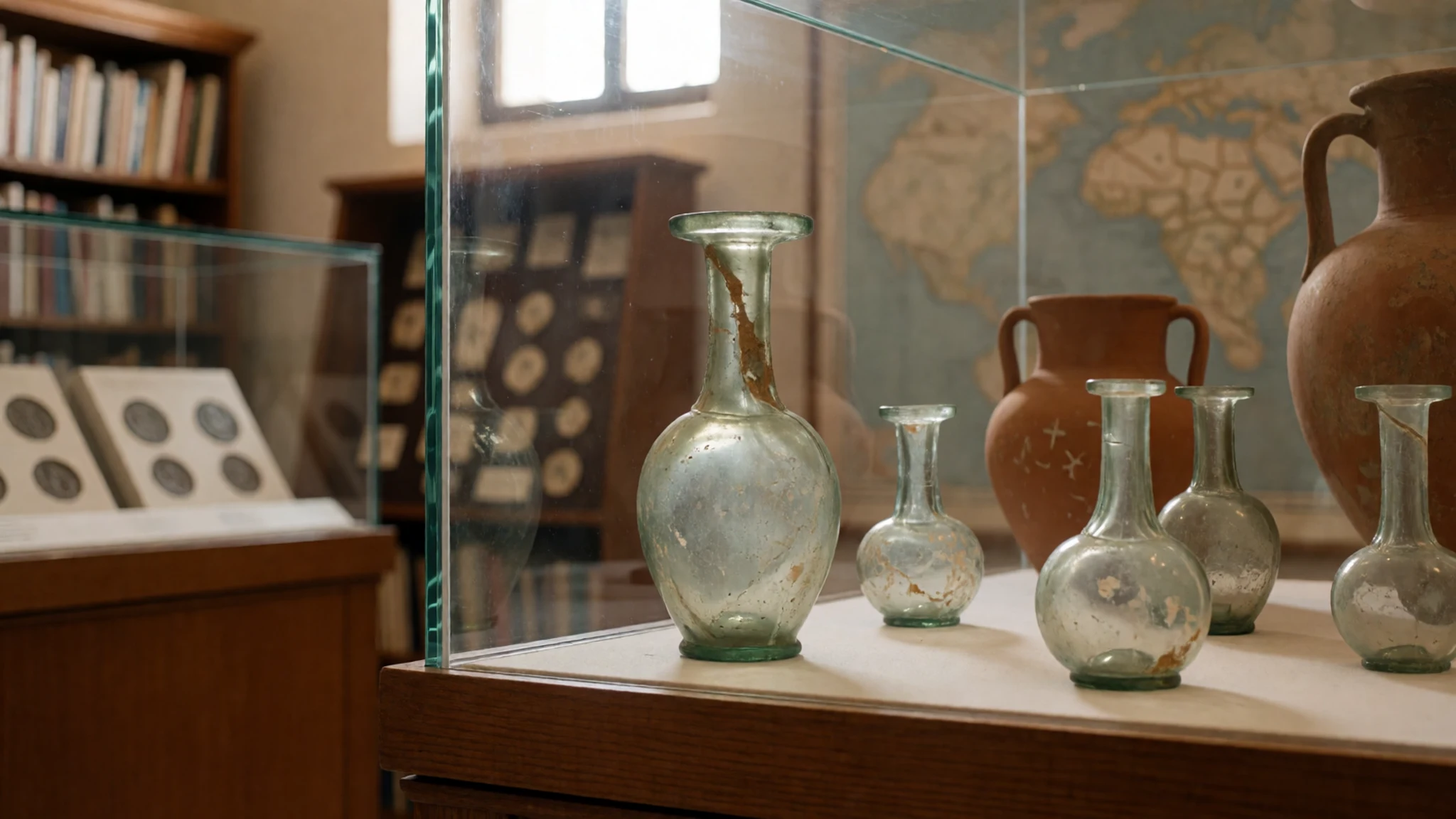
- Silk Museum — Bsous
The Silk Museum at Bsous, inland of Beirut, fills a former silk factory and follows Lebanon's silk trade from leaf to cloth. Workshop rooms and looms show how thread was made, which suits anyone interested in textiles more than in city monuments. The site sits south-east of the centre and deserves a separate half-day.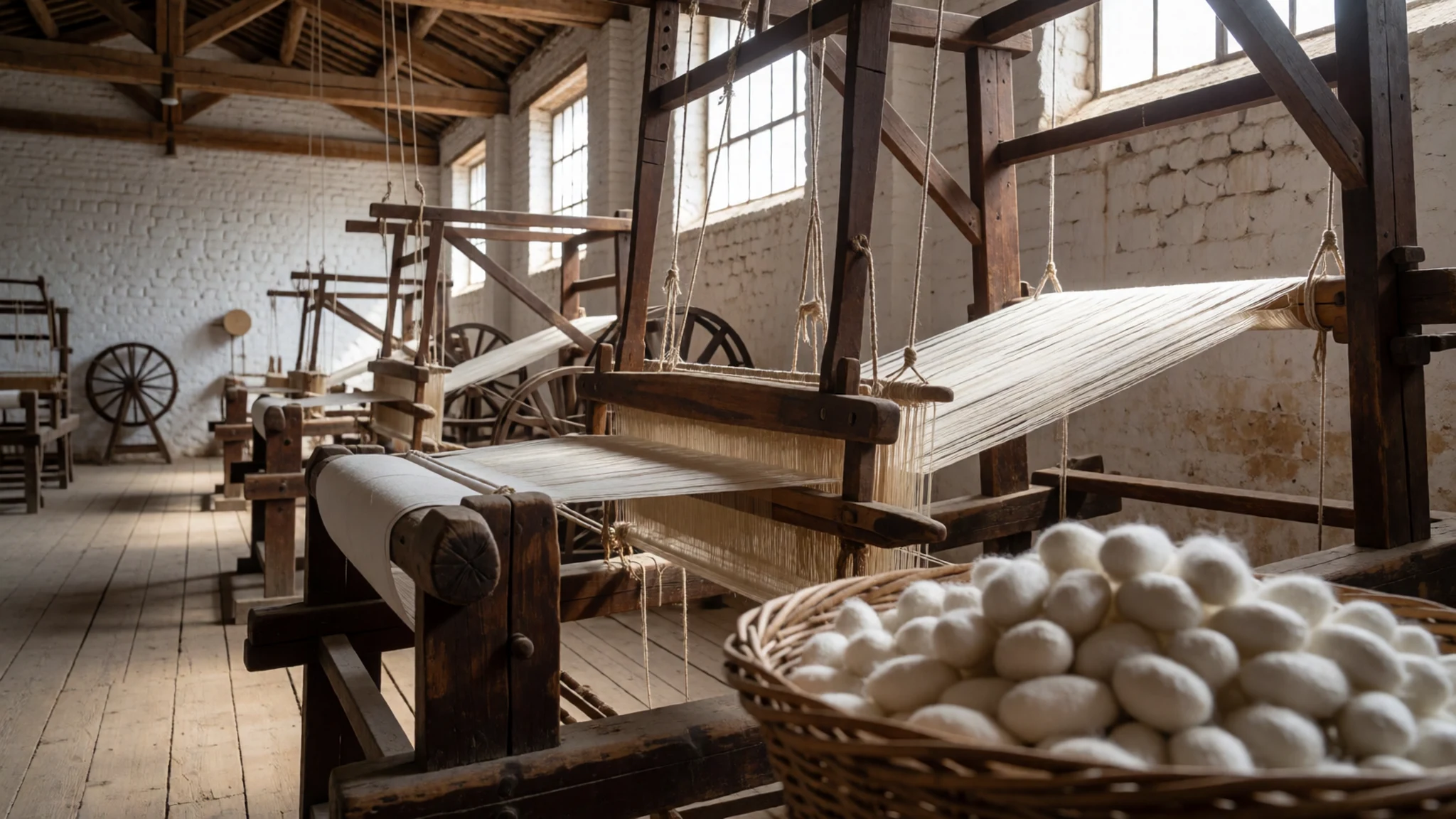
- Rawshe rocks — western corniche
The Rawshe rocks rise just offshore from Beirut's western corniche. From the promenade, the view crosses open Mediterranean water to the rocks and returns to the peninsula and its buildings. The seafront is public ground rather than a gallery, and it makes the harbour setting plain in a single walk.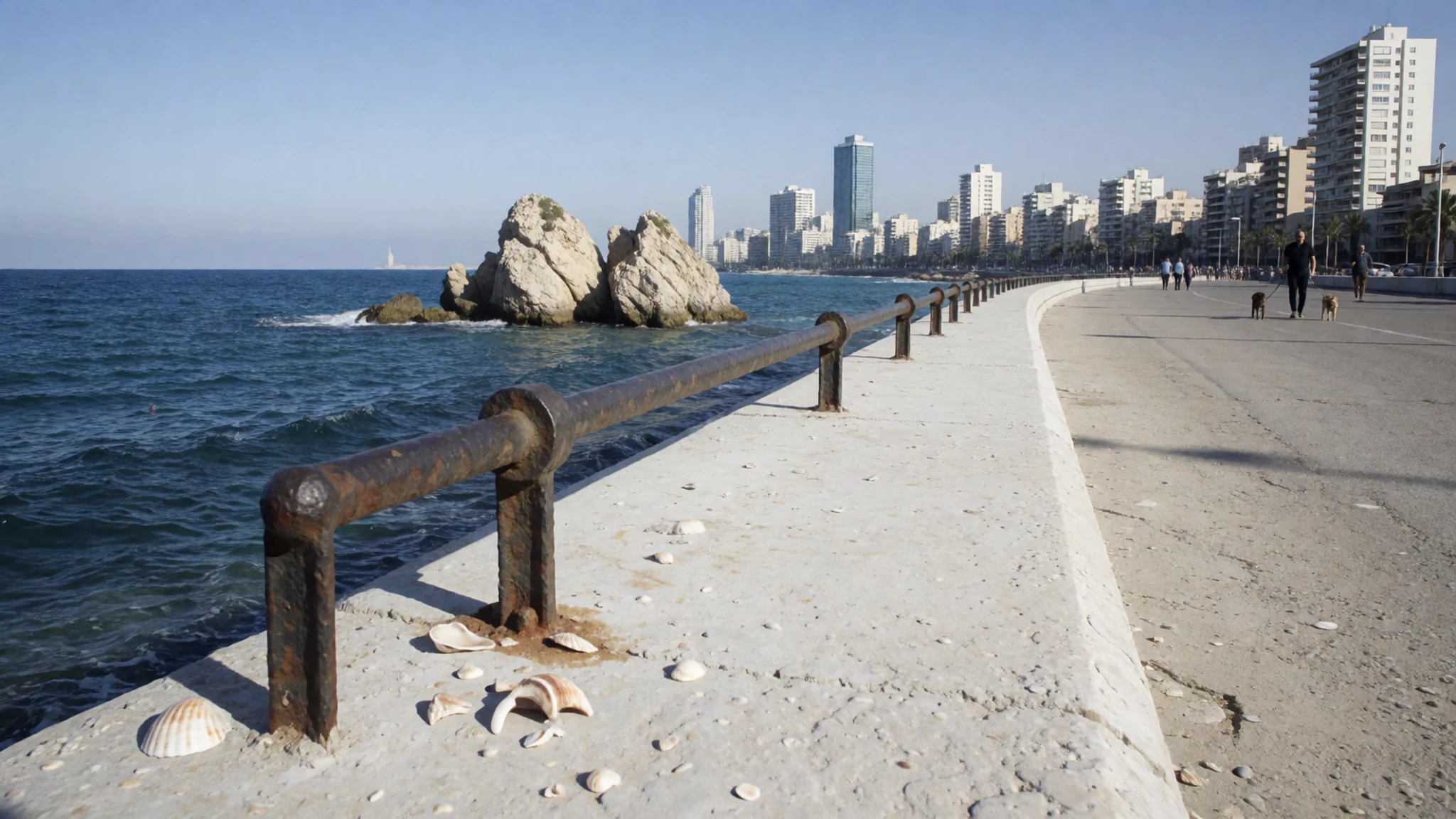
Culture
Beirut's culture gathers Greek and Roman learning, Arab letters, Ottoman urban habits and a deep French imprint in schools, law and newspapers. Arabic is the language of the street, French shares classrooms and much of the press, and English is common in universities and offices. The calendar of recent decades shows the same double horizon: a Francophonie summit and an Arab League summit in 2002, the Prix Albert Londres for francophone reporters in 2007, then the Jeux de la Francophonie and the title of World Book Capital in 2009. Everyday life in Beirut is sociable and late. Cafés hold the afternoon, families sit over long dinners, and the seafront promenade fills after dark. Muslim and Christian communities share many districts, so Eid and Christmas both mark the year, and the call to prayer and church bells are ordinary sounds. A nickname in wide use calls the city the party capital of the Arab world; the everyday picture is crowded cafés, close family ties and a serious reading and film culture alongside nightlife. Beirut argued in public long before those gatherings: a law school in the Eastern Roman downtown trained lawyers for the empire. Dress modestly and remove shoes at mosque doors, and ask before photographing people who are praying or seated at a family table.
What to wear
Beirut's traditional dress belongs to the Lebanese mountain and the Arab city at once. Women wore long embroidered dresses, often in linen or silk, with cross-stitch patterns known as tatreez at the chest and cuffs; silk of the kind once worked at Bsous supplied some of that cloth. Men wore sherwal, loose tapered trousers, with a plain or embroidered jacket, and a keffiyeh or a tarboosh according to district and period. Those clothes appear now at weddings, folk festivals and village days more than on a weekday street in Ashrafieh. What people wear in Beirut today is ordinary city clothing. Younger residents mix European labels with local tailoring: jeans and shirts in the milder months, sharper jackets at night, and linen when summer heat sits on the peninsula. The waterfront shows swimwear and cover-ups, while offices downtown and in Hamra expect neat, covered clothes. A French-influenced formality still shows in how some people dress for dinner. Visitors do well to pack for a Mediterranean hill city. Breathable layers work for most of the year, with a light jacket for cooler, wetter months and for evenings, and cloth that covers shoulders and knees for mosques and some churches. Footwear has to manage paving and the slopes between Ashrafieh and the seafront, and slip-on shoes help where footwear comes off at a prayer-hall door. Beach clothes belong on the corniche swimming spots, not inside religious buildings or quiet residential lanes.
What to eat
- Mezze — traditional Lebanese restaurants in Hamra and downtown
Mezze in Beirut is a shared table of many small dishes, some cold and some hot, rather than a single plate. Olive oil, herbs, yoghurt and grilled bites usually appear together. Traditional Lebanese restaurants in Hamra and downtown are where the spread is ordered.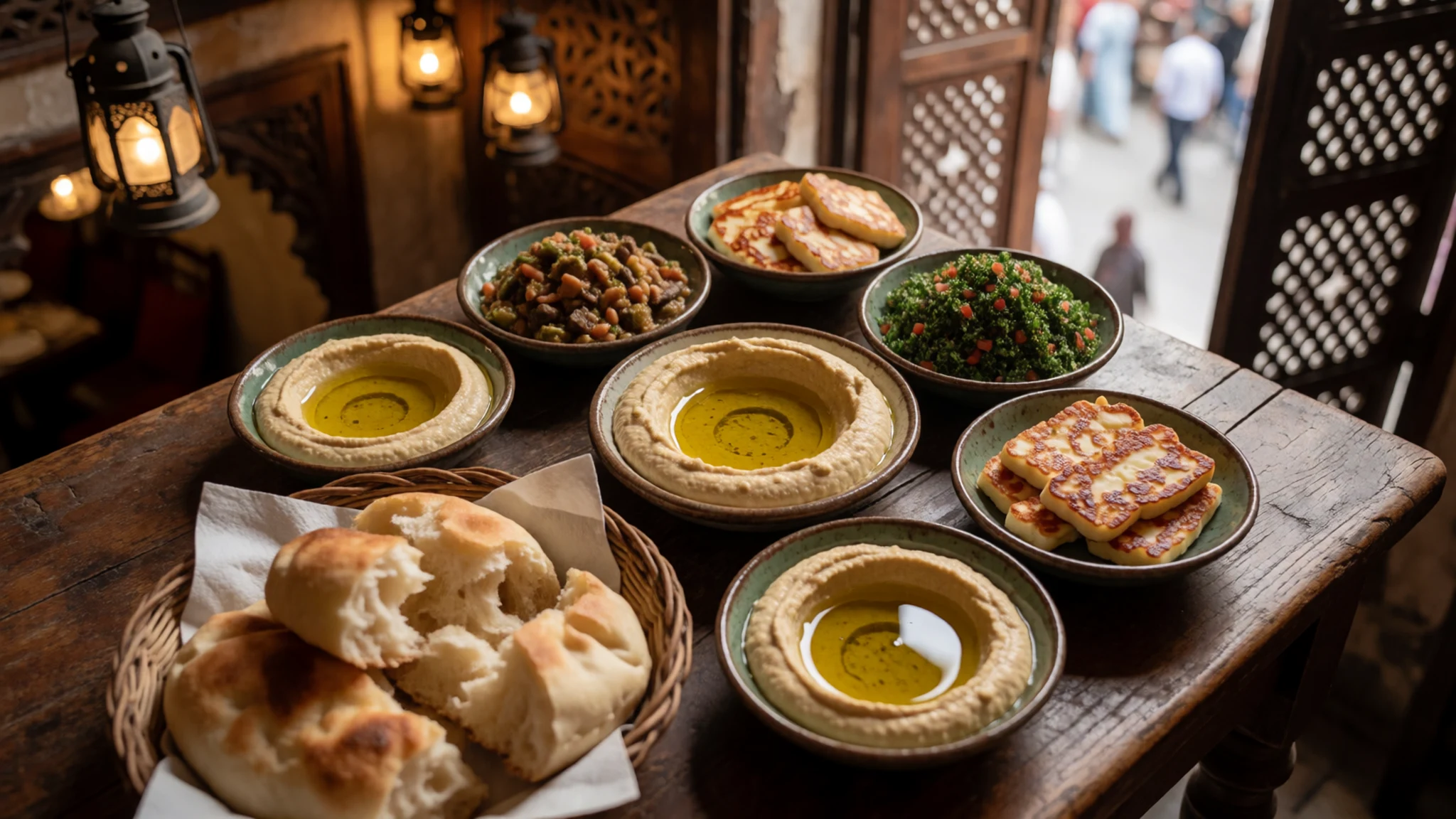
- Tabbouleh — traditional Lebanese restaurants in Ashrafieh and Hamra
Tabbouleh in Beirut is a lemony salad of finely cut parsley, burghul, tomato and mint, bound with olive oil. Herbs outweigh the grain, which is the local balance. Traditional Lebanese restaurants in Ashrafieh and Hamra set it on the mezze table.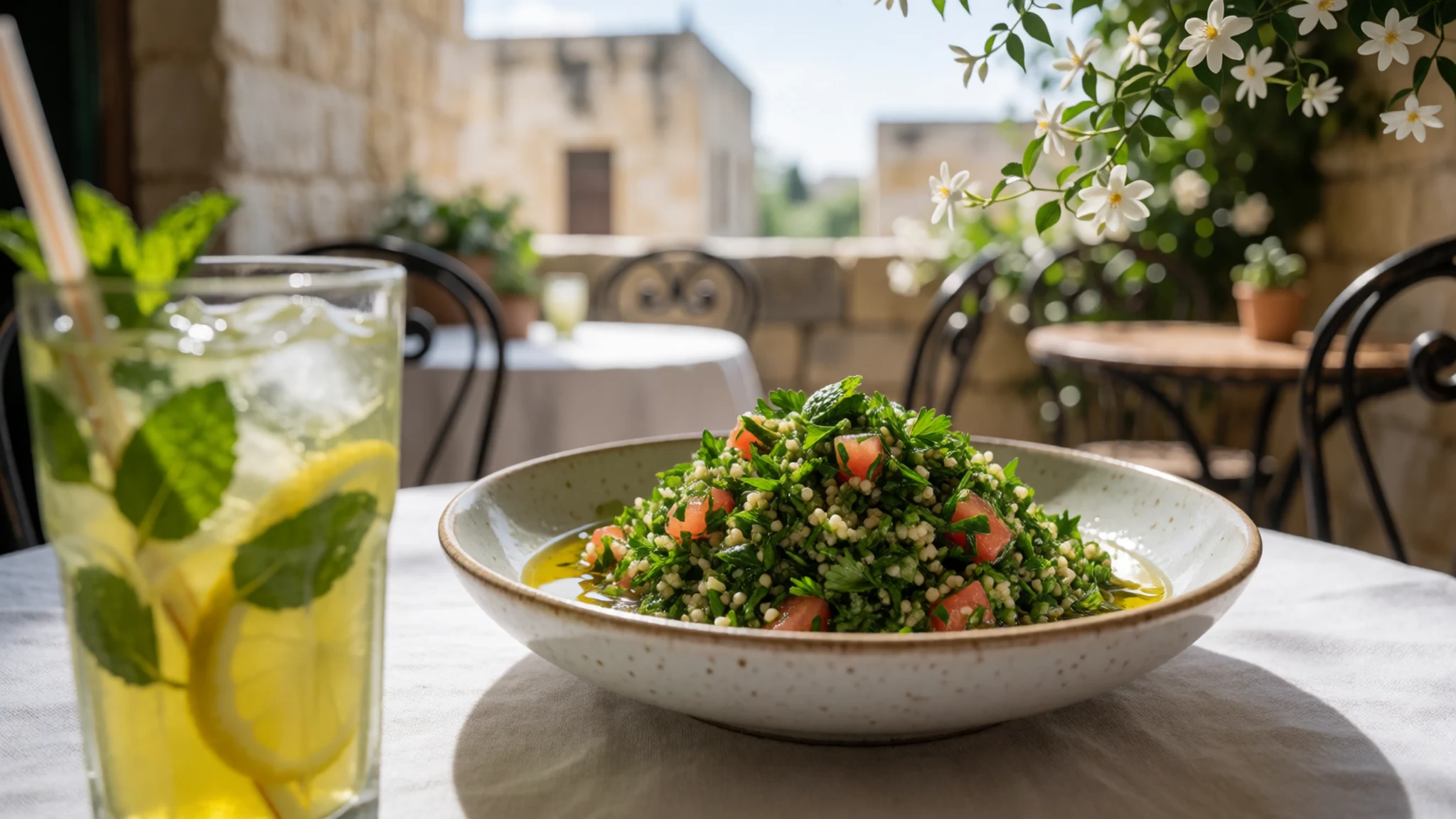
- Kibbeh — family restaurants in Hamra and downtown
Kibbeh in Beirut mixes burghul with minced lamb, served raw as kibbeh nayyeh or shaped, stuffed and fried. The raw dish is finely ground and finished with olive oil and onion. Fried kibbeh is the easier find, at family restaurants in Hamra and downtown. - Manakish — neighbourhood bakeries in Hamra, Ashrafieh and near downtown
Manakish in Beirut is flatbread baked at a neighbourhood oven and spread with zaatar and oil, cheese, or kishk. Eaten warm, it is the ordinary breakfast, often with tea, mint and cucumber. Morning queues form at bakeries in Hamra, Ashrafieh and the streets near downtown. - Knafeh — sweet shops in Hamra and Ashrafieh
Knafeh in Beirut is a warm cheese pastry of semolina or shredded dough, soaked with syrup and topped with pistachio. Confectioners sell it by the piece from afternoon into the evening. Sweet shops in Hamra and Ashrafieh are the usual place to buy it. - Shawarma — takeaway counters in Hamra, downtown and on main roads
Shawarma in Beirut is chicken or lamb stacked on a vertical spit and carved into bread with garlic sauce, pickles and salad. It is the city's quick handheld meal. Counters in Hamra, downtown and on busy main roads serve it from midday until late.
Plan it
Best time. March and November are the easiest months for walking Beirut's hills and corniche. July is the hottest, January the wettest, winter is cooler and often wet, and the film festival falls in October.
How long. 3–4
Getting there. Beirut is reached through its international airport. Shared minibuses with red number plates run from outside the departures level towards Downtown and Charles Helou Station: signal the driver, give the destination before boarding, and pay on leaving. Official airport taxis, carrying an airport logo, wait at arrivals.
Budget. mid
Tips
- Give the destination before boarding a shared minibus, and choose vans that show a red number plate.
- Prefer an official airport taxi with the airport logo on the door if flagging a van is unappealing.
- Wear shoes that can handle slopes; walks between the seafront, Hamra and Ashrafieh are rarely flat.
- For municipal information, start at the city website, www.beirut.gov.lb, instead of assuming museum hours.
- Keep October free if the film festival is the aim, and leave other days for the museums.
Etiquette
- Remove shoes at mosque doors and wherever slippers are set out for guests.
- Ask before photographing people, especially during prayer or at a family meal.
- Cover shoulders and knees at mosques and in other conservative religious settings.
Nearby
Sources
- Wikidata Q3820 (CC0)
- Wikipedia (rev 1383510526) (CC BY-SA 4.0)
- Wikivoyage (rev 5394711) (CC BY-SA 4.0)
- Photo photos/01-beirutcity.jpg (CC BY 3.0)
- Photo photos/02-platinum-tower-3-beirut-nabil-gholam-achitects.jpg (CC BY-SA 4.0)
- Photo photos/03-sursock-house.jpg (CC BY 3.0)
- Photo photos/04-panorama-of-rawshe-8232500618.jpg (CC BY 2.5)
- Photo photos/05-drapeau-de-beyrouth.png (CC BY-SA 4.0)
- Photo photos/06-blason-de-beyrouth.png (CC BY-SA 4.0)
- Photo photos/07-canaanean-blade.jpg (CC0 1.0)
- Photo photos/08-beirut-lebanon-paris-of-the-east-november-2008-downtown-beir.jpg (CC BY-SA 2.0)


