Anjar
Anjar, Lebanon
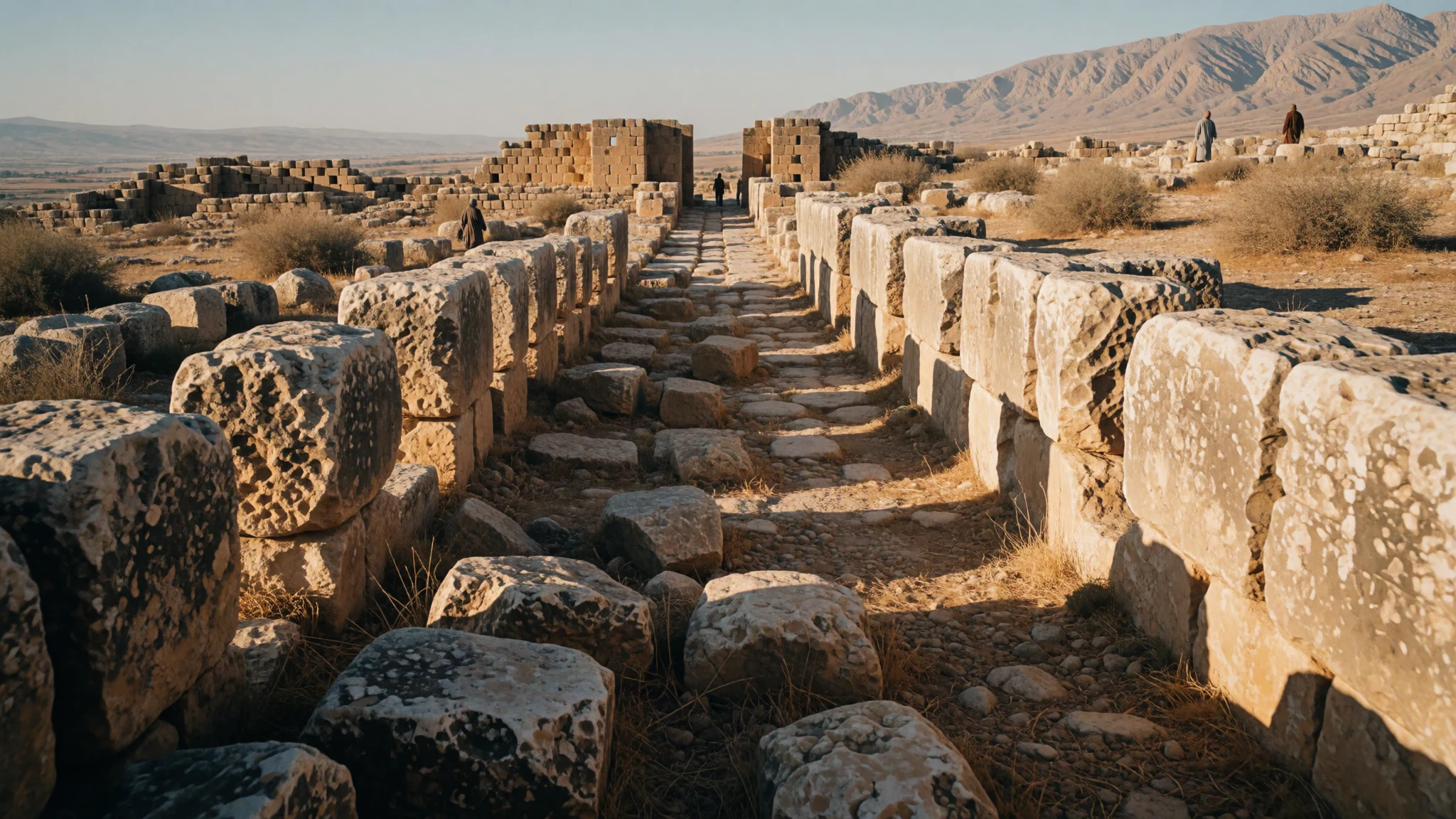
Anjar lets you walk a quiet, fortified Umayyad layout where stone streets and gates still feel planned and purposeful.
The place
Anjar (عنجر, ‘Anjar), in Lebanon’s Bekaa Valley near the Syrian border, feels like a detour that turns into a whole story. The present-day town is small—around 2,400 people—and it’s overwhelmingly Armenian, layered over an older landscape that’s been used, rebuilt, and re-used for centuries. The ruins are the headline: the stone settlement associated with the Umayyad period, laid out as a fortified, palace-city style complex.
What stands out most is the geometry. Even after weathering and time, you can still sense a planned street system and the idea of arriving through gates, moving along a main thoroughfare, and reaching more monumental areas. Standing in that open site, you get the “this was meant to be run like a machine” feeling—less like a scattered ruin and more like a city whose logic is still legible.
Anjar sits in a valley setting between ridges, where the climate can swing from cooler to hot, and where sun can turn stone surfaces into the hottest part of the walk. Crowds are typically not a daily problem compared with larger Lebanese day-trips, but weekends and school holidays can bring more local visitors.
If you’ve already seen the big-name classics around Lebanon, Anjar is the place to come for the texture of governance and architecture: a compact slice of history that’s calm on the ground, even if the region’s past has been anything but.
Its story
Anjar’s origin story is tied to the early 8th century and the politics of power. The foundation is usually linked to Umayyad caliphs, with accounts pointing to al-Walid I and the way a palace-city could be established as both residence and statement. Later sources also reference construction phases attributed to members of the Umayyad family, and even a specific year is often connected to quarry work—the kind of detail that matters because it reminds you: this wasn’t built in a weekend. It was carved, organised, and resourced.
Over time, the site didn’t remain continuously occupied. The town was later re-established in 1939, when Armenian refugees came to Anjar, bringing with them a community that still shapes daily life. Neighbourhood names connected to Musa Dagh are part of that continuity, so the place reads as a junction of eras: Umayyad stone planning beneath more modern streets and villages.
During Lebanon’s civil war, Anjar became strategically useful again, used as a main base in the Bekaa Valley and connected to intelligence operations. After that period, rebuilding efforts and economic recovery followed, and many residents also left over the years—so the town holds a quiet, lived-in resilience that’s hard to see from afar.
The result is a site where history doesn’t feel like a museum piece. You’re standing on a planned urban layout that has survived abandonments, conflict-era occupation, and migration—then been re-stitched into an Armenian-majority town.
What to see
- The fortified Umayyad ruins
Start at the broad stone areas where the city’s defensive feel is strongest. The open layout makes the scale easy to read, and you can spot walls, gateways, and traces of streets without needing a guidebook to “find” the city.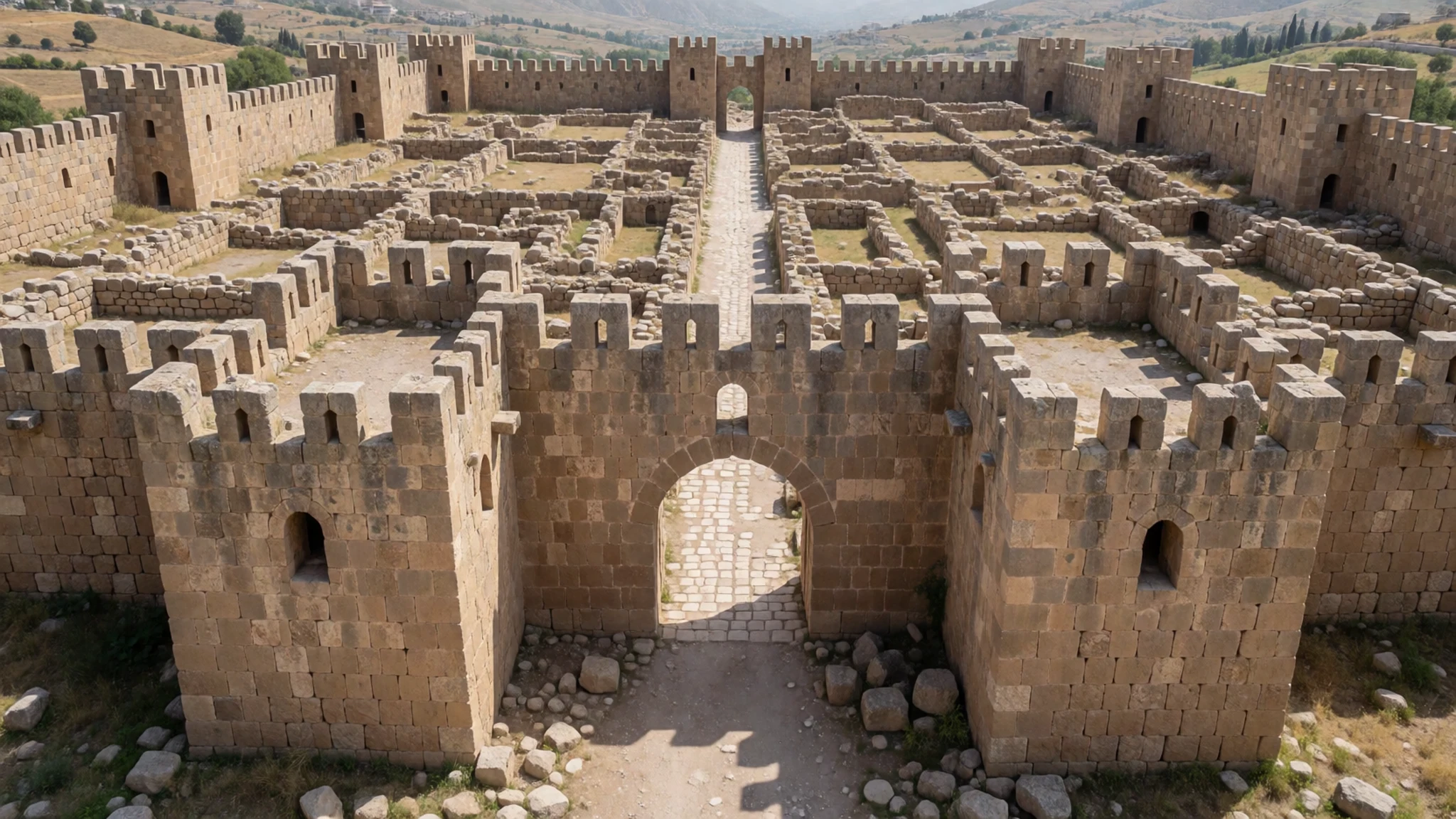
- The cardo viewpoint — main ruin area
The cardo—the main north–south thoroughfare—comes across clearly in the ruin landscape. If you’re looking for that “planned city grid” feeling, this is the spot where movement through Anjar becomes easiest to imagine.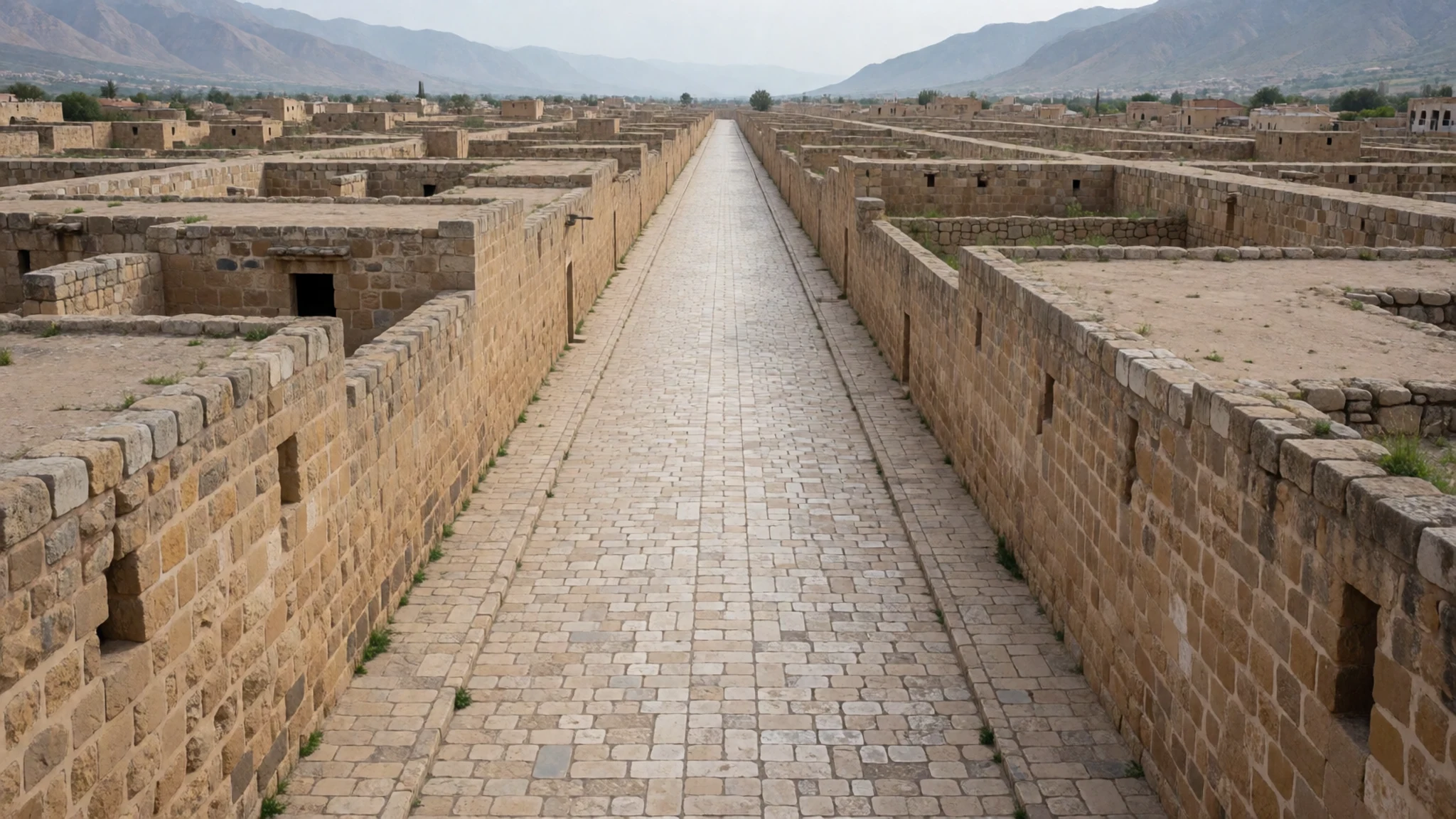
- View from the palace area — palace precinct
Walk around the area associated with the Great Palace and take time with the stone geometry. Even with only partial remains, the way spaces open up helps explain why Anjar was built to project authority, not just shelter.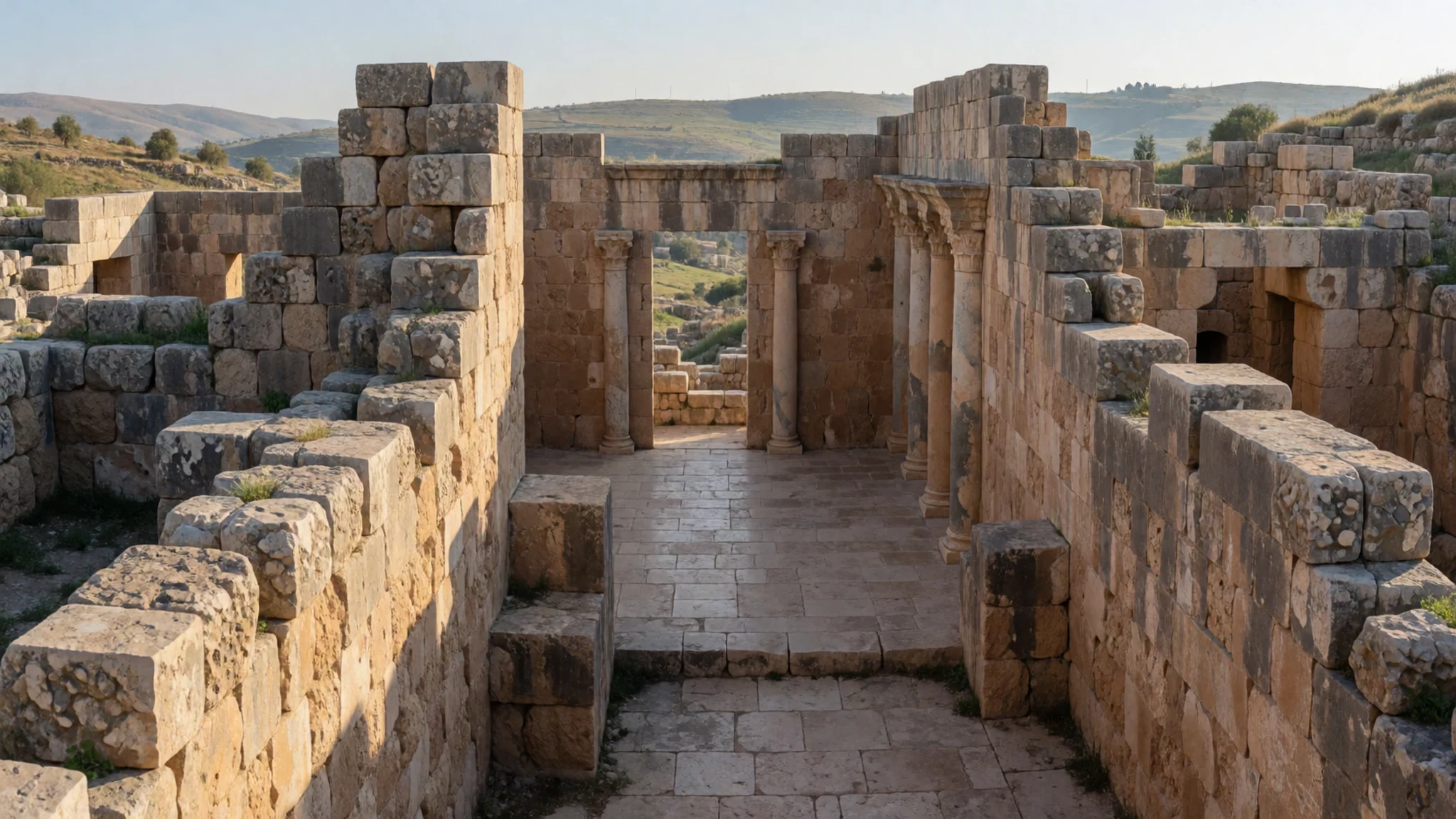
- St Paul’s Armenian Apostolic Church area — Armenian-populated neighbourhoods
To balance the Umayyad story, spend a little time with the Armenian community’s religious landmark. The church gives Anjar a present-day anchor, and you’ll notice how daily life and memory sit close together here.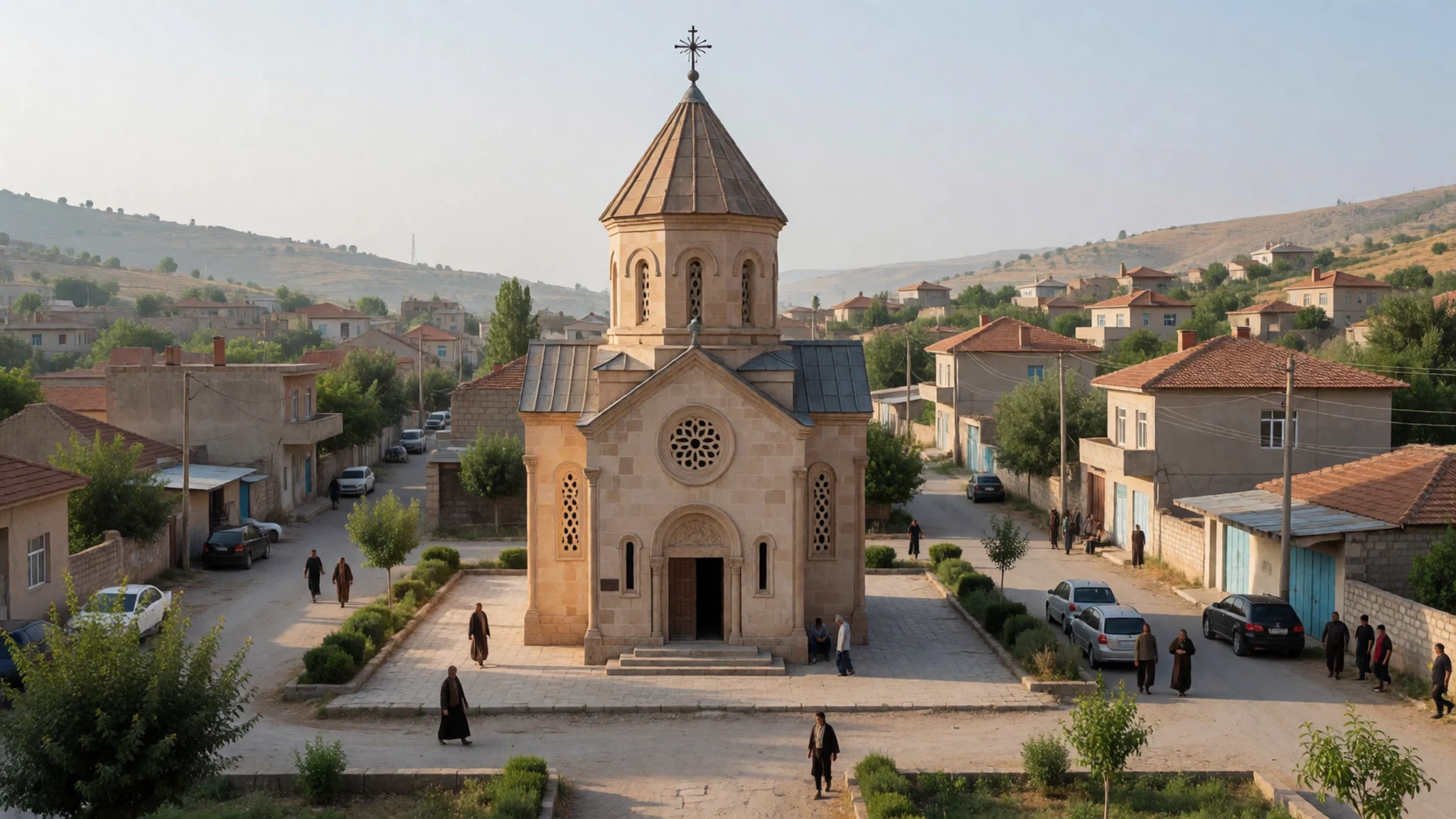
- Gardens by the town — garden edges
Anjar’s gardens are small but meaningful, and they show you what sustains people on normal days. It’s the sort of quiet stop that helps the site feel less like a “take a photo then leave” ruin.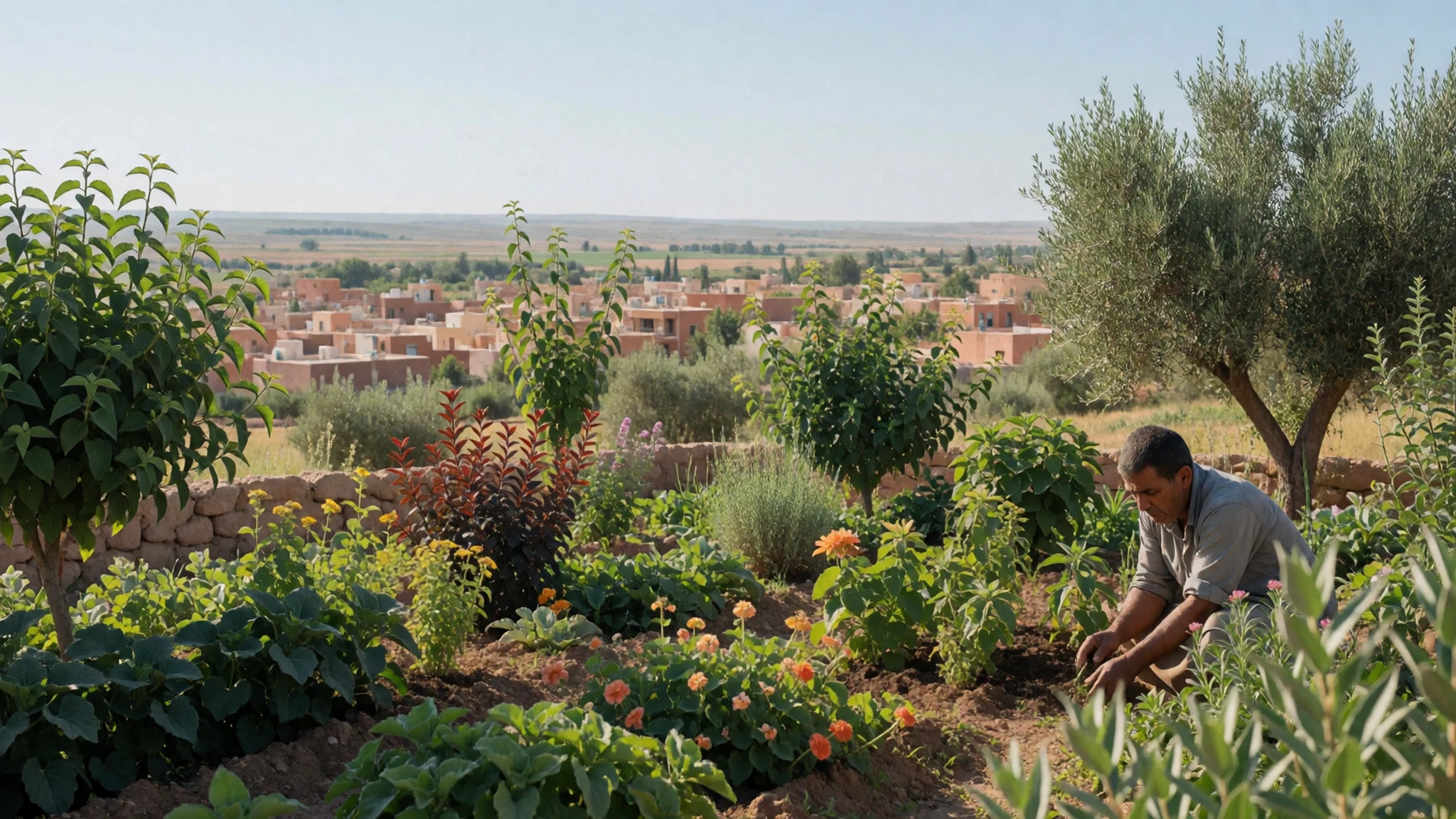
Culture
Anjar sits in a Lebanon shaped by many religious communities, and even when you’re visiting a historical site, the broader cultural context matters. Lebanon’s social fabric includes different sects and, historically, tensions flared during conflict; although those attitudes have reduced in many places, visitors still do well to treat local differences with care.
In practice, that usually means packing a modest mindset. Religious sites like churches ask for respectful clothing, and the wider tone across smaller towns and villages is generally “cover up a bit more than you would at the beach”. Even if you’re mostly around ruins, you’ll still be walking through neighbourhood edges and seeing everyday life, so keeping your clothes comfortable but not revealing helps.
Photography is another easy place to get it wrong. People may be happy to be photographed in public, but churches and religious routines are not a “shoot first, ask later” setting. If someone looks uncomfortable, pause and move on.
For a safer, calmer visit: assume the main etiquette rules are the simplest ones—be quiet in sensitive areas, keep to paths, and be patient when locals slow down for family errands.
Visitor etiquette: dress modestly at religious places, and ask before photographing people or church interiors.
What to wear
At Anjar, fashion is mostly about practical modesty. The town’s day-to-day style blends Lebanese norms with an Armenian community presence, and the biggest cue for visitors is where you’re walking: stone ruins in the sun, then local streets, and possibly church areas.
For traditional dress, you’ll see Armenian and broader Lebanese influences. In everyday life, many people wear contemporary Western-leaning clothes, but locally you may spot traditional elements such as long skirts or dresses and head coverings in more conservative settings. Textiles are often cotton or lighter fabrics for daytime, and you’ll generally see layers for evenings rather than heavy winter wear—especially in the valley’s warmer months.
What visitors actually wear now is usually simple: breathable tops, jeans or long trousers, and comfortable shoes. Because the ground around ruins can be uneven and dusty, trainers with grip beat delicate footwear. If visiting religious places, keep shoulders covered and avoid short hemlines.
For a visit window in spring or autumn, a light jacket helps for early mornings, while a hat and sunscreen are non-negotiable for midday stone walks. Bring a scarf as an instant way to adjust your outfit if a church or community area expects more coverage.
What to eat
- Mezza: tabouleh — Lebanese eateries and mezza spreads in town
Tabouleh is a classic Lebanese mezza salad, typically served as part of a spread. Look for it at Lebanese eateries and mezza-style tables in town centres, often alongside hummous and other dips.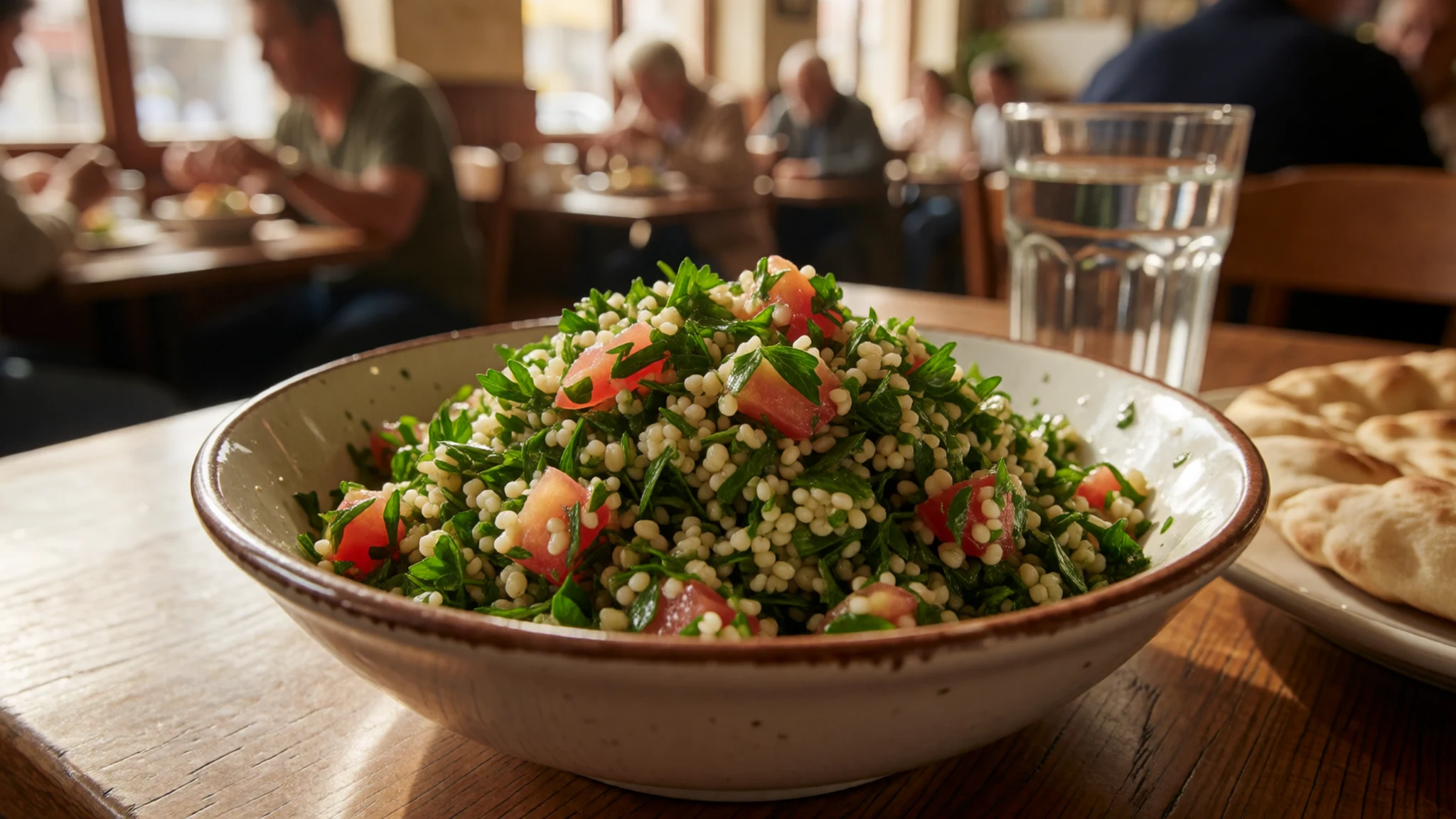
- Mezza: fattoush — casual restaurants serving mixed Lebanese starters
Fattoush is a chopped salad usually built around crunchy elements and fresh herbs, often with a tangy dressing. It’s commonly offered as part of mixed starter platters in Lebanon’s casual restaurants.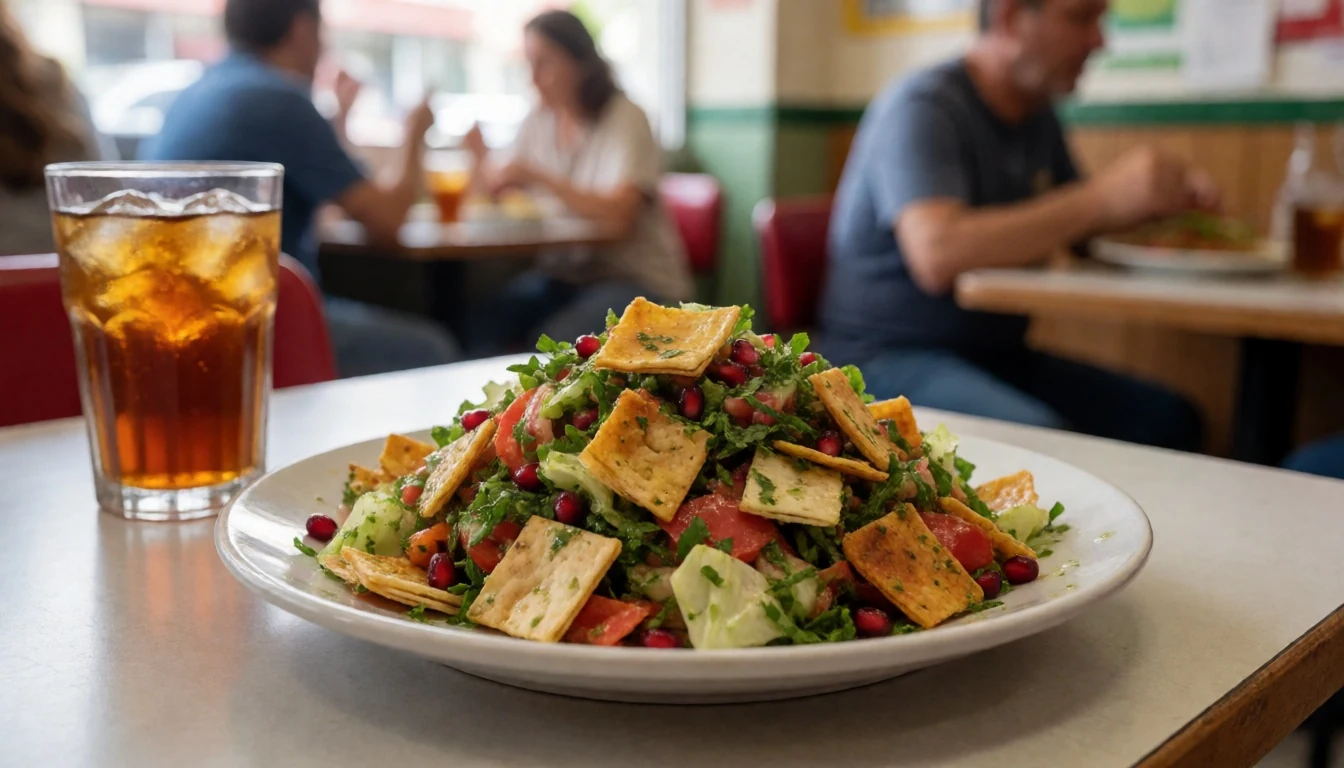
- Hummous (hommos) — any local mezza-style restaurant or shared plates
Hommous is one of the most common dips on Lebanese tables, typically eaten with warm bread. It’s a reliable order when you want something familiar, and it usually shows up in most mezza sets. - Moutabal (smoky aubergine dip) — mezza tables and family-run Lebanese kitchens
Moutabal is the smoky, creamy cousin to hummous, made from aubergine and served as a dip with bread. Find it where mezza spreads are offered, especially in traditional Lebanese menus. - Shish tawouq — local grill restaurants and Lebanese barbeque eateries
Shish tawouq is barbequed chicken, often seasoned and served with sides. In Anjar or nearby towns, it’s usually a set choice at local grills and restaurants that do Lebanese barbeque. - Shawarma in thin bread — roadside shops and quick-lunch counters
Shawarma is a common “fast” option: meat rolled in Lebanese thin bread. It’s the sort of quick lunch you can grab from roadside-style shops when you want to keep moving between sights.
Plan it
Best time. March–April for mild spring walks and October–November for comfortable temperatures; June can bring rain, and summer can be hot and humid in the wider region.
How long. 2–3
Getting there. Fly into Beirut, then drive or take a long road journey east towards the Bekaa Valley and Anjar near the Syrian border; the last leg is by road.
Budget. mid
Tips
- Plan the ruins walk earlier in the day to avoid the strongest sun on stone
- Carry water and a hat; shaded spots can be limited across open ruin areas
- Use cash for small local stops and snacks, just in case card options are limited
- Keep footwear grippy—surface around ruins and garden edges can be uneven or dusty
- Check current local conditions before you go, given the border proximity
Etiquette
- Dress modestly if you step into church areas or quieter community spaces
- Ask before photographing people up close, especially around religious buildings
- Keep noise down and follow any guidance at sites that feel active for locals
Nearby
Sources
- Wikidata Q60977 (CC0)
- Wikipedia (rev 1381299556) (CC BY-SA 4.0)
- Wikivoyage (rev 5332896) (CC BY-SA 4.0)
- Photo photos/01-anjar-lebanon-ancient-ruins-of-the-city-of-anjar.jpg (CC BY 4.0)
- Photo photos/02-anjar-cardo-vu-du-nord-2.jpg (CC BY 3.0)
- Photo photos/03-anjar-vu-du-palais.jpg (CC BY 3.0)
- Photo photos/04-anjar-church-march-2017-1.jpg (CC BY-SA 4.0)
- Photo photos/05-anjar-gardens.jpg (CC BY-SA 4.0)
- Photo photos/06-anjar-lebanon-umayyad-palace.jpg (CC BY 4.0)
- Photo photos/07-anjar-109902.jpg (CC BY-SA 3.0 igo)
- Photo photos/08-anjar-109900.jpg (CC BY-SA 3.0 igo)


