Batroun
Batroun, Lebanon
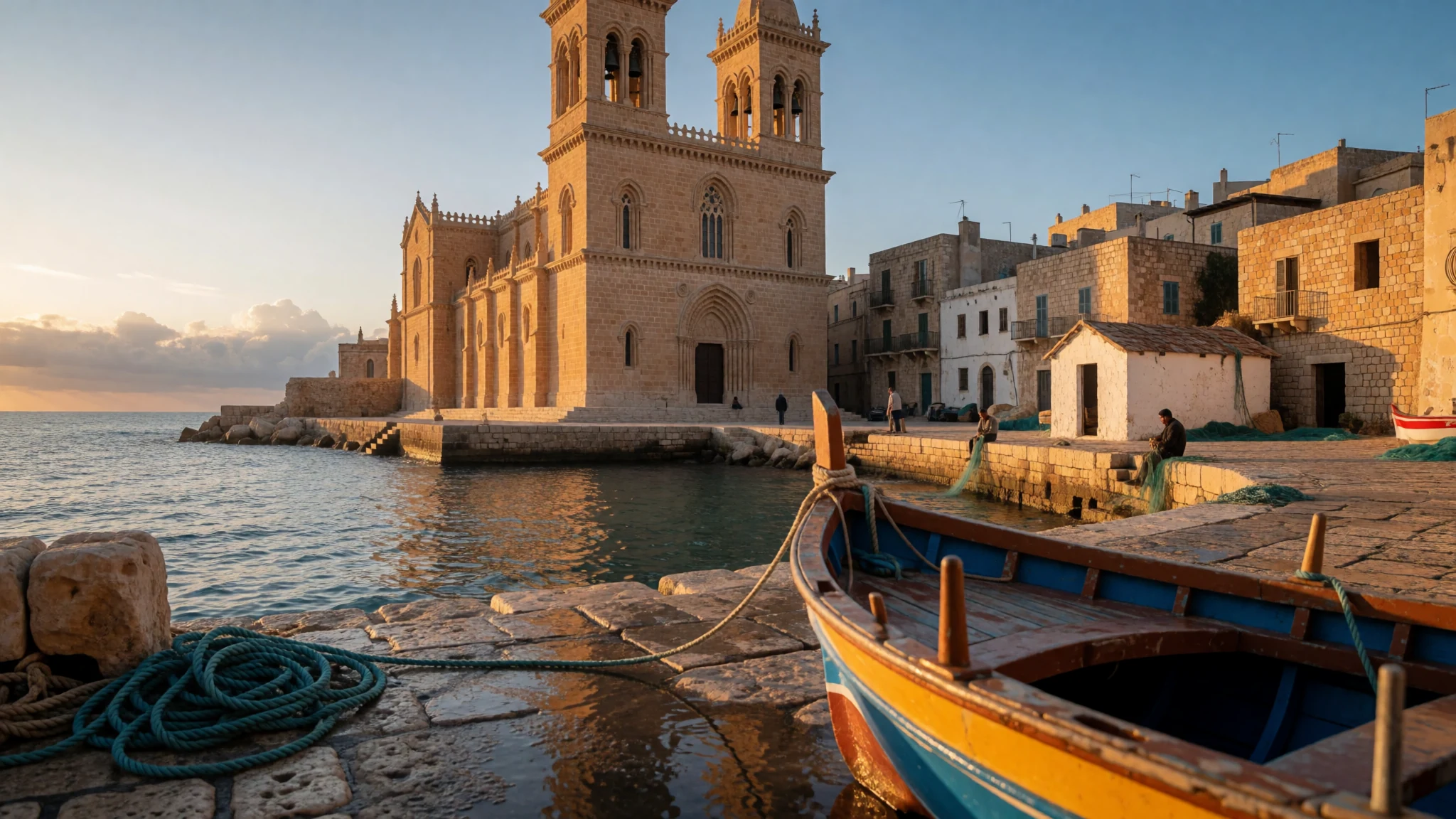
Batroun offers ancient Phoenician heritage, rocky Mediterranean shores, vibrant local seafood dining, and deep historical roots along the northern Lebanese coast.
The place
Batroun is a coastal city situated in northern Lebanon, perched quietly above the Mediterranean Sea. Known as one of the oldest continuously inhabited settlements in the world, the city serves as the administrative capital of its surrounding district. Life here unfolds at the interface between the salty coastal air and the ancient pathways that once linked major regional trading posts. Over recent decades, the historic core of Batroun has undergone a significant economic metamorphosis. Traditional trades and family-run orchards have gradually given way to a leisure and service economy filled with independent cafes, bars, seaside restaurants, and lively nightspots. This shift has drawn travellers from across the region to experience its unique blend of ancient stone architecture and contemporary coastal energy.
While the historic centre buzzes with evening diners and visitors strolling along narrow lanes, the wider municipal area has expanded significantly into the nearby hills. Residential suburbs and emerging neighbourhoods stretch upward into the elevated green slopes, creating a clear division between the commercial leisure hub down by the water and the quieter residential reaches above. The geography of Batroun is defined by this meeting of steep rocky promontories, ancient harbours carved into the shoreline, and the endless blue horizon of the sea. Visitors walking through the old town will notice how seamlessly centuries-old walls, churches, and traditional Lebanese houses merge with modern outdoor terraces, making it a captivating destination for those interested in Mediterranean history, coastal landscapes, and exceptional local hospitality.
Its story
The recorded history of Batroun stretches back deep into antiquity, beginning with references in the ancient Amarna letters of the fourteenth century BC, where it was recorded as Batruna. Classical geographers such as Strabo, Pliny, and Ptolemy later documented the settlement, known in Greek as Botrys. Tradition credits its establishment to Ithobaal I, king of Tyre, linking the coastal outpost directly to the ancient Phoenician maritime network that dominated the eastern Mediterranean.
Over the centuries, control of the port shifted through a succession of powerful empires. The Seleucid king Antiochus III captured the settlement during his southern campaign along the coast. Later, under Roman rule, Batroun formed part of the Phoenice province before becoming a Christian centre with an active ecclesiastical community. A massive earthquake struck the region, devastating parts of the coast and dramatically altering the local topography by shaping the large natural harbour that defines the old port today.
Following the medieval period, the city passed into the hands of the Crusaders, who integrated it into the Lordship of Botrun within the County of Tripoli until Mamluk forces took control. During the Ottoman era, Batroun functioned as the administrative centre of a local kaza and served as the seat of a Maronite diocese. Today, the layered ruins, stone fortifications, and sacred monuments dotted across the municipality stand as quiet testaments to this long and complex historical evolution.
What to see
- Phoenician Seawall — Old coastal front
This monumental stone barrier stretches along the shoreline of Batroun, originally hewn and constructed by ancient civilizations to protect the settlement from destructive Mediterranean tidal waves and fierce winter storms. Visitors can walk along the top of the weathered stone structure to observe the dramatic waves crashing against the rocky coast and appreciate the sheer scale of ancient coastal engineering.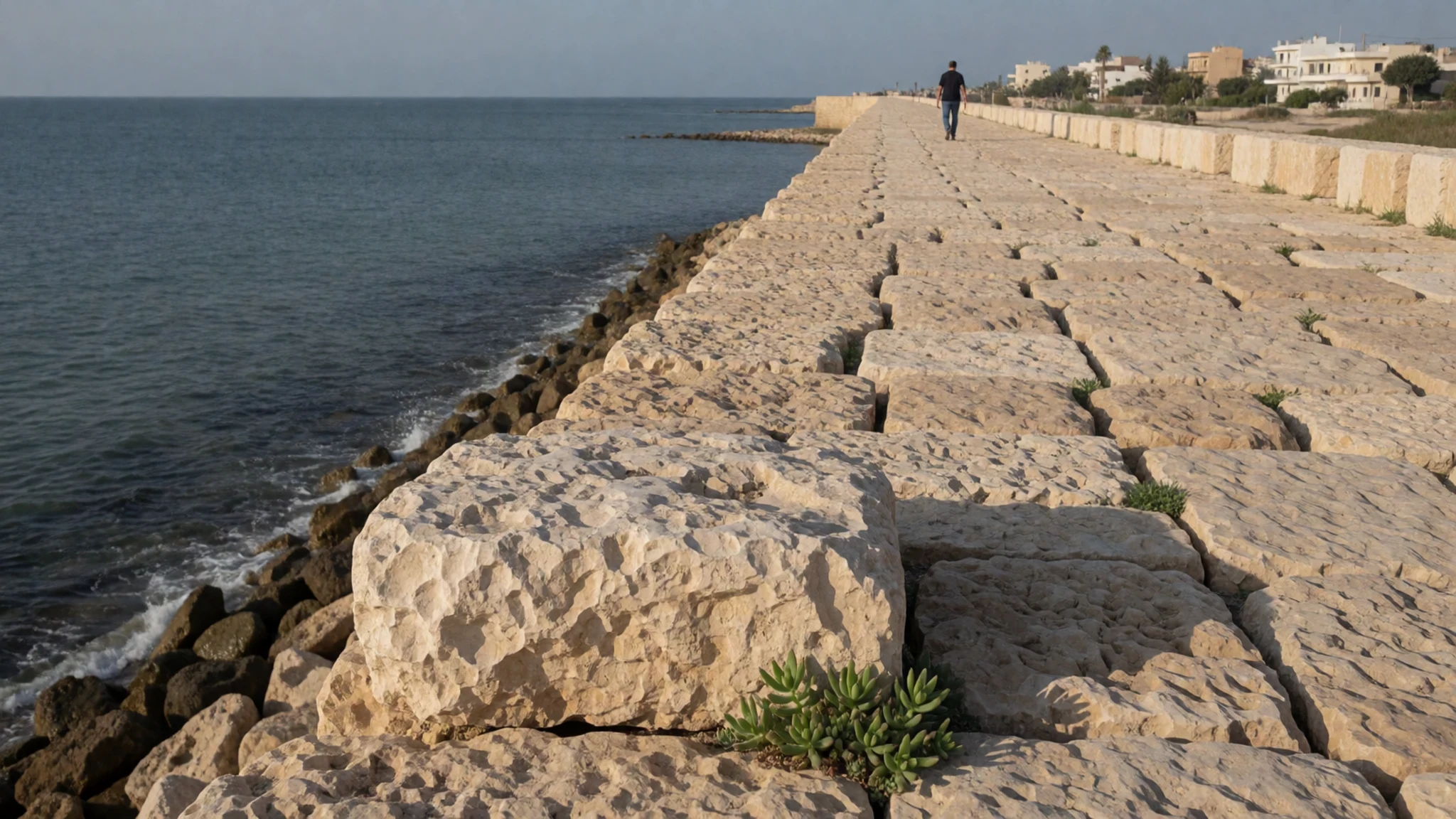
- Saint Stephen's Cathedral — Harbour front
Overlooking the historic harbour of Batroun, this prominent cathedral stands as a magnificent architectural landmark. Its grand facade and carefully crafted stone masonry reflect the rich religious heritage of the city. Stepping inside reveals soaring vaulted ceilings and serene spaces that continue to serve as an active spiritual home for the local community and a focal point for travellers exploring the maritime quarter.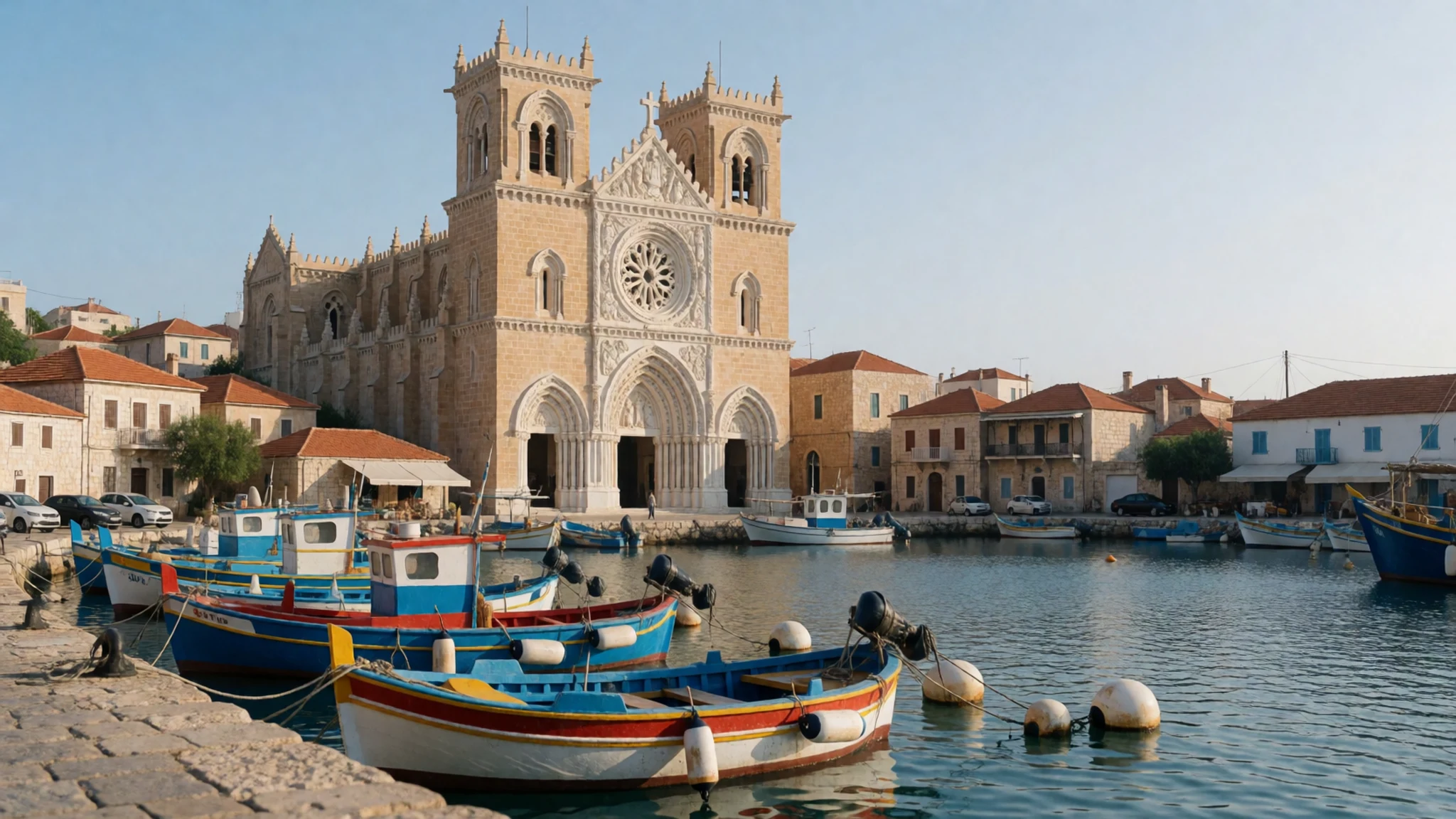
- Our Lady of the Sea Church — Rocky coastline
Perched dramatically right at the edge of the rocky shoreline in Batroun, this charming sanctuary offers uninterrupted views out across the vast Mediterranean waters. The peaceful chapel has provided a quiet place of reflection for generations of sailors and coastal residents, making it one of the most serene and photogenic spots to visit along the entire historic waterfront district.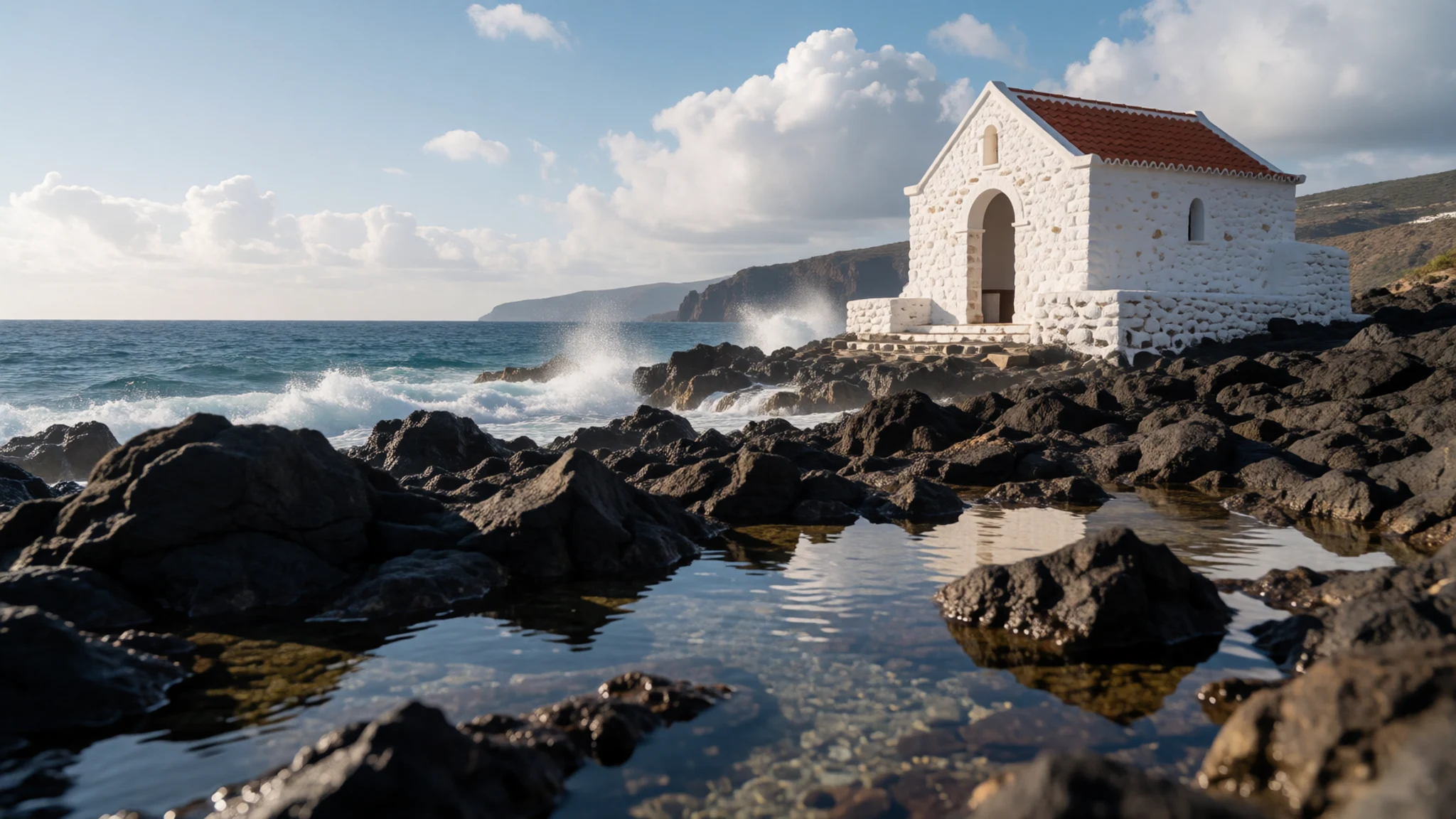
- Mseilha Fort — Inland valley approach
Situated just outside the main town on an isolated, massive rock protruding abruptly from a flat valley floor, this striking fortification was built to guard the vital historical route connecting Tripoli to Beirut. Visitors can admire the defensive architecture, narrow stone staircases, and ramparts that blend seamlessly into the sheer cliff face, surrounded by rugged mountain scenery.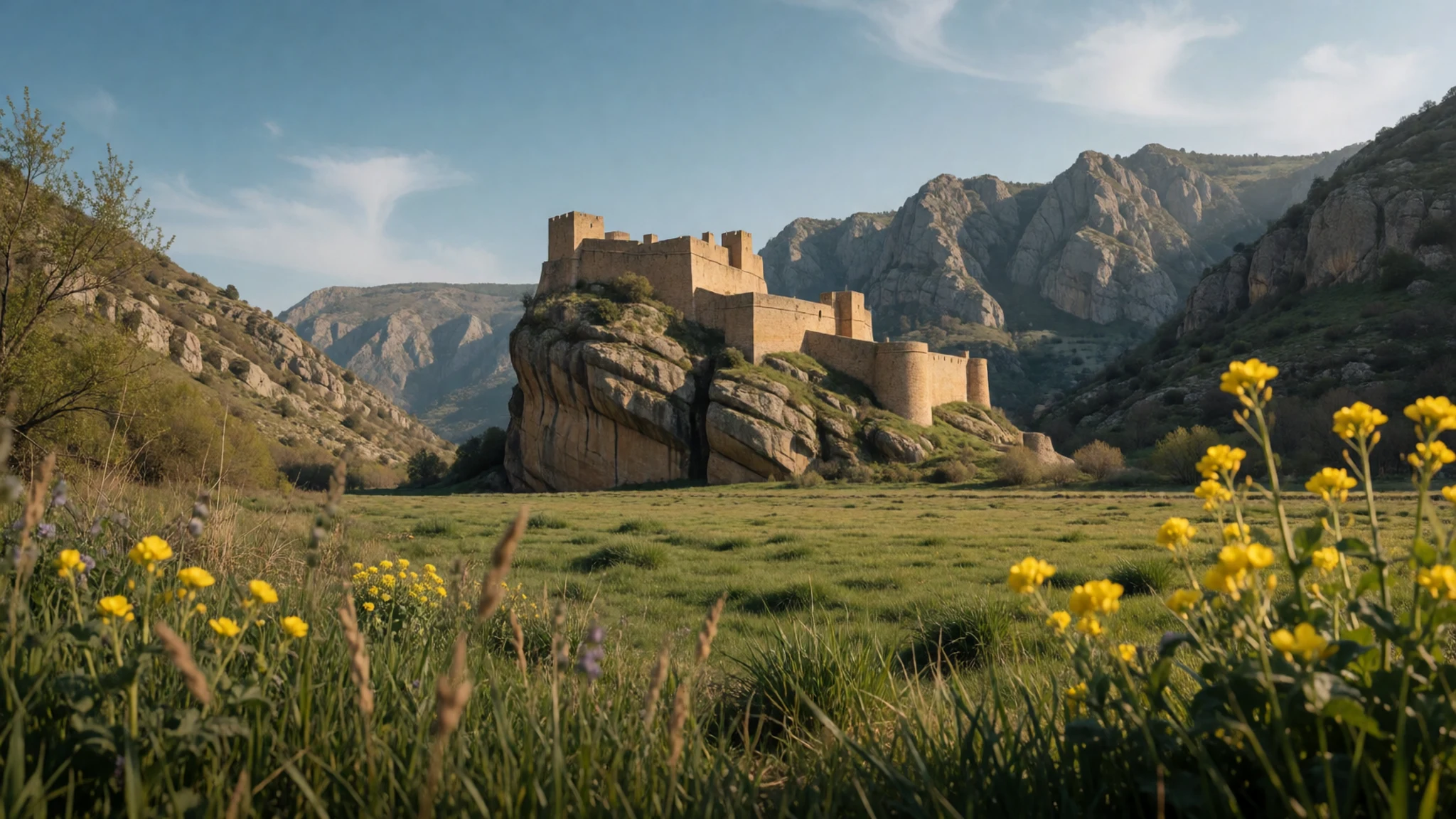
- Saint Georges Church — Old town lanes
This historic Orthodox church represents the diverse religious heritage found within the narrow alleyways of Batroun. Featuring traditional interior iconography, modest stone construction, and a welcoming atmosphere, the church provides a quiet sanctuary away from the livelier commercial streets nearby, offering visitors a glimpse into the enduring daily traditions of the local Christian community.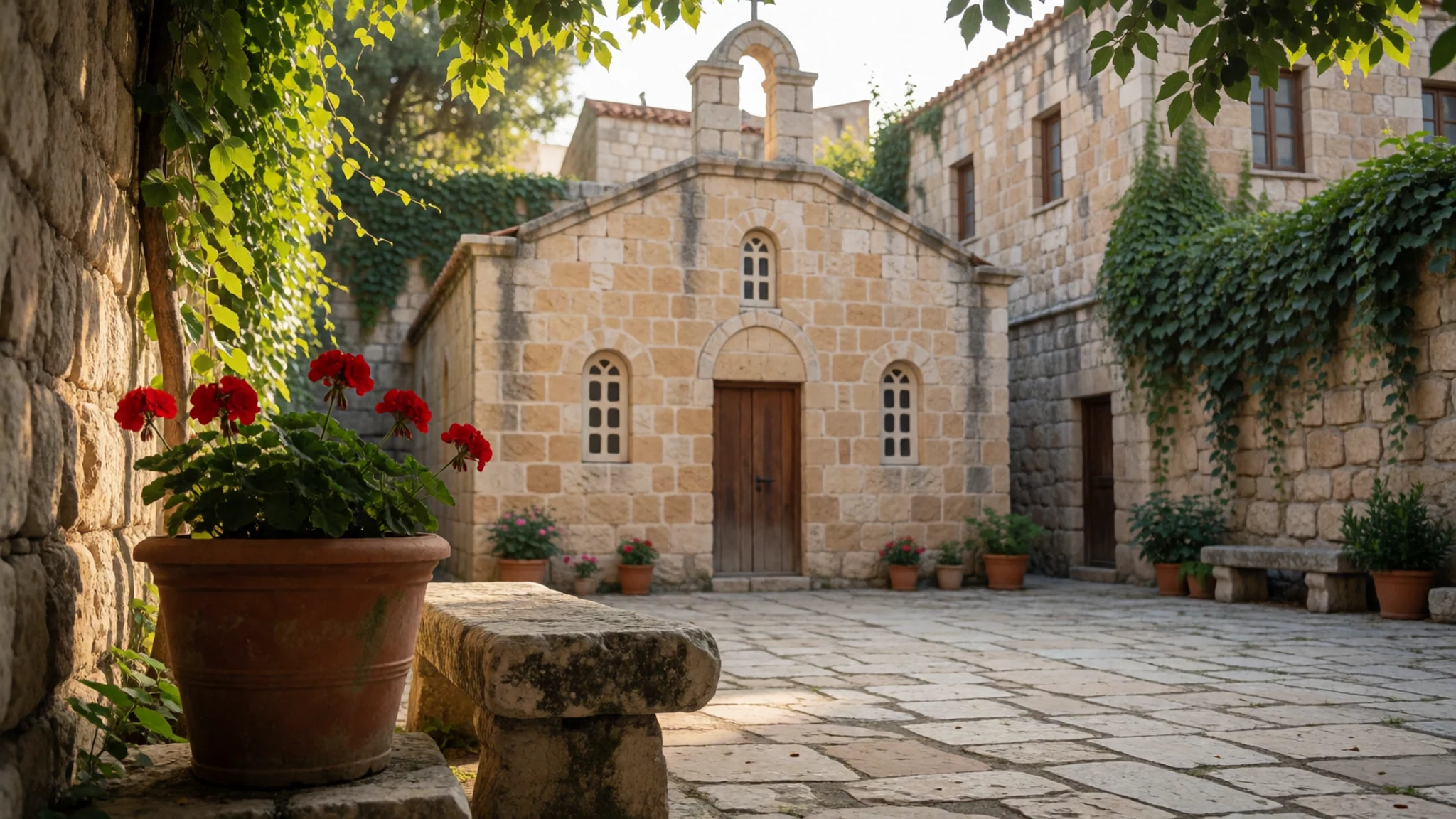
Culture
Culture in Batroun is deeply rooted in the coastal traditions of Lebanon, where a strong sense of community, familial warmth, and maritime history shape daily life. The town balances its ancient religious heritage—manifested in historic churches and active parishes—with a modern, vibrant social scene centred around outdoor cafes, seaside promenades, and local artisan markets. Residents take immense pride in preserving their architectural history while warmly welcoming travellers who come to explore the narrow alleyways and sun-drenched squares. Social gatherings often revolve around long meals shared with family and friends, accompanied by lively conversation and local music echoing through the stone courtyards. Whether attending a local festival or simply sitting at a seaside terrace watching the sunset, visitors will experience a culture that is open, expressive, and deeply tied to the rhythm of the Mediterranean. When entering churches or sacred religious sites in Batroun, ensure you dress respectfully with covered shoulders and knees.
What to wear
Traditional dress in Batroun historically reflected the coastal and rural Levant, featuring layered linen and cotton garments suited to warm Mediterranean summers, alongside heavier woolen fabrics for cooler winter months. While traditional attire is now largely reserved for cultural festivals and historical celebrations, everyday fashion in the city is contemporary and relaxed. Locals typically wear smart-casual clothing, blending European styles with comfortable coastal wear appropriate for warm weather. Visitors walking through Batroun should pack lightweight, breathable clothing such as linen shirts, cotton trousers, and comfortable walking shoes to handle the uneven stone paths of the old town and rocky shorelines. Modest attire, including clothing that covers the shoulders and knees, is recommended when visiting local churches or residential neighbourhoods. Sunglasses, a wide-brimmed hat, and light layers are essential for protection against the strong coastal sun during the warmer months.
What to eat
- Fresh Mediterranean Seafood
Sample the catch of the day, including grilled or fried fish served with tahini sauce and crispy pita bread, found at traditional seafood restaurants overlooking the old harbour.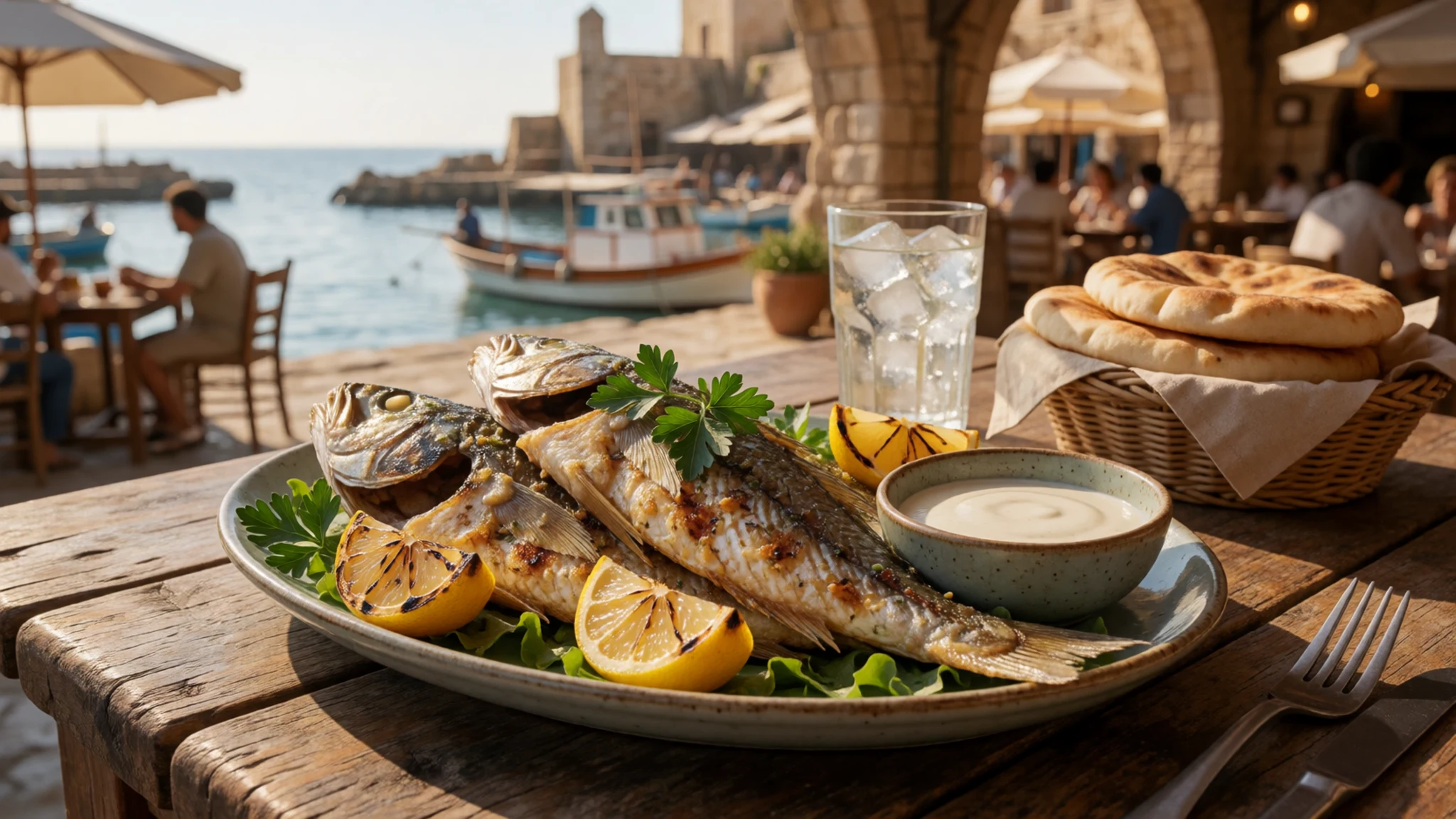
- Traditional Lebanese Meze
Enjoy a spread of small plates featuring hummus, baba ghanoush, tabbouleh, stuffed grape leaves, and warm flatbreads at family-run eateries throughout the historic town centre.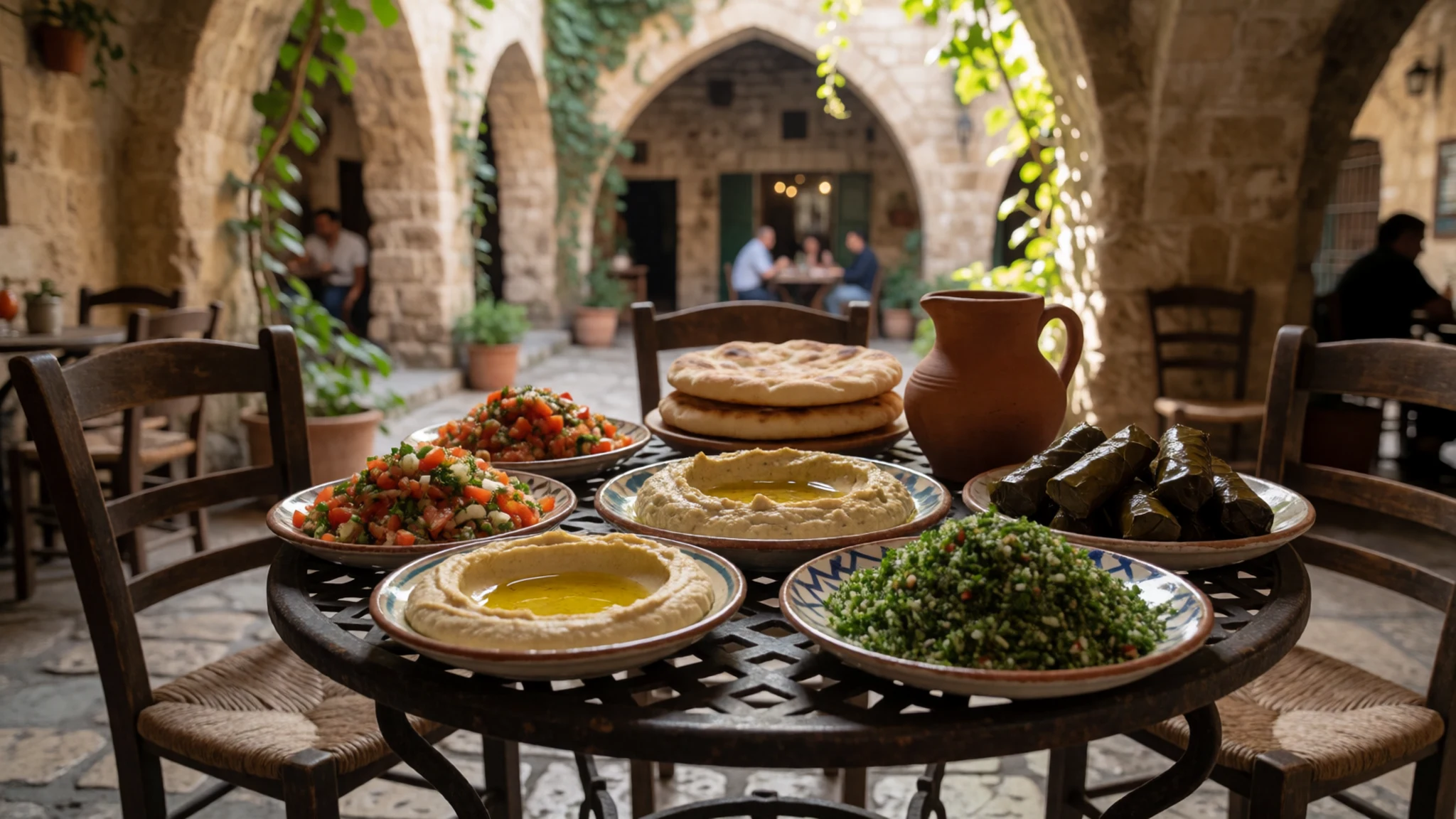
- Batroun Lemonade
Refresh yourself with the city's famous sweet lemonade, freshly squeezed from local lemons and served ice-cold at charming juice stands lining the main streets. - Kibbeh Bil Sanieh
Savour baked layers of spiced minced meat and bulgur wheat stuffed with onions and pine nuts, available at traditional bakeries and neighbourhood dining spots. - Manousheh
Taste freshly baked flatbread topped with fragrant za'atar, thyme, and olive oil from local bakeries operating in the morning markets and alleys.
Plan it
Best time. April to May and September to November offer pleasant, warm weather ideal for exploring the coast without the intense heat and larger crowds of peak summer.
How long. 2–3
Getting there. Take any regional bus travelling along the coastal highway from Beirut or Tripoli, alight directly at the Batroun bus stop, and walk into the historic centre.
Budget. mid
Tips
- Wear sturdy walking shoes to navigate the uneven ancient stone streets and rocky beaches safely
- Carry cash for small shops, local juice stands, and family-run eateries
- Visit the Phoenician Seawall and old port during the early morning hours for cooler temperatures and fewer crowds
- Check the official tourism website before your trip for updates on local festivals and seasonal events
Etiquette
- Dress modestly with covered shoulders and knees when entering churches or religious sites
- Always ask permission before photographing local residents or private property
- Greet shopkeepers and locals with a polite conversational greeting upon entering establishments
Nearby
Sources
- Wikidata Q3285145 (CC0)
- Wikipedia (rev 1378739167) (CC BY-SA 4.0)
- Wikivoyage (rev 5376640) (CC BY-SA 4.0)