Trancoso
Trancoso, Brazil
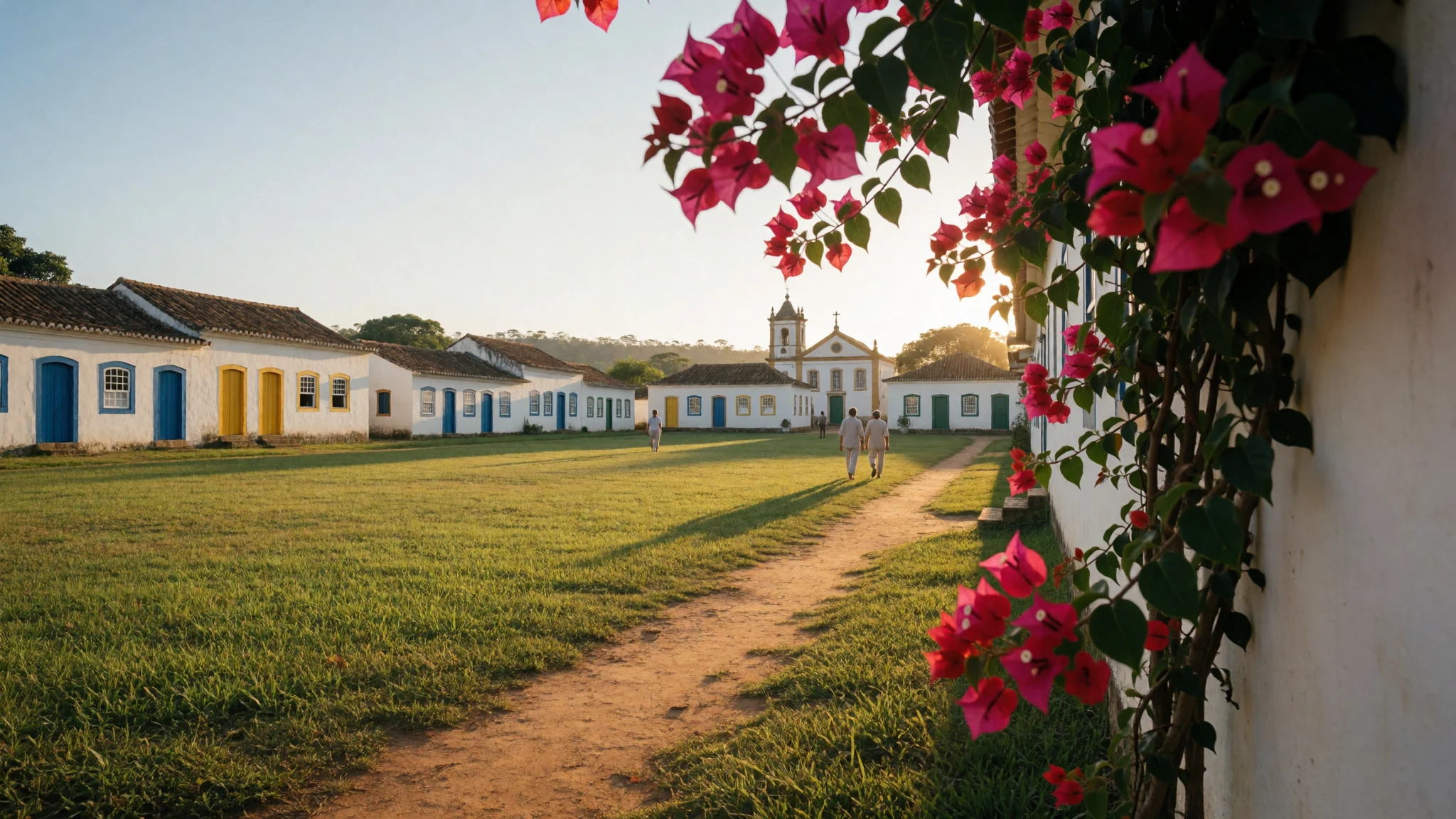
Trancoso is a Bahian village of low coloured houses around a grassy square, with palm-backed beaches a short walk or drive away.
The place
Trancoso is a district of Porto Seguro, on the coast of southern Bahia in Brazil. It began as a fishing settlement and has kept the scale of one: low, colourful houses set around a long grassy rectangle instead of along a main road. The grass is the Quadrado, a name that sounds square even though the space is not. At its eastern end stands the church of São João Batista, a sixteenth-century building dedicated to John the Baptist, and the village gathers around it in the evenings. Restaurants put tables under the trees, craft sellers spread out their goods, and children play on the grass. Beyond the square the coast takes over. Praia dos Nativos, Praia dos Coqueiros and Praia do Espelho are the names visitors hear first, ranging from lively beach bars to quieter, palm-backed sand. Attention from abroad arrived around the turn of the millennium, and with it came resorts, including a French holiday-club operator, and rising property prices. Trancoso is therefore a place where costs can mount, and the Brazilian summer holidays bring crowds. Conservation runs alongside the building: nearby national parks and reserves are being enlarged to protect the remaining Atlantic Forest, and the regional protected zone called APA Caraíva-Trancoso starts close to the village, with the aim of holding back overdevelopment. Even so, the village is easy to walk, and the sea is never far.
Its story
Trancoso's history starts with the Portuguese arrival on this stretch of the Bahian coast, where Pedro Álvares Cabral first came ashore in Brazil. The village itself was founded by Jesuit priests in 1583 and given the name São João Baptista dos Indios, a reminder that the settlement began as a mission among the Indigenous people of the area. For centuries it stayed small and remote, living from fishing and the land, with the church and the open green at its centre. Roads were what changed it. Once a highway joined Trancoso to Porto Seguro in 1999, building quickened, because Porto Seguro is a commercial hub with an airport and the journey suddenly became easy. Foreign interest followed, then resorts and second homes, and the quiet fishing village turned into a name on international travel lists. One small piece of its modern story belongs to fashion: the artist Solange Ferrarini designed a crochet bikini that was first sold on Trancoso's beaches and later copied widely under the name kiini. Today the village lives with several pasts at once. The fishermen's cottages, the sixteenth-century church and the Jesuit-era name sit beside boutiques and resort gates, and Indigenous families of the area remain part of village life, including through craftwork. The result is a place that feels old at its centre and new at its edges.
What to see
- The Quadrado — Village centre
The Quadrado is the village's long grassy rectangle, ringed by low coloured houses, restaurants and craft stalls. Go in the late afternoon, when the heat eases and the light turns warm, then stay on for the evening, when tables fill and the whole green becomes an open-air meeting place for locals and visitors alike.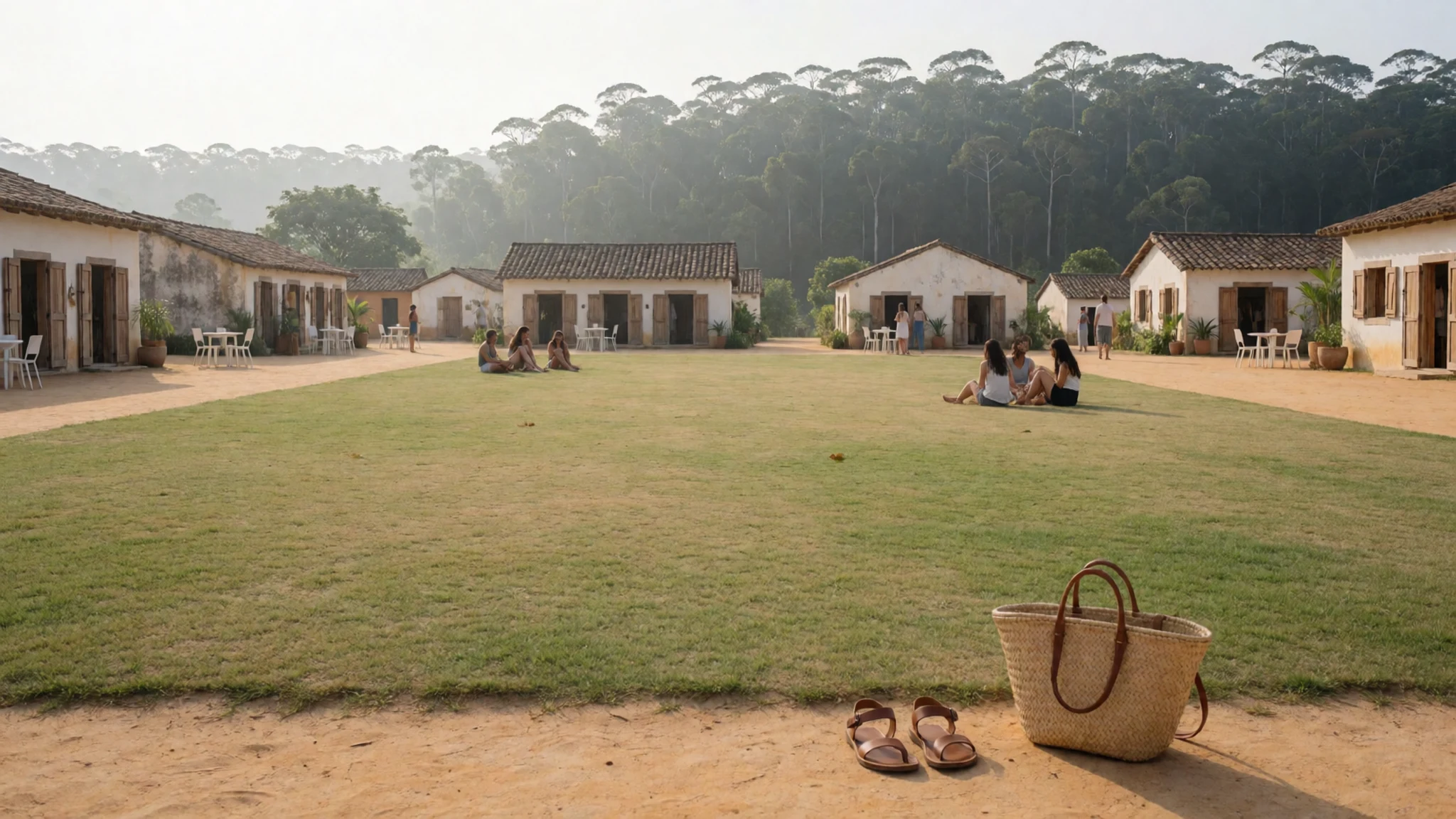
- Igreja de São João Batista — Eastern end of the Quadrado
The church of São João Batista closes the eastern end of the Quadrado. Its origins go back to the Jesuit mission of the sixteenth century, and its plain, whitewashed look suits the village. Step inside for a quiet few minutes, then turn around and notice how the view across the green frames the whole settlement.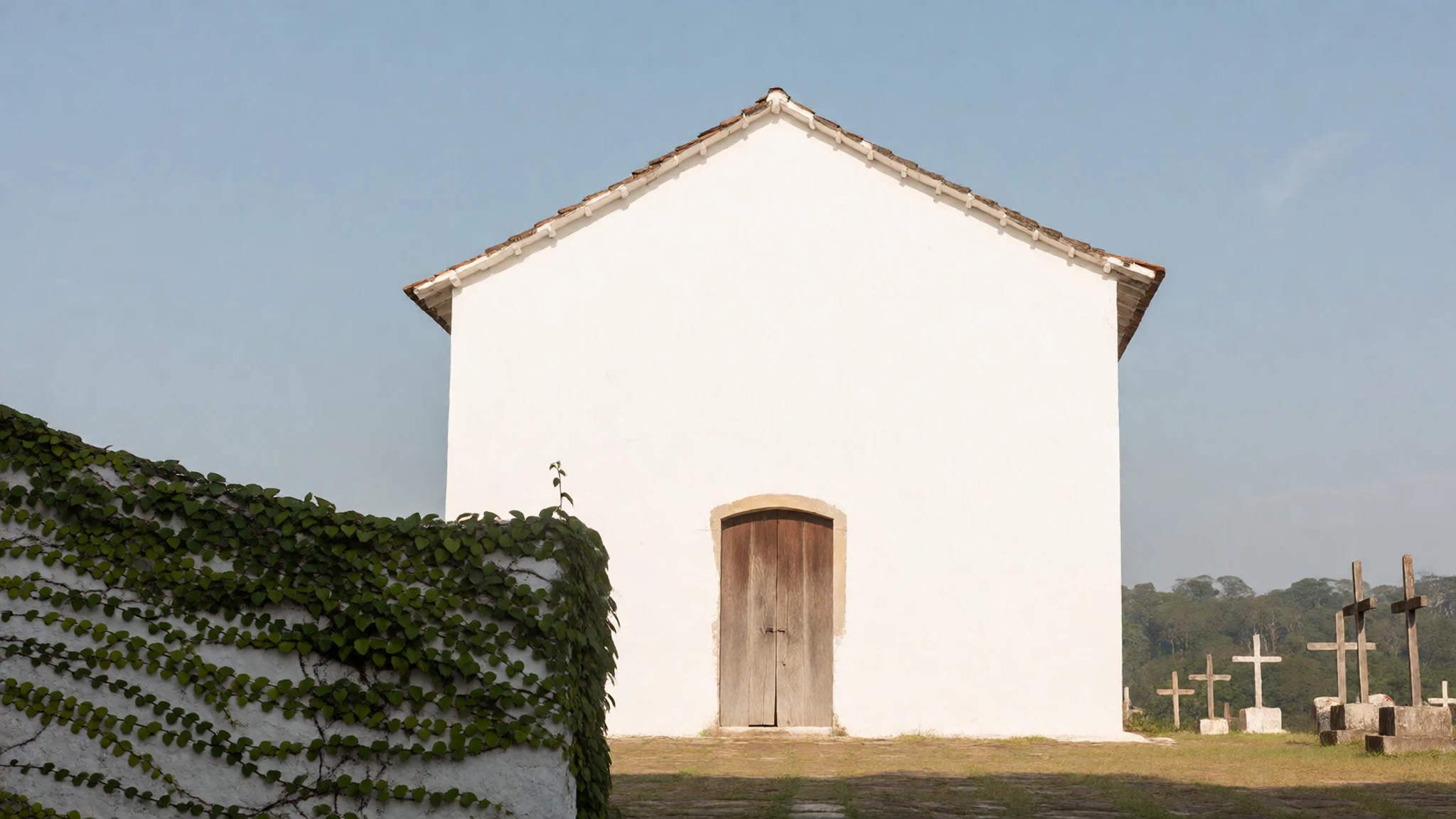
- Praia dos Nativos — Coast below the village
Praia dos Nativos is a beach reached on foot or by a short ride from the Quadrado. Beach bars sit behind the sand, so food and shade are easy to find, and the old fishermen's cottages near the boundary with Coqueiros give some sense of how the settlement looked before the resorts arrived.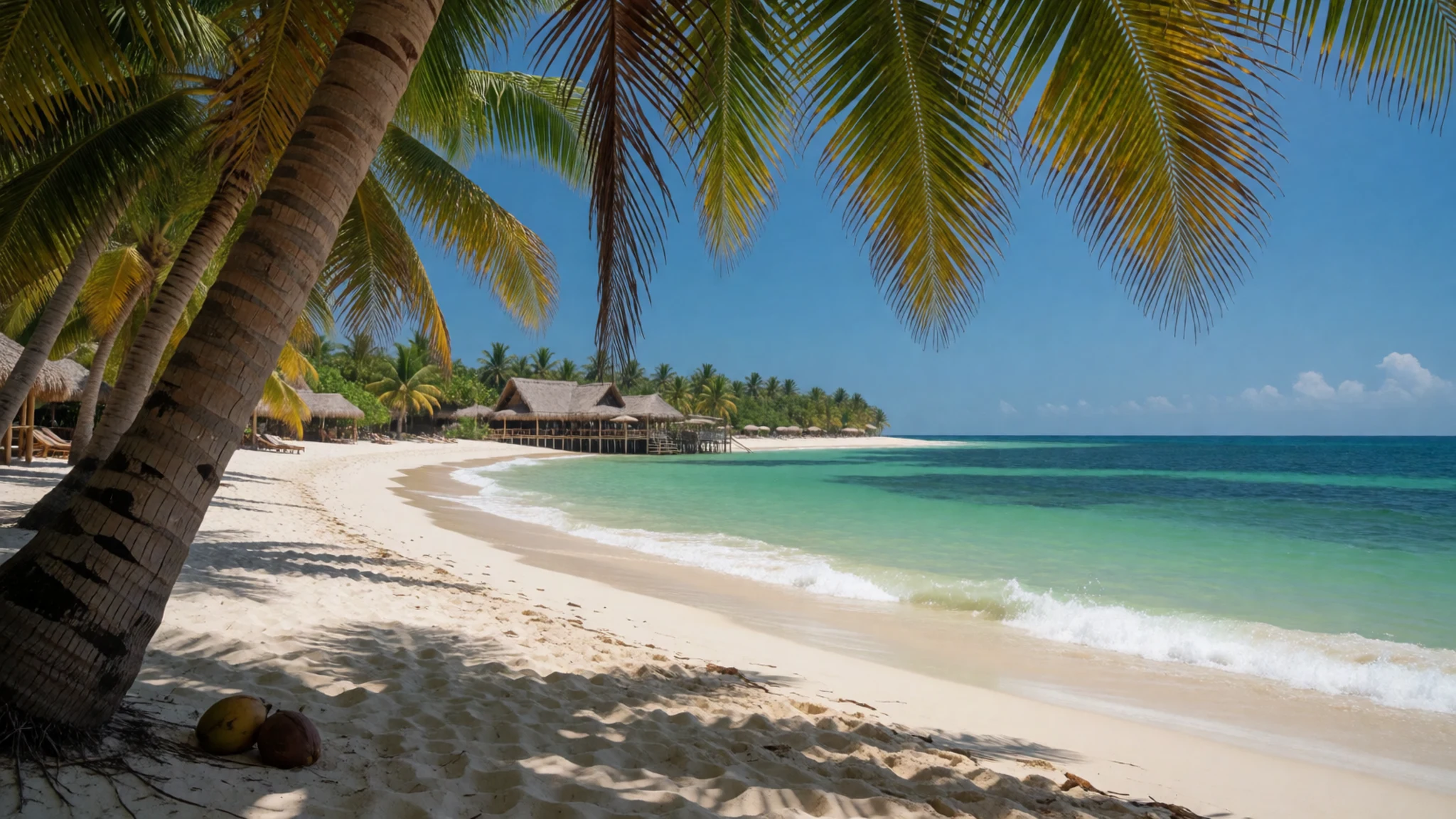
- Praia dos Coqueiros — South of Praia dos Nativos
Praia dos Coqueiros takes its name from the coconut palms behind the sand, and the sky here can look enormous at sunrise and sunset. It tends to feel calmer than the busier stretches, so it suits long walks and swimming. Ask locally about tide and currents before going far into the water.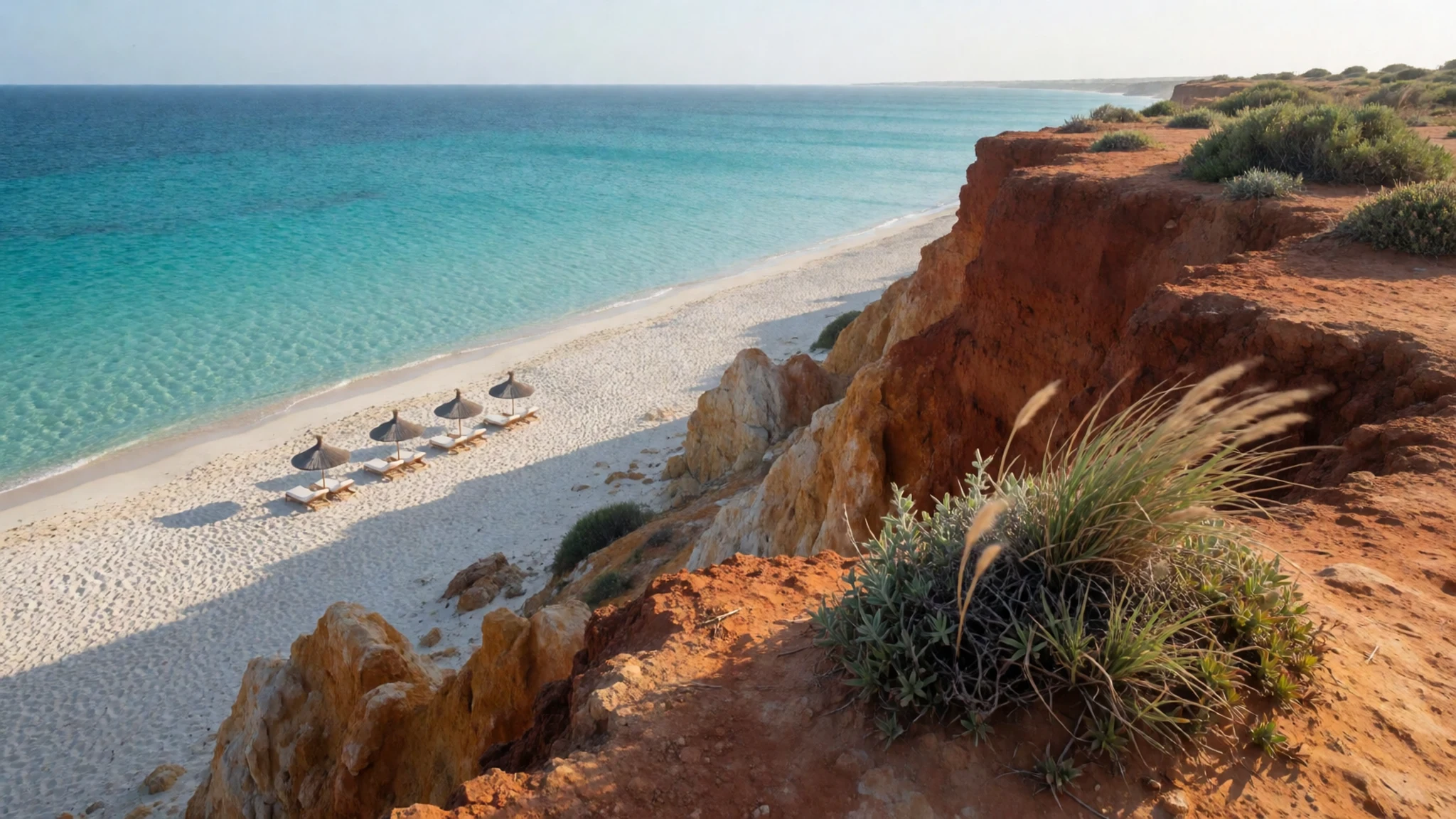
- Praia do Espelho — Further along the coast
Praia do Espelho lies further along the coast and needs a proper journey rather than a stroll, so allow half a day. Its name means mirror, and calm water at the right tide explains it. Take drinking water, sun protection and some cash, since facilities are simpler than in the village.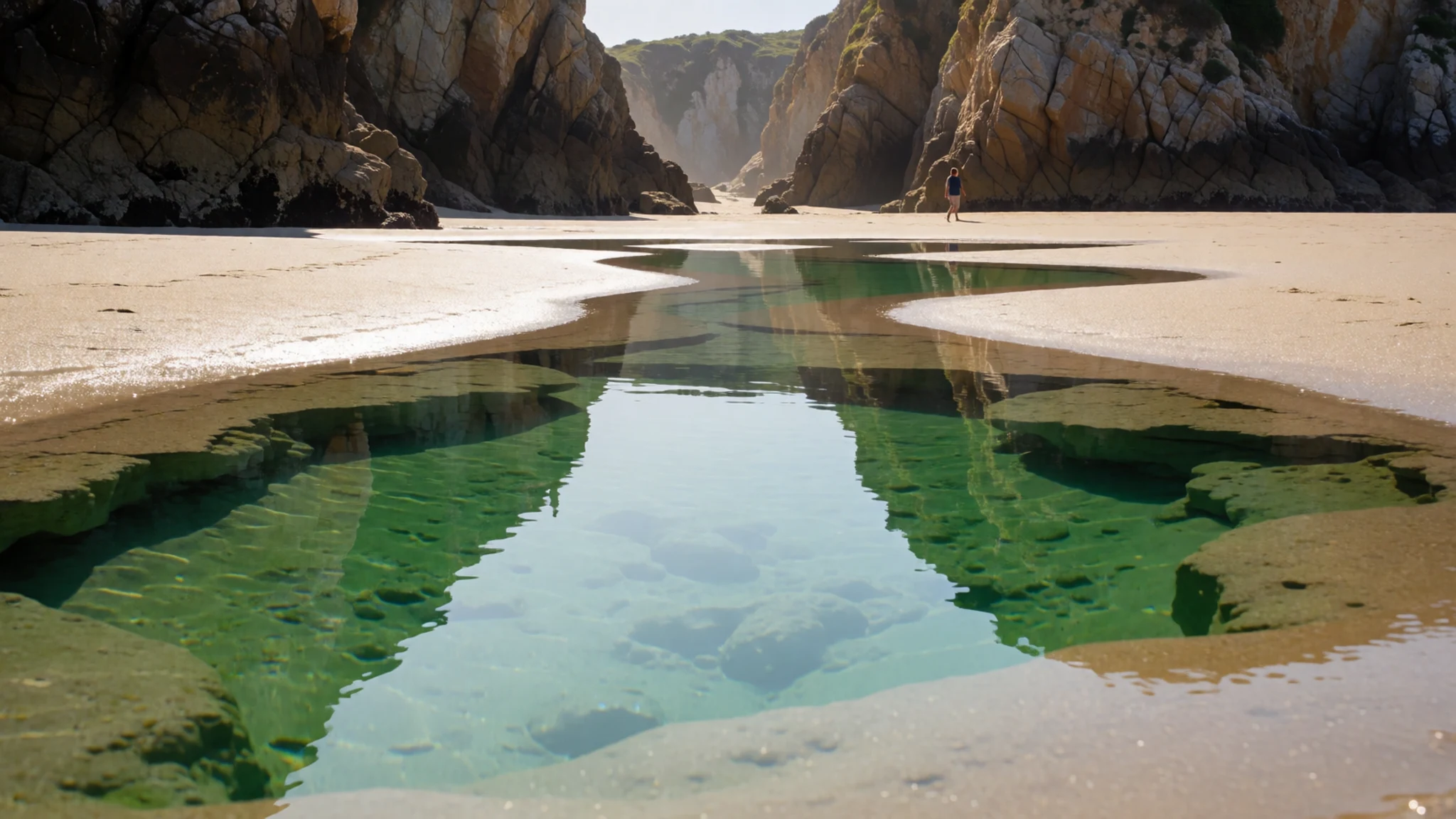
- Horse riding at Fazenda Yansan — Countryside behind the coast
Horse riding is on offer at Fazenda Yansan, in the countryside behind the coast. It makes a change from sand and sea, with a slower look at the green inland landscape. Book ahead directly with the farm, mention your riding experience, and choose the cooler hours of early morning or late afternoon.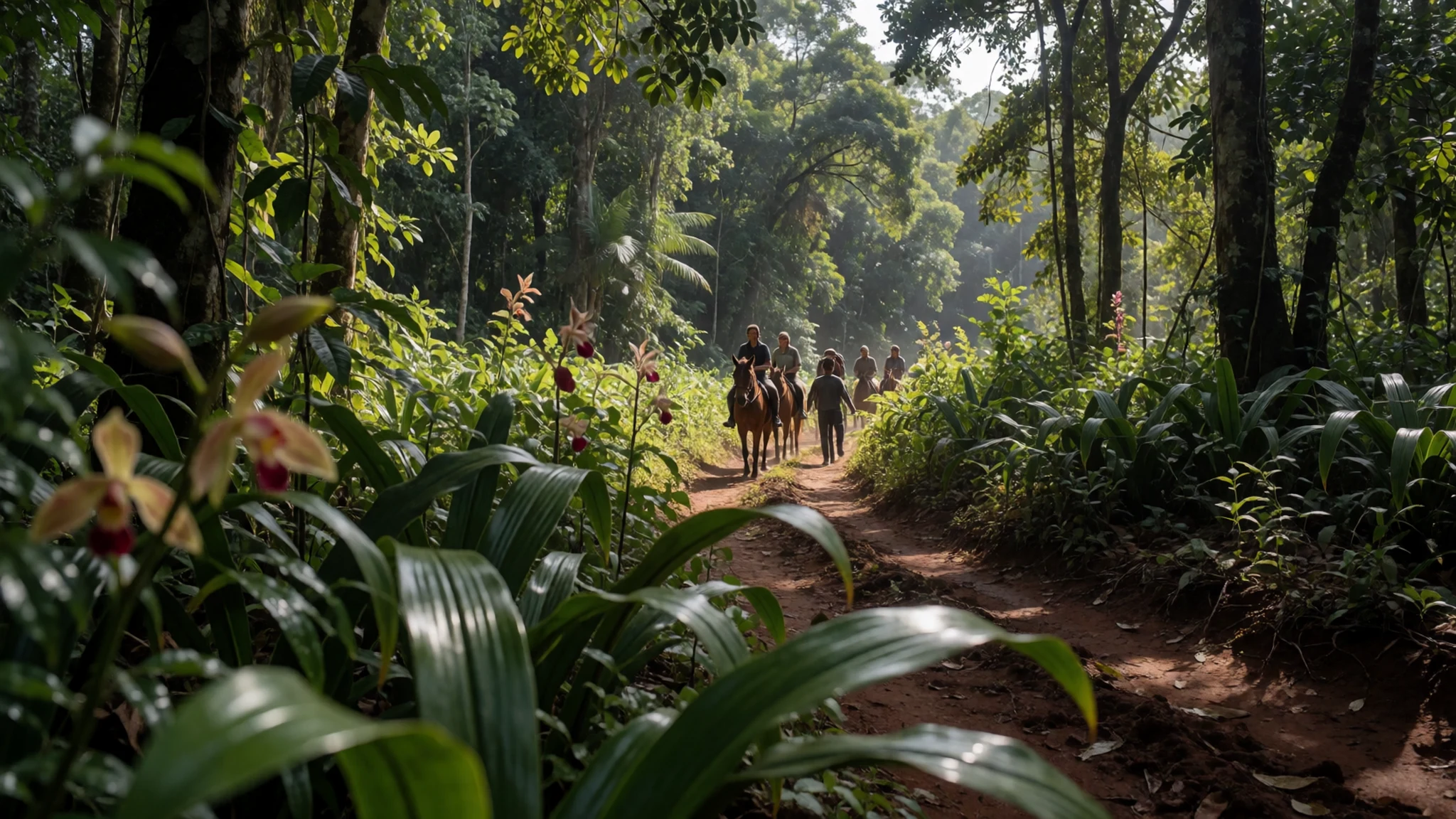
Culture
Trancoso's culture is shaped by its fishing roots, its Jesuit-founded past and the Indigenous people who have lived in this part of Bahia. The calendar still keeps village traditions: on 20 January the Quadrado hosts a festival for Saint Sebastian, with local people singing to drums and guitars and the whole green turning into a celebration. The village church, dedicated to John the Baptist, ties the community to the Catholic tradition brought by the Portuguese, and the building remains an anchor for community life. Crafts are the everyday expression of this heritage, from woven goods and jewellery to painted objects sold around the square. Many are made locally, so buying directly from the maker is a simple way to keep money in the village. Resorts and boutiques have brought outside money and a polished, international edge, and locals sometimes have mixed feelings about what that has done to the pace and price of daily life. Portuguese is the language of the village, and a few words of greeting go a long way: bom dia in the morning, boa tarde after midday, and obrigado or obrigada for thanks. Ask before photographing local people, especially children and Indigenous craft sellers, and buy something or at least say thank you if they agree to pose.
What to wear
Trancoso has no single village costume of its own, so the traditional dress worth knowing is the wider Bahian one. The baiana outfit, a wide white skirt, a lace-trimmed cotton blouse and a head wrap, appears at religious festivals and cultural events across the state, and its crisp white cotton and handmade lace come from the Afro-Brazilian tradition of the region. Local craftspeople in Trancoso also work with fibre, beads and crochet, and the village has its own fashion footnote: the crochet bikini by Solange Ferrarini, first sold on its beaches. Day to day, people dress for heat and sand: linen and cotton, swimwear under loose shirts, flip-flops or leather sandals, and a smarter but still relaxed outfit for evenings on the Quadrado. The look is casual yet put together, and boutiques sell crochet, linen and beaded jewellery. Visitors should pack light, breathable clothing, a wide-brimmed hat and strong sun protection, plus sandals that cope with sand and uneven paving. For the church, covered shoulders and knees are respectful, and a light layer helps against evening breezes or a passing shower. Beach clothing belongs on the beach, so put on a shirt and trousers or a skirt when walking through the village.
What to eat
- Moqueca baiana — Restaurants around the Quadrado and larger beach restaurants
A fish or prawn stew simmered with coconut milk, tomato, peppers and dendê palm oil, which gives it a deep orange colour. It is served bubbling, usually with rice and farofa. Look for it at sit-down restaurants around the Quadrado and at the larger beach restaurants.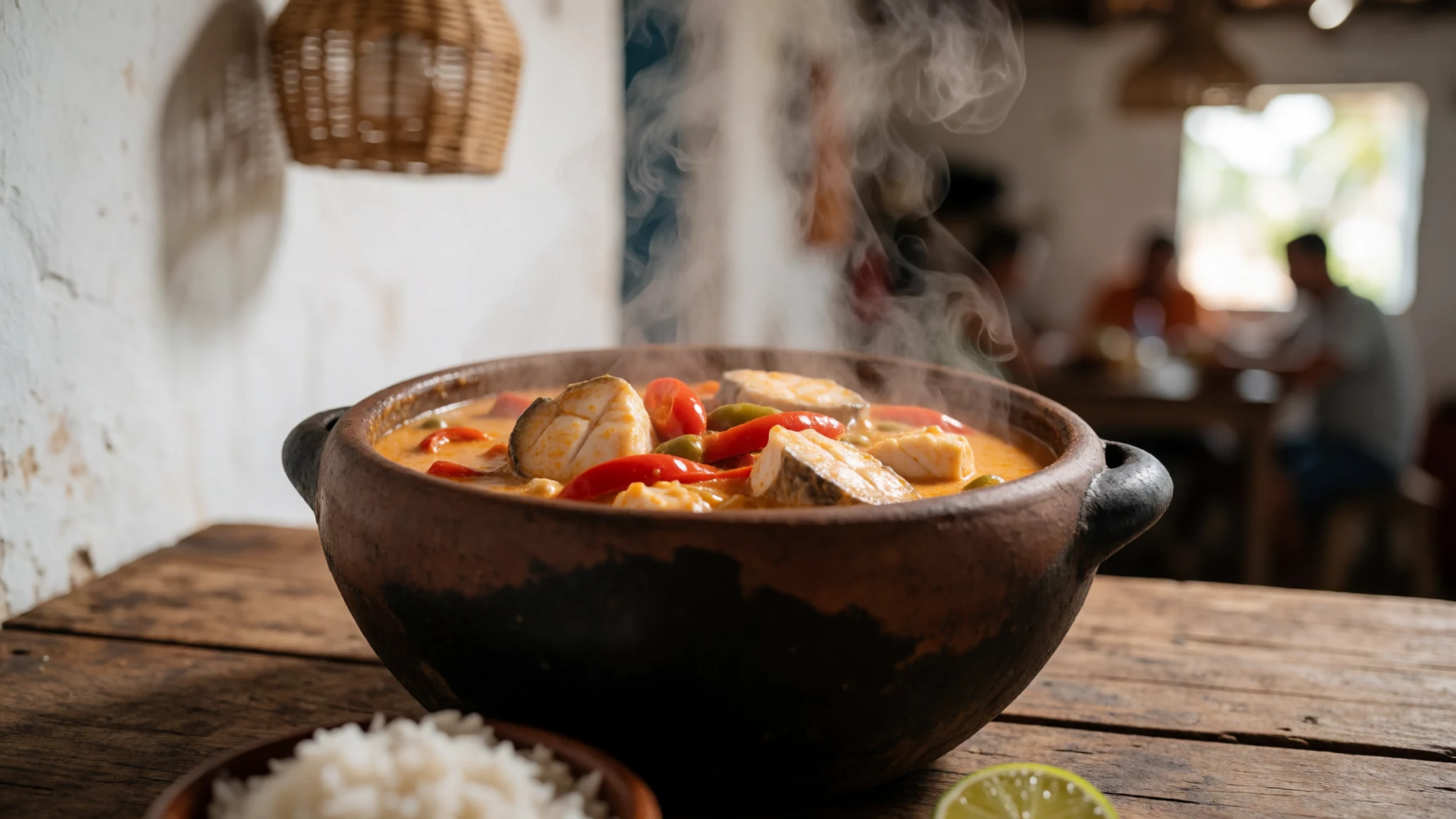
- Acarajé — Evening street stalls in and around the village
A fritter of black-eyed pea paste fried in dendê oil and split open for fillings such as spiced prawns and vatapá, a creamy paste of bread, nuts and coconut. It is a classic Bahian street snack, best eaten hot from a stall in the evening.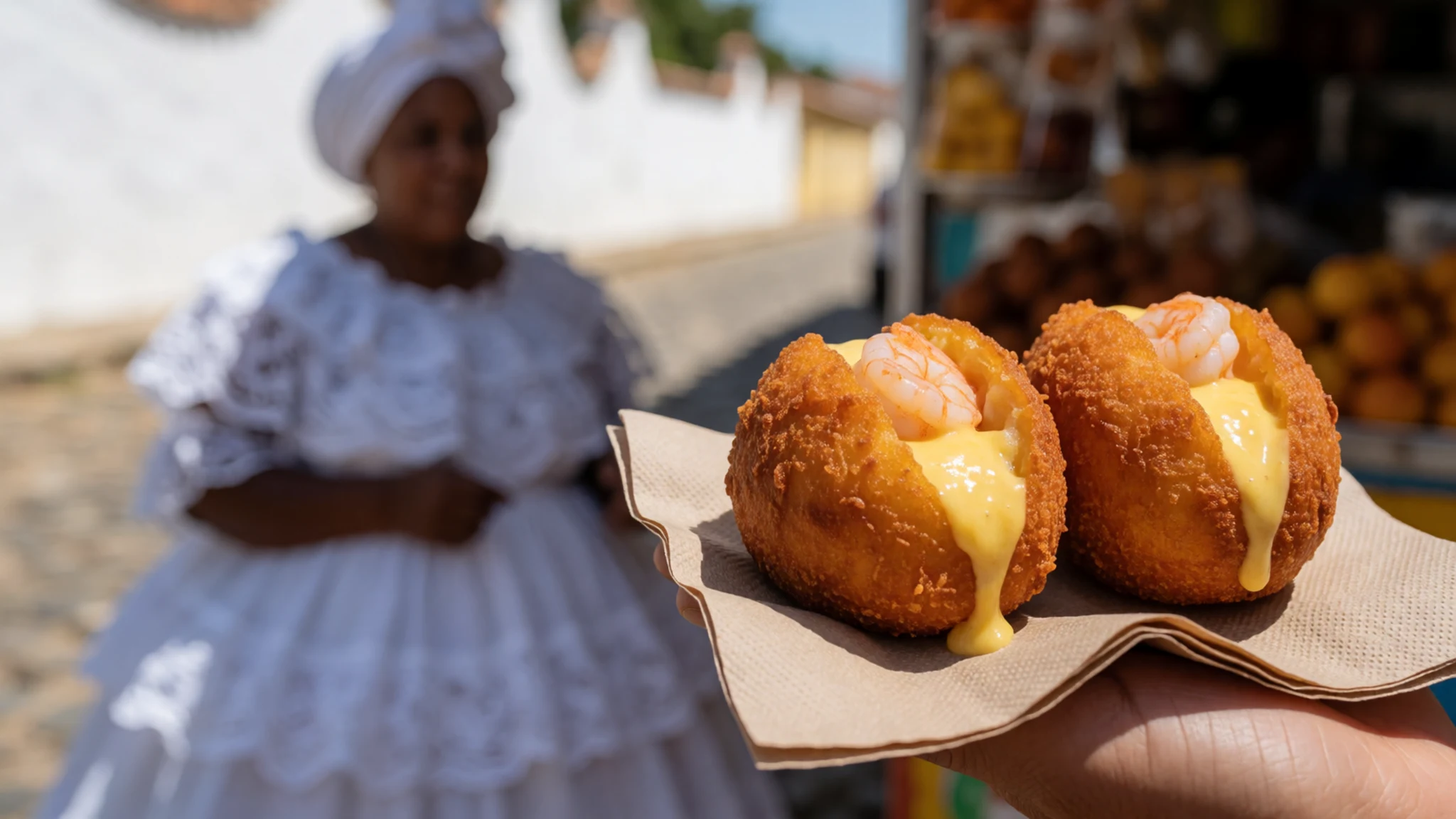
- Grilled fish and prawns — Beach bars and seafood restaurants along the sand
Simple seafood is the natural choice on this coast: the day's fish or prawns grilled with lime and garlic, served with rice, salad and fried cassava. Ask what was landed that morning and eat at a beach bar where the sea is within sight. - Tapioca — Cafés and small stalls near the Quadrado
A thin pancake made from cassava starch, cooked on a hot plate and folded around fillings such as grated coconut, cheese or condensed milk. It is naturally gluten free and works as breakfast or a light afternoon snack with coffee. - Água de coco — Beach kiosks and roadside stands
Fresh coconut water drunk straight from a green coconut is the easiest way to cool down in the heat. The seller cuts the top off with a machete, and the soft flesh can be scooped out afterwards with a slice of the husk.
Plan it
Best time. Trancoso is warm all year and showers can come at any time on this Atlantic coast. September–November and March–April are good choices for calmer beaches and easier prices, while the Brazilian summer holidays around December–January are the busiest. Check a forecast before booking.
How long. 3–4
Getting there. Fly to Porto Seguro International Airport, about an hour away by car, then continue by road to Trancoso on the highway that links the two. Taxis and pre-arranged transfers are the simplest last leg; check with your accommodation.
Budget. high
Tips
- Book accommodation well ahead for the December–January holidays and for any weekend around festivals
- Carry some cash for beach stalls, craft sellers and small cafés, even if restaurants take cards
- Take drinking water, a hat and sun protection to the beaches, where shade can be limited
- Visit the farther beaches such as Espelho in the morning, and ask locally about tide and road conditions
- Walk the Quadrado in the late afternoon and evening, when it is cooler and livelier
Etiquette
- Ask before photographing people, especially children and craft sellers
- Cover shoulders and knees when stepping into the church
- Keep beachwear for the beach and dress a little more fully in the village centre
Nearby
Sources
- Wikidata Q938536 (CC0)
- Wikipedia: Trancoso, Bahia (rev 1378818292) (CC BY-SA 4.0)
- Wikivoyage: Trancoso (rev 5387704) (CC BY-SA 4.0)
- Photo: Trancoso - Porto Seguro - Bahia - Brazil, Michel Y.G. Meunier (Public domain)
- Photo: Antiga Casa de Pescador, Robert Miguel (CC BY 3.0)
- Photo: Aritana 02, Gabriel Castaldini (CC BY 3.0)
- Photo: Artesanias de Trancoso, Byfreddygutierrez (CC BY-SA 4.0)
- Photo: Céu dos Coqueiros, Robert Miguel (CC BY 3.0)
- Photo: Flor e abelha em Trancoso, Clara egrejas (CC BY-SA 4.0)
- Photo: Lindo mar de Trancoso, Eiti Kimura (CC BY-SA 2.0)
- Photo: Marcio Filho, Praia Itapororoca, MTur Destinos (Public domain)


