Tobago
Tobago, Trinidad and Tobago
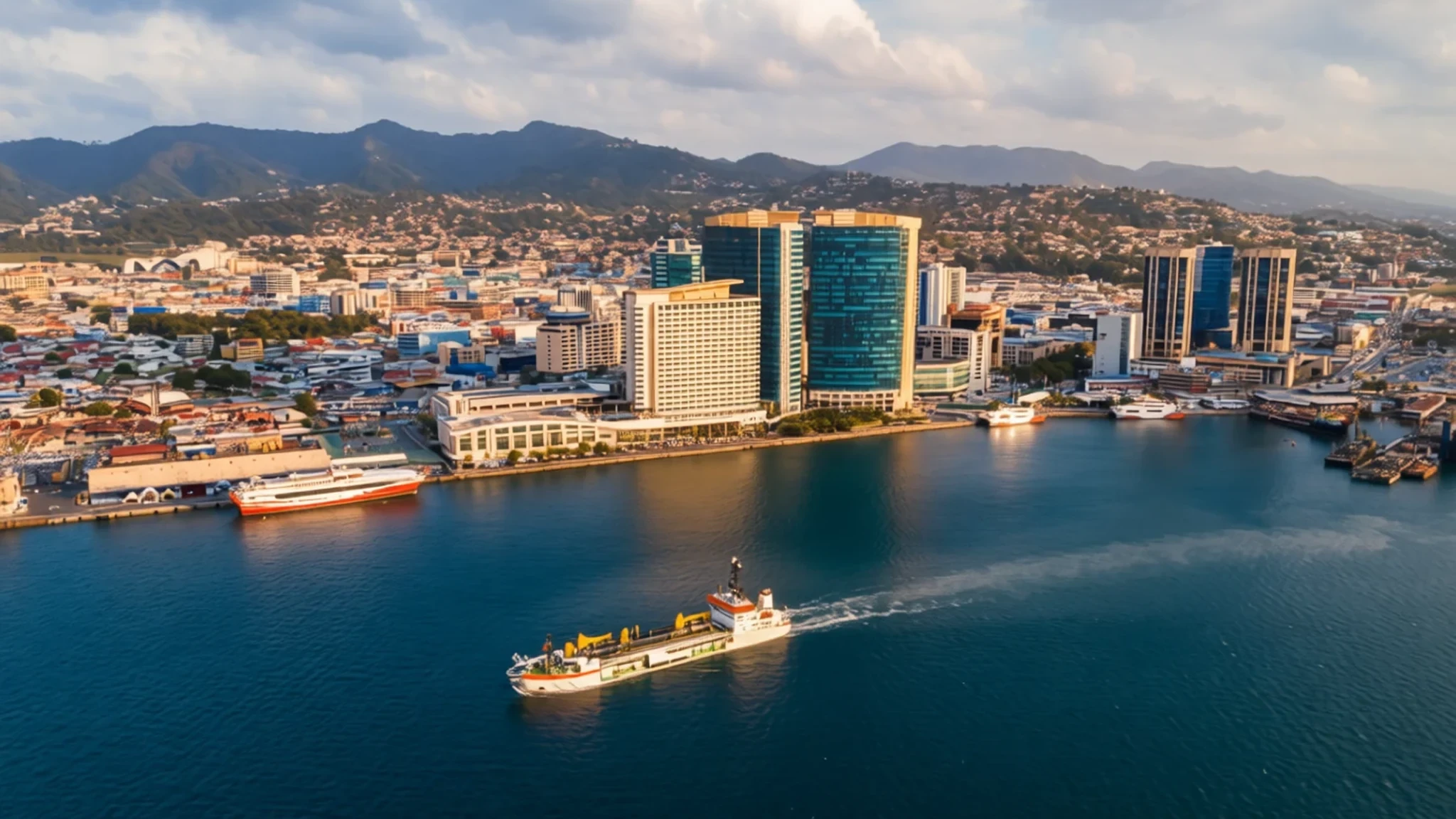
Tobago offers quiet Caribbean coves, lush rainforest trails, coral reefs, and a relaxed island pace far from mass tourism.
The place
Tobago is a tropical island situated in the southern West Indies, forming the smaller half of the nation of Trinidad and Tobago. Rising to an elevation of 600 metres above the sea, the land features a dramatic contrast between its mountainous interior and its sheltered coastal stretches. The spine of the main ridge is wrapped in dense, humid rainforest that drops steeply towards secluded coves and sweeping bays along the Caribbean shoreline. In the flat southwestern territory, calm coastal waters lap against low limestone platforms and broad coral sand beaches.
The coastal atmosphere varies markedly across the geographic zones. Around the southwestern tip, quiet turquoise lagoons and shallow offshore sandbars sit near open coastal roads. Moving northeast along the coastline, fishing villages nestle into narrow valleys where wooded slopes meet the sea. The island experiences two distinct seasonal cycles each year: a dry period through the early months, followed by a wetter season that brings heavy tropical showers and sustains the lush green canopy. With a resident population of 60874 people, Tobago retains a gentle, self-contained character, where daily life follows the rhythm of fishing boats returning at dusk, local markets, and coastal breezes blowing across the water.
Its story
Tobago possesses a deep historical legacy shaped by early human migrations and centuries of maritime exchange across the Caribbean Sea. Indigenous communities belonging to the Ortoiroid tradition were the earliest recorded inhabitants, establishing coastal settlements thousands of years before the arrival of later groups. Over time, Saladoid farmers and craftspeople introduced rich agricultural practices, bringing crops such as cassava, sweet potatoes, and corn to the island. Subsequent cultural traditions, including the Barrancoid and Troumassoid movements, further reshaped local trade networks and ceramic techniques across the regional archipelago.
Positioned strategically off the South American mainland, Tobago served as an essential maritime crossroads for Indigenous traders traveling between northern South American territories and the islands to the north. Spanish navigators sighted the island in the late fifteenth century, marking the start of European contact in the West Indies. Throughout the subsequent colonial era, the territory changed hands numerous times as competing European powers sought control over its fertile soils and natural harbour bays. Today, archaeological sites and shell middens scattered across the coastline preserve traces of these ancient societies, testifying to thousands of years of human activity along the island's shores. The modern island identity reflects this layered heritage, blending deep historical roots with vibrant contemporary Caribbean traditions.
What to see
- Nylon Pool — Off the southwest coast
This shallow offshore sandbar features exceptionally clear water that resembles transparent fishing line. Accessible by glass-bottom boat tours, the calm, waist-deep pool sits directly above coral reef formations, offering visitors a serene natural swimming area in the open ocean far from the shore.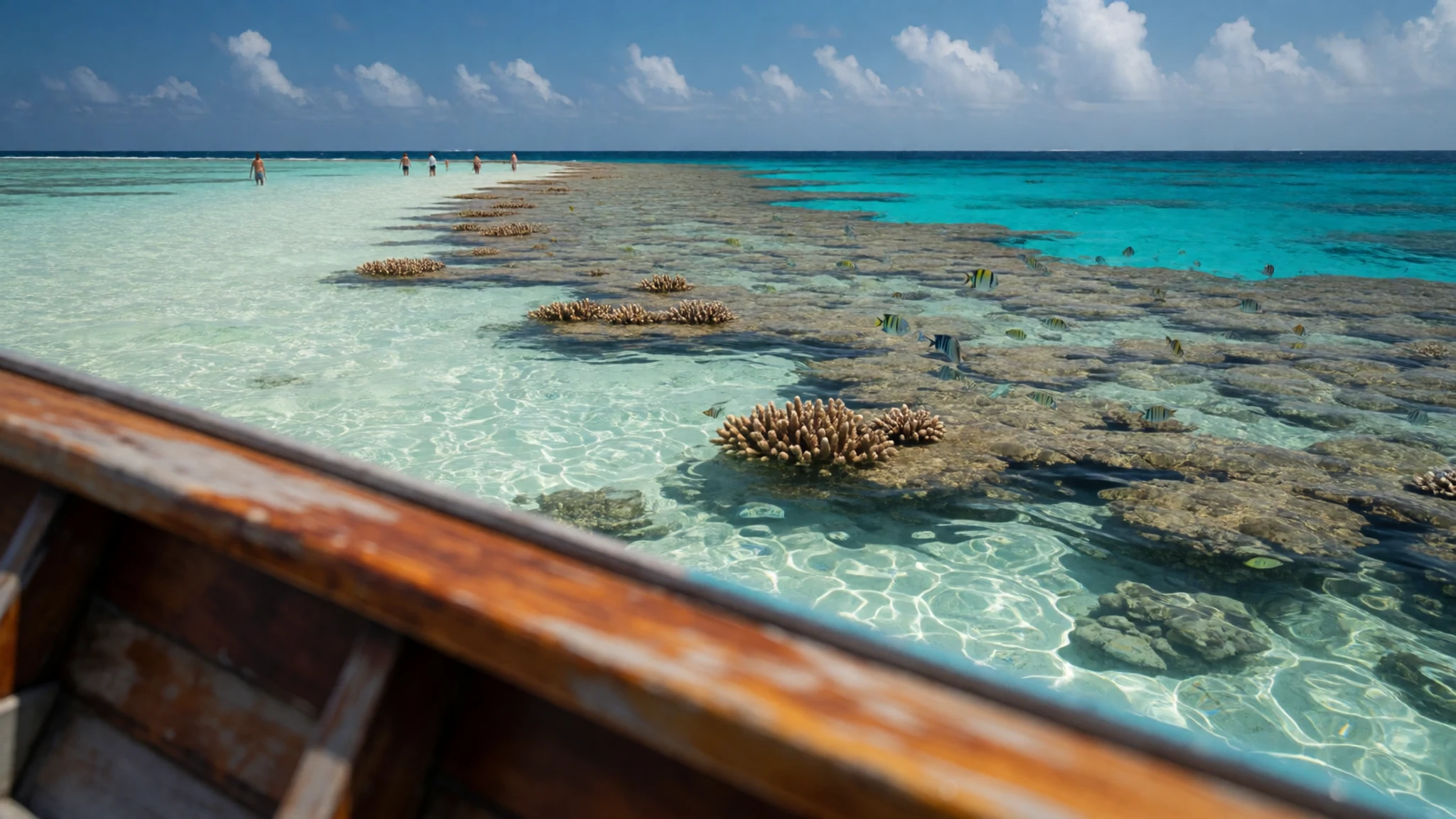
- Pigeon Point — Southwestern peninsula
Located on the southwestern tip of the island, this famous beach peninsula features clear calm water, fine white sand, and an iconic thatched wooden jetty. Facilities include beachside cabanas, refreshment stalls, and calm waters protected by offshore reef structures.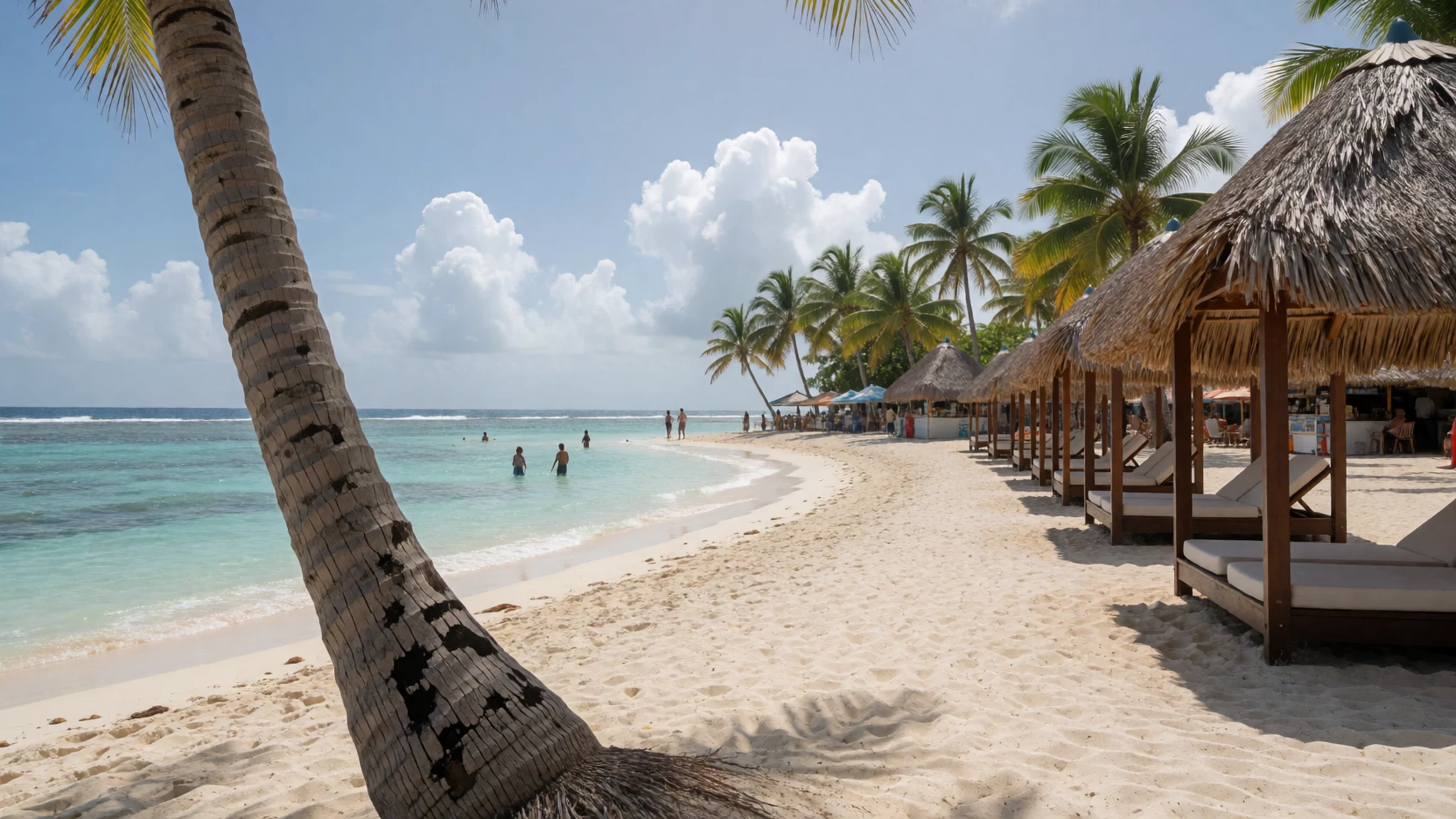
- Englishman's Bay — Leeward coast
A sheltered crescent bay nestled where rainforest slopes meet the sea along the quiet northern coastline. The secluded beach offers deep blue water, shady green foliage, and an uncrowded atmosphere far removed from the busier resort areas in the south.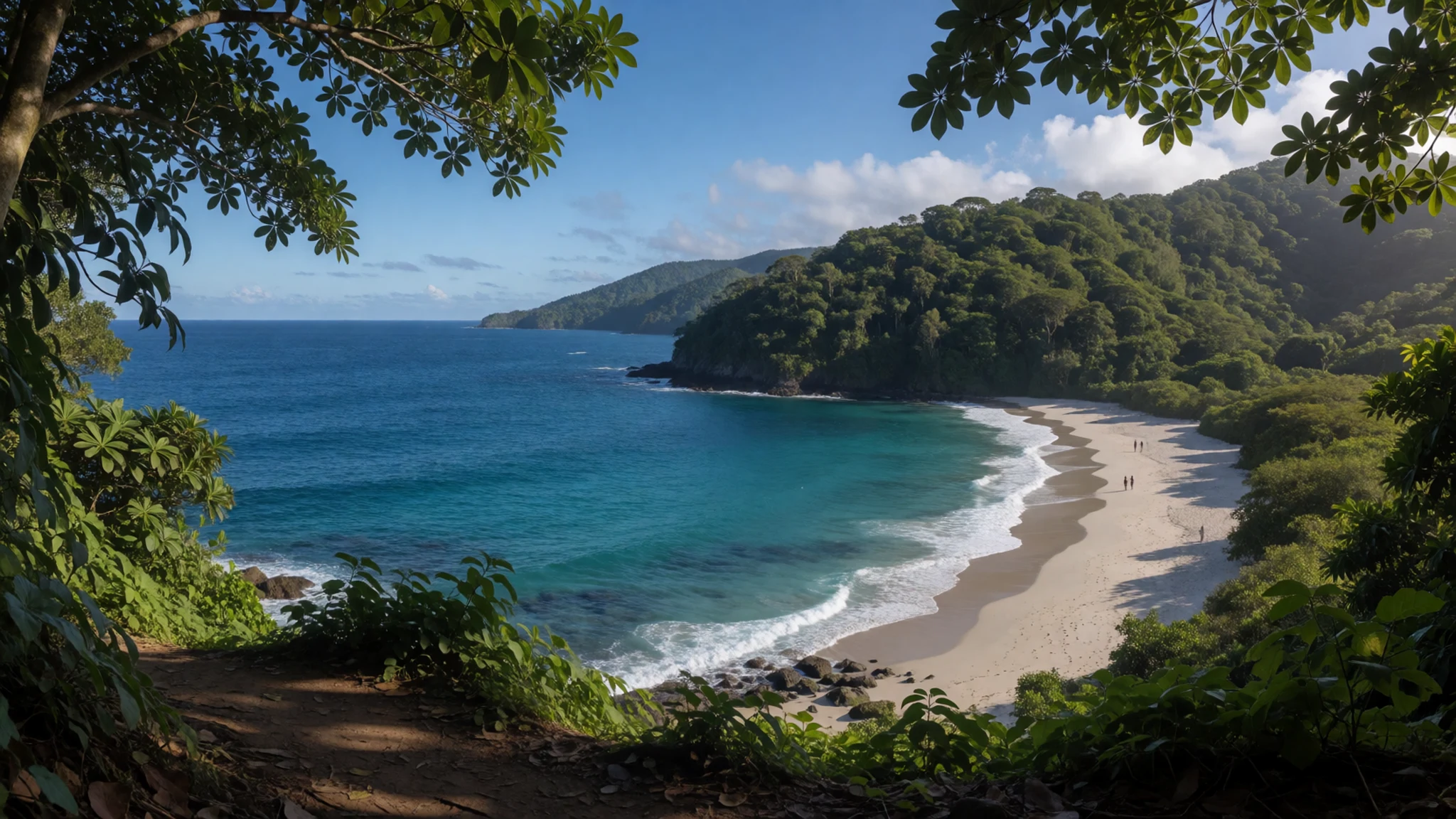
- Little Tobago — Off Speyside, eastern coast
A protected offshore bird sanctuary situated near Speyside, accessible by local boat transfer. Marked forest walking trails cross this uninhabited island, leading to coastal viewpoints where native seabirds nest amidst lush tropical vegetation and sheer oceanic cliffs overlooking the marine reserve.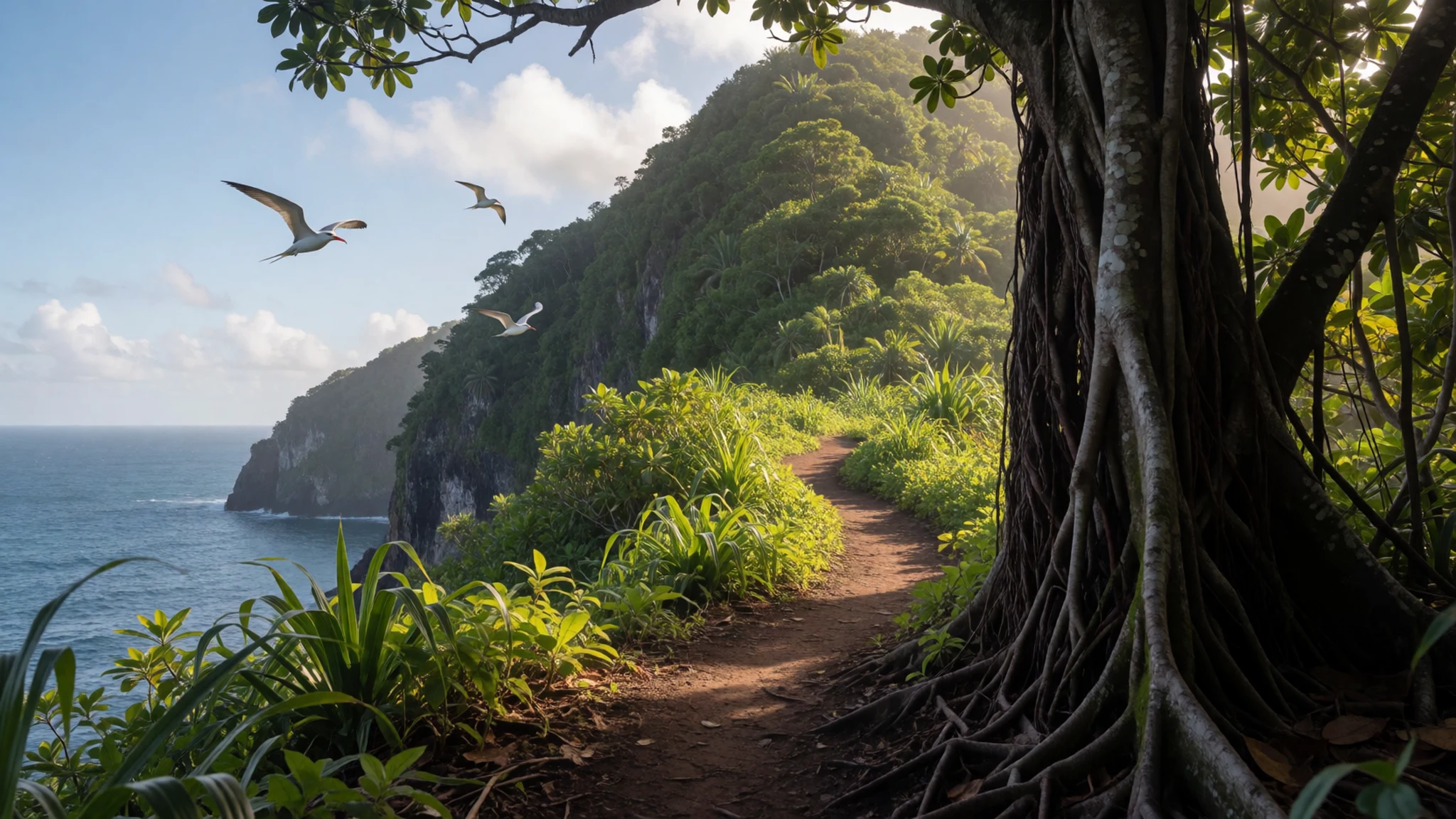
- Castara Bay — Castara village, leeward coast
A picturesque coastal bay surrounding a traditional fishing village on the leeward coast. Golden sands, gentle bathing waters, and casual seaside venues create an authentic atmosphere where visitors can watch local fishermen pull in their daily nets while sunset colours fill the sky.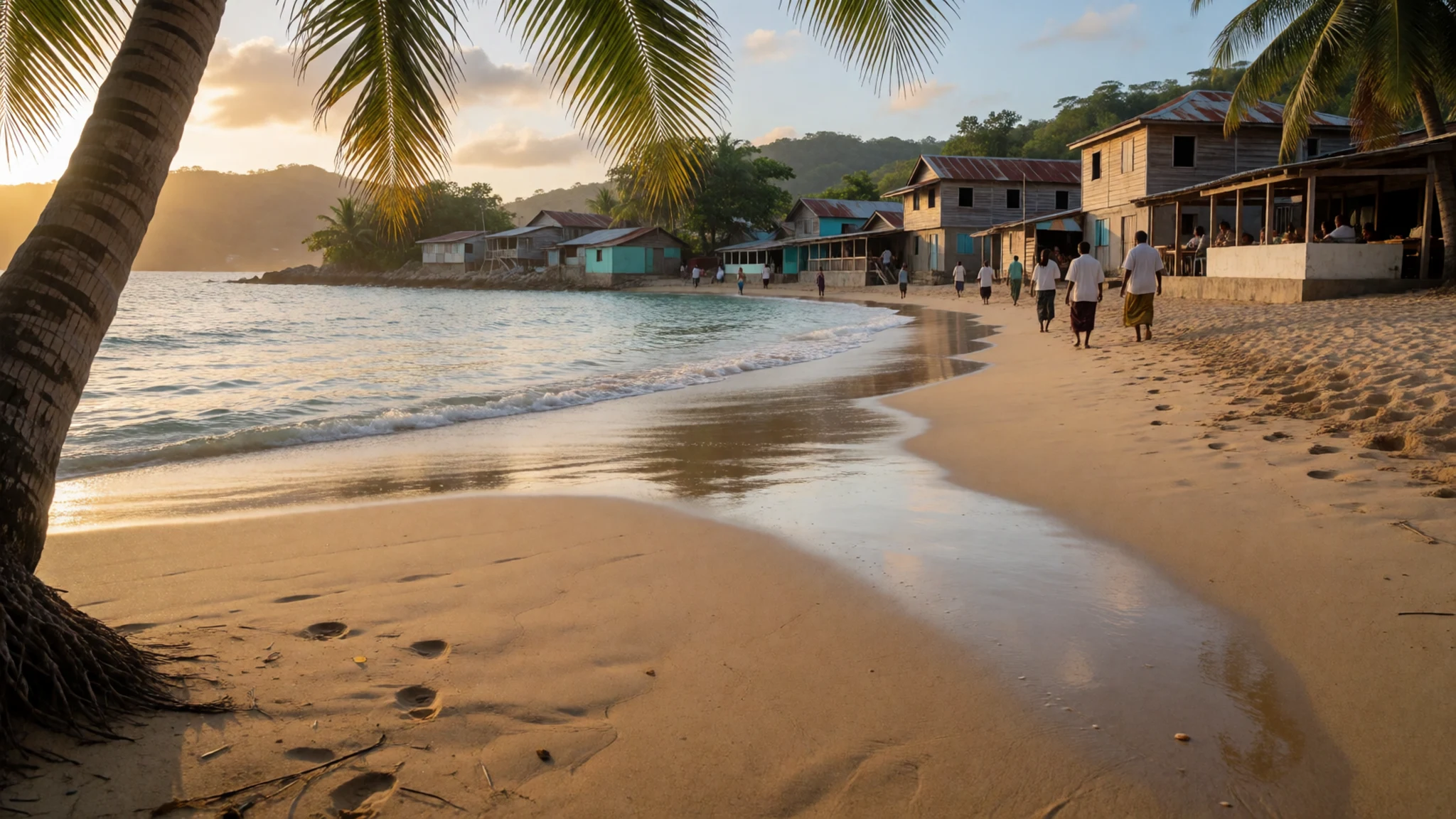
Culture
Tobago possesses a distinct island culture that is deeply rooted in village community life, oral storytelling, and maritime traditions. Local social life is often centred around coastal villages, where fishing practices like seine hauling bring neighbours together to haul nets onto the sand. Music plays an essential role in daily community gatherings, with steelpan music, calypso, and reggae filling local venues and coastal festivals throughout the year.
The island celebrates a rich heritage of folk tales and traditional cooking methods passed down through generations. Community gatherings frequently feature communal baking in outdoor dirt ovens, a tradition preserved in village settlements along the coast. Respect for elders and friendly greetings are fundamental aspects of local etiquette, with people routinely exchanging warm salutations when passing on village roads. While the relaxed pace of island life encourages ease, dressing respectfully in beachwear away from the shoreline is expected when visiting shops and public offices.
What to wear
Tobago traditions include vibrant festive attire worn during heritage celebrations and cultural festivals. Historical dress features colourful cotton garments, head wraps, and embroidered linen shirts influenced by African and European heritage. On formal cultural occasions, women wear flared skirts paired with brightly patterned headscarves, while men don light linen trousers and loose-fitting shirts tailored for the warm tropical climate.
In daily life today, islanders favour comfortable, casual clothing suitable for tropical heat. Light t-shirts, cotton shorts, sundresses, and breathable fabrics are standard everyday wear across towns and villages. Sandals and canvas shoes are common for walking around coastal settlements and markets.
Visitors should pack light, breathable natural fabrics such as cotton or linen to remain comfortable in high humidity. Sturdy footwear or water shoes are recommended for walking on rocky beaches or hiking rainforest trails. Bathing suits and swimwear are appropriate for the beach, but visitors should wear shirts, wraps, or lightweight clothing when walking through village streets, entering shops, or dining in local restaurants.
What to eat
- Crab and Dumplings — Beach stalls at Store Bay
A signature island dish featuring local land crabs cooked in a fragrant curry sauce made with coconut milk and herbs, served beside dense flour or cassava dumplings. Available at beachside food stalls around Store Bay.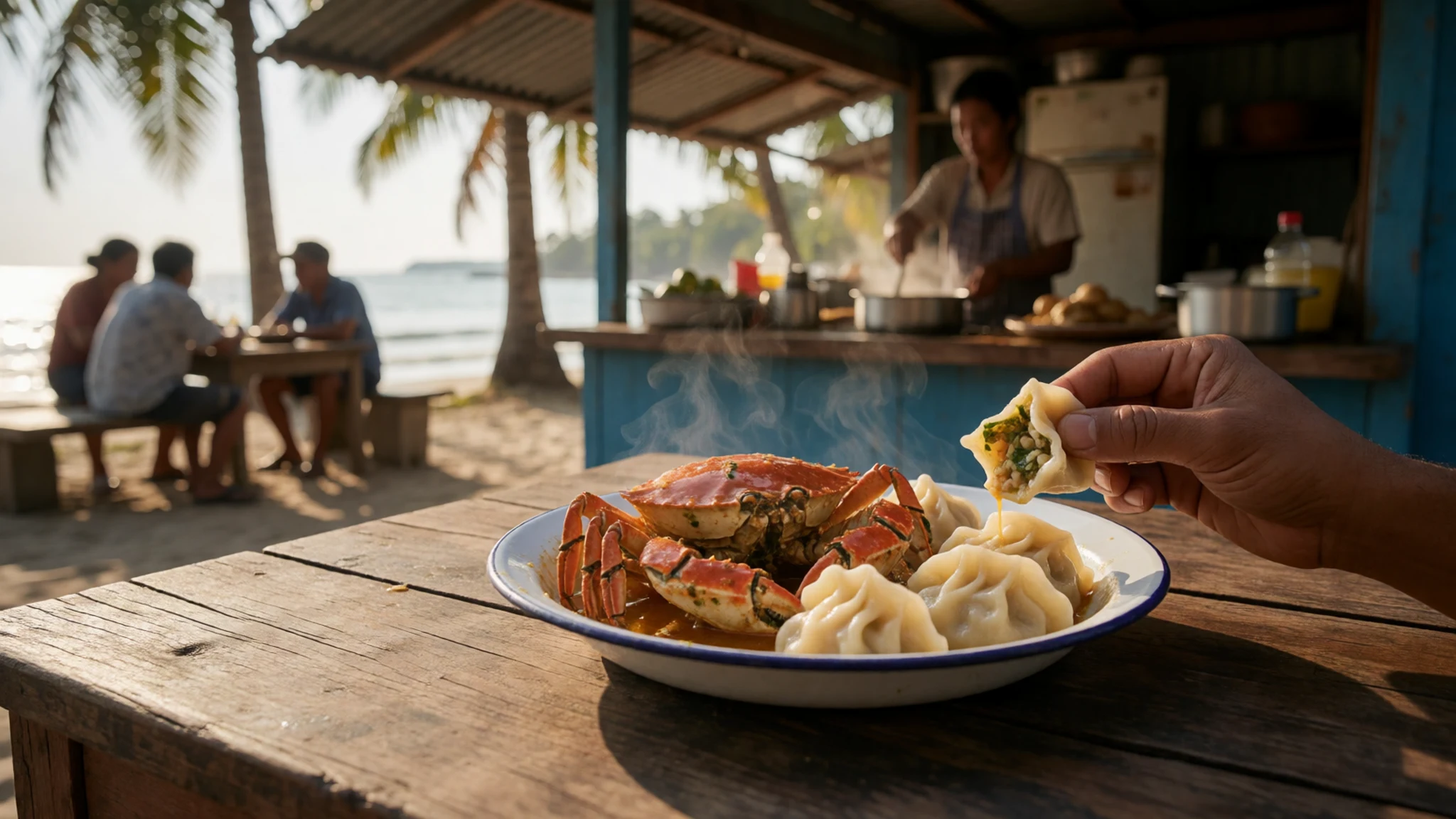
- Bake and Shark — Food stands along Store Bay and Crown Point
Deep-fried seasoned fish stuffed inside a light, fried flatbread called a bake, seasoned with garlic, chadon beni, pepper sauce, and fresh toppings. Found at popular street food stands near Crown Point and coastal beaches.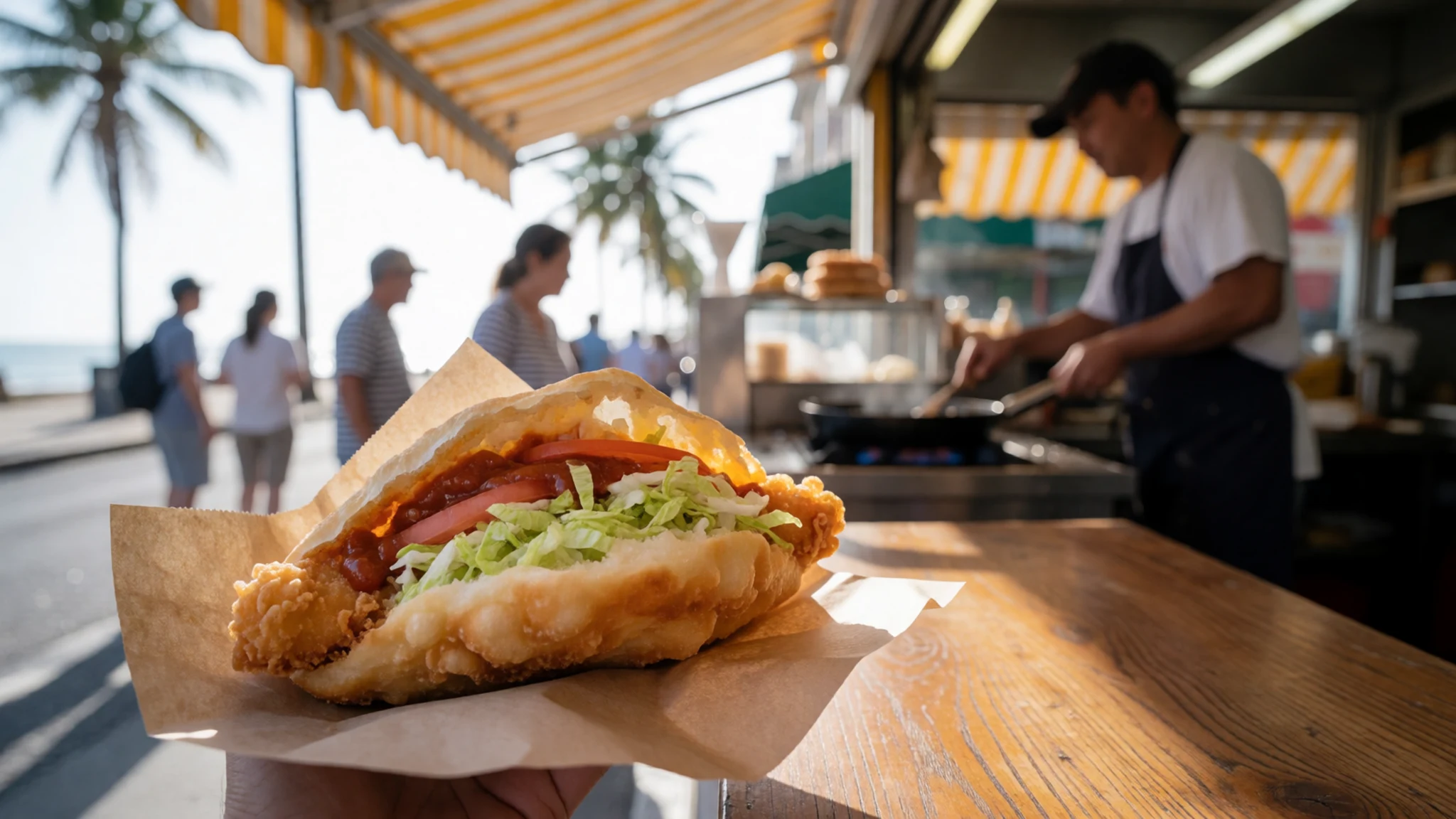
- Callaloo — Village eateries and roadside food stalls
A rich, leafy green soup made from steamed dasheen leaves, okra, coconut milk, and aromatic spices, often stewed with crab or salted meat. Commonly served as a side dish at village eateries and local lunch spots. - Pelau — Street food stalls and beachside venues
A savoury one-pot rice dish featuring chicken or beef caramelised in brown sugar, cooked together with pigeon peas, coconut milk, fresh herbs, and vegetables. Available from street vendors and casual coastal lunch stands across the island. - Stewed Fish — Waterfront fish venues and village cafes
Freshly caught fish marinating in lime juice and local seasoning, fried lightly then simmered in a dark, savoury gravy of tomatoes, onions, and sweet peppers. Served at waterfront fish stalls and village cafes.
Plan it
Best time. January to May is the driest stretch, with more sunshine and calmer seas; the wettest months run from July to November, with the rain easing again by December.
How long. 3–4
Getting there. Arthur Napoleon Raymond Robinson International Airport at Crown Point, or inter-island ferry from Port of Spain in Trinidad arriving at Scarborough harbour.
Budget. mid
Tips
- Carry cash in local currency for small food stalls and taxis as card acceptance can be limited
- Book inter-island ferry or flight tickets in advance during peak holidays and festivals
- Rent a car to explore the quieter northern beaches and rainforest trails independently
- Bring insect repellent for rainforest walks and evening outdoor dining
Etiquette
- Wear cover-ups or clothing over swimwear when leaving the beach and entering villages or shops
- Greet locals with a friendly good morning or good afternoon before asking questions
Nearby
Sources
- Wikidata Q185111 (CC0)
- Wikipedia (rev 1381674152) (CC BY-SA 4.0)
- Wikivoyage (rev 5243852) (CC BY-SA 4.0)
- Photo photos/01-castara-village-beach1.jpg (Public domain)
- Photo photos/02-caribbean-tobago.png (Public domain)
- Photo photos/03-tobago-jade-ceremonial-ax.jpg (CC BY-SA 1.0)
- Photo photos/04-plan-of-nieuw-vlissingen.jpg (Public domain)
- Photo photos/05-castara-bay-tobago-2009.jpg (CC BY 2.5)
- Photo photos/06-iss034-e-49777-view-of-trinidad-and-tobago.jpg (Public domain)
- Photo photos/07-the-hon-christine-kangaloo.jpg (CC BY 2.5)
- Photo photos/08-st-giles-island-august-2013-50.jpg (CC BY-SA 4.0)


