Chaguaramas
Chaguaramas, Trinidad and Tobago
Chaguaramas is Trinidad's boating and outdoor peninsula, with forest trails, small bays and offshore islands, all a short drive from Port of Spain.
The place
Chaguaramas is the name of a peninsula on the north-west tip of Trinidad, and also of the most developed stretch of it, which is where most visitors end up. It lies west of Port of Spain, about 14 km away, though the drive takes longer than the distance suggests. The Western Main Road is the only road in, and it backs up with traffic. The road follows the shoreline, so the sea keeps appearing between bends and trees. The developed part begins at an aluminium plant and dock and runs out to the army and coast guard camps, so first impressions are industrial: drydocks, boatyards, cranes and hulls propped up on stands. Beyond that, the peninsula turns greener. Forested hills rise behind the bays, and the area holds one of the few remaining patches of dry forest in western Trinidad. Offshore, a cluster of small islands known as the Five Islands can be seen from the mainland and reached by boat. Some were still being redeveloped as of 2016. The place works two ways at once. It is a working marine centre where yachts are repaired and stored, and it is a weekend playground for people from the capital who come to cycle, kayak, swim, stroll the boardwalk or race dragon boats. Weekdays are quiet, apart from cyclists in training. Weekends are busier, and the single road feels it. The heat is steady all year, so early mornings and shade matter more than the calendar.
Its story
Chaguaramas has been shaped less by farming or trade than by its position. The peninsula guards the northern approach to the Gulf of Paria, and it spent a long stretch of the twentieth century as a military zone. Traces remain. Near Tucker Valley, the big dish of a former US Air Force tracking station still stands, an odd piece of Cold War hardware among tropical greenery. Its army and coast guard camps are still in use at the eastern end of the developed area. When the land moved back into civilian hands, it was handed to the Chaguaramas Development Authority, which has steered it towards leisure and tourism. The boardwalk, gazebos and pedal boats on the shore come from that effort, and so does the idea of the area as a national park with trails and viewpoints. Some of the change has come from ordinary users. The mountain bike network in Tucker Valley was built and is looked after by the local riding community, not by an agency. Boatyards grew up because the bays offer sheltered water, and yachts now come to be repaired or stored. A ferry once linked the peninsula with Venezuela, but it closed because of the country's uncertain economy, and the connection has not returned. The result is a place with several histories layered on a small stretch of coast: military, maritime and recreational.
What to see
- Macqueripe Bay — North coast of the Chaguaramas peninsula
Macqueripe is a beach cove ringed by forested hills, and it is one of the best-known recreation spots on the peninsula. Locals come to swim and spend the day. Weekends are noticeably busier than weekdays. The surrounding slopes make it a pleasant stop for a walk before or after the water.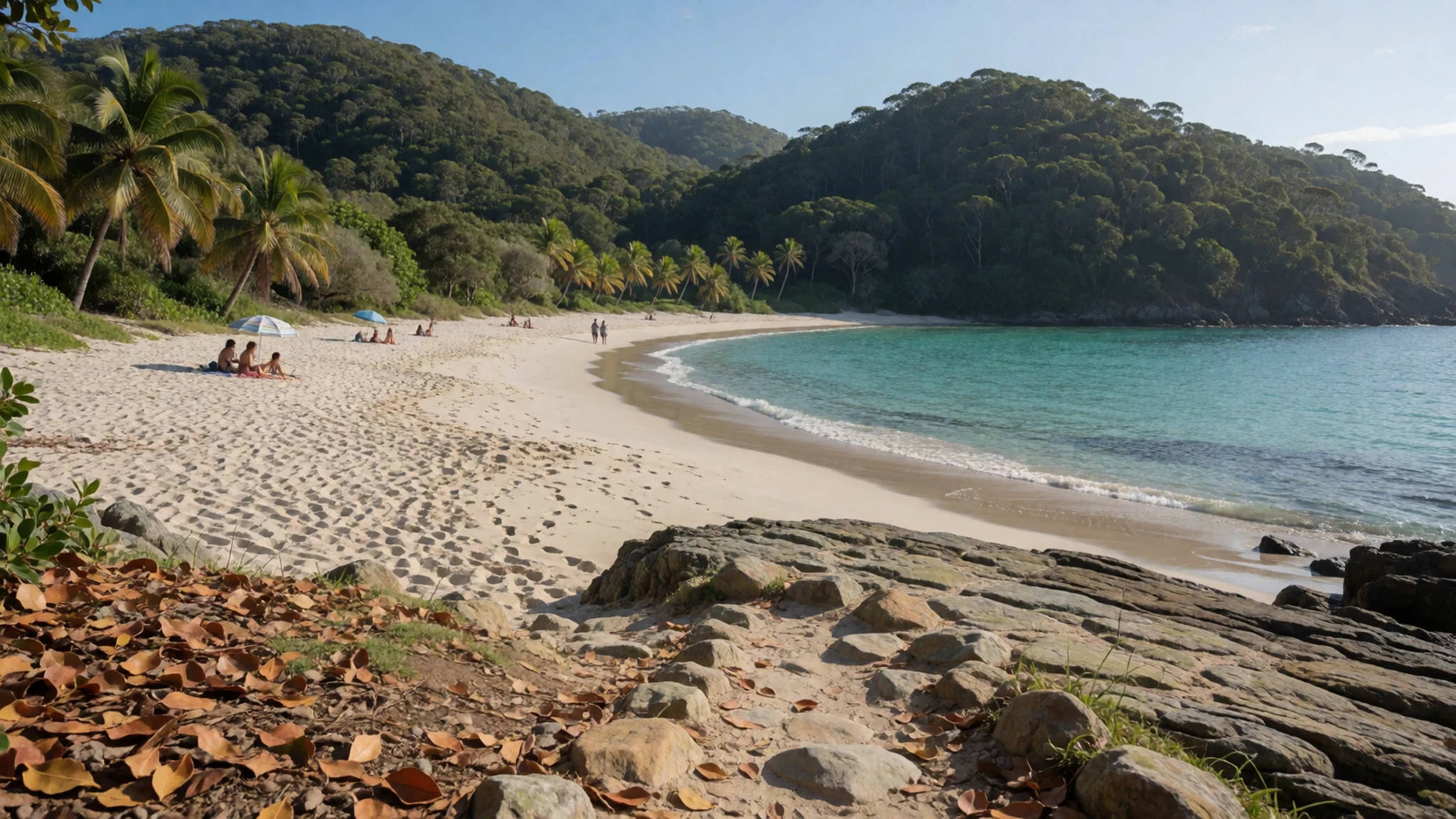
- Chaguaramas National Park and Tucker Valley trails — Tucker Valley, inland from the bays
The forested hills behind the bays hold walking paths, viewpoints and a mountain bike network built by local riders. Dry forest here is rare in western Trinidad, so it is worth slowing down to look. A bamboo-arched path photographed in the area shows the cool, shaded side of the walking.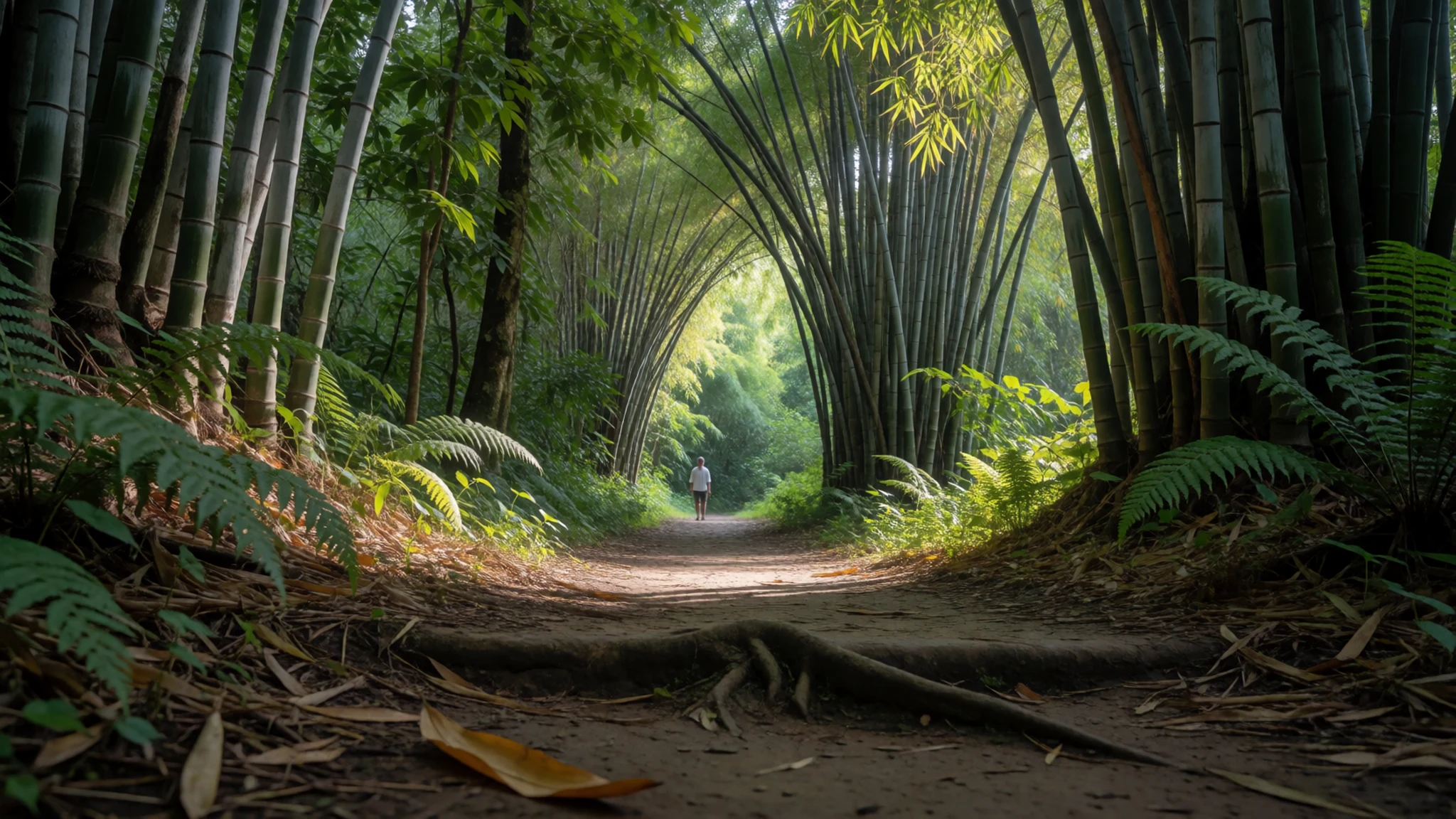
- The Five Islands — Offshore, west of the peninsula
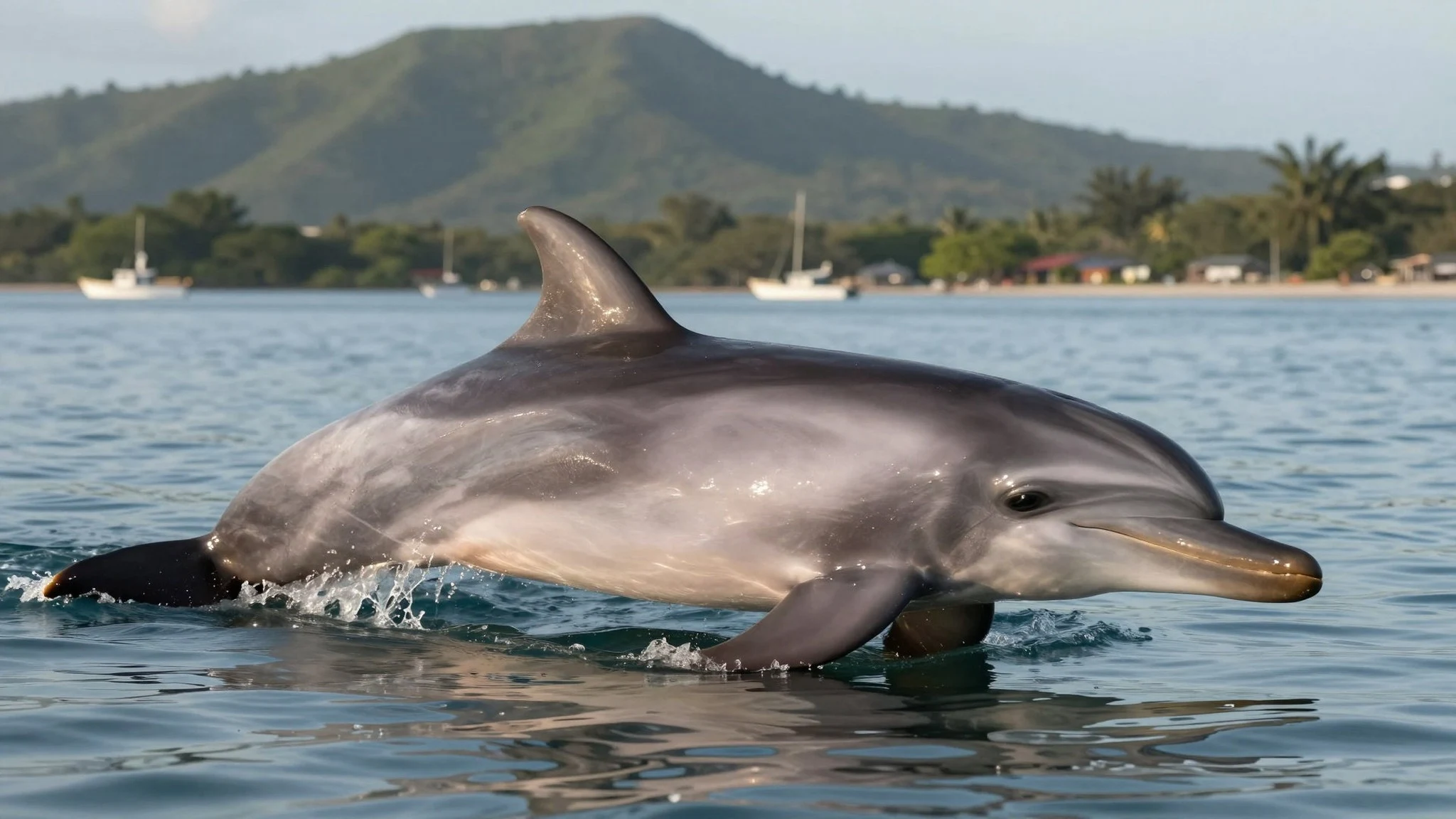
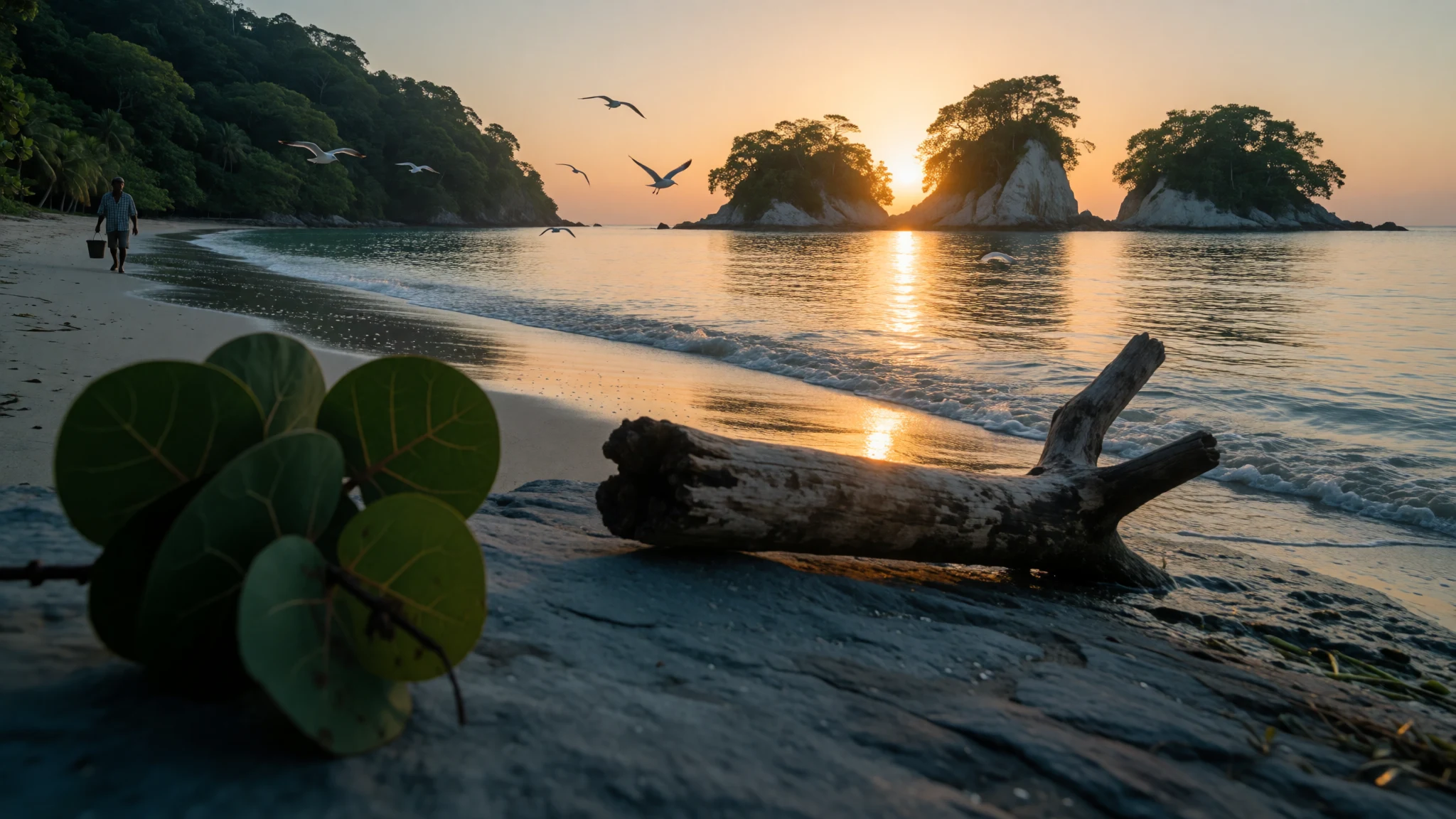
A group of small islands lies offshore and is visible from the mainland. Boats go out for sailing, diving or snorkelling, and one local account describes dolphins playing around a snorkeller off the islands to the west. Some islands have been under redevelopment, so check what is open before booking.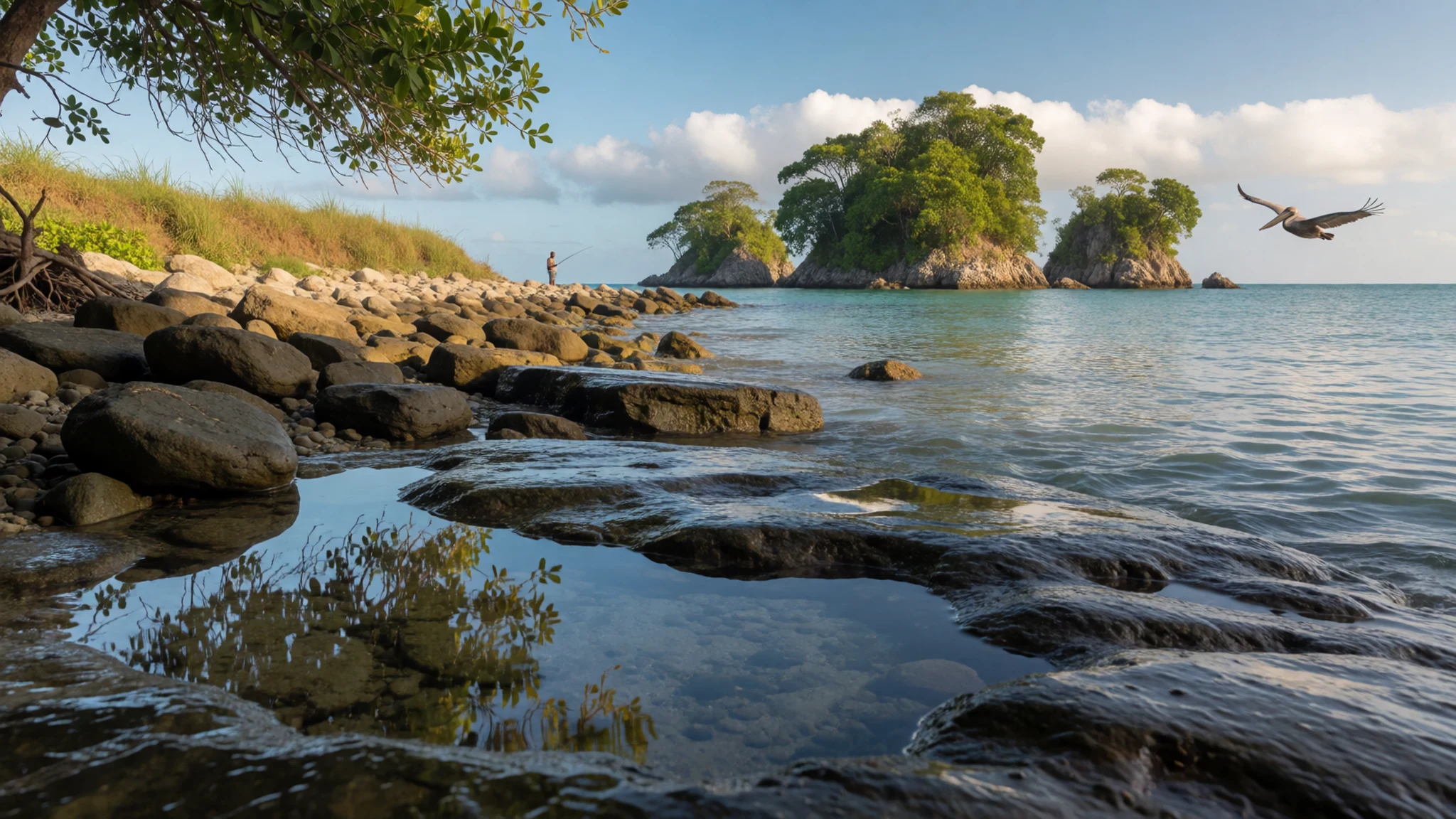
- Chaguaramas Boardwalk and Williams Bay — Bay shore, developed area
The boardwalk runs along one of the bays and suits an easy stroll, a jog or a family outing. Gazebos and pedal boats are nearby, and the water can be used for a swim. Williams Bay hosts dragon boat racing, which turns the shore lively on race days.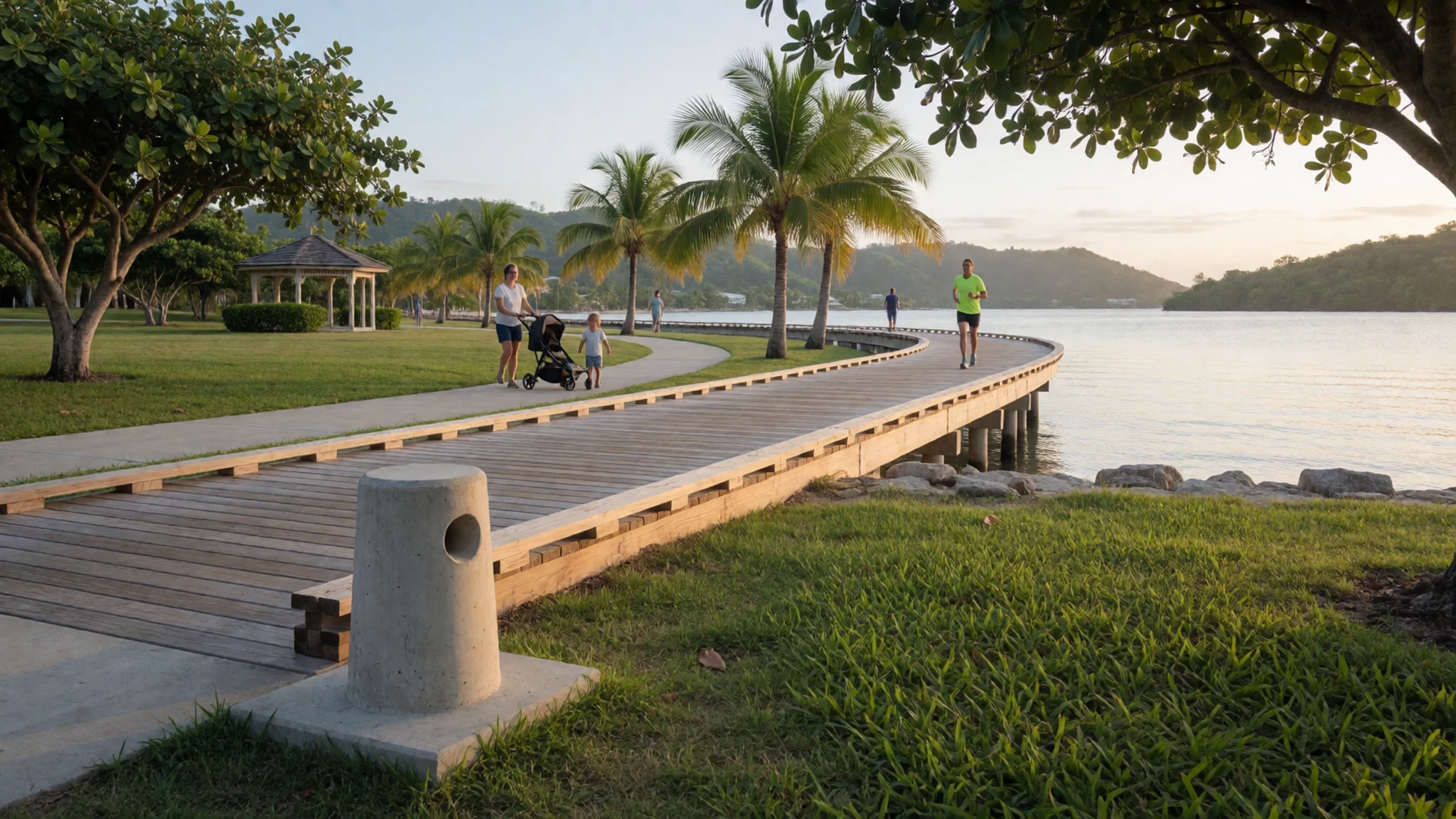
- Drydocks and Hart's Cut — Marine area on the developed shore
The working boatyards are part of the scenery, with yachts lifted out of the water and hulls under repair. Hart's Cut gives a view across the water towards the islands. It is not a beach stop, but it explains why the peninsula has a marine economy as well as leisure.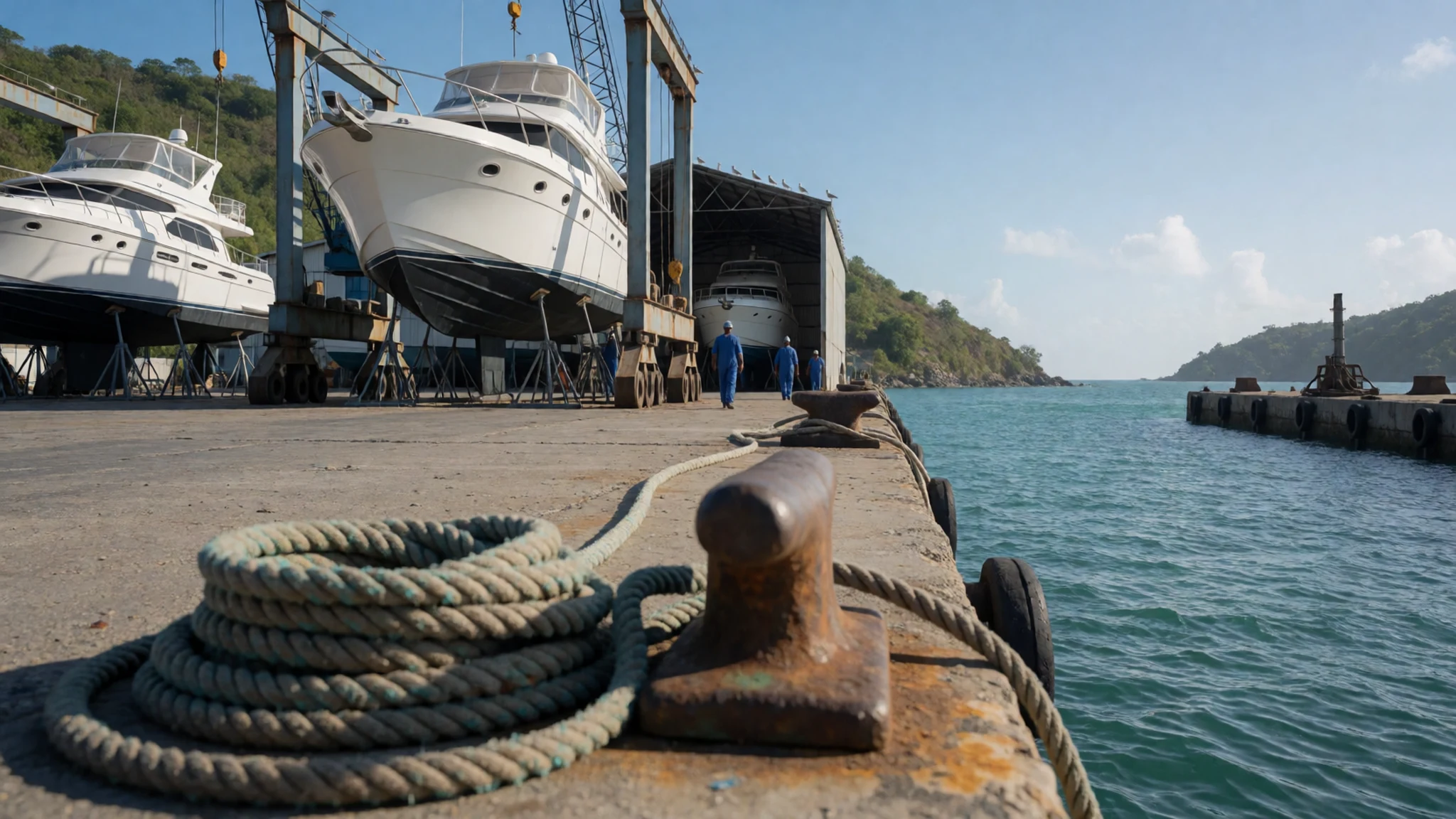
Culture
Chaguaramas has no single local culture of its own, because it draws on the whole of Trinidad. Visitors mostly meet it through weekend habits. Families from Port of Spain and the suburbs arrive with coolers, speakers and folding chairs, and spend the day by the water. Sport is part of the mood. Dragon boat racing in Williams Bay, weekend cyclists, kayak groups and triathletes training on the roadside all share the same ribbon of tarmac. The boatyards add a second community of sailors and yacht crews, many of them passing through, who give the bays a more international feel. Trinidad's mix of African, Indian, European and other heritages shows in the food stalls, the music and the language, which is English with a strong local rhythm. Carnival season shapes the whole island's calendar, and its influence on music and dress is felt even on a beach day. Weekends are social and noisy in a friendly way, while weekdays are calm. Hospitality is easy-going, and conversation with strangers on a bench or in a queue is normal. A greeting before asking for anything is expected and goes a long way. Take your litter with you when leaving a beach or trail, and keep music at a level that does not drown out the people sitting next to you.
What to wear
Chaguaramas has no dress of its own, so the clothes here are Trinidad's. Traditional dress follows the island's mixed heritage. Indo-Trinidadian families wear saris, kurtas and shalwar suits, usually in silk, cotton or synthetic blends, for weddings, religious occasions and festivals. Afro-Trinidadian heritage appears in head-ties and wrapped cloth, and madras-style checked cotton is part of older Creole dress. Carnival costume is the best-known textile tradition, built from feathers, beads and sequins, though it belongs to the capital's streets more than to the peninsula. Day to day, people wear light clothes made for heat: T-shirts, shorts, sundresses, swimwear and sandals. Sports kit is common here, since cycling, kayaking and running are everyday activities. For visitors, pack light cotton or linen, a hat and sunscreen, and a swimsuit with a cover-up for walking between beach and road. Sturdy trainers or walking shoes help on forest trails, and cyclists will want padded shorts. Bring a light rain jacket for showers in the wetter months. Swimwear is fine on the beach but not in town, and covering shoulders and knees is sensible when visiting a temple or church elsewhere on the island.
What to eat
- Doubles — Roadside stalls on the Western Main Road and in Port of Spain
Soft fried flatbreads folded around curried chickpeas and finished with pepper sauce and chutneys. It is the standard Trinidadian breakfast, eaten on the move and cheap. Ask for pepper to taste, since the sauce can be hot.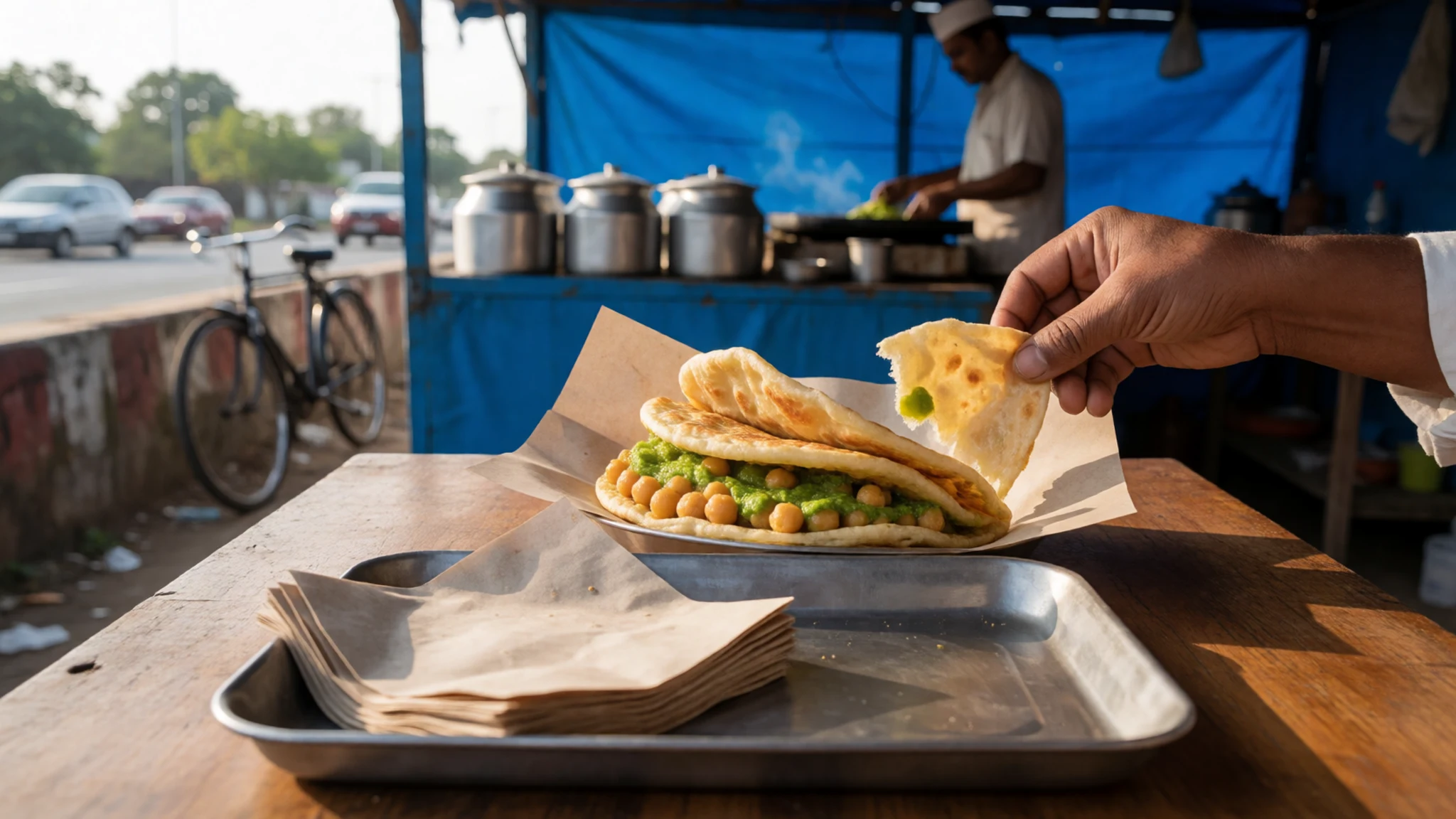
- Bake and shark — Beach food stands at the bays and on Trinidad's north coast
Fried bread split open and filled with seasoned fried fish, then dressed from a table of sauces, slaw and toppings. It is a classic beach meal on the island, best eaten close to the sea.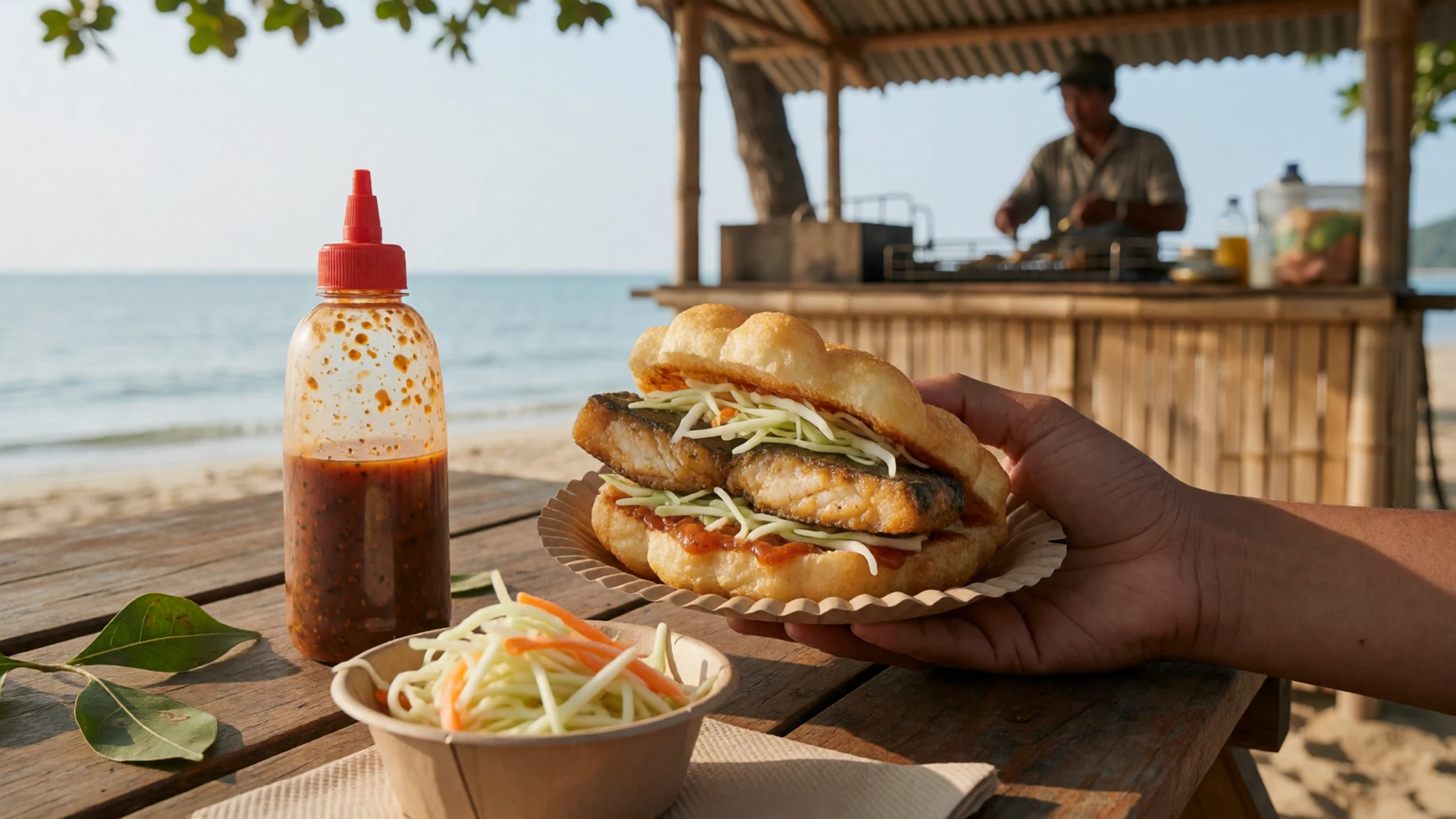
- Roti with curry — Roti shops and eateries in Diego Martin and Port of Spain
A soft wrap filled with curried chicken, goat, or vegetables such as potato and chickpea. Roti shows the strong Indian influence on Trinidadian cooking. Expect a generous portion, and ask for the filling you prefer. - Pelau — Local lunch eateries and family cookouts
A one-pot dish of rice, pigeon peas and meat, cooked with browned sugar for colour and depth. It turns up at family gatherings and Sunday lunches. Look for it on menu boards in local eateries. - Coconut water and fresh fruit — Vendors near beaches and the boardwalk
Green coconuts are chopped open on the spot, and the soft jelly inside is scooped out afterwards. This is a cooling break on a hot day. Fresh fruit and juices are sold alongside in season.
Plan it
Best time. February to May is the drier part of the year in Trinidad, which suits beaches, boat trips and trail walking. Later months bring more rain and humidity, and trails can turn muddy. Heat is steady throughout, so start outdoor plans early.
How long. 1–2
Getting there. Piarco International Airport is the island's main airport, followed by the road to Port of Spain and then the Western Main Road west to Chaguaramas. The road is the only link and gets heavy traffic, so allow extra time at rush hours and on weekends. A ferry to Venezuela no longer runs.
Budget. mid
Tips
- Go on a weekday for quiet beaches and an easier drive, or on a weekend if you want the atmosphere
- Start trail walks and bike rides early, before the heat and the road traffic build
- Carry water, sunscreen and insect repellent, especially for forest paths
- Check the Chaguaramas Development Authority's official channels for current access and opening details
- Book boat trips to the islands ahead and confirm which islands are open
Etiquette
- Greet people before asking questions or ordering
- Take litter away from beaches and trails
- Share the road courteously with cyclists, especially on weekday mornings
Nearby
Sources
- Wikidata Q2652350 (CC0)
- Wikipedia: Chaguaramas, Trinidad and Tobago (rev 1383992313) (CC BY-SA 4.0)
- Wikivoyage: Chaguaramas (rev 5329688) (CC BY-SA 4.0)
- Photo: View of Trinidad and Tobago, ISS Expedition 25 (Earth Science and Remote Sensing Unit, Lyndon B. Johnson Space Center) (Public domain)
- Photo: Tucker Valley tracking station (Chris Fitzpatrick) (CC BY-SA 4.0)
- Photo: Williams Bay, Chaguaramas (R45) (CC BY 3.0)
- Photo: Chaguaramas drydock (Carey Akin) (CC BY-SA 2.0)
- Photo: Walking in Bamboo Cathedral (999real) (CC0 1.0)
- Photo: Chaguaramas, Trinidad (Carey Akin) (CC BY-SA 2.0)
- Photo: Hart's Cut, Chaguaramas (R45) (CC BY 3.0)
- Photo: Boardwalk, Chaguaramas (999real) (CC0 1.0)


Wildlife
- Bottlenose dolphin (animal)
The common bottlenose dolphin is a sea creature from a small family of bottlenose dolphins, and experts suspect more kinds are hiding inside it. One local account tells of dolphins frolicking close to a snorkelling swimmer out by the western islands, so boat trips for sailing, diving or snorkelling are your best chance. No season or hour is certain, so ask your boat crew. Keep a respectful distance, stay quiet and calm, and never feed them.