Grand Riviere
Grand Riviere, Trinidad and Tobago
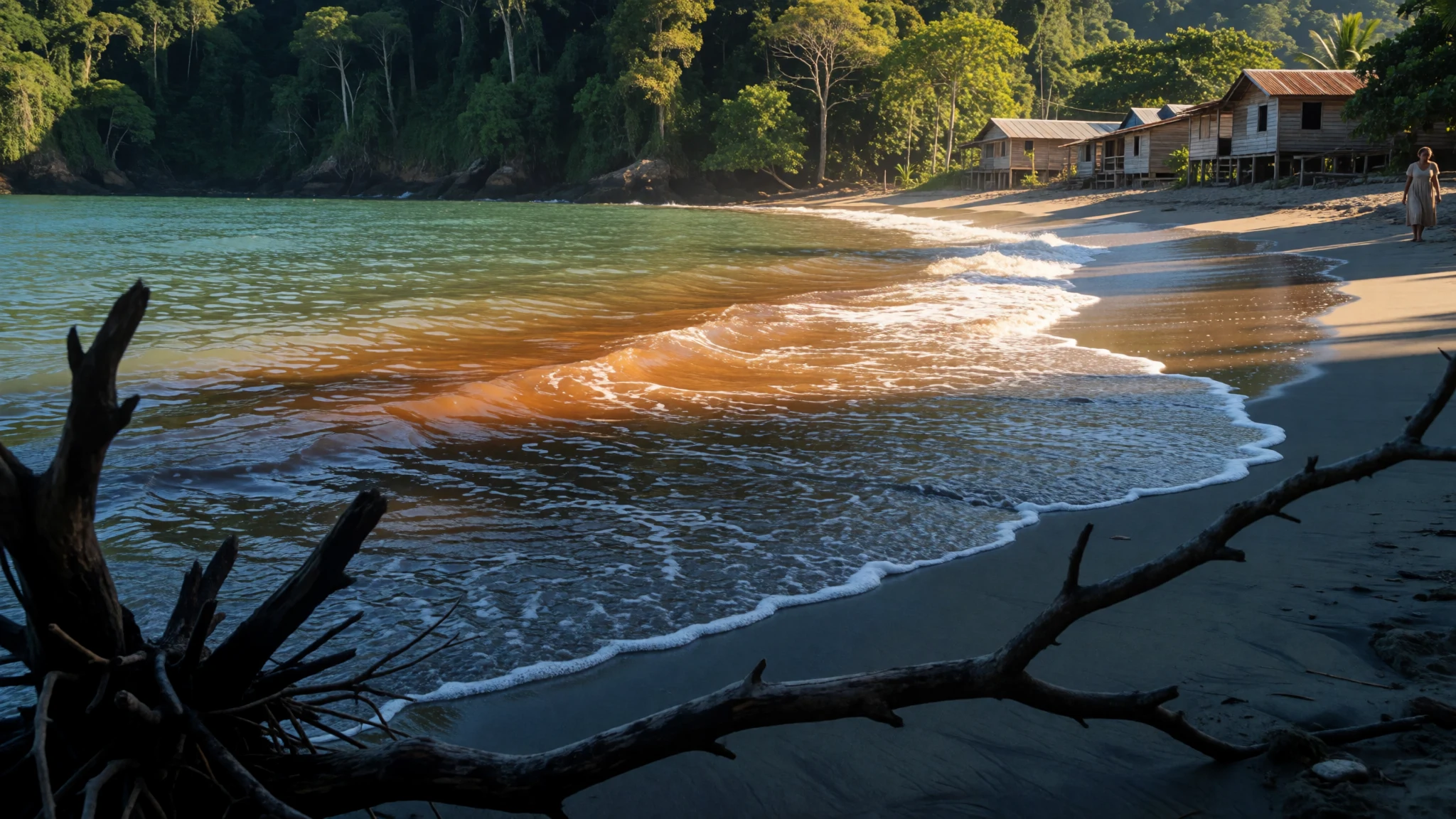
Grande Riviere is a remote north-coast Trinidad village where leatherback turtles come ashore to nest beside a river mouth and steep forest.
The place
Grande Riviere sits on the north coast of Trinidad, between Toco to the east and Matelot to the west, at the point where a river runs out across a dark beach into the Caribbean Sea. The village is small and spread out, a scatter of houses, guesthouses and fishing boats with steep forest rising directly behind. The Northern Range cuts it off from the rest of the island, and only one paved road reaches it, coming in from Toco. The drive from the capital, Port of Spain, is a long one and ends in a place that feels far from the busier south and west of the island. That distance explains both its quiet and its character. For decades the settlement lost people as farming income dried up, and it later found a new footing in nature tourism built around the turtles that nest on the sand. The river gives the village its name, and it matters as much as the sea: it is where children swim, and after heavy rain it can rearrange the shore overnight. Days here follow the rhythm of tides and tropical weather. Mornings are cooler and bright, afternoons heavy and humid, and showers can arrive fast. Shops and mobile signal are limited, so visitors tend to slow down. The place suits people who like birdsong, walking and long evenings more than ticking off a list of sights.
Its story
Grande Riviere's modern story begins with cacao. Settlers from Venezuela arrived in the middle of the nineteenth century and planted cacao as a cash crop alongside food plots, and families from Tobago soon joined them across the water. This was the start of a cocoa boom that carried Trinidad for decades. A large cocoa estate dominated local life and was the main employer, though villagers also grew cocoa on their own small holdings and sold it to the estate or to outside buyers. The good years did not last. After the First World War, a glut pushed prices down sharply, the Great Depression deepened the damage, and a fungal disease called witch's broom hit the trees. Sugar fetched better money elsewhere on the island and the oil industry offered new work, so cocoa slid into long decline and the village went with it. The population shrank, the Masonic lodge and police station moved away, the magistrates' court stopped visiting, and the estate was sold to an owner who kept staff to a minimum. For the rest of the twentieth century people got by on a mix of farming, bananas, small-scale fishing, road work for the government, hunting, and the capture of nesting leatherback turtles for food and income. Ecotourism later turned that around: the same turtles, once a source of meat, became the reason visitors made the long journey.
What to see
- The leatherback nesting beach — Grande Riviere beach
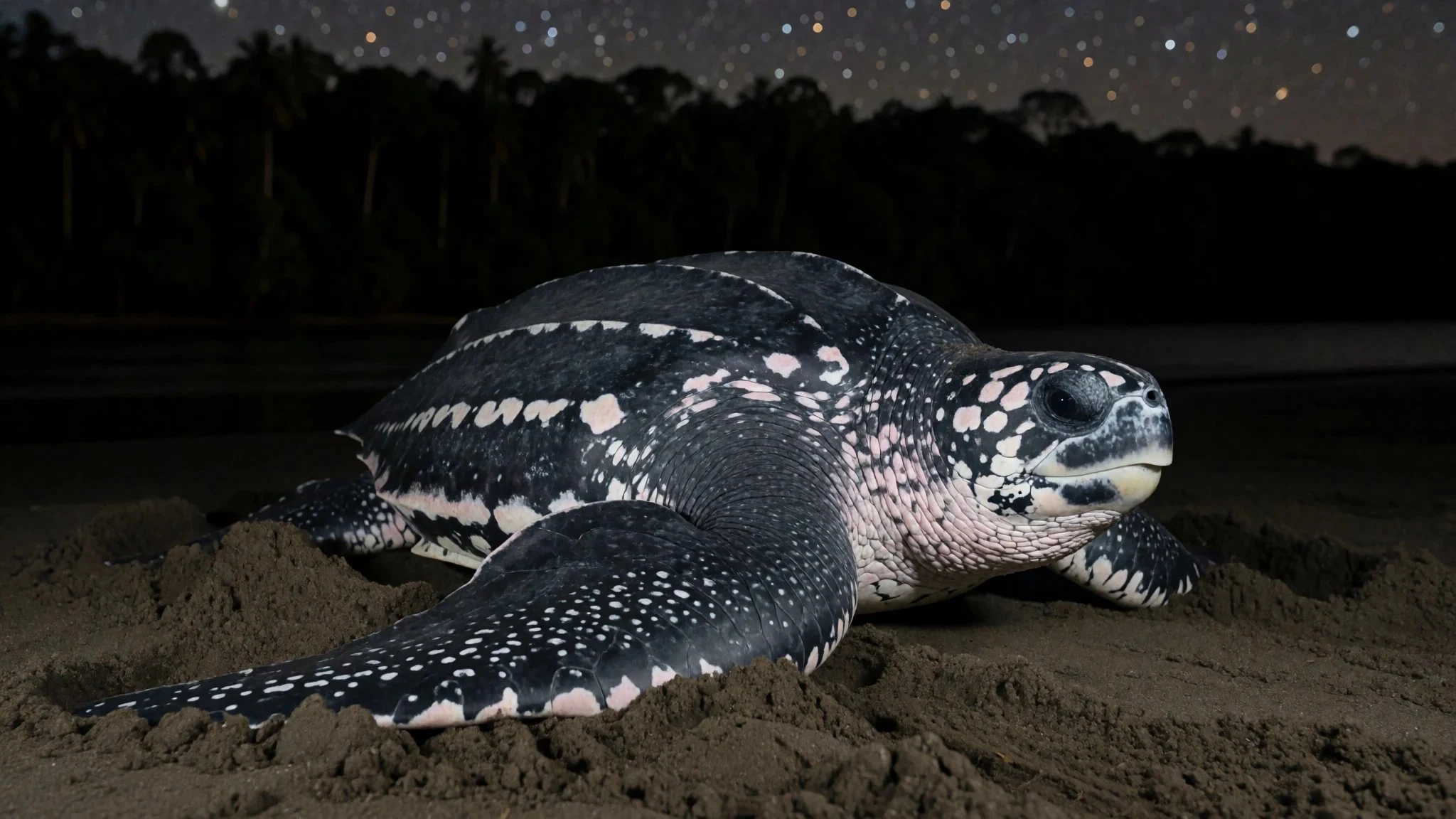
The main draw is the beach itself, where leatherback turtles come ashore after dark in the nesting season to dig nests in the sand. Local guides lead small groups and keep lights low. Numbers on any night vary, so patience matters, and the beach looks different after rain or high tides.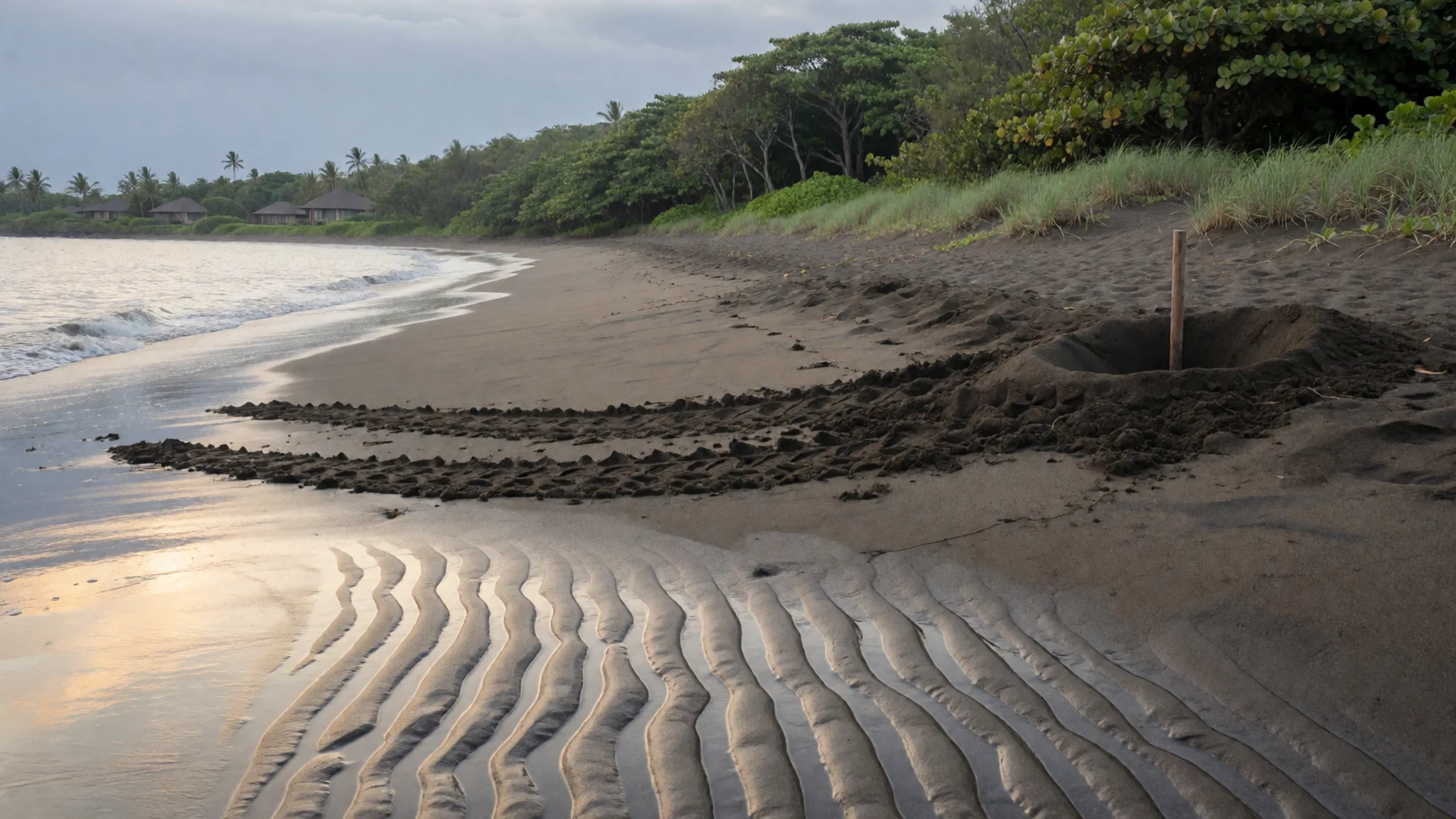
- The river mouth — Centre of the village
The river that gave the village its name crosses the beach on its way to the sea. It is a good spot at dawn, when the light is soft and the air still cool. After heavy rain the water runs brown and fast, so check conditions with locals before wading or swimming.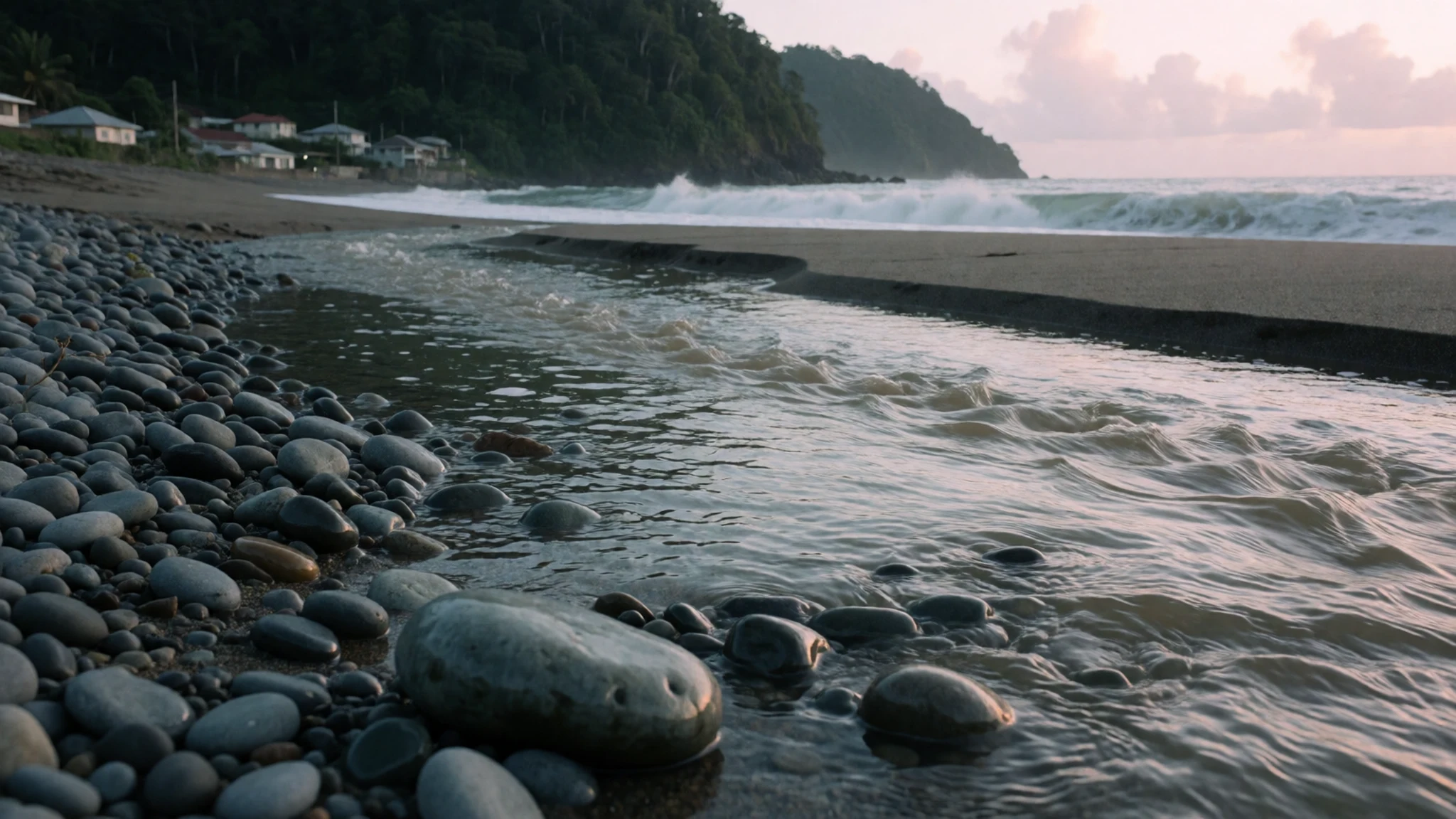
- The waterfall walk — Forest behind the village
A waterfall in the forest behind the village rewards a walk along damp, shaded trails. Paths get slick, so sturdy shoes help, and a local guide can show which routes are passable after rain. A dip in the pool is a pleasant way to cool off after the humid climb.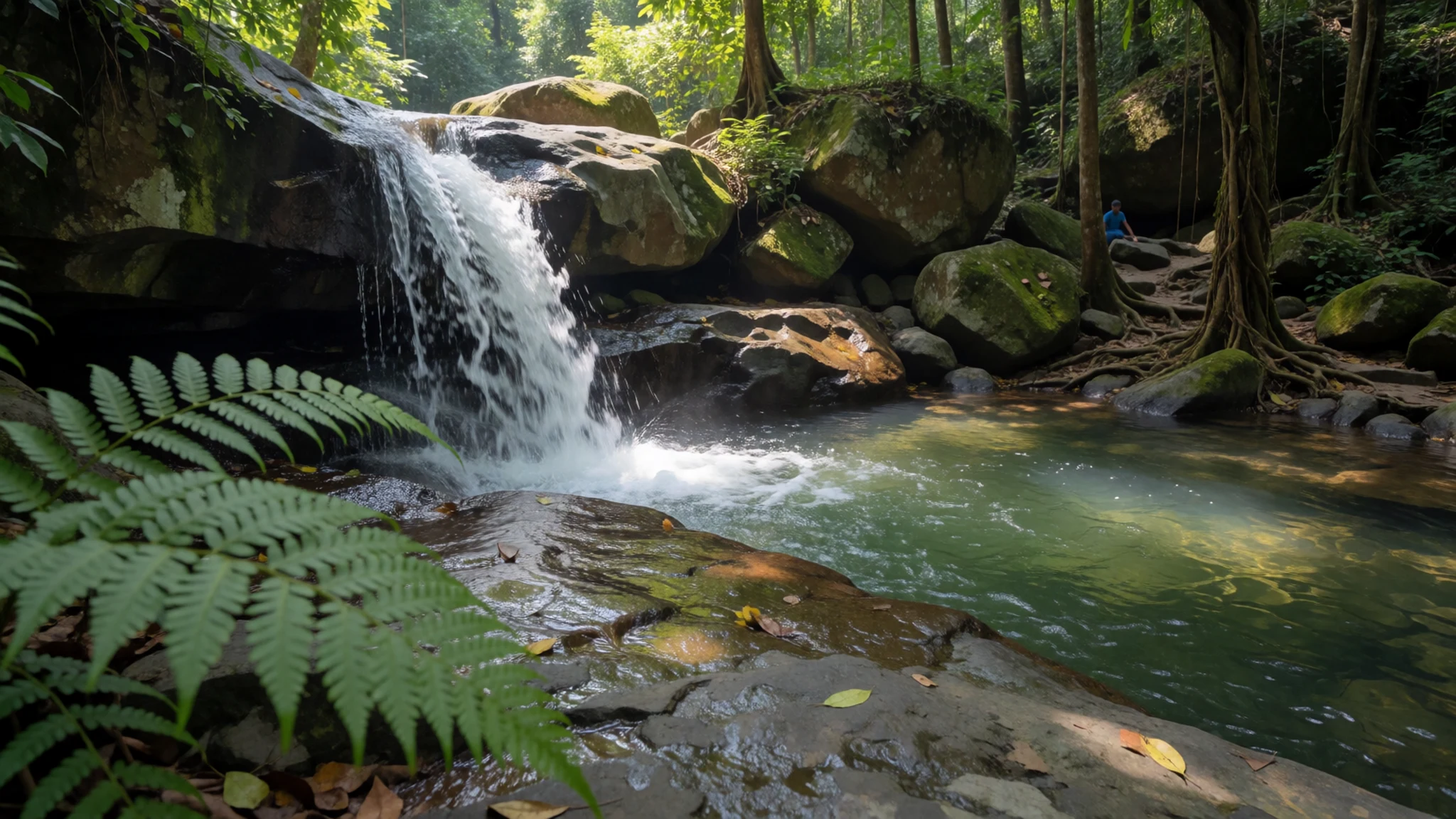
- Shark River estuary — Paria Main Road, towards Matelot
Along the Paria Main Road towards Matelot, the Shark River meets the sea in a wide estuary framed by forest. It makes an easy stop for photographs on a coastal drive. The road is narrow and winding, so drive slowly and pull over fully before stopping.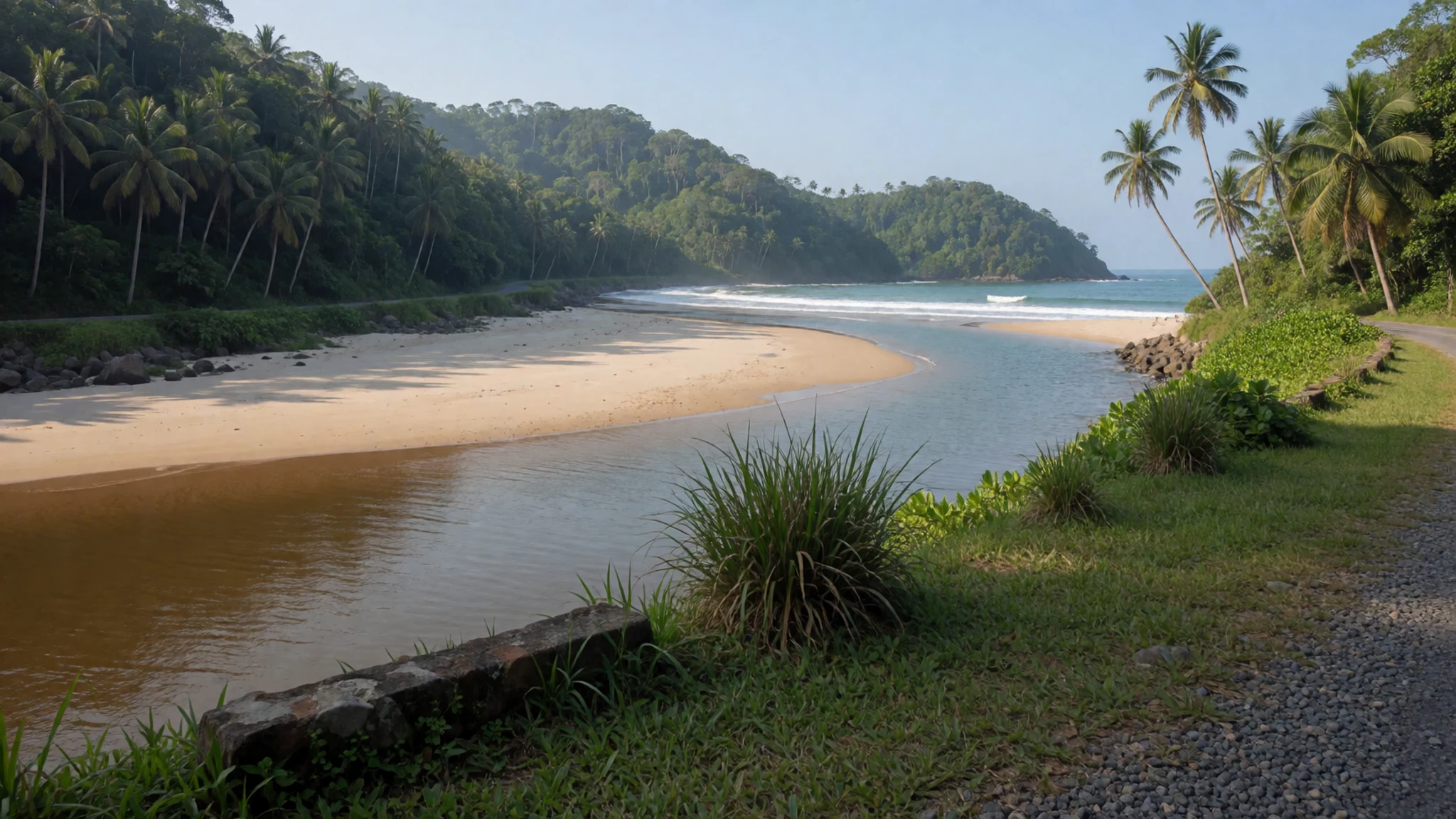
- Beach and forest-edge wildlife — Beach and village edge
Away from the turtles, the beach and forest edge hold birds and other small creatures. Early morning is the best time for spotting them, before the heat builds. A local guide knows where to look and what is worth the walk, and many guesthouses can arrange one.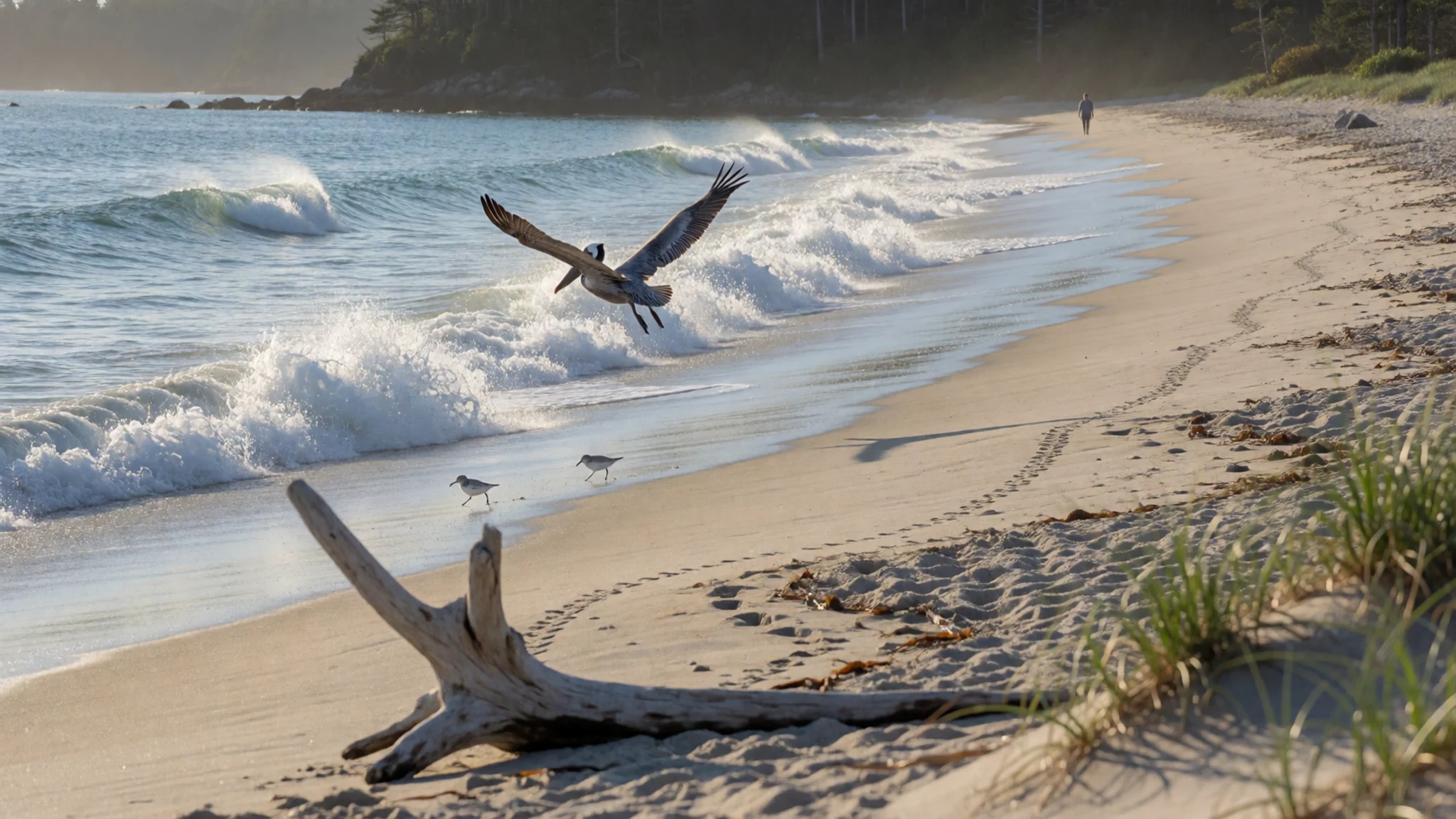
Culture
Grande Riviere is a close-knit community whose roots lie in Venezuelan and Tobagonian settlers who came to grow cacao. That mix of origins, together with long isolation behind the Northern Range, gave the village a self-reliant outlook. Many families have worked in farming, fishing, road maintenance or, more recently, hospitality, and it is common for one household to do several of these in a year. The village's relationship with the leatherback turtle has changed in living memory. Once the animals were hunted for food and income; today many residents work as guides, beach monitors or guesthouse hosts, and the turtles are treated as a shared local asset. Conservation rules are taken seriously, and newcomers are expected to respect them. Daily life is unhurried. People greet each other on the road, shops keep their own hours, and evenings are for talking on verandas. Football, church, fishing trips and family gatherings are as much a part of the calendar as the nesting season. Visitors will notice that the economy depends on a few months of the year, so patience, small purchases at village shops and hiring local guides make a real difference. English is spoken throughout, with a warm Trinidadian rhythm that is easy to enjoy. On the beach at night, follow your guide's instructions exactly, keep torches and camera flash off, and stay well behind any turtle.
What to wear
Grande Riviere has no single costume tied to the village; its older clothing was practical wear for farm, estate and fishing work, mostly in light cotton suited to heat and rain. Festive and carnival dress in Trinidad is a larger national tradition, and it appears here mainly at celebrations and on trips to bigger towns. Everyday clothing now is relaxed: shorts, T-shirts, sundresses, rubber sandals, caps and sturdy boots for those working outdoors. Church services call for tidier clothes, and people dress up a little for family occasions. Visitors should pack for heat, humidity and sudden showers. Lightweight, quick-drying shirts and trousers work better than heavy fabrics, and a thin waterproof jacket is more useful than an umbrella on windy trails. Footwear matters: closed shoes with good grip for forest paths and the waterfall walk, and sandals or water shoes for the river and beach. For turtle watching, wear dark, plain clothing and bring a light layer, because nights by the sea can feel cooler than expected after a hot day. A hat, sun protection and insect repellent are sensible all year. Beachwear is fine on the sand, but cover up when walking through the village, and carry a shirt or sarong for visits to a shop or church.
What to eat
- Fresh fried fish with bake — Village eateries and guesthouse dining rooms
Fish landed by local boats is often served fried and tucked into bake, a soft fried bread. It is simple, filling and well seasoned. Ask what was caught that day, since the catch changes with the weather and the sea.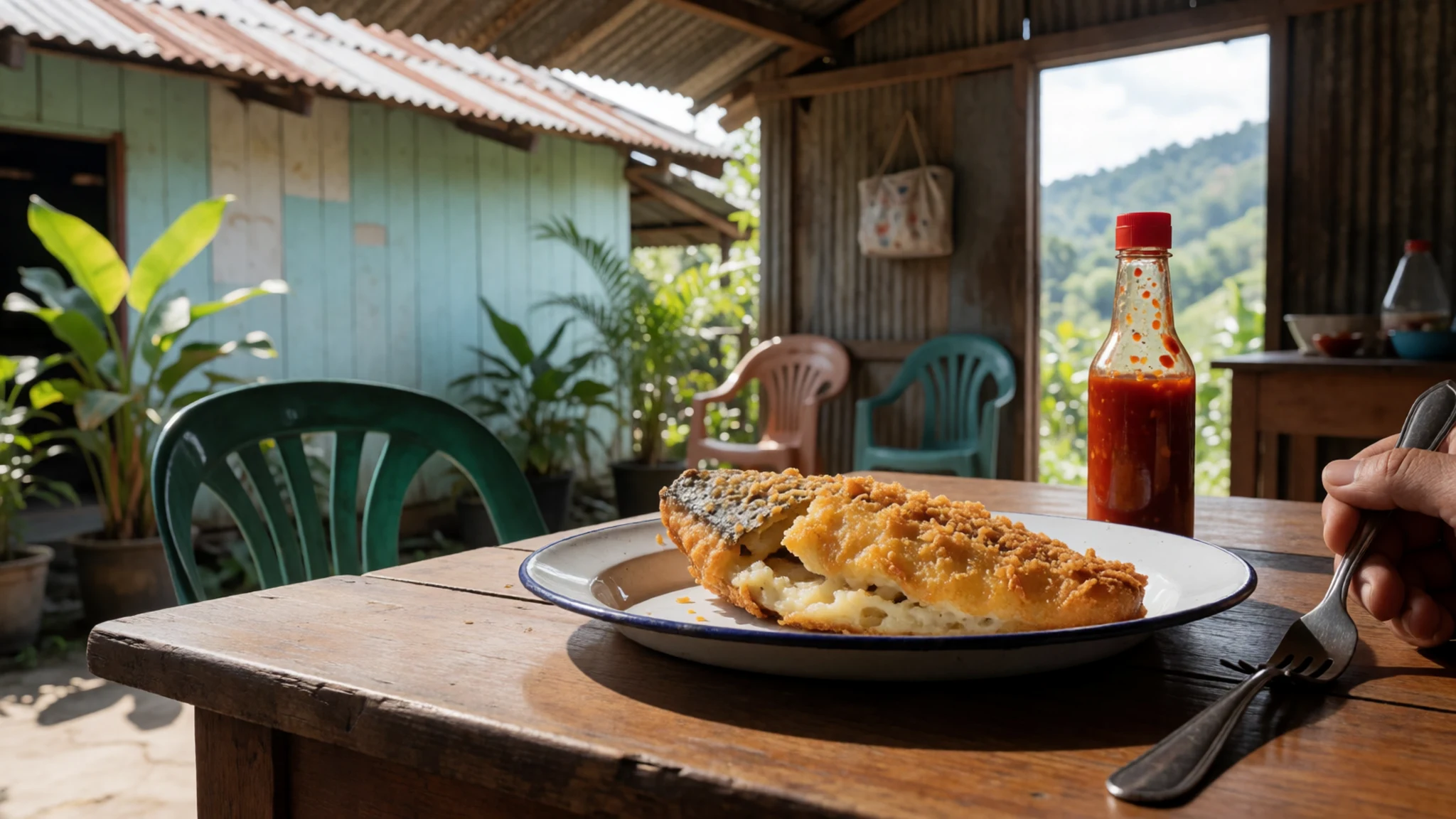
- Callaloo — Guesthouse kitchens and home-style eateries
A smooth, green soup of leafy greens cooked down with coconut milk and seasoning, sometimes with crab or other seafood added. It is a staple across Trinidad and a comforting meal after a damp walk.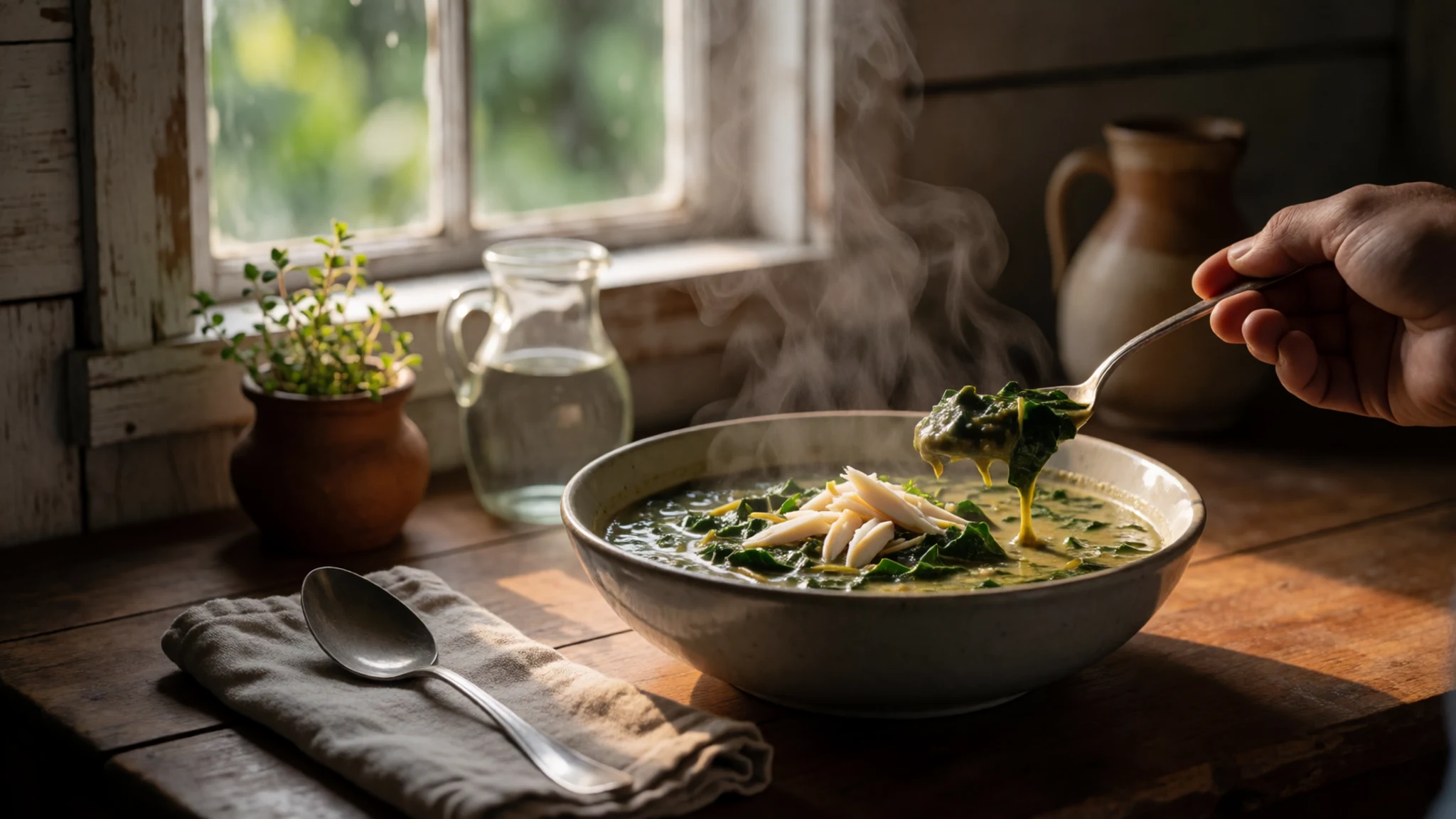
- Roti with curry — Small roadside food stalls and village shops
A soft flatbread folded around curried vegetables, chickpeas or meat. Trinidad's Indian-influenced cooking is easy to find even in a remote village, and it is filling food for long days of walking. - Pelau — Guesthouse dinners and community events
A one-pot dish of rice and pigeon peas cooked with meat in caramelised seasoning. It is a common family meal and often appears at gatherings. Portions are generous, so it works well for sharing. - Cocoa tea — Home kitchens and guesthouse breakfasts
A hot drink made from local cocoa, spiced and sweetened, with a roots-in-the-land link to the village's cacao past. It is traditionally taken in the morning and goes well with fried bread.
Plan it
Best time. March to July is when leatherback turtles nest, so it is the main season for visitors; check with local guides for the current pattern. The dry months are generally easier for walking, while the rainy months bring heavier downpours, swollen rivers and muddier trails. It is hot and humid year-round.
How long. 2–3
Getting there. Fly into Piarco International Airport near Port of Spain, then drive by hire car or arranged transfer across the island to Toco and on to Grande Riviere; the last leg is a single paved road through hills, so allow plenty of time and avoid driving it in the dark.
Budget. mid
Tips
- Book accommodation and turtle-watching guides well ahead for the nesting season, as places in the village are limited
- Bring cash, since cards and cash machines are scarce in the village
- Fill the fuel tank before leaving Toco and carry drinking water
- Pack insect repellent, a rain layer and shoes with grip
- Arrange guides through your guesthouse rather than going to the beach alone at night
Etiquette
- Keep torches, flash and phone lights off near nesting turtles
- Stay behind the guide and never touch or crowd a turtle
- Greet people in the village politely, and ask before photographing anyone
Nearby
Sources
- Wikidata Q5595354 (CC0)
- Wikipedia: Grande Riviere (rev 1377365490) (CC BY-SA 4.0)
- Photo: Grande Riviere Trinidad (Andy) (CC BY 2.5)
- Photo: Leatherback turtle nesting in Grande Riviere (Jordan Beard) (CC BY-SA 4.0)
- Photo: Beach wildlife in Grande Riviere (Jordan Beard) (CC BY-SA 4.0)
- Photo: Grande Riviere Trinidad 2 (Andy) (CC BY 2.5)
- Photo: Leatherback turtle in Grande Riviere 01 (Jordan Beard) (CC BY-SA 4.0)
- Photo: Matura Banner (Andy from Pittsburgh) (CC BY 2.5)
- Photo: TT Grande Riviere Shark River 1 (Grueslayer) (CC BY-SA 4.0)
- Photo: Waterfall in Grande Riviere (Jordan Beard) (CC BY-SA 4.0)
- Wikivoyage (CC BY-SA 4.0)


Wildlife
- Leatherback turtle (animal)
The leatherback is the giant of the turtle world, the biggest of them all, wearing soft, rubbery skin instead of a hard shell. In Grande Riviere, a remote village on Trinidad's north coast, these turtles haul themselves up the beach to nest, where a river meets steep forest. Ask locally about the best season and hour. Watch from a respectful distance, keep quiet, go with a guide, and never feed or crowd them. The species is vulnerable, so every calm visit helps.