Temple in the Sea
Temple in the Sea, Trinidad and Tobago
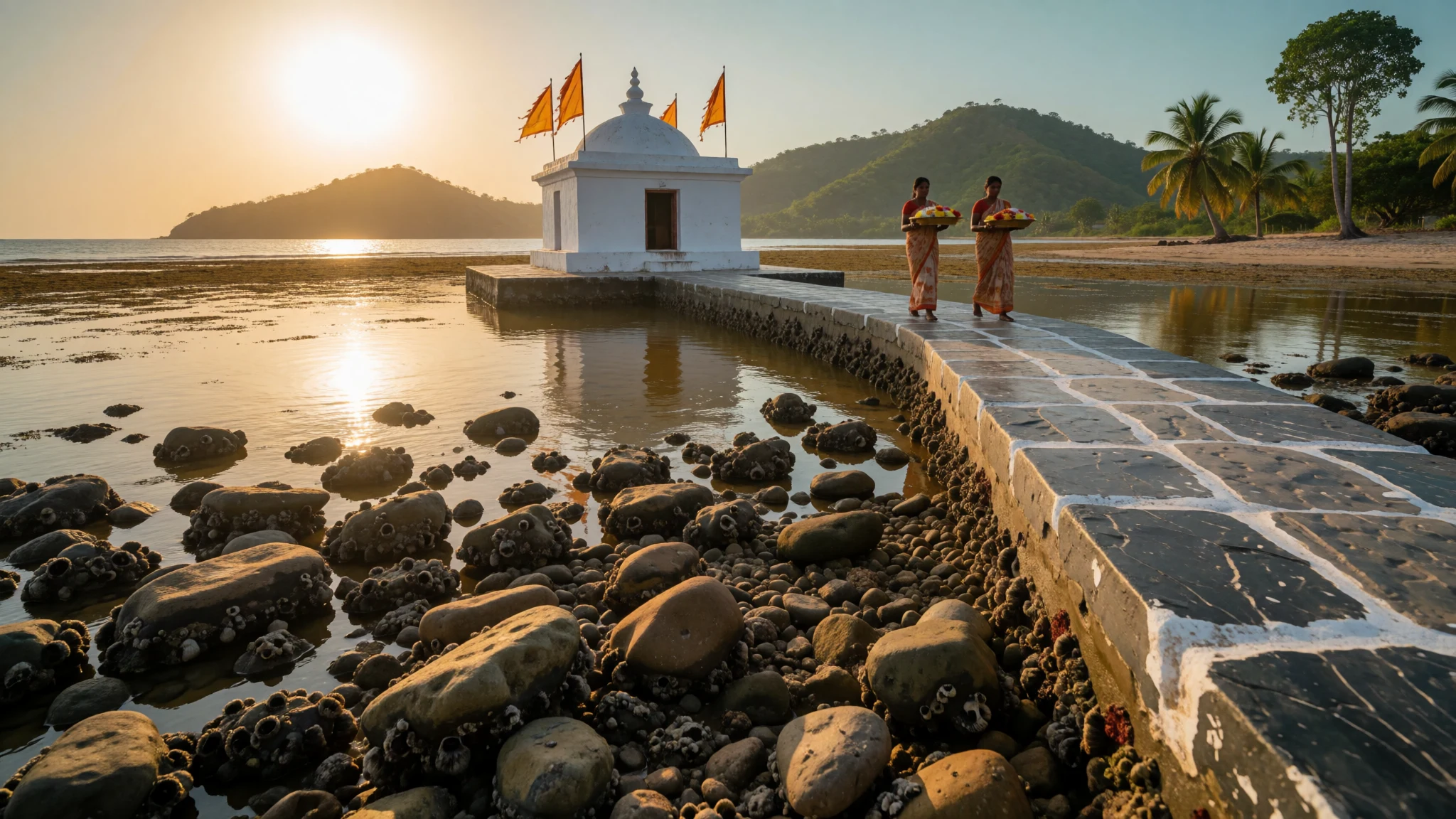
Temple in the Sea is a Hindu shrine at the end of a stone path into the Gulf of Paria, built by one labourer.
The place
Temple in the Sea stands just off the shore at Waterloo, in the Carapichaima area of central Trinidad, on the Gulf of Paria, the sheltered stretch of water between the island and Venezuela. Its official name is the Sewdass Sadhu Shiva Mandir, after the man who made it. A rocky pathway runs out from the coast, and the small shrine sits at the end, surrounded by shallow water and a great deal of sky. Coloured flags often flutter around it, and the setting is flat and open, with the Waterloo shoreline behind. It is a modest building, not a grand one. The scale is part of its character: a small shrine to Shiva, reached on foot over stones that the sea keeps working on. The structure standing today was rebuilt by Randolph Rampersad and reopened in 1995, so the shrine is a later reconstruction on the original site. Waterloo is a working community rather than a resort. Families come here to worship, not only to take photographs, and that sets the mood. Trinidad's population is a blend of Indigenous, African, European, Chinese and Indian ancestry, and the temple is one of the clearest places on the island to see the Indian thread. Weekends and Hindu festival days bring the most people, while weekday mornings tend to be quieter. The sea decides how far anyone can comfortably walk, so conditions on the day matter more than any plan made in advance.
Its story
Temple in the Sea begins with indenture. After slavery was abolished in the British Caribbean, Trinidad's plantations faced a shortage of labour, and the government encouraged immigration from several countries, with India the most important. Sewdass Sadhu was one of the indentured workers who came. In the 1930s he built a small shrine to Shiva on estate land belonging to a sugar company, facing the Gulf of Paria. Some years later the estate management told him to remove it because the land was not his. He refused. He was jailed briefly, fined, and the shrine was destroyed. Sadhu's answer was to build again somewhere no colonial owner could claim: the sea. From 1947 he rode a bicycle to the shore carrying stones, cement and sand in a bag, and unloaded them at the water's edge, pushing the land outward load by load. When the rocky pathway reached far enough, he built a new temple at its end. Path and temple were finished in 1952. The work was done by one man with a bicycle and a conviction, and that detail is why the place is remembered. The shrine was later reconstructed by Randolph Rampersad and reopened in 1995. In Trinidad today the story is told as a lesson in persistence, and the temple stands as a symbol of Indo-Caribbean identity as well as a working place of worship.
What to see
- Temple in the Sea — Waterloo, Carapichaima
The shrine itself, reached along the rocky pathway Sewdass Sadhu laid into the Gulf of Paria. It is small, so the draw is the setting: open water, a wide horizon and worshippers making offerings. A weekday morning is quieter, and it is sensible to check local sea conditions before walking out.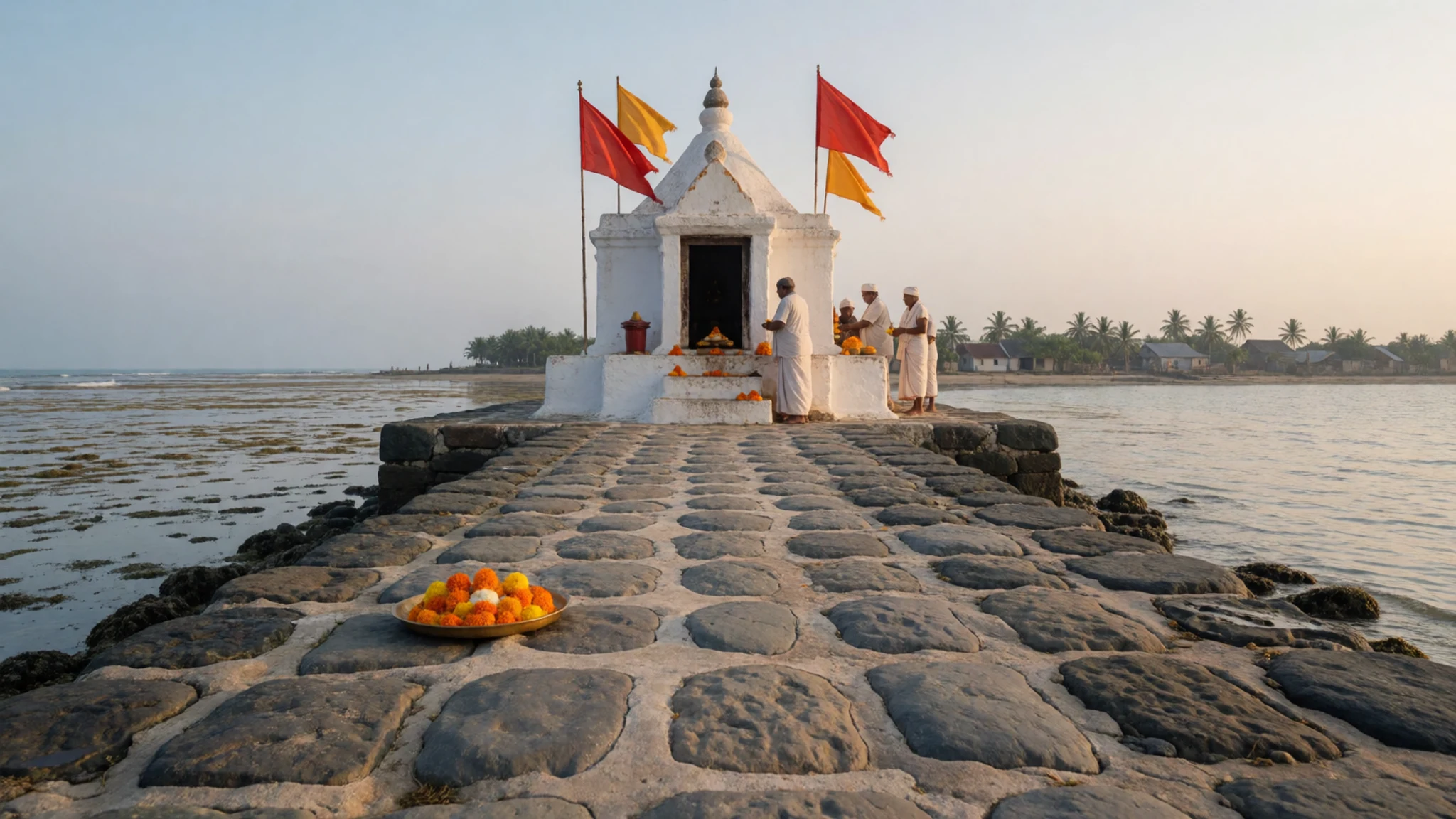
- Caroni Bird Sanctuary — Caroni Swamp, west-central Trinidad
A swamp reserve north of Waterloo where several native bird species nest, among them the scarlet ibis, one of the national birds. Boat trips through the mangrove channels are the usual way to see it. Late afternoon is best, when birds return to roost. Book with a local operator.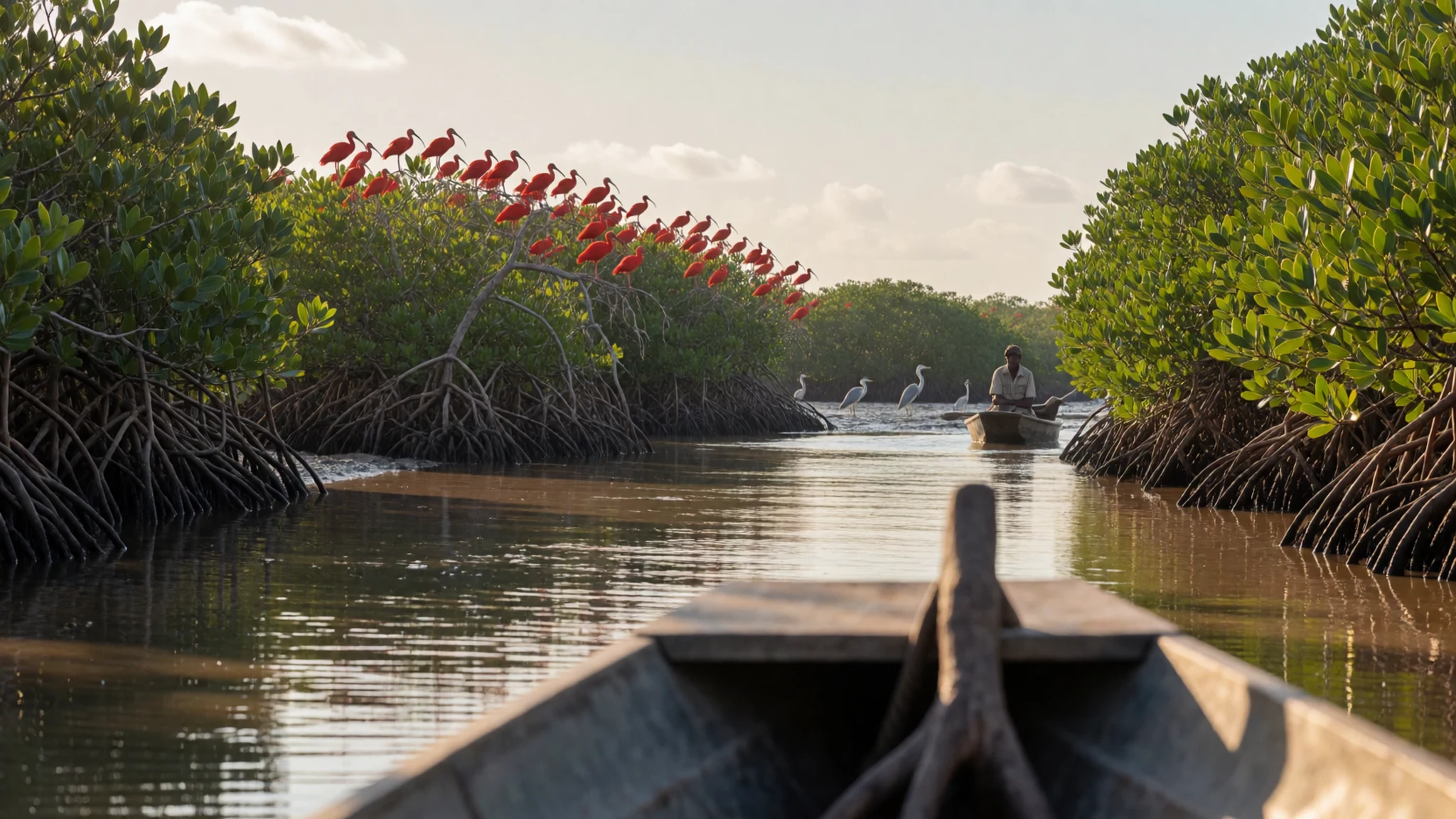
- Divali Nagar — Chaguanas, central Trinidad
Chaguanas, a short drive from Waterloo, hosts the Divali Nagar, a festival site with Indian song, dance, plays and crafts around the festival of lights, held in October or November. Homes and public places are lit with small oil lamps called deyas, and Divali is a public holiday.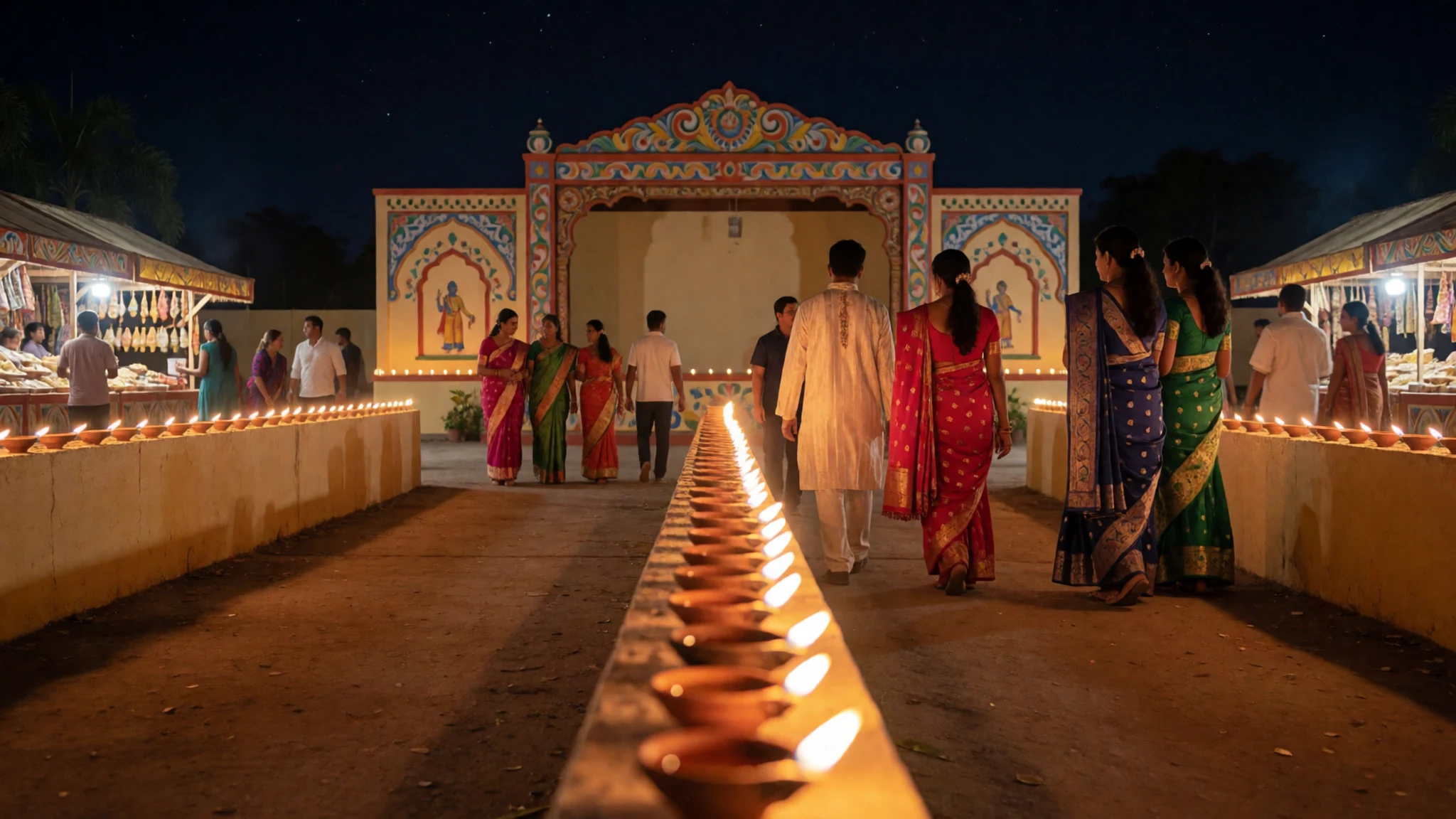
- La Brea Pitch Lake — Near Point Fortin, south-west Trinidad
A natural reservoir of asphalt in the south-west of Trinidad, visited mostly as a curiosity. Some visitors bathe in its sulphur-rich water, which some people say has healing properties. It is a trip from Waterloo, so combine it with other southern stops and take a local guide for safe footing.
- Mathura beach turtle watching — North-east coast, Trinidad
Leatherback sea turtles come ashore on Mathura beach to lay eggs, with the season centred around Easter. Conservation groups run guided tours, which are the responsible way to watch. Expect a night-time outing, patience and no flash photography, since the turtles are easily disturbed.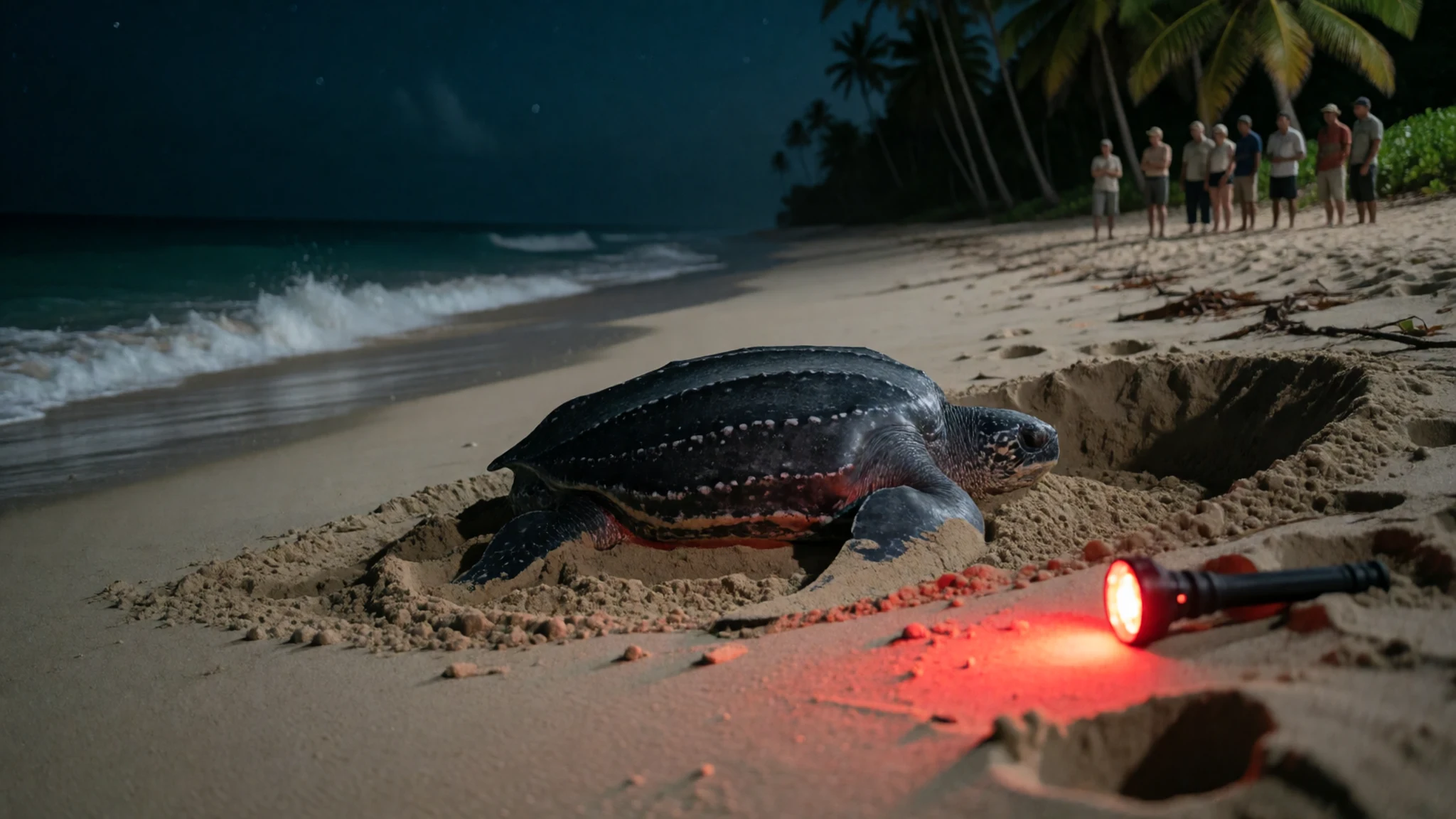
Culture
Temple in the Sea reflects the Hindu tradition carried to Trinidad by indentured workers. Christianity is the majority religion of Trinidad and Tobago, with significant Hindu and Muslim communities alongside it, and tolerance for religious and ethnic difference is generally high. Festivals of different faiths are widely shared: Divali, the festival of lights, is a public holiday, and Carnival draws in the whole country. Sport is a favourite topic of conversation, especially cricket and football, a legacy of British rule. Hospitality is warm, particularly towards guests who share a faith with their hosts, and a small gift is a kind way to say thank you. Greeting someone before asking a question is simply good manners. At the temple, worshippers come to offer prayers, flowers and lamps, so it is a living shrine rather than a monument. Visitors are welcome to look, but worship comes first. Indo-Caribbean food, music and festivals are part of everyday Trinidadian life rather than a performance for tourists. Knowing that the shrine began as an act of defiance by a labourer gives its quiet atmosphere more weight, and local people are often glad to tell the story if asked politely. Keep your voice low, dress modestly, ask before photographing worshippers, and never touch the offerings or the images in the shrine.
What to wear
Temple in the Sea sits in a part of Trinidad where Indian dress is still part of everyday ceremony. Traditional clothing includes the sari, the kurta, the shalwar kameez, the dhoti and the orhni, a light scarf worn over the head or shoulders, usually in cotton or silk. These are worn most often at weddings, pujas and Divali, often in bright colours with embroidery or woven borders. Carnival has its own costume tradition of feathers, beads and sequins, though that belongs to the city streets rather than the temple. Day to day, people in Trinidad wear light clothes for a hot, humid climate: cotton T-shirts, shorts, summer dresses and sandals, with something smarter for church or temple. Visitors should dress the same way but with more care at the shrine: cover shoulders and knees, and carry a light scarf or shawl. Expect to remove shoes at the shrine, so slip-on sandals are easiest. Shoes that can get wet and grip stone are sensible for the rocky pathway, and a hat and sun protection help in the strong light over open water. Clothing with camouflage patterns is not permitted to be worn in public, so leave it at home. Trinidad and Tobago does not permit nude or topless swimming at any of its beaches.
What to eat
- Doubles — Roadside stands across Trinidad, especially at breakfast time
Curried chickpeas folded between two pieces of soft fried flatbread, with a choice of condiments. It is the island's best-loved roadside snack, eaten hot. Ask for the pepper sauce to be light if you are unsure, and look for the stands in any town along the road.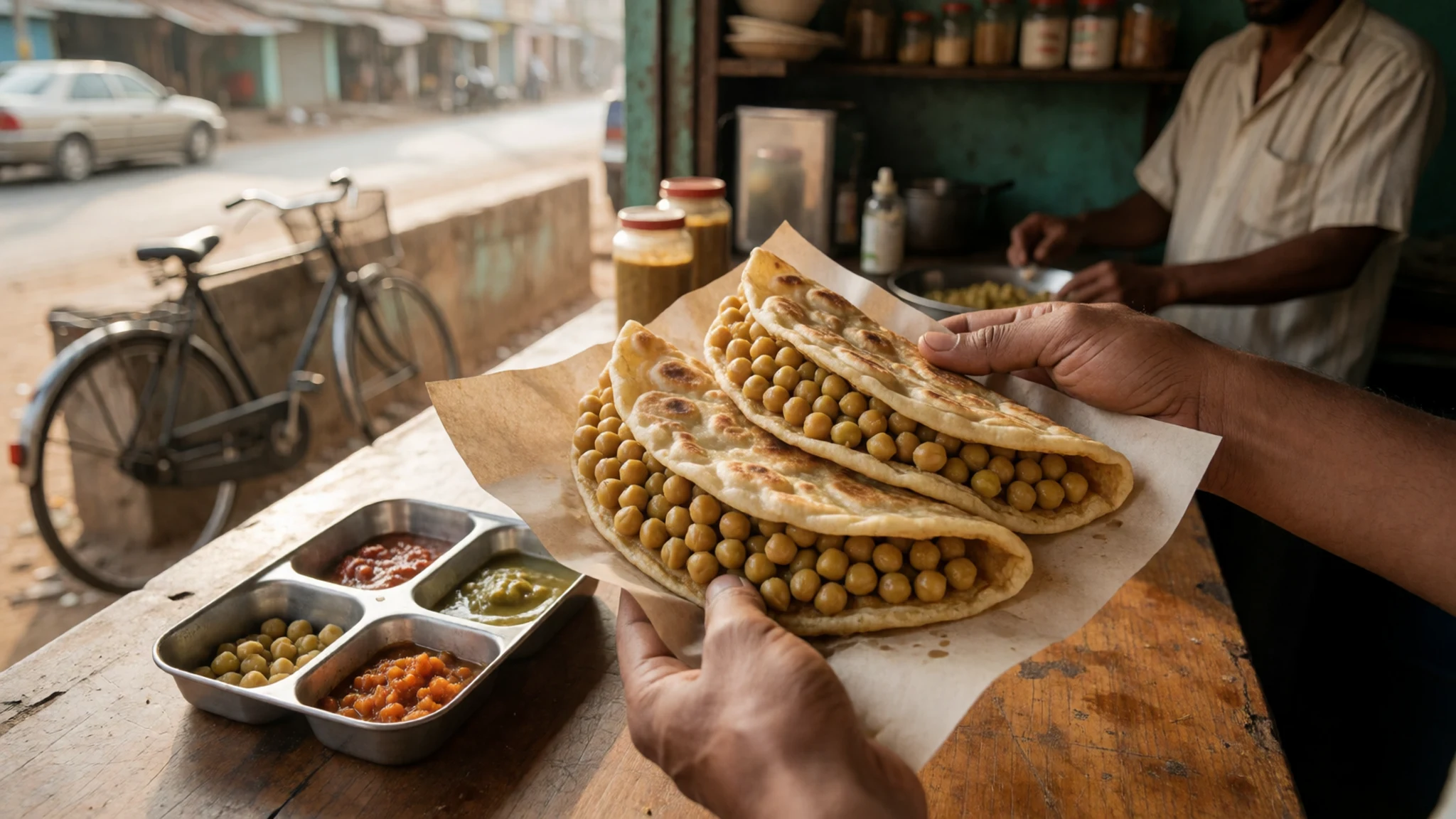
- Dhalpouri roti — Roti shops around Chaguanas and San Fernando
A soft flatbread filled with ground yellow split peas, wrapped around curry. Fillings usually include chickpeas, potato and pumpkin, with or without meat. It makes a filling lunch and is easy to find among the Indian-style eateries of central Trinidad.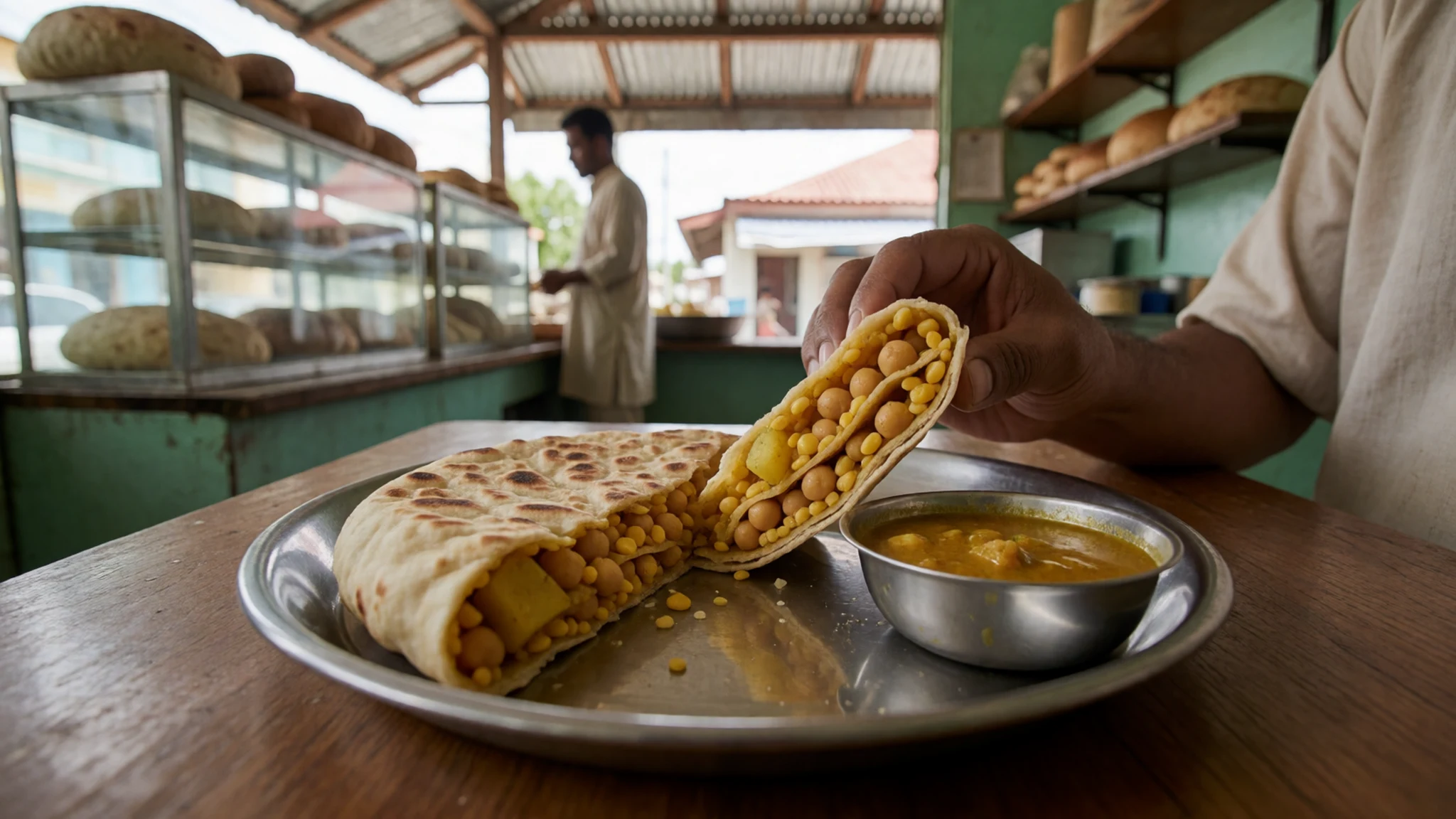
- Buss up shut — Roti shops and family-run eateries in central and south Trinidad
A torn, silky flatbread whose name refers to a busted shirt. It is served with curries and used as a scoop, so eating it with the hands is normal. The texture is the point: soft, buttery and good with curried vegetables. - Sada roti with choka — Breakfast stalls and small eateries across Trinidad
Plain flatbread, similar to pita or naan, served with choka, which is fire-roasted vegetables mashed with garlic and pepper. It is a classic cheap breakfast, vegetarian and smoky, and a gentle way to begin the day. - Phoulourie — Roadside vendors and snack stands, particularly near Divali events
A fried split-pea fritter, golden outside and soft within, usually served with a tangy chutney. It is a popular roadside snack, good to share, and often eaten in the afternoon with a cold drink.
Plan it
Best time. January to May is the drier season in Trinidad, with less rain and sea conditions that are usually easier for a shoreline visit. October and November bring Divali, when festivals are in full swing. The wetter months from June can mean heavy showers and a rougher gulf. It is hot and humid all year.
How long. 1
Getting there. Fly into Piarco International Airport in Trinidad, then travel by taxi or hire car to Waterloo in central Trinidad, near Carapichaima. A local driver is the simplest option for the last leg.
Budget. low
Tips
- Go on a weekday morning to avoid weekend and festival crowds
- Check sea and weather conditions locally before walking out on the pathway
- Carry some cash for small stalls and offerings, and keep water and sun protection with you
- Do not leave valuables in a parked car, as break-ins have been reported
- Check entry requirements and passport validity before you travel, as visas depend on nationality
Etiquette
- Remove shoes before the shrine and dress modestly
- Ask before photographing worshippers
- Do not touch offerings or images, and keep your voice low
Nearby
Sources
- Wikidata Q27964107 (CC0)
- Wikipedia: Temple in the Sea (rev 1367132213) (CC BY-SA 4.0)
- Wikivoyage: Trinidad and Tobago (rev 5399147) (CC BY-SA 4.0)
- Photo: Waterloo Temple, Trinidad (neiljs) (CC BY 2.5)

Wildlife
- Scarlet ibis (animal)
Picture a bird so gloriously scarlet that it stands out from every other ibis. You can find it in the Caroni Bird Sanctuary, the swampy reserve just north of Waterloo, where it and other local birds nest. Trinidad and Tobago has made it a national symbol. Keep well back, stay quiet, book a guide, and never hand it food, so these birds can raise their young in peace.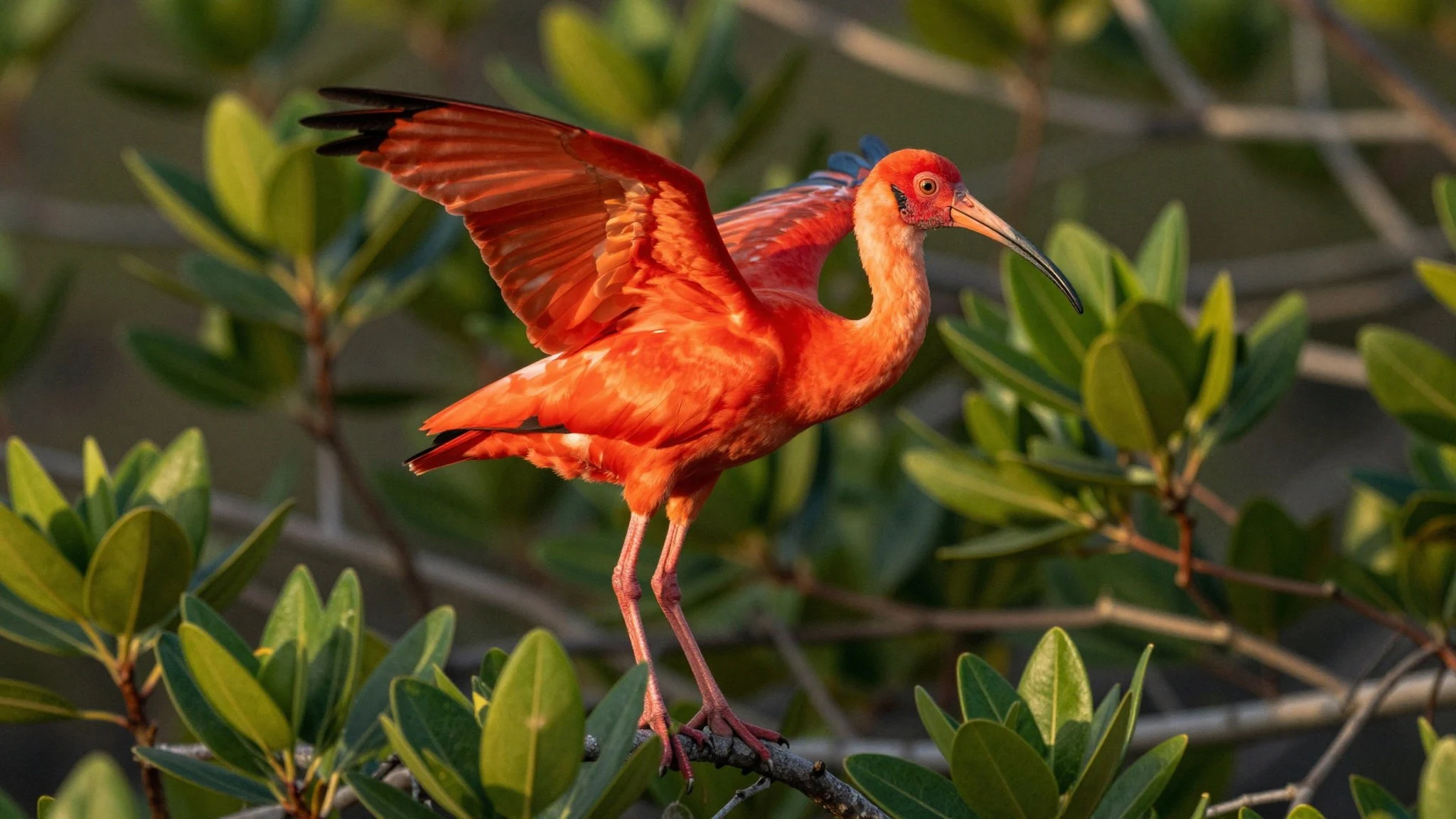
- Leatherback sea turtle (animal)
The leatherback is the biggest turtle alive, and instead of a hard shell it wears soft, leathery skin. They haul themselves up the sand of Mathura beach to lay their eggs, and the nesting season gathers around Easter. Ask a guide about the best hour to visit. Keep a respectful distance, stay quiet, and never touch or feed them, as this gentle giant is vulnerable and needs peace.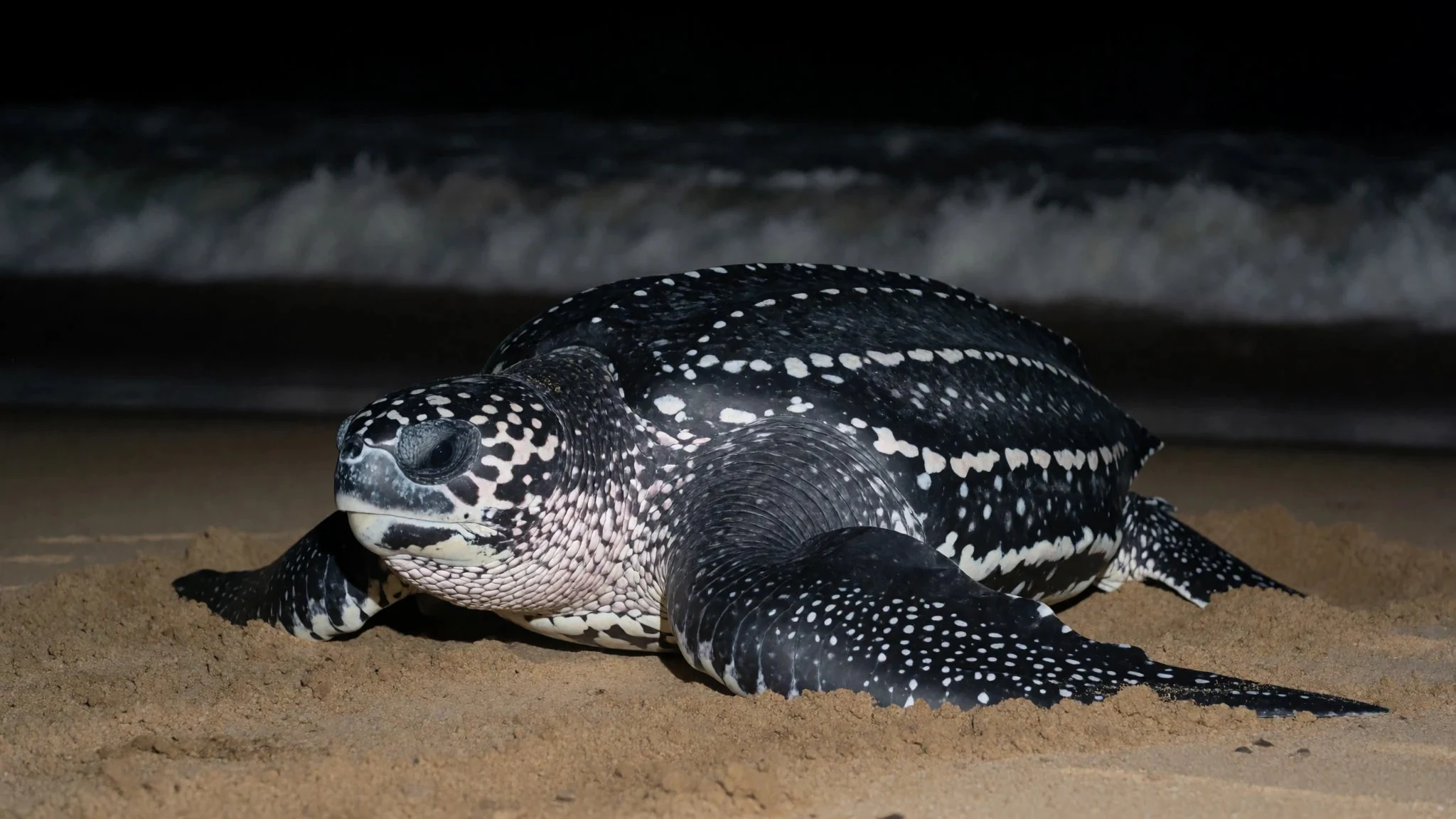
- Scarlet ibis (bird)
Picture a bird so gloriously scarlet that it stands out from every other ibis. You can find it in the Caroni Bird Sanctuary, the swampy reserve just north of Waterloo, where it and other local birds nest. Trinidad and Tobago has made it a national symbol. Keep well back, stay quiet, book a guide, and never hand it food, so these birds can raise their young in peace.