Trinidad
Trinidad, Trinidad and Tobago
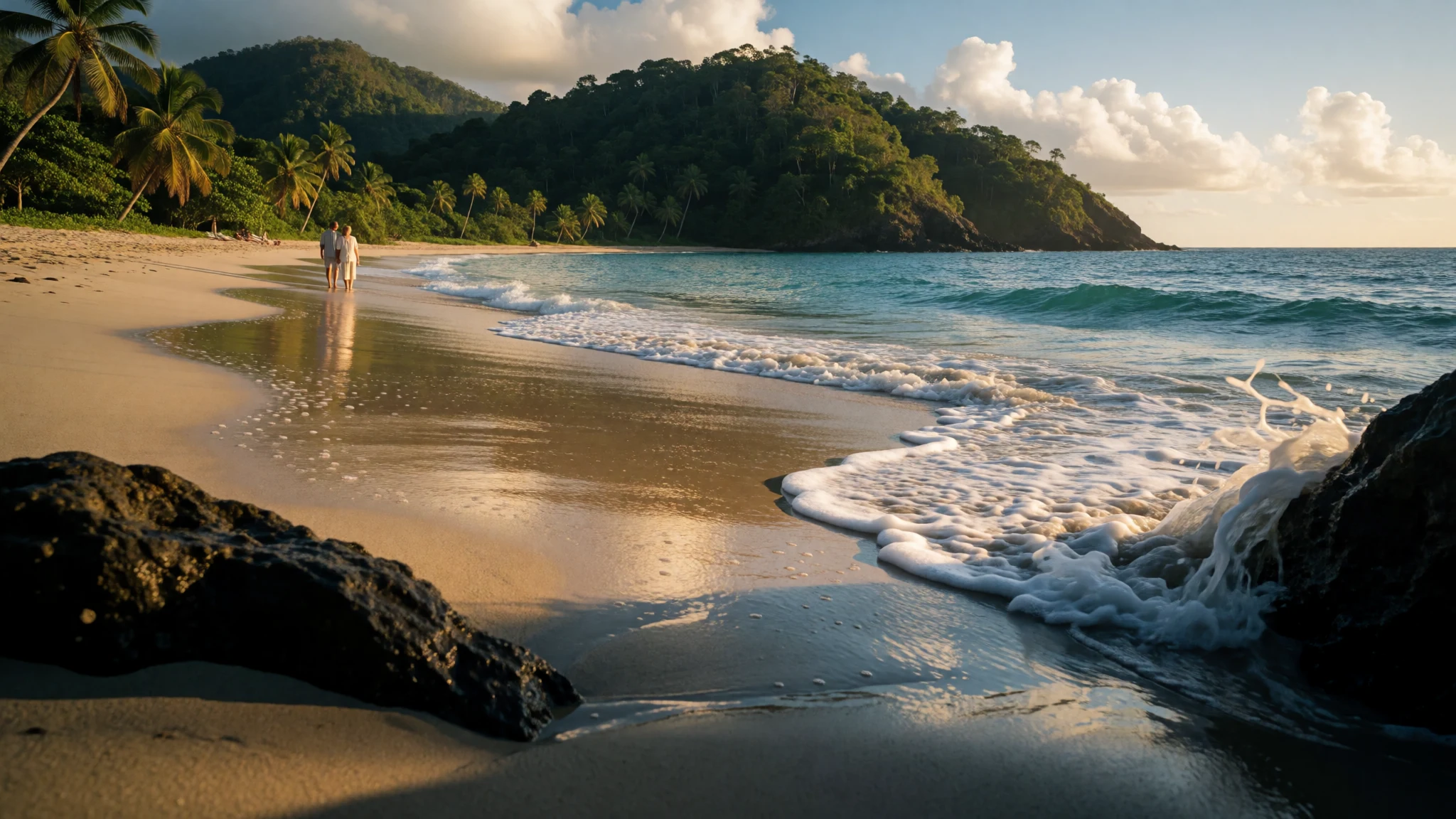
Trinidad is a Caribbean island where steelpan, curry-filled street food and rainforest birdlife sit within an easy drive of each other.
The place
Trinidad is the larger of the two islands that make up Trinidad and Tobago, and it lies just off the Venezuelan coast on the South American continental shelf. That position gives it a landscape closer to the mainland than to a typical Caribbean island: three bands of hills (the Northern, Central and Southern Ranges), broad plains around Caroni and Naparima, and wetlands such as the Caroni and Nariva swamps. Rivers including the Caroni and the Ortoire drain these uplands, and waterfalls and beaches are scattered through the north and east. The high point is El Cerro del Aripo, at 940 metres, in the Northern Range northeast of the town of Arima. The year divides into a rainy season and a dry season, so the island is green and humid for much of it. About 1.27 million people live here, most of them around Port of Spain and Piarco International Airport to its southeast. Three large groups shape daily life: people with African roots, people with Indian roots, and people of mixed heritage, each a sizeable share of the whole. That mix explains why a Hindu temple, a mosque, a church and a steelband yard can sit within a short drive of one another. Port of Spain is the capital and the hub for transport, offices and nightlife, while the north coast, the forested ranges and the southern shore feel far quieter.
Its story
Trinidad was home to Kalinago and Arawakan-speaking peoples long before Europeans arrived. Christopher Columbus sighted the island on his third voyage in 1498, and Spain claimed it, though the colony stayed thinly settled for generations. Its character changed when Spanish rulers invited Catholic planters to come, and many French colonists arrived from Martinique and other French Caribbean islands, bringing their language, their churches and their sugar estates. Spanish rule ended in 1797, when Britain took control. Trinidad and Tobago were joined into a single British crown colony in 1889. Plantation labour shaped everything that followed. After slavery ended, indentured workers were brought from India to work the cane fields, and their descendants are why Divali lamps, roti shops and Hindu temples are part of everyday Trinidad. Emancipation and Indian Arrival Day are both public holidays today, which tells you how the island remembers its past. Self-government came in 1958, and independence from the United Kingdom followed in August 1962. The country became a republic in 1976. Out of these layers came the steelpan, which was invented on Trinidad and is now the national instrument, and a Carnival that blends African, European and Indian traditions. The island's history is visible in its food, its place names and its calendar of festivals.
What to see
- Mount Saint Benedict — Northern Range, near Arima
Mount Saint Benedict is a Catholic monastery high in the Northern Range, close to Arima. Visitors are welcome, and the Benedictine monks bake the bread and sweets served at the guest house on Sunday afternoons. The air is noticeably cooler than on the plain, so bring a layer for the evenings.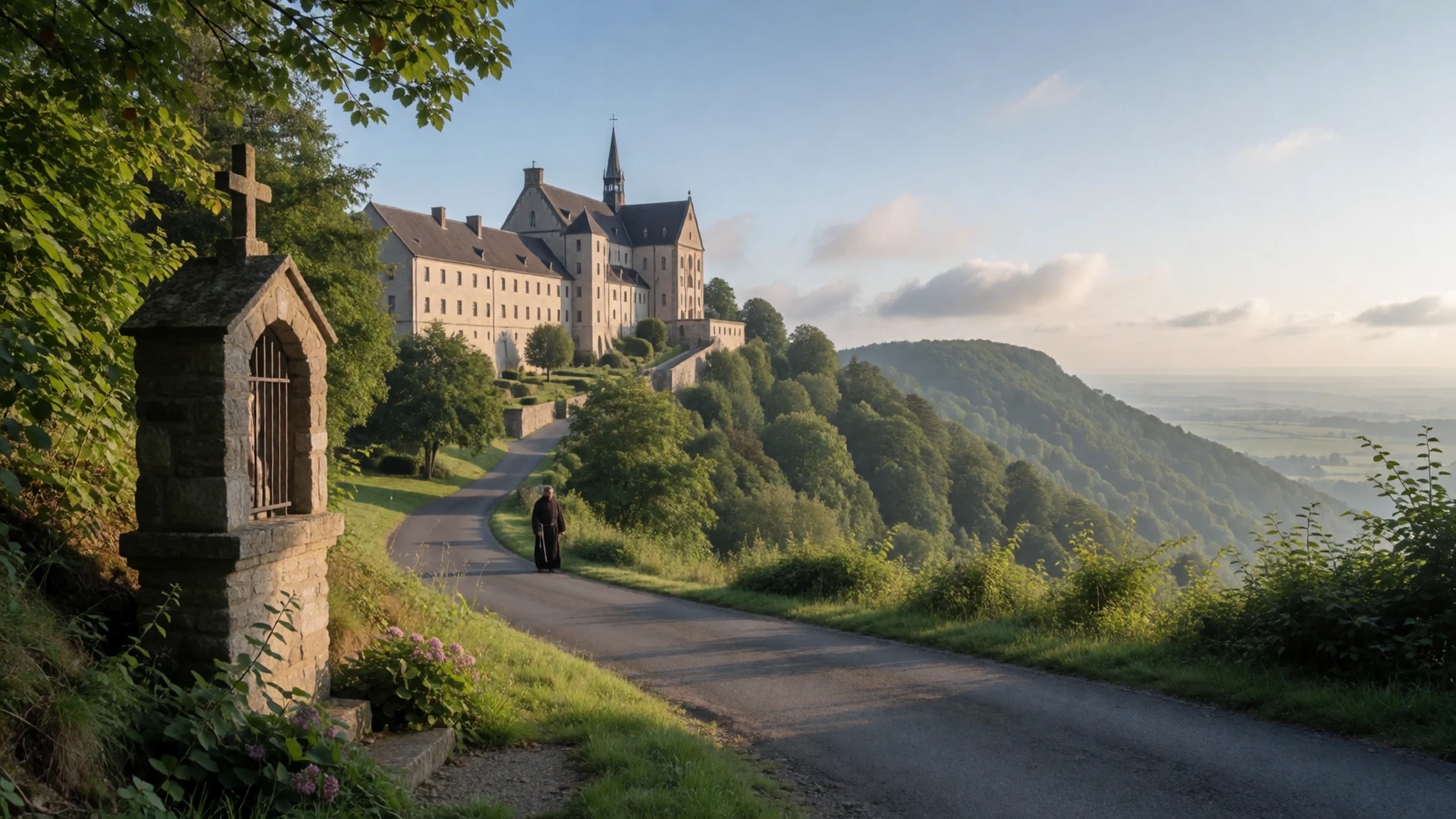
- Asa Wright Nature Centre — Northern Range, north of Arima
Asa Wright Nature Centre is a former cocoa plantation turned birdwatching base in the Northern Range, north of Arima. Day visitors are accepted as well as overnight guests, and the local guides are good at finding birds, lizards and other wildlife along the forest trails. Go early, when activity is highest.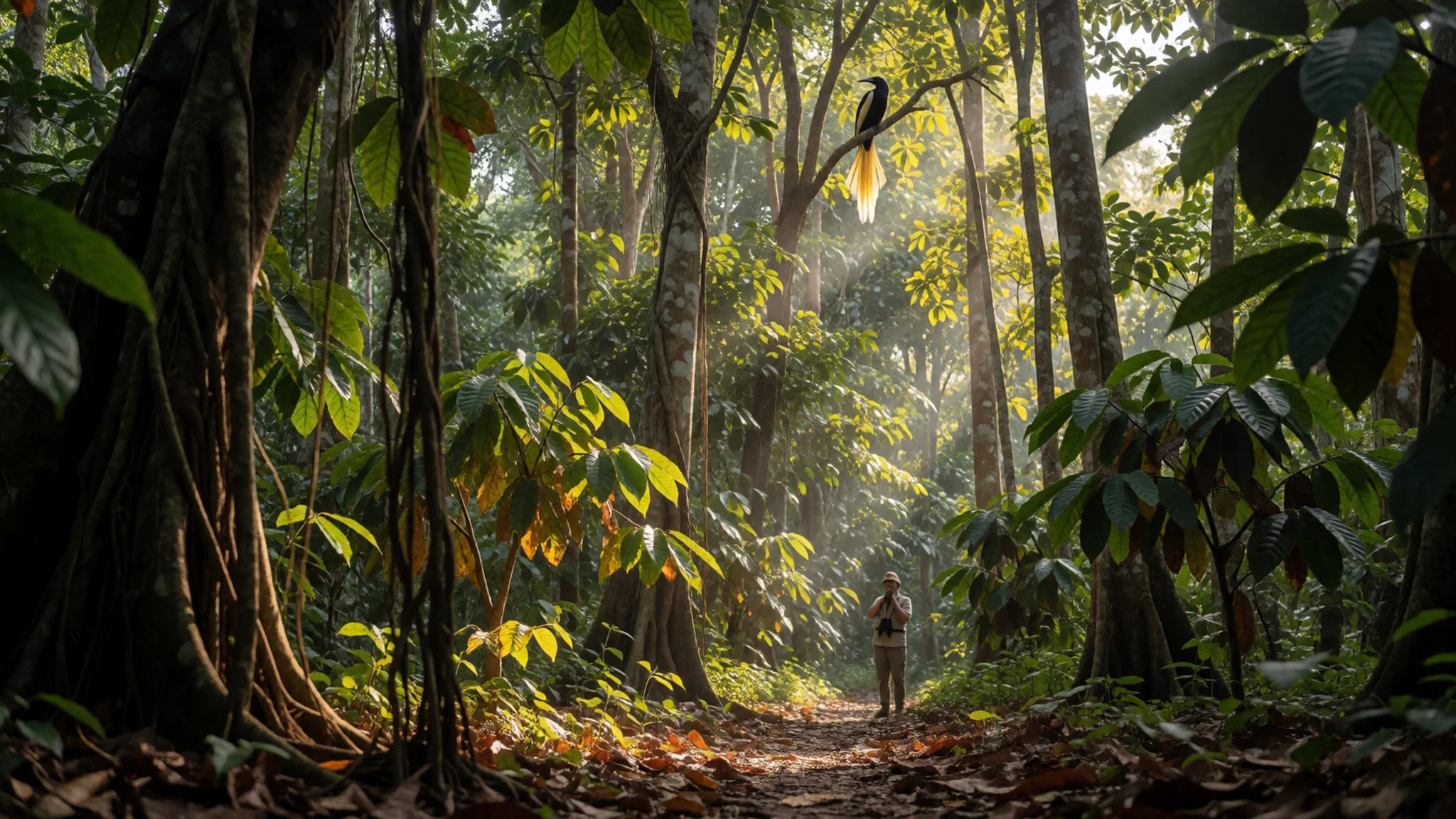
- Caroni Bird Sanctuary — Caroni Swamp, south of Port of Spain
Caroni Bird Sanctuary is a mangrove swamp south of Port of Spain where several local bird species nest, including the scarlet ibis, one of the national birds. Boat tours usually run around dusk, when the ibis return to roost and the trees turn red.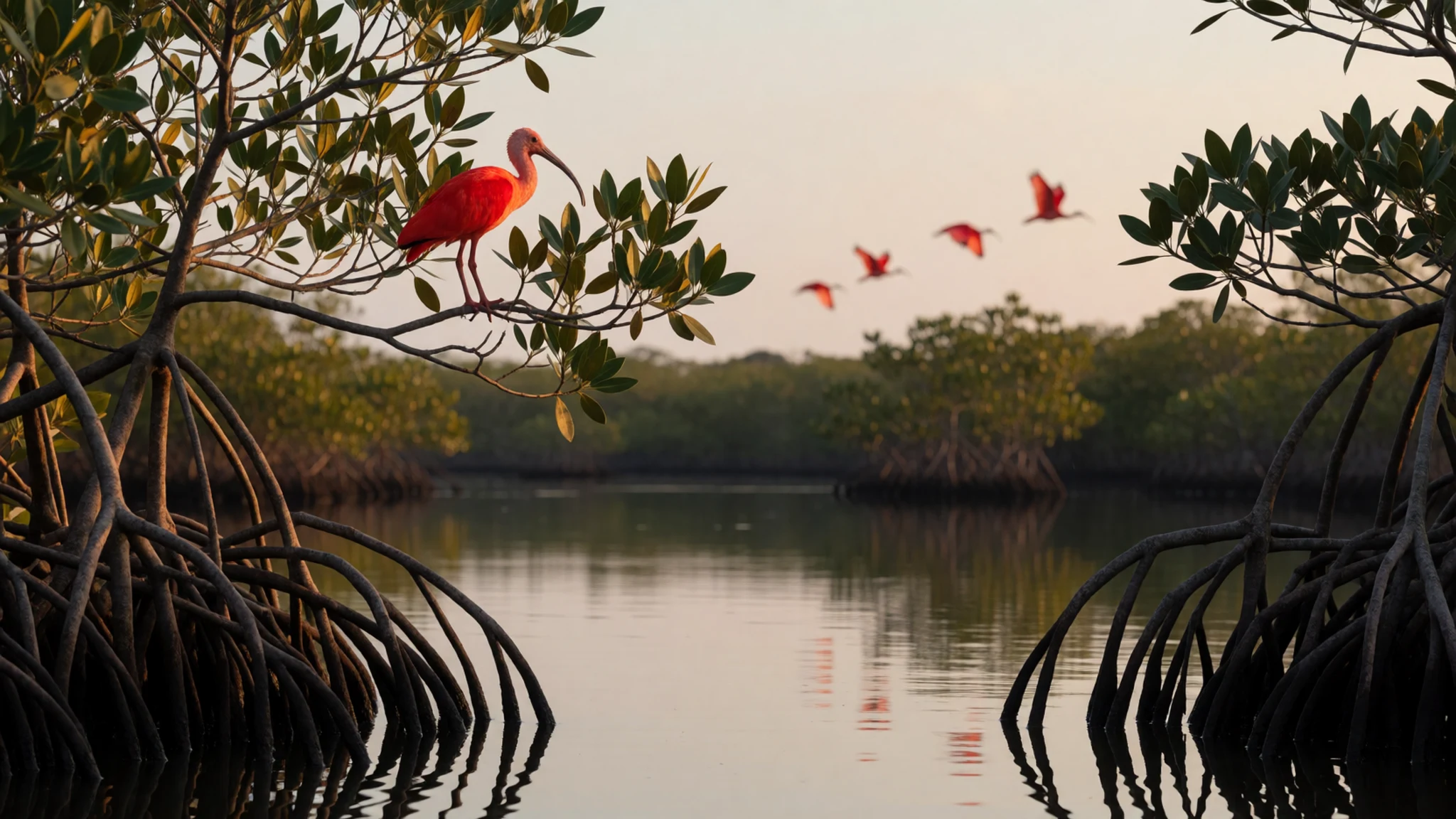
- Pitch Lake — La Brea, southwest Trinidad
Pitch Lake, in the south near La Brea, is a natural lake of asphalt, an odd and sticky landscape that is unlike anything else on the island. Local guides walk visitors across the firm parts and explain how it formed. Wear shoes you do not mind getting marked.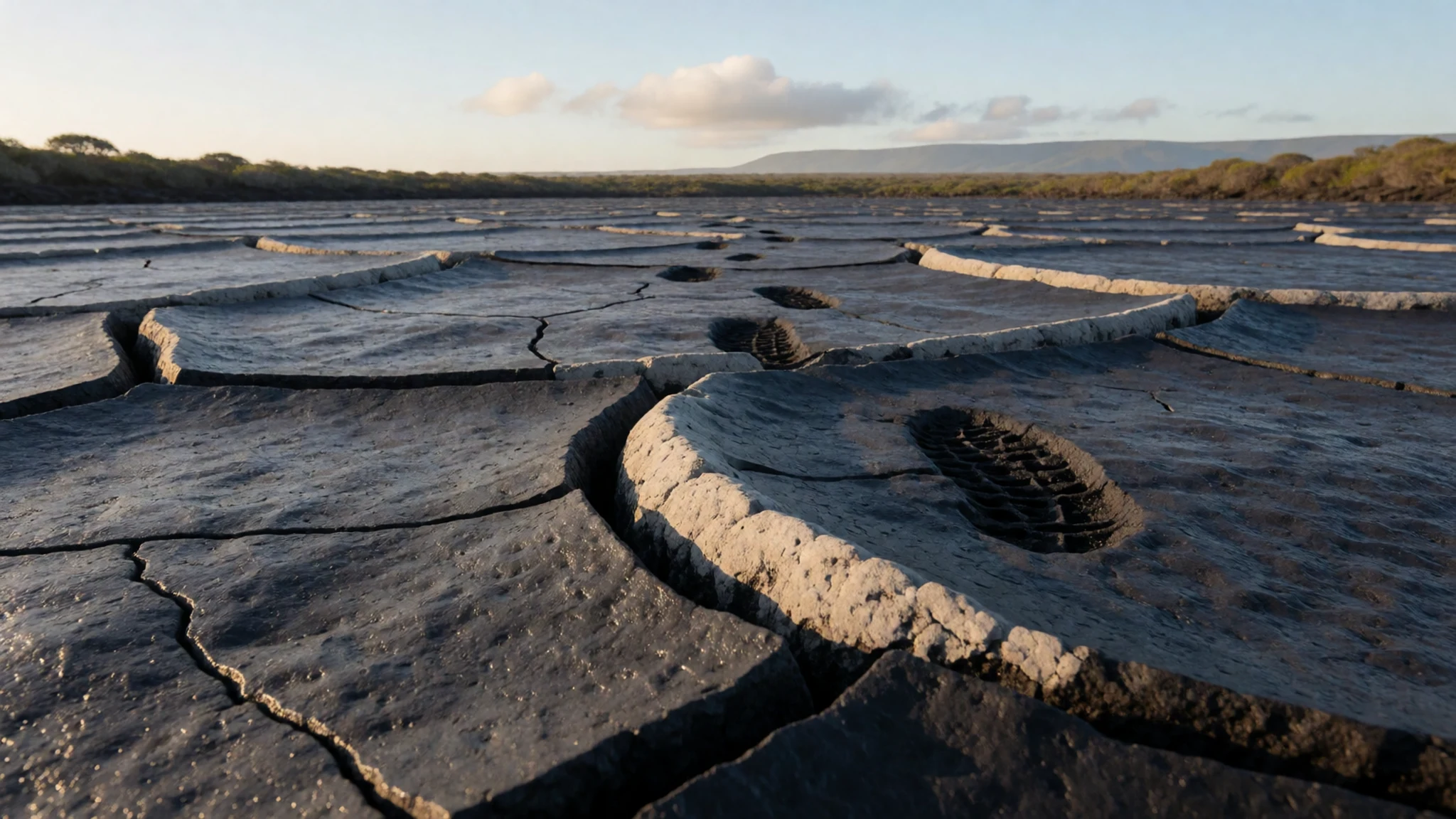
- North coast: Blanchisseuse, Toco, Matelot and Grand Riviere — North and northeast coast
Trinidad's north and northeast coast has the island's best scenery: forested headlands, small beaches, streams and waterfalls good for a cooling dip. During the nesting season, leatherback turtles come ashore at night to lay eggs, notably around Grand Riviere. Roads are winding, so allow plenty of time.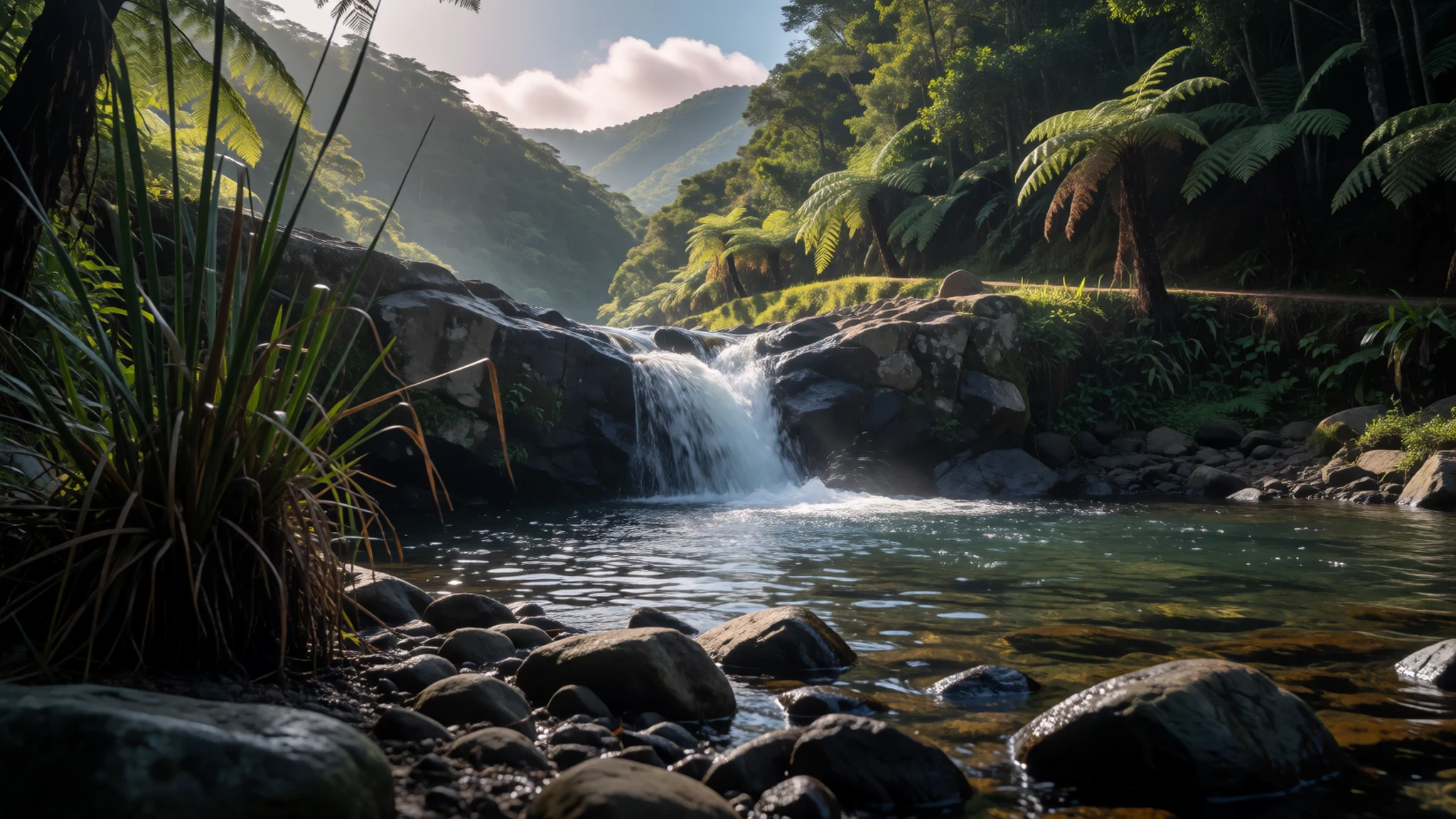
- Moruga — South coast
Moruga, on the quieter south coast, is where a monument marks Columbus's landing during his third voyage. The village is a good excuse to see a part of Trinidad that few visitors reach, with fishing boats, small bays and a slower pace than the capital.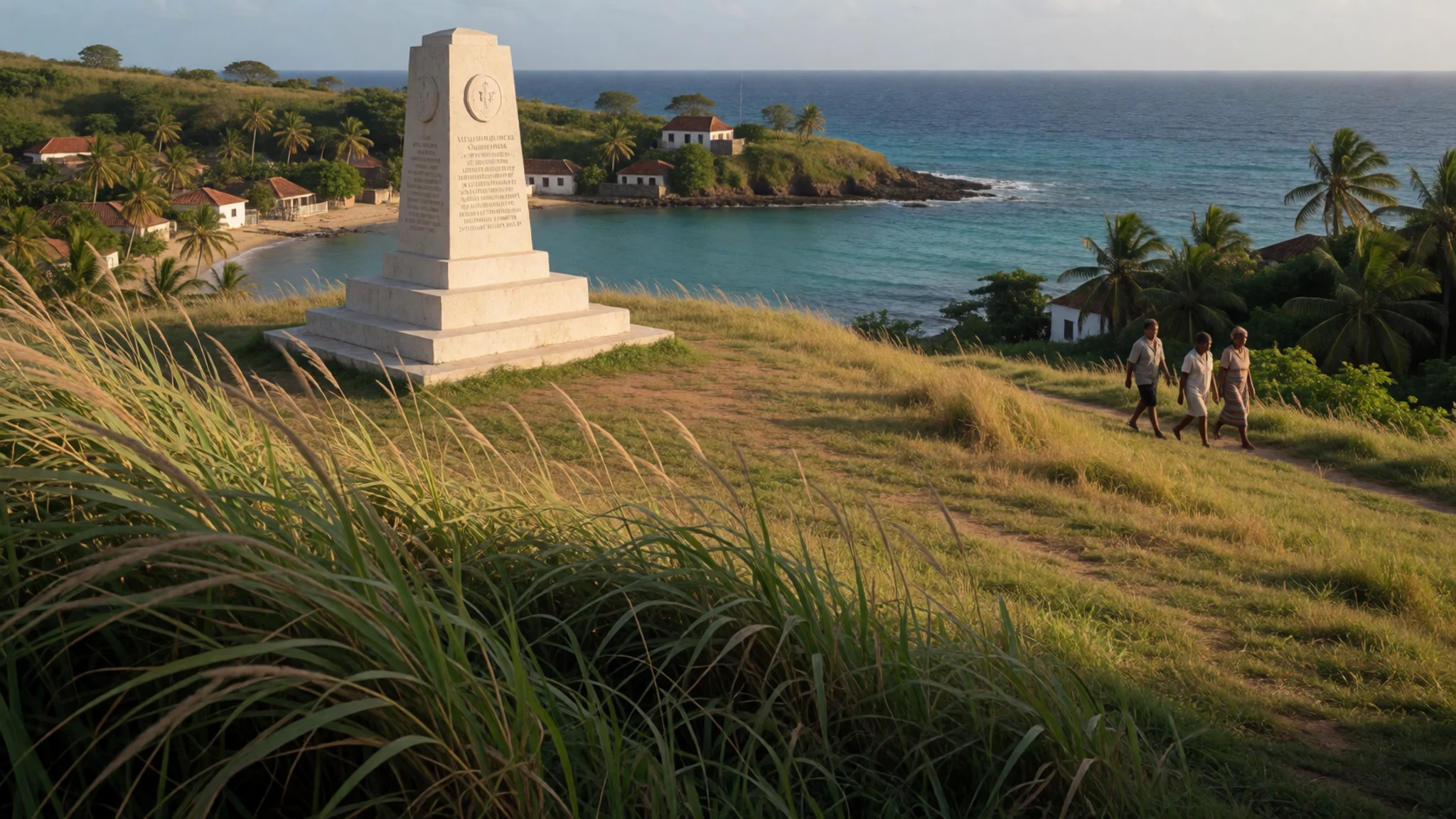
Culture
Trinidad has a festival calendar that follows its mixed ancestry. Carnival, held before Lent, is the best known, with J'ouvert at dawn and Panorama, the national steelpan competition, among its highlights. The steelpan was invented here, and practice yards in the weeks before Carnival are a great way to hear it up close. Divali, the Hindu festival of light, fills Indian-heritage neighbourhoods with clay lamps and sweets. Eid al-Fitr, Indian Arrival Day, Emancipation Day and the usual Christian holidays are also public days, so the year is full of reasons to celebrate. Music runs through everything: calypso, soca, chutney and the steelband sound drift from cars, bars and rum shops. Religious sites are part of public life as well. Mount Saint Benedict is a working monastery, the Temple in the Sea is a Hindu site on the western shore, and the Karyasiddhi Hanuman murti at Carapichaima draws worshippers and curious visitors alike. Trinidadians are generally chatty and quick to offer advice on where to eat or which beach to try, and conversation is a normal part of buying a snack or taking a taxi. Dress and behaviour are relaxed in most places, but sacred sites are treated with real respect. When visiting a temple, mosque or monastery, cover your shoulders and knees, take your shoes off where others have, and ask before photographing worshippers.
What to wear
Trinidad's traditional dress reflects its roots. In Indian-heritage families, women wear saris, lehengas and shalwar kameez of cotton, silk and embroidered synthetics for weddings, temple ceremonies and Divali, and men wear kurtas. These outfits are mostly kept for occasions rather than daily use. Carnival is the other great tradition: bandleaders design costumes of feathers, beads, sequins and wire frames, and revellers wear them on the road. Everyday clothing is simpler and suited to the heat. People wear light cotton shirts, T-shirts, shorts, summer dresses and sandals, with smarter outfits for offices, church and evenings out. Jeans are common in air-conditioned malls and bars, while casual beachwear stays at the beach. A visitor should pack for a hot, humid climate, with breathable cotton or linen, a hat, sunscreen and a light rain jacket for the wet season. For the forest and the north coast trails, closed shoes with a good grip are far better than flip-flops, as paths get muddy. A thin layer is worth carrying for the cool evenings at Mount Saint Benedict. At temples, mosques and the monastery, wear clothes covering your shoulders and knees, and carry a scarf if you want to be safe. Swimwear should stay on the beach rather than in town.
What to eat
- Doubles — Roadside stalls and vendors in towns and around Port of Spain, especially in the morning
Doubles are the island's classic street food: curried chickpeas folded between two soft fried bara, topped with chutney and pepper sauce. Order by heat, from without to slight to blaze. Eat them in the morning from a roadside stall.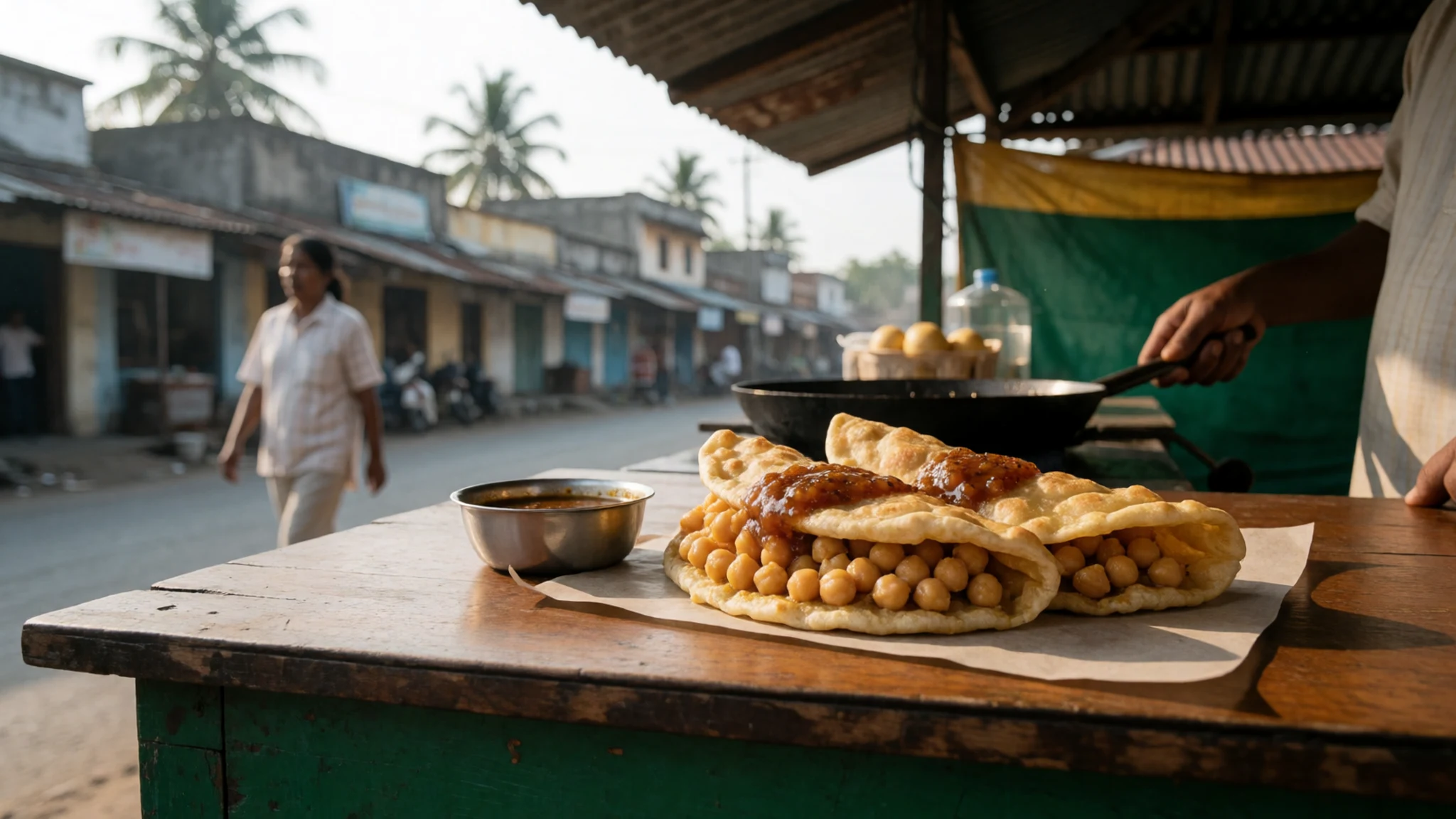
- Aloo pie — Doubles stalls and street vendors
Aloo pie is a fried pastry stuffed with spiced mashed potato, sold by the same vendors who make doubles. It takes the same chutneys and pepper sauce, and it makes a filling, cheap snack for a long morning of travel.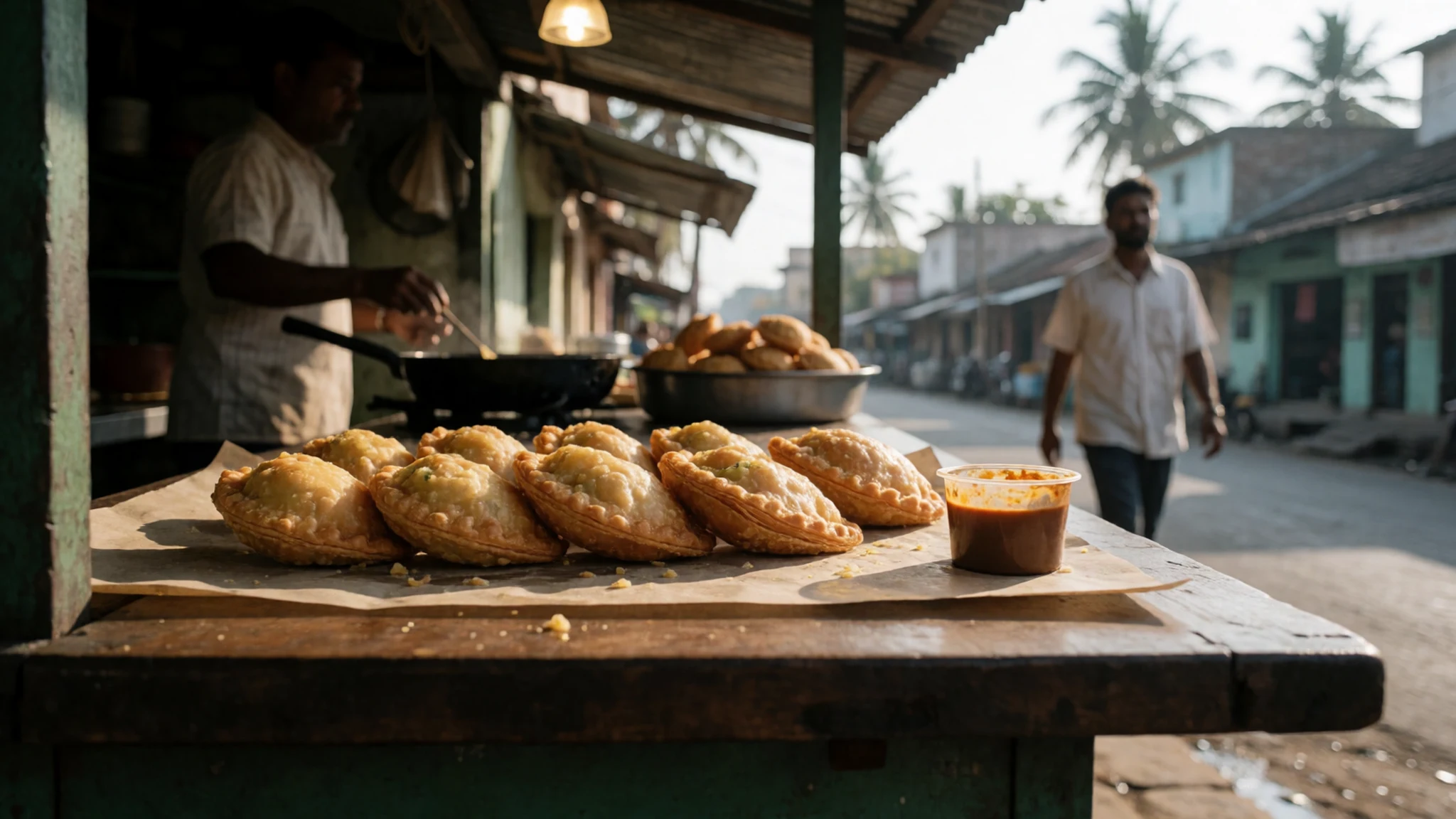
- Roti and curry — Roti shops and small eateries in towns across the island
Roti with curry shows the Indian side of Trinidadian cooking: a soft flatbread wrapped around or served beside curried chicken, goat, potato or vegetables. Vegetarians will find plenty to choose from, since much of the population is Hindu. - Pelau — Home-style eateries and weekend lunch spots
Pelau is a one-pot dish of rice, pigeon peas and meat, usually chicken, cooked with caramelised sugar and coconut milk. It is a Creole home favourite and a regular at family lunches and gatherings. - Bake and shark — Beach food shacks on the north coast, especially around Maracas Bay
Bake and shark pairs fried shark in a puffy fried bread with a self-service table of sauces and toppings. It is the classic beach meal, best eaten with salty hands and sea air nearby.
Plan it
Best time. The dry season, roughly January to May, is the most comfortable time, with less rain and easier road and trail conditions. Carnival falls before Lent, usually in February or March, and brings crowds and higher prices. The rainy season is greener but muddier, and heavy showers can interrupt forest walks and beach days.
How long. 4–6
Getting there. Fly to Piarco International Airport, near Trincity and Arouca, and take a taxi for the last leg to Port of Spain or elsewhere. From Tobago, take the short flight to Piarco or the ferry from Scarborough to Port of Spain. The ferry from Chaguaramas to Güiria in Venezuela has been halted, so check before planning it.
Budget. mid
Tips
- Book guided bird tours at Asa Wright and Caroni Swamp ahead, especially in busy months
- Start forest walks early, before the heat and afternoon showers
- Hire a car or a driver for the north coast, as public transport is limited and the roads wind
- Use taxis after dark in Port of Spain and be cautious with valuables
- Carry some cash for street food and small beach shacks, and drink plenty of water
Etiquette
- Cover shoulders and knees and remove shoes at temples and mosques
- Ask before photographing worshippers or people at festivals
- Keep distance and use no flash if you see nesting turtles
Nearby
Sources
- Wikidata Q128323 (CC0)
- Wikipedia: Trinidad (rev 1385062592) (CC BY-SA 4.0)
- Wikivoyage: Trinidad (rev 5271941) (CC BY-SA 4.0)
- Photo: Quinam Bay, Columbus Channel, South Coast, Trinidad (Kalamazadkhan) (CC BY 3.0)
- Photo: Moruga - Christopher Columbus monument (Kalamazadkhan) (CC BY-SA 4.0)
- Photo: Síťová houpačka na terase v Trinidadu (Vinicius Moreira Rod…) (CC BY 3.0)
- Photo: Digicel Router Trinidad (999real) (CC0 1.0)
- Photo: Food Jamaican festival frying Trinidad (999real) (CC0 1.0)
- Photo: Food Jamaican festival Trinidad (999real) (CC0 1.0)
- Photo: Newly arrived Indian coolies in Trinidad (Public domain)
- Photo: Nine Pin Rock, Trinidad (James Clark Ross) (Public domain)


