Pitch Lake
Pitch Lake, Trinidad and Tobago
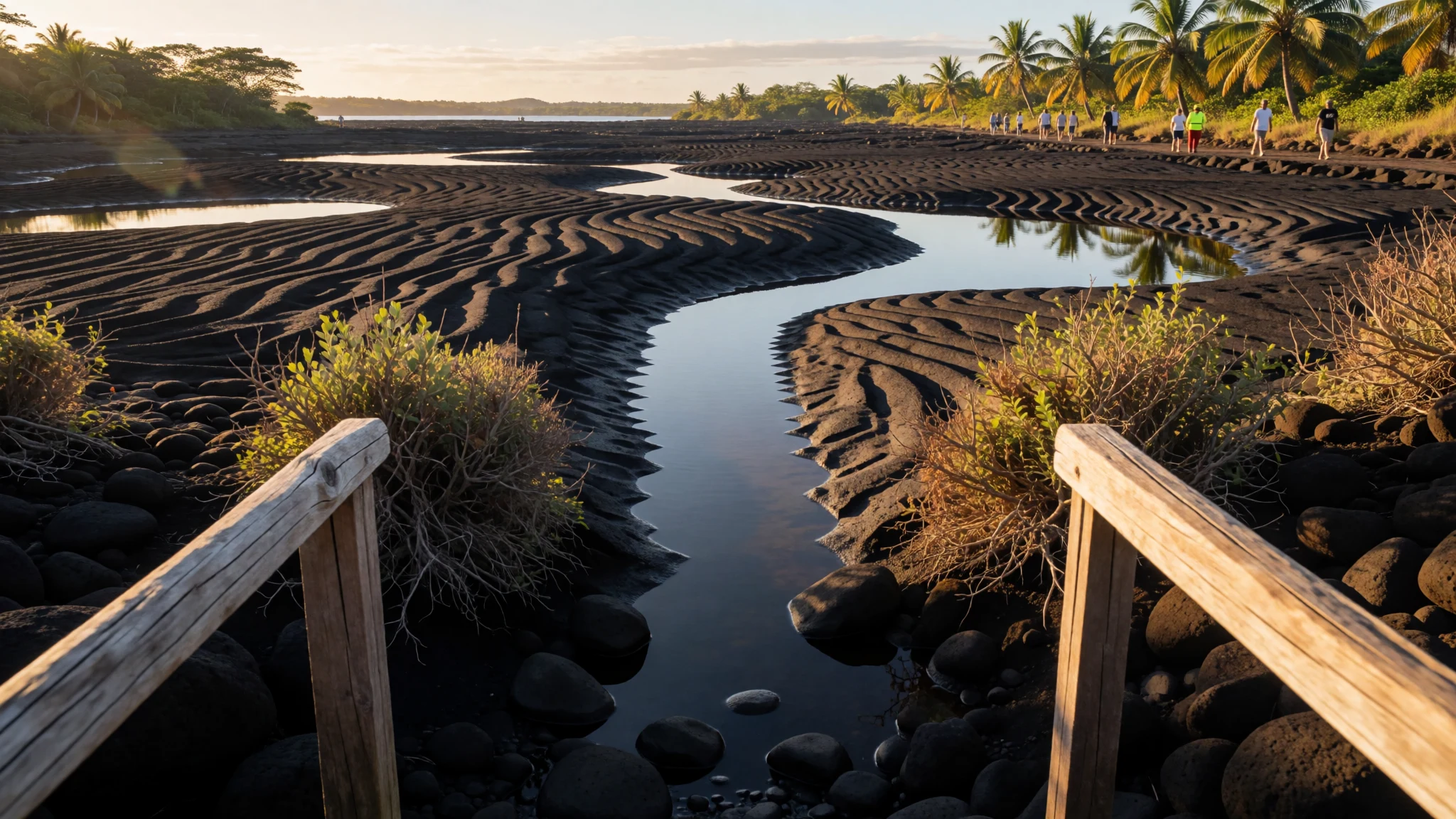
Pitch Lake feels more like a working landscape than a view: dark tar, science, stories, and guided crossings in southwest Trinidad.
The place
Pitch Lake is a tar pit you can visit, not just a geology page you read at home. In Trinidad and Tobago—around La Brea in the south-west—it sits as a large, natural deposit of bitumen, the thick, sticky material behind “asphalt” in the Caribbean imagination.
What makes Pitch Lake stand out is how tangible it is. Instead of looking at rock formations from a safe distance, visitors typically come via a small museum and then join official guides to move across parts of the lake surface. It’s still an active, industrial setting in spirit: the lake is mined for asphalt by Lake Asphalt of Trinidad and Tobago.
Geologically, the area is tied to deep fault lines and subduction under the wider Caribbean region, helping oil move upwards from deep deposits. In the tropical heat, lighter components tend to evaporate away, leaving heavier material behind. Over time, scientists have also pointed to microbial life in the asphalt under low-pressure conditions, adding a science-meets-nature angle to what first looks like a black, motionless puddle.
Tours are where the experience becomes local: the guides pace the walk, point out the textured surface, and keep things safe in a place that’s unusual enough to feel unreal—like the landscape is still deciding what it will be. It’s also a good reminder that Trinidad’s “wonders” aren’t only about waterfalls or temples; sometimes they’re about the raw materials shaping everyday work and history.
Its story
Pitch Lake has been drawing attention for centuries, partly because it looks strange and partly because it behaved like a resource. Explorers and later scientists treated it as both spectacle and material problem.
Sir Walter Raleigh is often linked to the early European story of the lake: he visited in the late 1500s and immediately saw practical value in the pitch, using it to caulk his ship. Local knowledge also fed the attention. The lake’s origin stories include an Amerindian legend: after a celebration, a sacred hummingbird was taken as food, and the winged god punished the village by opening the earth and making the pitch lake swallow it—leaving behind a permanent stain as a moral reminder.
Later, the lake’s role in energy technology kept shifting. In the 1840s, Abraham Pineo Gesner produced kerosene from a sample of pitch lake bitumen. Then, in the late 1800s, business interests formalised the idea of “pitch as industry”: a businessman known as the Asphalt King obtained a monopoly concession for extraction and paving uses.
Even if you’re visiting for the walk and the museum, it helps to remember the mix of themes here—myth, exploration, and extraction—because Pitch Lake doesn’t feel like a quiet monument. It feels like a living workplace with a history layered on top.
What to see
- Pitch Lake viewpoint and lake surface — La Brea, southwest Trinidad
Pitch Lake is the main event: a dark, tar-like landscape whose texture changes from patch to patch. From the designated areas you can read the surface like a map, then, if your tour includes it, cross part of the lake with a guide for a closer sense of scale.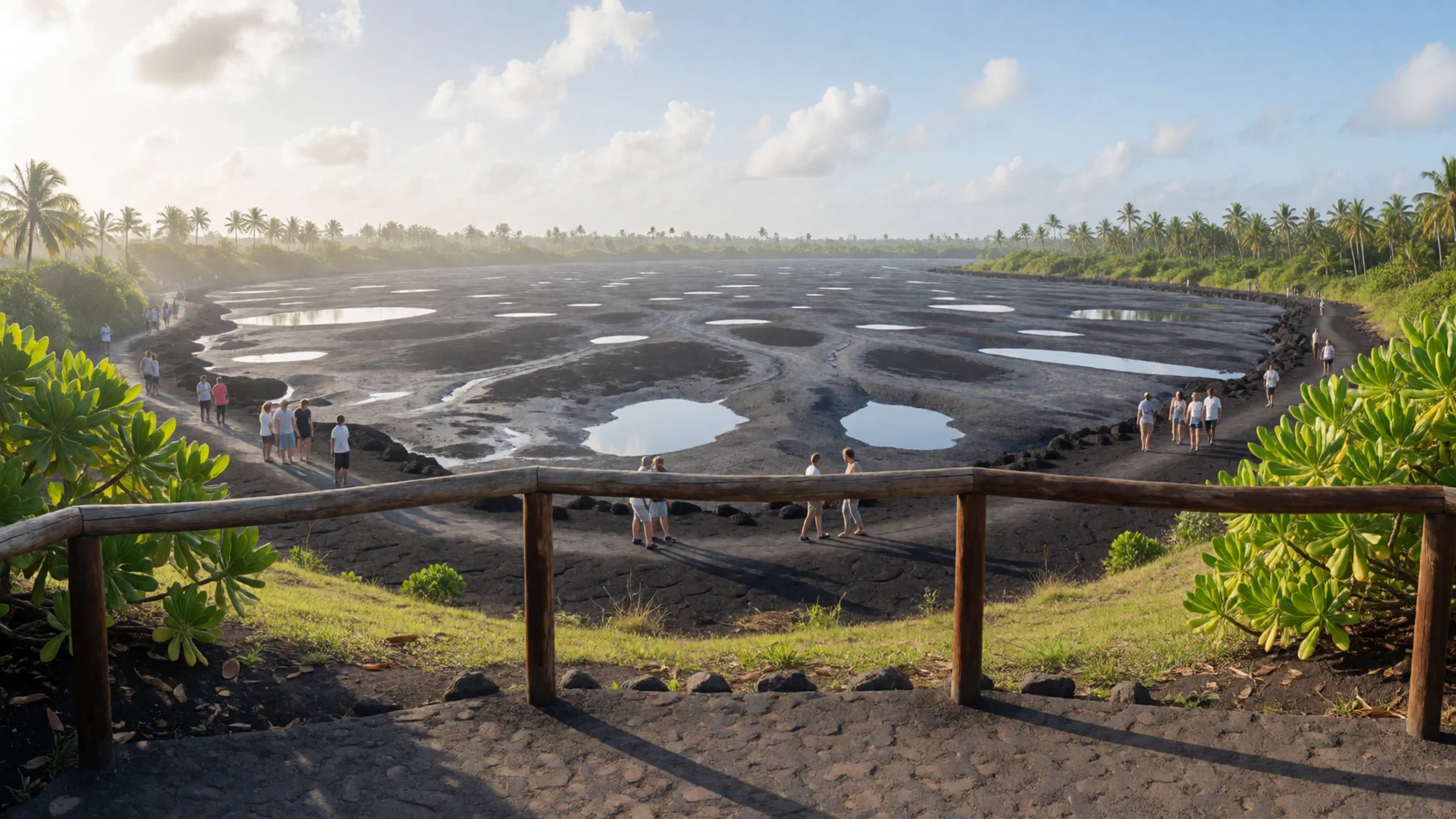
- Pitch Lake museum base — La Brea, southwest Trinidad
Before the lake walk, the small museum helps put the site into context with displays and practical orientation. It’s also the place where you see how tours work—staff, routes, and the general “how close can you get” reality—so the surface feels less mysterious and more readable.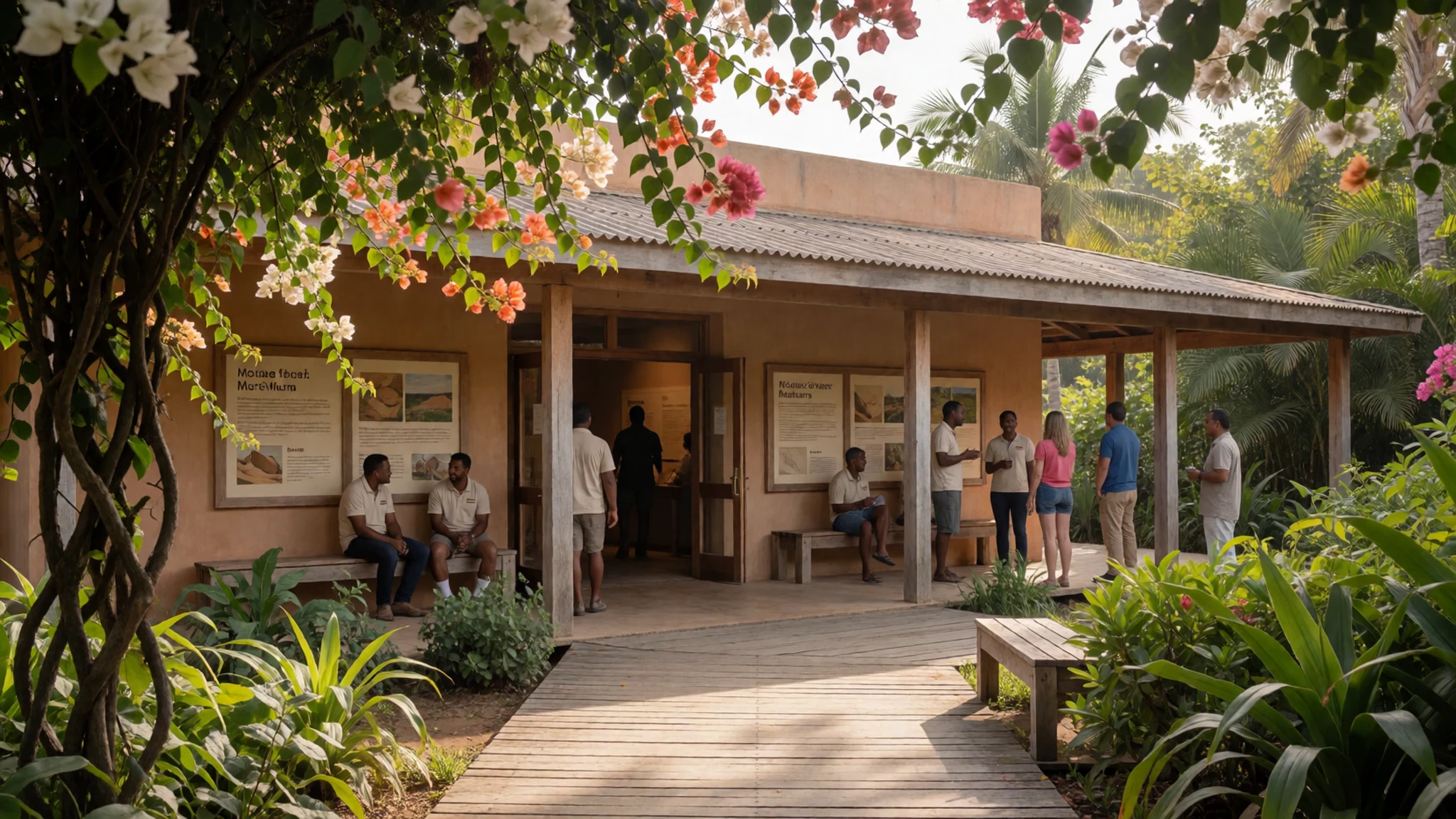
- Guided crossing with official tour staff — Pitch Lake area, La Brea
On Pitch Lake, access is managed, so the guided element matters. Your route and timing are controlled by people who know the ground conditions, which keeps the experience grounded in safety rather than thrill-seeking. Expect explanations of what you’re looking at as you move across the tar.
- Tar-asphalt textures in the mining landscape — Pitch Lake area, La Brea
If you’re into geology or material science, look closely at how “oil” becomes “asphalt-like” over time. The site’s industrial activity means you may spot different textures and surface states, making it easier to imagine evaporation of lighter elements and the heavier residue left behind.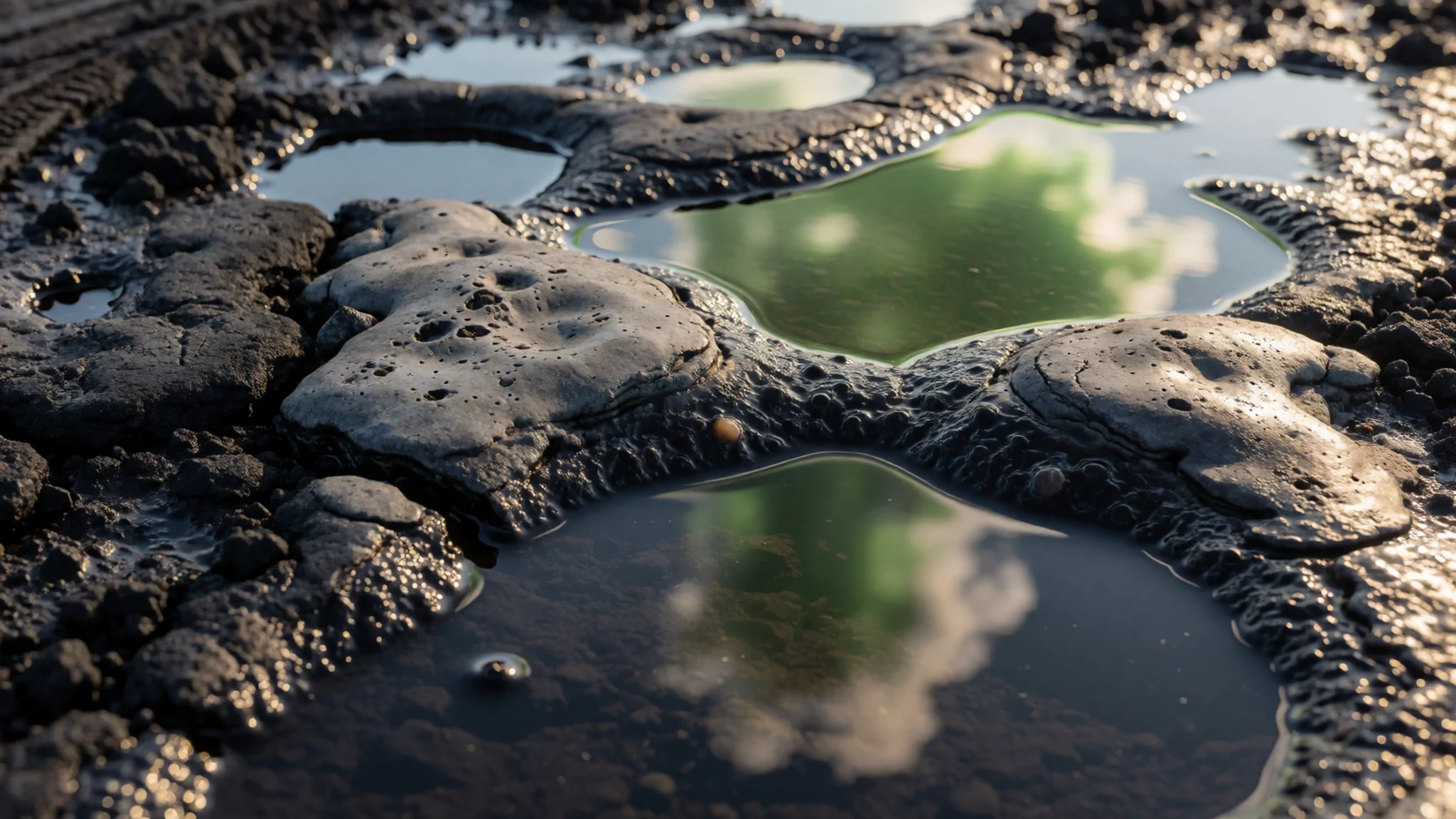
- Historic collection-style photography moments — Near the museum and lake access paths
Pitch Lake has been photographed since the 1800s, and the imagery is part of the story: you’ll see how extraction and digging looked in earlier eras. Even without the exact scenes matching your walk, it helps you visualise the site as an evolving operation, not a frozen relic.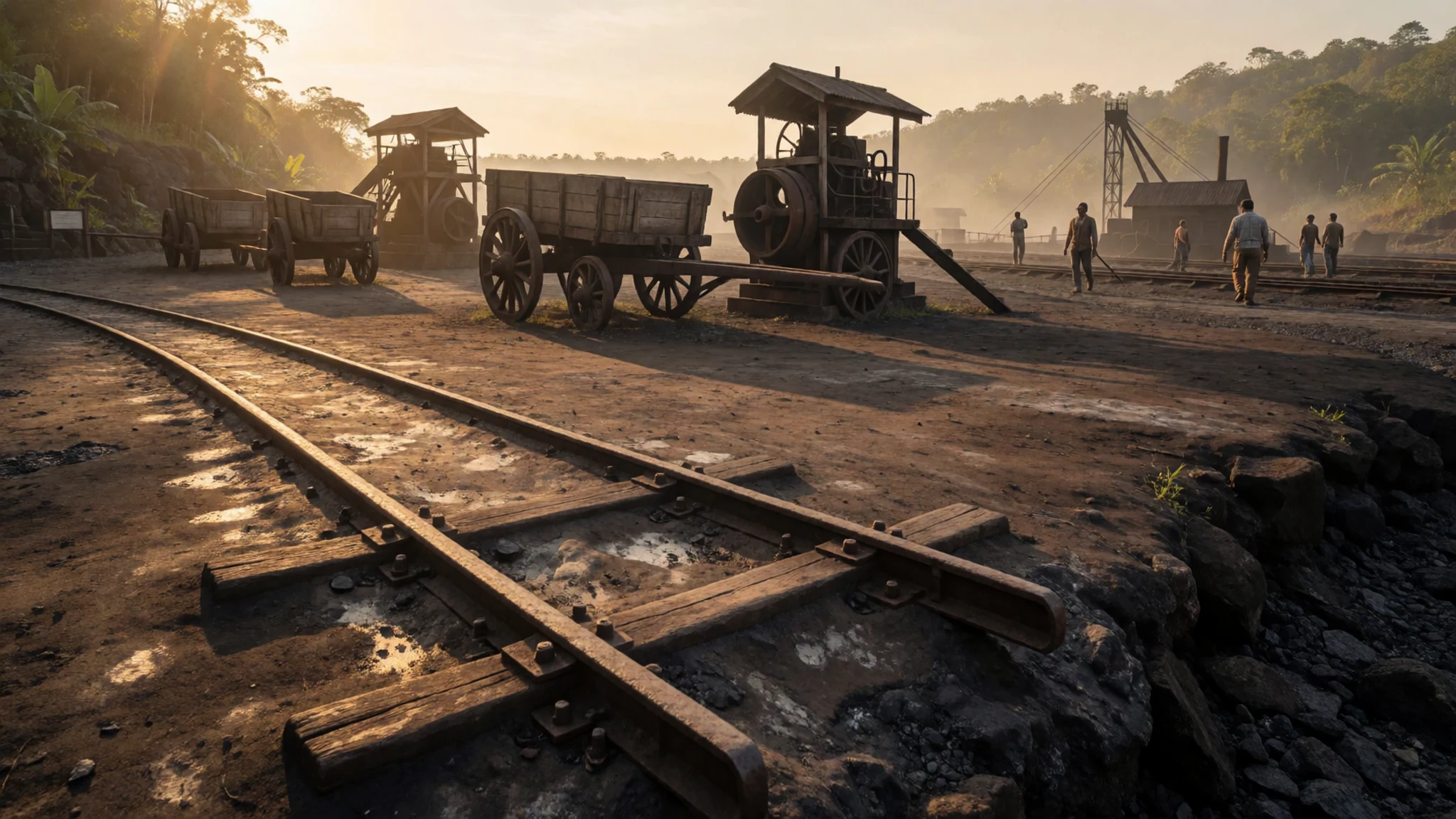
Culture
Trinidad and Tobago is used to visitors arriving as guests, not just consumers—people often appreciate basic friendliness before a conversation gets going. With a site like Pitch Lake, the relationship is practical: guides and staff are managing access to an unusual surface, so listening closely and following instructions keeps things smooth.
Because Trinidad and Tobago has many well-represented religions and a generally tolerant atmosphere, you’ll usually feel comfortable asking questions as long as you keep your tone respectful. If you’re chatting with locals around the attraction, sports talk is common, especially cricket and football, and it’s an easy way to connect without forcing it.
On the ground, etiquette is less about “culture” in the abstract and more about behaviour: staying on marked routes, using the correct direction of movement in the queue, and dressing for tropical heat. Pitch Lake is also part of a working local landscape, so there’s a “don’t treat it like a theme park” vibe—people want visitors to be careful, curious, and cooperative.
Visitor etiquette: follow your guide’s instructions and stay within the access areas, because Pitch Lake is a managed, industrial tar surface.
What to wear
Pitch Lake is in southwest Trinidad and Tobago, and you’ll feel the tropical sun and humidity more than you expect—so clothes need to be breathable. Traditional dress in Trinidad is varied across communities, reflecting the country’s mix of African, Indian, and other cultural influences; you’ll often see lively, patterned outfits on local streets and during festivals, with textiles that can be lightweight in warm weather.
For visitors today, practical clothing usually wins. Wear light, loose layers that cover your shoulders and arms if you want extra sun protection, and choose breathable footwear with good grip. The lake surface and access paths are not the same as a neat walkway, so avoid flimsy sandals.
What to wear for your visit: a comfortable, moisture-wicking top; shorts or lightweight trousers; socks only if they won’t make you sweat more than needed; and closed-toe trainers or shoes for stability. Bring a hat and sunscreen, and keep a small towel or wipes handy because the site’s materials and conditions can get messy.
If you’re planning to continue elsewhere after the lake, you can still travel light—just pack one slightly dressier option, because many outings in Trinidad revolve around eating well and spending time outside.
What to eat
- Rotis (sada, dhalpouri, bara, buss up shut) — Roti stands and local breakfast spots across Trinidad
Look for roti stalls around Trinidad for Indian-style flatbreads filled with chickpea curry (channa), split peas, or other fillings. Choices vary by type—sada, bara, dhalpouri, and buss up shut—often served warm for breakfast or quick lunch stops.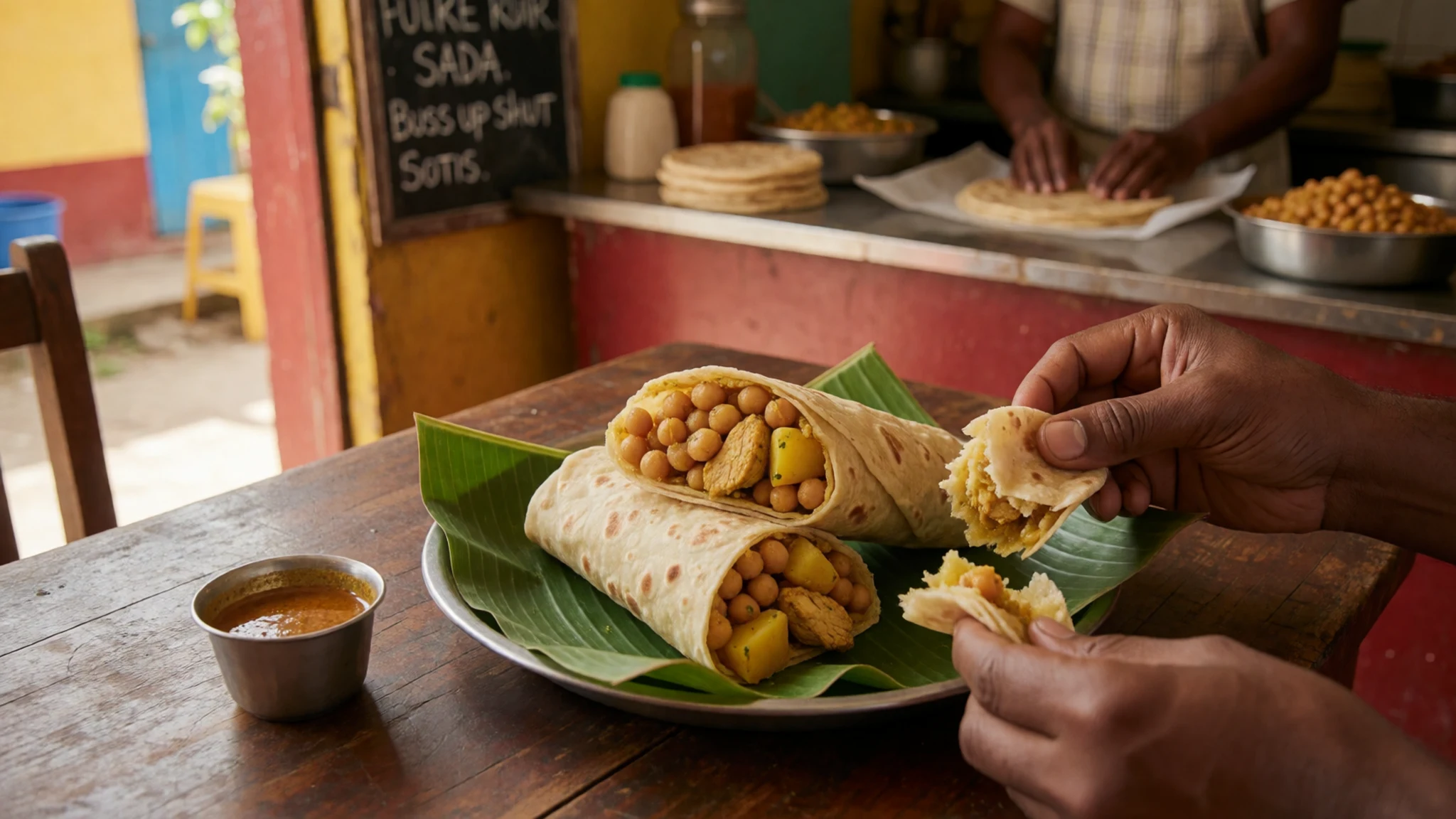
- Choka (fire-roasted vegetables) — Breakfast eatery counters and roadside spots
Choka is a side of fire-roasted vegetables that’s commonly paired with sada roti. It’s a good way to eat something filling without going heavy on heat if you ask how spicy it will be. You’ll typically find it at breakfast counters and roadside eateries.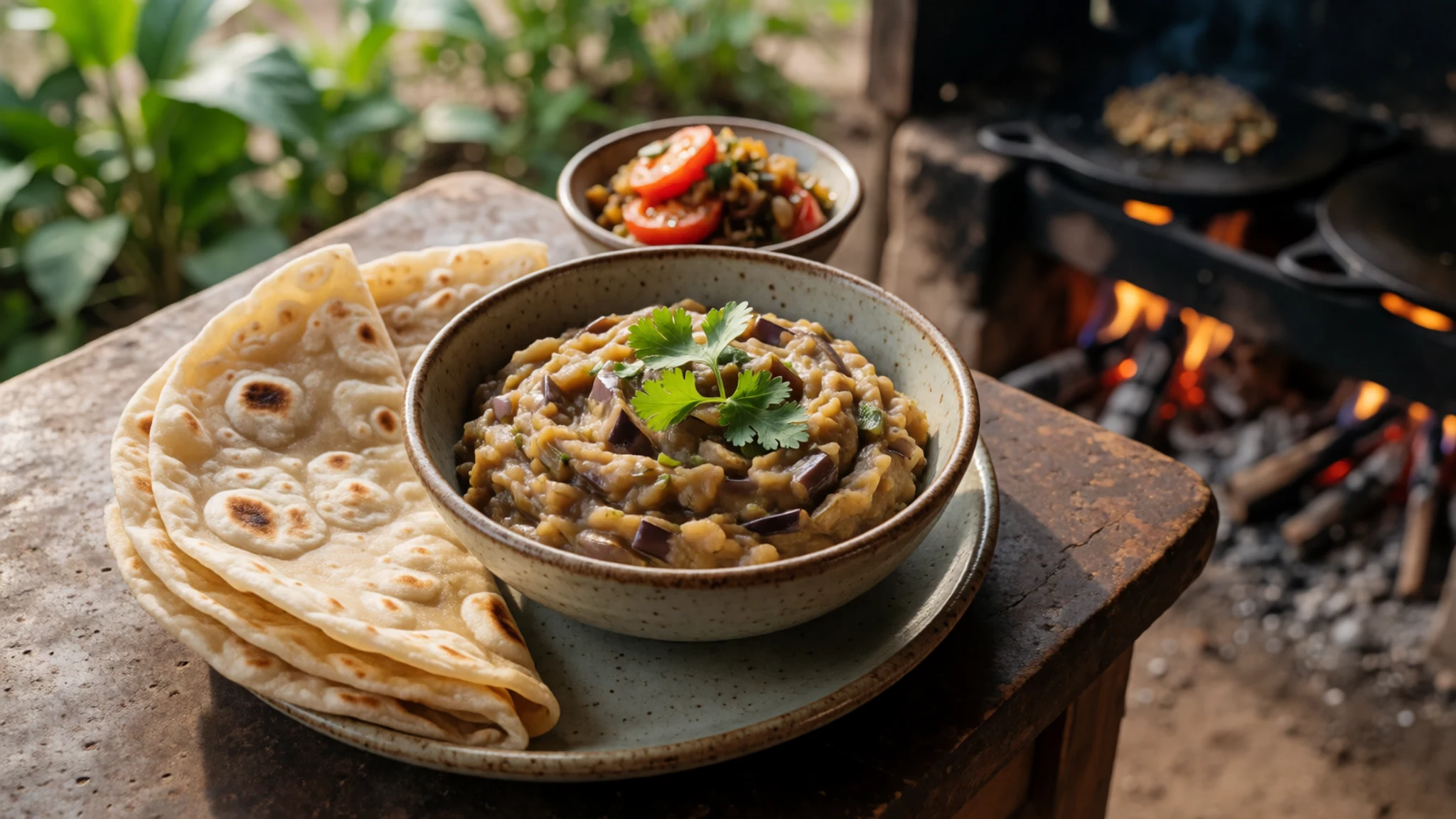
- Doubles (chickpea curry in fried bread) — Street food stands and casual snack shops
Doubles are a popular fast snack: two pieces of fried bread with a chickpea filling, usually with sauces and spices on the side. It’s easy to grab while moving between attractions, and you can ask for a level of heat that suits you. - Chutneys and hot sauces with roti — Roti and doubles service counters
Trinidad food often comes with chutneys and sauces that can turn a mild bite into something seriously spicy. When ordering roti, watch what’s placed on your plate, then ask for extra sauce on the side if you’re sensitive to heat. - Local drinks to cool off — Small cafés and roadside refreshment stops
After heat from outdoor walking, seek simple cooling drinks at small eateries—things that are easy to drink quickly and won’t slow you down before your next stop. It’s a practical rhythm: eat, drink, then head out again.
Plan it
Best time. Aim for the drier, slightly more comfortable months—February to April and September to November—with the wettest period typically May to August (peaking around June and August) and the hottest temperatures around July and August.
How long. 3–4
Getting there. Kansai International Airport, then the Haruka express to Kyoto Station (about 75 minutes); Shinkansen from Tokyo in just over two hours.
Budget. mid
Tips
- Start famous temples before 8 am
- Buy a one-day bus pass for the eastern hills
- Carry cash for small shrines and markets
Etiquette
- Remove shoes where you see a step up and slippers waiting
- Do not photograph geiko without asking
Nearby
Sources
- Wikidata Q717351 (CC0)
- Wikipedia (rev 1331383851) (CC BY-SA 4.0)
- Wikivoyage (rev 5399147) (CC BY-SA 4.0)
- Photo photos/01-pitch-lake.jpg (CC BY 3.0)
- Photo photos/02-stapp-114-la-brea-pitch-lake.jpg (CC BY-SA 4.0)
- Photo photos/03-digging-asphalt-pitch-lake-trinidad-w-i-by-detroit-publishin.jpg (Public domain)
- Photo photos/04-generalized-geology-of-trinidad.png (Public domain)
- Photo photos/05-trinidad-pitch-lake.jpg (Public domain)
- Photo photos/06-mother-of-the-lake.jpg (Public domain)
- Photo photos/07-oil-in-pitch-lake.jpg (CC BY-SA 4.0)
- Photo photos/08-pitch-lake-1.jpg (CC BY 3.0)


