Tianmen Mountain
Tianmen Mountain, People's Republic of China
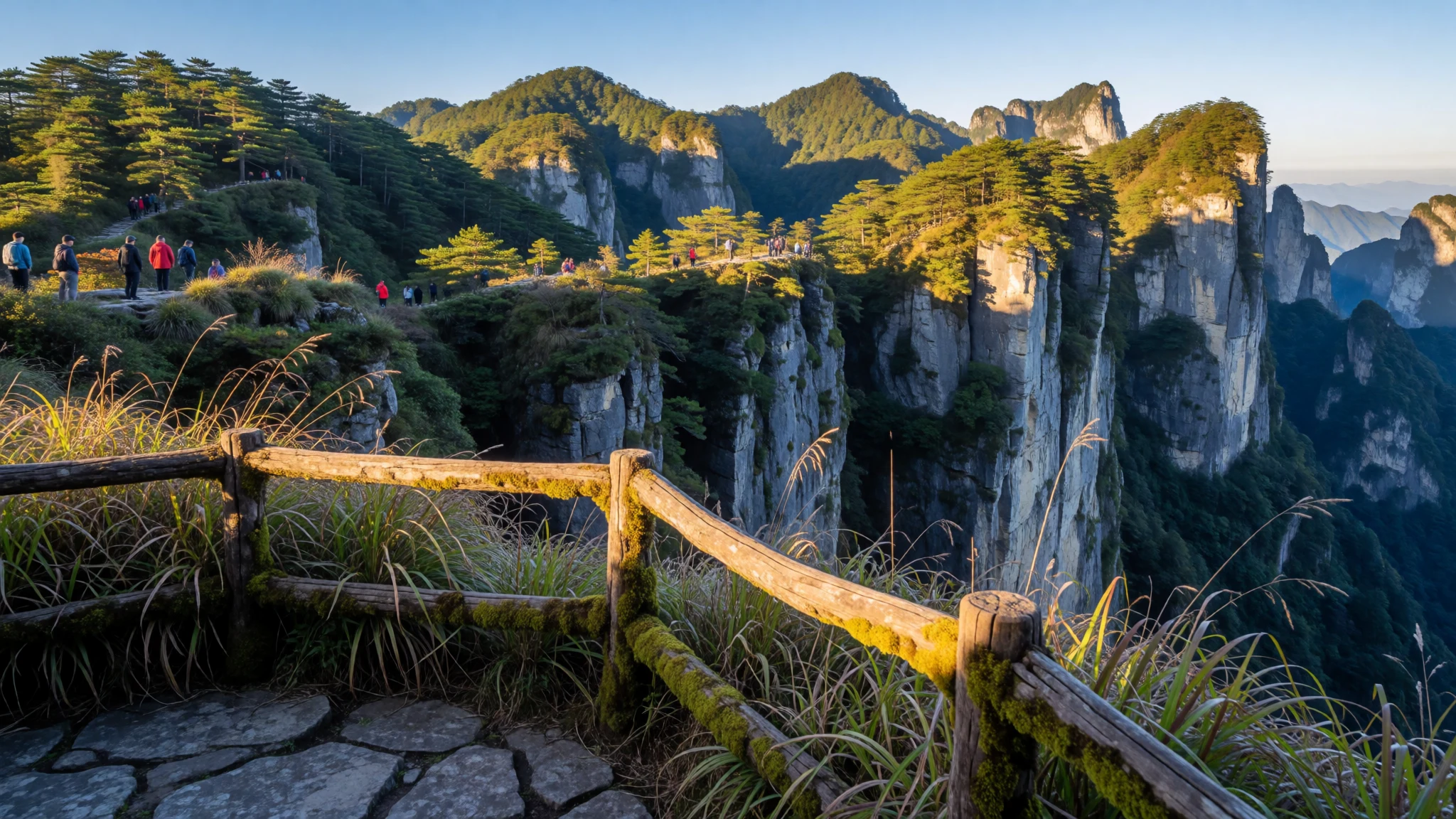
Tianmen Mountain has a natural arch in its cliff, a glass-floored walkway and a cable car that starts in the middle of Zhangjiajie.
The place
Tianmen Mountain (天门山, Tiānmén Shān, 'Heaven's Gate Mountain') stands on the edge of Zhangjiajie, a city in the northwest of Hunan province, China. The summit is 1,519 m above sea level, and the whole massif lies inside Tianmen Mountain National Park. What sets it apart from many mountain trips is how close it sits to town. The cable car station is in the middle of Zhangjiajie, a short walk from the train and bus stations, so a day on the mountain can begin with breakfast in the city.
The older cable car lifts passengers in about 15 minutes to a plateau above the famous gate, a giant arch in the rock face. Up there, walkways, viewing platforms and a temple spread across the top. Clear days give long views over the surrounding hills. Mist does not ruin a visit either: the cliffs and neighbouring peaks take on a moody, half-hidden look, though distant panoramas disappear, so it pays to be ready for either.
Tianmen is one of two big draws around Zhangjiajie. The Wulingyuan Scenic Area, with its own tall cliffs and pillars, is the other, and many travellers pair them. Tianmen is the more engineered of the two. Cable cars, buses, an escalator and a cliff-edge walkway mean the summit is reachable by people who could not manage the steep stairs. That ease comes with crowds, especially at weekends and public holidays, when queues for tickets and for the glass-floored walkway can be long. Starting early helps. Small shops on the mountain sell water and soft drinks, so little needs carrying beyond a windproof layer.
Its story
Tianmen Mountain owes its name to a collapse. Chinese travellers and writers had long treated the peak as a place of wonder, and a cave had opened in its cliff. In the year 263 the back of that cave fell away, leaving an open arch right through the mountain. Sky could now be seen through the opening, and the peak was renamed Heaven's Gate Mountain to match.
The idea behind the name is easy to grasp on site. A gate normally separates one realm from another, and here a natural doorway frames cloud and light high above the valley floor. Mountains in Chinese tradition have often been thought of as meeting points between earth and sky, and an arch large enough to look through gave that feeling a literal shape.
The old way up is a steep staircase climbing the slope toward the arch, and it still draws walkers who want to earn the view. The modern story is one of access. A cable car now runs from the city centre, buses wind up the mountain road, and the area has been organised as a national park. Zhangjiajie builds much of its tourism around this mountain and the nearby Wulingyuan area.
Standing below the arch, or looking down from the plateau, makes the scale clear. A cave roof that gave way in the third century left behind a name that has lasted ever since, and a landmark that people still travel a long way to see.
What to see
- The Heaven's Gate arch — Tianmen Mountain National Park
The arch is the mountain's signature: a vast opening in the cliff where the cave once stood. It is best taken in from several angles, from the staircase below, from the cable car as it climbs, and from the plateau. Cloud often drifts through, which changes the picture within minutes.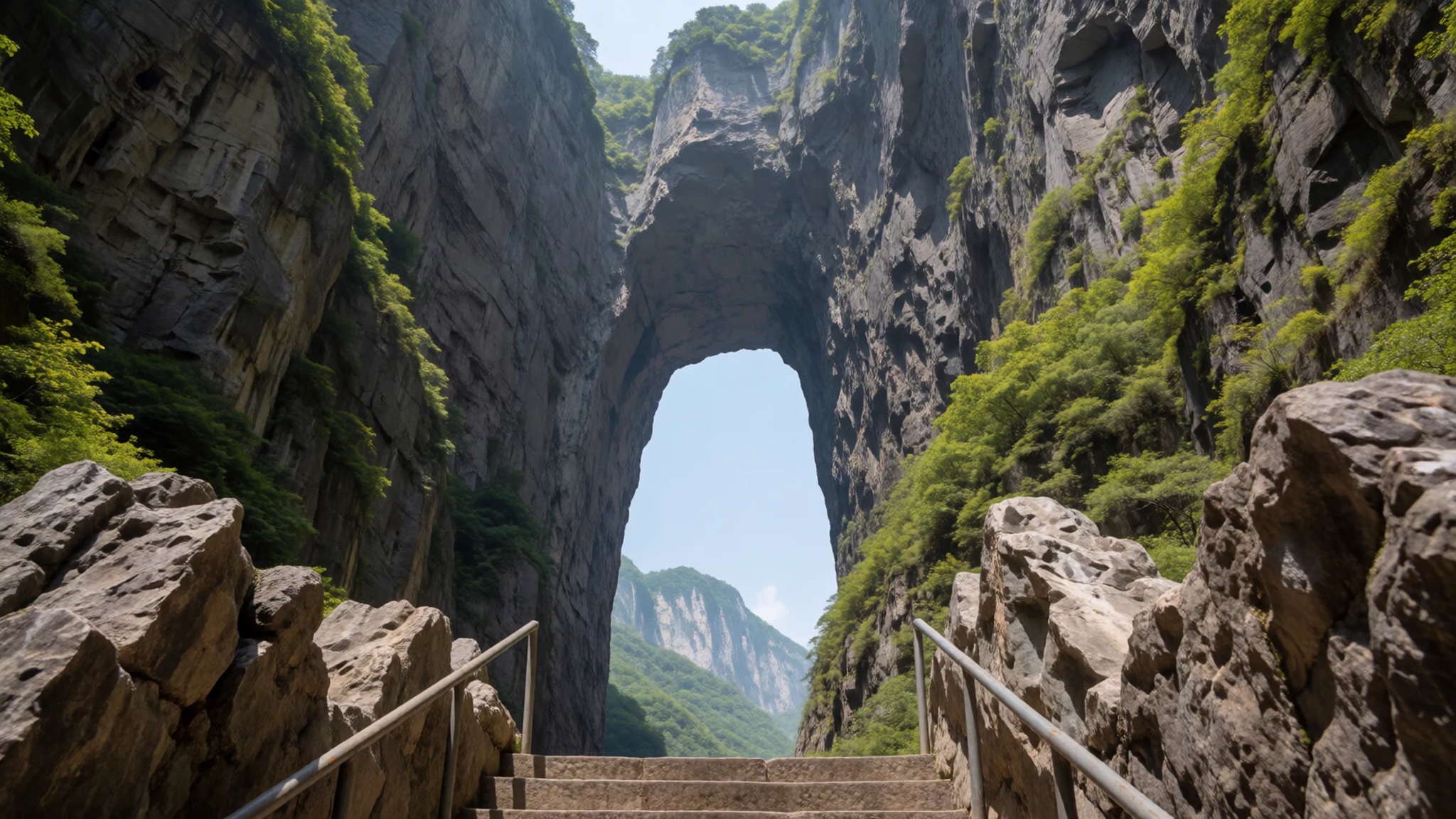
- The glass-floored walkway — Summit walkways
A short stretch of the cliffside path has a transparent floor over a drop of hundreds of metres. Some visitors find it thrilling, others cannot take a step. It is optional, and the ordinary stone sections of the walkway give the same views without the nerves. Queues build up at busy times.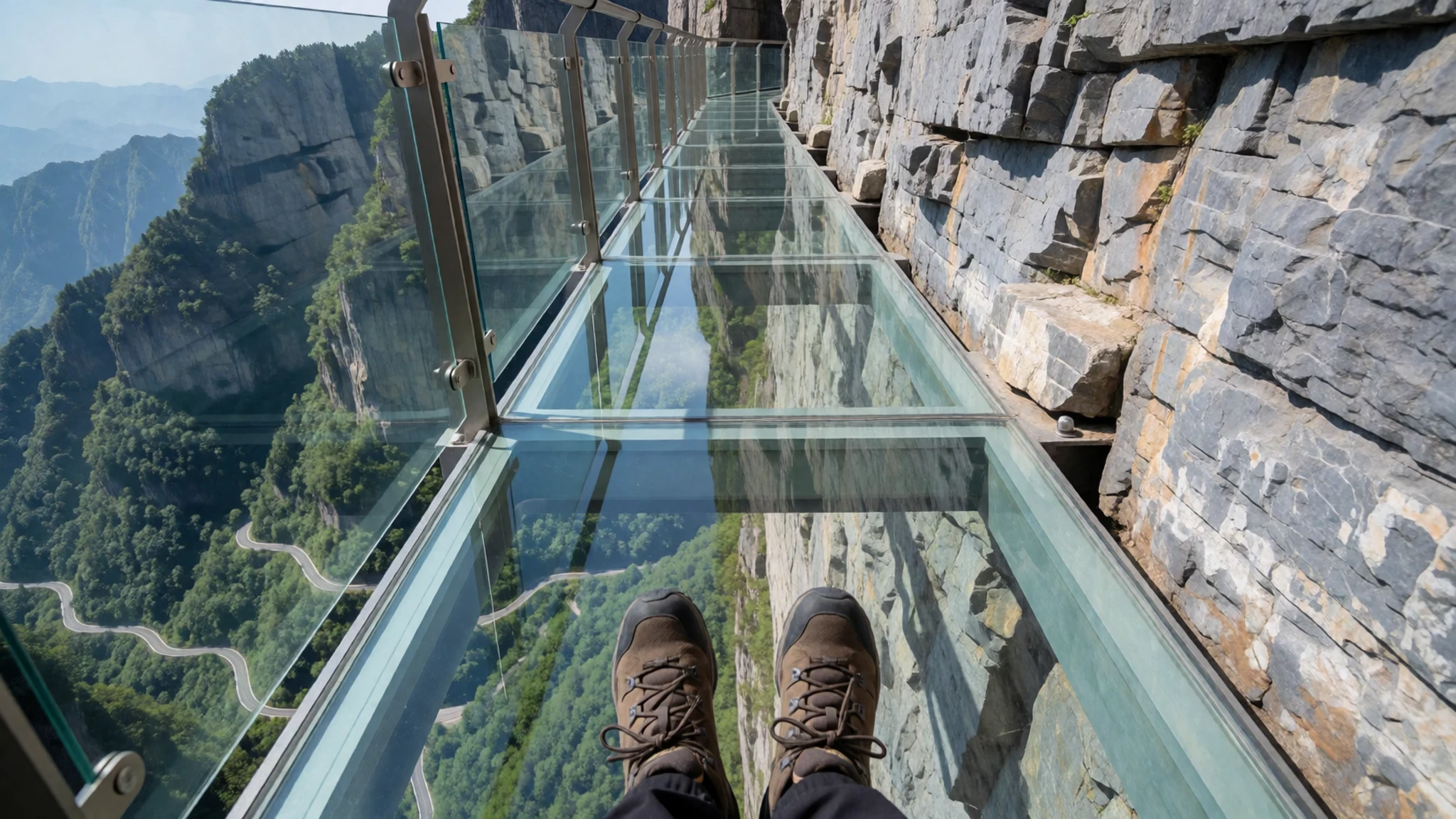
- The cable car ride — Zhangjiajie city centre station
The older cable car climbs from the edge of Zhangjiajie city to the plateau above the gate, in about 15 minutes. The ride is a sight in itself, with the town shrinking below and the cliffs growing closer. A shorter express cable car and a bus road offer other ways up or down.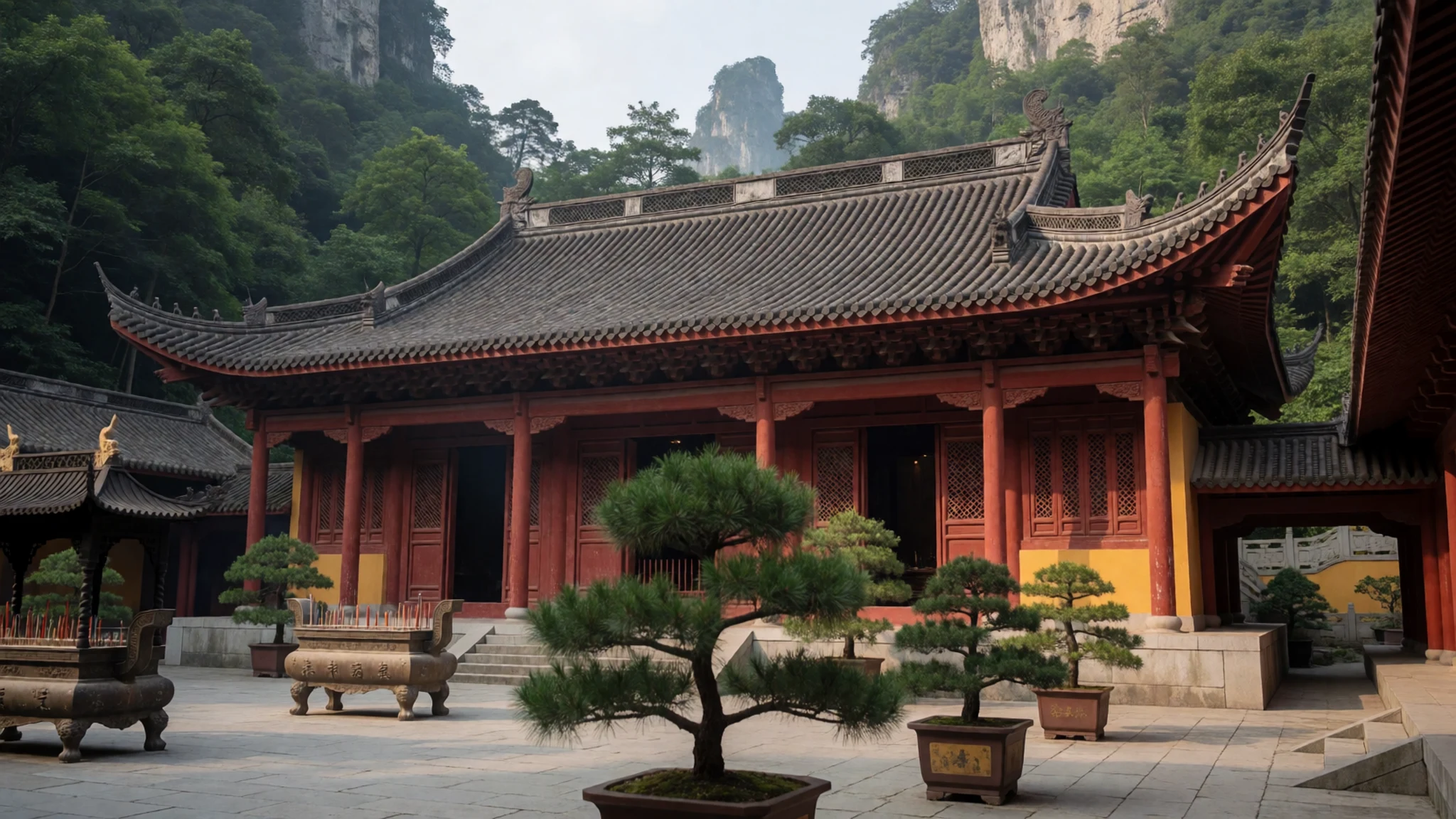
- The stairway to the gate — Below the arch
A steep flight of stairs leads from the lower slope toward the arch. Many visitors only look at it from a bus or the viewing points, but climbing part of it gives a sense of how big the opening is. Take it slowly, rest often and watch the steps, which can be wet.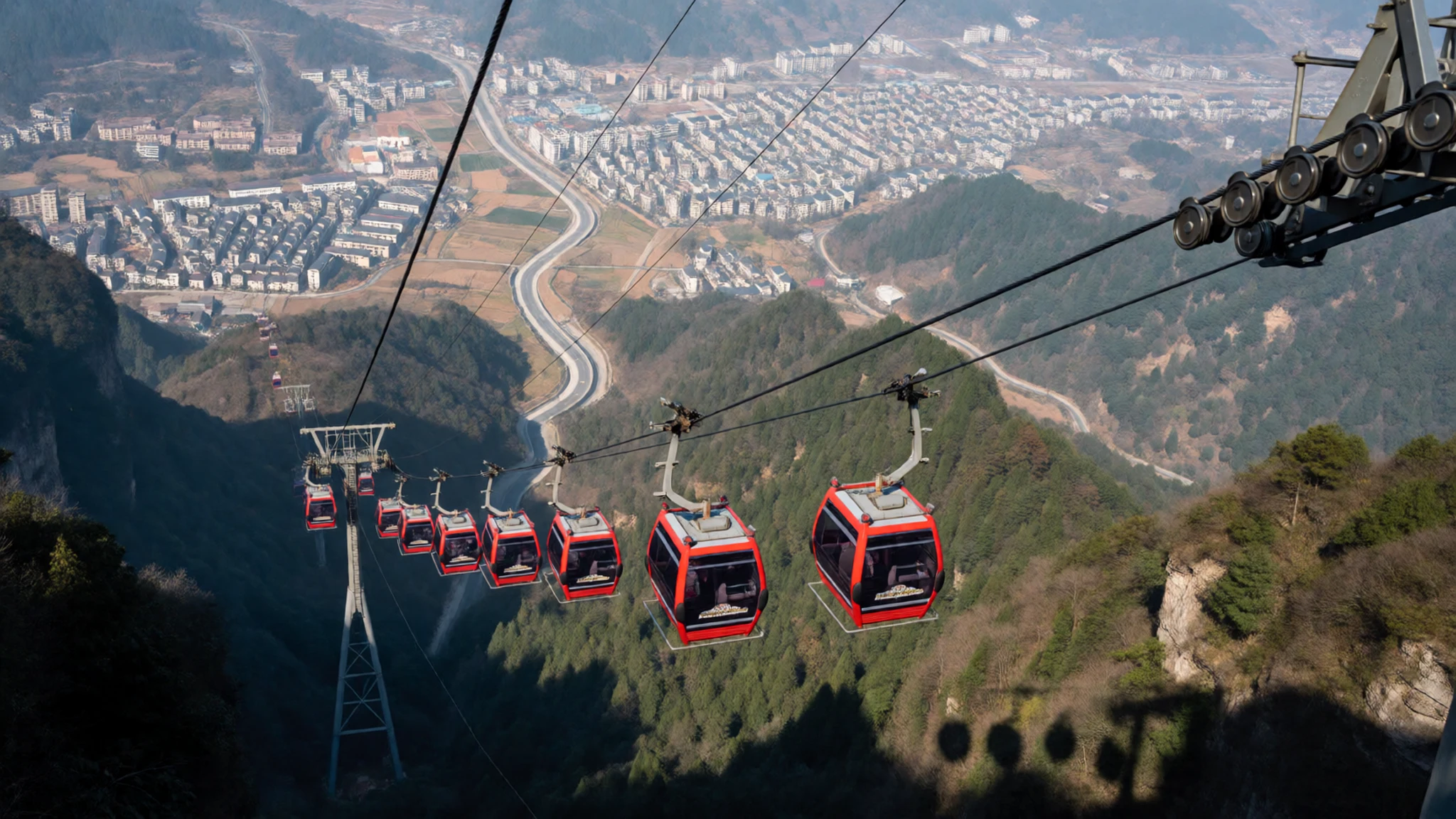
- Tianmenshan Temple — Summit plateau
A temple stands on the mountain, entered through a traditional gatehouse. It adds a quieter note to a busy summit, and a reminder that people have climbed here for reasons beyond the views. Visitors can look around respectfully, and it makes a good pause between the walkways.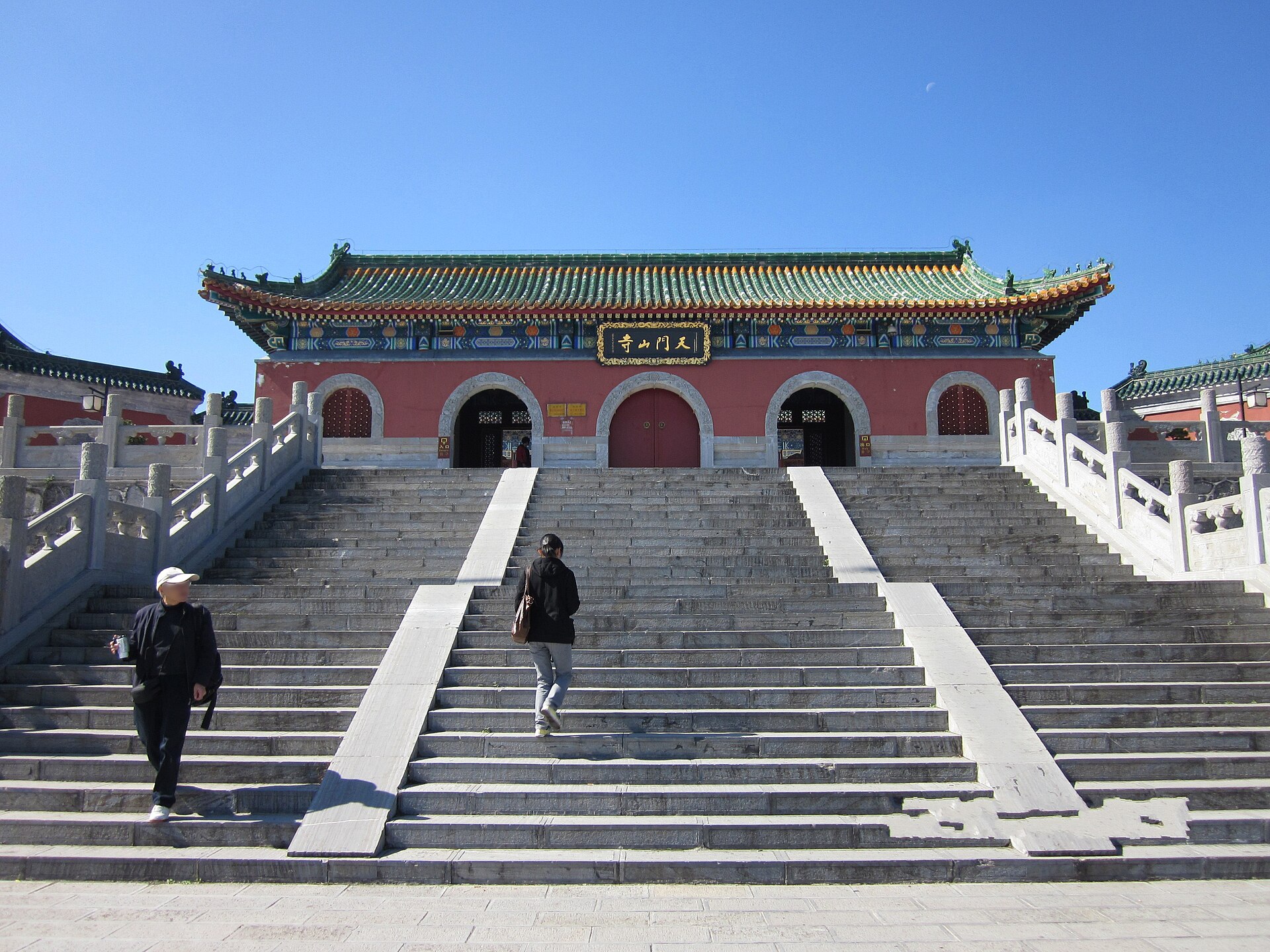
Culture
Tianmen Mountain sits in a part of Hunan where Chinese mountain traditions meet the local cultures of western Hunan, including the Tujia and Miao communities who live across the region. Mountains in China have long been places of pilgrimage, poetry and quiet reflection, and the idea of a gate to heaven fits easily into that habit of seeing peaks as thresholds. The temple at the top keeps a trace of that older purpose, and some visitors light incense or pause in front of the shrine halls.
Most of the people on the mountain today are domestic tourists, often in family groups or organised parties, and the atmosphere is cheerful and noisy. Photography is a central part of the day, and people are patient about taking turns at the best viewpoints. Queuing is orderly at ticket windows and cable car stations, though crowds at public holidays can feel crushing, and a little patience goes a long way.
Guides and vendors are part of local life too, selling souvenirs, snacks and local crafts. Prices are usually fixed in official shops, and polite bargaining is more usual at open stalls. Offering a smile and a short greeting in Chinese, such as nǐ hǎo, is appreciated and costs nothing.
At Tianmenshan Temple, keep your voice low, follow any signs about where photography is allowed, and do not photograph worshippers at prayer without asking first.
What to wear
Tianmen Mountain lies in the Zhangjiajie region, home to Tujia and Miao communities whose traditional dress is still seen at festivals and in performances for visitors. Tujia textiles are known for brocade woven in bold geometric patterns, often on cotton, and worn as jackets, bags and decorative panels. Miao dress is associated with embroidered cloth, indigo-dyed cotton and silver ornaments, especially elaborate headdresses and necklaces worn for celebrations.
Everyday clothing around Zhangjiajie is practical and casual. Local people wear jeans, jackets and trainers, with light waterproofs in wet weather, and many day trippers arrive in sports clothes, sun hats and bright rain ponchos. Group tours sometimes dress in matching caps, which makes them easy to spot on crowded walkways.
For a visit, comfort and safety come first. Wear shoes with a good grip, since the stairs and paths can be steep and slippery when wet. Layers are wise, because the summit is cooler and windier than the city, and mist can bring a chill even in warmer months. Carry a compact rain jacket or umbrella and a sun hat for clear days. Shoe covers are often handed out for glass walkways, so follow staff instructions. Shoulders and knees do not need covering for the mountain, but a neat, modest style is sensible at the temple.
What to eat
- Sanxiaguo (three-down-the-pot) — Local eateries in central Zhangjiajie
A Zhangjiajie favourite: a hot, spicy stew of meat, vegetables and tofu simmered together in a pot at the table. It is a communal dish, good after a day of walking. Look for it at local eateries in the city centre.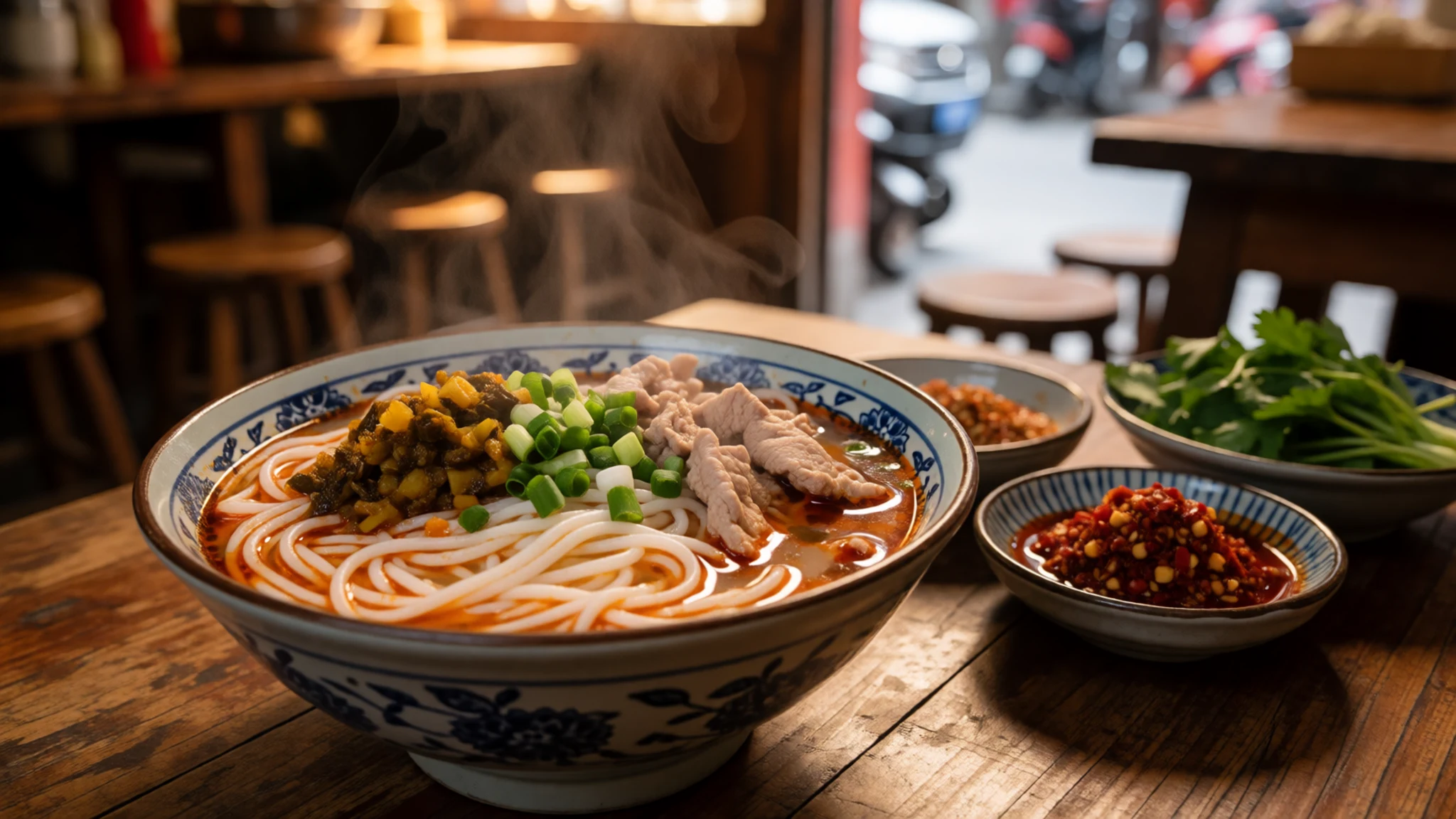
- Tujia smoked pork (làròu) — Tujia-style restaurants and city markets
Pork cured over smoke gives a deep, salty flavour, and it is often stir-fried with chillies, garlic or bamboo shoots. It is a staple of Tujia home cooking in western Hunan and appears on most menus in town.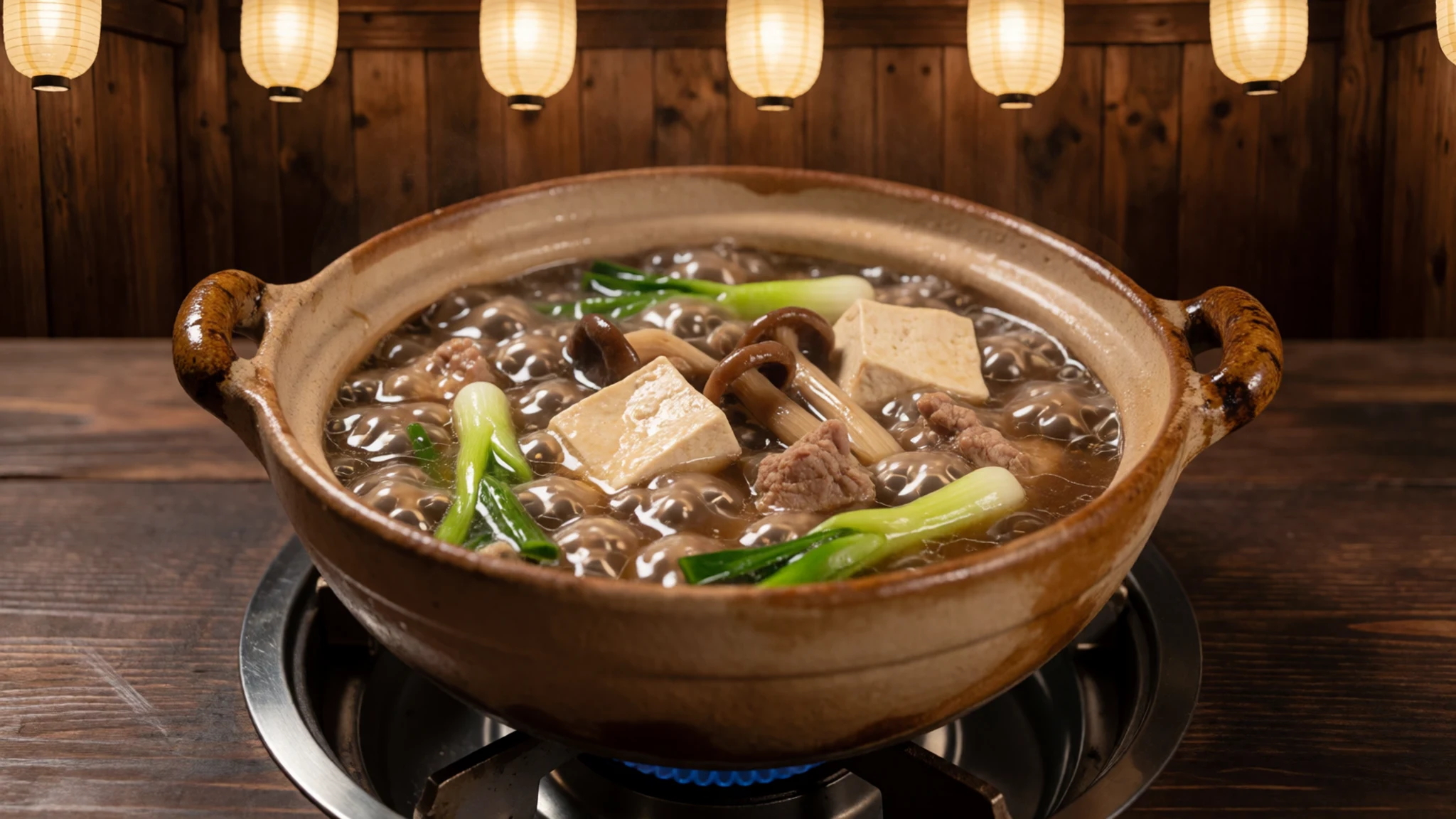
- Rice noodles (mǐfěn) — Breakfast noodle shops near the station
Bowls of soft rice noodles in spiced broth with pork, pickles and chilli oil are a common breakfast across Hunan. They are cheap, quick and filling before an early cable car ride. - Ciba (sticky rice cakes) — Street stalls and local markets
Pounded glutinous rice shaped into cakes, then fried or toasted and eaten with sugar or savoury toppings. It is a traditional Tujia snack, chewy and warming. Street stalls and festival stands are the best places to try it. - Wild vegetables and bamboo shoots — Farmhouse-style restaurants around Zhangjiajie
Mountain greens, fungi and bamboo shoots appear in stir-fries and soups across the region, often with plenty of chilli. They give a fresher counterpoint to the heavier meat dishes. Ask for seasonal vegetable dishes at village-style restaurants.
Plan it
Best time. April–May and September–October are usually the most comfortable months, with milder temperatures and a fair chance of clear views. Summer is hot and humid, with rain and mist likely, and winter is cold. Fog can hide the view in any season, so allow some flexibility in the schedule.
How long. 1–2
Getting there. Zhangjiajie has an airport on the outskirts of the city, though flights are limited. Trains and buses from Changsha take roughly four hours. The cable car station is in central Zhangjiajie, a few minutes' walk from the train and bus stations.
Budget. mid
Tips
- Buy tickets in advance through the official channels, or check what is available on arrival, because rules and prices change.
- Carry some cash, and if using Alipay or WeChat, set up a linked card before arriving.
- Go early on weekends and public holidays, when queues for cable cars and the glass walkway are longest.
- Pick a hotel near the cable car station and save its phone number, since maps of the area can be incomplete and taxi drivers may not know it.
Etiquette
- Queue patiently at ticket windows and cable car stations.
- Keep voices low and ask before photographing worshippers at the temple.
- Take litter back down with you or use the bins provided.
Nearby
Sources
- Wikidata Q3861073 (CC0)
- Wikipedia: Tianmen Mountain (rev 1385236663) (CC BY-SA 4.0)
- Wikivoyage: Tianmen Mountain (rev 5107041) (CC BY-SA 4.0)
- Photo 01: xiquinhosilva (CC BY 2.5)
- Photo 02: DMY (CC BY-SA 4.0)
- Photo 03: xiquinhosilva (CC BY 2.5)
- Photo 04: xiquinhosilva (CC BY 2.5)
- Photo 05: xiquinhosilva (CC BY 2.5)
- Photo 06: huangdan2060 (Public domain)
- Photo 07: huangdan2060 (Public domain)
- Photo 08: xiquinhosilva (CC BY 2.5)


