Telmen Lake
Telmen Lake, Mongolia
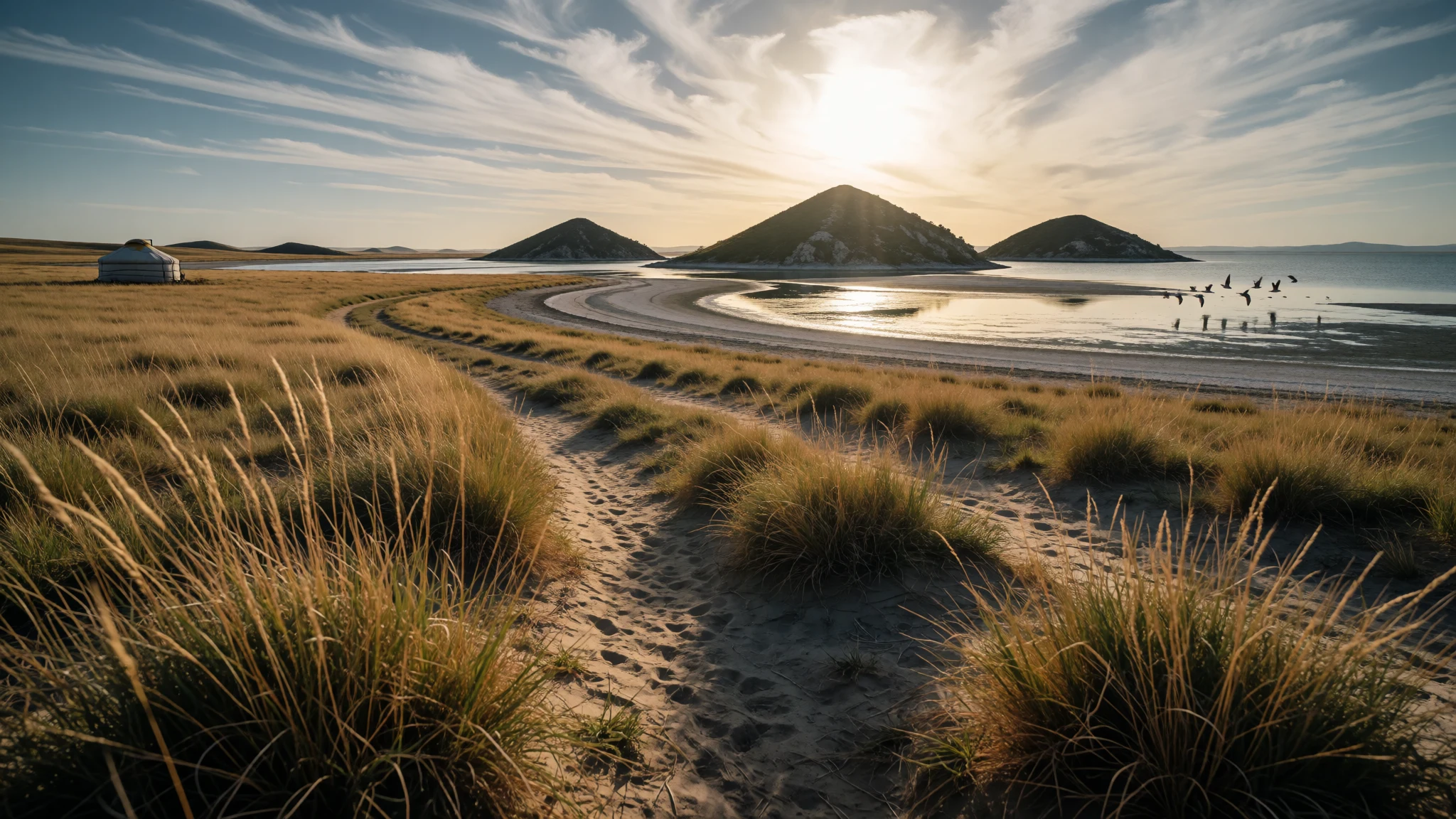
Telmen Lake is a quiet saltwater lake on the western Mongolian steppe, valued for its migrating birds, wide skies and almost empty shores.
The place
Telmen Lake sits in Zavkhan Province in western Mongolia, a saltwater lake spread across two districts, Nömrög and Telmen (Тэлмэн нуур in Mongolian script). The water lies about 1,789 m above sea level, on open steppe where the horizon is wide and trees are scarce. Three islands rise from the lake, and they matter more to birds than to people. Telmen is a gathering point for migratory species, and BirdLife International has designated it an Important Bird Area. That status is the best reason to come, because the lake is quiet in a way few places are. Little here is built for tourists: no resort strip, no promenade, no crowds to queue behind. What a visitor finds instead is shoreline, grass, sky, herders' gers scattered in the distance and the sound of wind and waterbirds. The climate is severe. January averages far below freezing, and July is hot, so the lake belongs to a short, bright summer and a long, hard winter. Because the water is salty, it is no use for drinking, and the shore can be soft and marshy in places. Services are thin on the ground, which is part of the appeal and part of the challenge. Planning a trip means thinking about fuel, food, water and a reliable driver before anything else. People who enjoy birdwatching, photography and empty space will be rewarded; anyone wanting a checklist of sights will not.
Its story
Telmen Lake has a history written in its own water level. Radiocarbon dating of the basin shows that, several thousand years ago, the lake stood noticeably shallower than it does now, by a margin of some metres. That tells researchers the lake has risen and fallen with the climate, and that the shore a visitor walks today is only one chapter of a longer record. Lakes in Mongolia's dry interior tend to respond quickly to changes in rainfall and meltwater, so a shift in weather can redraw the edge of the water. The human story is quieter and thinly documented in the material behind this reading. The surrounding steppe belongs to Mongolia's pastoral tradition, in which herding families move livestock between seasonal pastures and live in felt-covered gers. A lake like Telmen works in that life as a landmark and a place on the route, even if its salty water is not what herders rely on. The modern chapter is conservation. Recognition by BirdLife International as an Important Bird Area put the lake on a map of sites that matter for birds far beyond Mongolia, because migrating flocks use places like this as stopovers on long journeys. Writing about Telmen honestly means admitting the gaps: no great monument, no founding date and no famous battle is attached to it in the available sources. Its story is one of water, weather, grass and wings, and it is best read at the shore rather than in a museum.
What to see
- The lake shore — Telmen Lake, Zavkhan Province
Telmen Lake is best taken slowly on foot along the shore. The ground is open and the views are long, with the water changing colour as clouds pass. Take care on soft, marshy edges, and keep a layer handy, because wind off the lake cools quickly even on sunny days.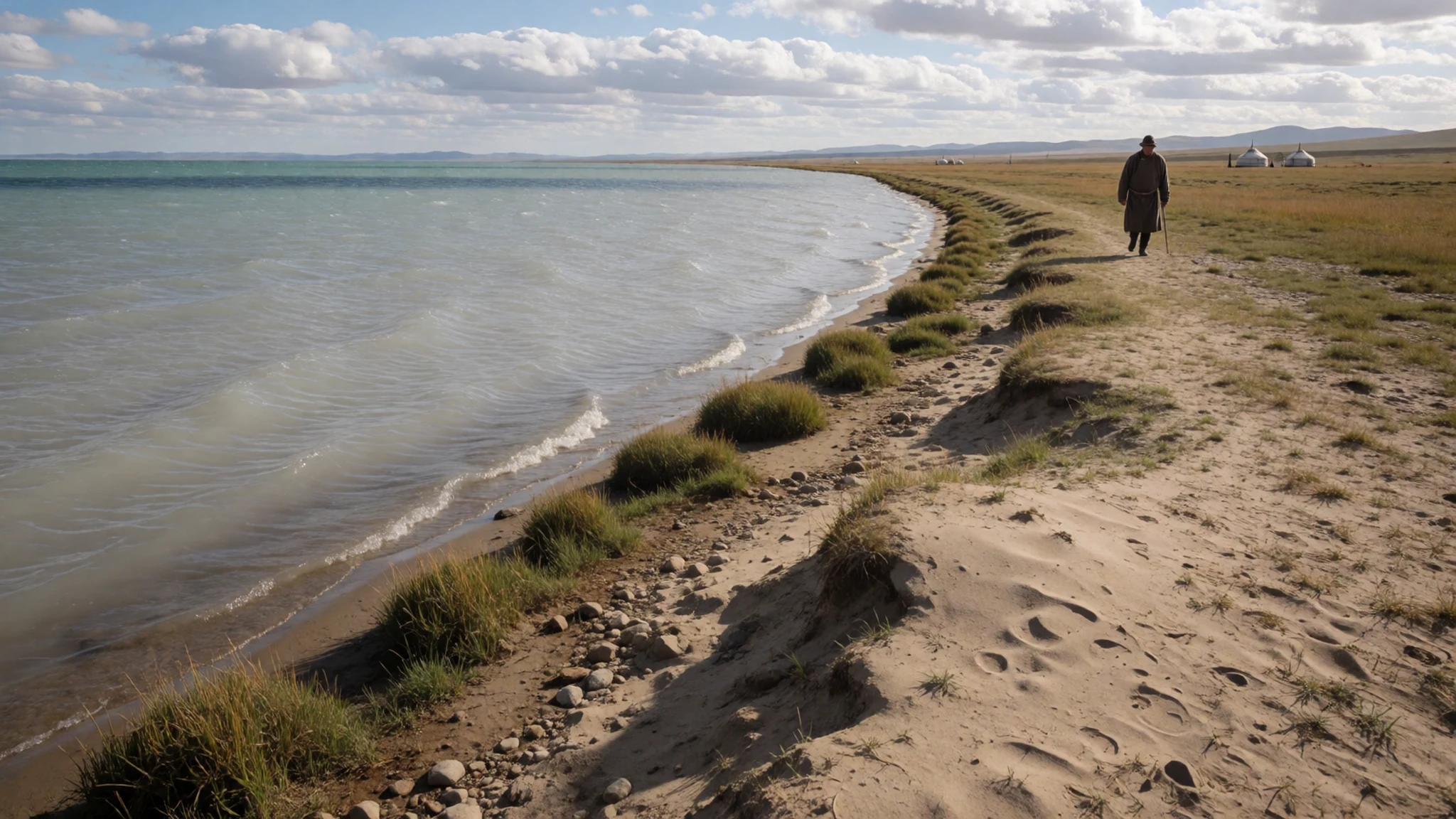
- The three islands — Out on the lake
Three islands lie in Telmen Lake, and they are part of why birds gather here. They are seen from the shore rather than visited, and binoculars or a long lens make the difference. Ask local guides about any access rules before approaching, since nesting and resting birds are easily disturbed.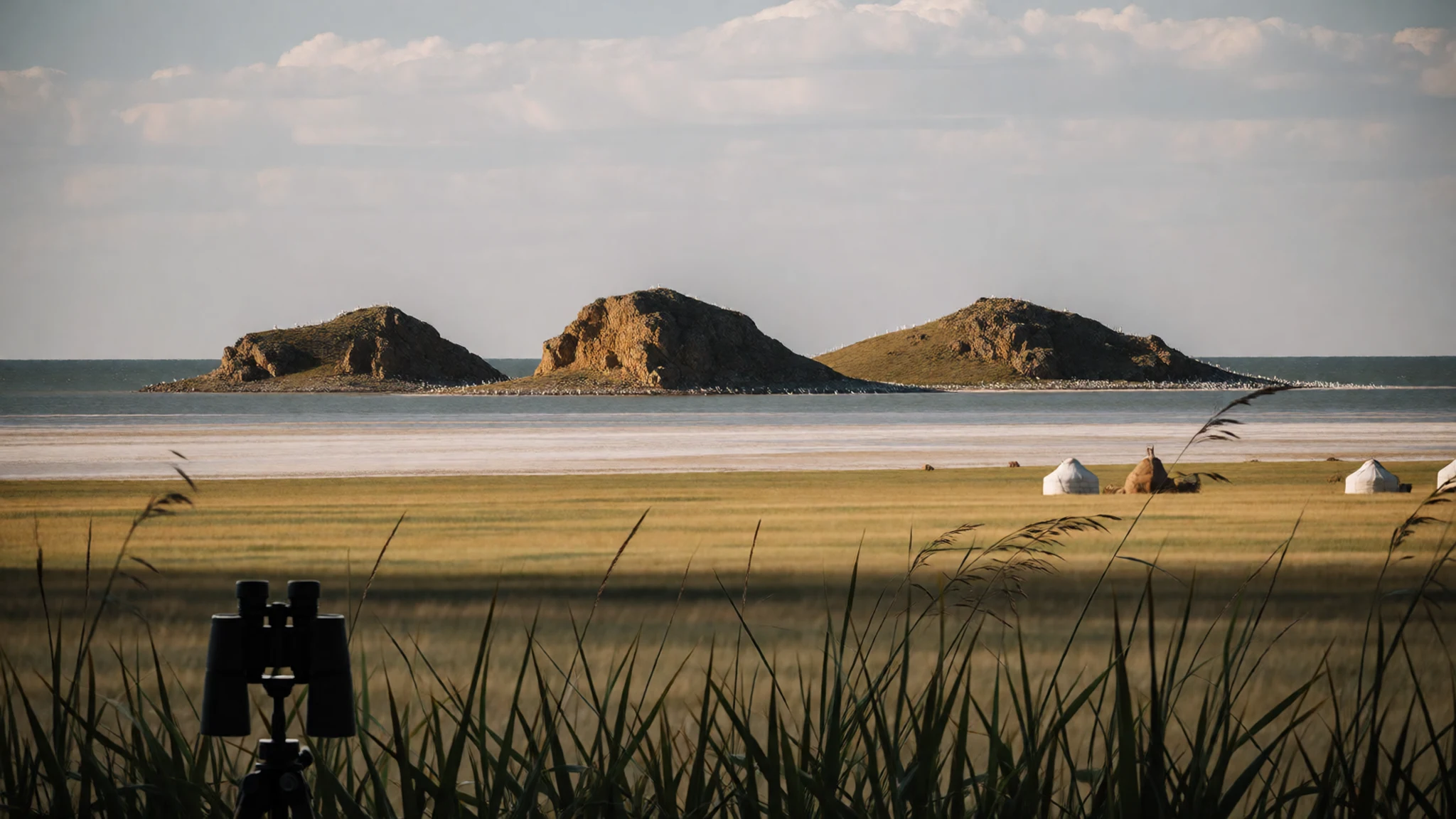
- Birdwatching in the shallows — Lake margins, Telmen district
The lake is an Important Bird Area, so migration seasons reward patient watching. Spring and autumn bring passing flocks, while summer offers breeding species around the margins. Bring binoculars and a field guide, sit still near the water in early morning, and let the birds settle around you before moving on.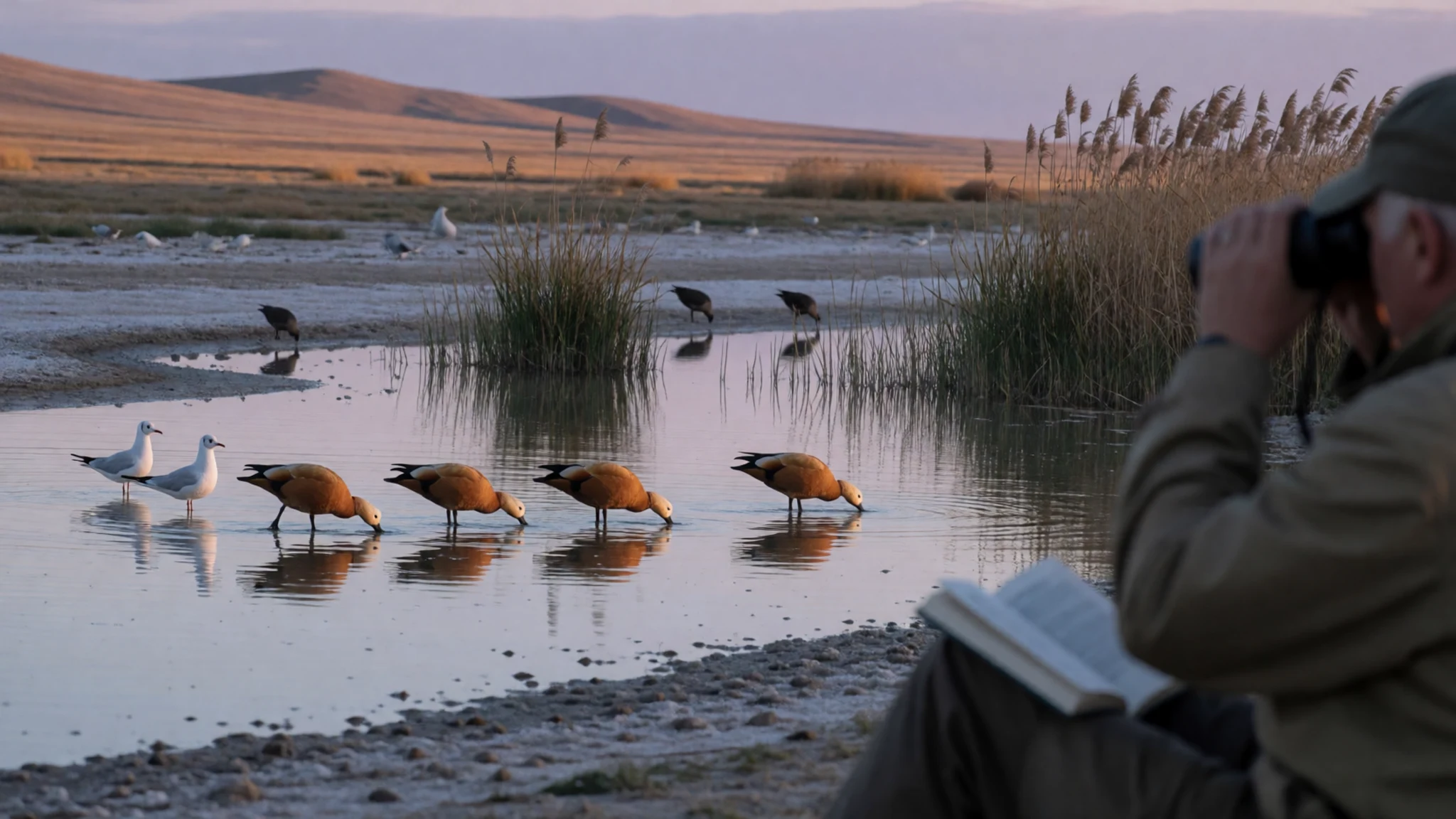
- The steppe of Telmen district — Telmen district, Zavkhan
Around the lake the steppe rolls out in grass and low hills, with far horizons and little shelter. A drive or walk away from the shore gives a feel for how large western Mongolia is. Expect livestock on the tracks, scattered gers and a sky that dominates every photograph.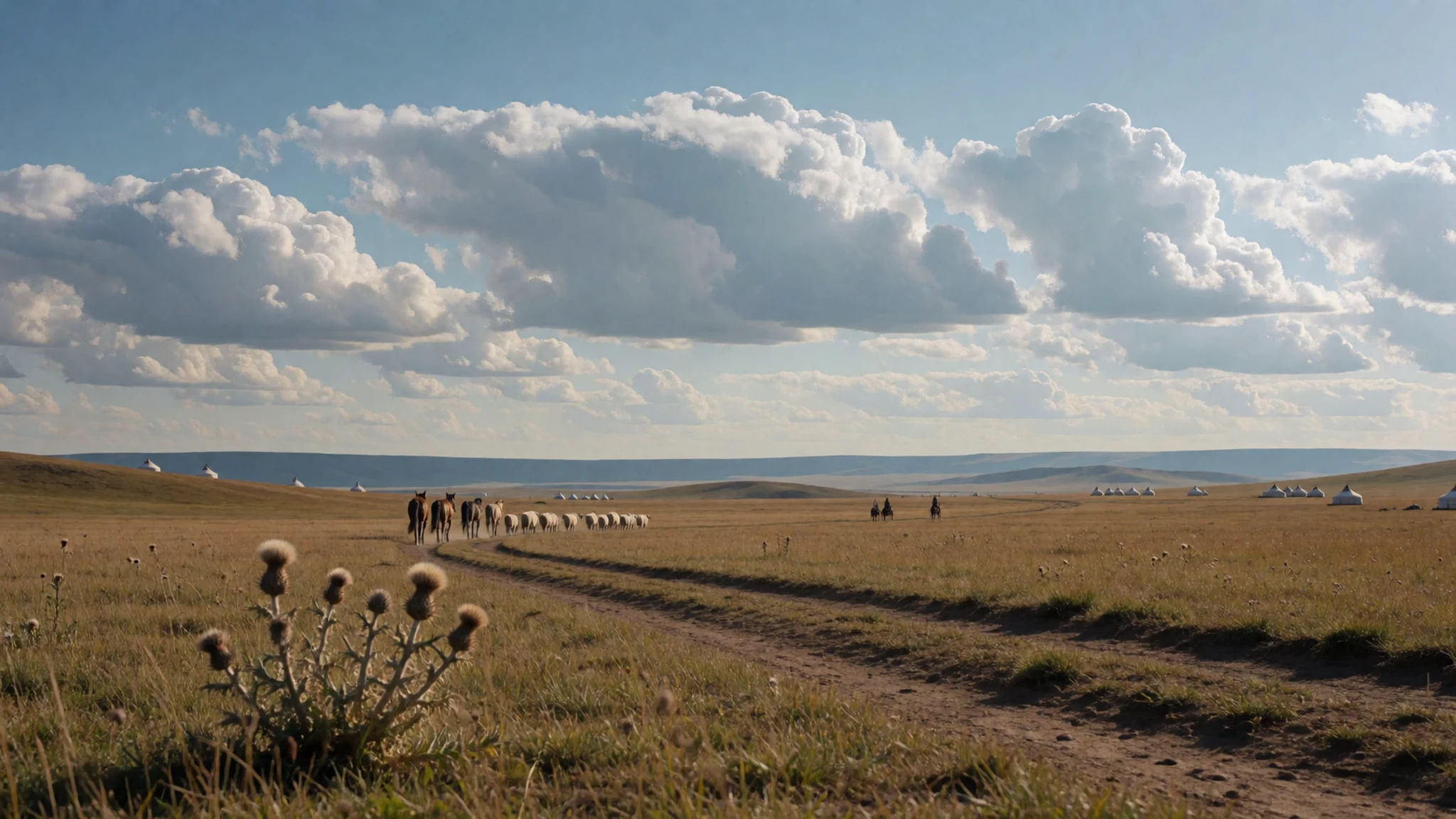
- Herding camps near Nömrög — Nömrög district, Zavkhan
The lake's second district, Nömrög, is where many travellers meet herding life most directly. In summer, families keep animals on the surrounding grass and sometimes welcome visitors for tea. Go with a driver-guide who can introduce you, bring a small gift from town, and treat the visit as a conversation, not a photo stop.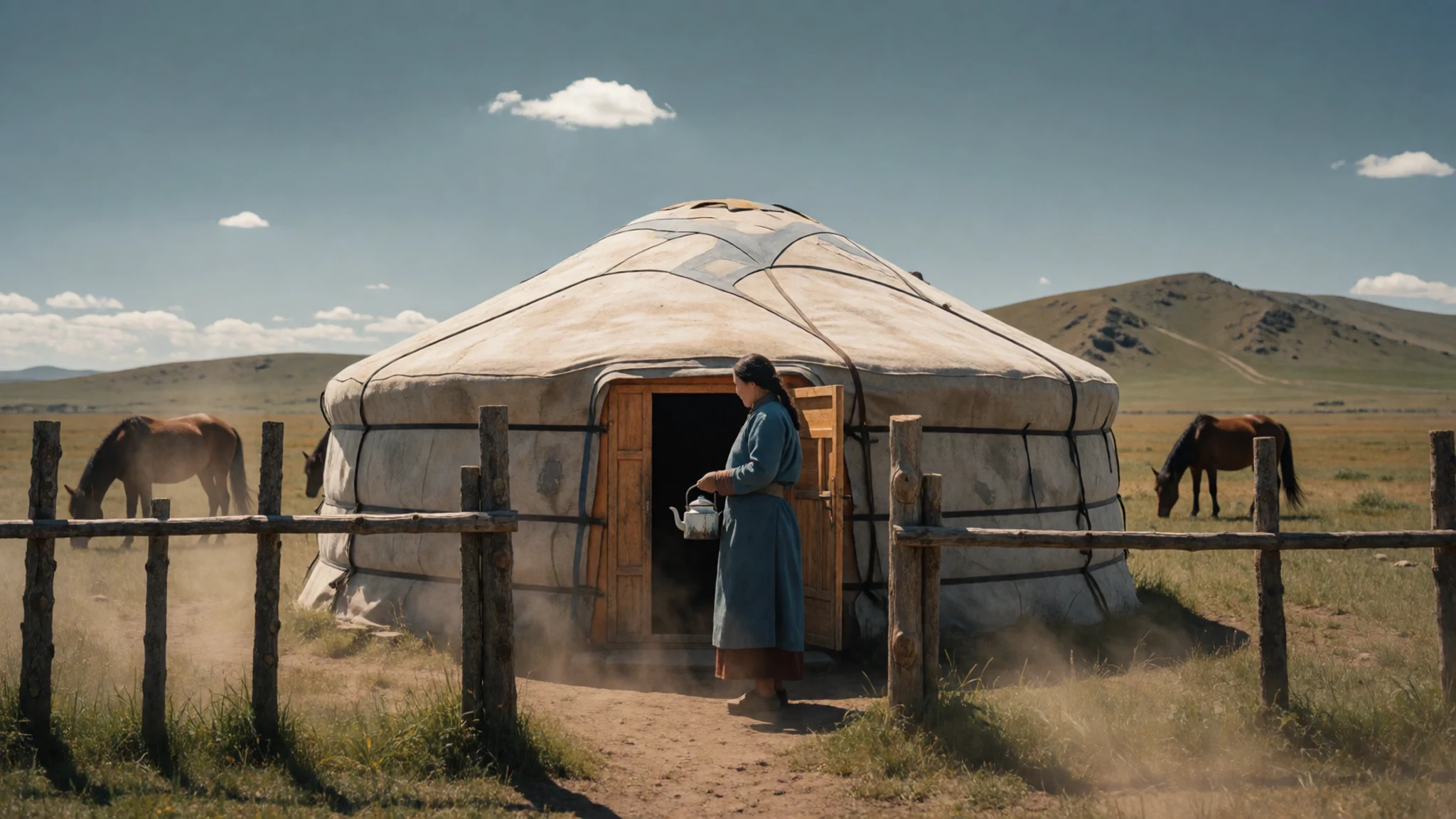
Culture
Telmen Lake lies in a part of Mongolia where life still follows herding rhythms, and visitors meet that culture first as hospitality. Families on the steppe live in gers, the round felt-covered tents, and a traveller who stops to ask directions may well be offered tea, often salted and milky, and sometimes dried curds. Accepting is part of the exchange. Across Mongolia the landscape carries spiritual meaning: cairns of stones called ovoo mark passes and hilltops, and people walk round them clockwise, leaving a stone or a small offering for safe travel. Lakes and mountains are often treated with respect rather than as scenery, and many herders avoid polluting open water. Horses matter deeply; they are ridden, raced and praised in song. Winter is hard, so summer is when camps are busiest and visitors are most likely to see families moving or milking. A driver-guide from Ulaanbaatar or Uliastai will turn a silent encounter into a conversation. Mongolian greetings are warm but unhurried, and silence is not rudeness. When invited into a ger, step over the threshold without treading on it, move clockwise, accept tea or food with your right hand, and never lean on the central pillars.
What to wear
Telmen Lake lies in Zavkhan, where traditional dress means the deel, a long wrap-over robe that fastens at the side and is held with a bright sash. Everyday deels are cut from cotton or wool, winter ones are lined or trimmed with sheepskin, and festive ones use silk brocade in deep blues, greens and burgundy. Herders pair them with tall leather boots with upturned toes, called gutal, and felt or fur-trimmed hats. The deel is worn daily by many herding families and more widely at festivals, weddings and the Naadam season. Away from the steppe, people dress as they would in any cool, windy place: jeans, fleece, padded jackets, trainers or sturdy boots, with the deel kept for occasions. Visitors should dress for weather rather than ceremony. Bring layers, because mornings are chilly and wind off open water cuts through thin clothing even in summer. A windproof and waterproof jacket, warm hat, gloves, sun hat and sunglasses all earn their space. Footwear should be broken-in boots with good grip for soft, marshy ground. Modest dress is not strictly policed at the lake, but covered shoulders and knees are polite when visiting families or monasteries on the way. Keep a warm layer for evenings in a ger, and a down jacket if travelling outside high summer.
What to eat
- Suutei tsai — Any herder's ger or ger camp
Salted milk tea is the first thing offered to guests around Telmen Lake. It is warm, savoury and filling, sometimes made with a little millet or butter. Take a small cup, sip it slowly, and expect a refill unless you signal you have had enough.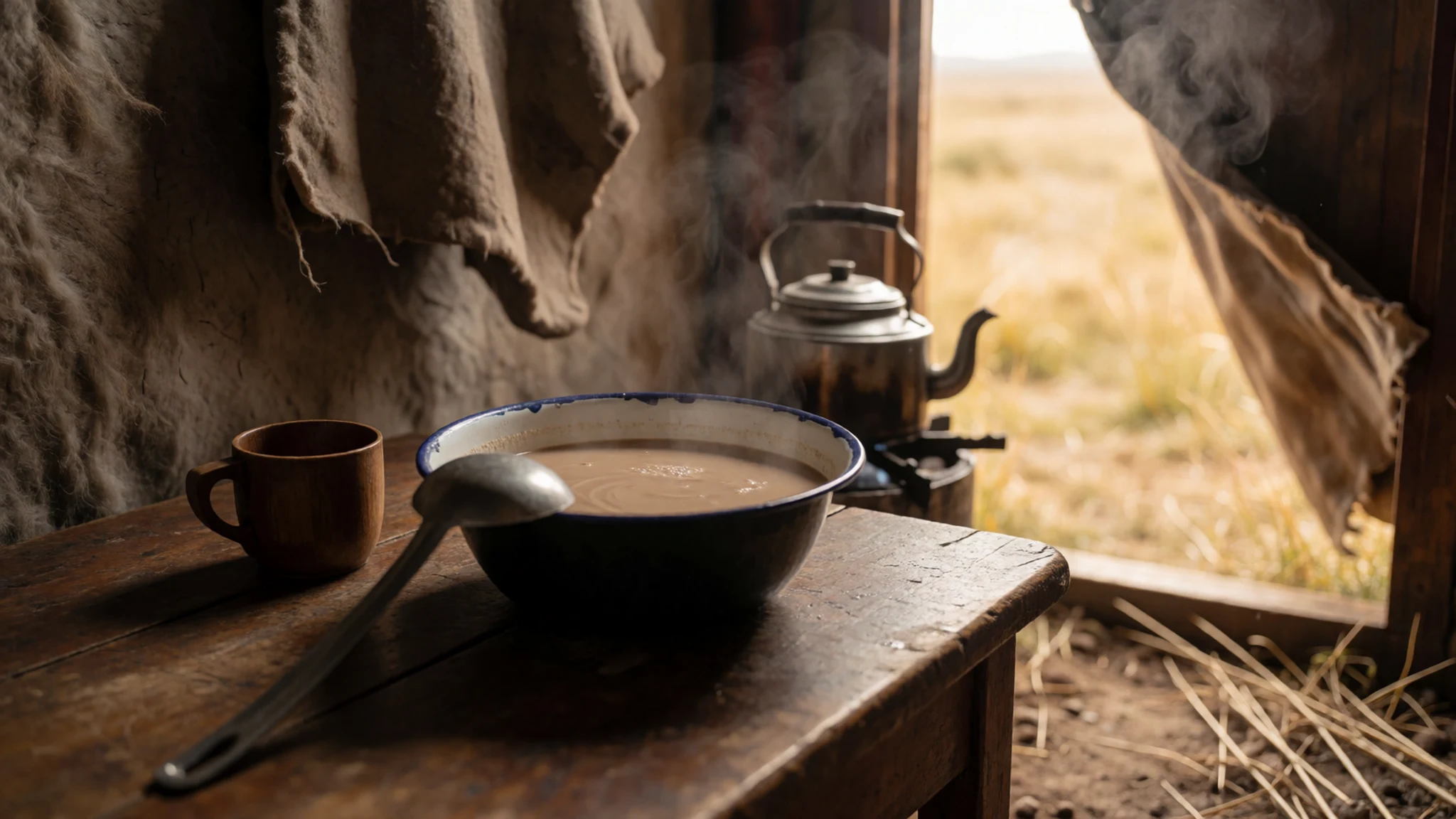
- Buuz — Ger camp kitchens and small eateries in Uliastai
Buuz are steamed dumplings filled with minced mutton or beef, onion and a little seasoning. They are eaten by hand, often in a handful, and are a staple of celebrations. Bite a small hole first to sip the juices, then eat the rest.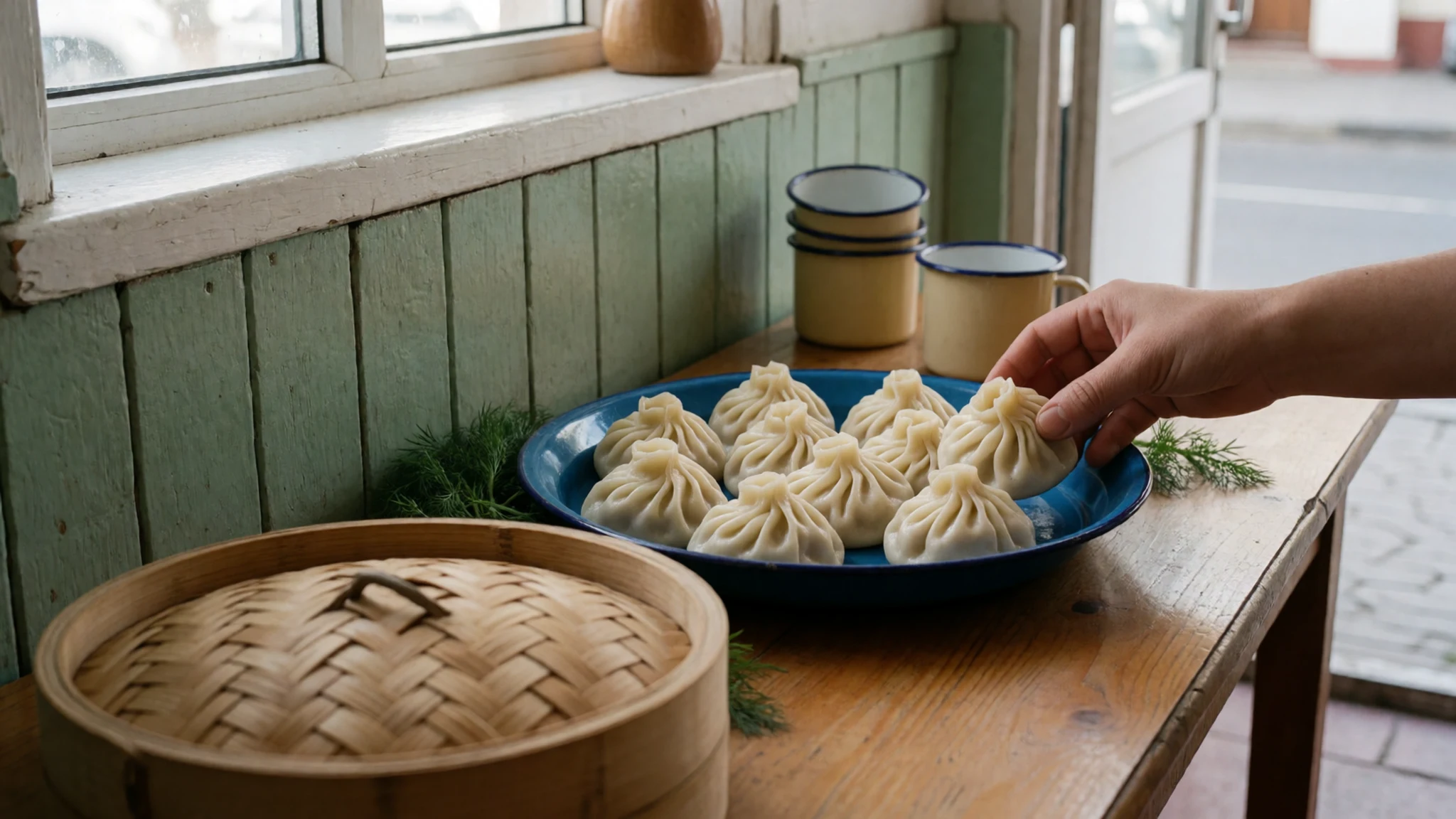
- Khuushuur — Roadside canteens and market stalls in town
Khuushuur are flat fried pastries filled with minced meat, crisp at the edges and juicy inside. They make a practical lunch on a long drive across the steppe. Eat them hot, with plain tea, and watch for the first spurt of fat. - Tsuivan — Local canteens and home-style kitchens in Uliastai
Tsuivan is a one-pan dish of hand-cut noodles steamed with meat and vegetables, usually carrots, onion and potato. It is hearty rather than refined, and welcome after a cold day outdoors. Portions are generous, so share if you are not hungry. - Aaruul and airag — Herding camps in summer
Aaruul are hard dried curds, sour and chewy, carried by herders as a snack. Airag is fermented mare's milk, slightly fizzy and tangy, made in summer. Both are acquired tastes. A polite sip or nibble is enough if they do not suit you.
Plan it
Best time. June to August is warmest, and January is bitterly cold, so the lake is a summer destination. May and September suit birdwatchers who want migration and can cope with chilly nights.
How long. 2–3
Getting there. Fly into Chinggis Khaan International Airport near Ulaanbaatar, then take a domestic flight towards Uliastai in Zavkhan if the schedule suits, or travel overland with a hired driver. Check current flight timetables and road conditions. The last leg to the lake is on steppe tracks, so arrange a high-clearance off-road vehicle with an experienced driver.
Budget. mid
Tips
- Book a driver-guide and vehicle well ahead, especially for the short summer season
- Carry cash, because cards are unlikely to work outside Uliastai
- Bring all the drinking water, snacks and fuel you need, as services near the lake are thin
- Pack layers and windproof gear, since weather can change within hours
- Bring binoculars and go to the water at dawn for the best birdwatching
Etiquette
- Step over the ger threshold without treading on it, and accept tea or food with your right hand
- Keep a respectful distance from nesting birds and do not approach the islands without local advice
- Ask before photographing people, their animals or their homes
Nearby
Sources
- Wikidata Q2570858 (CC0)
- Wikipedia: Telmen Lake (rev 1366774157) (CC BY-SA 4.0)
- Wikivoyage: Mongolia (CC BY-SA 4.0)
- Telmen Lake, Mongolia, Landsat (NASA) (Public domain)
- Relief map of Mongolia (NordNordWest, Виктор_В) (CC BY 3.0)

