Tawang
Tawang, India
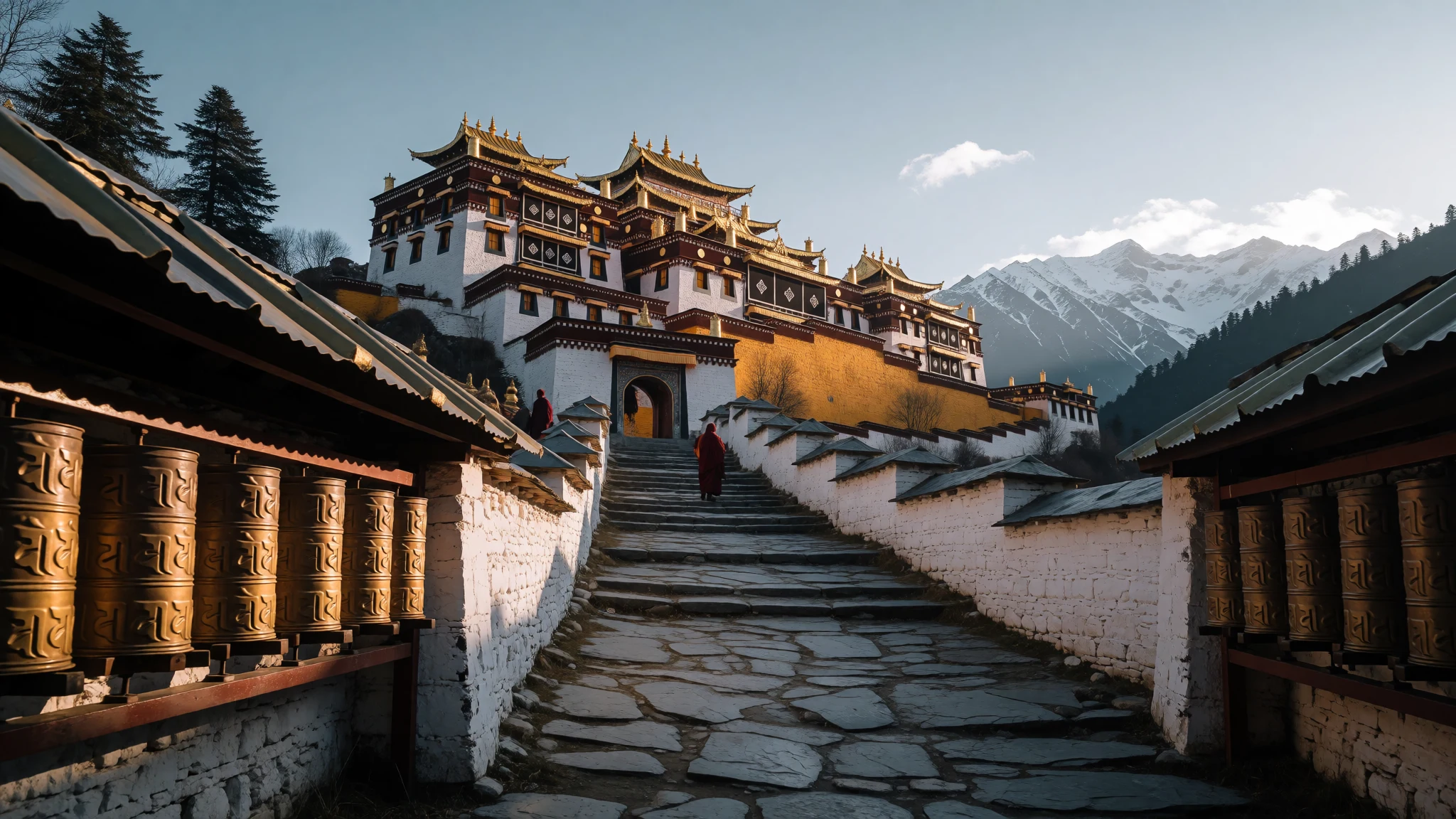
Tawang is a Himalayan monastery town where a vast Tibetan Buddhist complex looks out over pine forest and snow peaks near the Bhutan border.
The place
Tawang lies in the far west of Arunachal Pradesh, India, in the valley of the Tawang Chu, close to the borders with Bhutan and with Tibet in China. The town takes its name from the monastery that crowns a mountain spur above it, a complex described as the largest Buddhist monastery in India. Its Tibetan name, Gaden Namgyal Lhatse, is usually translated as the divine paradise of complete victory, and it belongs to the Gelug school of Vajrayana Buddhism.
The setting does much of the work. Steep stream-cut ravines fall away on the southern and western sides, a narrow spur leads in from the north, and the ground slopes gently to the east. From the compound the eye runs across coniferous forest to snow-capped ridges. The air is thin and cold even in sunshine, and cloud can fill the valley within minutes, so mornings are usually the clearest hours.
Inside the walls are a main assembly hall, a library holding old Tibetan scriptures, and many residential buildings where monks live and study. Tawang town below is a small, practical hill settlement of shops, eateries and army presence strung along a winding road. It is reached by road from Assam over high passes, and the journey is part of the experience: landslides, fog or snow can close stretches and add hours. Arunachal Pradesh requires a permit for visitors, Indian and foreign alike, so the trip needs organising before anyone sets out.
Its story
Tawang Monastery was founded in the second half of the seventeenth century by Merak Lama Lodre Gyatso, at the wish of the Dalai Lama of that time. The area then went by the old name Tsosum. Building at the chosen site proved difficult, and the Dalai Lama sent word to local people to help the lama. A well-known story says he also handed over a ball of yarn, whose length would mark the boundary of the monastery.
The politics around it were tense. Before the Gelug school gained ground here, the Nyingma tradition was dominant, and its followers were hostile to the new foundation. The Drukpa rulers of neighbouring Bhutan, who shared that Nyingma heritage, also tried to take control of Tawang. This explains the building itself: it was laid out like a fortress, on a defensible hilltop, and the word dzong is still used for that kind of fortified monastery.
For a long time the monastery kept a religious link with Drepung Monastery in Lhasa, and that link continued through the period of British rule. During the early twentieth century, the region's status was subject to British diplomatic efforts and military moves to secure the frontier. That shows a monastery acting as a local power as well as a place of worship.
The border has stayed a sensitive subject. The conflict of 1962 left a deep mark on Tawang, which is why a war memorial now stands in the town.
What to see
- Tawang Monastery — Tawang town, on the spur above the Tawang Chu valley
The main reason to come. Allow a slow morning for the assembly hall with its large gilded Buddha, the prayer wheels along the walls, and the library of old scriptures. Walk the outer path for views down the valley. Weather changes fast, so go early.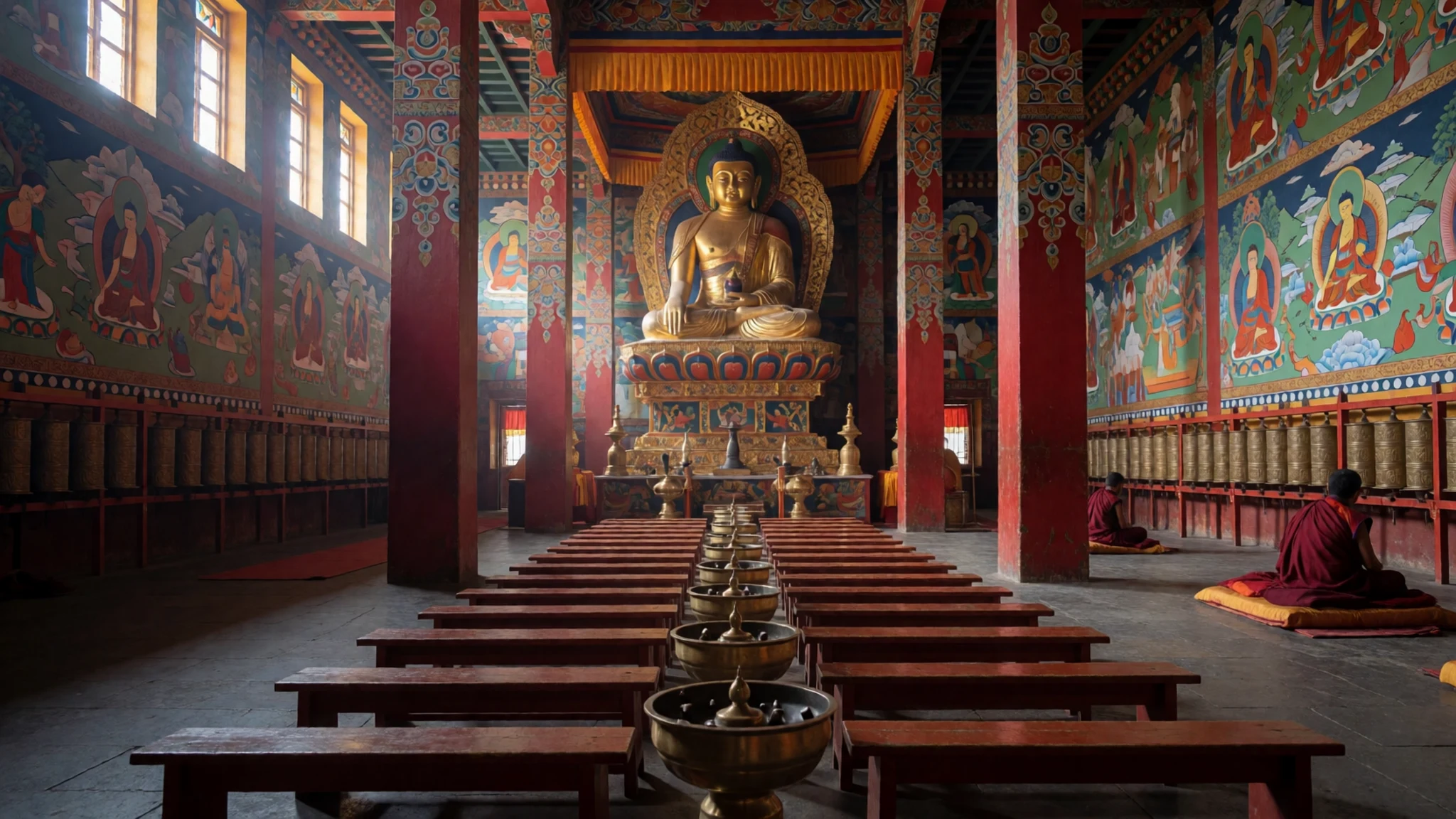
- Tawang War Memorial — Tawang town
Maintained by the Indian Army, the memorial carries the names of soldiers who died defending Tawang in the conflict of 1962. It is quiet and sombre, and many Indian visitors find it moving. Dress and behave as at any memorial, and do not photograph military installations nearby.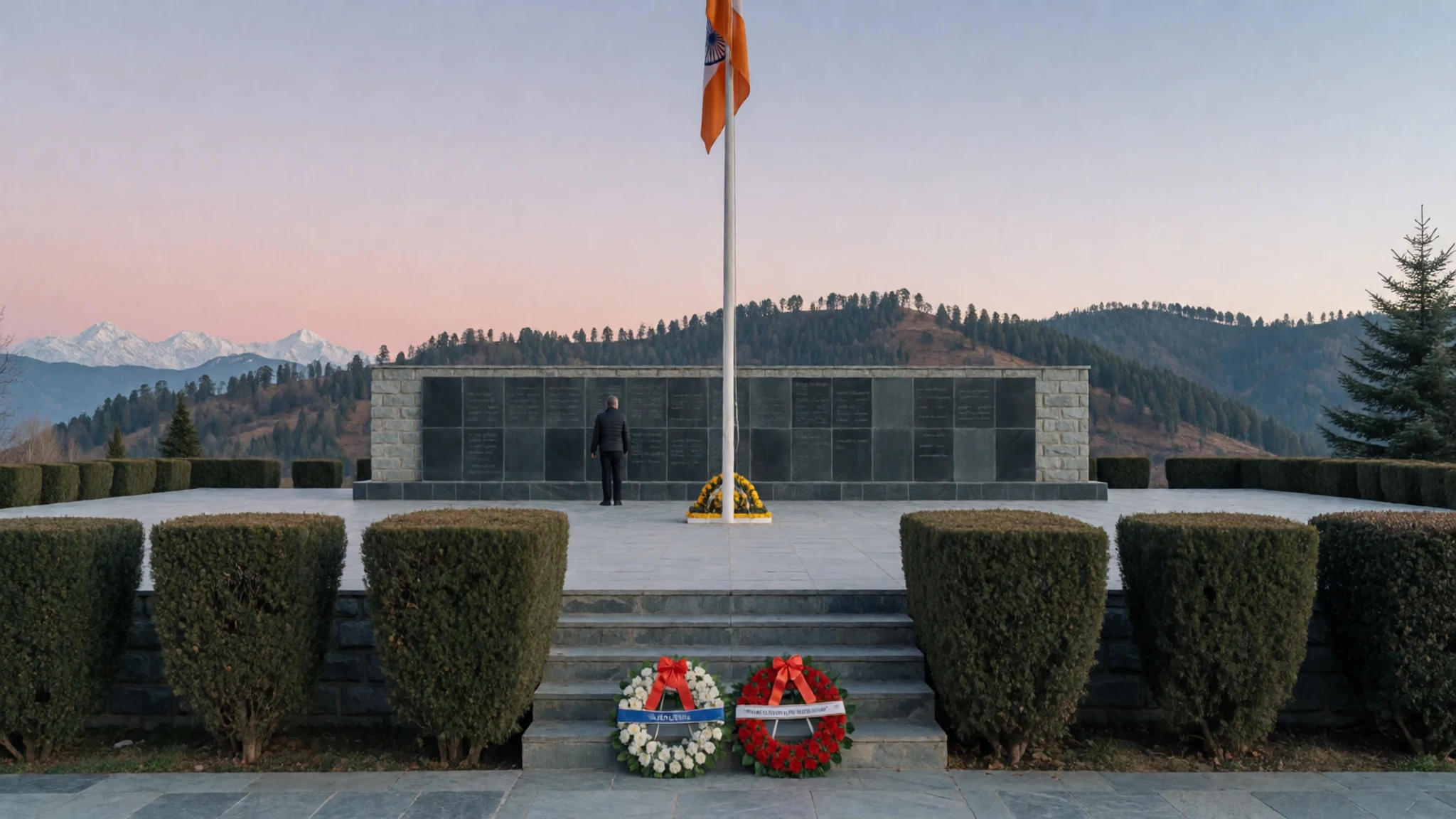
- Anni Gompa — Near Tawang town
A Buddhist monastery run by nuns, a calmer counterpart to the great male monastery. Visits are best kept short and respectful, since this is a working religious community rather than a sight. Ask before photographing anyone, and keep voices low in the prayer rooms.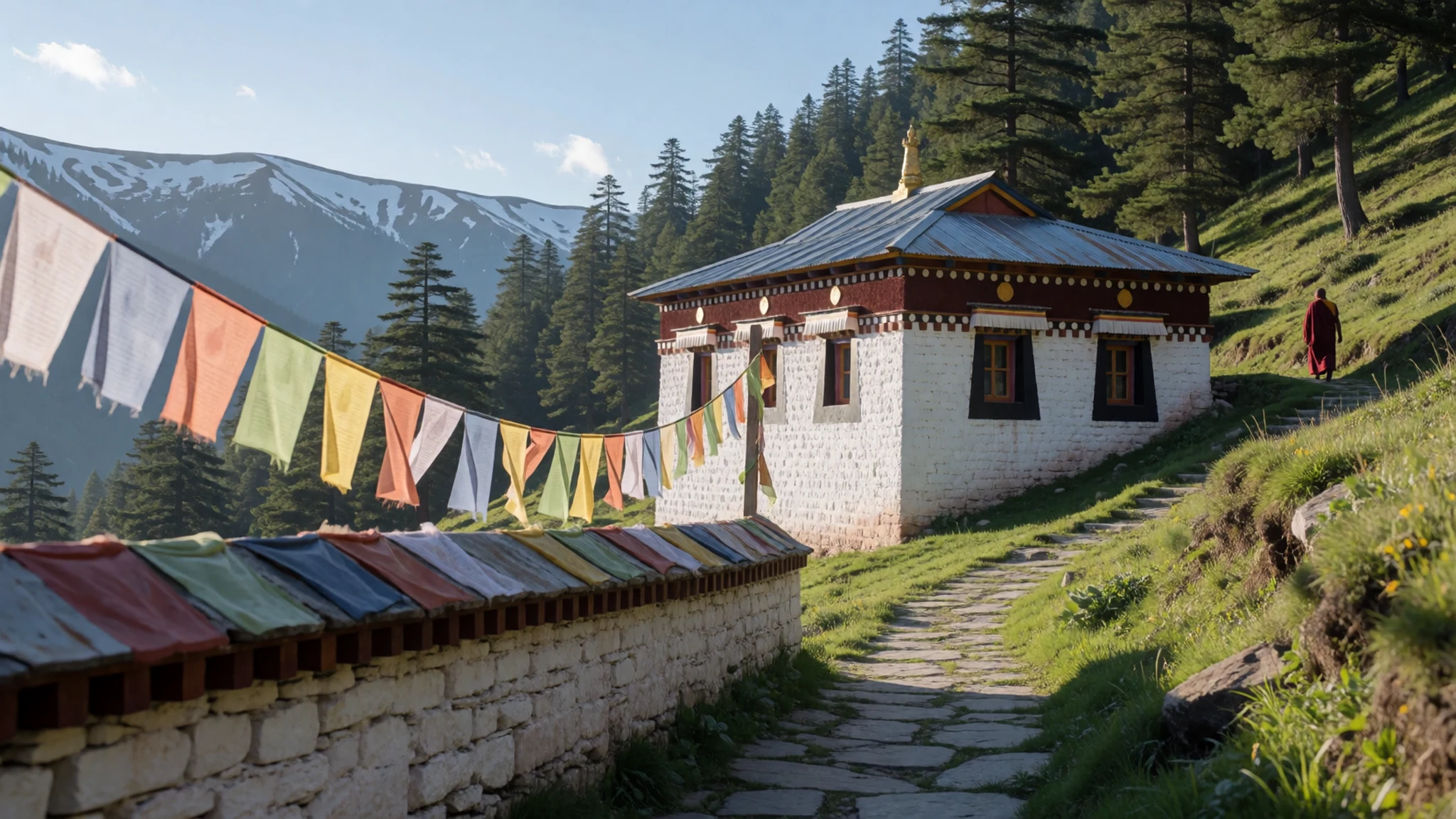
- Nuranang Falls — Road towards Bomdila, outside Tawang
A large waterfall reached by road, loud after the monsoon and thinner in the dry months. It makes a good stop on the drive in or out, with spray, rocks and mossy forest around it. Take care on wet viewing steps, and carry a rain layer.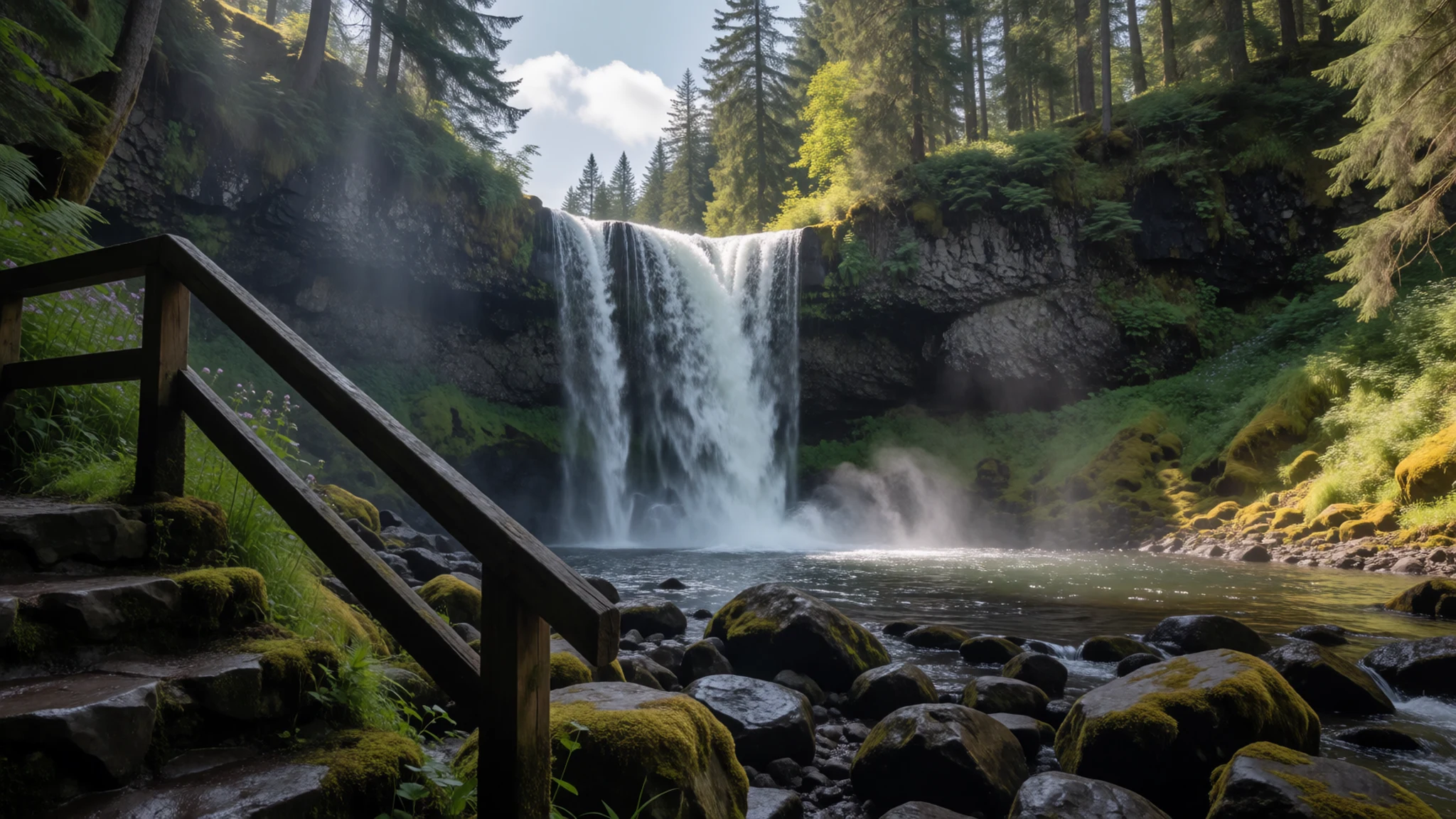
- Kameng River — Valleys of West Kameng, along the road from the plains
The Kameng, formerly known as the Bhareli, runs through the forested valleys that visitors cross on the way to Tawang. Local operators organise rafting in suitable seasons. Even without getting on the water, the river gives the long road its best views.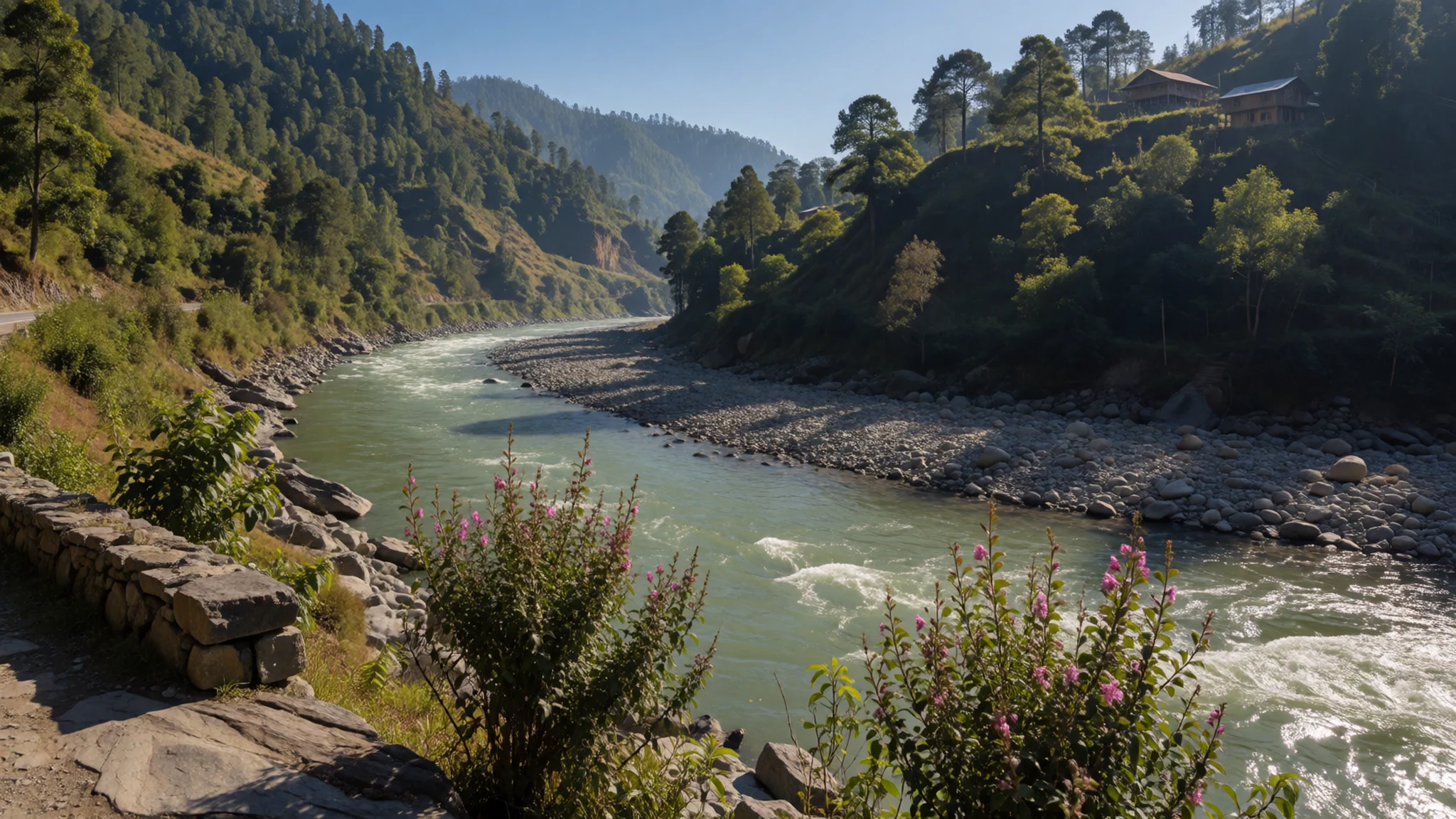
Culture
Tawang is the heart of the Monpa people's Tibetan Buddhist culture. Life here still turns around the monastery: monks chant in the early morning, villagers circle the compound clockwise, and families visit to light butter lamps and ask for blessings. Prayer flags in five colours flutter from ridges and bridges, carrying written prayers on the wind, and stone walls carved with mantras mark the paths between settlements.
The monastery follows the Gelug school, and its calendar of festivals brings masked dances, long rituals and crowds from surrounding villages. Dates move with the lunar calendar, so anyone hoping to catch one should ask locally or check with the district tourism office rather than rely on a fixed date. Arunachal's mountain communities also keep older traditions of hospitality, with tea, fermented drinks and shared meals offered to guests in homes.
The border shapes the town too. Soldiers are a daily presence, army vehicles share the road with local taxis, and memorials sit beside prayer wheels. Tawang therefore feels both devout and watchful, and visitors who understand that tend to get on best.
In the prayer hall, remove your shoes and hat, walk clockwise around shrines and prayer wheels, and ask a monk before taking any photograph inside.
What to wear
Tawang's traditional dress belongs to the Monpa people and reflects a cold, high climate. Wool is the main fibre, spun and woven by hand, with some yak hair used for hats and heavier cloth. Women wear a long, sleeveless robe over a blouse, often with a striped apron and a woollen jacket, and men wear a similar belted robe. Colourful hand-woven stripes and silk trims appear on festival days, when families bring out their best pieces. Monks wear maroon and saffron-yellow robes, a sight around the monastery every day.
In town, everyday clothing is practical: puffer jackets, fleece, woollen caps, jeans and sturdy boots, with traditional dress worn mainly at festivals, weddings and religious occasions. Many older women still wear parts of it daily.
Visitors should dress for altitude and weather first. Bring thermal layers, a windproof and waterproof outer layer, gloves, a warm hat and good walking shoes with grip, since paths can be wet or icy. Even in warmer months, evenings are cold. For the monastery and nunnery, cover shoulders and knees, and choose shoes that slip off easily because they come off at prayer hall doors. Clean socks are a sensible addition, as floors can be chilly. Avoid military-style or camouflage clothing, which may attract questions in a border district.
What to eat
- Thukpa — Almost any eatery in Tawang town
A hot noodle soup with vegetables and minced meat, sometimes called der thuk. It is the standard answer to a cold, misty day and is easy to find. Ashum thukpa, a heartier version, is made with maize, beans and meat.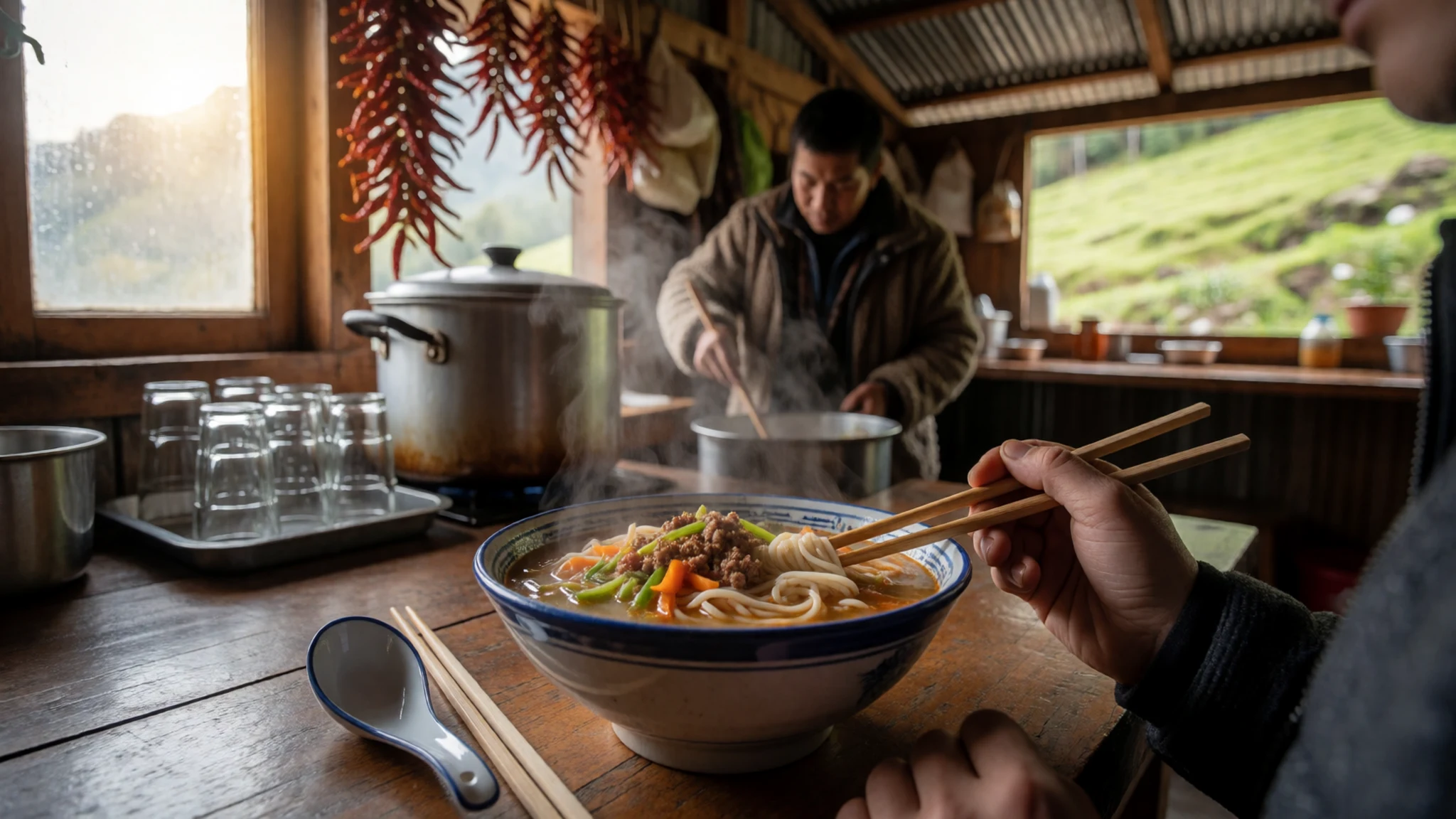
- Momo — Small eateries and roadside stalls in town
Steamed or fried dumplings, traditionally filled with minced pork and onion and cooked in a stacked steamer. Served with a sharp chilli sauce, they make a quick lunch after the monastery and are usually served hot.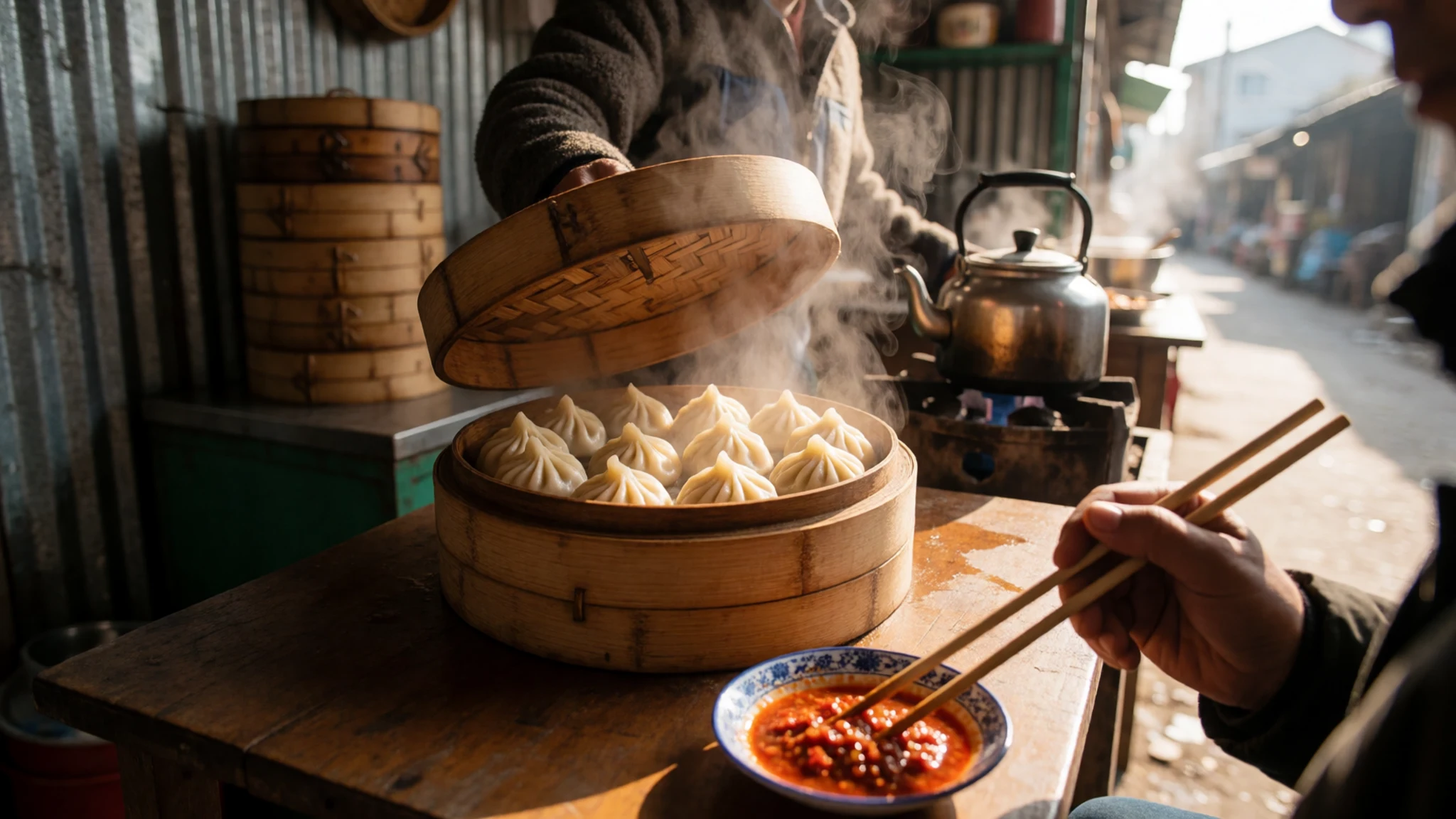
- Zan — Monpa homes and local eateries
The staple dish of the Monpa people, a thick porridge-like dough made from grain flour. It is plain by design and is eaten with spicy sides, vegetables or meat. Ask locally for the best place to try it. - Gyapa khazi — Local Monpa eateries and family kitchens
A pulao-style dish of rice cooked with fermented cheese, small dried fish or shrimp, chilli, ginger and spices. The cheese gives it a strong, sharp flavour, which marks out true Monpa cooking from the milder food elsewhere. - Khura — Tea stalls and breakfast eateries
A pancake usually eaten with tea. It is simple, filling and well suited to a cold morning before a day of climbing. Paratha with vegetable curry, served hot from roadside shacks, is the other dependable breakfast.
Plan it
Best time. March–April and October–November, when skies are usually clearer and roads more reliable. Winter brings snow, cold and possible road closures, and the monsoon months bring heavy rain, mist and landslides.
How long. 3–4
Getting there. The nearest railhead is Bhalukpong and the nearest major airports are in Assam, such as Guwahati. The last leg is a long road journey by shared or private taxi over high mountain passes, usually with an overnight stop at Dirang or Bomdila.
Budget. mid
Tips
- Arrange the Arunachal Pradesh permit before travel, and check the official state tourism or permit website for current fees and rules
- Spend a night at Dirang or Bomdila on the way to adjust to altitude and break the drive
- Start monastery visits early, before mist and tour groups arrive
- Carry cash, because cards and mobile networks can be unreliable
- Allow spare days in the itinerary, since landslides and snow can delay roads
Etiquette
- Remove shoes and hat before entering prayer halls, and walk clockwise
- Do not photograph military facilities, and ask before photographing monks, nuns or locals
- Keep voices low at the monastery, nunnery and war memorial
Nearby
Sources
- Wikidata Q3349882 (CC0)
- Wikipedia: Tawang Monastery (rev 1367132057) (CC BY-SA 4.0)
- Wikivoyage: Arunachal Pradesh (rev 5390112) (CC BY-SA 4.0)
- Photo 01 — Vikramjit Kakati (CC BY-SA 4.0)
- Photo 02 — Rumelade (CC BY-SA 4.0)
- Photo 03 — PP Yoonus (CC BY-SA 4.0)
- Photo 04 — Yatrika (CC BY-SA 4.0)
- Photo 05 — Dibyendu Ash (CC BY 4.0)
- Photo 06 — PP Yoonus (CC BY 4.0)
- Photo 07 — PP Yoonus (CC BY 4.0)
- Photo 08 — Doniv79 (CC BY-SA 2.5)


