Everest Base Camp
Everest Base Camp, Nepal
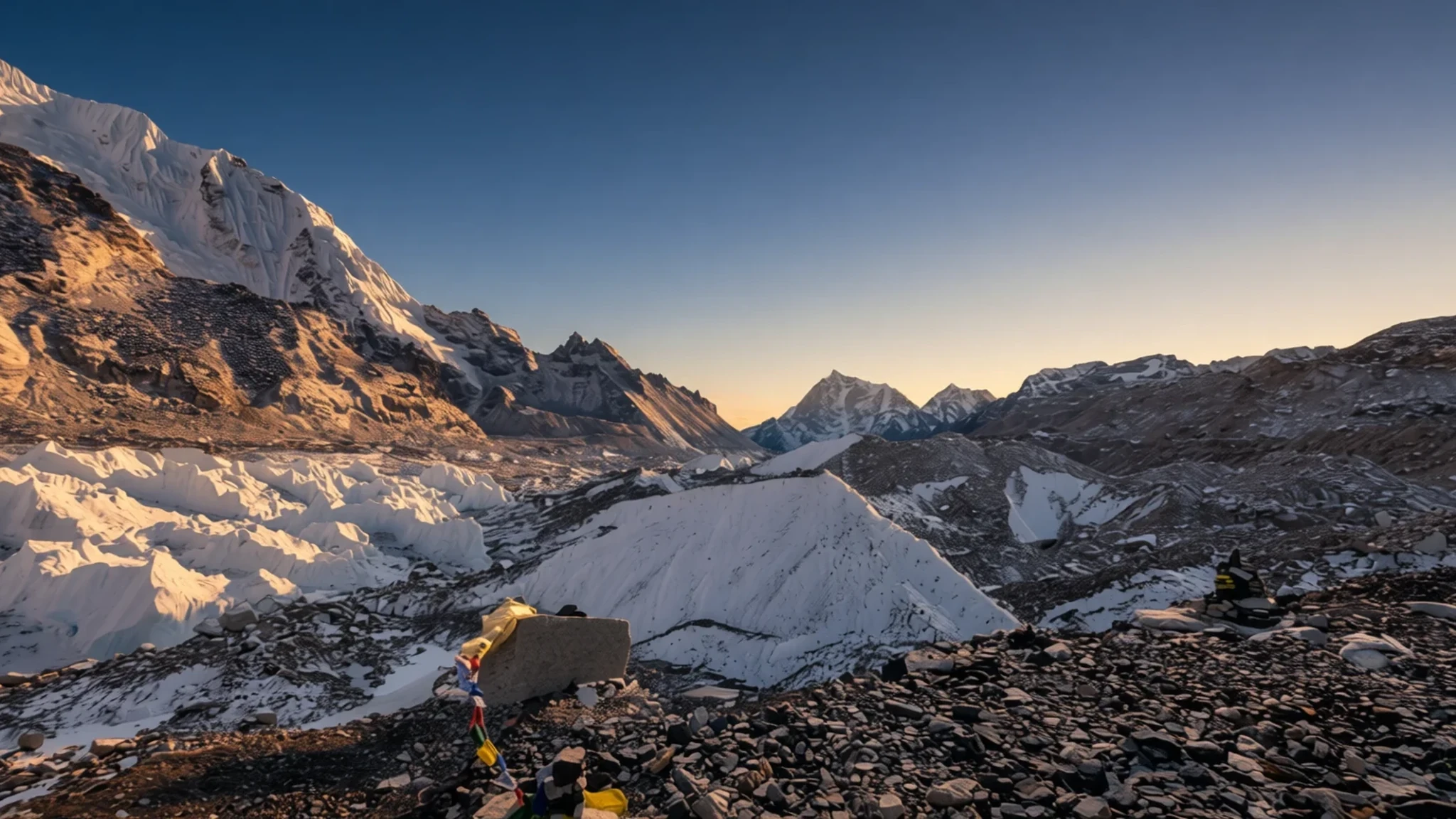
Journey through the high Himalayas to reach the iconic southern staging ground beneath the world's highest peak.
The place
Everest Base Camp sits in the Khumbu region of Nepal, serving as a rudimentary campsite for expeditions tackling the southeast ridge of Mount Everest. Situated at an elevation of 5,364 metres, the site functions as a vital resting point where mountaineers spend several days acclimatising to thin air before attempting their ascent. The approach winds through high mountain terrain within Sagarmatha National Park, surrounded by immense glacial moraines and dramatic icefalls. While climbers occupy the site during peak climbing windows, hikers make the journey year after year to experience the sheer scale of the Khumbu Himalaya. Supplies on the trail are traditionally moved by porters and pack animals such as yaks, navigating steep stone staircases and suspension bridges over roaring glacial rivers. As altitude increases, the landscape shifts from pine forests and rhododendrons to barren rock, ice, and sweeping vistas of towering summits.
Its story
The history of Everest Base Camp is written by the expeditions that have tested human endurance against the highest mountain on earth. Long before modern trekking infrastructure made the route accessible to independent hikers, pioneers used the Khumbu valleys to approach the southern flanks of the peak. Over decades, the trail transformed from a remote mountaineering route into one of the world's most famous walking journeys. Local Sherpa communities have shaped this history every step of the way, guiding expeditions, sharing cultural knowledge, and building the welcoming tea houses that now line the route. These lodges evolved from simple mountain shelters into rustic hubs where travellers gather by iron stoves to share stories of the day's climb. Along the trail, memorials such as those near Dughla pass honour the climbers and guides who lost their lives in the mountains, reminding every visitor of the solemn respect demanded by the high peaks.
What to see
- Sagarmatha National Park
A protected mountain sanctuary enclosing deep valleys, glaciers, and the towering peaks of the Khumbu. The park safeguards fragile high-altitude ecosystems and traditional Sherpa settlements.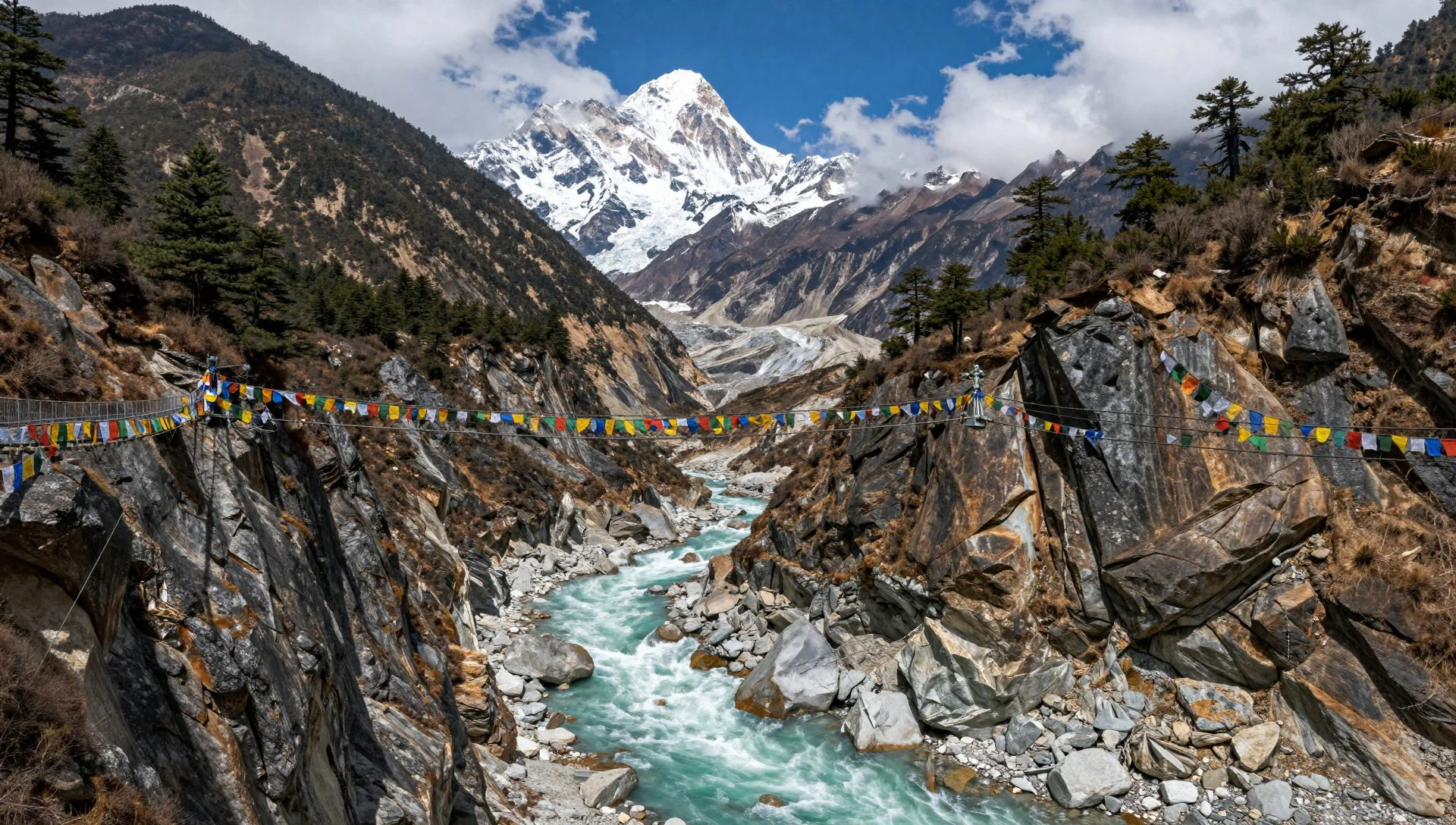
- Kala Patther
A rocky vantage point offering panoramic views looking directly across to the massive face of Everest and neighbouring giants. Hikers climb its slopes for sunrise vistas over the glaciers.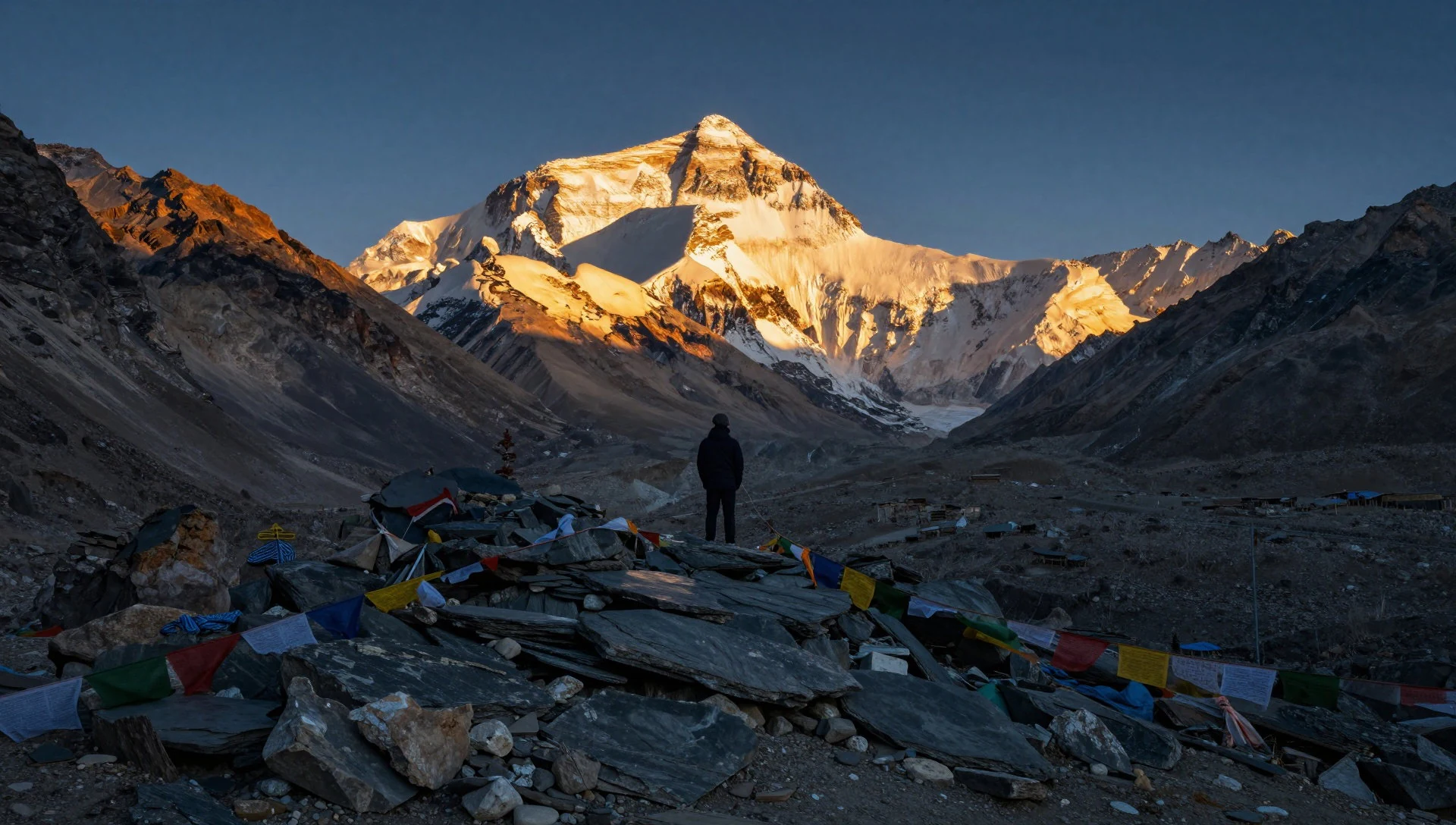
- Tengboche Monastery
A prominent spiritual centre in the Khumbu valley surrounded by rhododendron forests and mountain backdrops. Travellers often pause here to spin prayer wheels and observe monastic life.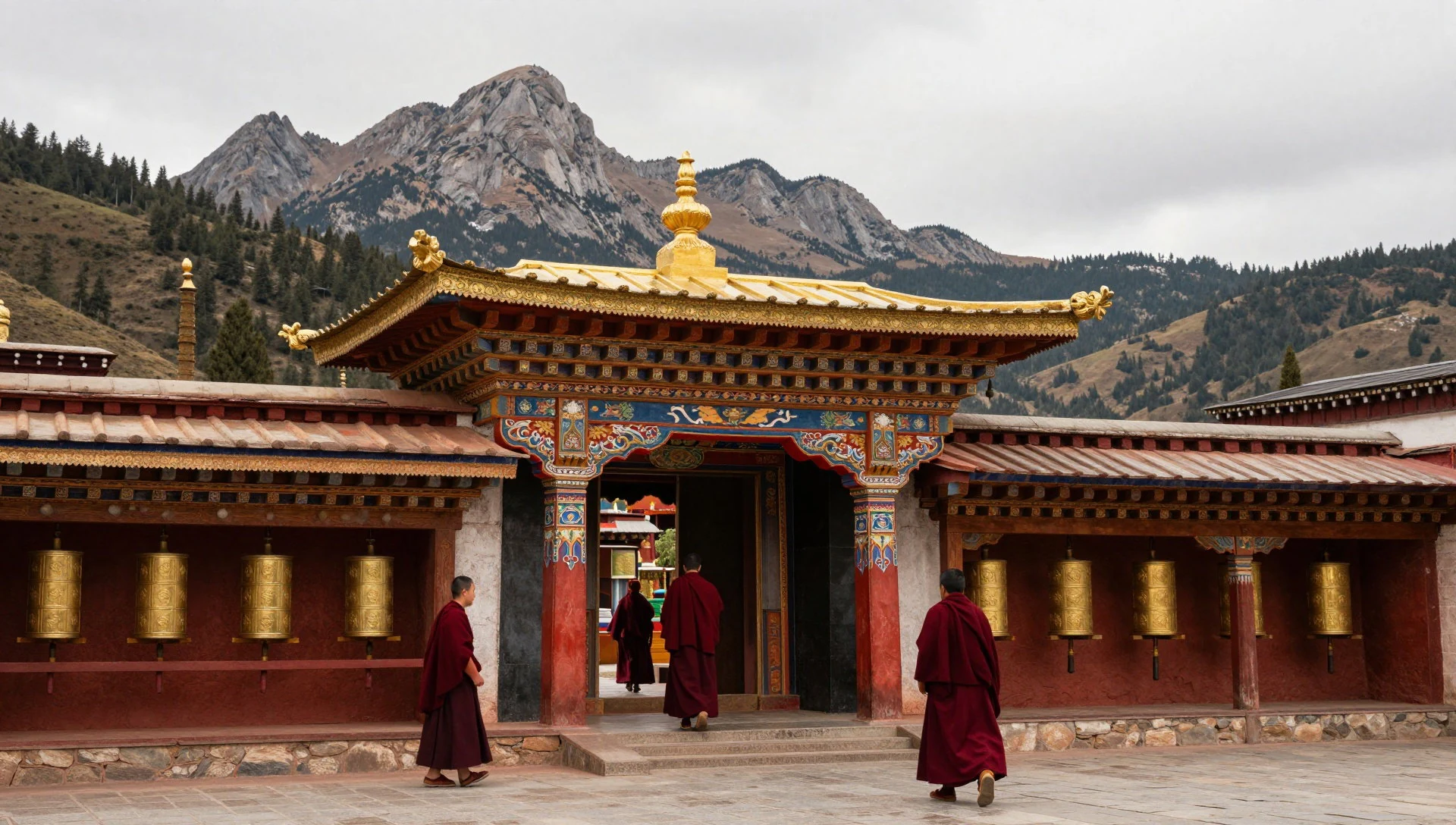
- Dughla Pass Memorials
A sobering collection of stone cairns and plaques dedicated to climbers and Sherpa guides who perished on the mountains. The site sits quietly amidst rugged moraine terrain.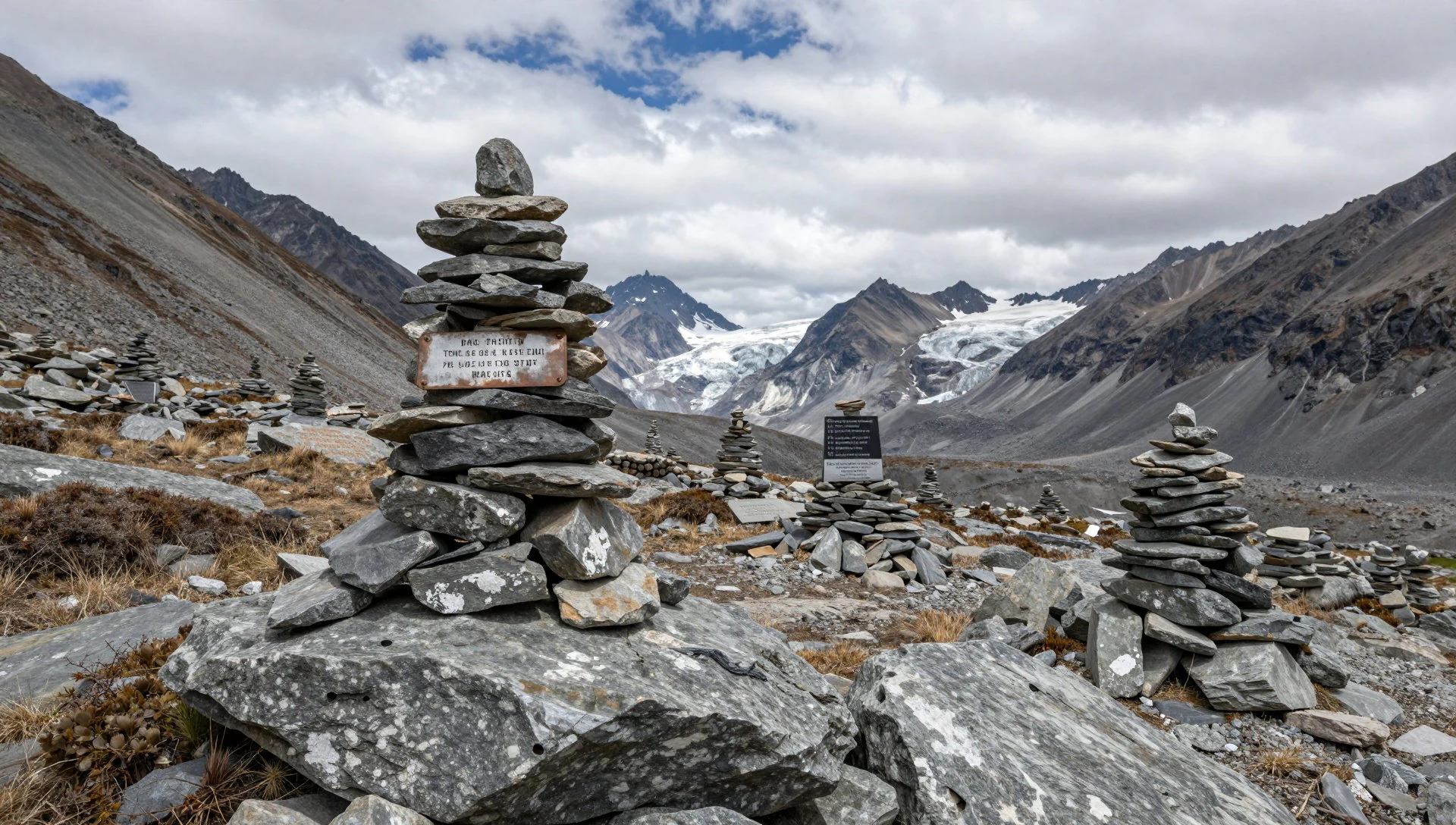
Culture
The mountain communities of the Khumbu region are predominantly Sherpa, whose Buddhist heritage shapes daily life, architecture, and greeting customs. Travellers are greeted with a warm Namaste accompanied by pressed palms, a gesture of deep respect acknowledging the divine spark within every individual. Monasteries, mani walls, and fluttering prayer flags mark the landscape, carrying blessings on the mountain wind. Visitors should always pass sacred structures, chortens, and mani stones on the right, keeping them on the right hand side during circumambulation. Feet are considered unclean, and pointing the soles towards people or religious shrines is deeply impolite. Remove your hat and shoes before entering a residential home or temple sanctuary, and ensure you use your right hand for eating, greeting, and handing items to others.
What to wear
Traditional mountain dress in the Khumbu features woollen layers, woven aprons, and sturdy garments designed to withstand biting Himalayan winds and sub-zero temperatures. Locals often wear thick woollen tunics and traditional caps suited to high altitudes. Today, people living and working along the trekking routes combine practical modern outdoor clothing with traditional wool accessories. For visitors, dressing for Everest Base Camp requires a systematic layering approach: moisture-wicking base layers, insulating fleece or down mid-layers, and a windproof, waterproof outer shell. Sturdy, broken-in trekking boots with good ankle support are essential for navigating uneven rocky trails and moraines. Modest clothing that covers shoulders and knees is appreciated in local villages and monastic settlements, while a warm wool hat and insulated gloves are non-negotiable once temperatures drop after sunset.
What to eat
- Daal-bhaat-tarkaari — Any teahouse along the trekking route
The national meal of spiced lentil soup poured over boiled rice, served alongside spiced seasonal vegetables. It is typically eaten twice daily in homes and teahouses to fuel long days of walking.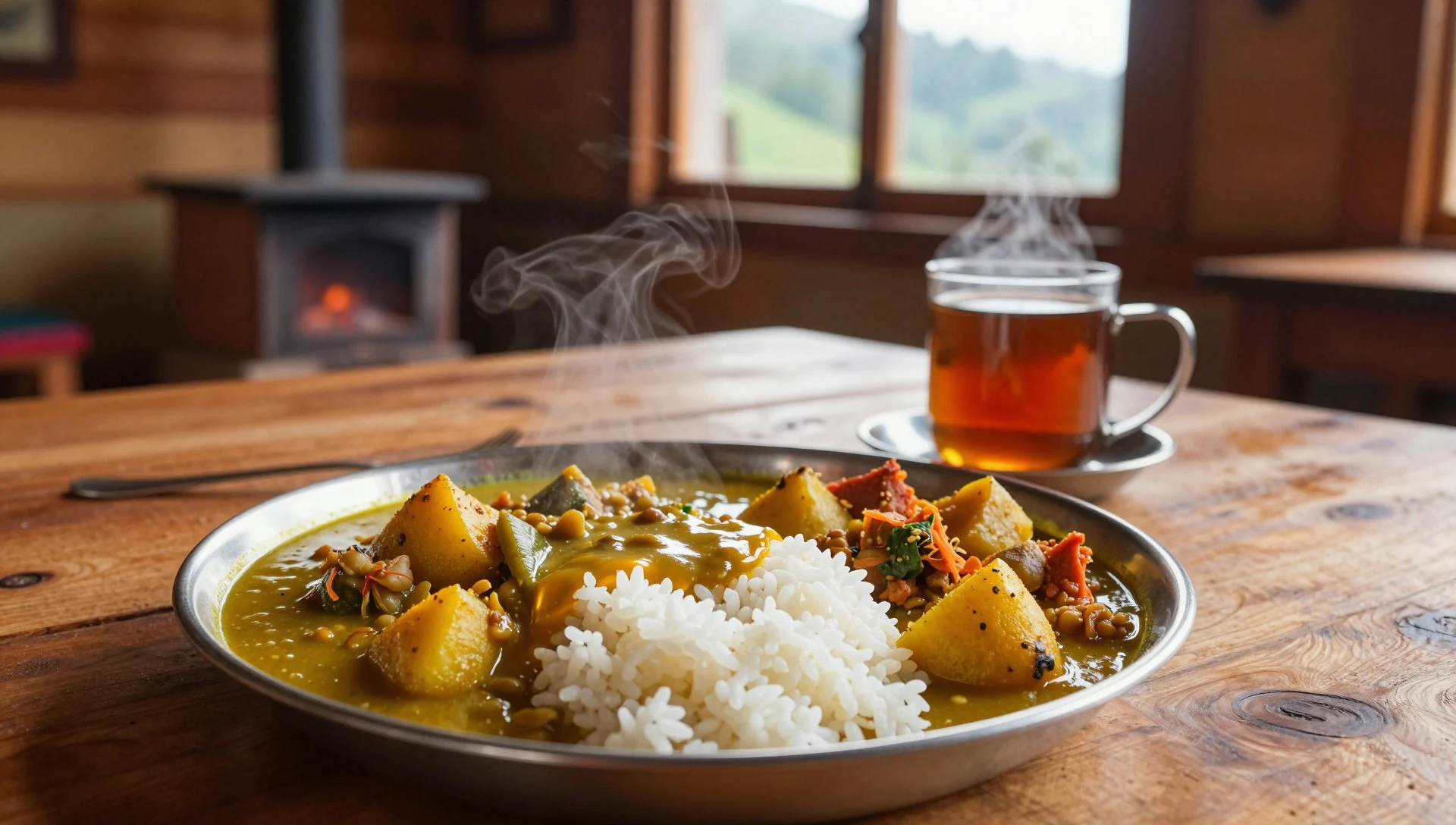
- Momos — Mountain lodges and village eateries
Steamed or fried dumplings filled with minced vegetables, potato, cheese, or yak meat, served with a fiery tomato-based dipping pickle. They make a comforting snack after a cold day on the trail.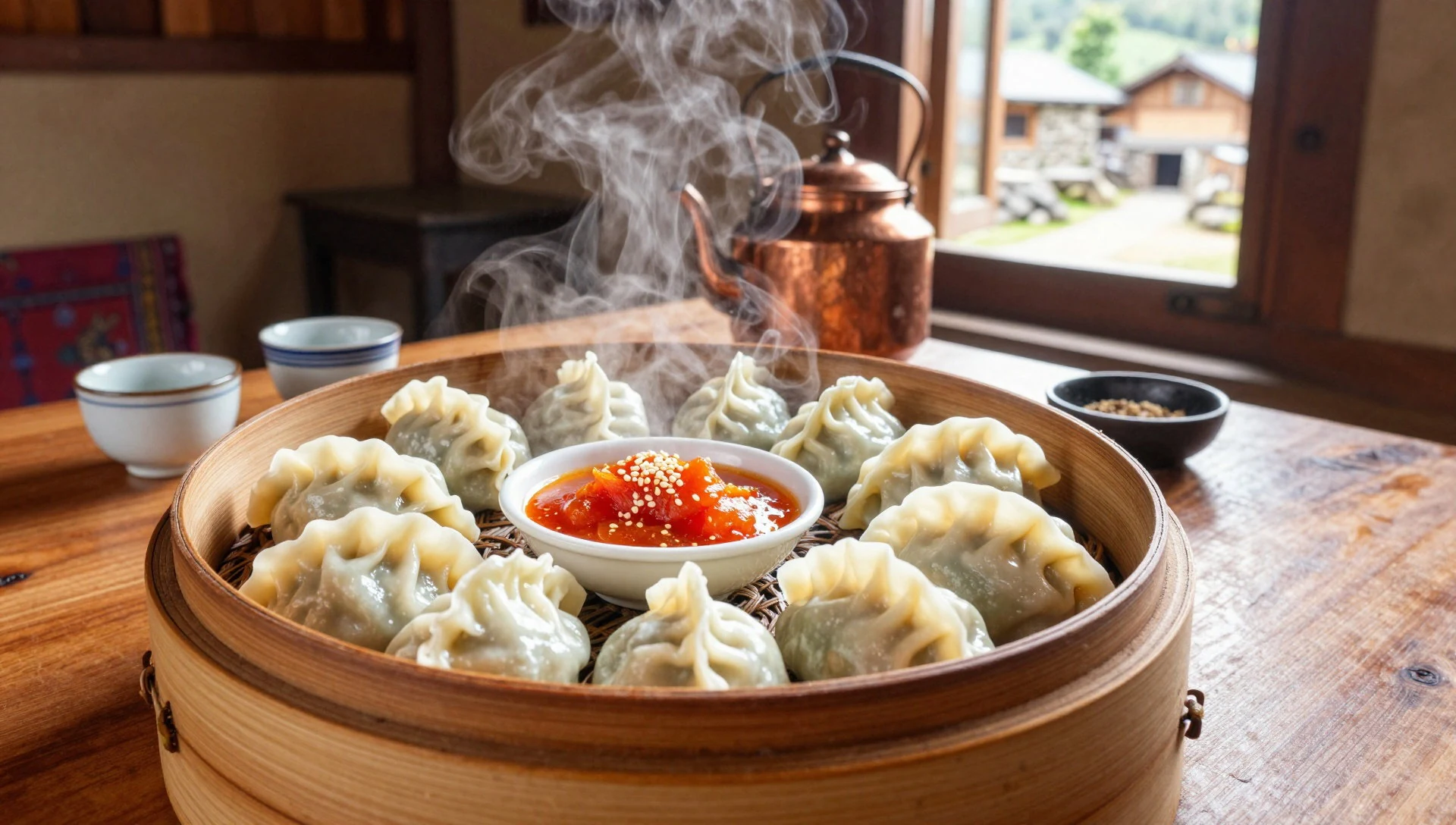
- Tibetan Bread — Teahouses across the Khumbu region
A dense, golden-fried flatbread that is crusty on the outside and soft inside. It is often served hot with yak butter, honey, or jam for breakfast in mountain lodges. - Sherpa Stew — Local dining rooms along the trail
A hearty, warming soup made with handmade pasta squares, potatoes, root vegetables, and meat chunks in a rich broth. It is designed to restore warmth and energy in high-altitude cold.
Plan it
Best time. March to April offers blooming rhododendrons and stable climbing weather, while October to November provides clear skies and crisp mountain air after the monsoon.
How long. 12–14
Getting there. Fly from Kathmandu to Lukla airport, which serves as the starting point for the trek into the Khumbu region.
Budget. mid
Tips
- Allow several rest days along the route for proper acclimatisation to altitude
- Carry sufficient cash for teahouses, as card machines and ATMs are unreliable
- Drink plenty of purified or boiled water throughout each hiking day
- Start morning walks early to catch clear mountain views before afternoon clouds gather
Etiquette
- Always pass mani walls and Buddhist stupas in a clockwise direction
- Remove your boots before stepping inside a monastery or local home
Nearby
Sources
- Wikidata Q99671286 (CC0)
- Wikipedia (CC BY-SA 4.0)
- Wikivoyage (CC BY-SA 4.0)