Ladakh
Ladakh, India
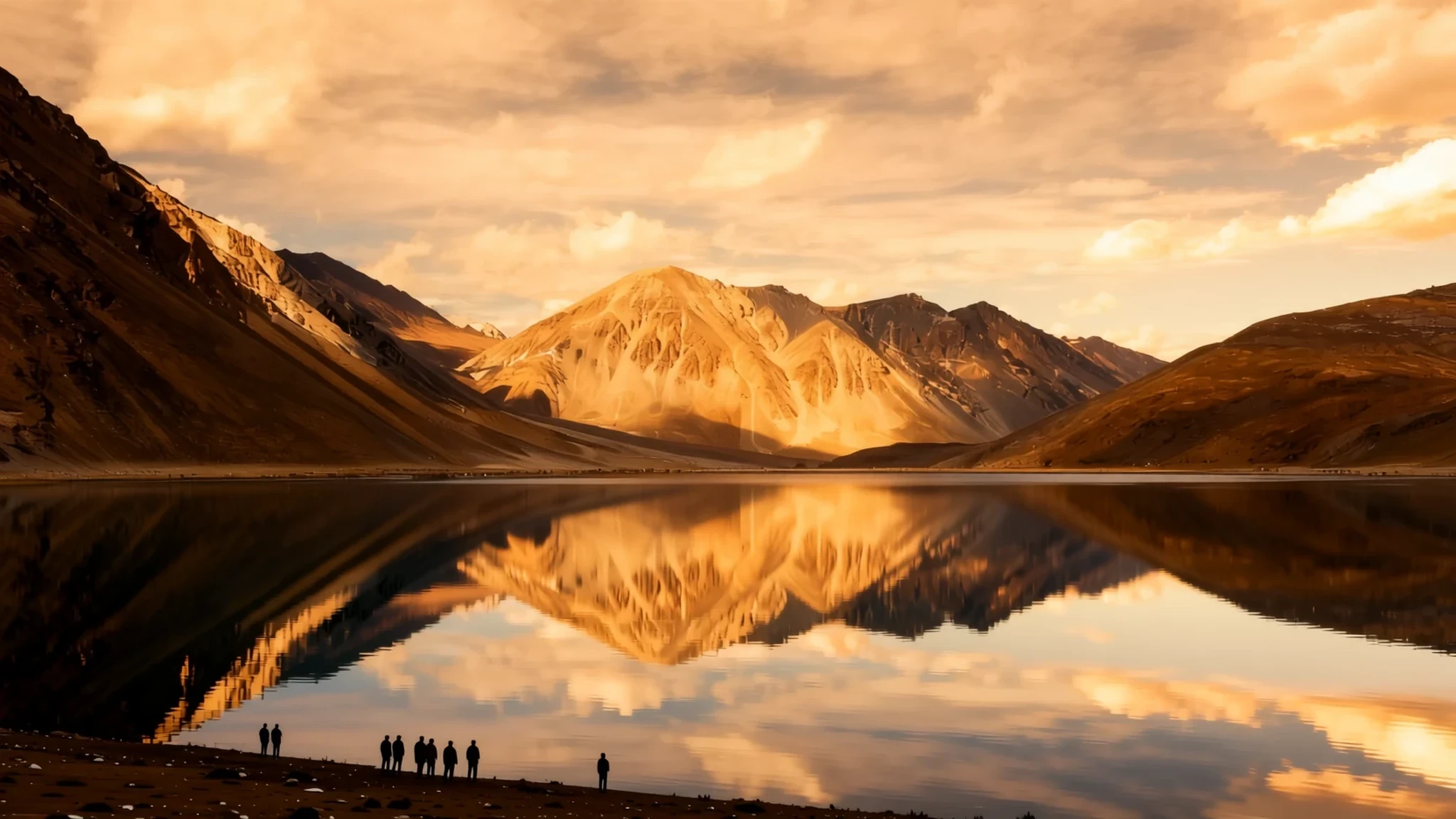
Go to Ladakh for stark high-altitude deserts, ancient Tibetan Buddhist monasteries, and some of the most remote trekking routes in the world.
The place
Ladakh sits as an eastern portion of the broader Kashmir region, administered by India as a union territory. It stretches from the Siachen Glacier in the northern Karakoram range down to the main Great Himalayas in the south. The terrain is defined by dramatic, high-altitude arid landscapes and sweeping valley floors bordered by towering mountain chains. To the east, Ladakh shares a frontier with the Tibet Autonomous Region of China, while the Indian state of Himachal Pradesh lies to the south. Toward the west, it borders Jammu and Kashmir alongside Pakistani-administered Gilgit-Baltistan, with the far northern corner reaching across the Karakoram Pass into Xinjiang. Historically, this geography placed Ladakh at the intersection of major trade routes connecting Central Asia, Tibet, and the Indian plains. Following changes to political borders in the middle decades of the twentieth century, international commerce declined, eventually leading the government to open the territory to travellers. The local population remains modest in scale, distributed across high valleys where life adapts rigorously to the thin air, intense sun, and freezing winters. Towns and settlements cluster around river corridors such as the Indus, where glacial meltwater allows for small-scale barley farming and orchards. Visitors traversing the region encounter vast horizons where mineral-streaked rock faces shift colour under changing light, creating an environment focused entirely on geological scale and isolation.
Its story
Rock carvings found across various valleys show that Ladakh has supported human presence since Neolithic times. Early inhabitants included nomadic groups known as Kampas, followed by settled communities of Mons originating from Kullu and Brokpas coming from Gilgit. By the opening centuries of the first millennium, the territory formed part of the Kushan Empire. During this era, Buddhist teachings arrived from Kashmir, taking deep root across western districts. Throughout much of the early medieval period, western Tibet was governed by the Zhangzhung kingdom, whose people practiced the indigenous Bon religion. Sandwiched between Kashmir and Zhangzhung, Ladakh alternated under the sway of these two regional powers, leaving distinct linguistic and cultural traces in upper areas along the middle Indus valley. From the latter half of the seventh century onwards, the Tang dynasty and the Tibetan Empire engaged in prolonged military contests for control of the Tarim Basin trade nodes. Zhangzhung itself fell to Tibetan expansion during the seventh century, while other regional forces such as the Karkota Empire and the Umayyad Caliphate joined the struggle for dominion over Xinjiang. Over subsequent centuries, local governance evolved through dynastic rulers who built fortified palaces and monastic complexes on rocky outcrops above the river valleys, establishing the distinctive religious architecture that defines the region today.
What to see
- Thikse Monastery — Thikse Valley
Perched dramatically on a rocky hill, this large monastery complex resembles the Potala Palace in Lhasa. It houses multiple tiers of prayer halls, sacred assembly rooms, and an impressive Maitreya Buddha statue installed in a dedicated two-storey chamber overlooking the green valley floor below.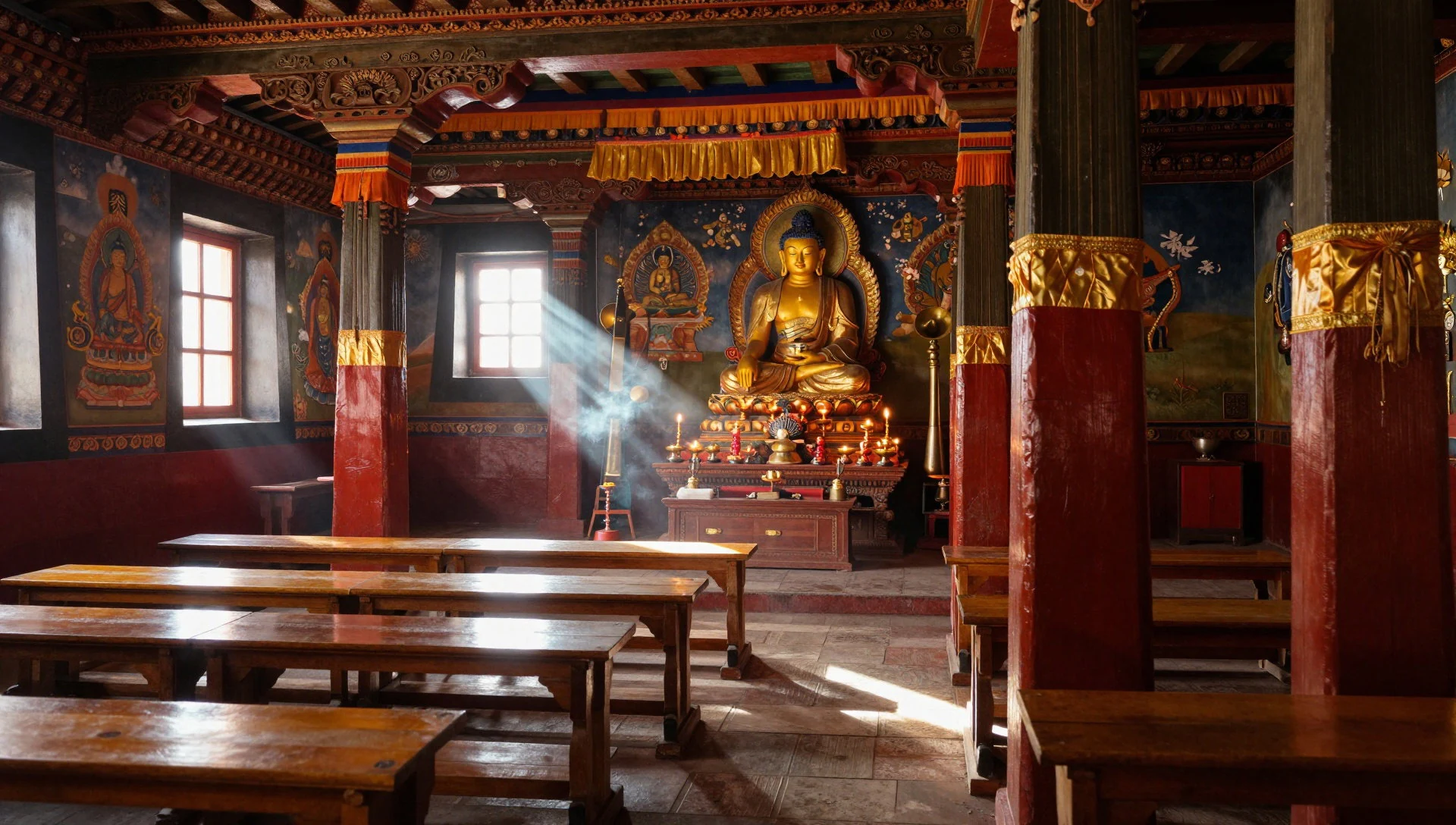
- Leh Palace — Leh Old Town
Overlooking the main town, this ruined royal residence was constructed in the seventeenth century by King Sengge Namgyal. Its nine storeys of mud brick and timber showcase traditional Ladakhi architecture, offering wide views across the old town streets and the surrounding mountain ranges.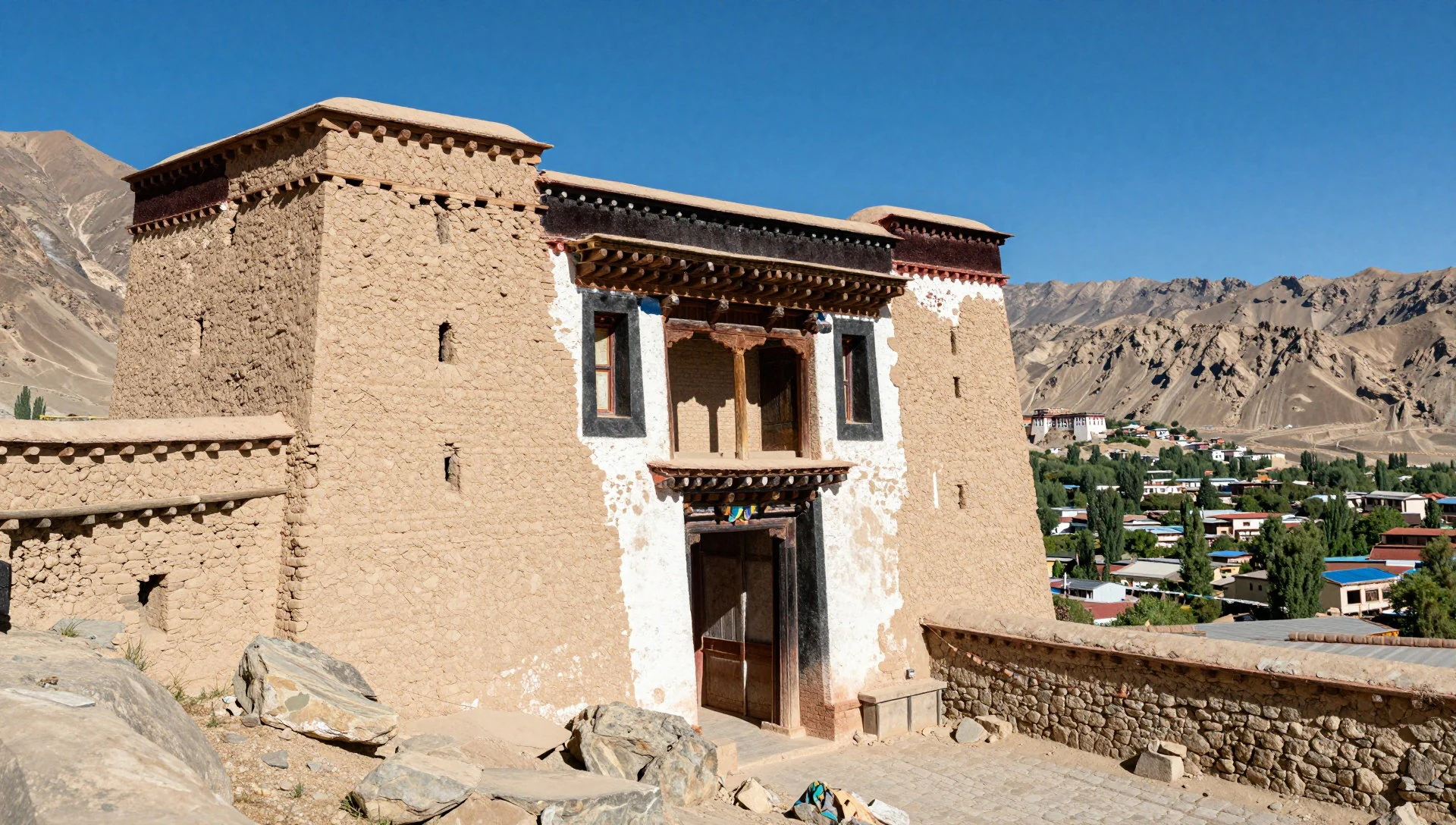
- Shanti Stupa — Chanspa, Leh
Situated on a hilltop opposite Leh, this white-domed Buddhist monument was built to promote world peace and commemorate centuries of Buddhism. Visitors climb the stepped terrace to watch the sunset cast golden light across the Indus valley and the distant Stok Kangri peaks.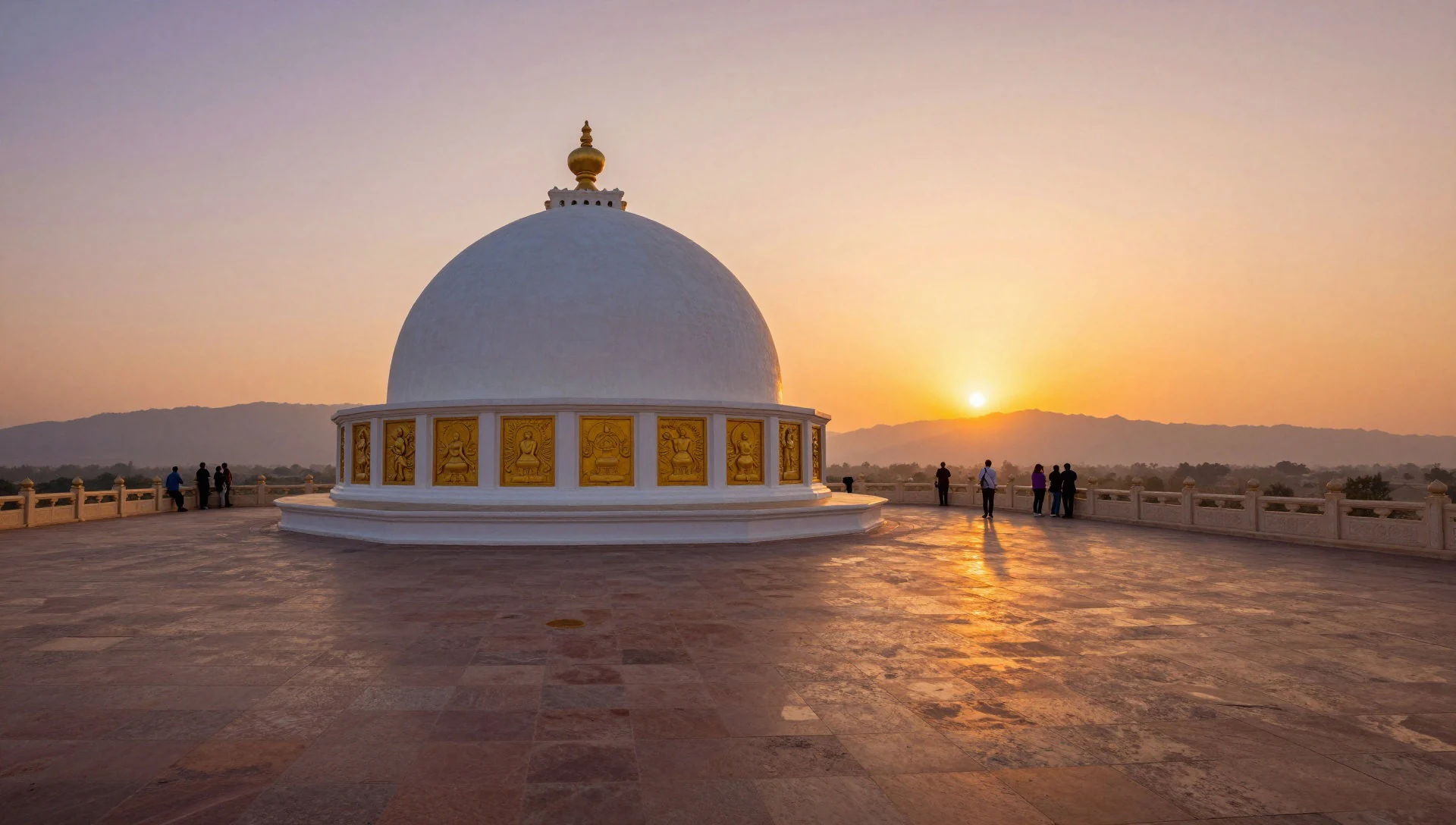
- Markha Valley Trek — Markha Valley
One of the most accessible and popular multi-day hiking routes in the region, passing through traditional mountain villages, barley fields, and high high-altitude passes. Trekkers can stay in local village homestays along the trail, experiencing rural hospitality firsthand.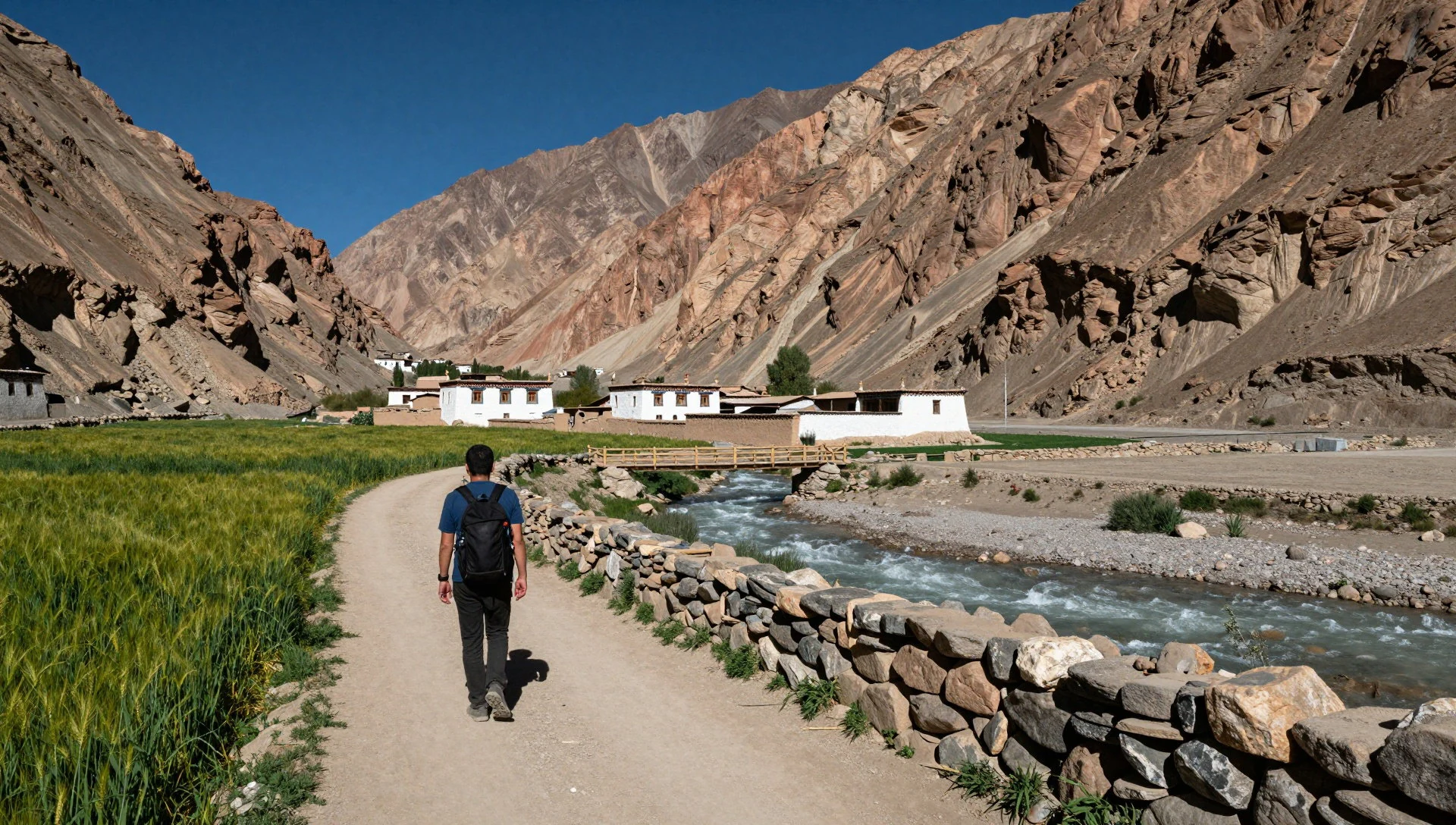
- Pangong Lake — Changthang plateau
An immense, saline high-altitude lake stretching across the border into Chinese territory, known for its striking deep blue and turquoise waters. The surrounding barren peaks frame the shoreline, creating a dramatic landscape that changes colour dramatically with the shifting desert sun.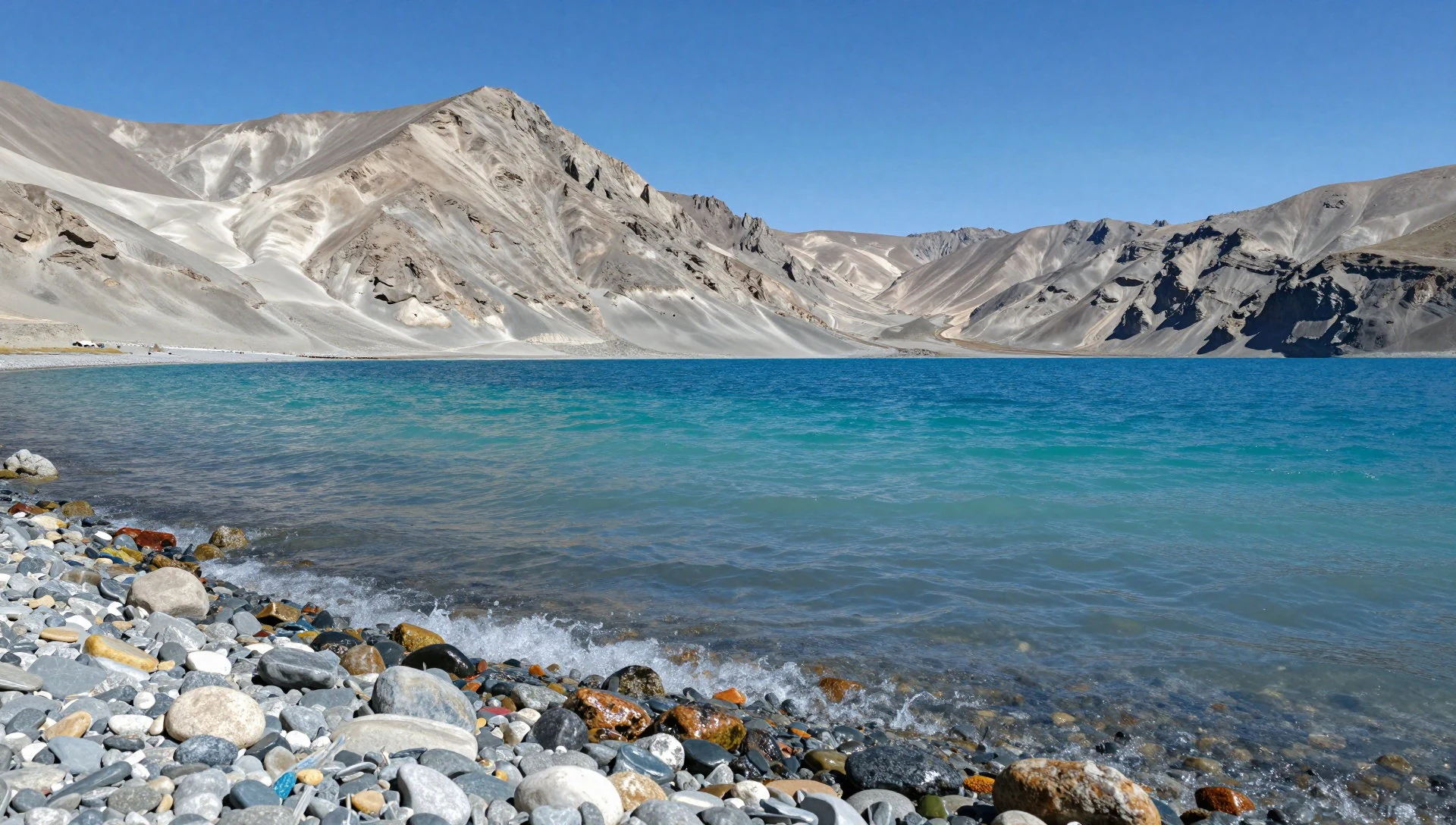
Culture
Ladakhi culture shares deep historical, linguistic, and religious ties with Tibet, centred on vibrant Buddhist traditions preserved in remote mountain monasteries. Traditional community life revolves around agriculture, pastoralism, and cooperative village systems designed to manage scarce water and arable land. Weaving remains a vital craft in eastern districts, where both women and men operate traditional looms to produce woollen textiles for local use and winter clothing. Festivals held within monastery courtyards feature masked monastic dances, sacred music, and community gatherings that mark agricultural cycles and religious commemorations. As the economy modernises and incorporates cash transactions, traditional agrarian routines blend increasingly with tourism and administration. Visitors should always remove their shoes before entering monastic prayer halls and walk clockwise around stupas and mani stone walls.
What to wear
Traditional Ladakhi attire is designed to withstand harsh mountain cold and biting winds. The principal garment for women is the goncha, a heavy woollen robe secured with a brightly coloured sash, often paired with a traditional headdress known as a perak studded with turquoises and corals. Men traditionally wear a similar wrap-around woollen coat fastened at the side. While older generations still wear these heavy garments daily, younger locals in towns often opt for modern Western jackets, trousers, and jumpers. For visitors, layering is essential due to extreme temperature swings between intense daytime sun and freezing mountain nights. Travellers should pack thermal inner layers, windproof outerwear, sturdy walking shoes for uneven terrain, and modest clothing that covers shoulders and knees when visiting monasteries and religious shrines.
What to eat
- Thukpa — Any traditional eatery or market stall in Leh
Ladakh's staple comfort food is a hearty noodle soup served with tender pieces of mutton and boiled seasonal vegetables, often accompanied by a fiery chilli chutney to warm up against the chill.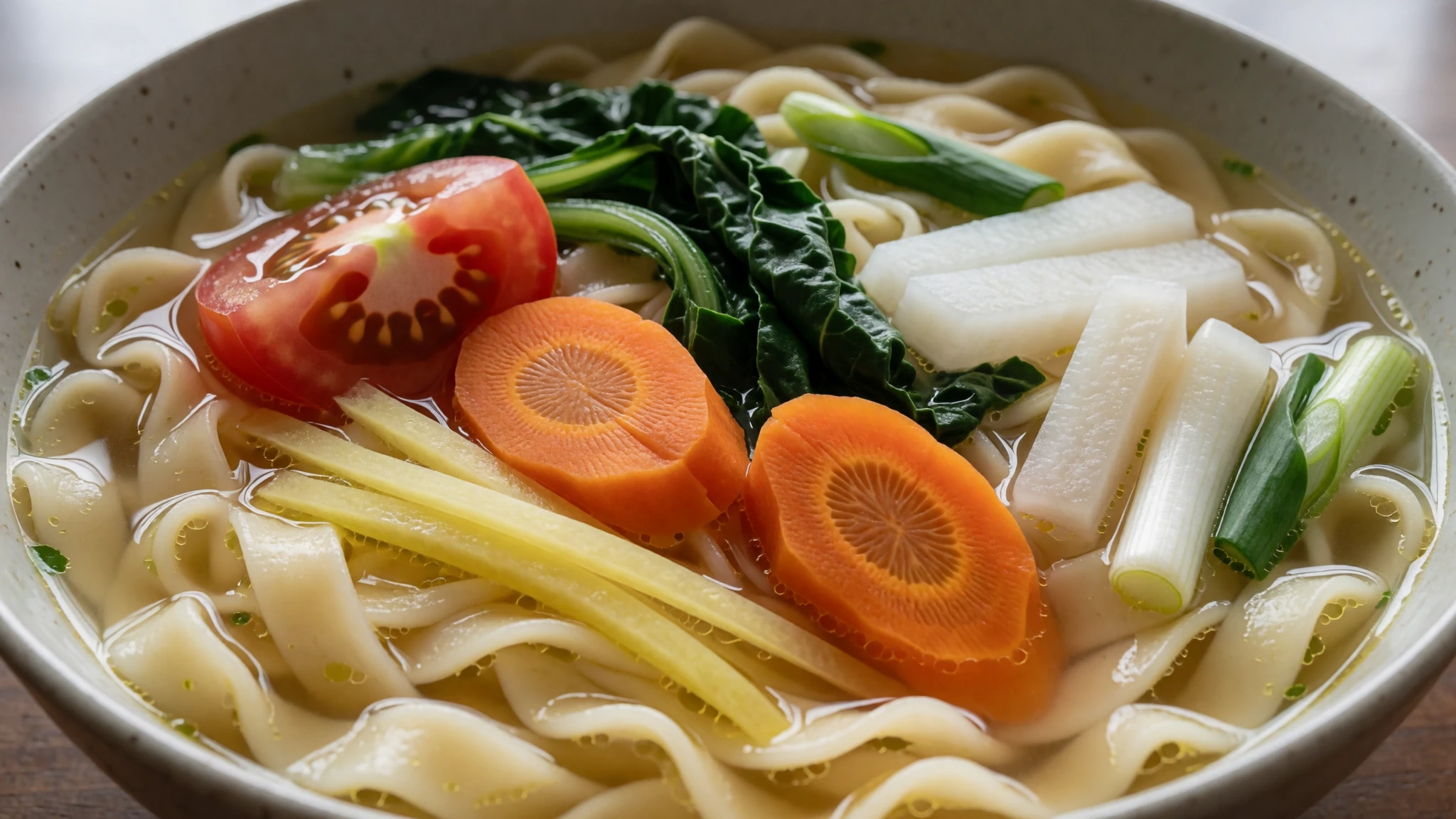
- Momos — Street food stalls and roadside tea shops throughout the valleys
Steamed or fried flour dumplings filled with minced mutton or vegetables, folded tightly and served hot alongside a pungent, spicy tomato and chilli dipping sauce.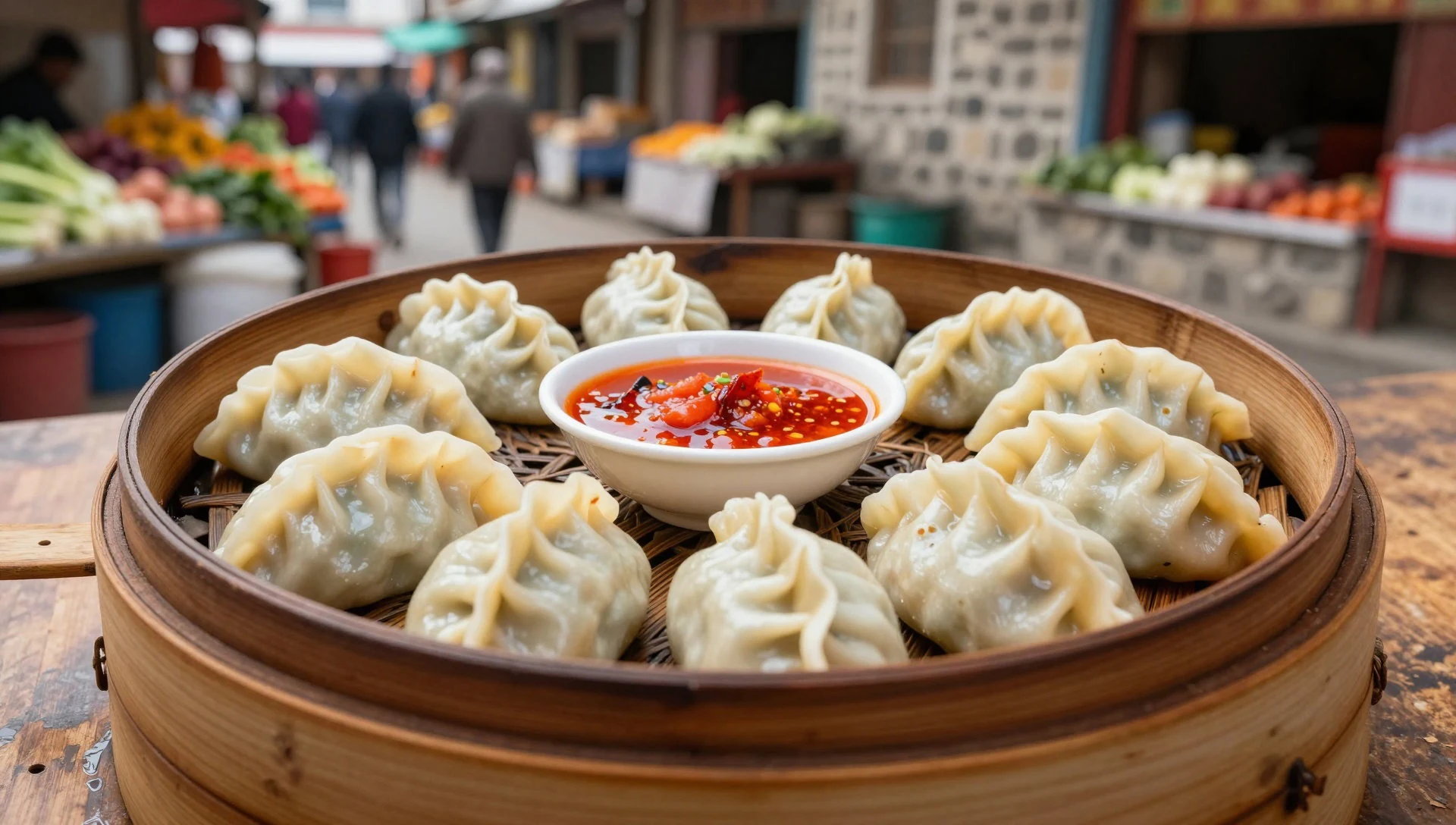
- Skyu — Village homestays and rural family kitchens
A traditional, heavy hand-made pasta dish crafted into small thumb-pressed thumb-sized shapes and simmered in a rich, warming root vegetable and meat broth. - Gurgur Cha — Monastery kitchens and local teahouses
The traditional salty butter tea made from strong green tea leaves churned vigorously with yak butter and salt in a wooden cylinder, providing essential calories and hydration in cold weather. - Tsampa — Homestays and mountain trail provisions
Roasted barley flour that serves as a lightweight, uncooked staple food for travellers and herders alike, often eaten mixed with hot butter tea or hard cheese.
Plan it
Best time. May to September offers clear roads, accessible high passes, and pleasant daytime temperatures for trekking and sightseeing, while winter brings sub-zero temperatures and heavy snow.
How long. 5–7
Getting there. Fly into Leh's Kushok Bakula Rimpochee Airport (IXL) with regular daily connections from Delhi, or travel by road via scenic mountain highways from Srinagar or Manali.
Budget. mid
Tips
- Allow at least two full days to acclimatise to the high altitude in Leh before attempting strenuous treks.
- Carry sufficient cash, as digital payments and ATMs are unreliable outside main towns.
- Drink plenty of water and use high-factor sunscreen to counter the intense mountain UV rays.
- Book remote valley tours and permits well in advance during the peak summer holiday season.
Etiquette
- Always walk clockwise around Buddhist stupas, mani walls, and monastic prayer wheels.
- Ask for permission before photographing local residents in traditional dress or monks inside prayer halls.
Nearby
Sources
- Wikidata Q200667 (CC0)
- Wikipedia (CC BY-SA 4.0)
- Wikivoyage (CC BY-SA 4.0)